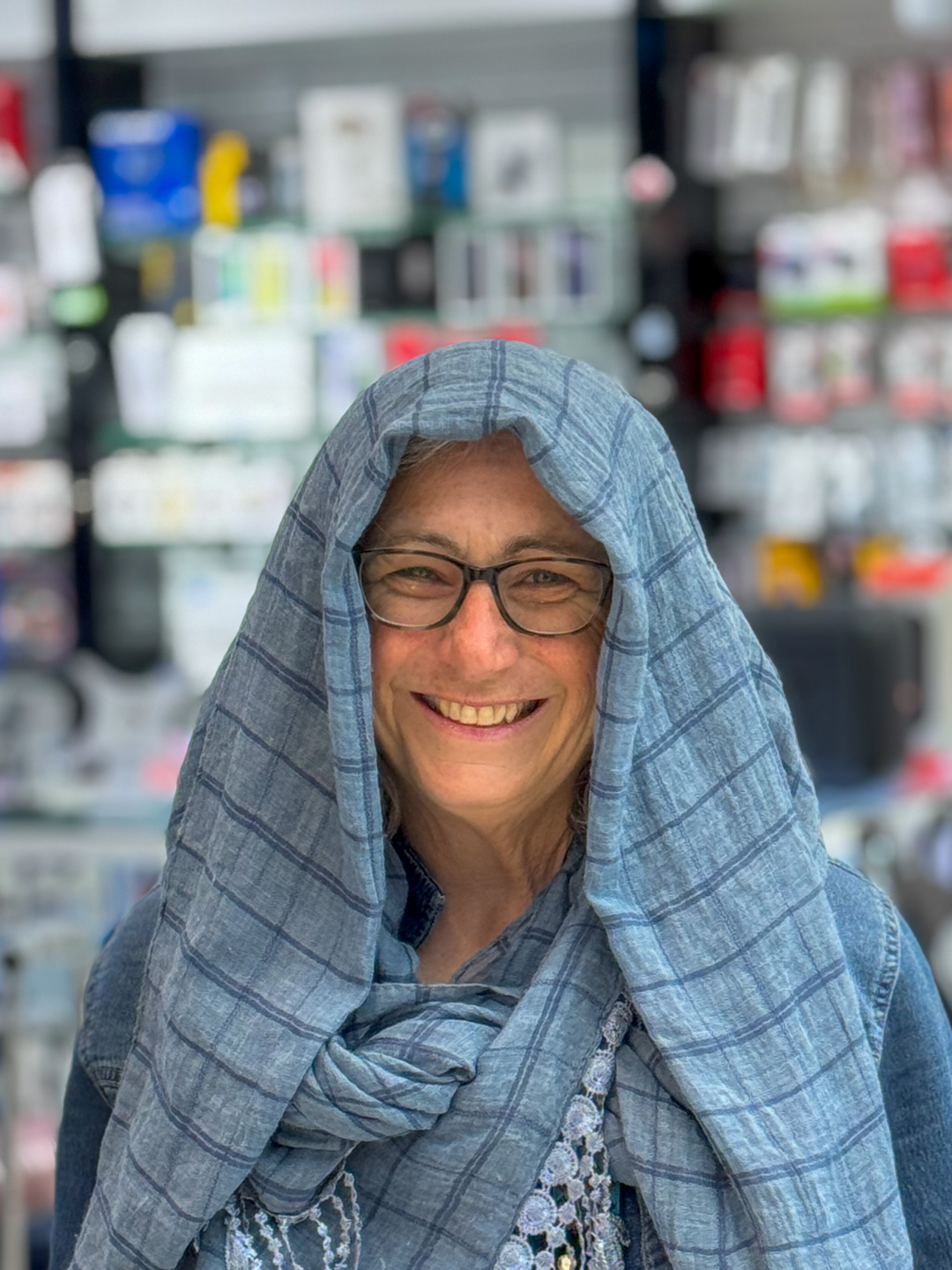
Three of us (Kayla and Carole from England and me) decided to visit a township today.  Kayla found a highly recommended tour company, Hata Angu Cultural Tours, in her Lonely Planet book, and our lovely hotel receptionist contacted the company for us.  Two intelligent guides with magnificent English picked us up from our hotel and showed us around Swakopmund on the way to Mondesa, a township just outside this ocean town

During our drive, they shared history of Namibia (colonized by Germany, administered by South Africa, independent since 1990), feelings about Nelson Mandela (a hero in their eyes), economics (50% unemployment), language (four different clicks can completely change the meaning of a word – with those words being unrelated to each other), and ethnic culture (eleven groups with the largest being the Ovambo, second largest is Kavango, followed by Herero and Damara).

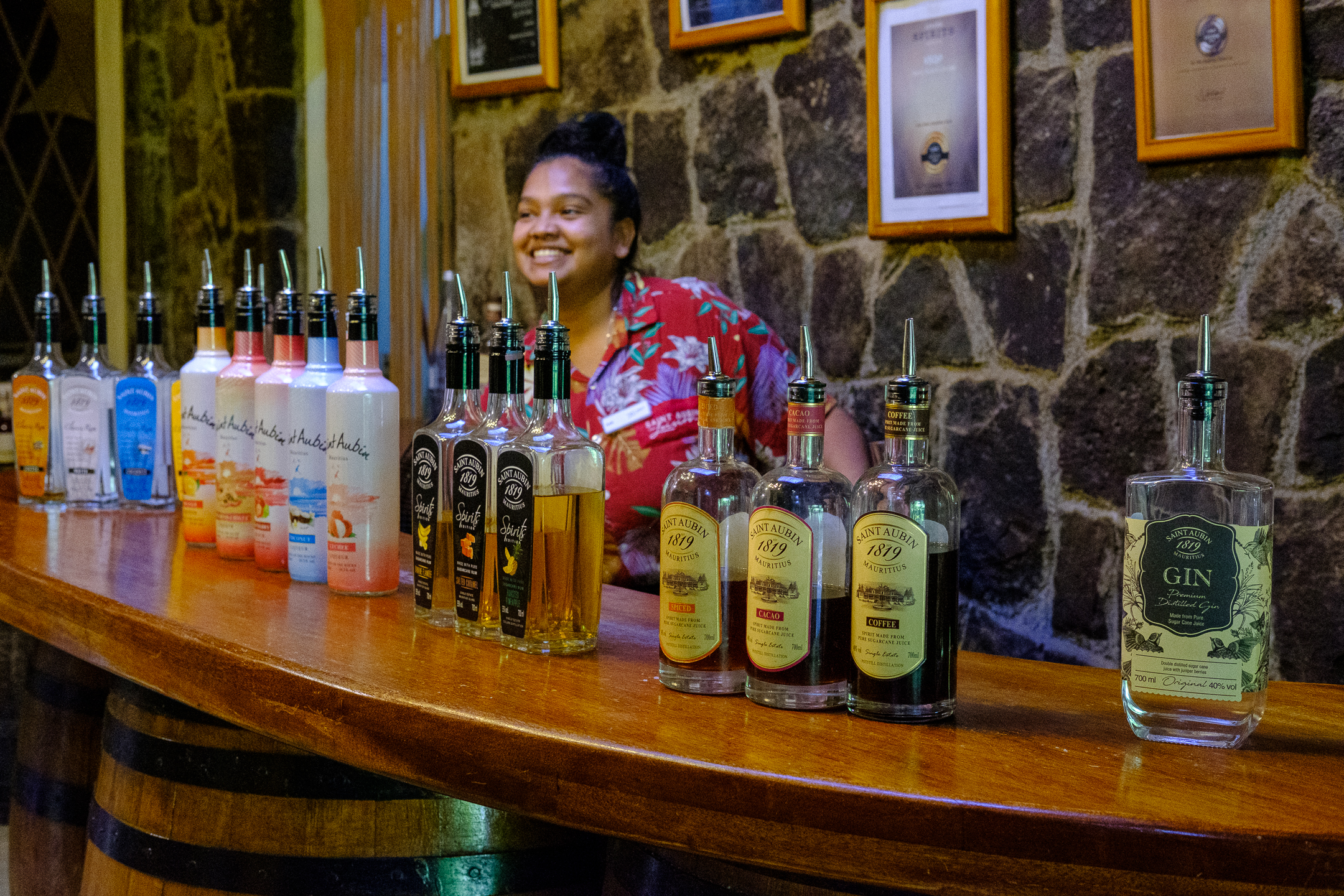
We first stopped at a traditional street market with food and clothing vendors.  The bottles are recycled and filled with sauces – not alcohol.


In 1948 when South Africa instituted apartheid, blacks were forced from Swakopmund into black-only housing in Mondesa.  Permanent residences with, generally, two bedrooms, a kitchen, a sitting area, and a bathroom, house about ten people.  A wooden add-on structure often allows a young person to have a “home.”

At the first stop, we met a wonderful 24-year old Herero woman, dressed in traditional clothing, who runs a daycare in Mondesa.  Working parents can pay for her to watch their children, ages 3 months to 5 years old, until the children are old enough to attend school, which is free and compulsory.  With one or two colleagues, she takes care of up to 15 children.  When she is in town (and not showcasing traditional clothing), she wears modern Western clothes.  In her village, though, she must once again wear traditional clothing and speak softly and modestly.  Herero men are allowed to have up to four wives.  The first wife is selected based on love.  Later, the first wife can pick additional wives if she can no longer bear children.

Our next stop took us to “the Democratic Resettlement Community (DRC), an informal settlement. It was founded in 2001 as a temporary resettlement community for people waiting for subsidized housing in the city and was built mostly of reclaimed garbage from the city landfill. The materials included corrugated metal, wood, canvas and plastic.”


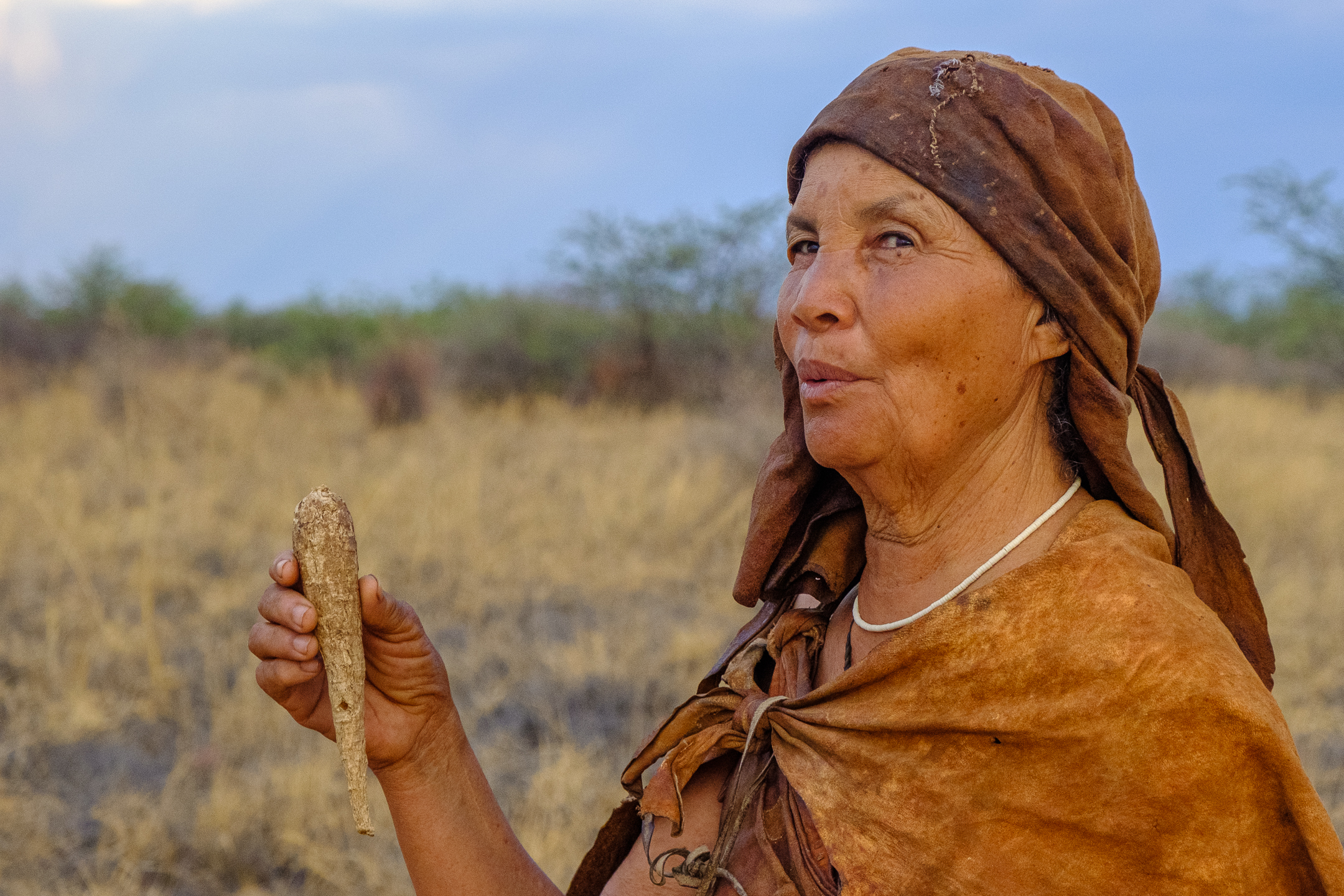
In the DRC, we met with an herbalist – a healer and midwife – who shared a variety of dried herbs and how these herbs can heal or help people.  She spoke no English, so our guide interpreted for us.

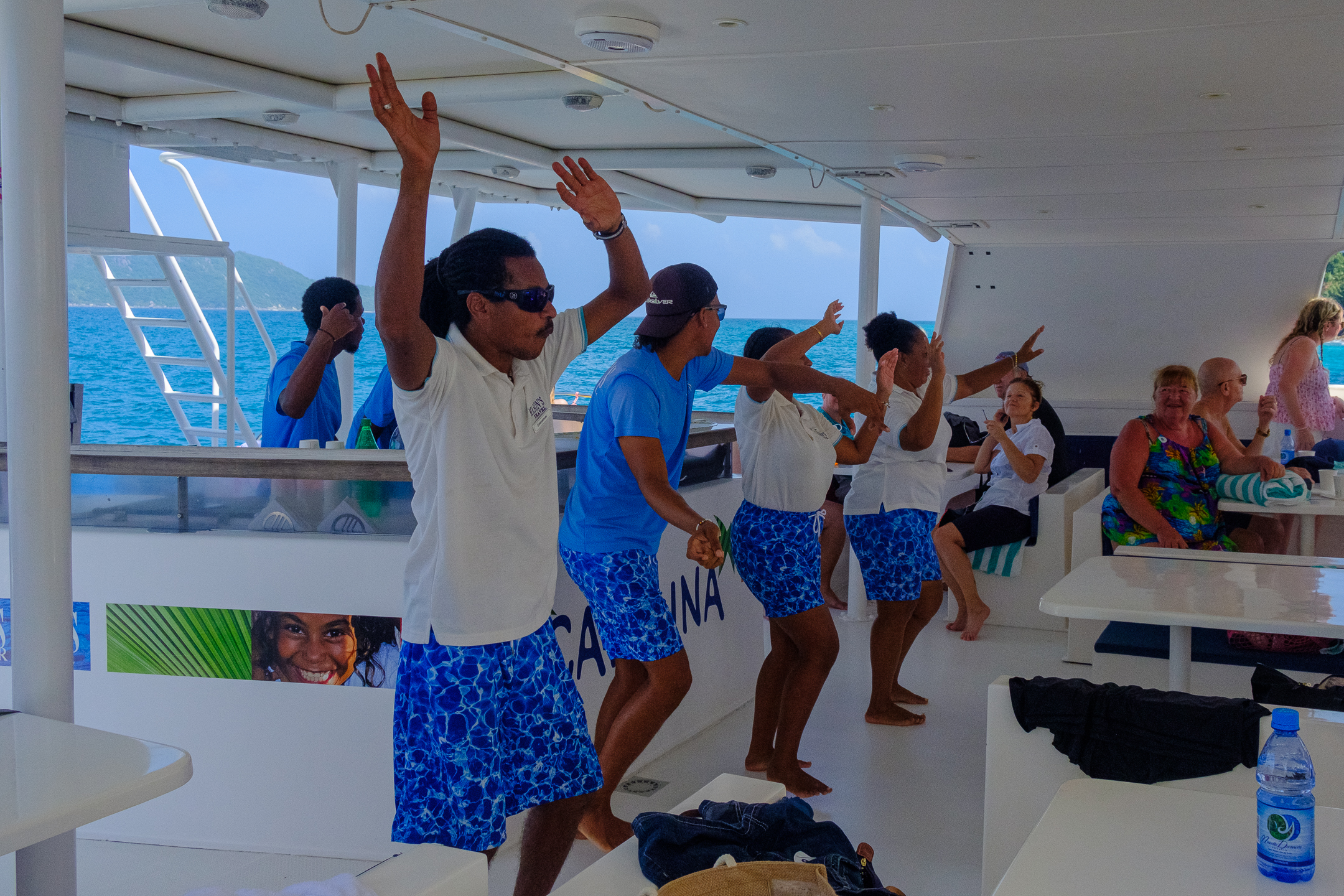
For our final township stop, we returned to Mondesa proper and a nice home owned by the founder of our tour company.  Here, we ate a traditional Namibian meal (with our hands) and watched a dancing and singing performance by four young people who support themselves from their tips.  The noise makers on their ankles are from dried chrysalises that they fill with dried beans.


After the tour and a short rest, we rambled around Swakopmund, chatting and processing what we learned in the township.


A sign warns pedestrians and drivers to beware of guineafowl.

I knew this trip would be a bit “rugged.”  The road to Swakopmund was MORE than a BIT rugged!  Bumpity bump bump – and repeat.  I admit it:  I was a bit cranky when we arrived.  Dehydrated, tired, and hungry – not a good formula for positivity!  A little water, a little rest, and a little food – phew!  Much better!

First, at Solitaire for apple pie, which they just ran out of when we arrived!


Next, at the Tropic of Capricorn, midway between the equator and the south pole.


Then, we viewed Kuiseb Canyon:  “On the Gamsbok Route, west of the Khomas Hochland, the Kuiseb River carves a spectacular feature called The Kuiseb Canyon, and it enters the Namib-Naukluft Park, about 165km from Swakopmund and 230km from Windhoek. It is a wild landscape of badlands, criss-crossed by a maze of dry river courses, which eventually make their way to the Kuiseb River.”


In Walvis Bay, a flock of flamingos entertained viewers.


Public housing units lined the road in Swakopmund.  These two bedroom/one bathroom homes often house up to ten people with the females in one room and the males in the other.  The house is given in the name of the family matriarch.


Other housing developments are more for visitors and retirees.

Early morning wake-up!  We had to get started before it got too hot. 

The benefit of an early morning: I got to see the sunrise!


AND an oryx visited us during breakfast!

 
Today’s adventure came in three parts.
First, we climbed Dune 45, the tallest dune in the desert.


Next, we explored Sossusvlei, walking about four miles in the desert heat.


Although some of us hiked TO Sossusvlei, we decided to wait for the shuttle back to our Red Elephant.


Finally, we hiked into Sesriem Canyon.


Today’s highlight?  The BEST APPLE CAKE IN NAMIBIA – or at least the sign says!

After leaving Fish River Canyon, we began the long drive to the Namib Desert and our home for two nights, Desert Camp.

On the way, we had to stop for cake!


The women on this trip ROCK!  Thanks to the men for helping us up the ladder, catching us when we fell, and snapping this photo.

 
Other desert delights.


Desert Camp is rugged and beautiful!


Sunset was magnificent!


First wildlife photo:  a jackal!


Busy busy day!

We started by canoeing on the Orange River for about 14 kilometers.  Afterward, we had a delicious brunch and loaded into the Red Elephant for a long drive to Fish River Canyon, the second largest canyon in the world.

The first set of photos are from the canoe trip.


The trip through the desert, during which I saw several oryxes and springboks but did not capture them with my camera.


Fish River Canyon


Sunset at the Seeheim Hotel.

Today’s goal:  Cross the border into Namibia.  What did this mean?  Waking up in time for 7am breakfast and hitting the road by 8am.  Surprise!  All twelve of us were ready to leave on time!  Unusual, I think, for a group journey.

The crossing itself was, thankfully, uneventful.  We had to “check out” three times from South Africa and “check in” twice, including having our temperatures taken, in Namibia.

Loading into the “Red Elephant”


Rocky vistas along the way


Lunch stop…where a couple in a nearby car was “engaged in interpersonal activity!”


Climbing onto the Red Elephant to help stow lunch gear was easy; getting down necessitated being carried by one of our guides!


Beautiful rocks where we stopped just before the border to make sure we were ready for the crossing


Felix Unite, our lodging for our first night in Namibia


What do I love doing most (after hugging grandkids and eating ice cream, of course!)?  Hiking to a waterfall!

Today’s trip from Cape Town to Cederberg included an optional hike up to a waterfall.  Yayyyyy!!!

These photos are definitely culled.  There “may” be ones of me at the waterfall in my underwear…and a few of traveling companions in their “natural” bathing suits!

Mango trees roadside


Hike to the waterfall – out of ten of us, four climbed the full hike up up up


Tall Sifiso resting – or, shall I say, allowing us to rest


The reward!


Highlanders Lodge


Cederberg at golden hour


Wine tasting before dinner at Highlander

Upon deciding to venture to Africa for a safari, I knew from friends that in addition to seeing and photographing animals, I wanted to explore Cape Town and Victoria Falls.  I, therefore, reviewed tours with companies I’ve worked with before and decided on a 22-day adventure with KE Adventure out of England, who books with on-the-ground company Sunway Safaris.  I liked the itinerary and the promised small group experience.

This morning, I met my group.  With ten travelers and two guides, both named Sifiso!, I climbed into our safari truck and headed to the southern-most tip of the African continent.

Our “home away from home” for the next three weeks.


After a short stop at Hout Bay, we continued to Cape Point, hiking first to the lighthouse at the cliff top and then down to the Cape of Good Hope.


On the roadside, wild ostriches greeted us.


At Simon’s Town (yes! that’s the name!), we saw penguins.


The Atlantic Ocean water felt cool and refreshing.

Having read Nelson Mandela’s autobiography and being interested in South African history, I scheduled a tour to Robben Island, the UNESCO World Heritage Site where Mandela spent 18 of his 27 years in prison.

The rock quarry where Mandela worked during his prison term, photographed through the bus window.


Penguins on Robben Island.


Only one person escaped (twice!) from Robben Island (David Stuurman in 1809 and 1820).


The “beds” Mandela and other prisoners slept on.


Example of the “mattress” and blanket used by prisoners.


Segregated by color, prisoners received food based on their race.


Our tour guide was a former prisoner, serving for eight years, some of it with Mandela.  As a young person, he recruited militants for the African National Congress (ANC).  On the outside, he could not get a job.  When the prison opened up to visitors, former prisoners were hired to lead the tours.  He now lives on the Island as a free man and tour guide.


The only photo of Mandela while in prison.  The Red Cross came to check out conditions; he was given different clothes to wear so the Red Cross would think the prisoners were being treated well.


The corner of the prison courtyard where Mandela buried the original copy of his autobiography.


Prison cell.

I wasn’t planning on a private city tour.

Last night, I did my prep work:  I researched on Google what I hadn’t seen that I wanted to see, mapped out my walking route, and downloaded a couple of audio walking tours. 

This morning, though, I spoke with my hotel concierge who told me it wasn’t safe for me to walk my planned route.  He called a cab for me; the driver is also a tour guide.  I showed my guide, Owen, what I had already explored in Cape Town and what I had hoped to see – all by 1:00 pm when I wanted to grab a bite before my Robben Island tour.

What a great experience! Owen drove me to not only the neighborhoods that I had planned to visit but also showed me other sites while explaining the history, culture, and economics of Cape Town.  I’m typing this quickly so I can remember Owen’s commentary!

We started in Bo-Kaap, a neighborhood founded by Muslim Malaysians who were enslaved by the British.  When they were freed, they painted their homes a variety of bright colors to celebrate their freedom.


Across the street from the beautifully painted homes are “Cape Flats,” public housing units.  Unhoused people in South Africa can only be moved from encampments if they are given a place to live.  Many are moved to apartments like these.  Due to the conditions, crime in these flats is rampant.


District 6 squatters refuse to leave after residents were forcibly removed.  Their legal claim to this land has yet to be adjudicated.  Until the legalities are settled, as long as someone lives here, they cannot be moved.  The unemployment rate in South Africa is over 30%, creating a housing, economic, and cultural crisis.


Central Methodist Church near Greenmarket Square is a bastion of acceptance and progressive politics.  The signs on the left speak to current issues, such as LGBTQIA+ rights, supporting vaccinations, and accepting all races.  In fact the sign under the stained glass window of Jesus addresses the fact the the depiction of White Jesus is inaccurate given where he was born.


Long Street is a nighttime gathering place.


Outside of a church, these reminders of Apartheid remain.


The Dutch East India Company, which founded Cape Town as a refreshment station for its India-bound vessels, established Company’s Garden to grow fruit and vegetables for scurvy-ridden sailors. We spoke with a gardener harvesting broad beans, which he let us taste. In addition to Company’s Garden, we meandered around Green Point Urban Park, a central meeting place near the stadium built for the 2010 World Cup.


Near the Castle of Good Hope, we walked across the Grand Parade towards Cape Town City Hall where Nelson Mandela gave his first speech following being released from prison after 27 years of incarceration.


On the Old Granary Building, Bishop Desmond Tutu wears a Palestinian scarf symbolizing “his decades-long work championing justice for Palestinians,” his foundation said.

I’m off on another wonderful adventure!

Ever since I was a child, I’ve always wanted to go on an African safari.  With the time, resources, and newfound interest in photography, I knew the time had arrived.

Speaking with friends who’ve been to Africa, I researched tour companies, focusing primarily on those that explore big game locations and include Cape Town and Victoria Falls. Ultimately, I selected KE Adventure’s three-week Cape Town to Victoria Falls Classic Safari – with four days added onto the beginning of the trip solo in Cape Town.  I like to do this when I travel so I can get over jet lag and travel weariness before I meet my group.

Preparation for the trip also included reading Nelson Mandela’s autobiography Long Walk to Freedom and the novel Cry, the Beloved Country by Alan Paton.  Additionally, I’m still reading (it’s nearly 1,000 pages!) James Michener’s The Covenant.

So…I’m off to Africa!


At my first breakfast, I met two terrific women traveling with another group from England and this sweet South African woman from Joburg (Johannesburg) who was in Cape Town to cheer on her daughter running in the Cape Town Marathon that Sunday.  The South African woman insisted that we have a photo together.


With Jayne and her friend, I started exploring Cape Town by taking the Hop On Hop Off bus around the city where I quickly saw the Malaysian neighborhood of Bo-Kaap.


Next big stop:  Table Mountain!  My original thought was to hike the mountain solo, but I was warned against doing that.  Instead, I took the cable car up and down and walked all over the top.


View from the top of Table Mountain – with Robben Island in Table Bay.


Anther view from atop Table Mountain.


This South African woman, exploring Table Mountain with her adult son, rode the cable car up with me and requested that we take a photo together.  🙂


My trusted camera and me on Table Mountain.


From the bus, a view of the Twelve Apostles, a series of buttresses on the sea-facing side of Table Mountain.


Cape Town Stadium, home of the 2010 FIFA World Cup.


Some public art pieces captured while wandering around the city.


This man chose to pose for me while I photographed the mural in the tunnel going under the highway.  To get from my hotel to the waterfront, I walked through this tunnel at least a couple of times a day.


Another city mural.


Nobel Square pays tribute to South Africa’s four Nobel Peace Prize Laureates: the late Nkosi Albert Luthuli, Archbishop Emeritus Desmond Tutu, former State President FW de Klerk and former President Nelson Mandela.


From the Peace and Democracy sculpture, also found in Nobel Square.


This buffalo statue is really many separate metal statue pieces placed so that when one looks through a specific square spot, a whole buffalo emerges.


Green Point Lighthouse in Cape Town.


The Cape Wheel at V&A Waterfront.


The wind plays havoc with trees along the coast.


When my friend and Live Oak Music Festival Construction Crew Coordinator Dawn heard I was going to Cape Town, she connected me with one of her best friends, Marrie, who now lives in Cape Town.  Marrie and her husband Roger treated me to a delicious lunch and lively conversation about his exploits as a pilot and smuggler.  I’m looking forward to reading his book, Smugger:  A Memoir.

On the one hand, I’m bummed I didn’t take pictures of everyone I visited.  On the other hand, I tried to stay in the moment more on this trip rather than document every detail.  I have a few photos of friends, though, that I’d like to share.  Missing are…way too many people to list!  I send all of you, though, my LOVE – I look forward to seeing you again soon!

Lee captaining his boat – my first adventure on this vessel


Judi and Taffi – Judi and I have known each other for over 40 years!


Sunset at Qualicum Bay with Pamela


Steph and John demonstrating how retirees work hard!


Cottage Grove, Oregon, boasts six historic covered bridges many of which are along the nearly sixteen mile Row River National Recreation Trail.  I didn’t walk the full railroad trail, nor did I see all the the historic bridges.  However, I did see…

Currin Bridge, 1925


Mosby Creek Bridge, 1920


Stewart Bridge, 1930


I don’t know the name of this bridge on the Row River Trail, but it definitely retains its railroad roots.


A peek at the Sundial Bridge, Redding, California

Water

With a choice between high temperatures inland or cooler weather on the coast, I chose to drive up the coast of California and Oregon before turning eastward to Portland.  From there, I explored two big islands, Bainbridge and Vancouver, and a few smaller islands, Denman, Hornby, Swan.  Thus, I have MANY photos of water!

Sunset at Qualicum Bay


Sunset from Judi & Lee’s backyard, Bainbridge Island


Niagara Waterfall, Goldstream Provincial Park, Vancouver Island


Little Qualicum Falls, Upper and Lower, Vancouver Island


Englishman River Falls, Vancouver Island
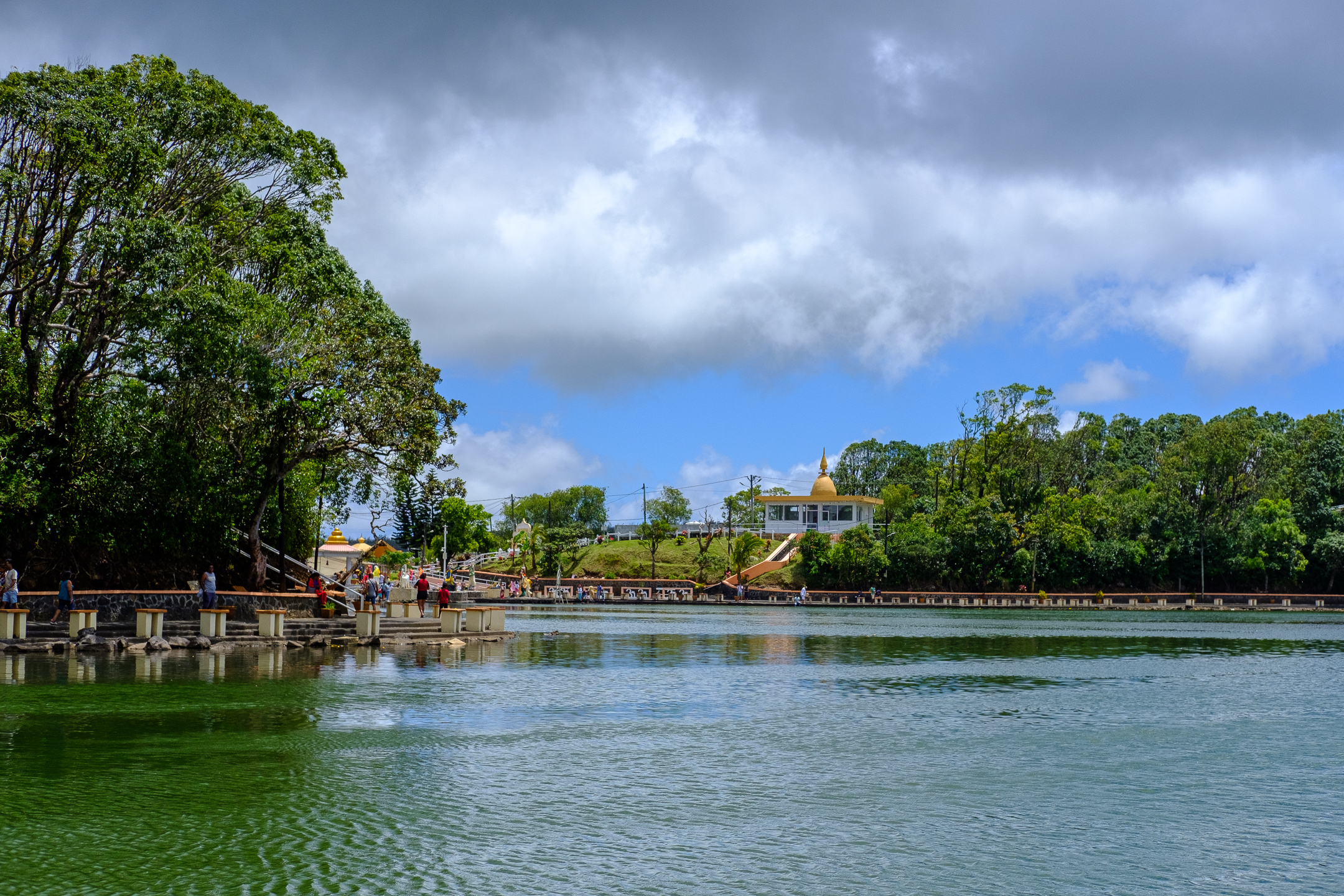
 

Views of Ocean and Bays
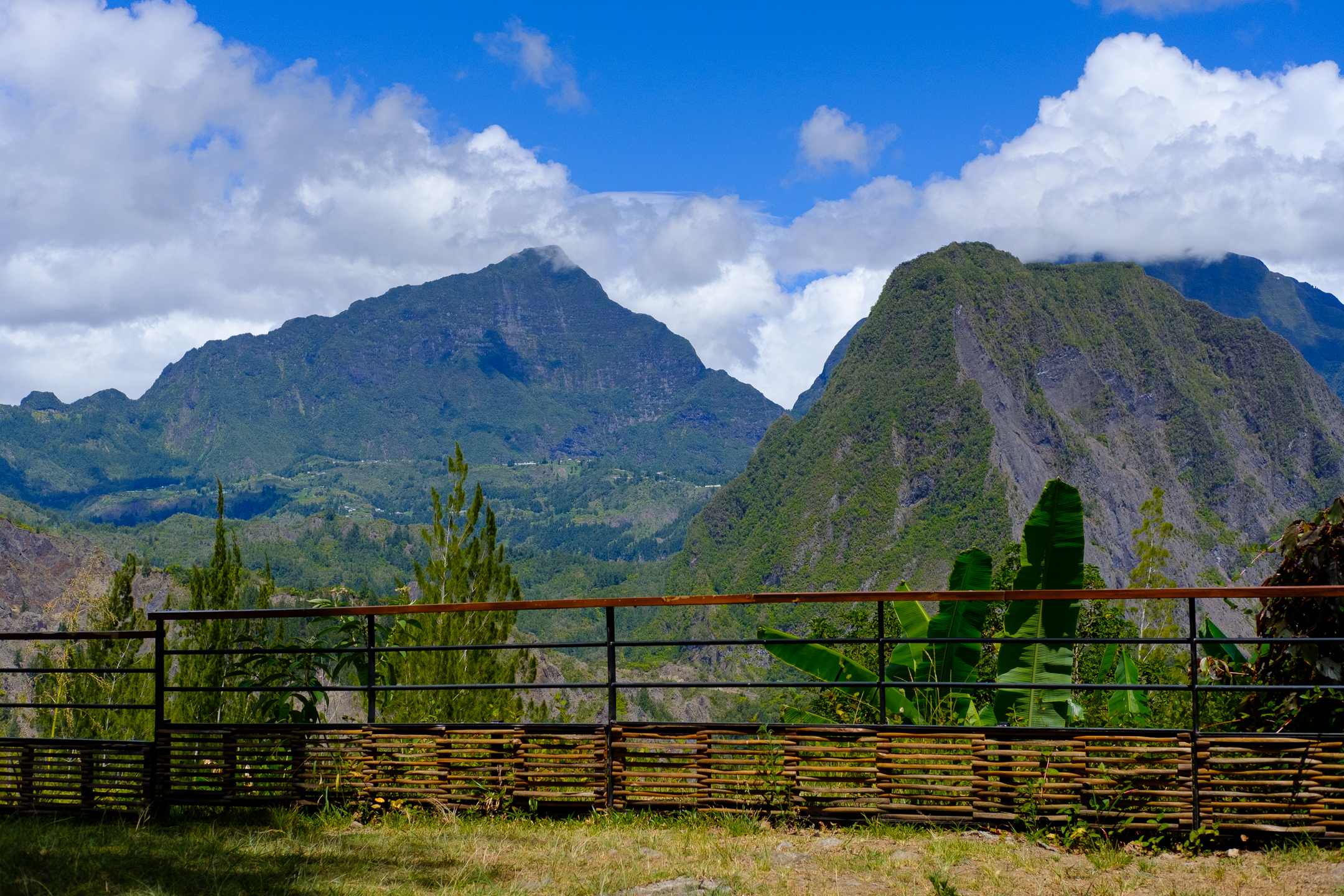
 

Sacramento River, Redding, California


Ferries, Hornby Island (British Columbia) and Swan Island (Oregon)