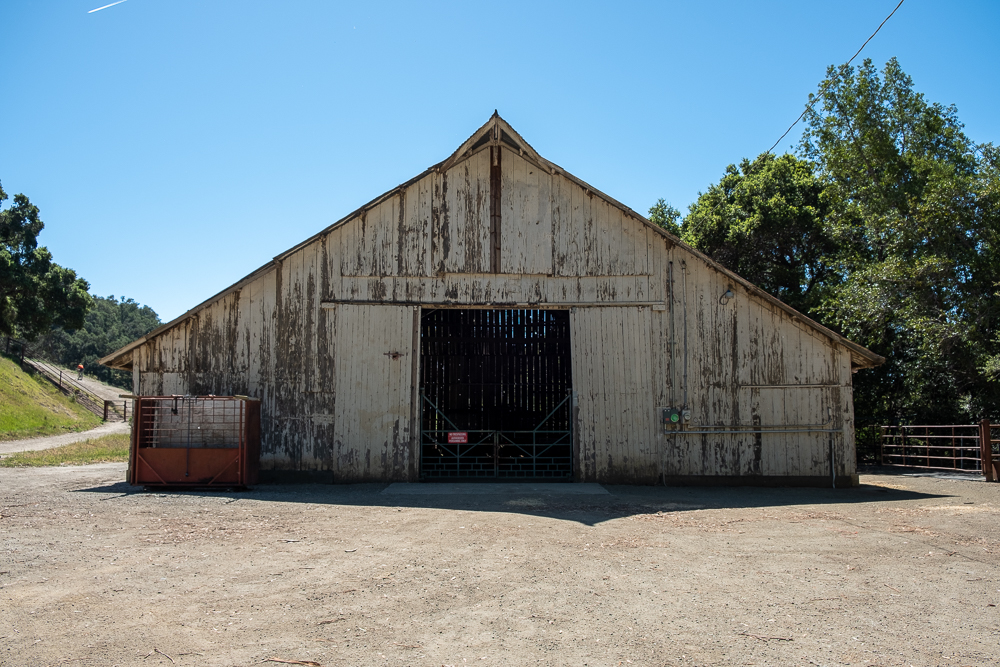
On the day following our Roaring Camp excitement, two Roadtrek experts spoke to us about the care and upkeep of our rigs.  The second technician, George, spent the afternoon visiting those of us needing some personalized help – like me!  He solved my water pump issue and showed me how to clean the filter.  Next, he helped me figure out what light fixture I need to order to replace the one that broke during a beautiful yet very BUMPY ride in rural Nebraska.  George was like the “Pied Piper,” as he had a trail of voyeurs following him from rig to rig to learn whatever they could from this terrific expert.

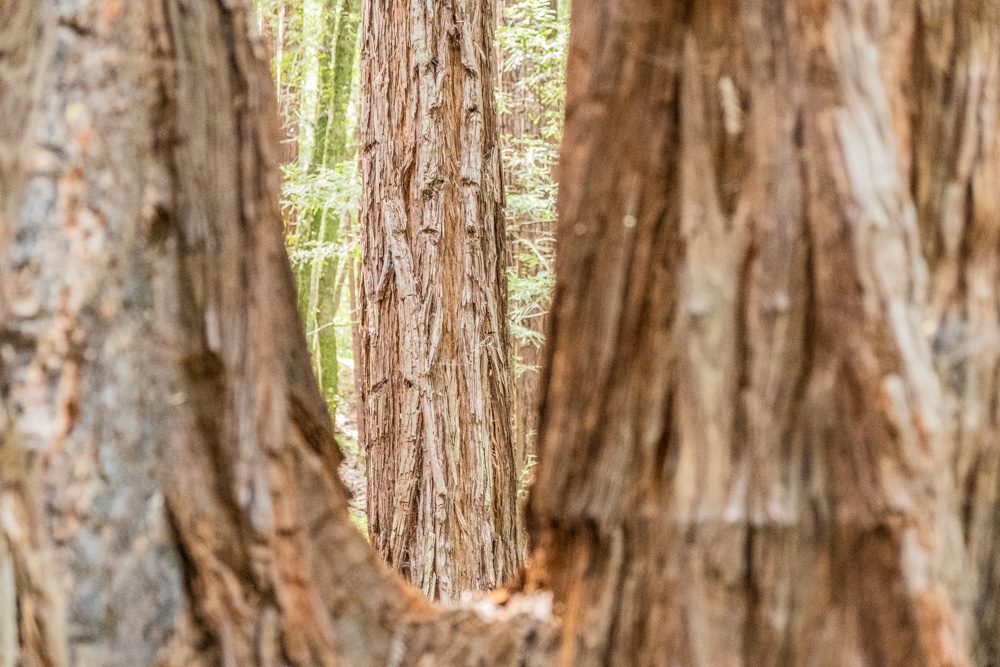
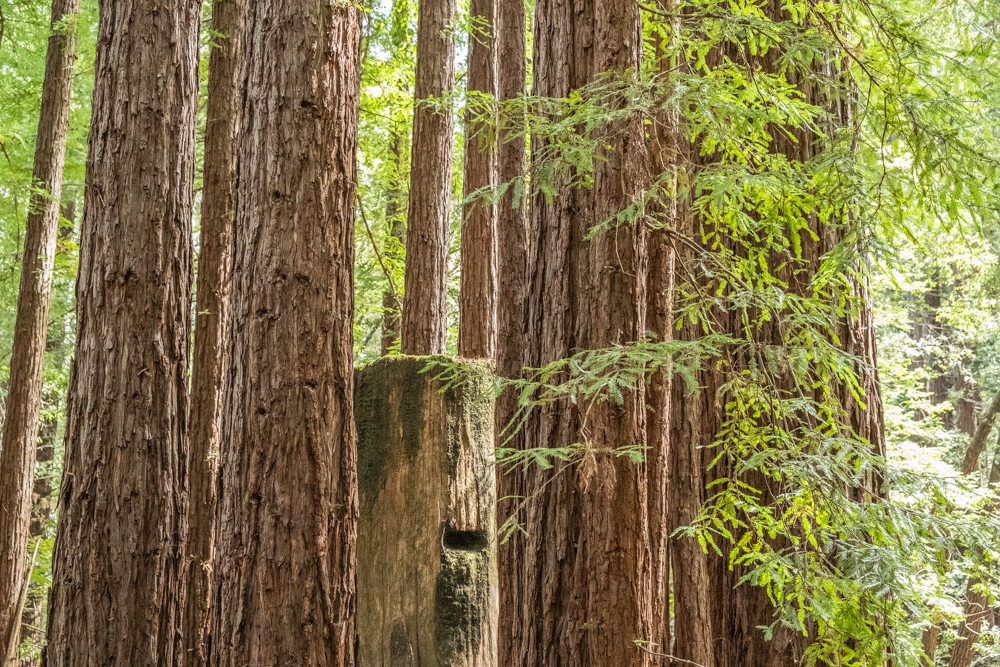
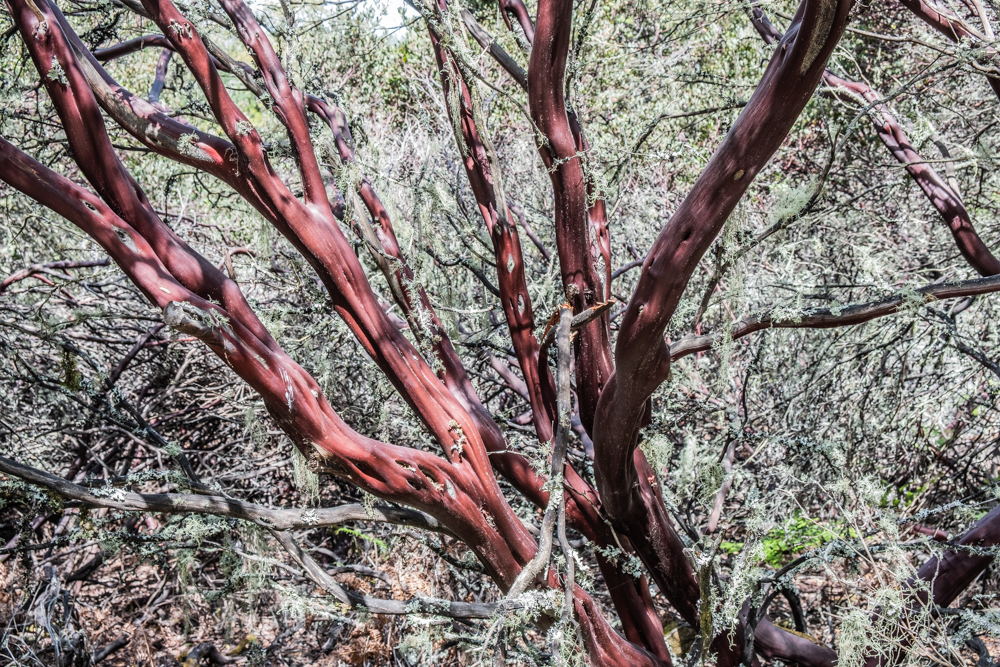
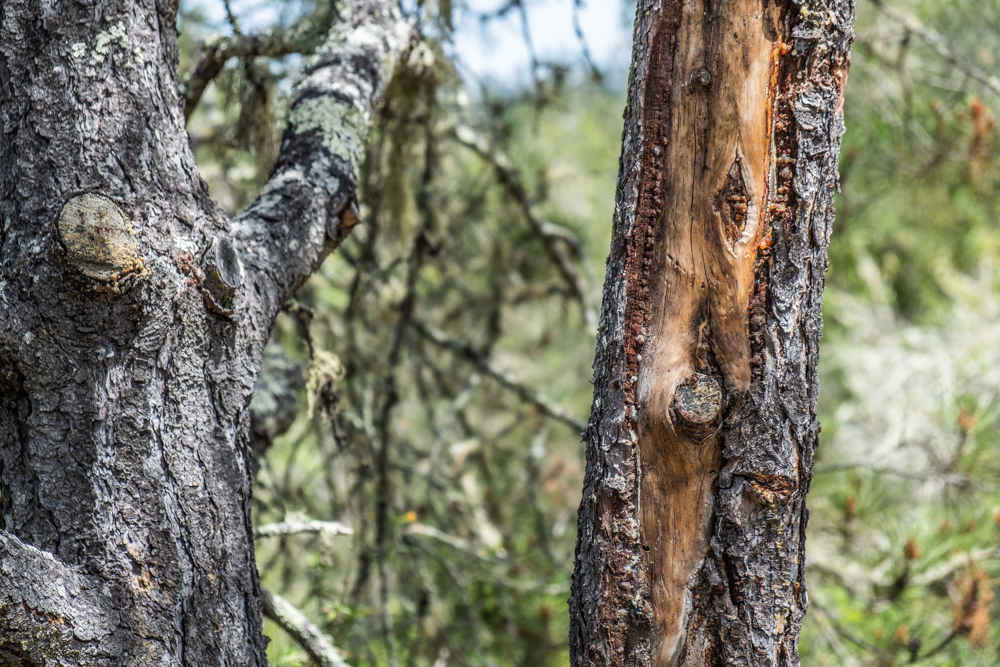
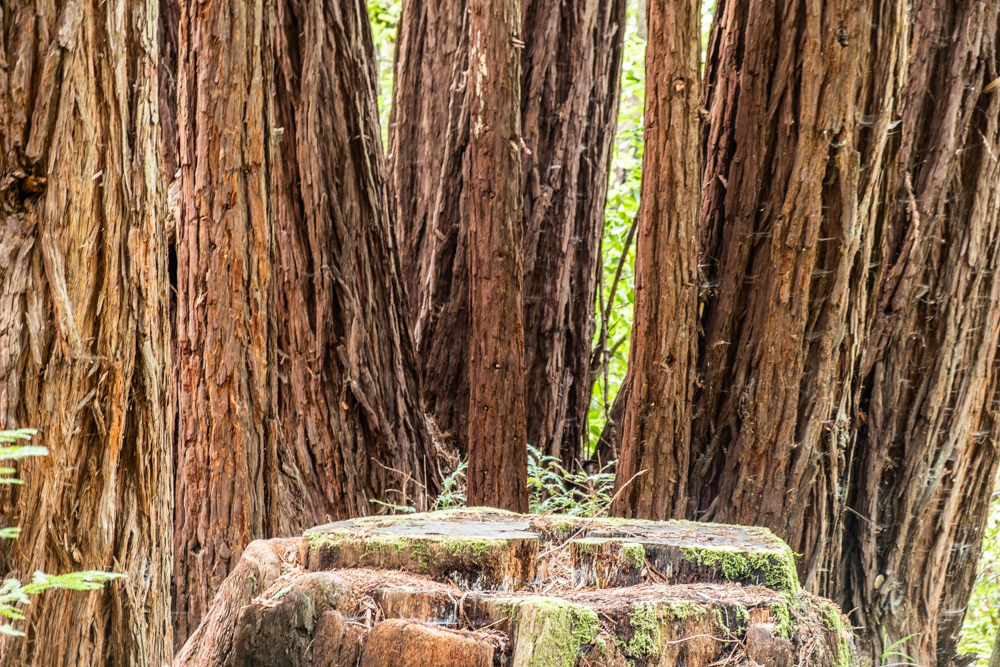
The next day was a “free” day.  I unhooked Addie and drove – since the bridge was down over the creek and I couldn’t walk – to Henry Cowell Redwoods State Park.  Oh, this was wonderful!  Just what I love!  One of my fellow Roadtrekkers is a docent at Henry Cowell, so she included a brochure and map in our welcome packet.  Before I left, I asked her for trail advice.  I followed the route to the Observation Deck, allowing me to see the three ecosystems in the park – riparian, redwoods, and sandhills. 

Henry Cowell Redwoods State Park


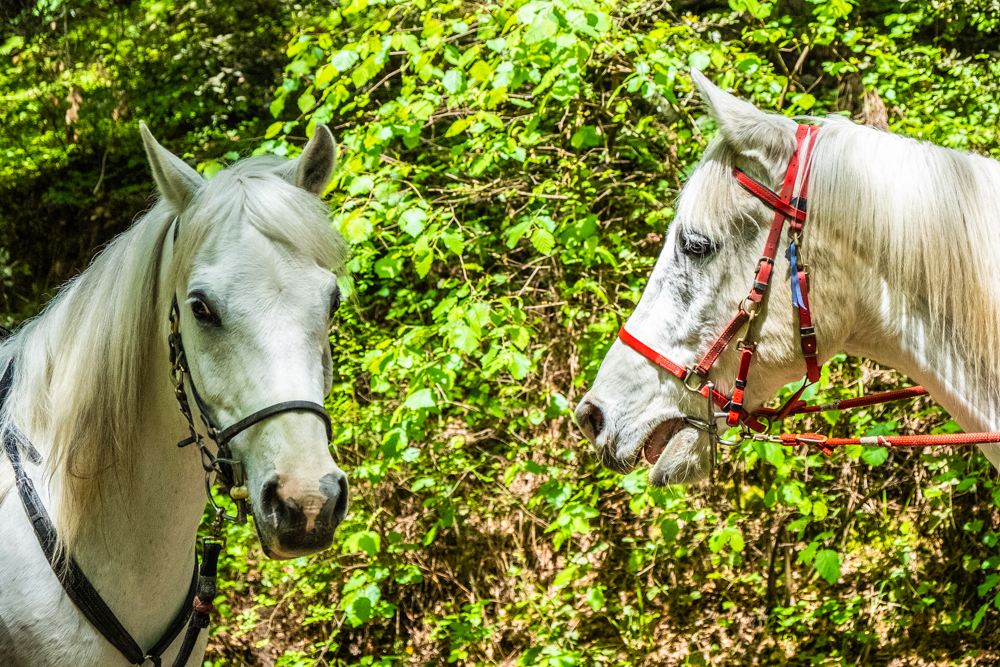
These two beauties were being ridden in the park – their riders allowed me to take this photo.
 

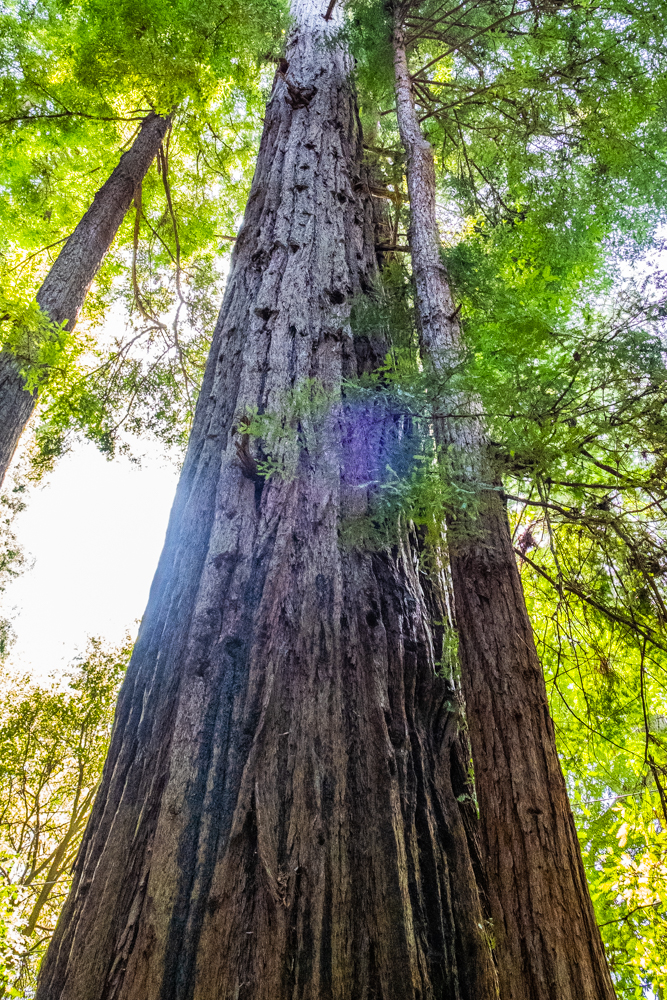
Supposedly, the tallest tree in the park.


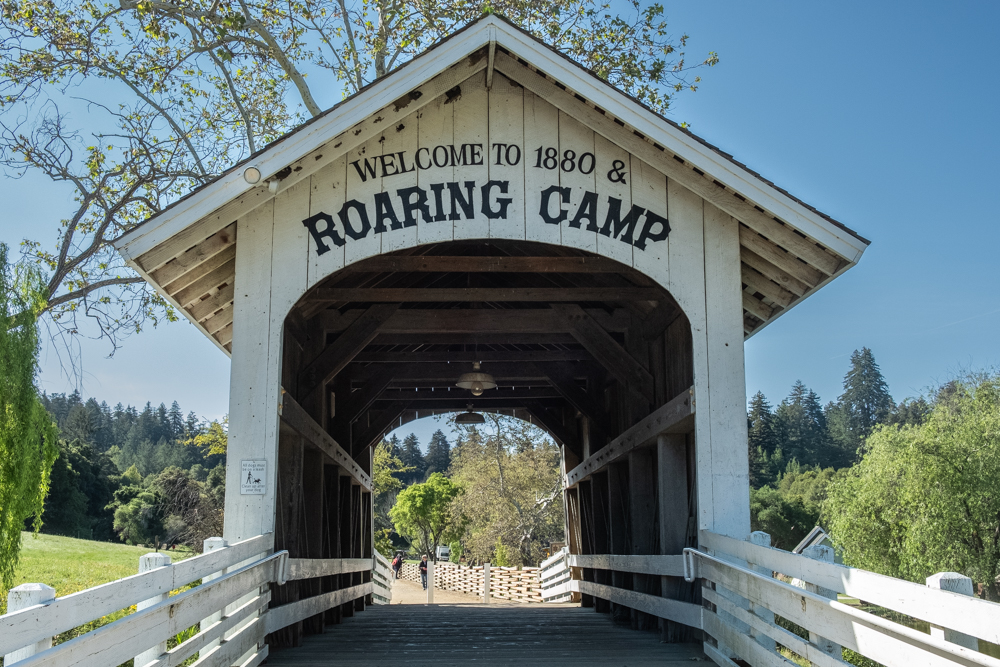
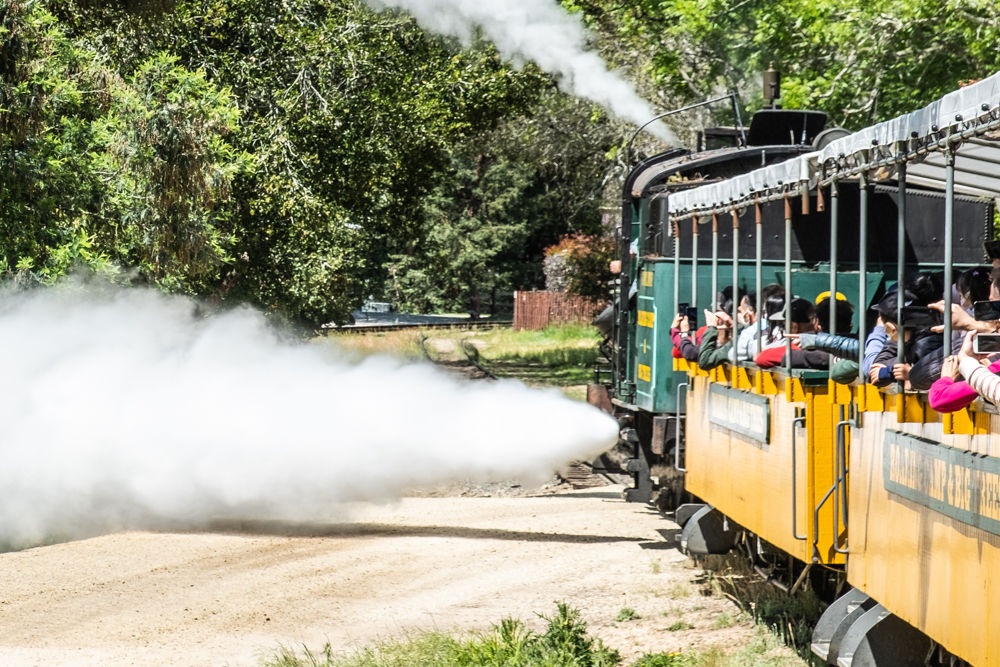
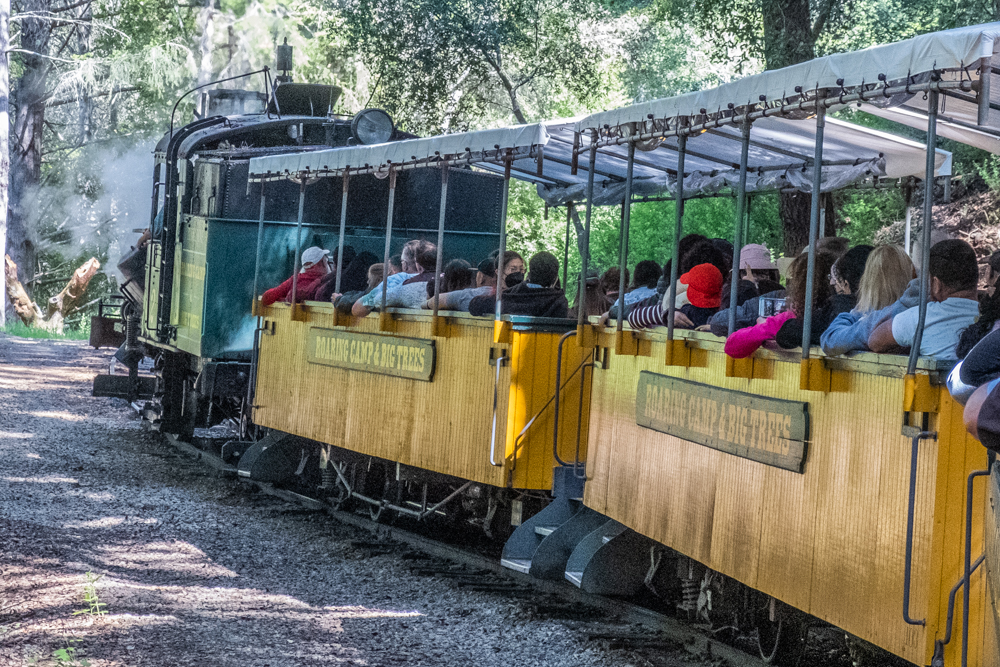
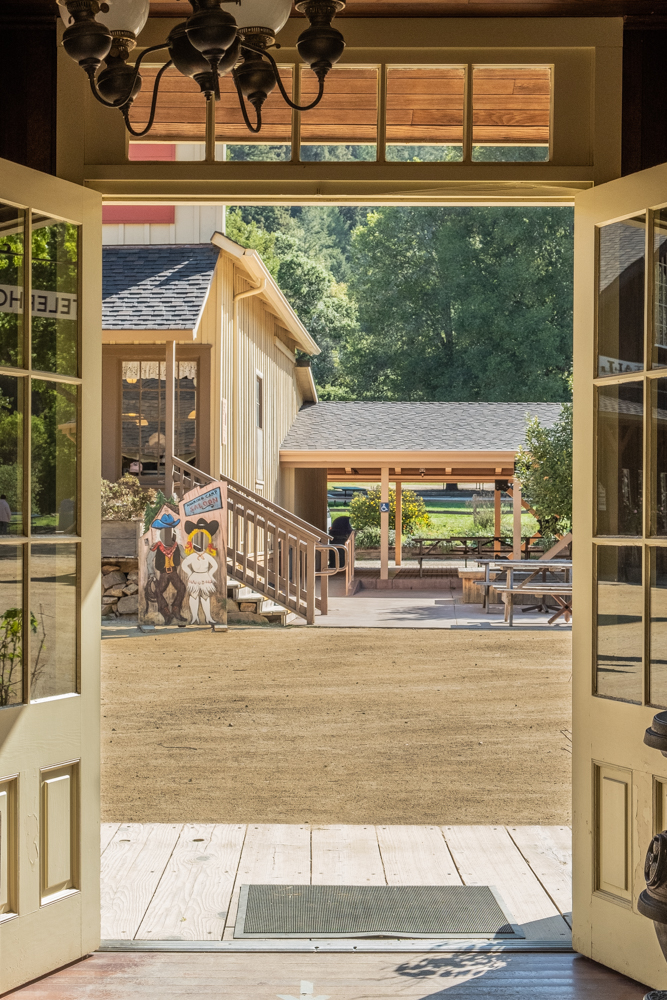
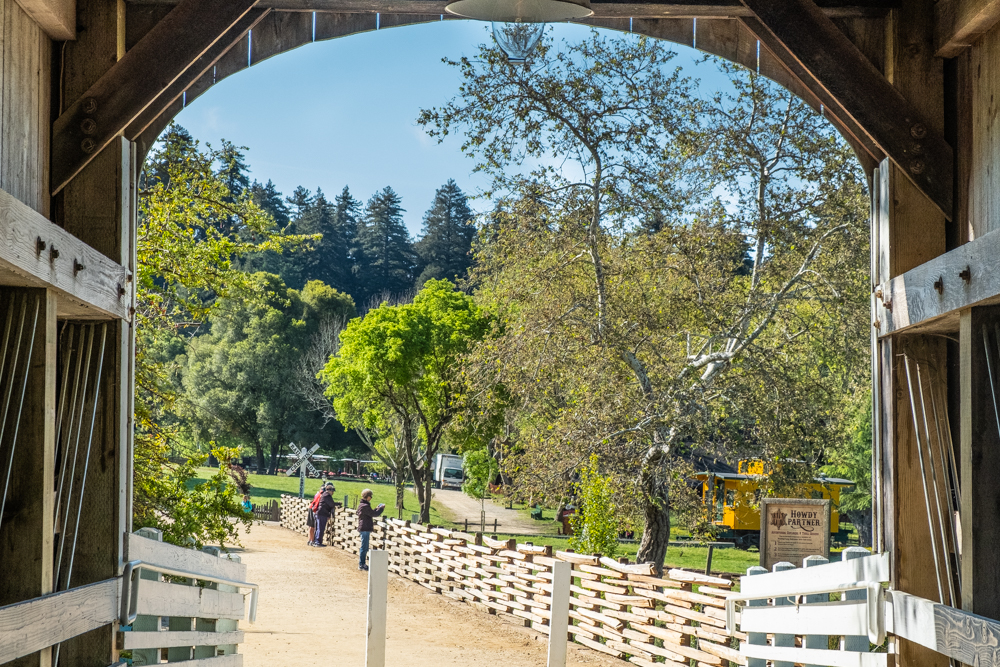
When both of my children were in fourth grade, students – and their teachers along with several parent chaperones – left San Luis Obispo EARLY one morning for the LONG bus ride to…Felton…and the steam engine train ride in the redwoods at Roaring Camp.  At our Roadtrek Rally, with 29 rigs and 46 Roadtrekkers, we enjoyed Roaring Camp, the train ride, and a BBQ.  I must say, it was more relaxing than hanging out with 50 sleepy and, at times, cranky fourth graders!  🙂

Roaring Camp


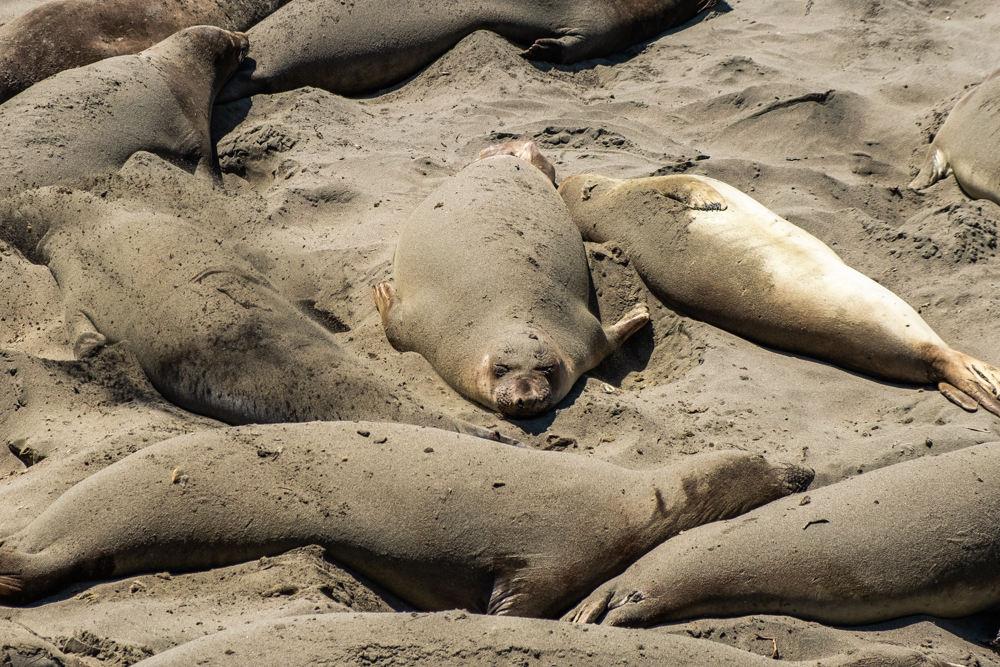
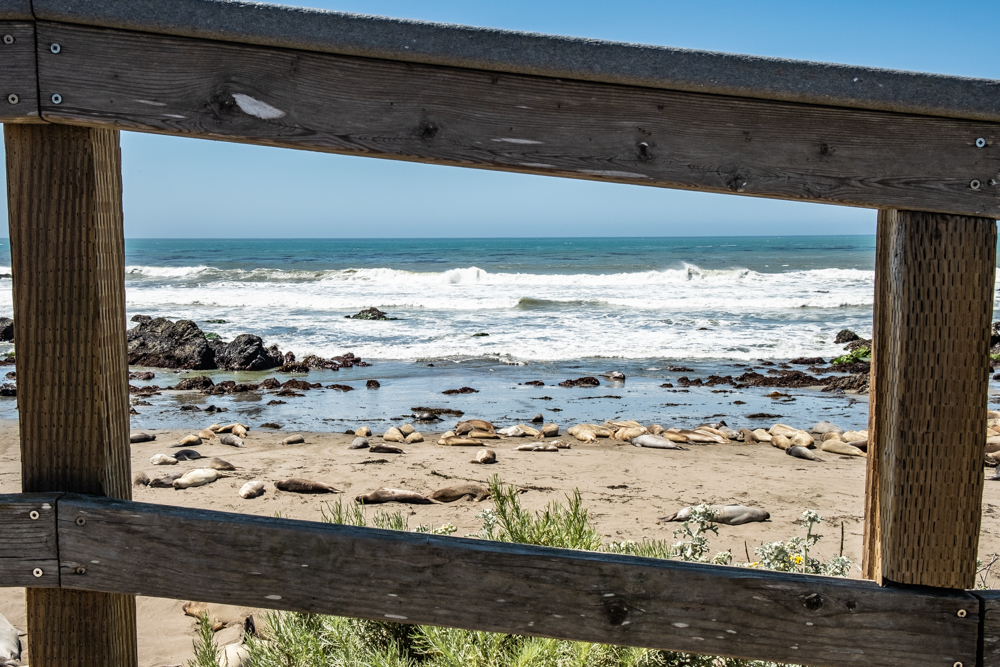
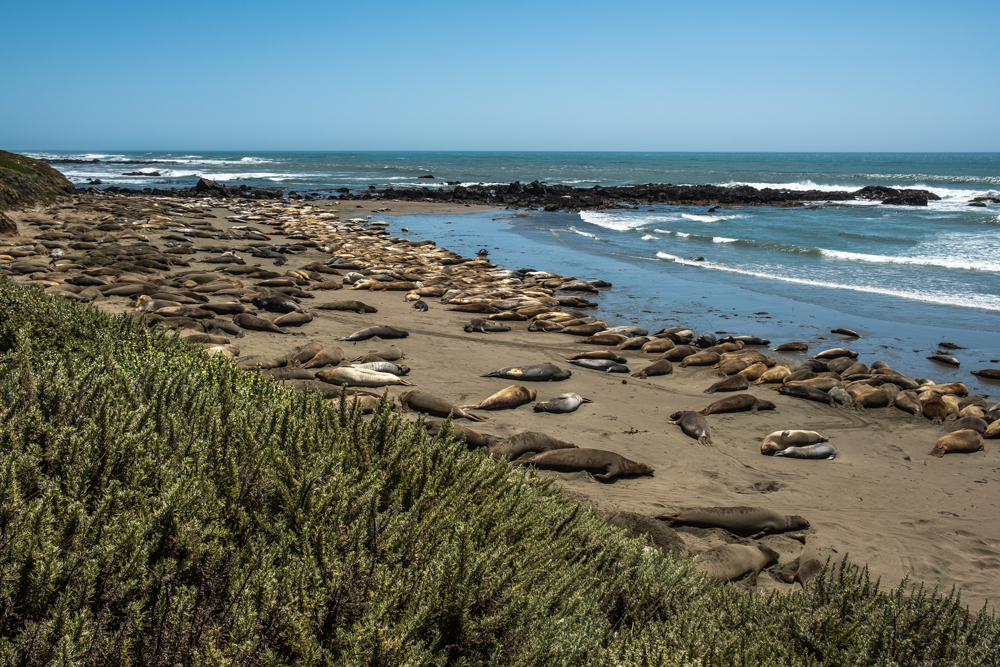
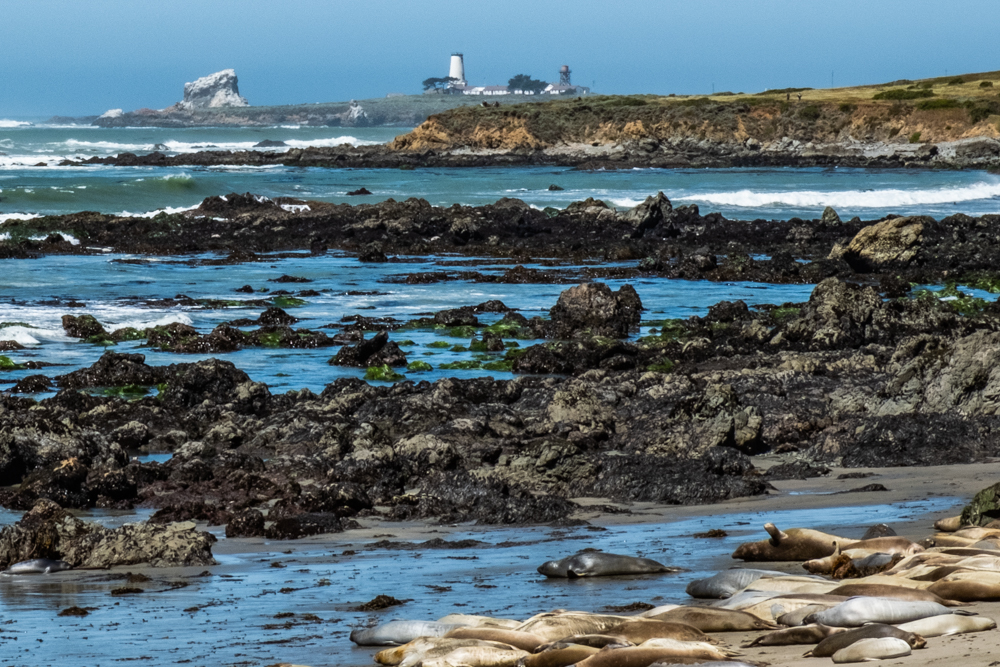
A magnificent treat for anyone traveling north of San Simeon on HWY 1 is the elephant seal refuge!  These humongous animals rest on the beach along the highway, viewed by thousands and educated by volunteer docents.  After enjoying these amazing sea mammals, I walked north on Boucher Trail to and beyond the Piedras Blancas lighthouse.  What a wonderful day!

San Simeon

I love the expression on this seal’s face!


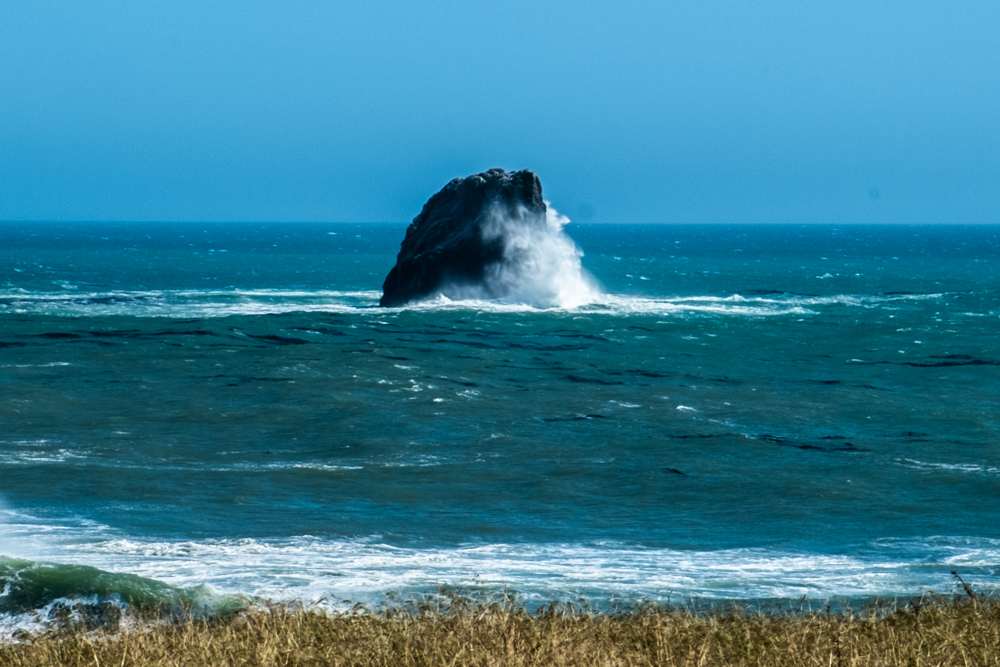
Crazy wild waves!


This adventure started from two previous episodes.  First, I want to retrieve my awning from my friends, Kate and Chuck, in Arcata.  They have been kindly storing my awning since early July, when it fell from Addie at the start of my cross country trip.  Second, having had such a great time at the Roadtrek Rally in Sarasota in October, I wanted to attend the Rally in the Redwoods held in Felton this month.  Initially, I thought two Roadtrek friends from Florida would join me for the Rally and some pre-Rally travel, but they were unable to make it – this time.  I had booked two nights at Morro Bay State Park and two more at San Simeon State Park, so the three of us could enjoy the Central Coast before heading up to Felton, near Santa Cruz.  When I found out they were not participating in the Rally, I decided to keep my reservations.  And I’m glad I did!  It was wonderful being back in Addie, my vacation home on wheels.  Coupling Addie with my new photography hobby made for a fun adventure.

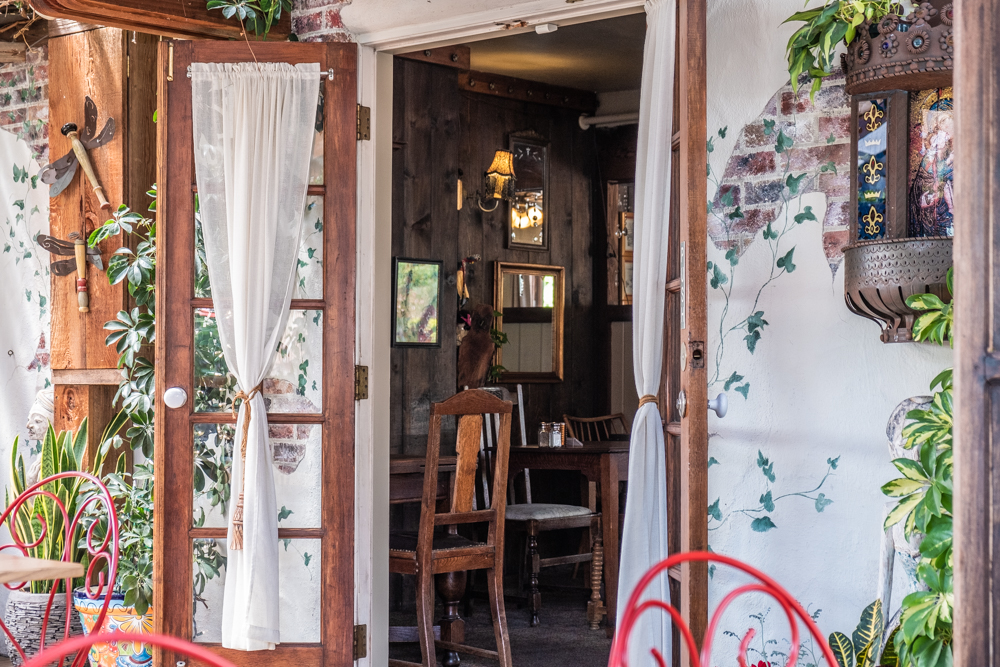
Below are favorite photos from my journey…so far!  I have almost a week left in this adventure.

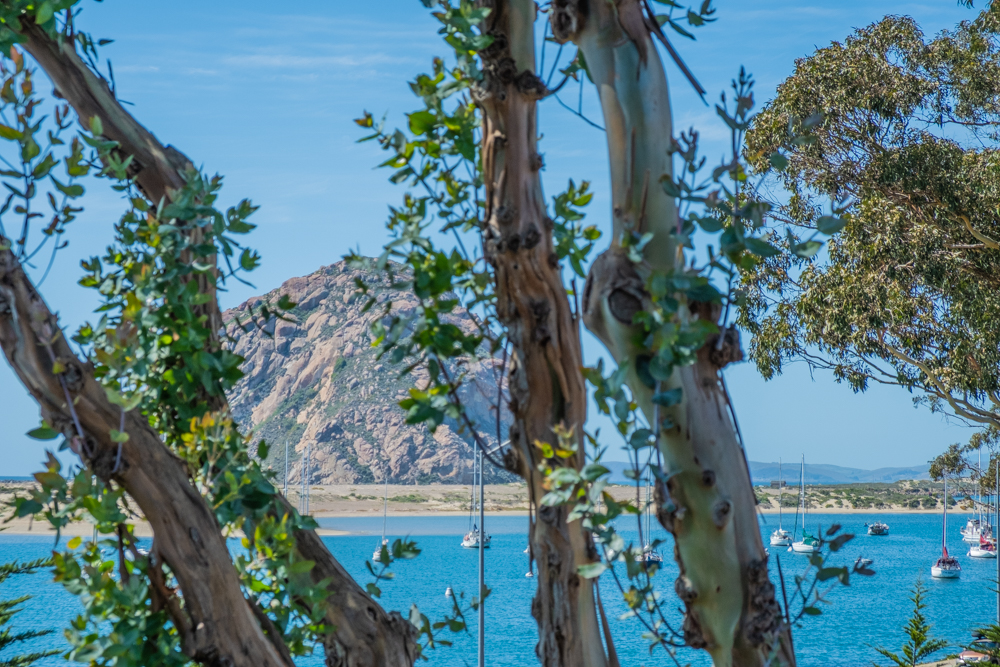
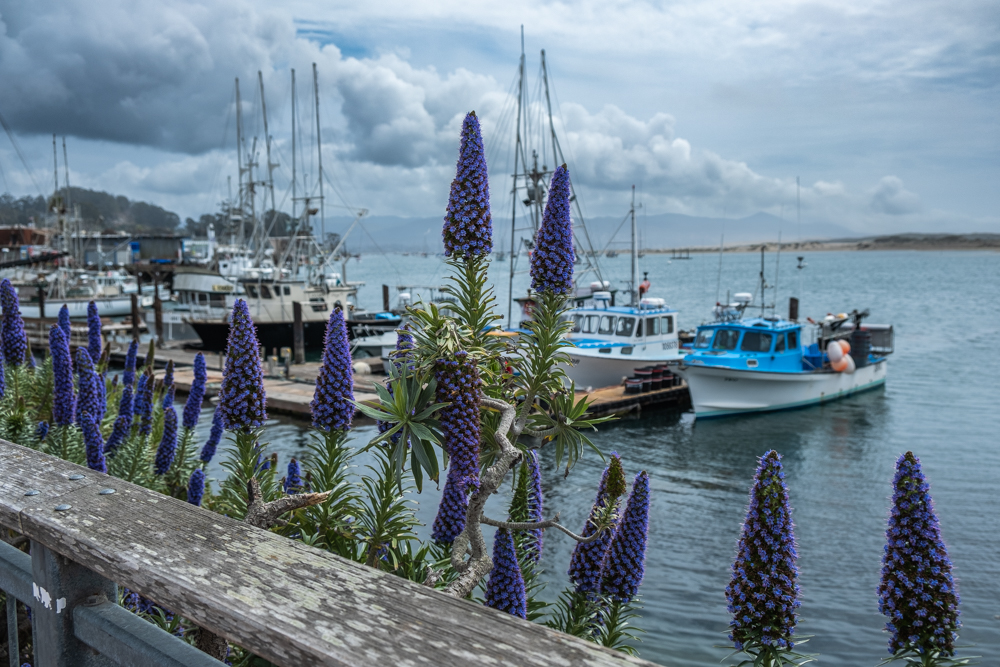
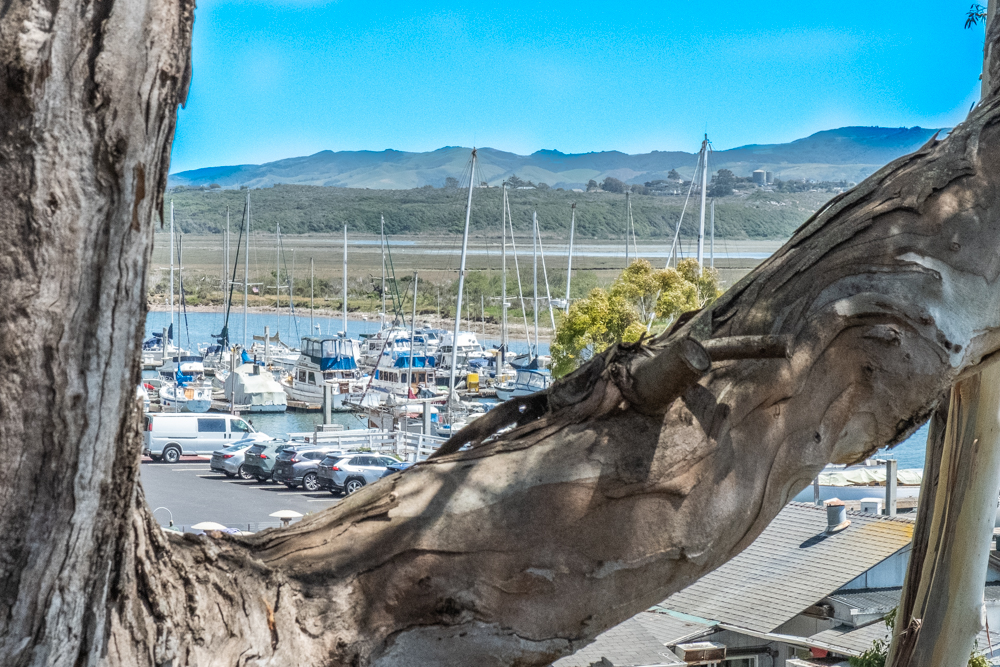
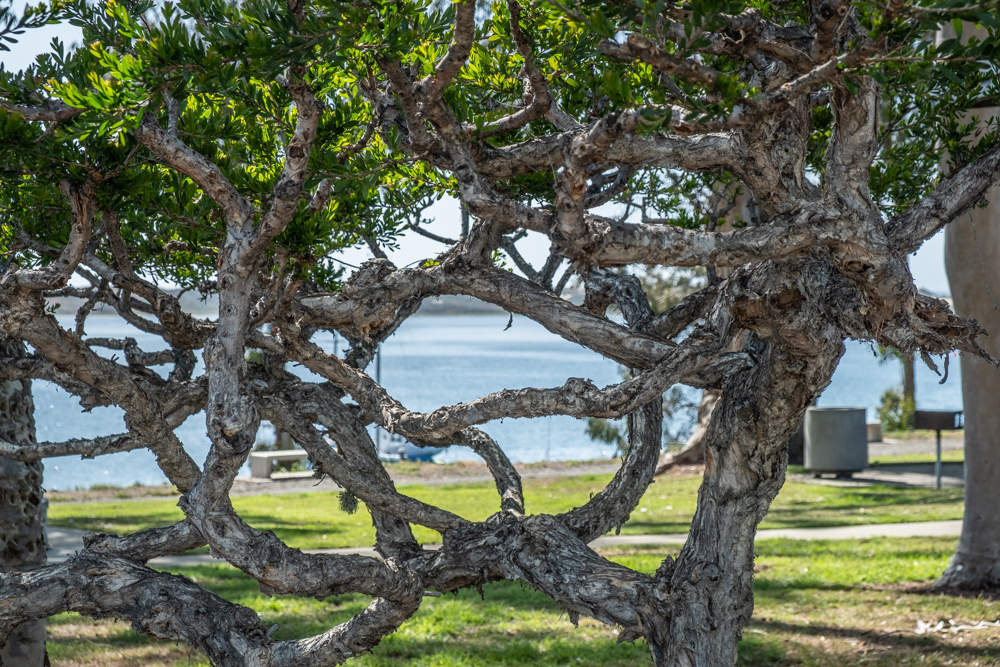
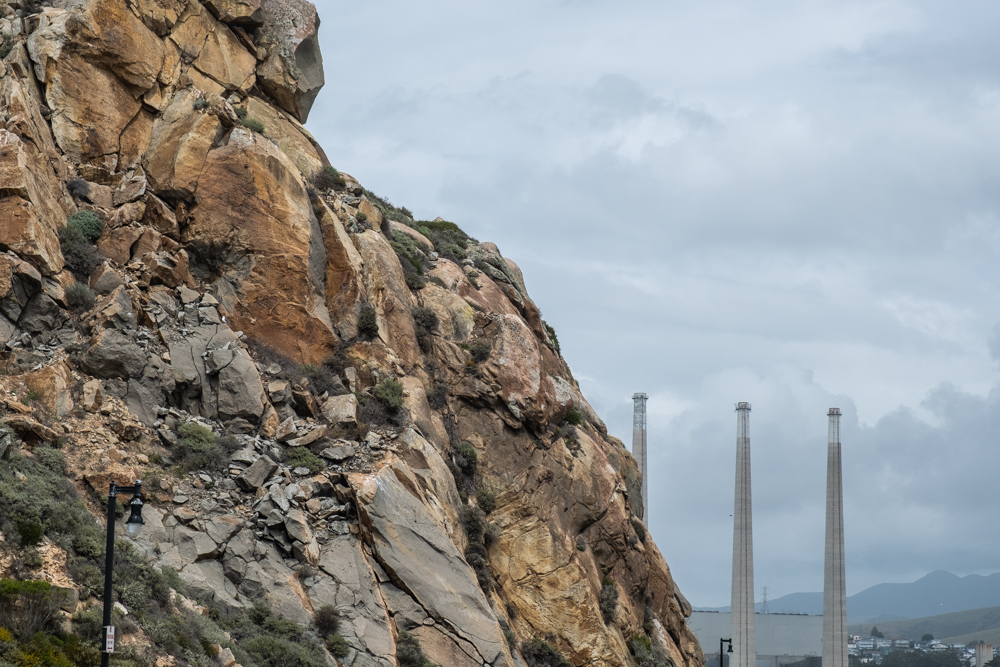
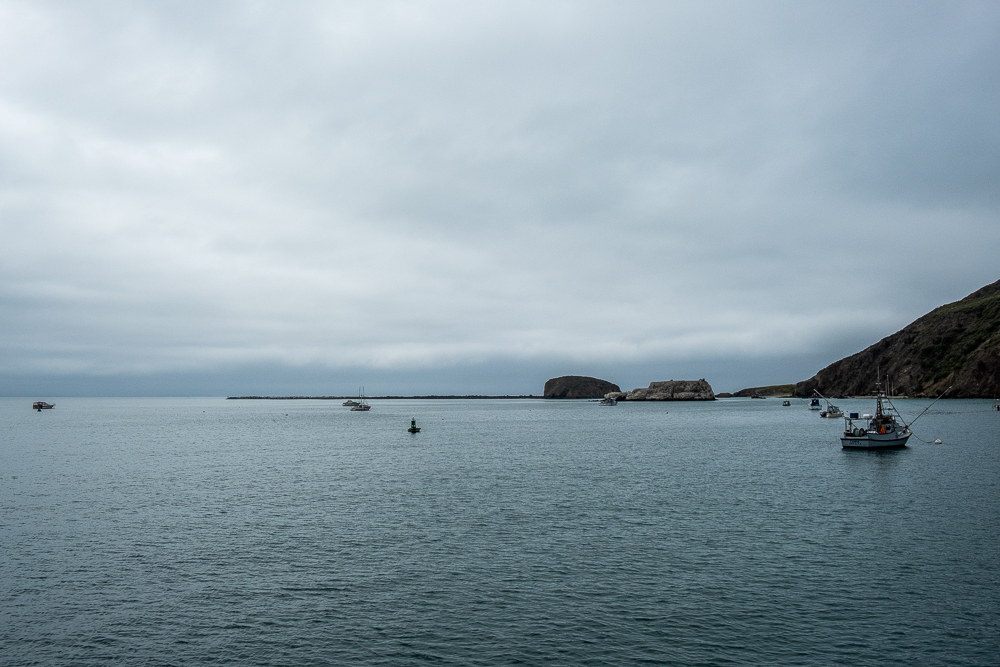
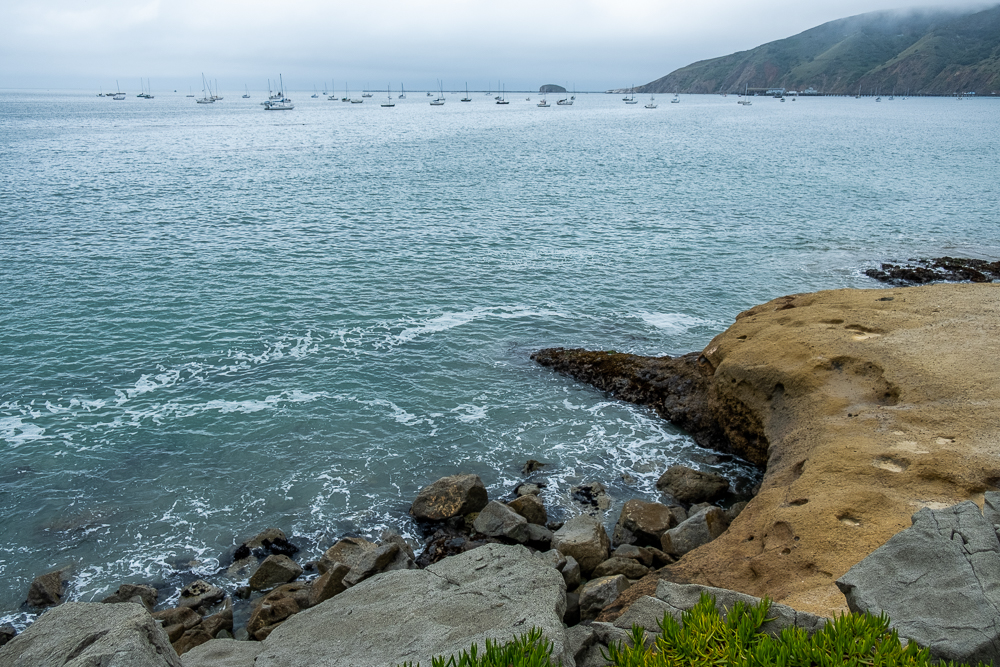
Morro Bay


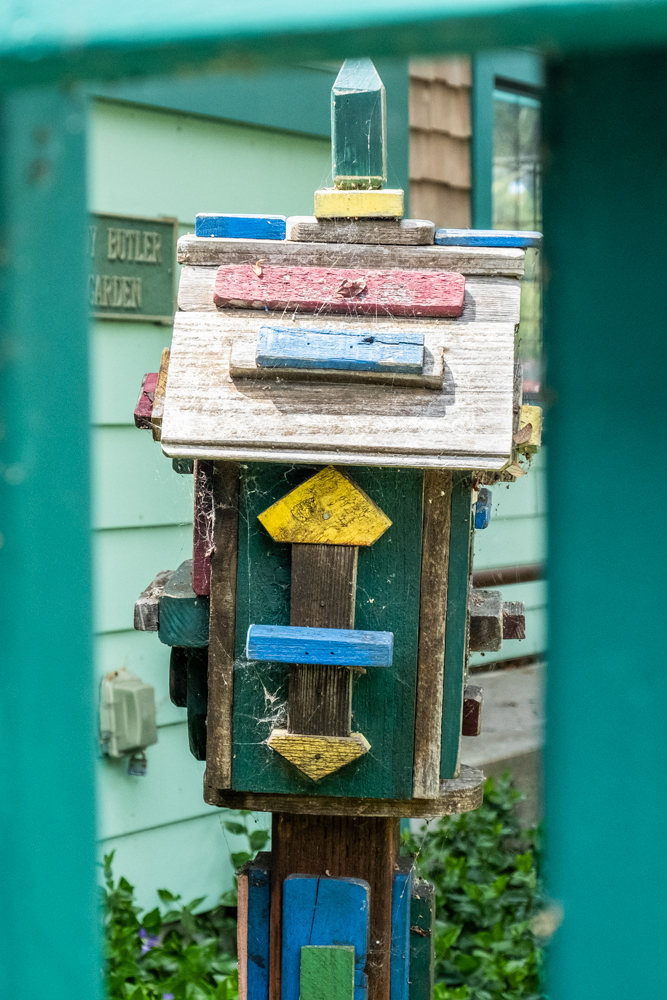
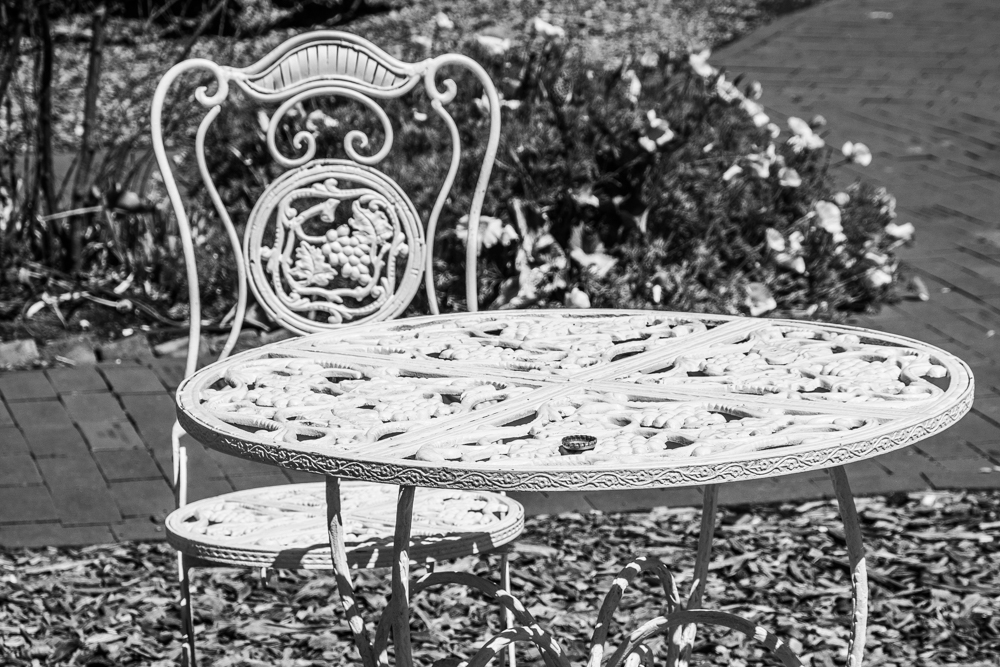
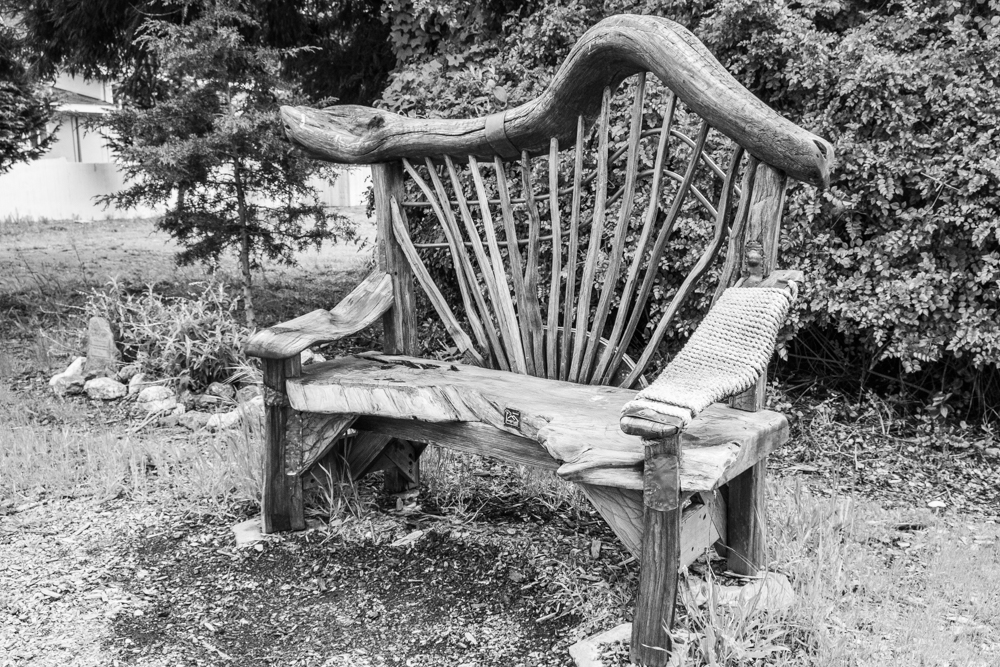
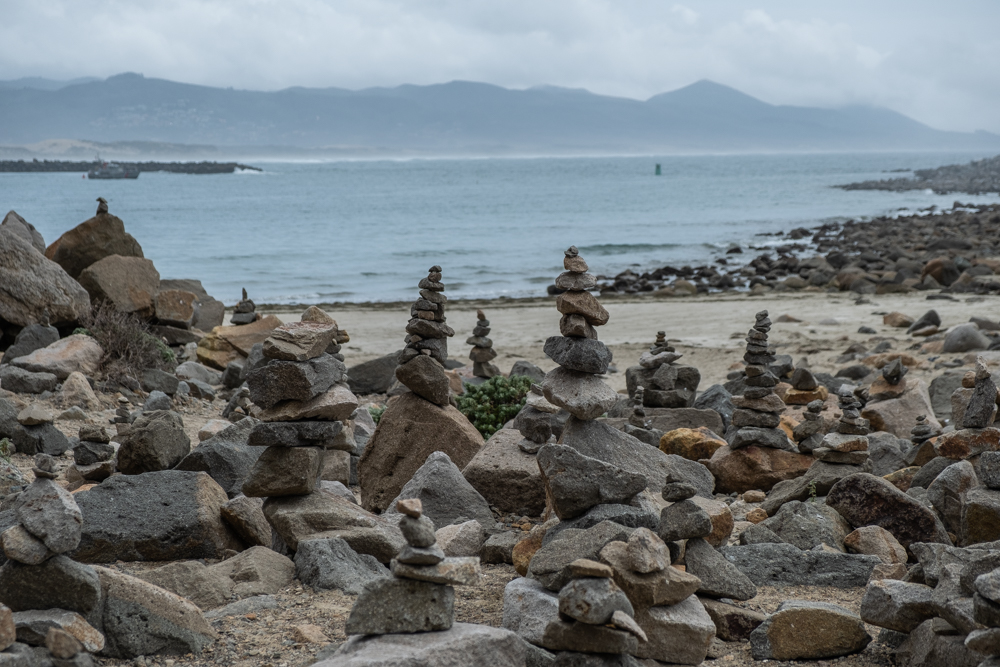
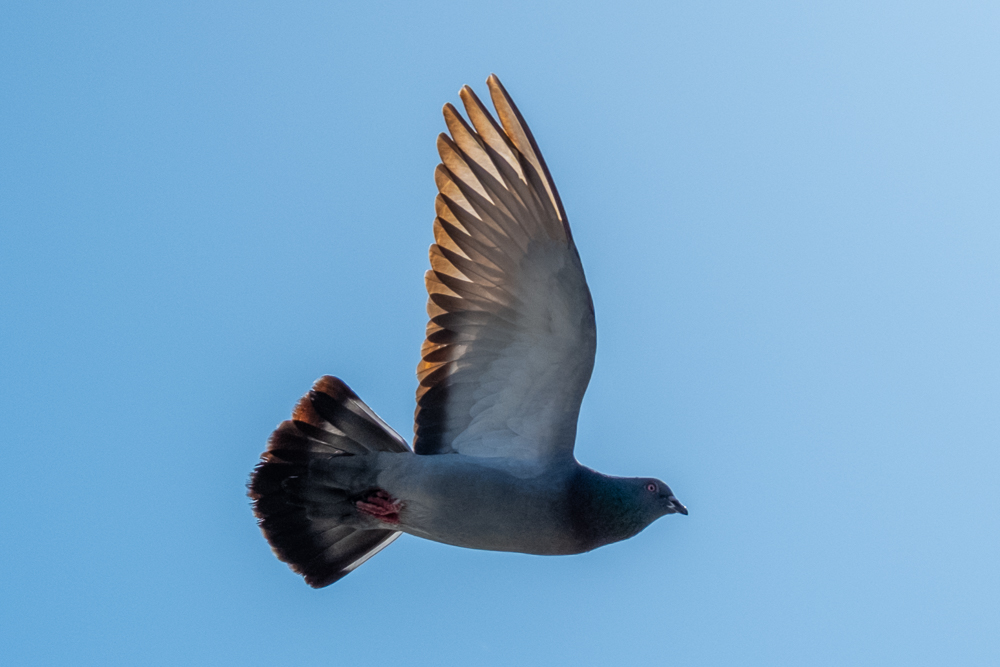
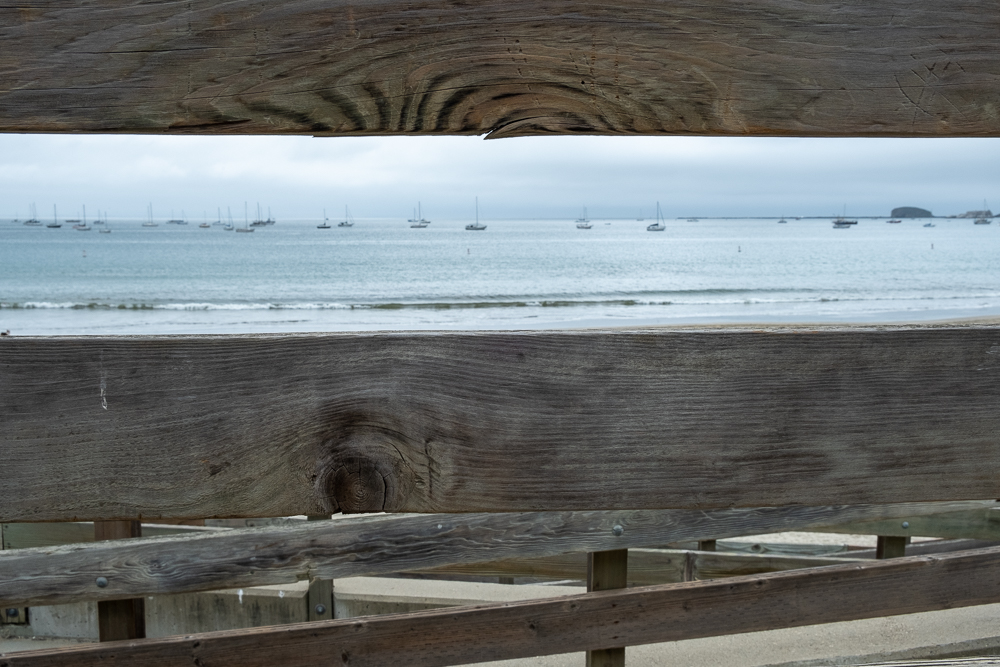
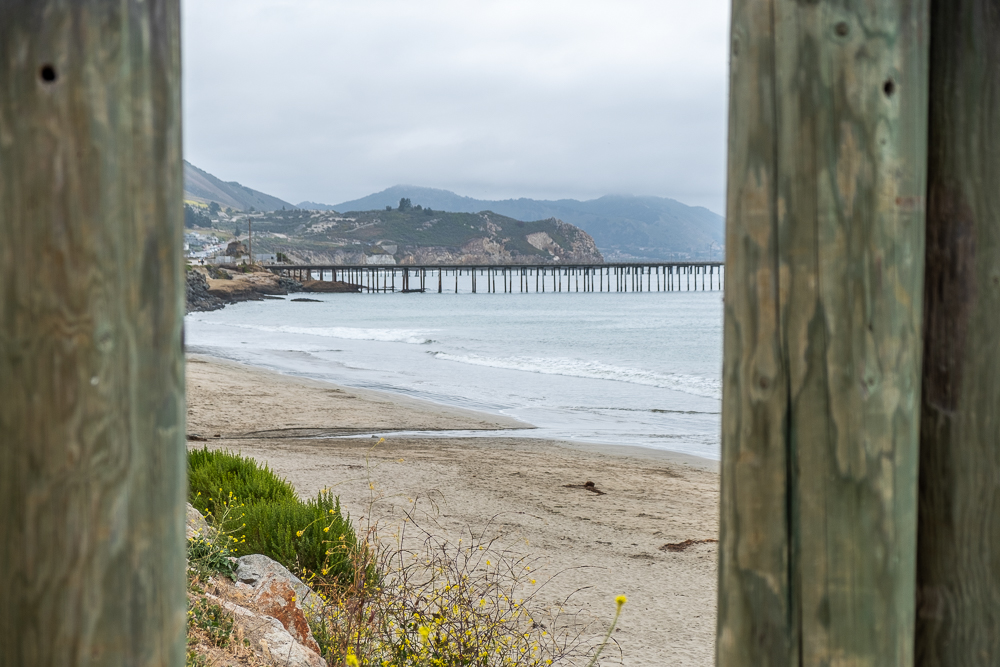
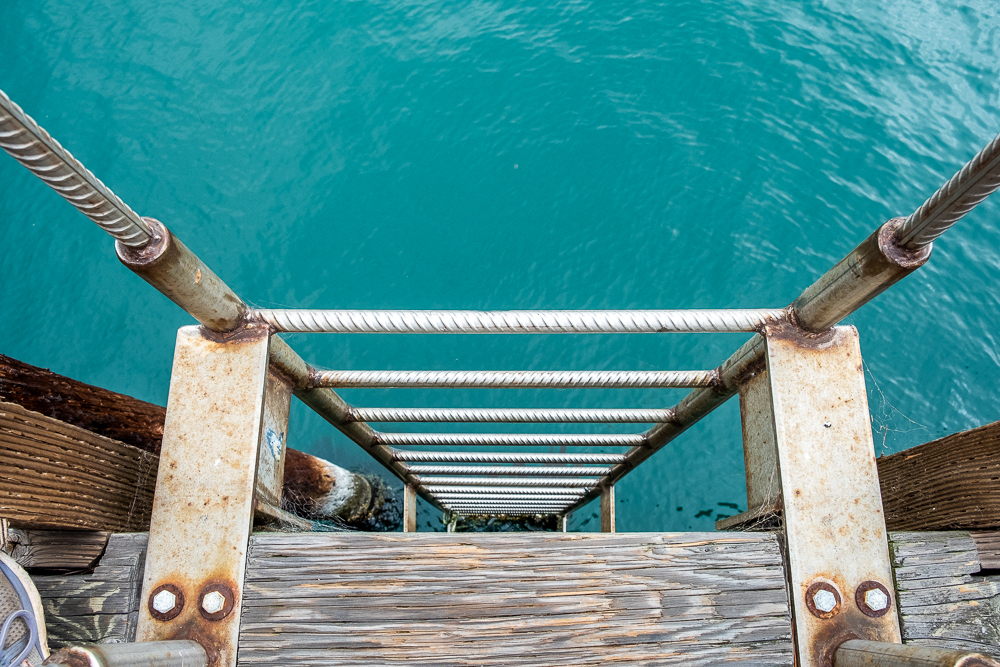
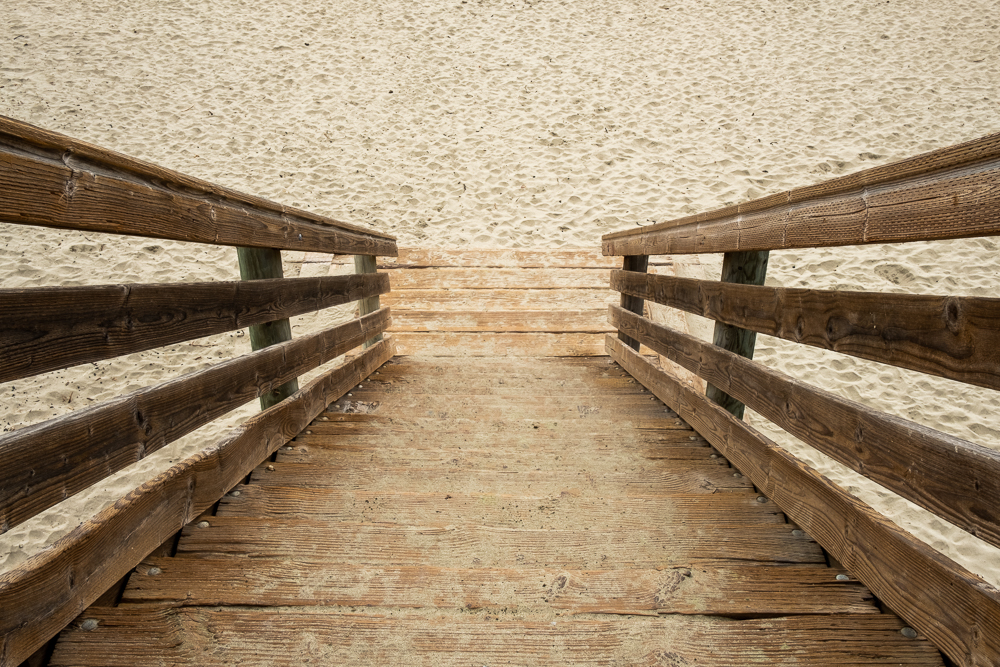
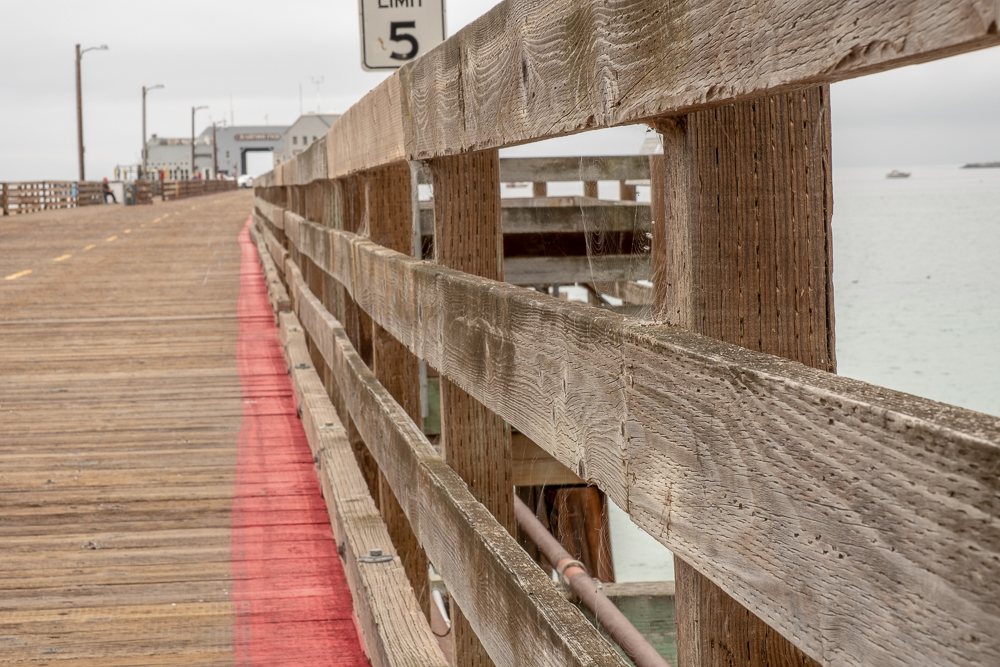
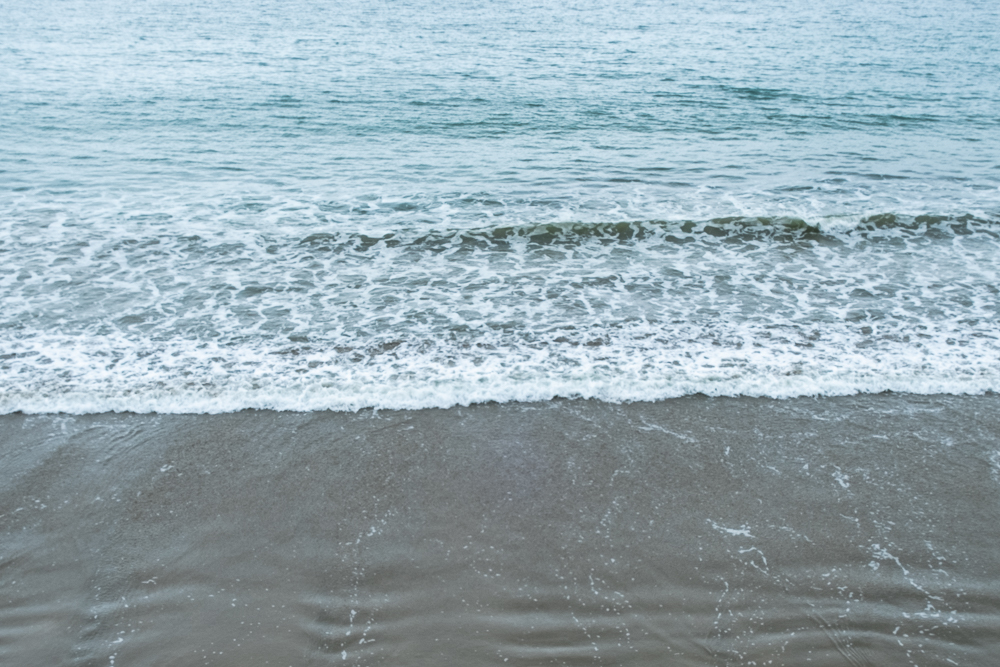
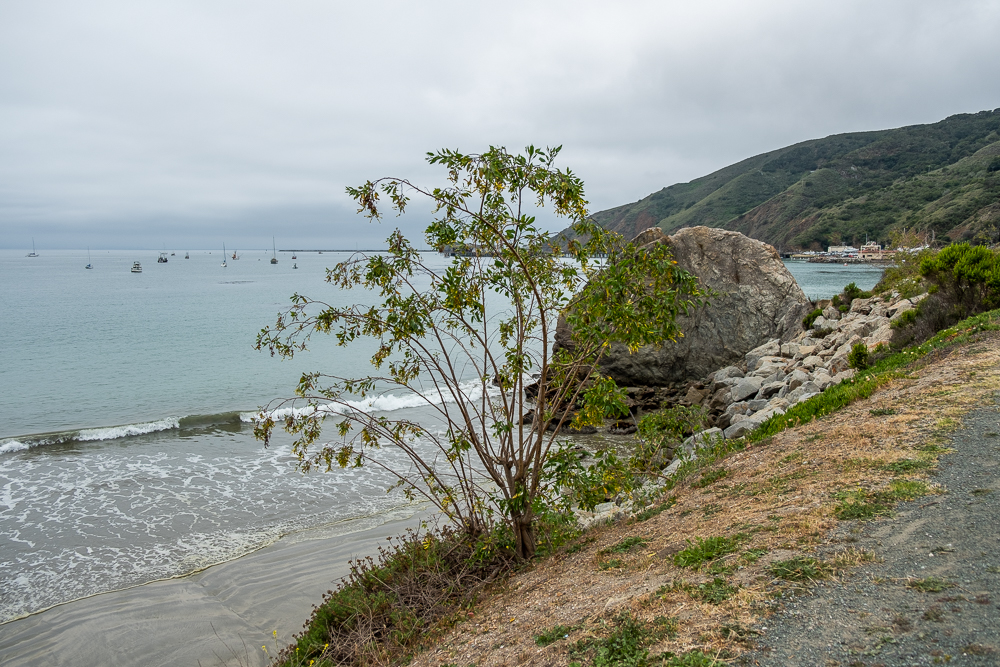
To say that I’m having fun taking photos is an understatement!  A highlight of my days now is capturing photos with my new camera and then reviewing and editing them on my computer.  What a fun and creative hobby!  In class, we have switched from “program” mode (basically, “auto” mode with raw file format) to “manual” mode.  So, I’ve been playing with shutter speed, aperture, ISO, metering, and histogram.  Below are a few pics from today, all from Avila Beach, all manual mode on my Fujifilm XE3, and all edited using Adobe Lightroom.

These first three photos show “Frame Within a Frame,” or what I can “Natural Frame,” compositions.


The next three photos are ways of following lines – the lines of the ladder, stairs, or railing.


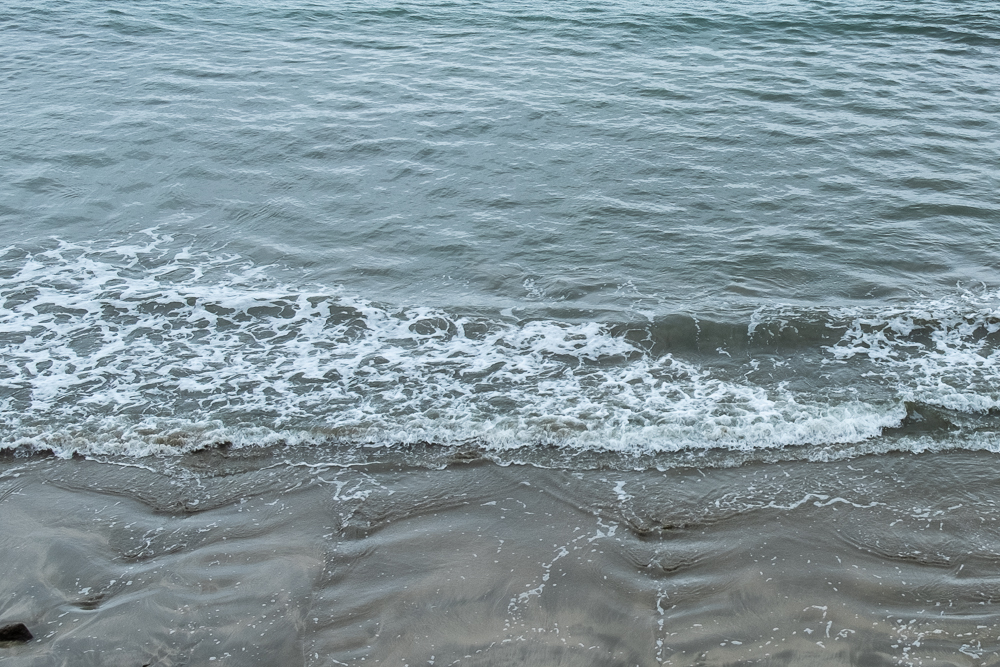
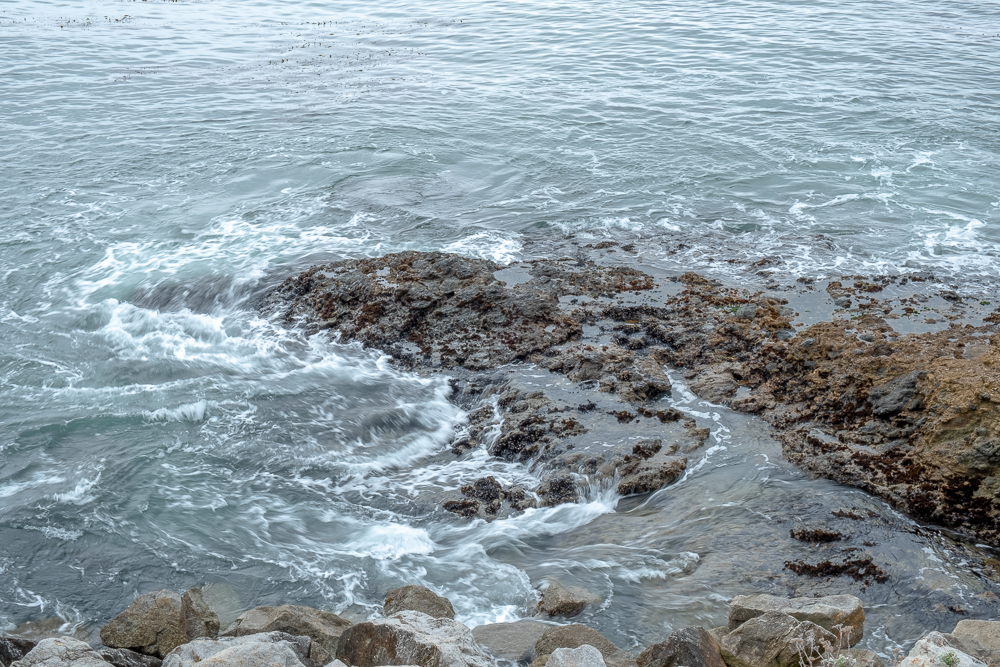
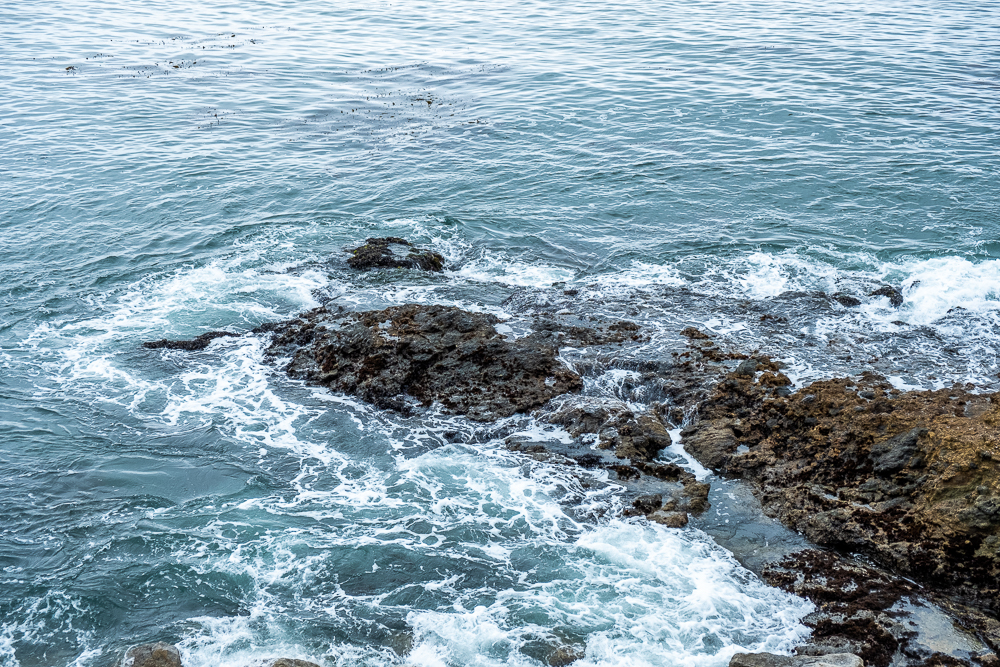
I had fun playing with shutter speed.  In these two sets of photos, the first photo was shot using a verrryyyy slow shutter speed and the second with a very FAST shutter speed.  When I look closely at the water, there is so much more detail in the foam and spray with the FAST shutter speed.


The last three photos highlight the water and its beauty.


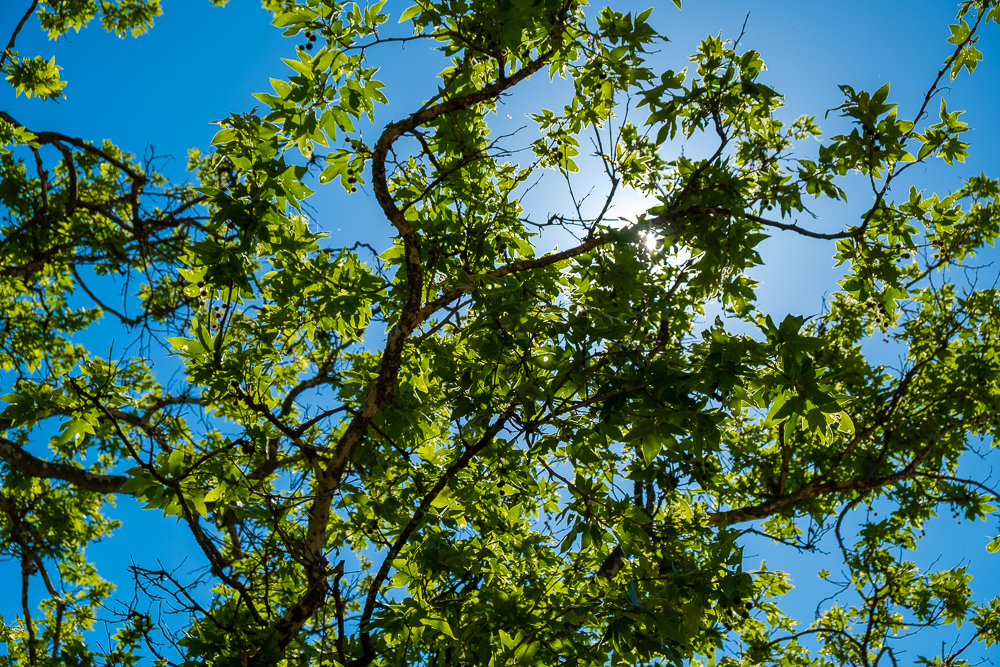
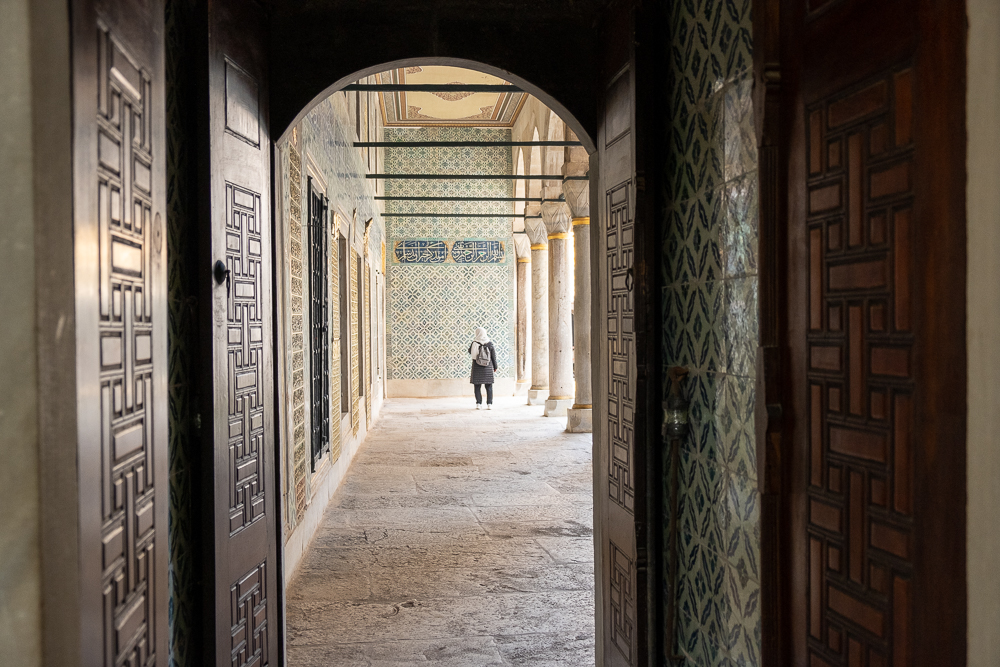
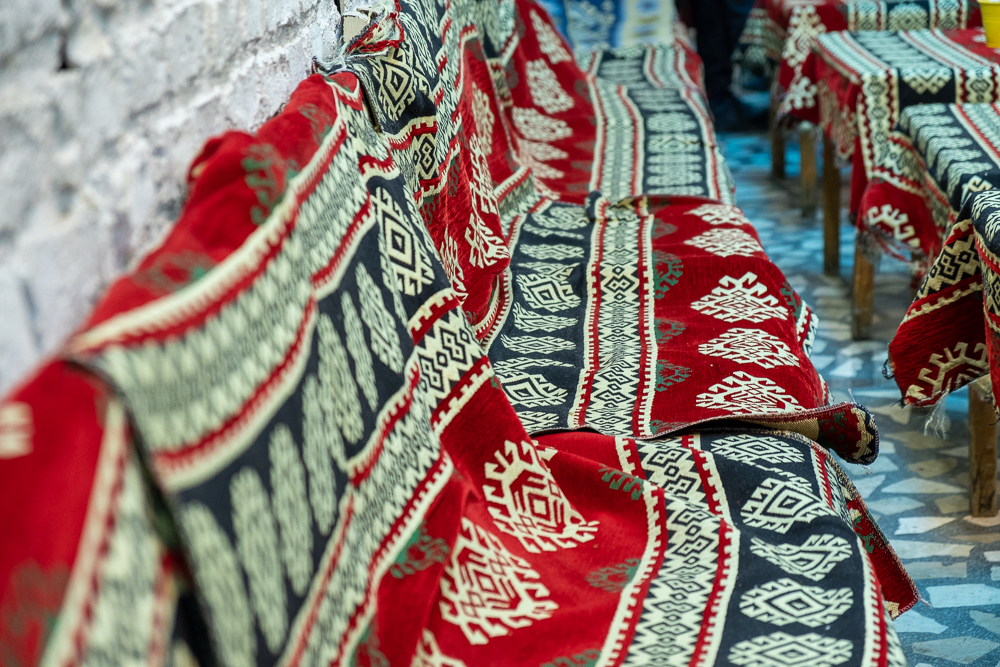
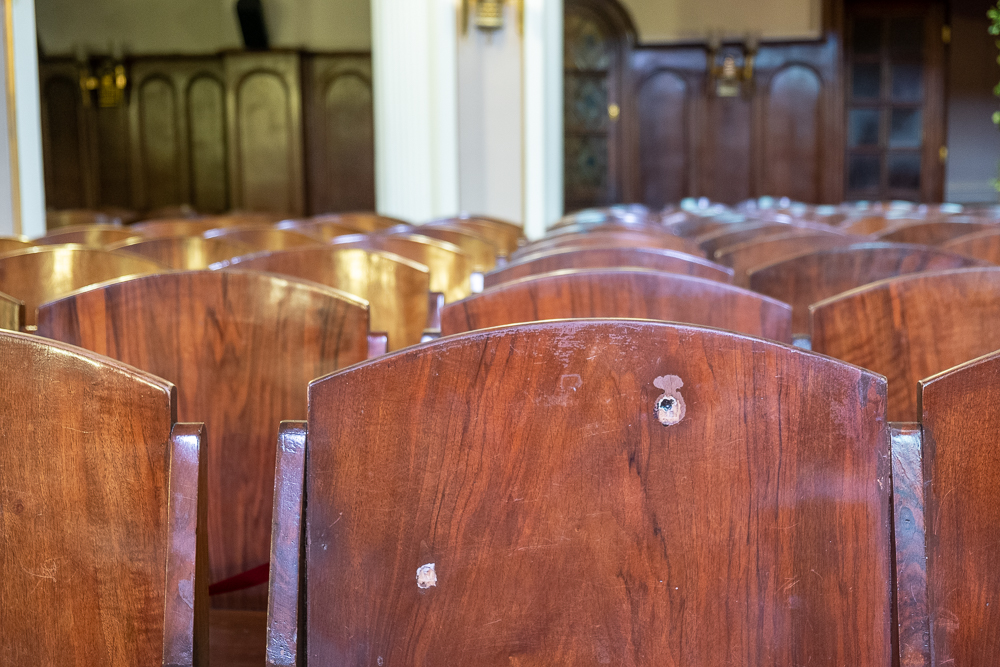
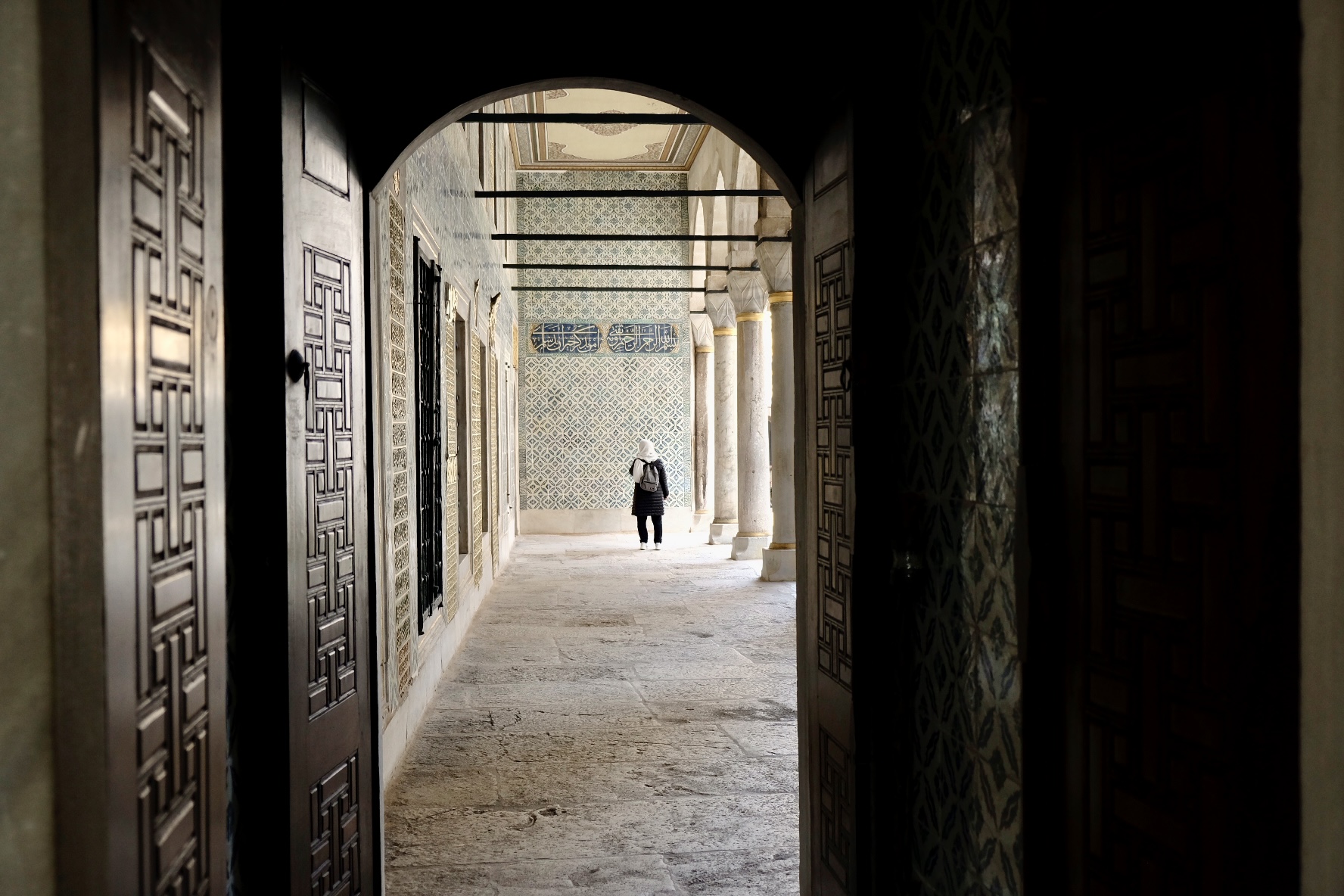
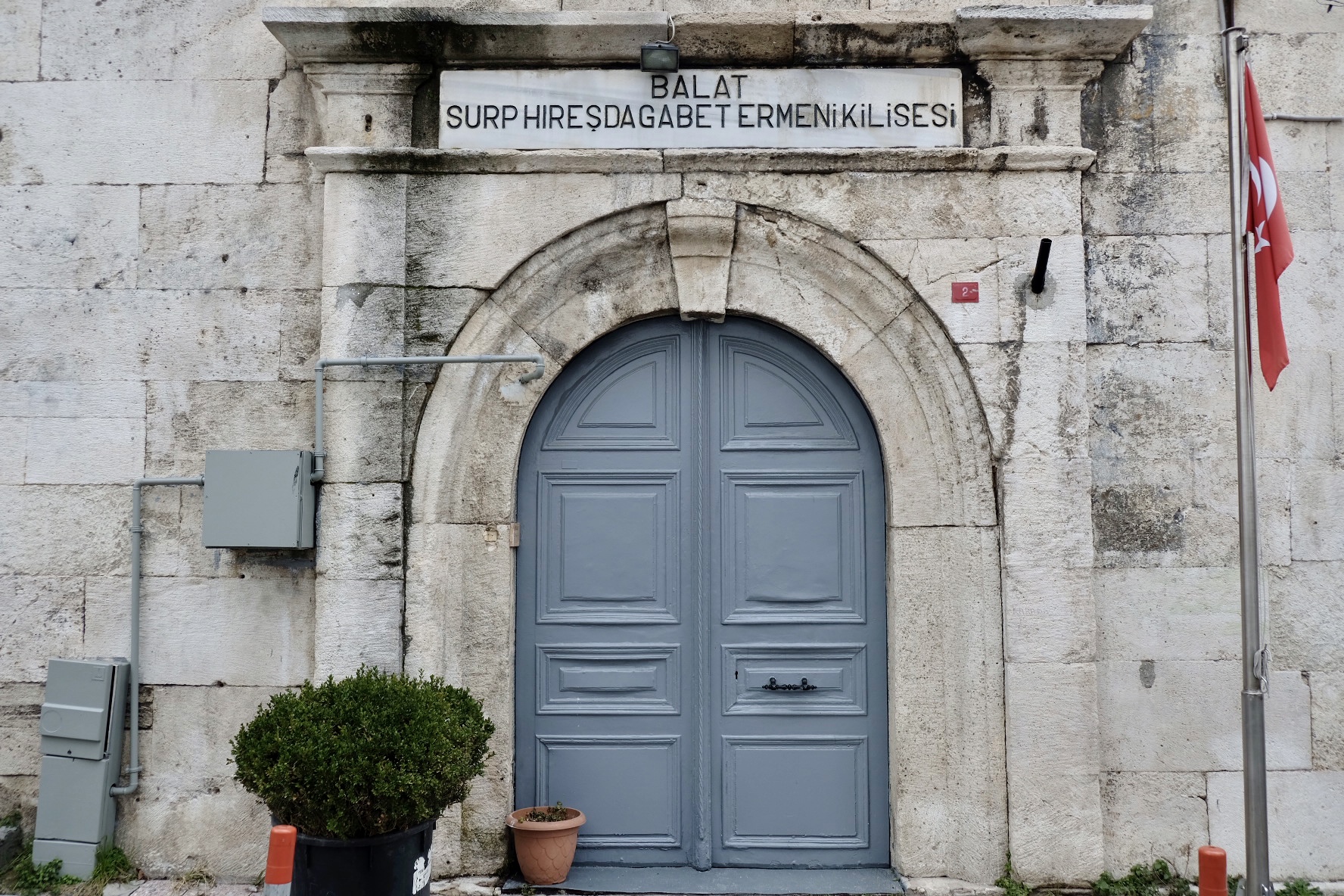
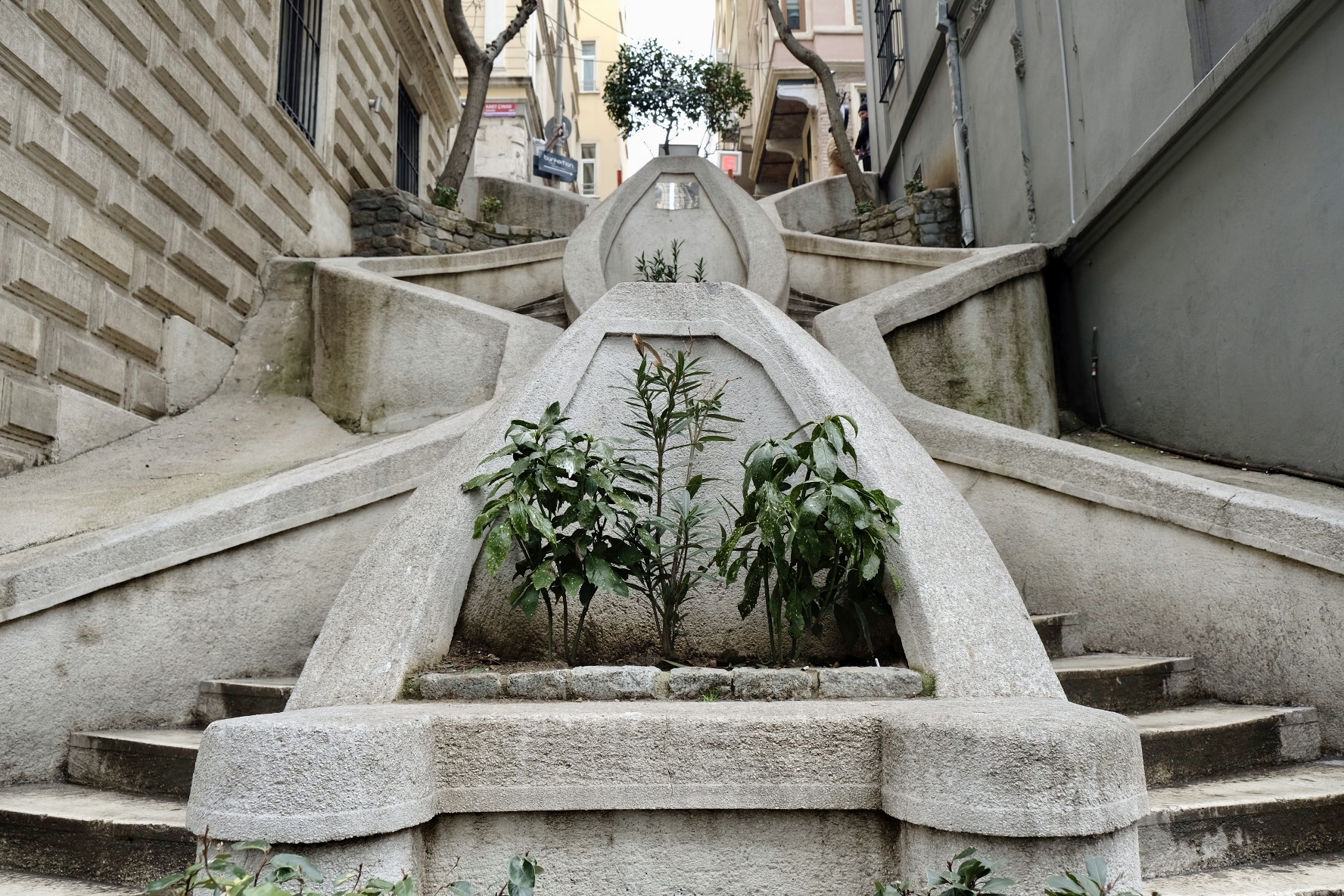
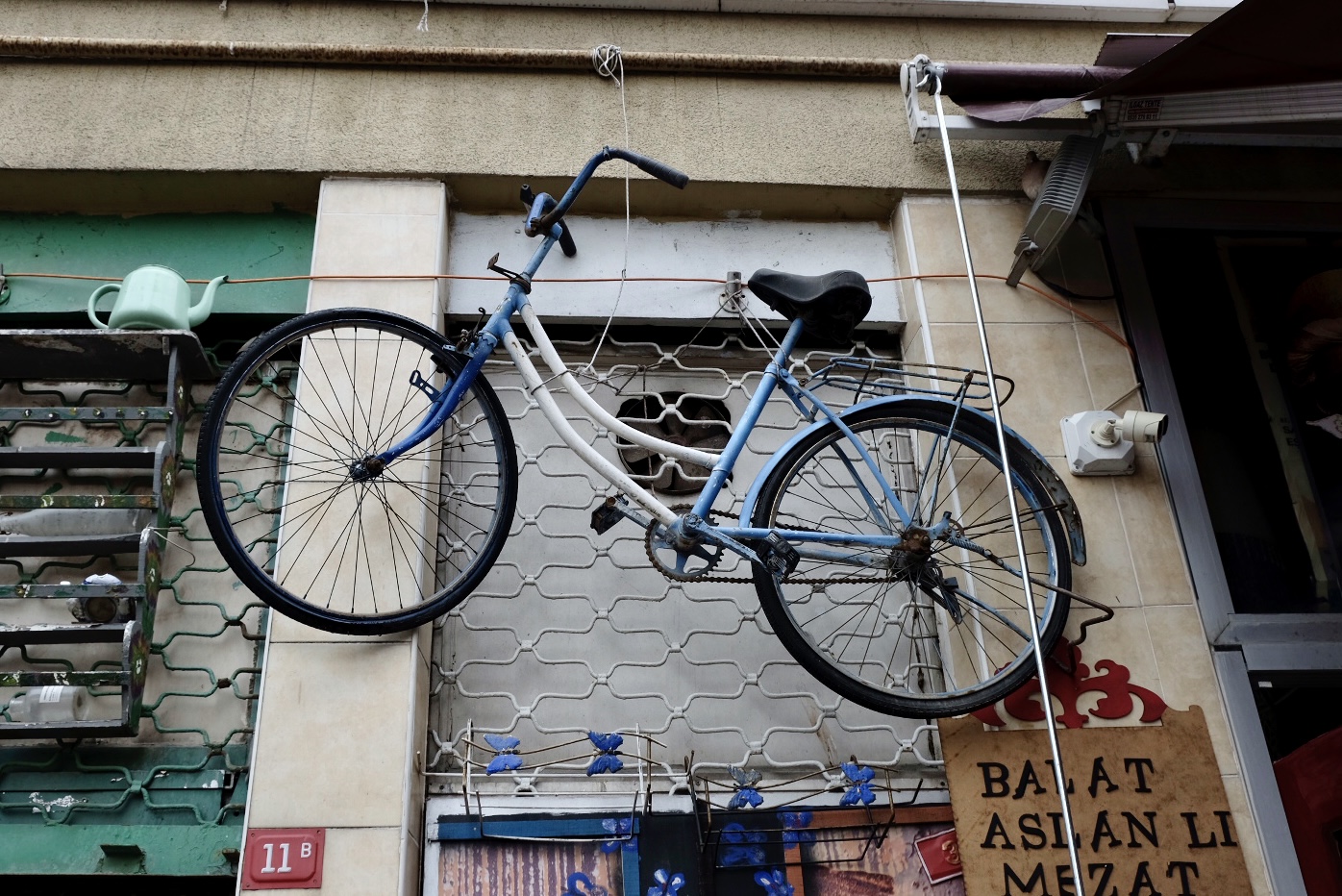
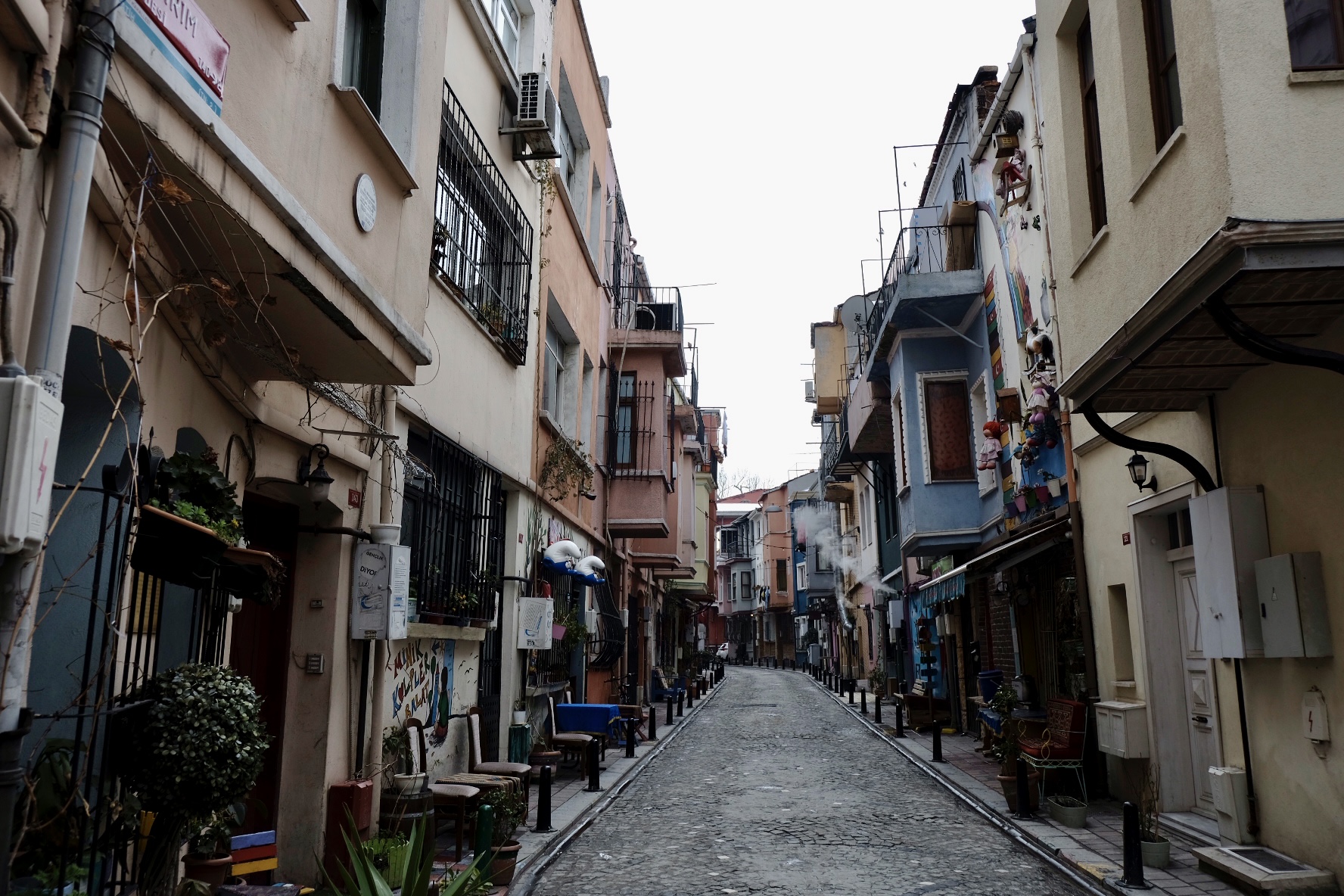
For my Cuesta photography class, we had to capture photos that exemplify various composition principles.  From these many photos, we had to pick our four “hero” photos.  Each “hero” photo represents our best photo with each representing a different composition technique.  These are my four “here” photos.

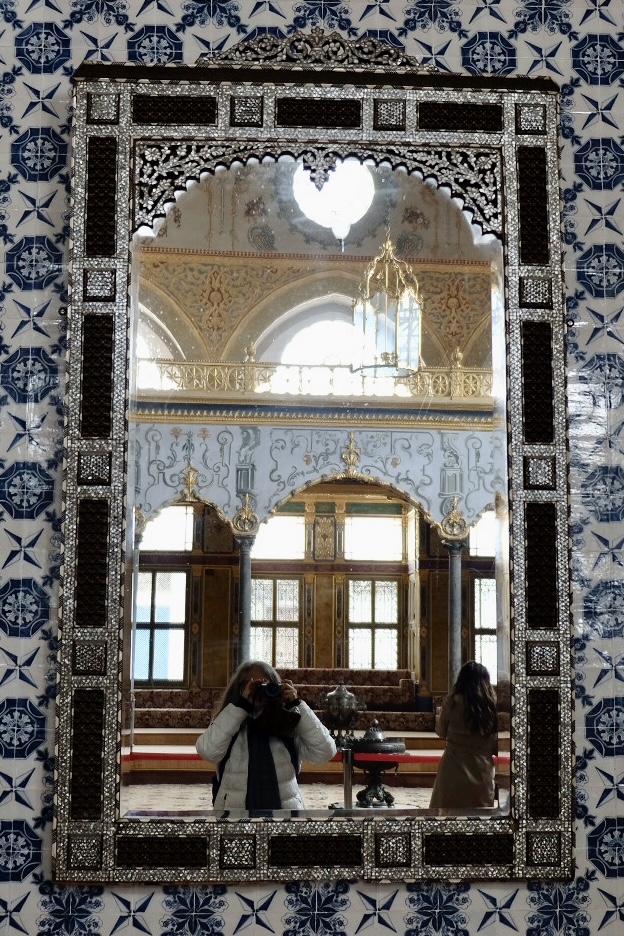
Frame Within the Frame: Topkapi Palace, the door frame is the outer frame with the woman wearing the hijab centered


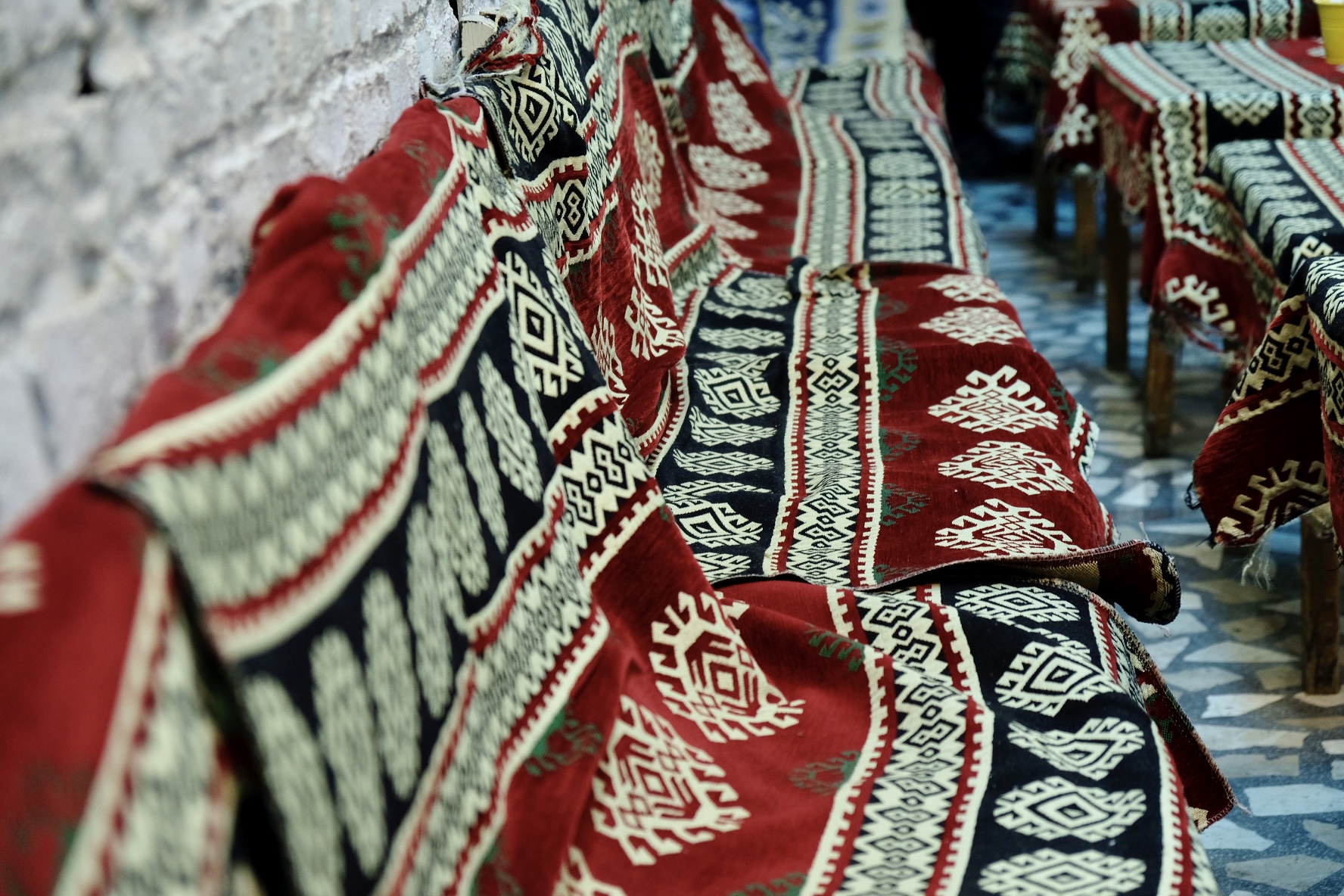
Diagonals: the lines of the cloth guide one’s eyes, tea house during Istanbul Culinary Walking Tour


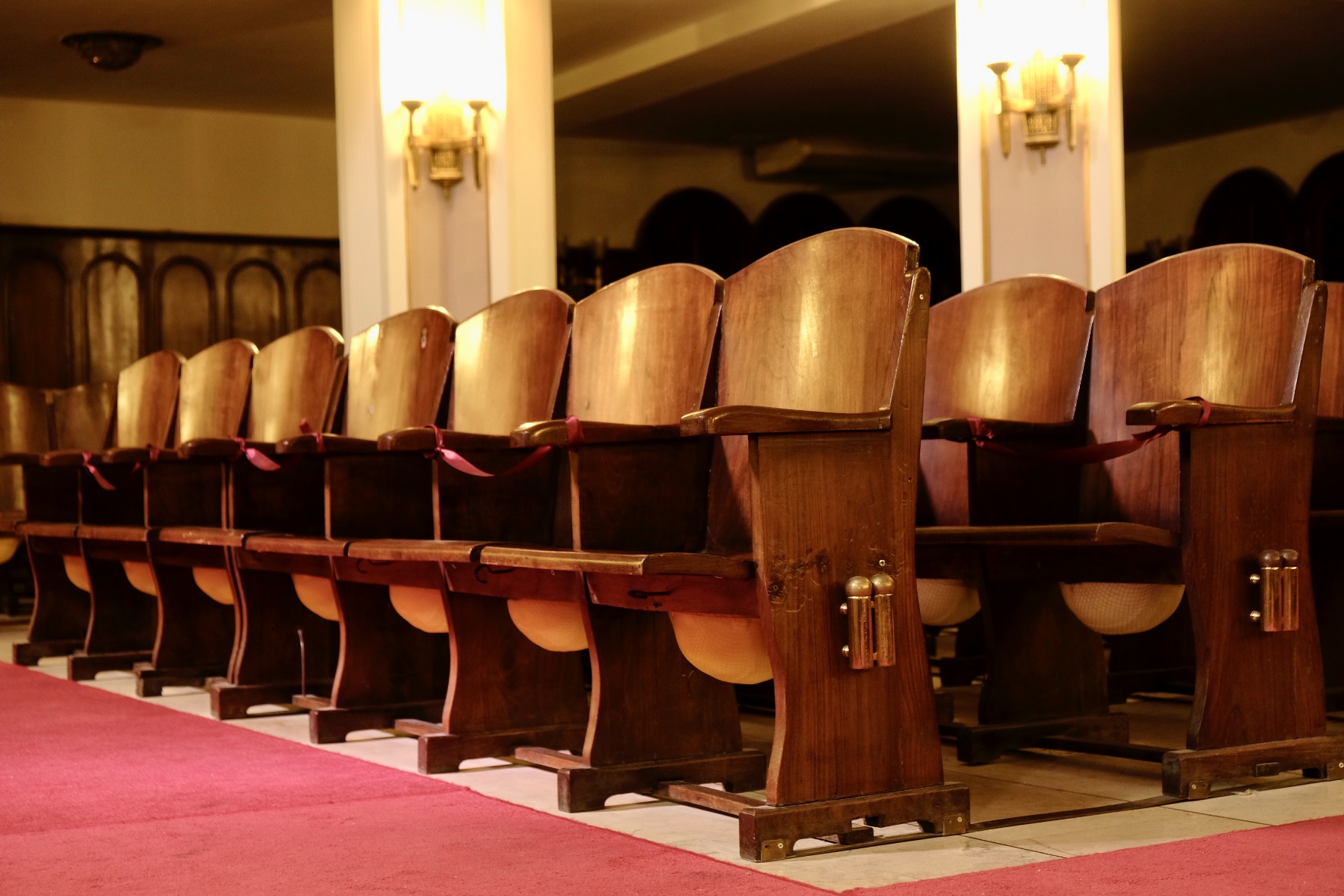
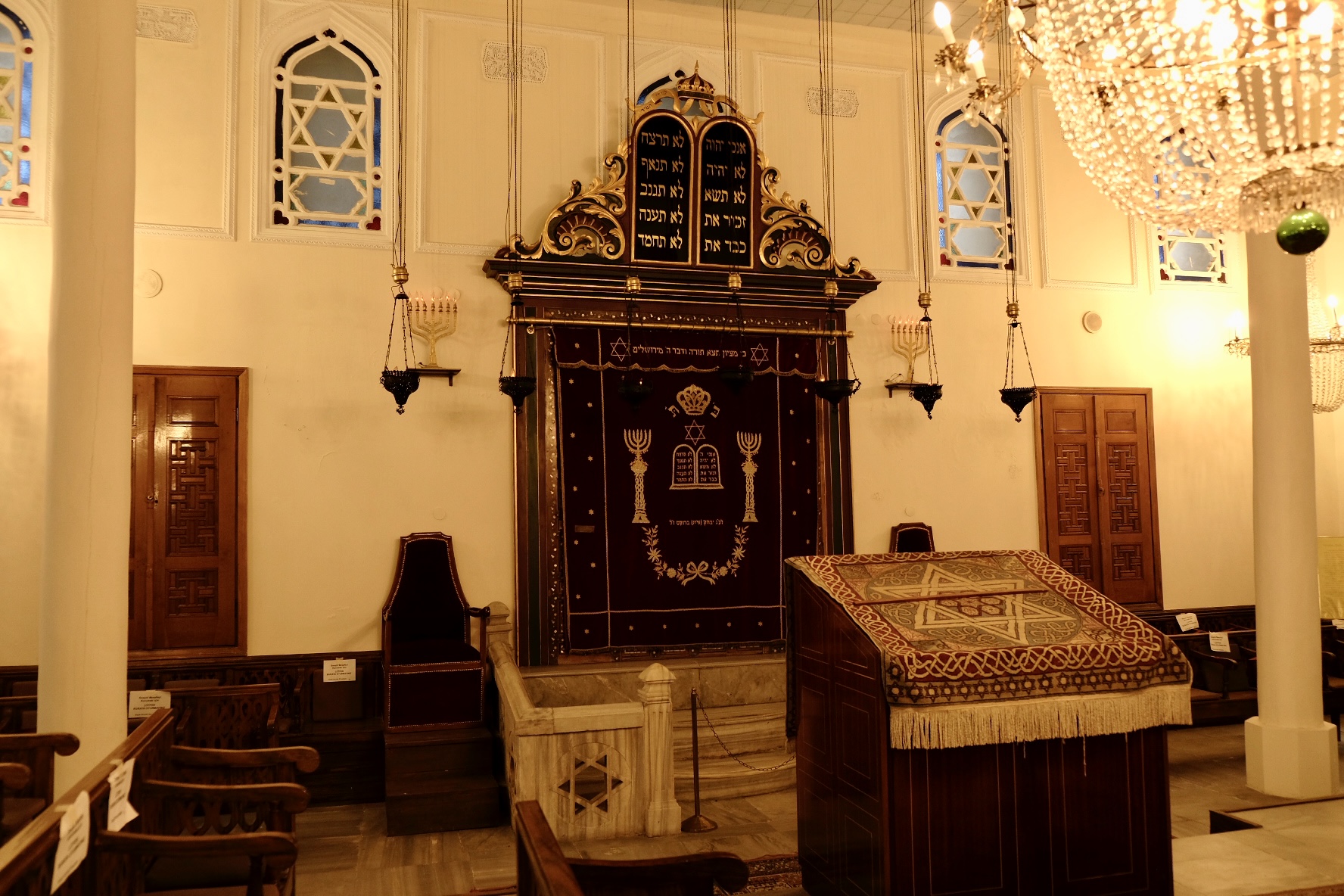
Fore, Middle, and Background:  Istanbul synagogue, foreground highlights bullet from a terrorist in the front chair, middle-ground shows other chairs, background is the rear of the synagogue


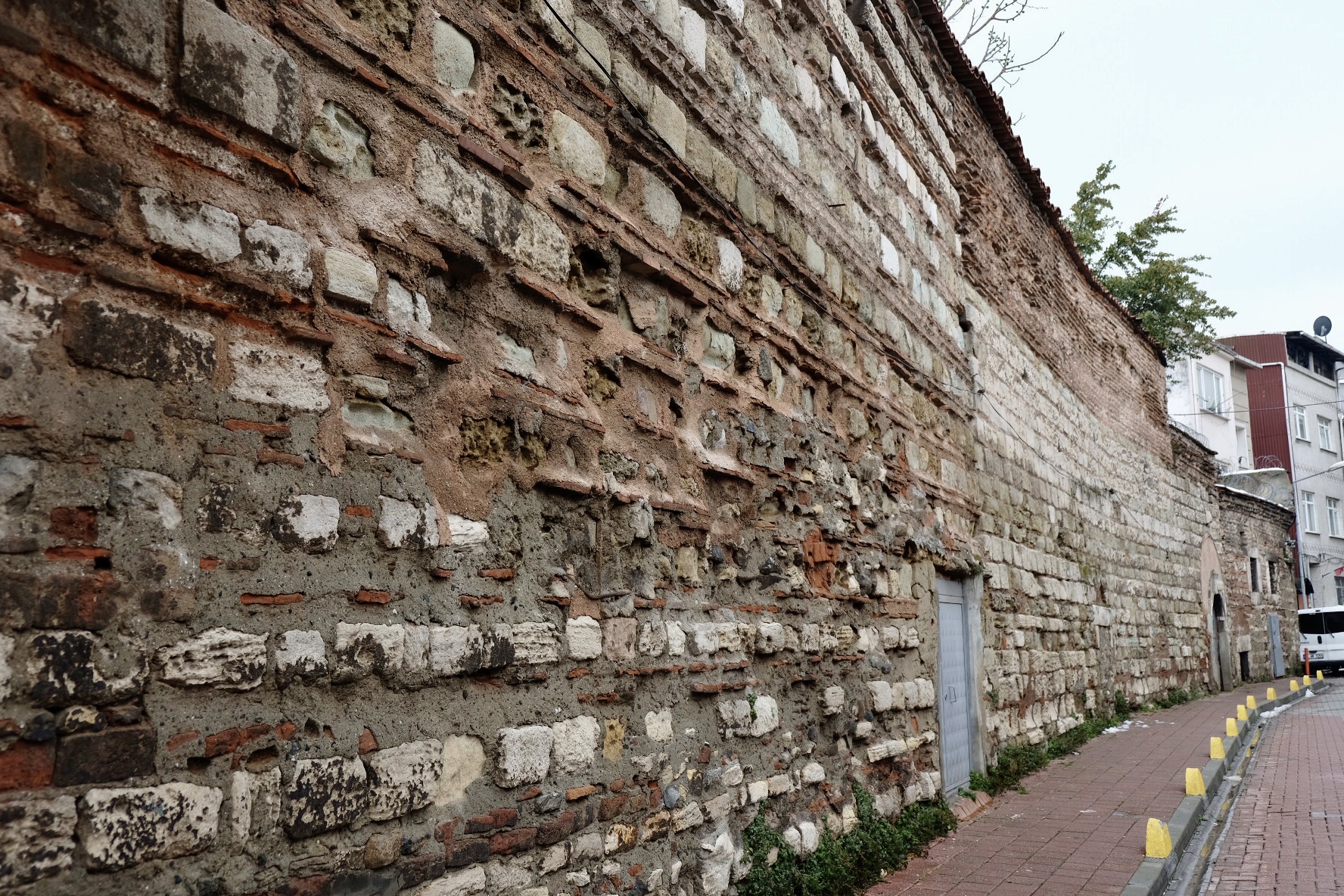
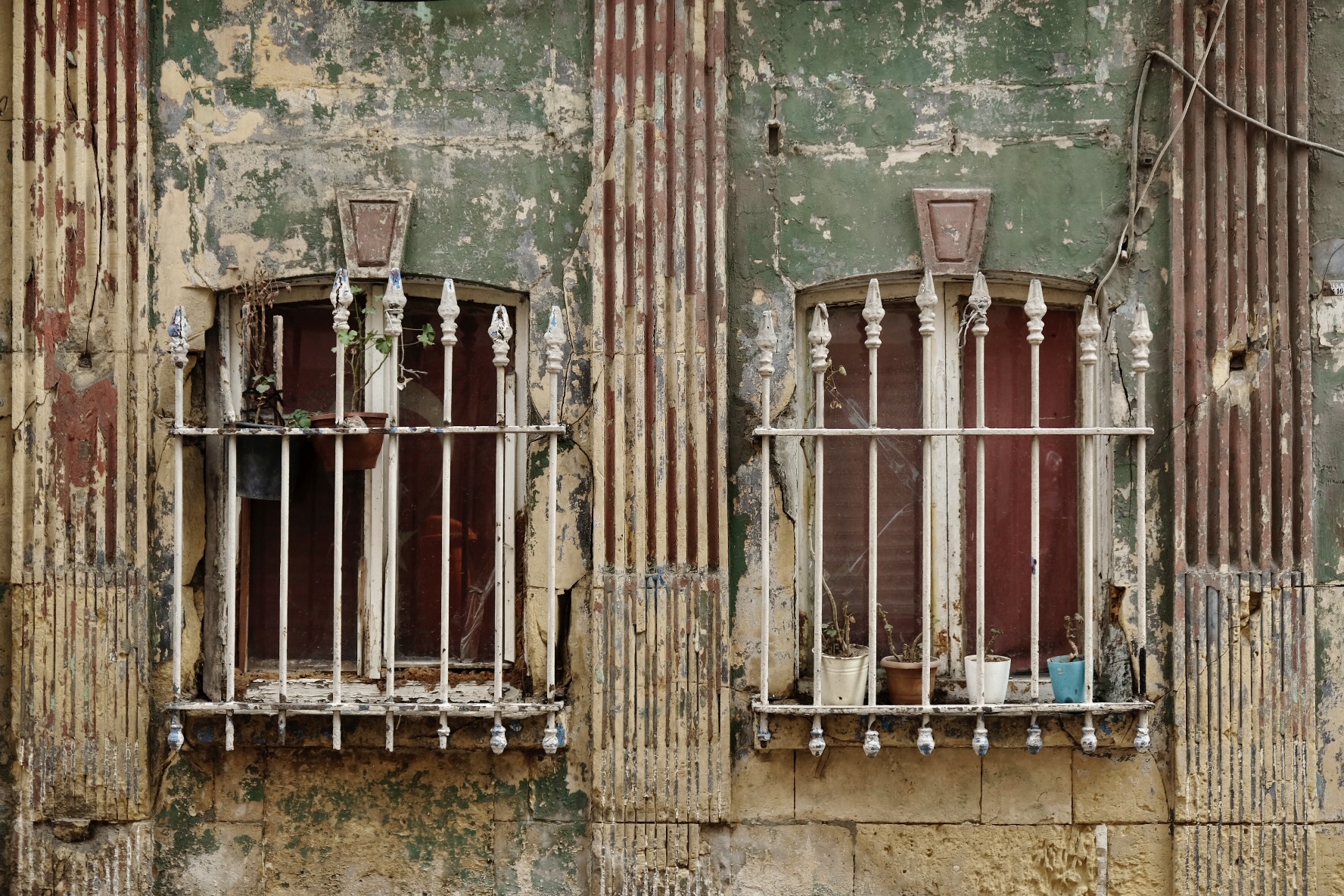
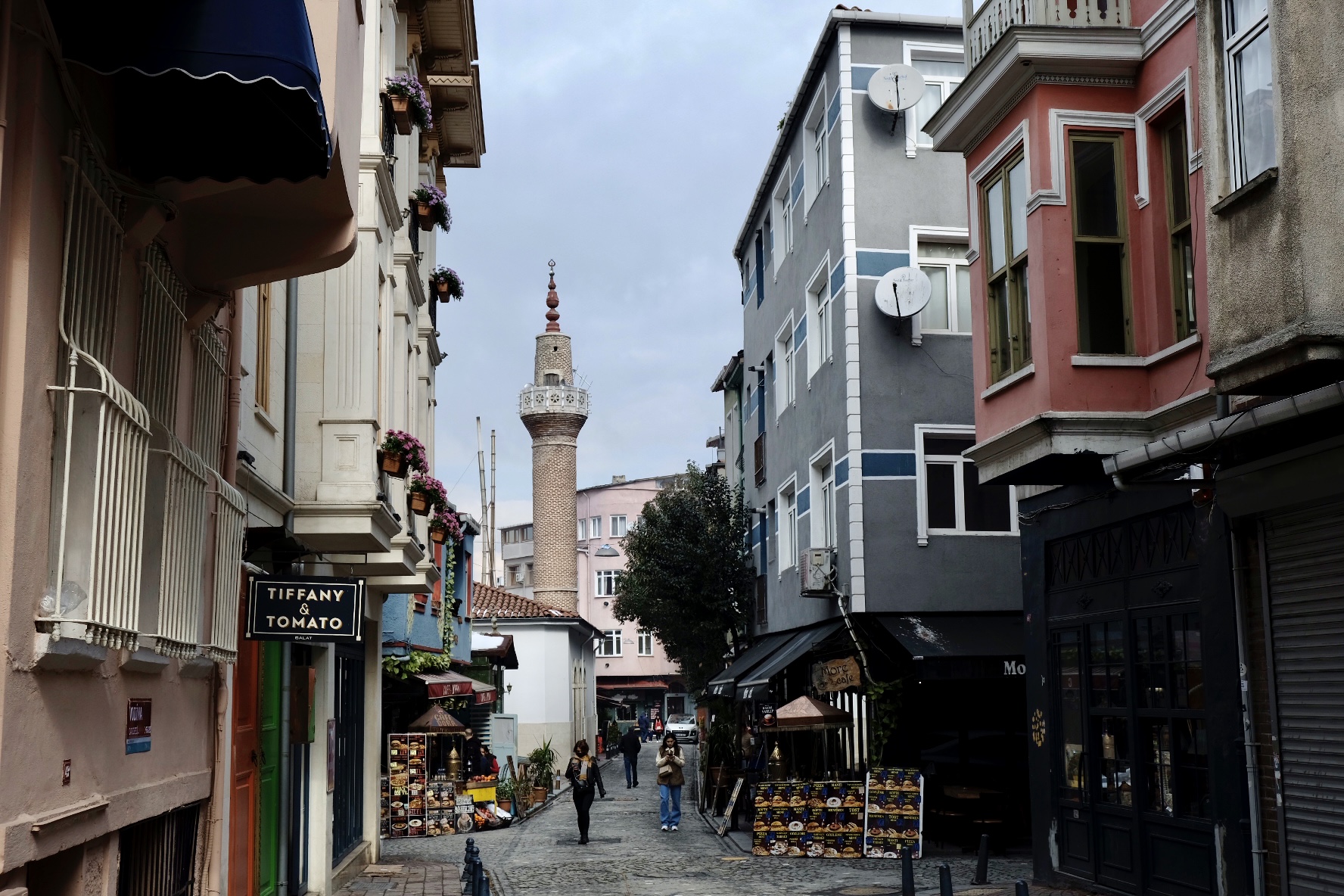
Symmetry:  Balat neighborhood of Istanbul

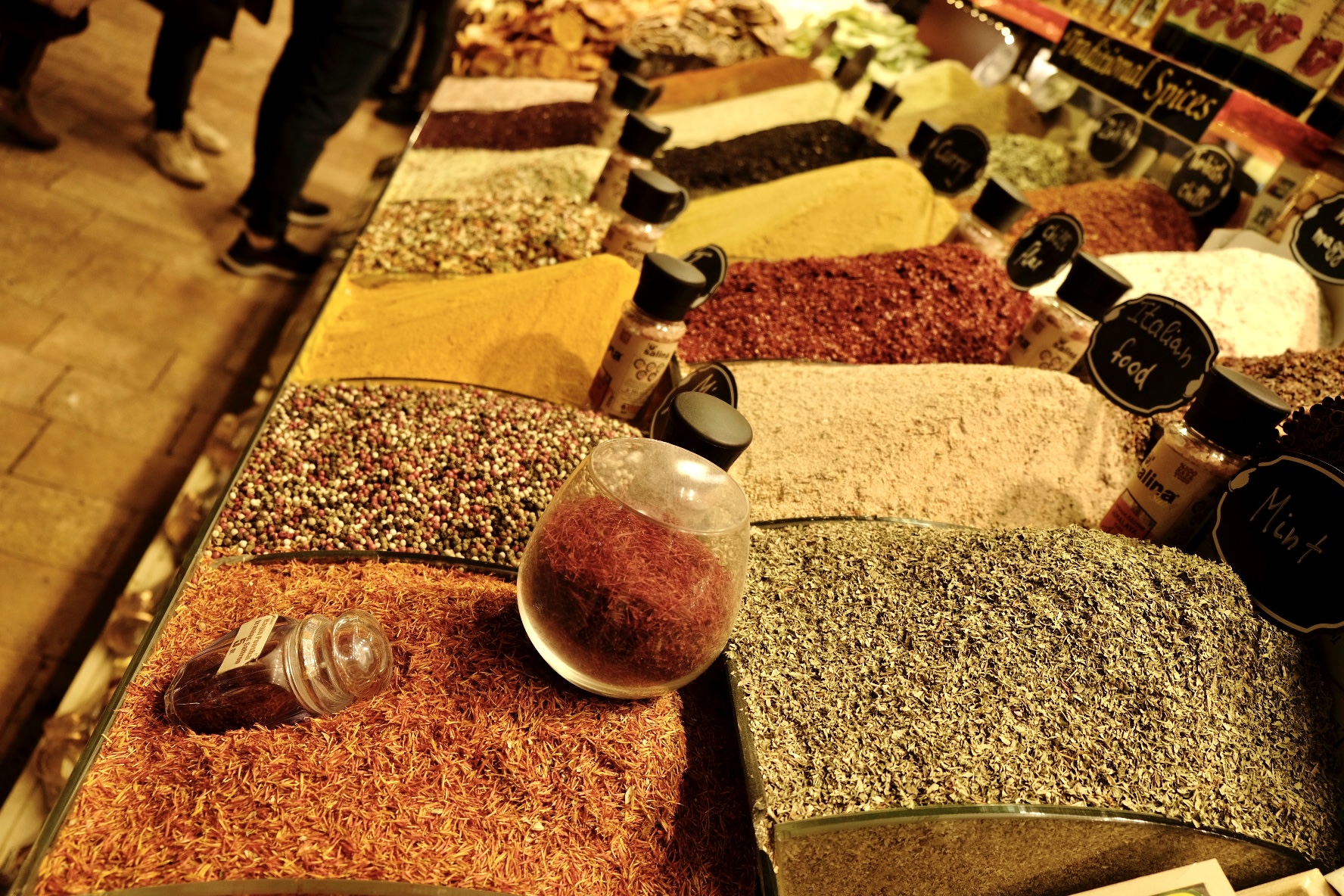
I’ve been a bit frustrated with how some of my indoor photos have a yellow tint to them. Although I’m taking a photography class at Cuesta, we haven’t discussed “white balance” yet.  I did a bit of research on my own and tweaked two photos in Adobe Lightroom.  What a big difference!

Before white balance adjustment…

After white balance adjustment…!

Before…

After…!

To start our final full day in Istanbul, we had our throats and noses swabbed for our return to the USA COVID-19 test.  Fortunately, we tested negative!

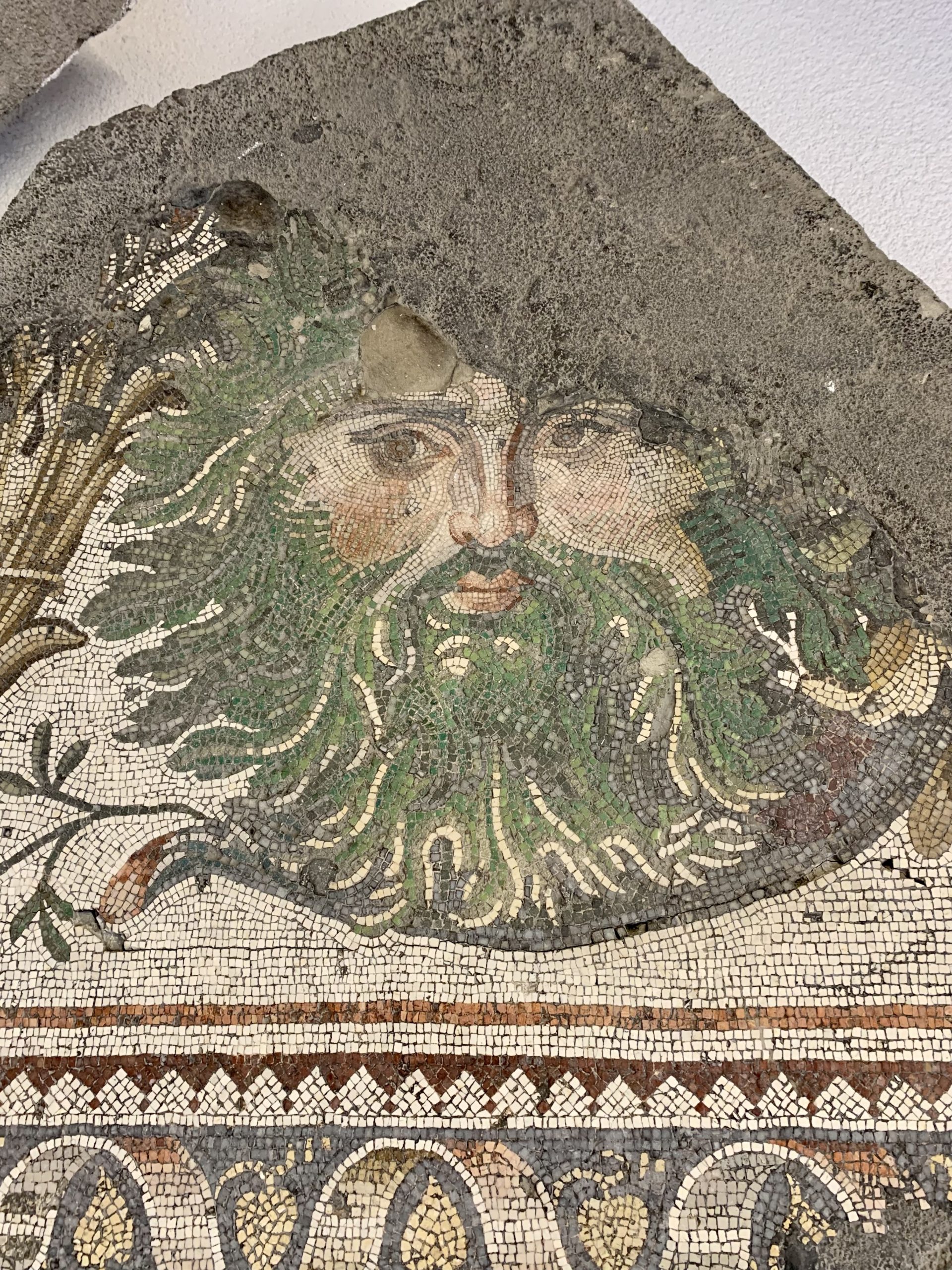
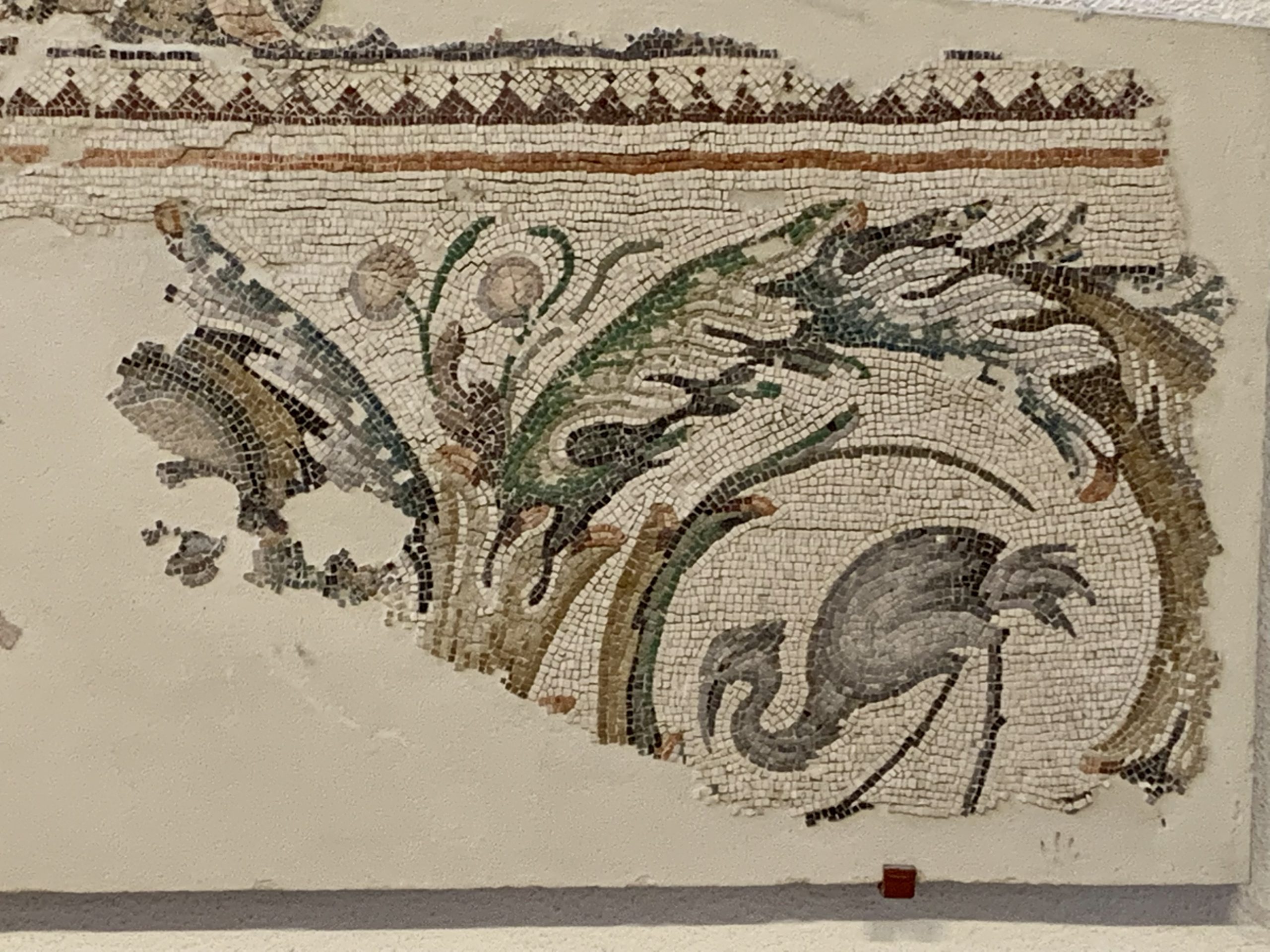
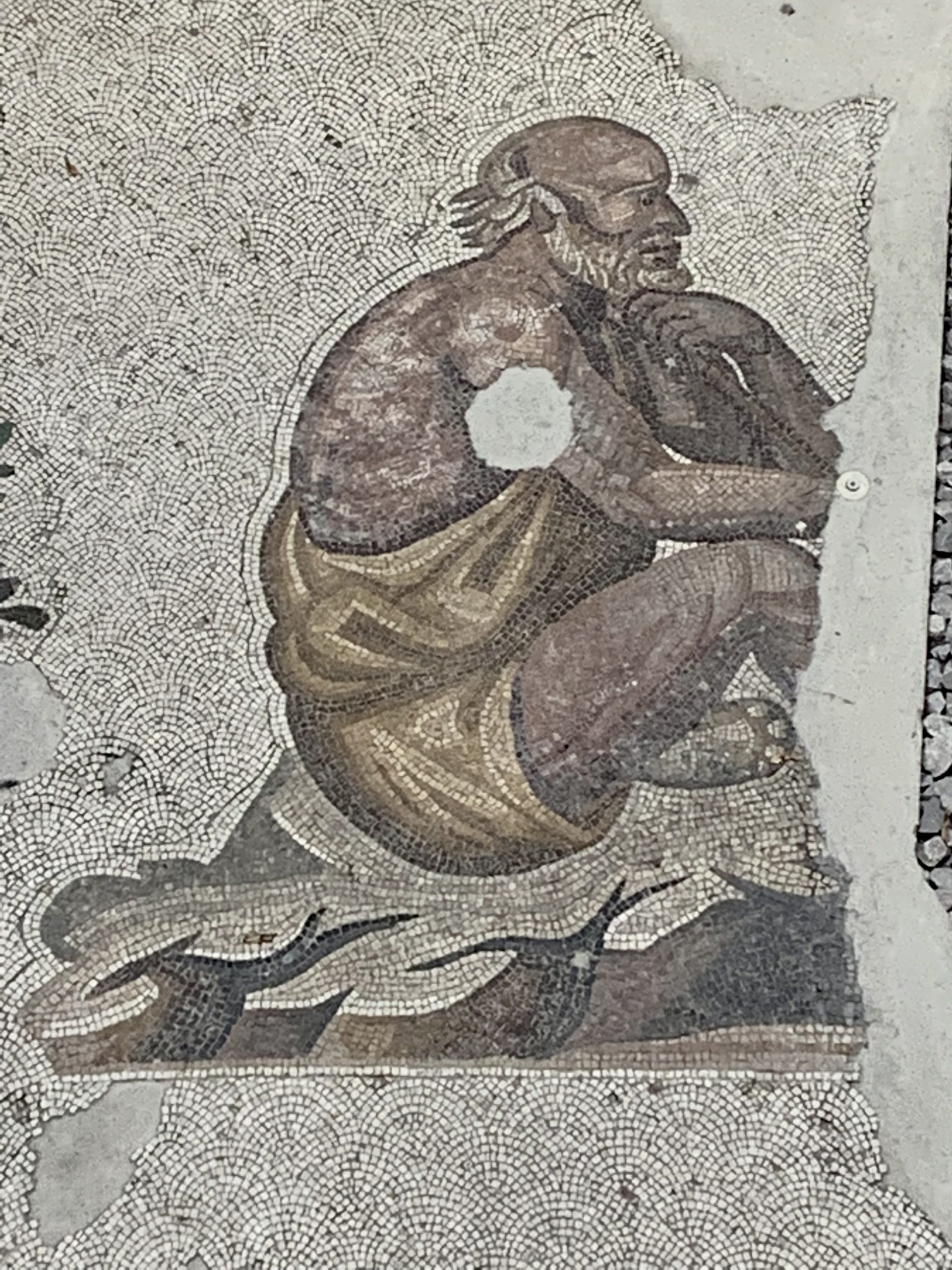
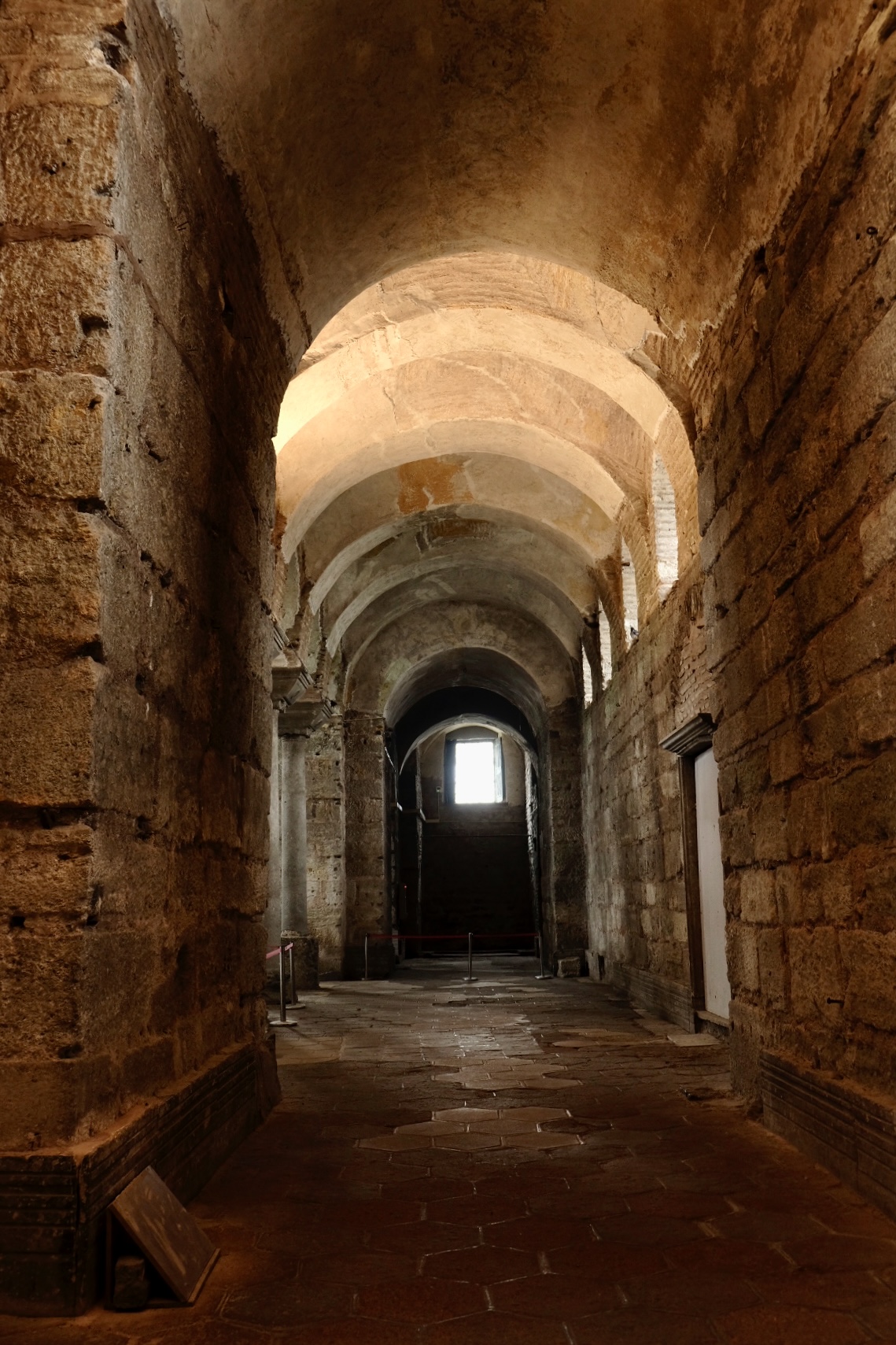
Following the bodily fluid sampling in the hotel lobby, with prices set by the Turkish government (only 250 lira each – or about $17!), we walked over to Arasta Bazaar for some shopping and to see the gorgeous Mosaic Museum.  The mosaics, unearthed in excavations in the northeastern section of the cloister in Eastern Roman Grand Palace in 1935, are magnificent in terms of both artistic and the richness of depictions of the scenes. The works exhibited in the Great Palace Mosaics Museum, dated between 450-550 AD do not have religious content. The depictions taken from daily life, nature and mythology probably owe their vitality to the many experts under the leadership of the leading masters of the era. (https://muze.gen.tr/muze-detay/mozaik)  I found the mosaics to be beautiful!

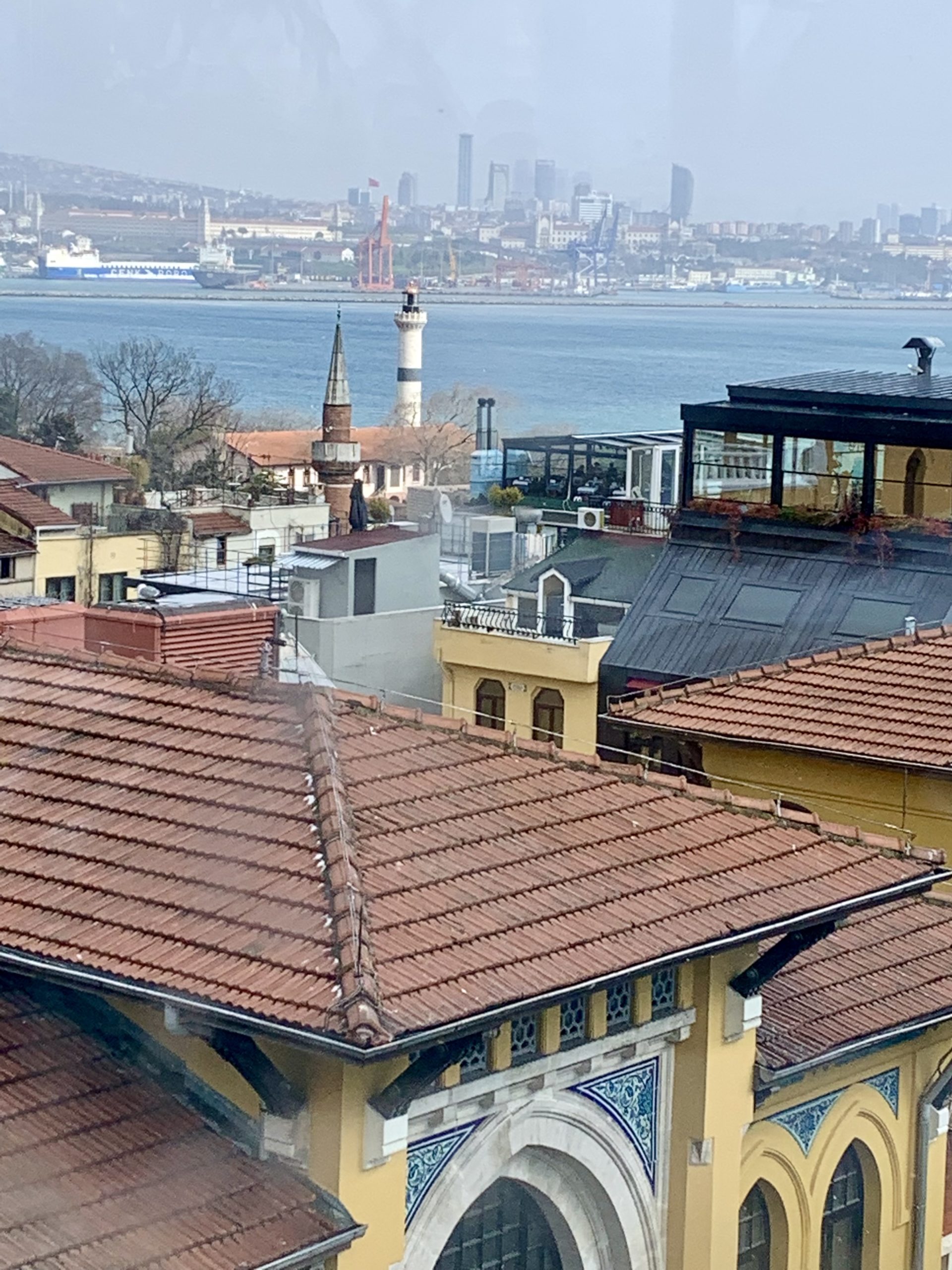
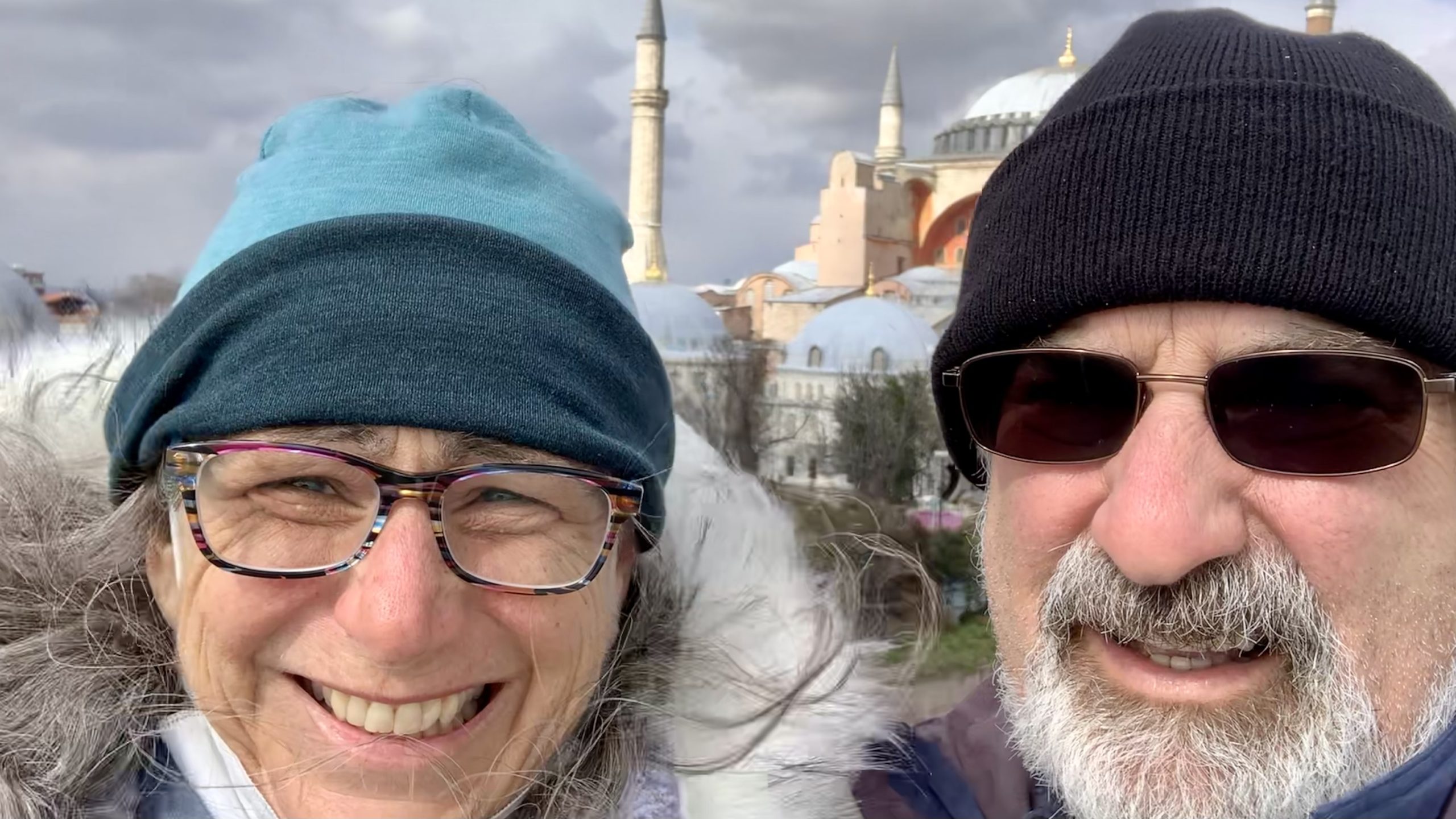
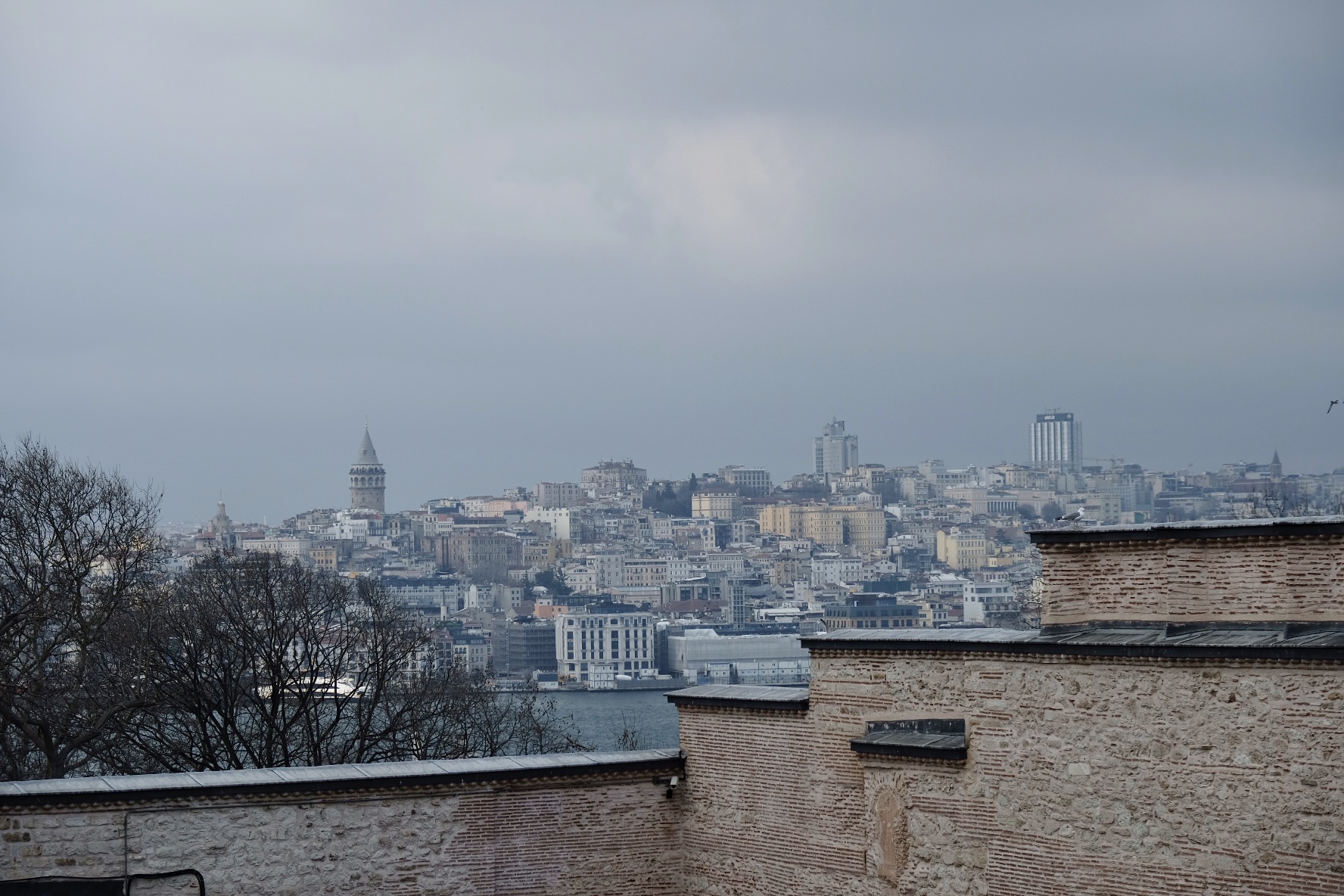
About a month before we left for this journey, my C6 disc started acting up, something it hadn’t done in nearly 14 years.  To prepare for this trip and to hopefully prevent the need for surgery, I’ve been going to physical therapy twice a week and the chiropractor once a week.  Something I’ve been working on is standing straighter and not walking hunched over.  Well, this new walking posture paid off while we were looking for a place for lunch!  Since I wasn’t looking down, I saw people on a rooftop terrace above a nearby restaurant.  We went there for lunch and had not only tasty food but also a phenomenal view!
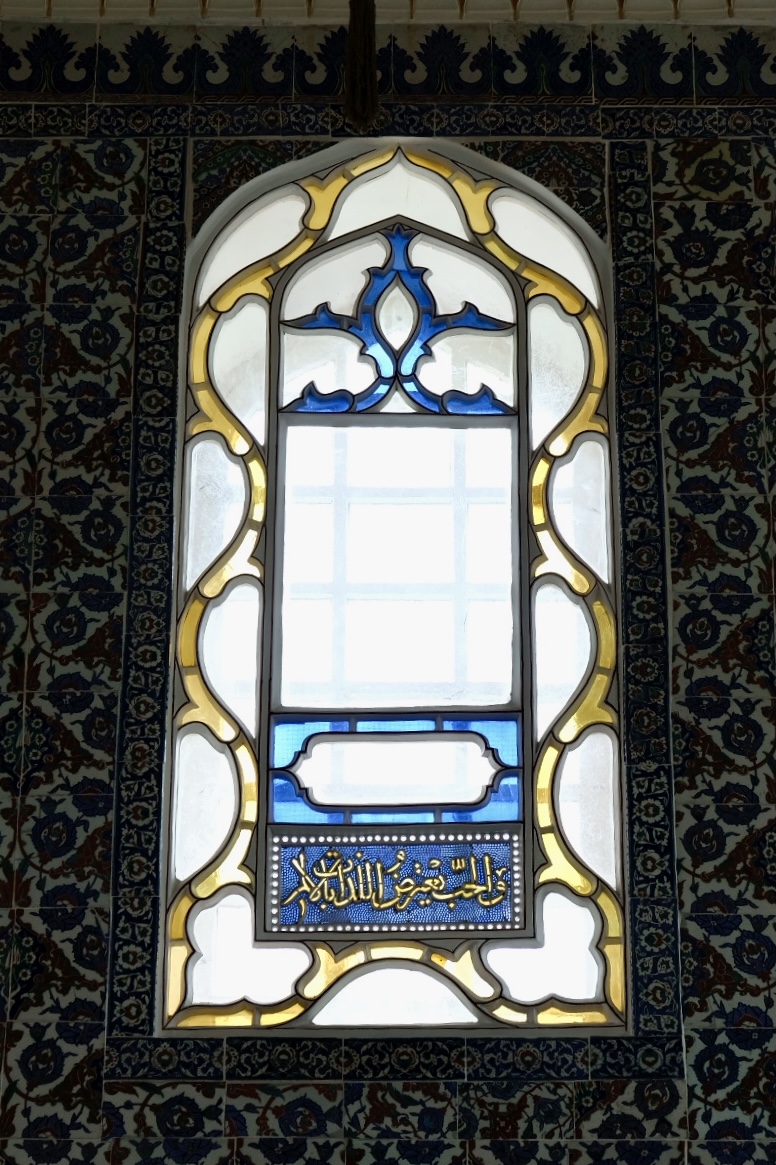
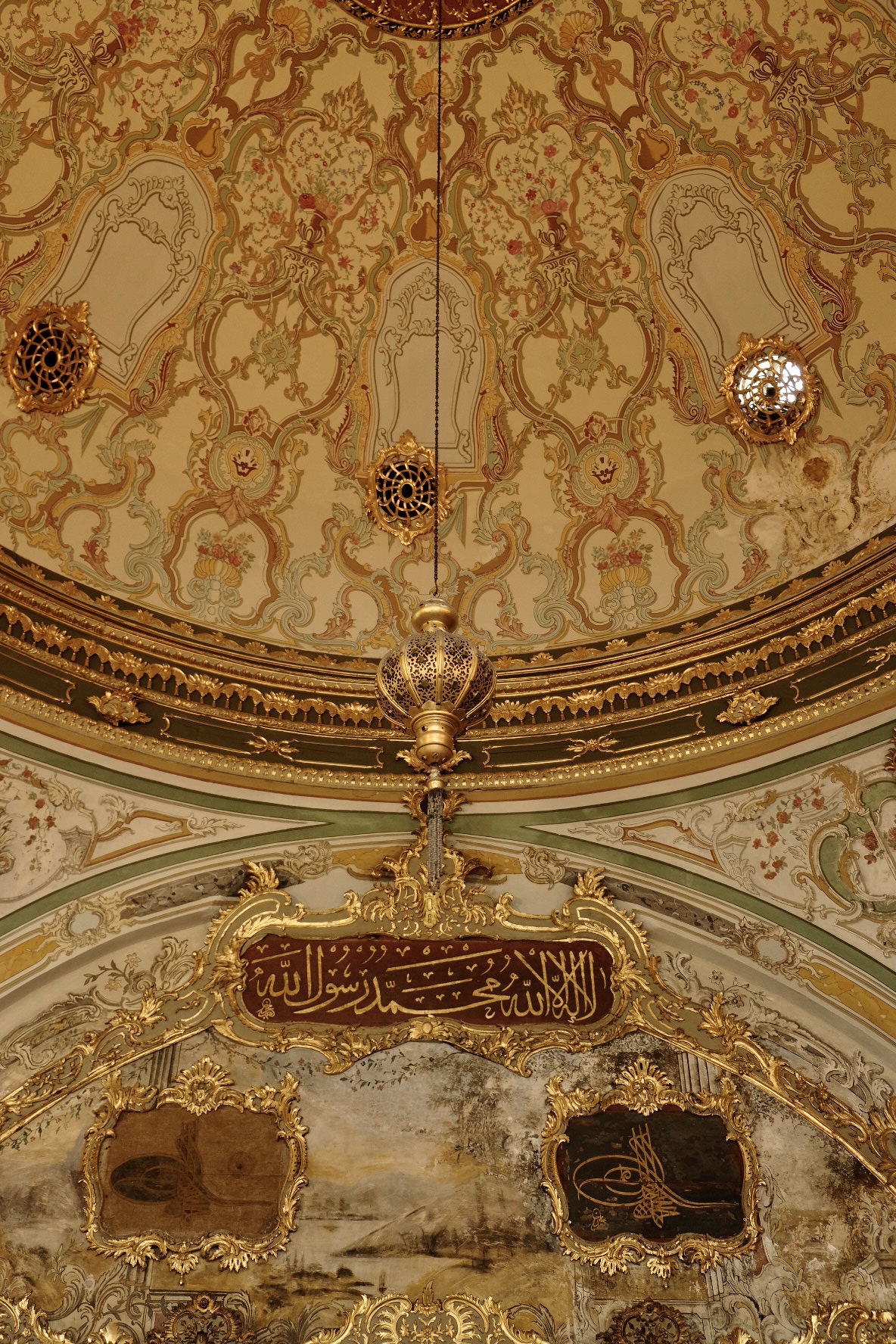
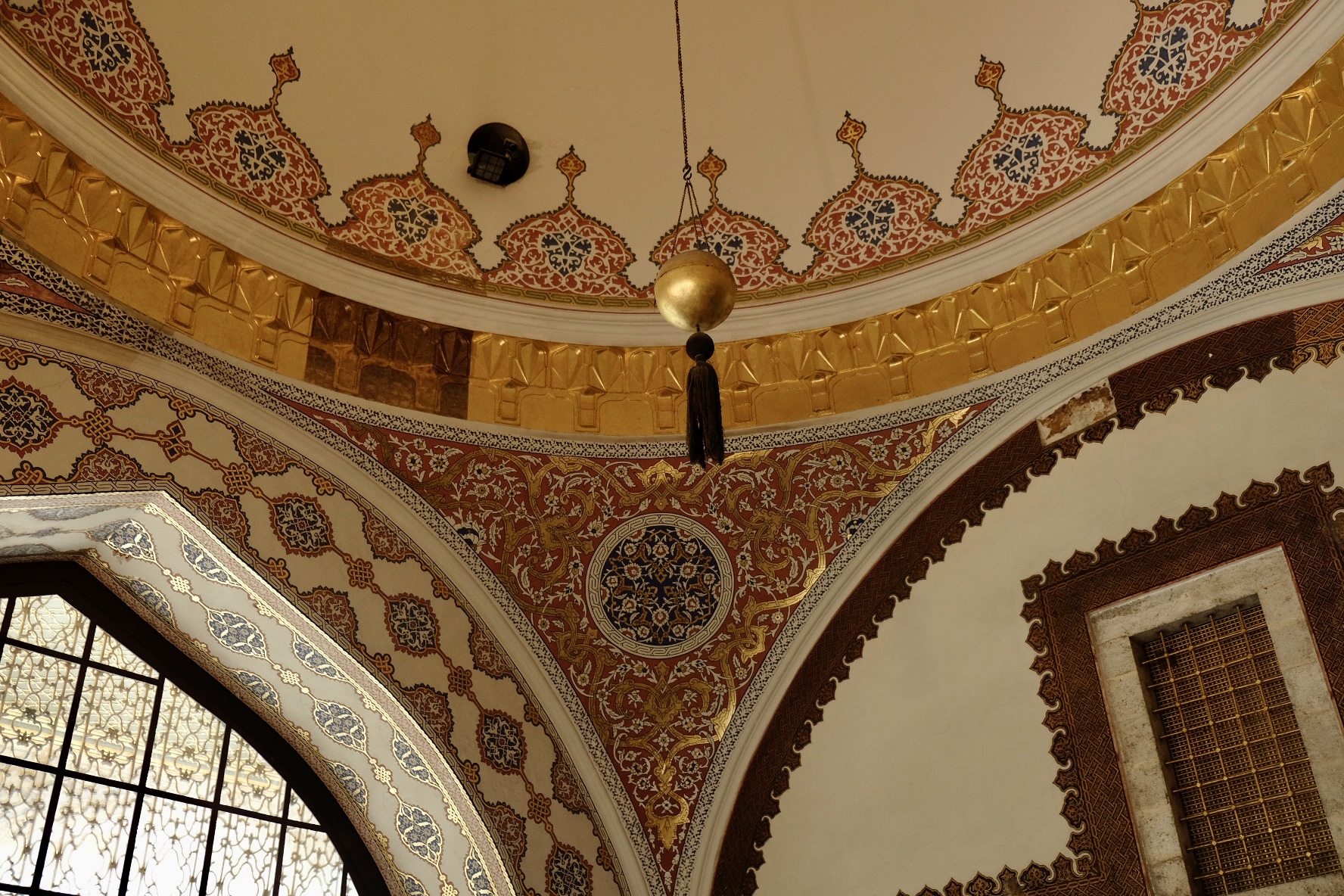
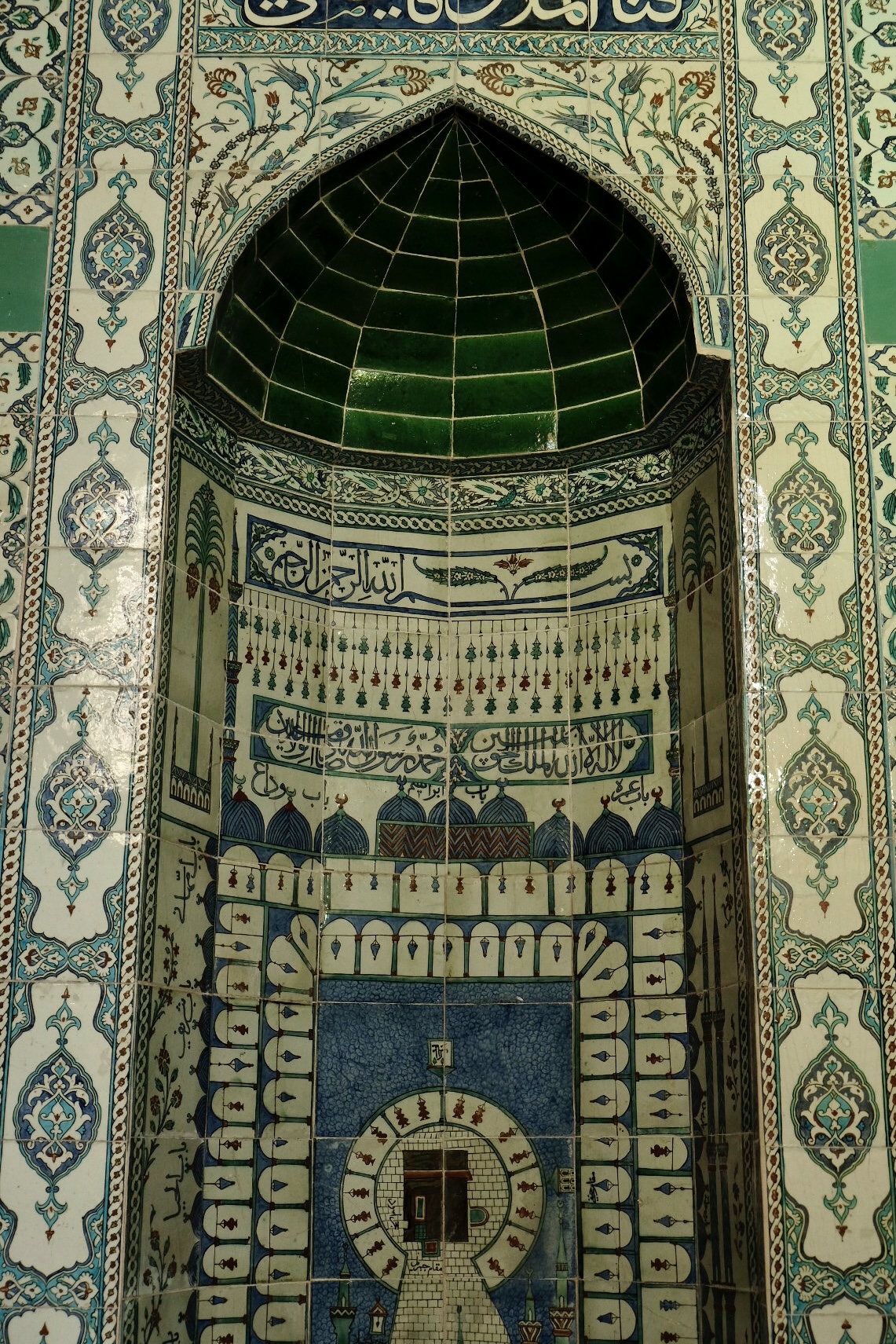
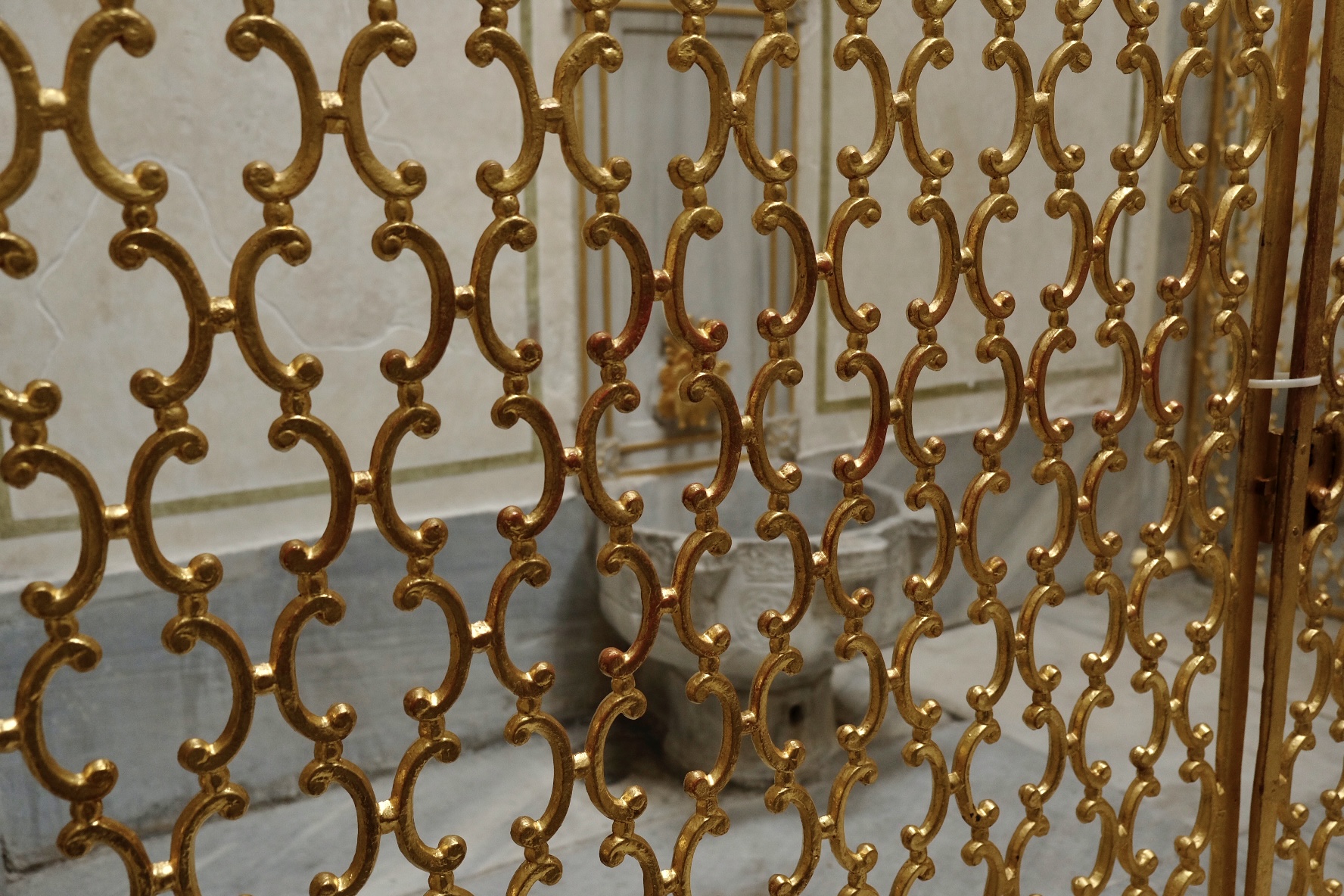
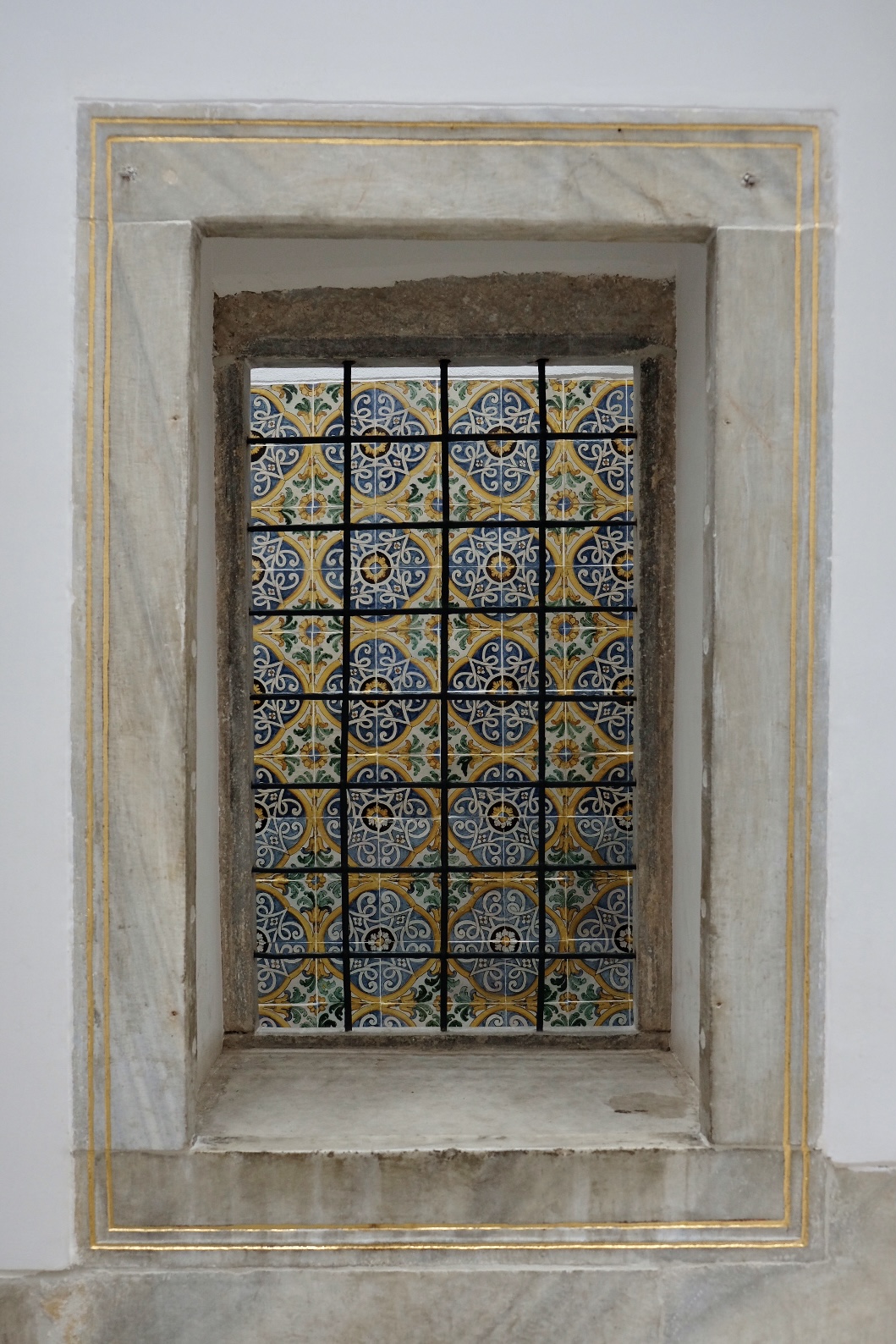
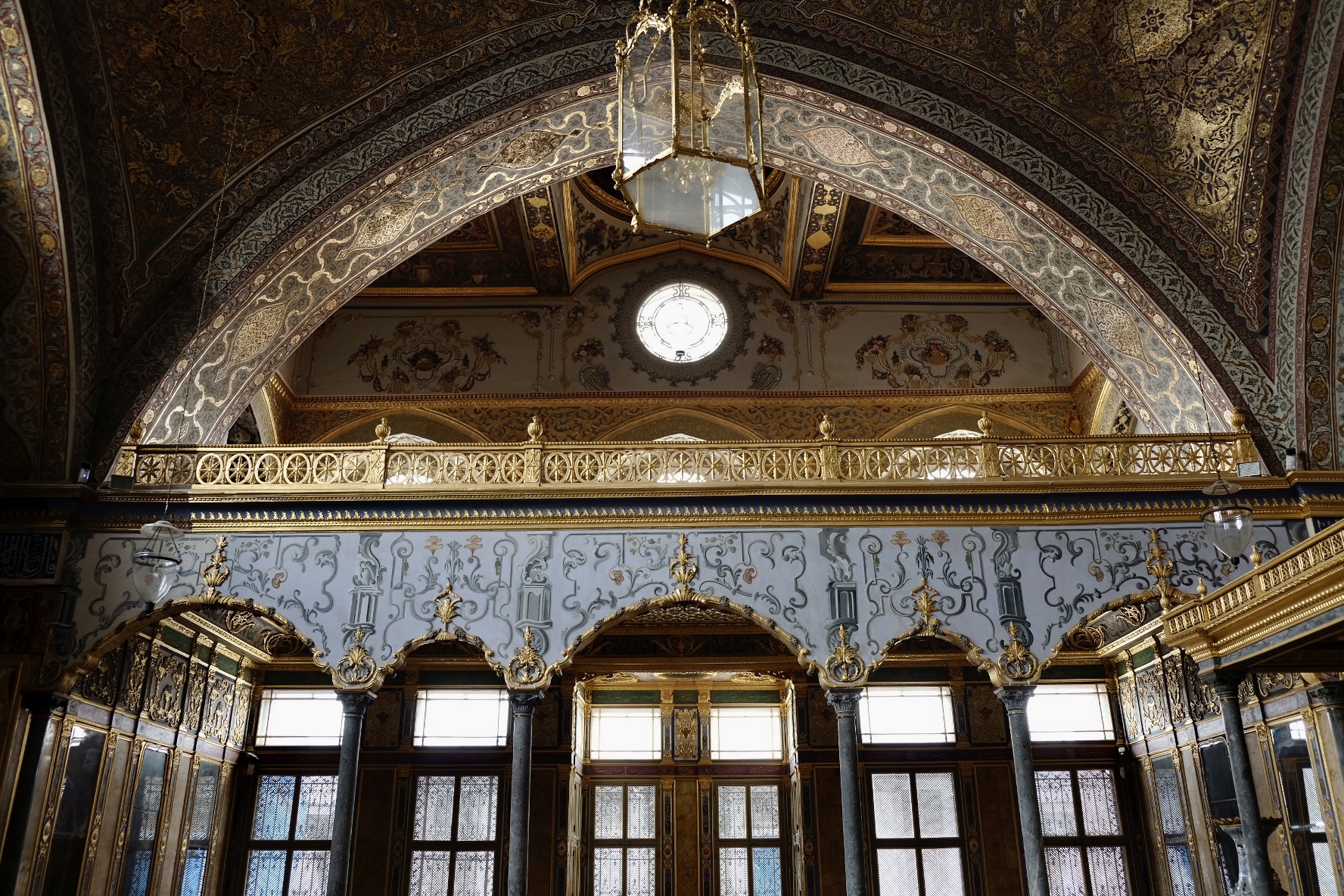
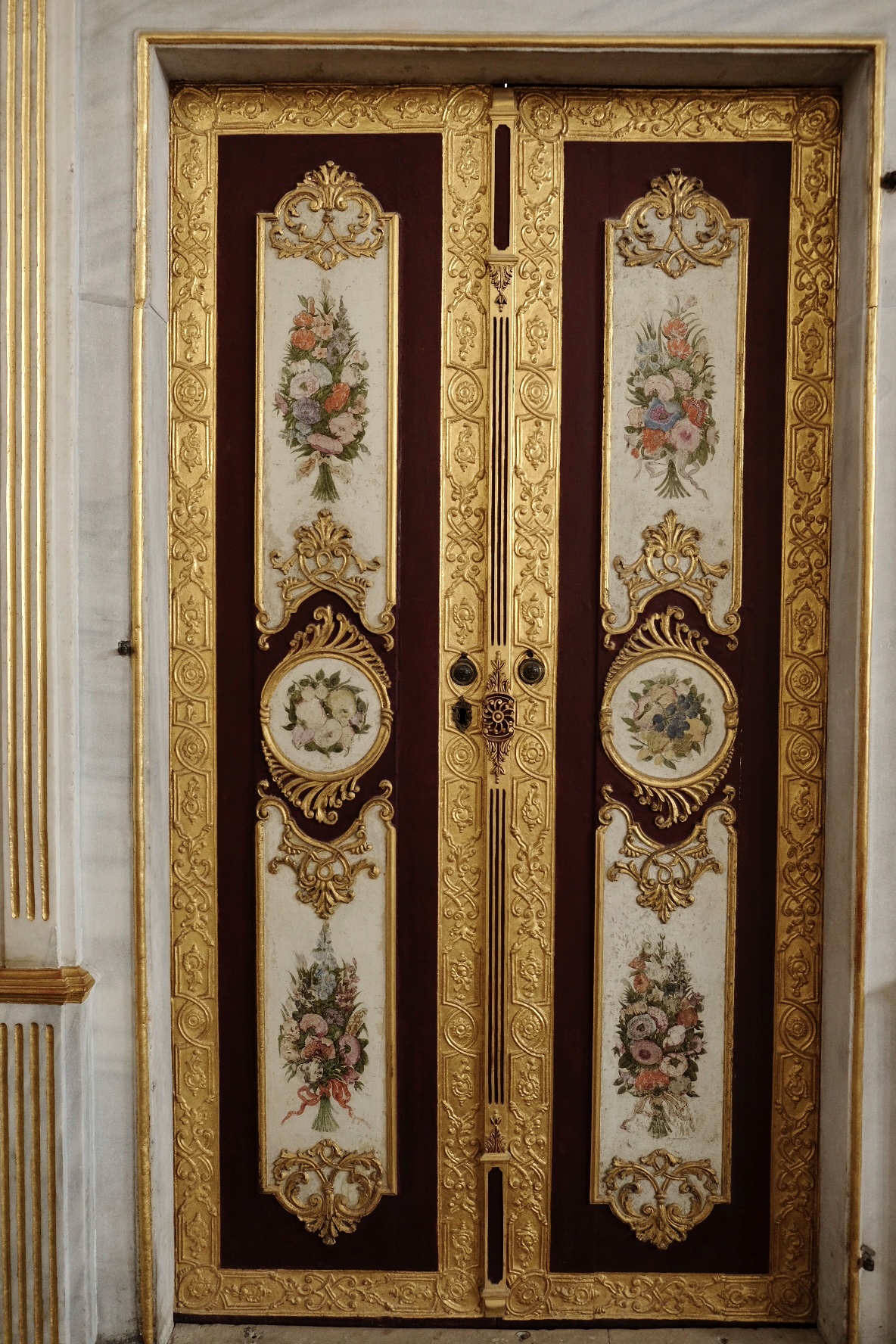
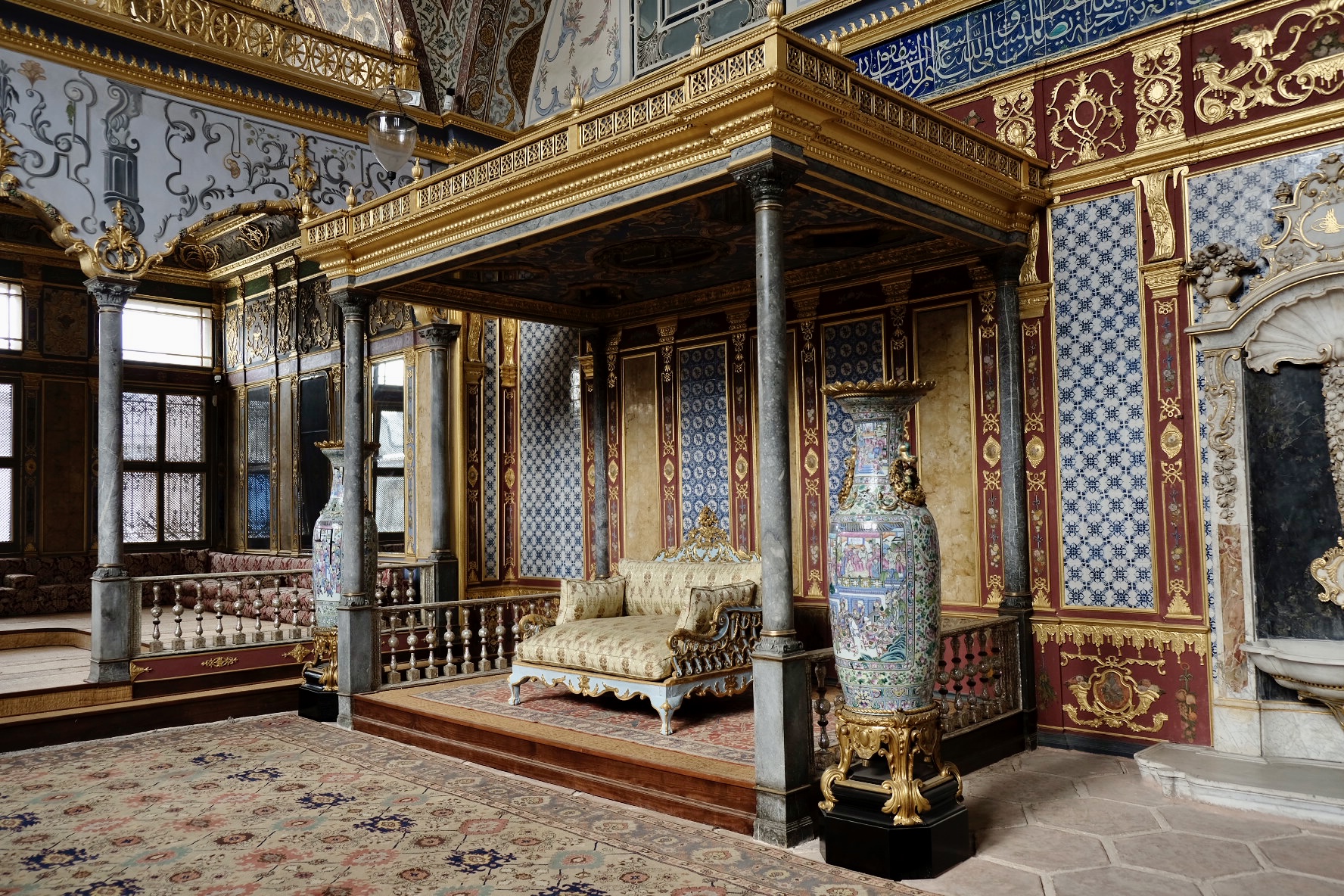
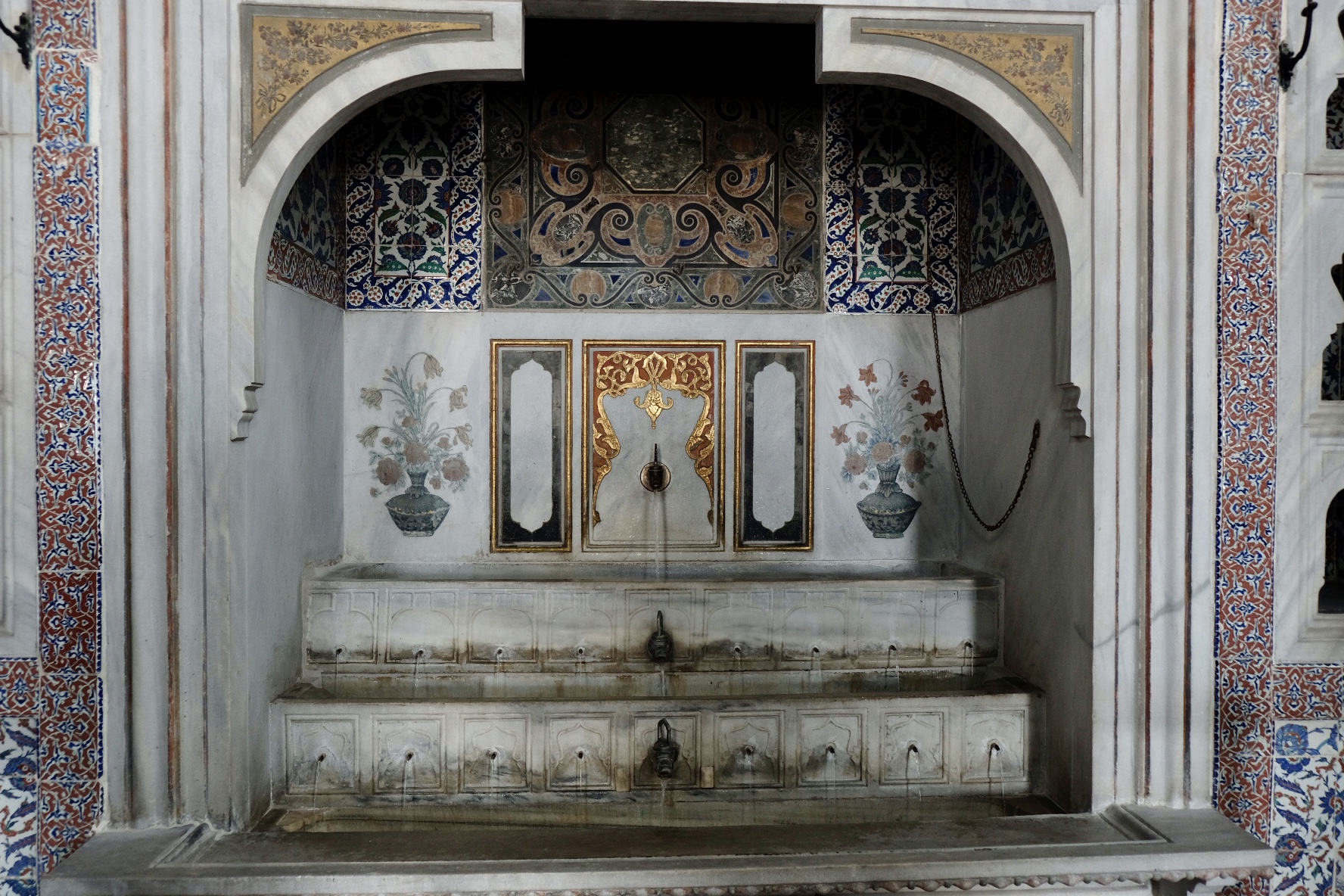
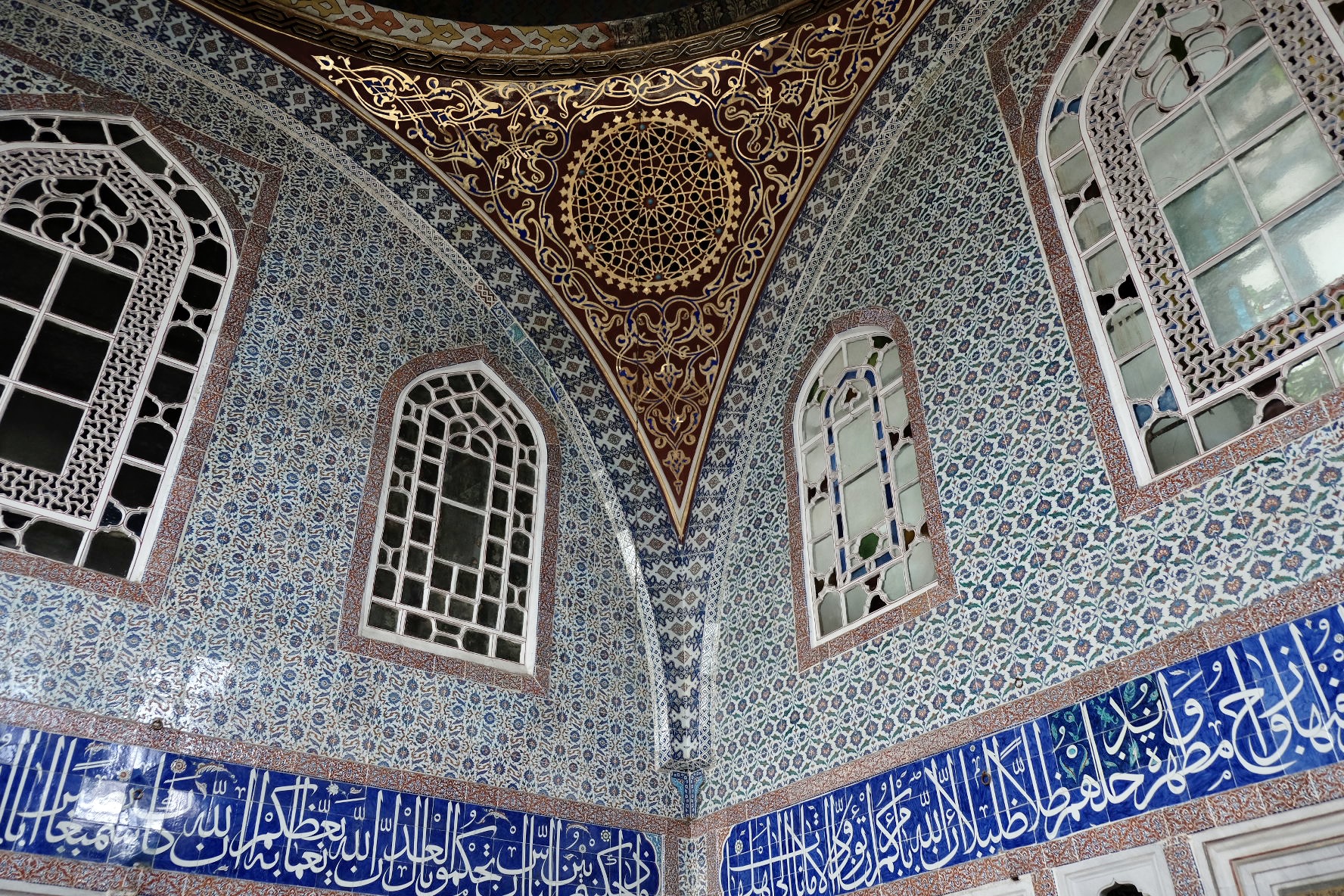
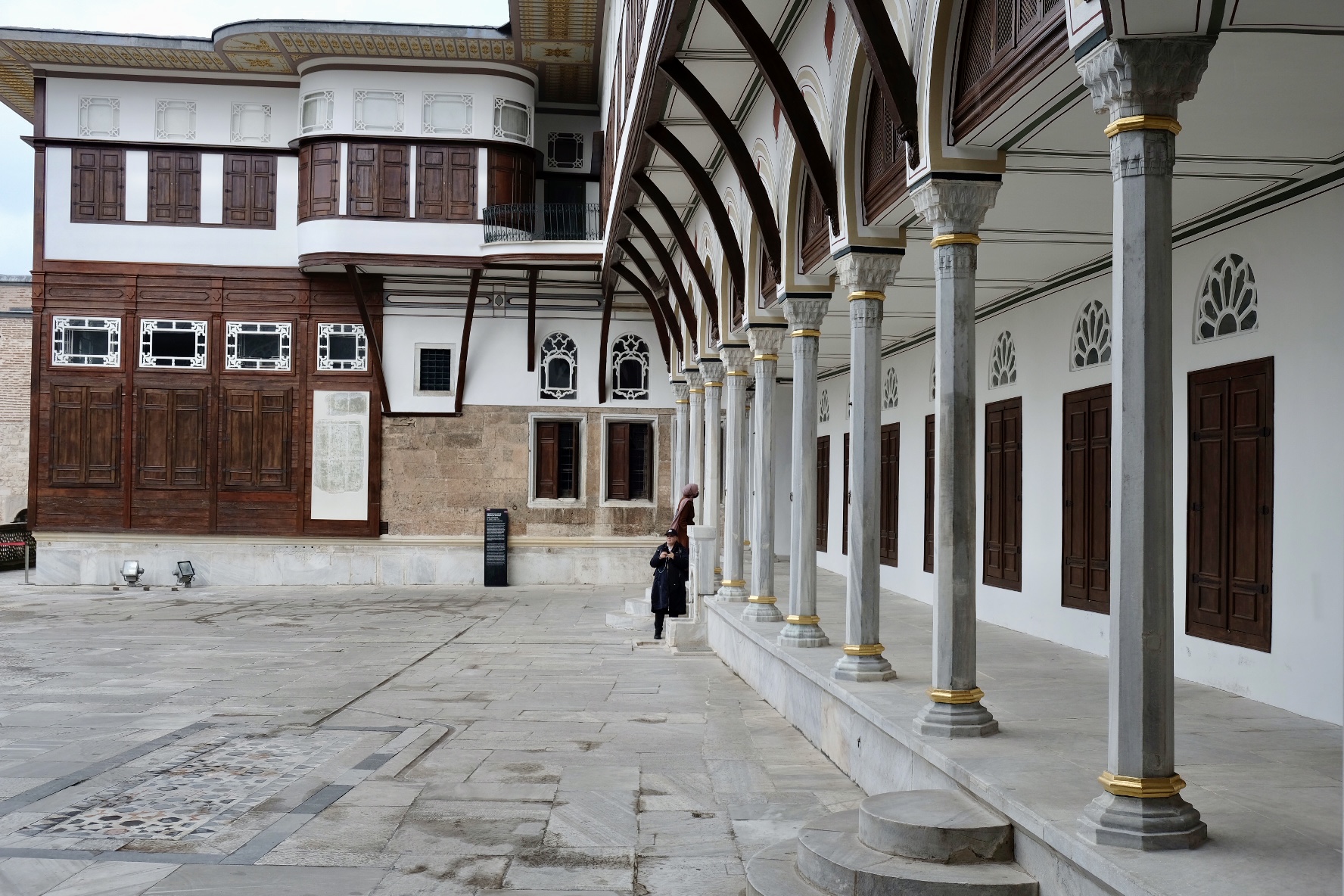
Of course, there’s no way we could go to Istanbul without seeing the Topkapi Palace! 

Following the conquest of Istanbul in 1453, the construction of the Topkapı Palace was started in 1460 at the request of Fatih Sultan Mehmet and was completed in 1478. Topkapı Palace was enlarged with the supplementary buildings added until the 19th century.

Topkapı Palace is located in one of the oldest historical regions of Istanbul and is one of the iconic structures of Istanbul. Topkapı Palace, established on an area of 700,000 square meters on the Eastern Roman acropolis in Sarayburnu, was the administrative, educational and artistic center of the empire for approximately four hundred years from Fatih Sultan Mehmet to the 31st Sultan Abdülmecid, as well as housing the dynasty. Although Topkapı Palace was gradually abandoned by the mid-19th century when the dynasty slowly moved to Dolmabahçe Palace, it preserved its historical importance and value.

After the founding of the Republic of Turkey, Topkapı Palace was converted into a museum on April 3, 1924, having the distinction of being the first museum of the Republic. Today, Topkapı Palace is one of the largest palace-museums in the world with its buildings, architecture, collections and approximately 300,000 archive documents. (https://www.millisaraylar.gov.tr/en/palaces/topkapi-palace)

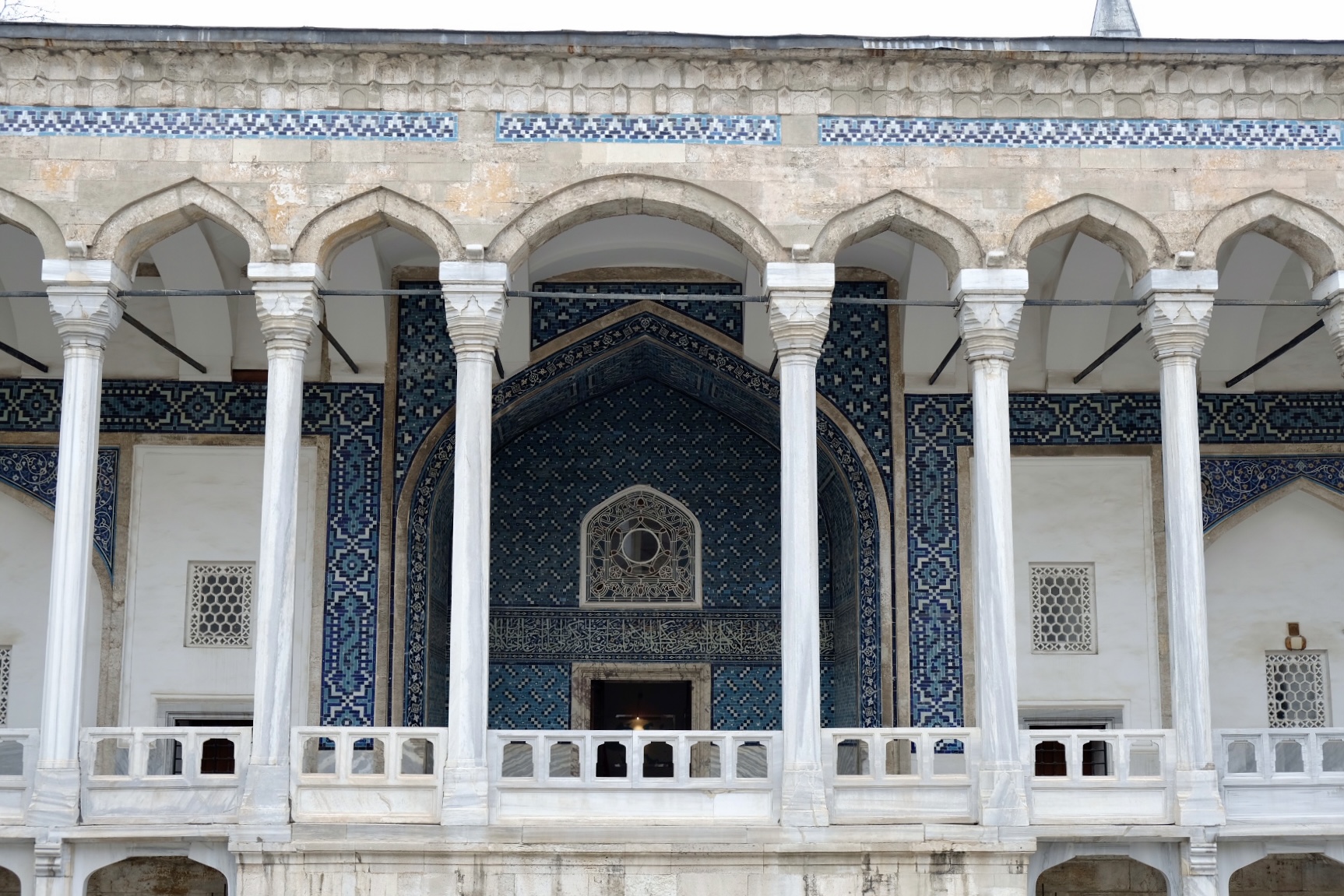
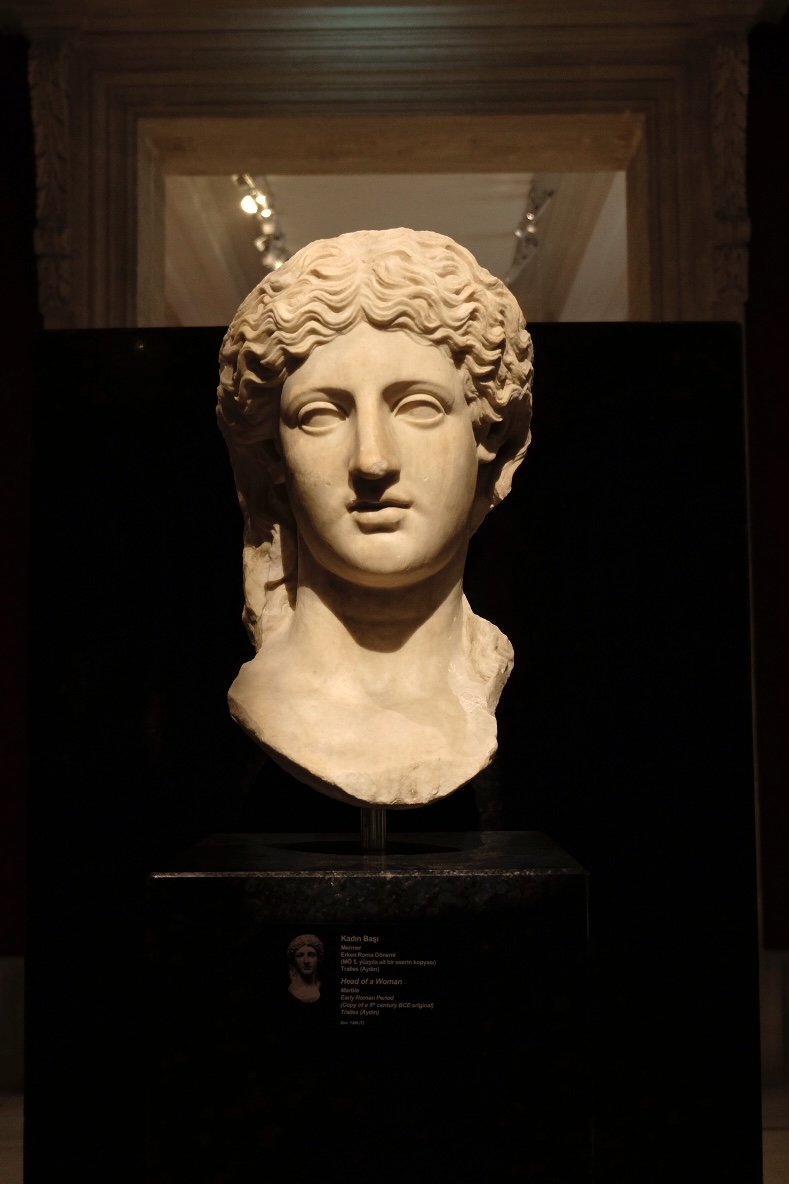
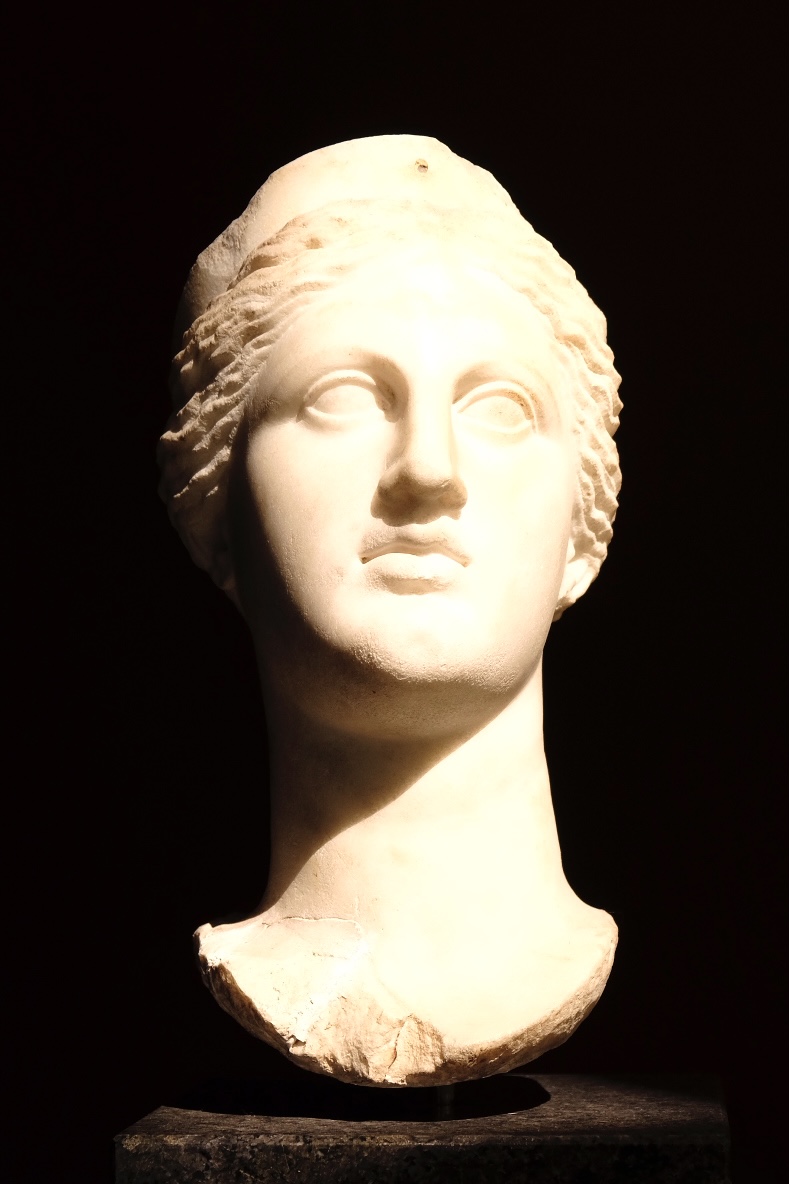
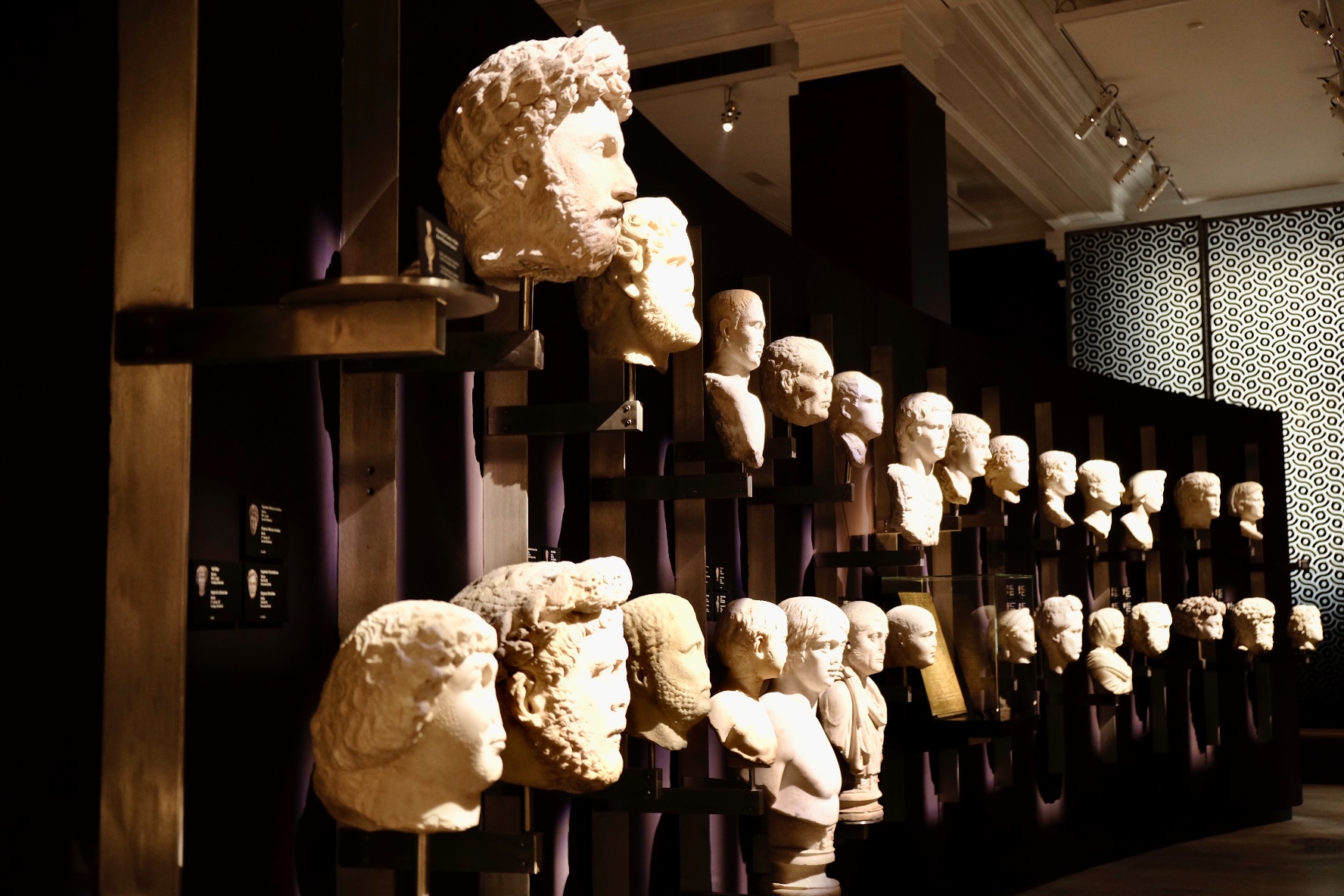
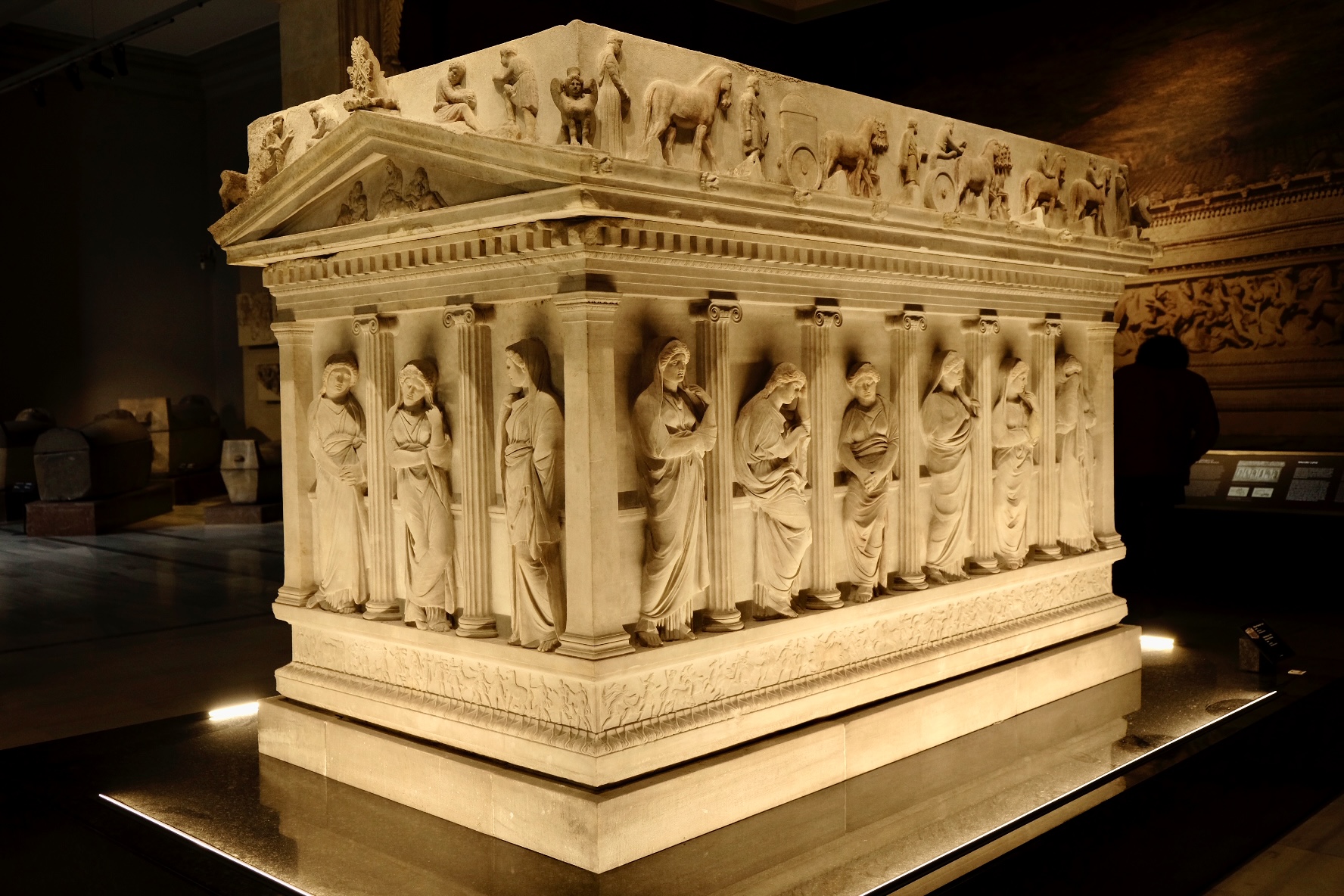
At the Palace, we visited the Archeological Museum (a bit overwhelming), the Harem Museum, and the Hagia Irene Museum.  (Slightly annoyingly, several of the museums on our museum pass were closed…)  My favorite was the Harem Museum, which showed the life of the sultan – a bit different than my preconceived notion of anything related to the word “harem.”

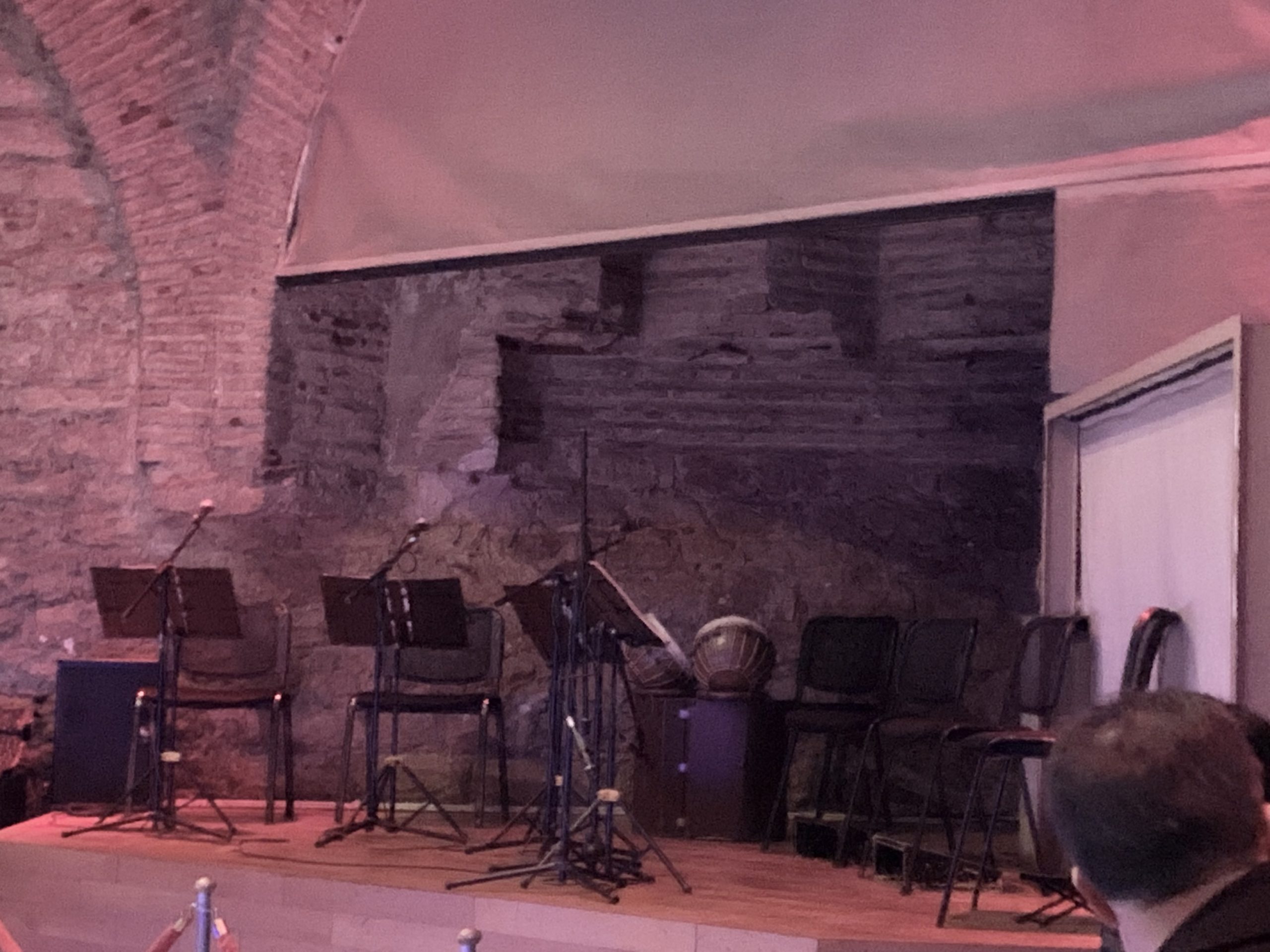
Another requirement:  The Whirling Dervish Show!  That evening, we watched the mystical ritual of the Mevlevi Order, whose whirling dance has been declared a UNESCO Heritage of Humanity. The Sema ceremony is a journey through man’s spiritual ascent to “perfection” through mind and love—a truly unmissable and astonishing experience of music and moves (https://www.hodjapasha.com/en/whirling-dervishes-sema-ceremony).


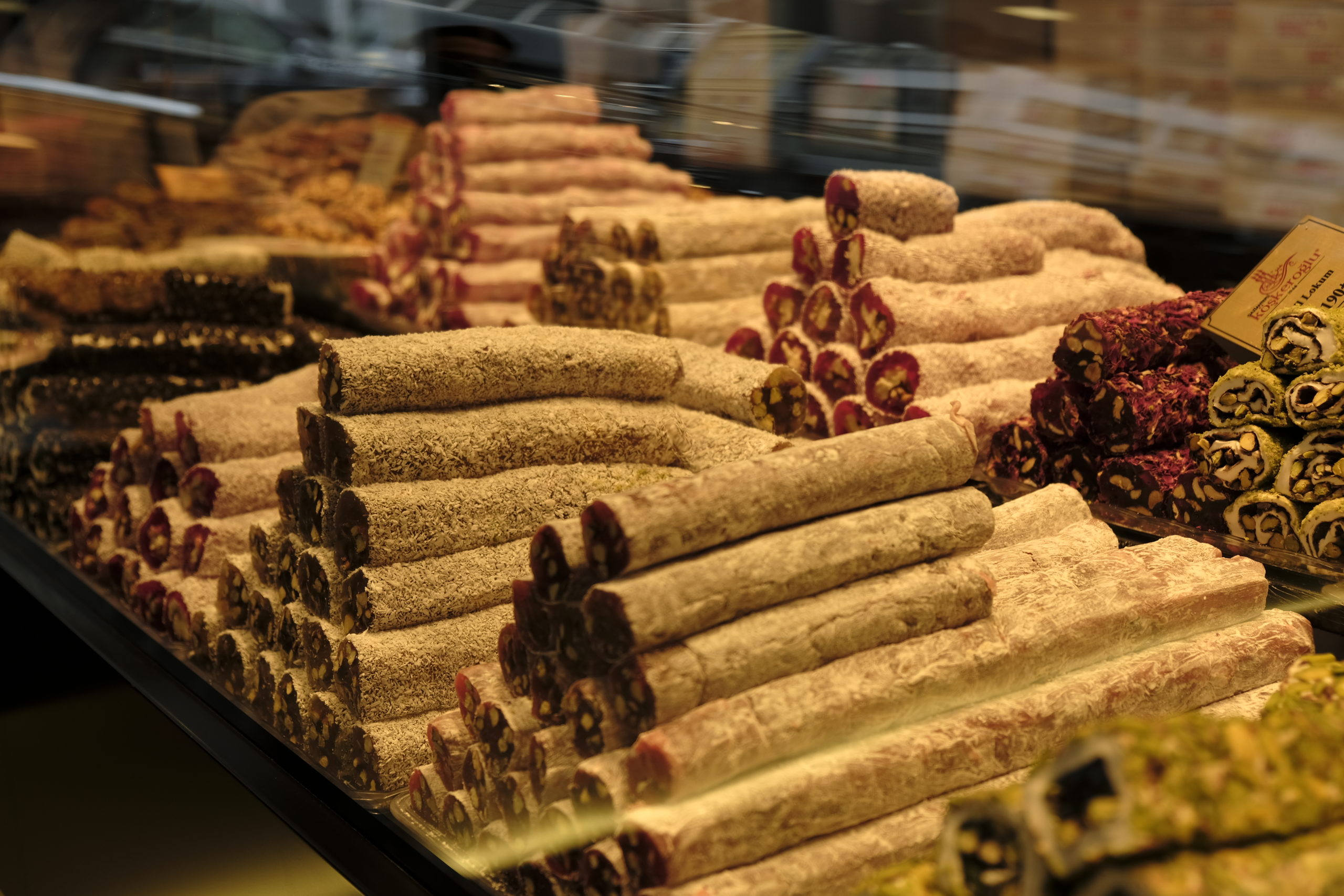
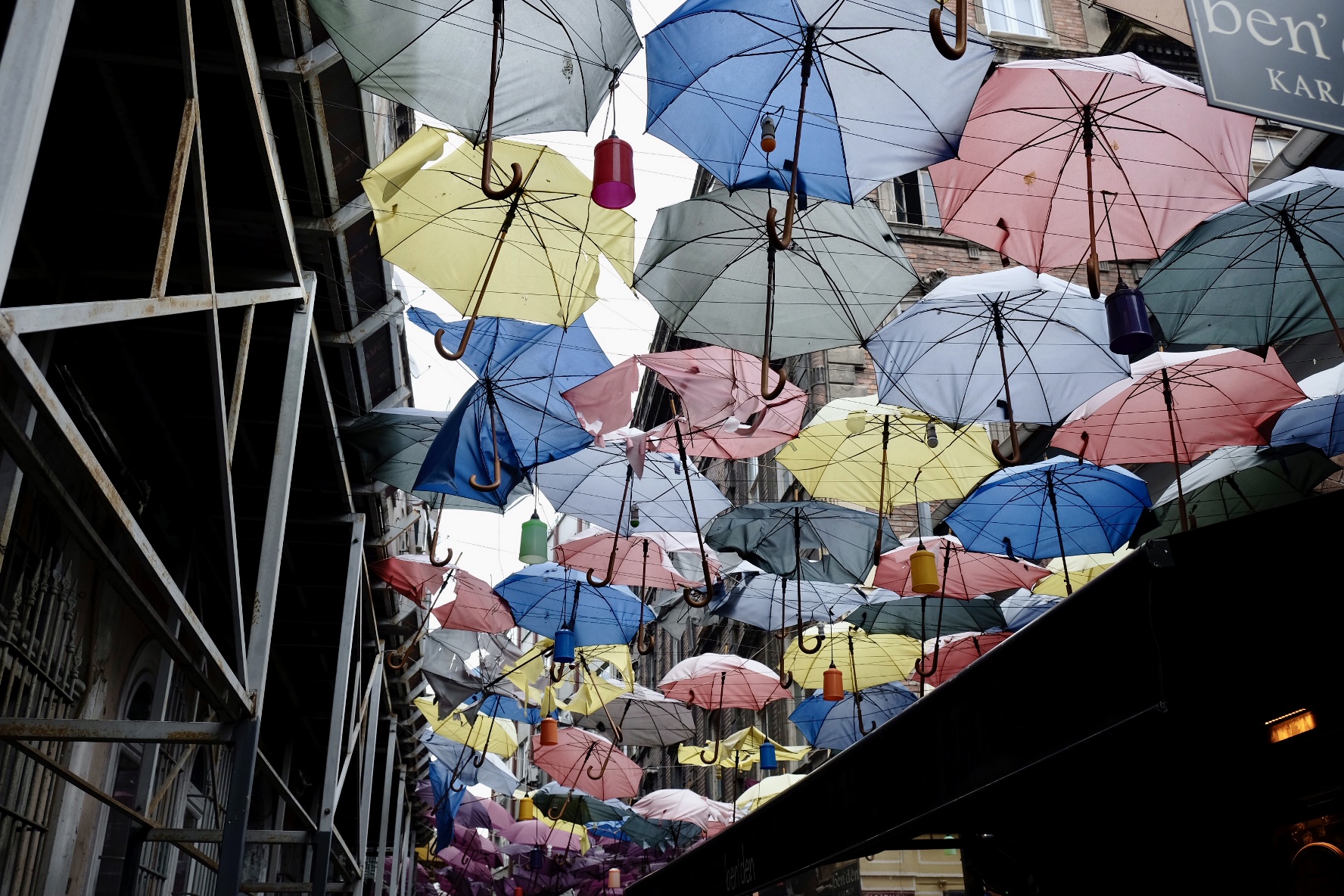
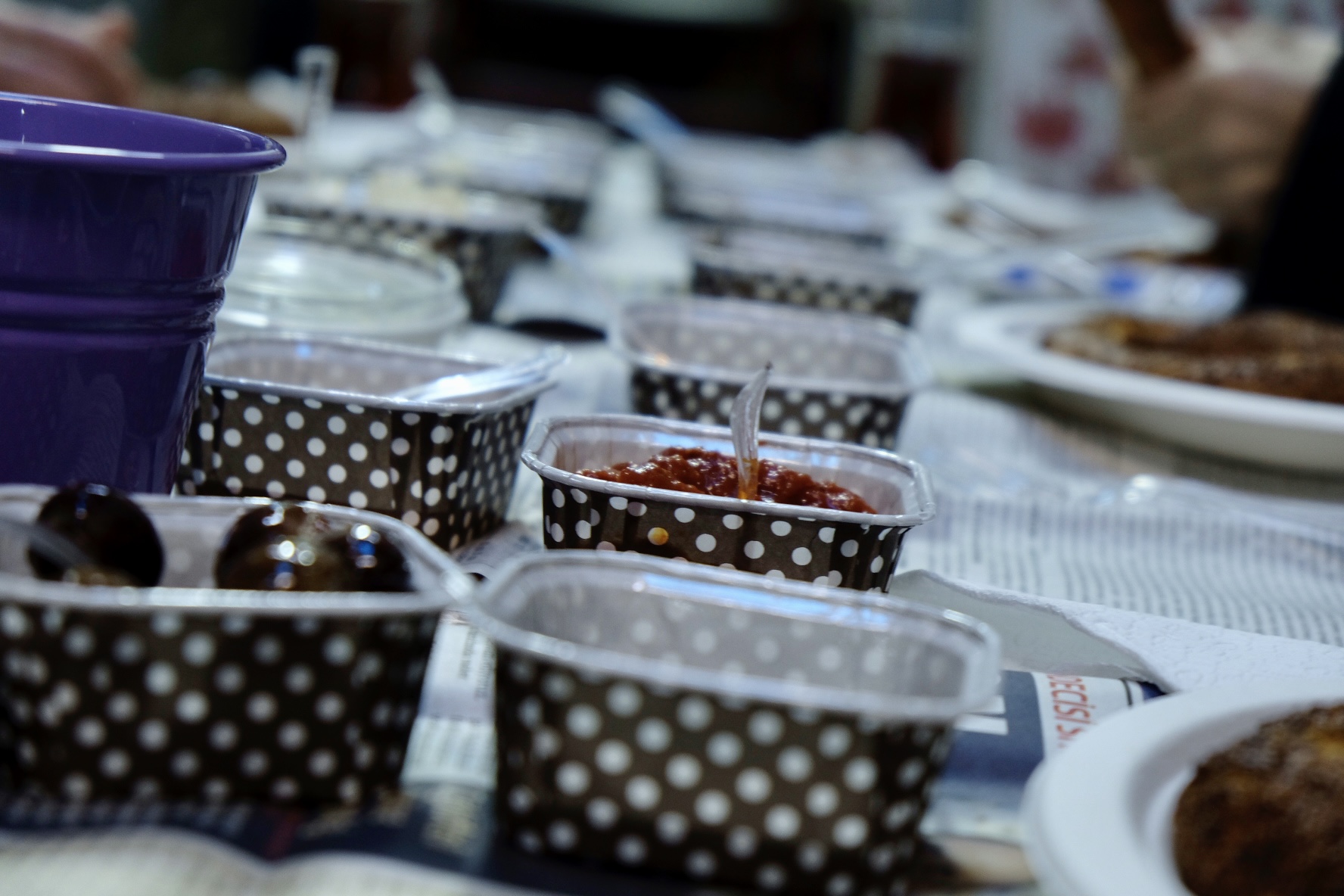
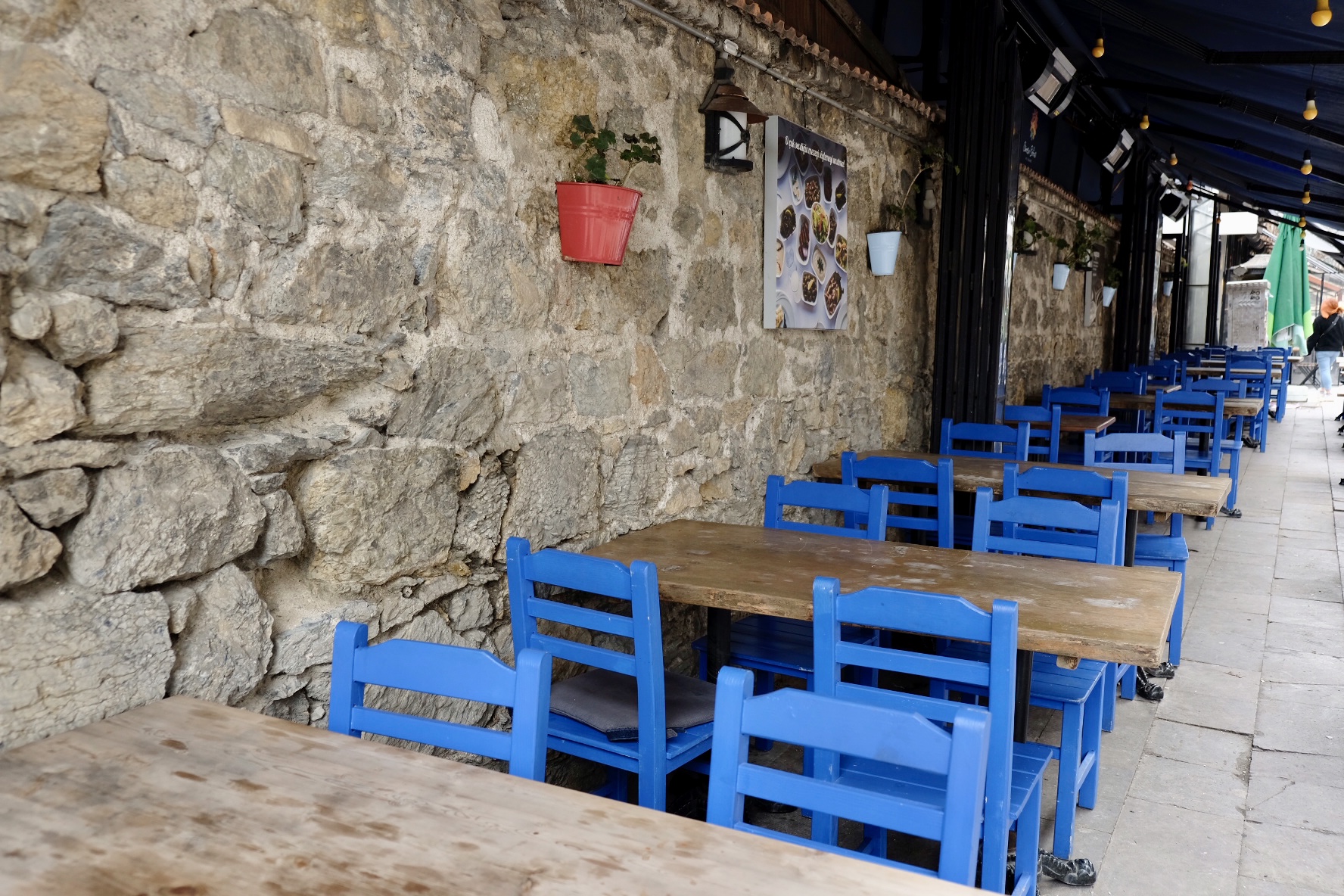
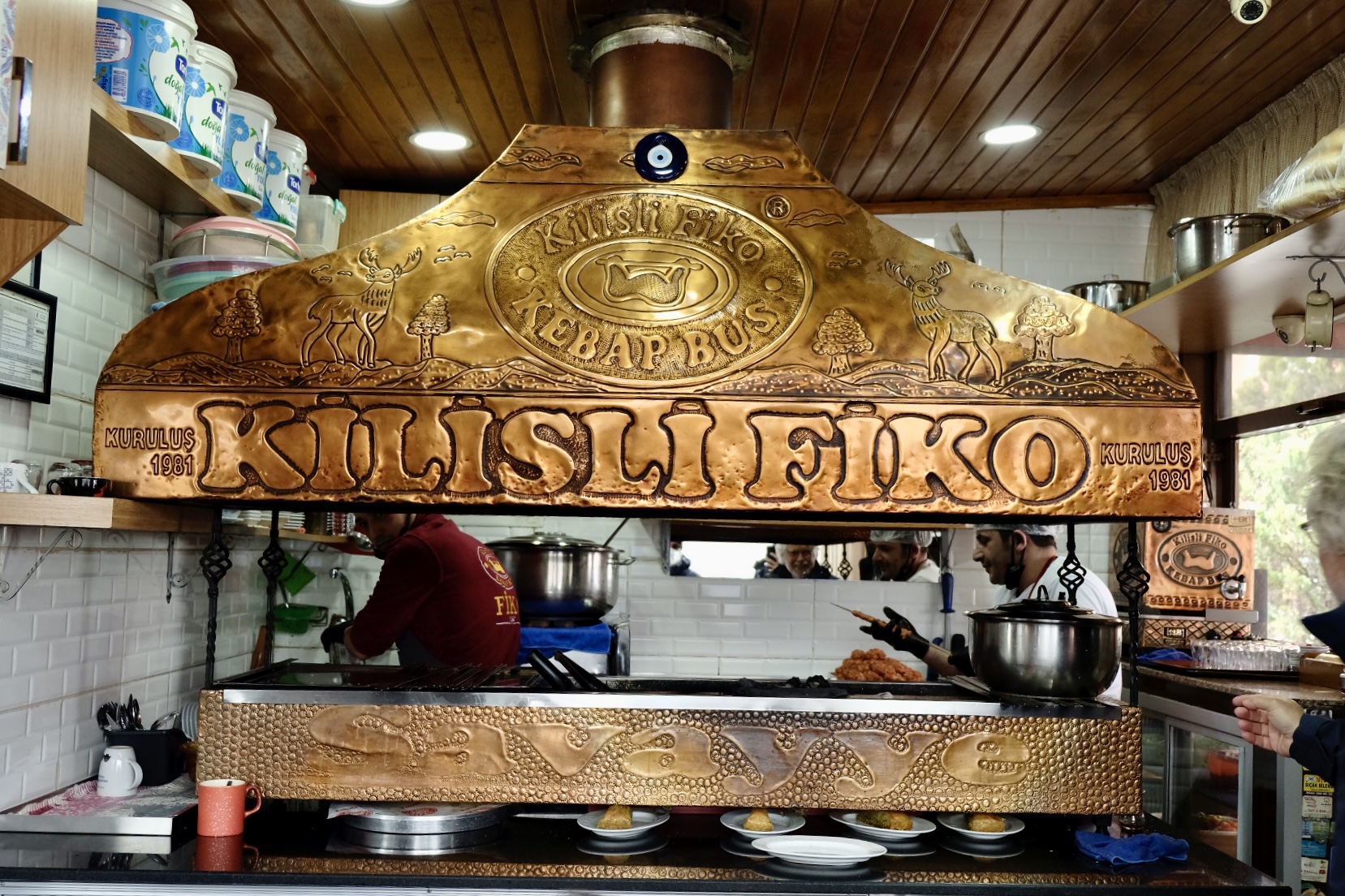
Our third day in Istanbul was DELICIOUS!  It was a full day of decadent eating and eating and eating.  With four other travelers and one guide, Benoit, we ate our way through Istanbul’s European side’s Karaköy neighborhood, after crossing the Bosphorus via ferry,  the Asian side’s Kadıköy (https://culinarybackstreets.com/tours-food-tours/tours-istanbul/2016/two-markets-two-continents).  What made the tour so delightful – in addition to the fabulous food! – were our dining companions, especially two friends who met in college, one works in launching startups and the other is a writer for Reuters who is based in Nairobi and pregnant with her second child.  (Okay, the two guys currently attending Harvard Business School were a bit arrogant…and not as fun to hang out with!)  Benoit shared stories, showed videos, and fed us so much food I thought I’d never eat again!

We had to hurry at the end since the tour went on over an hour longer than expected, and we wanted to go to Purim services…


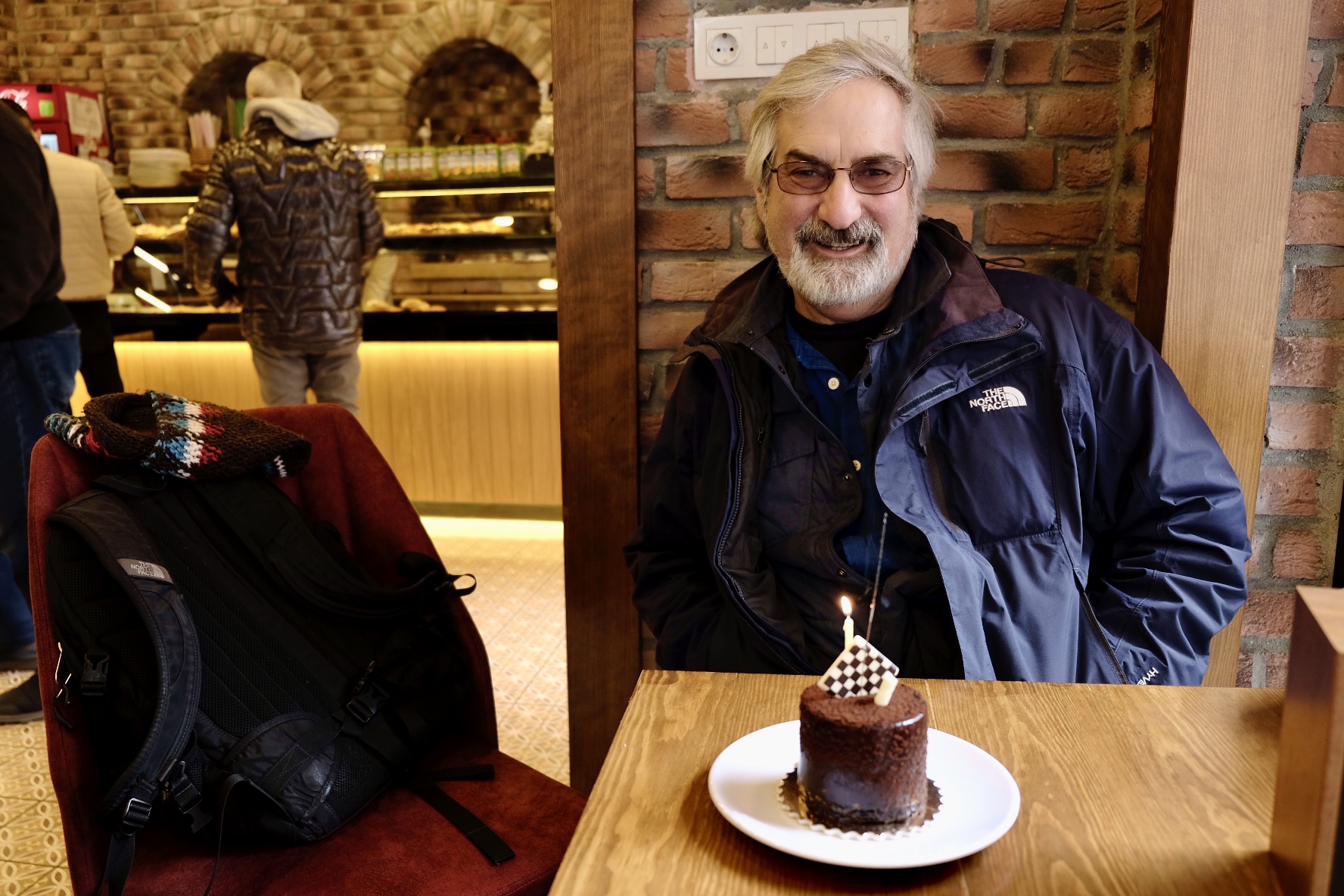
Happy birthday!


Happy birthday, Joel!  For Joel’s birthday, we scheduled a Jewish Walking Tour, a hammam, and a nice dinner.  What a wonderful day to celebrate JOEL!

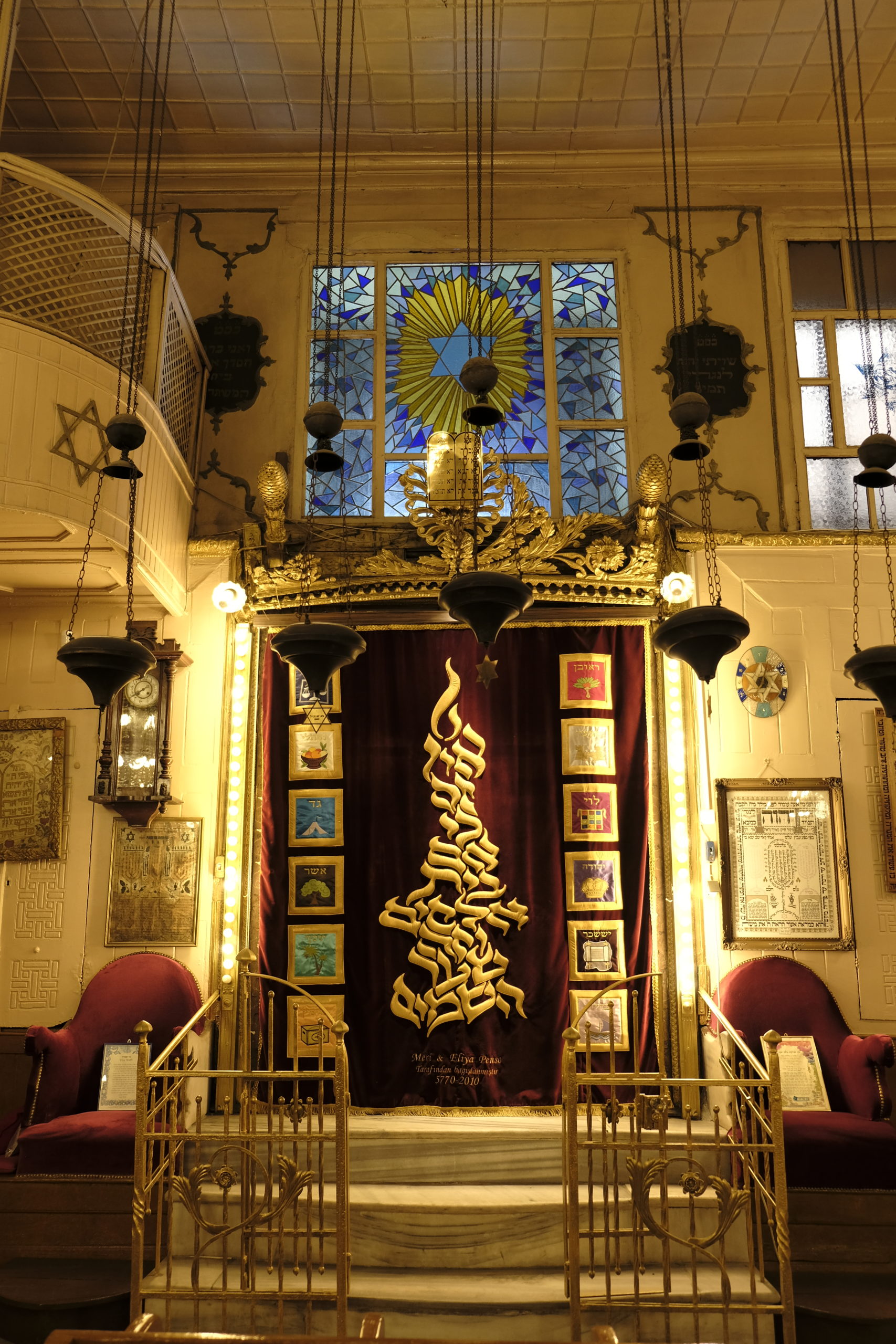
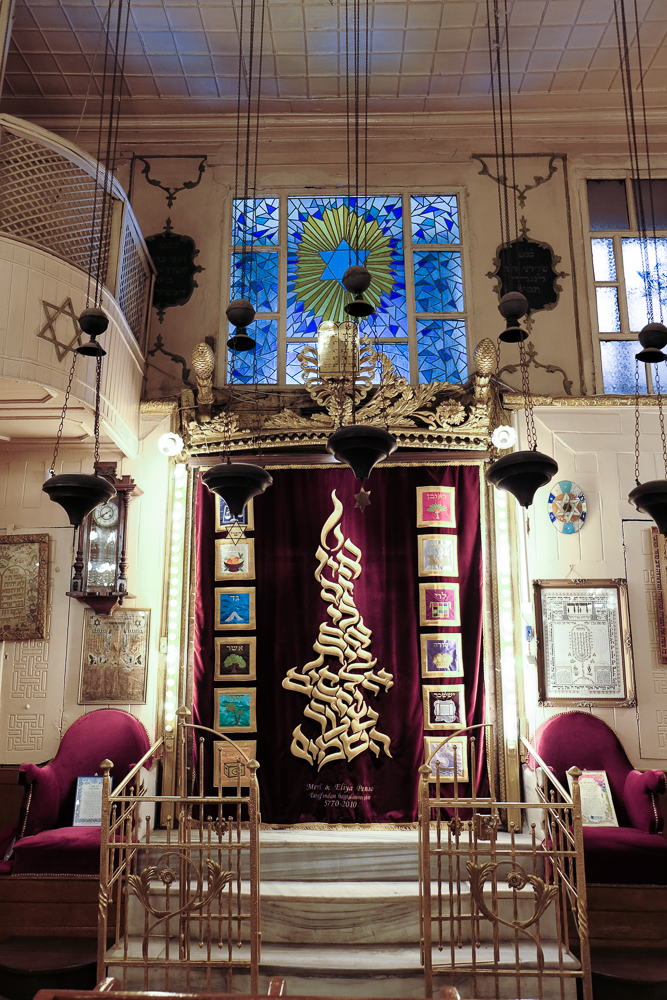
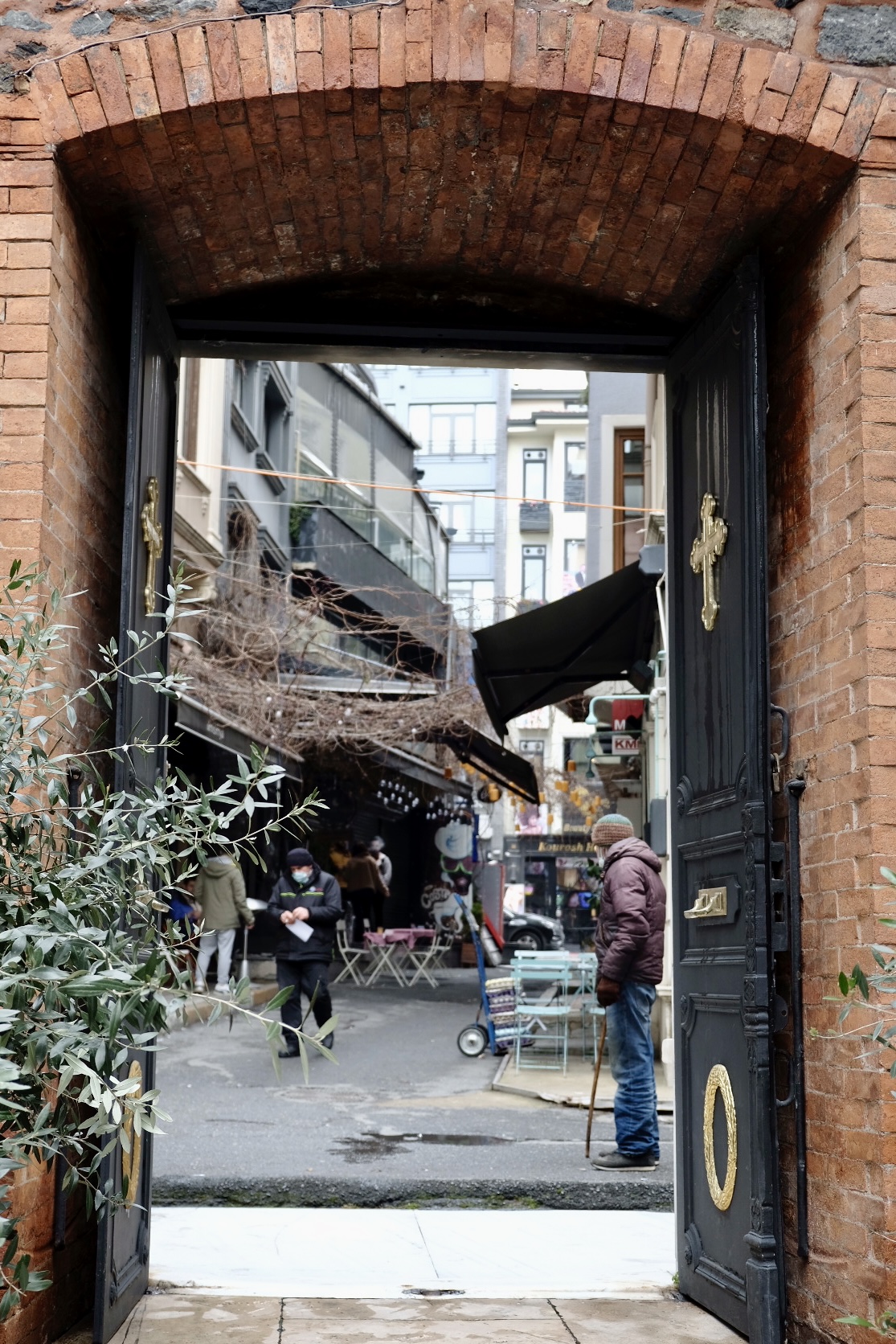
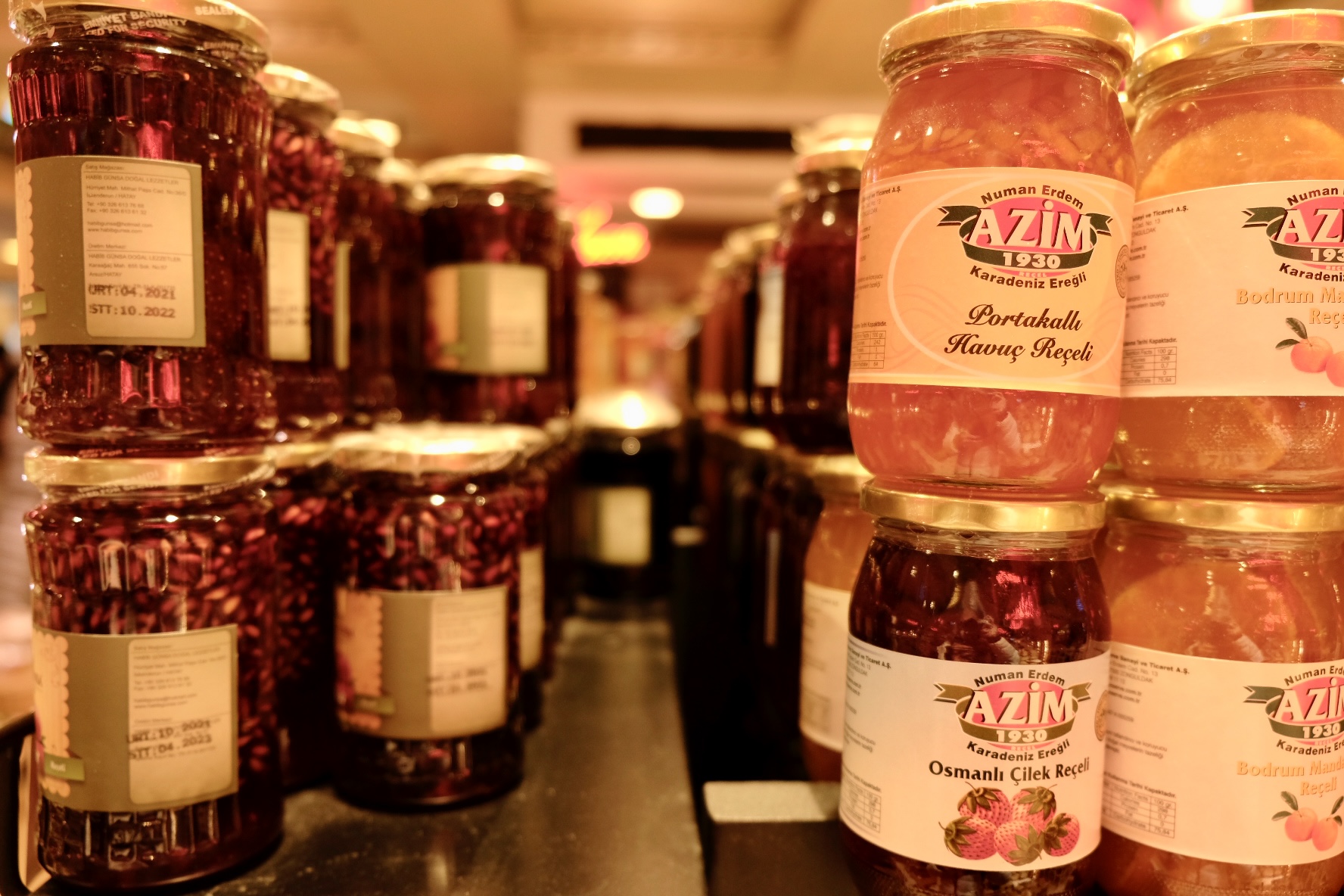
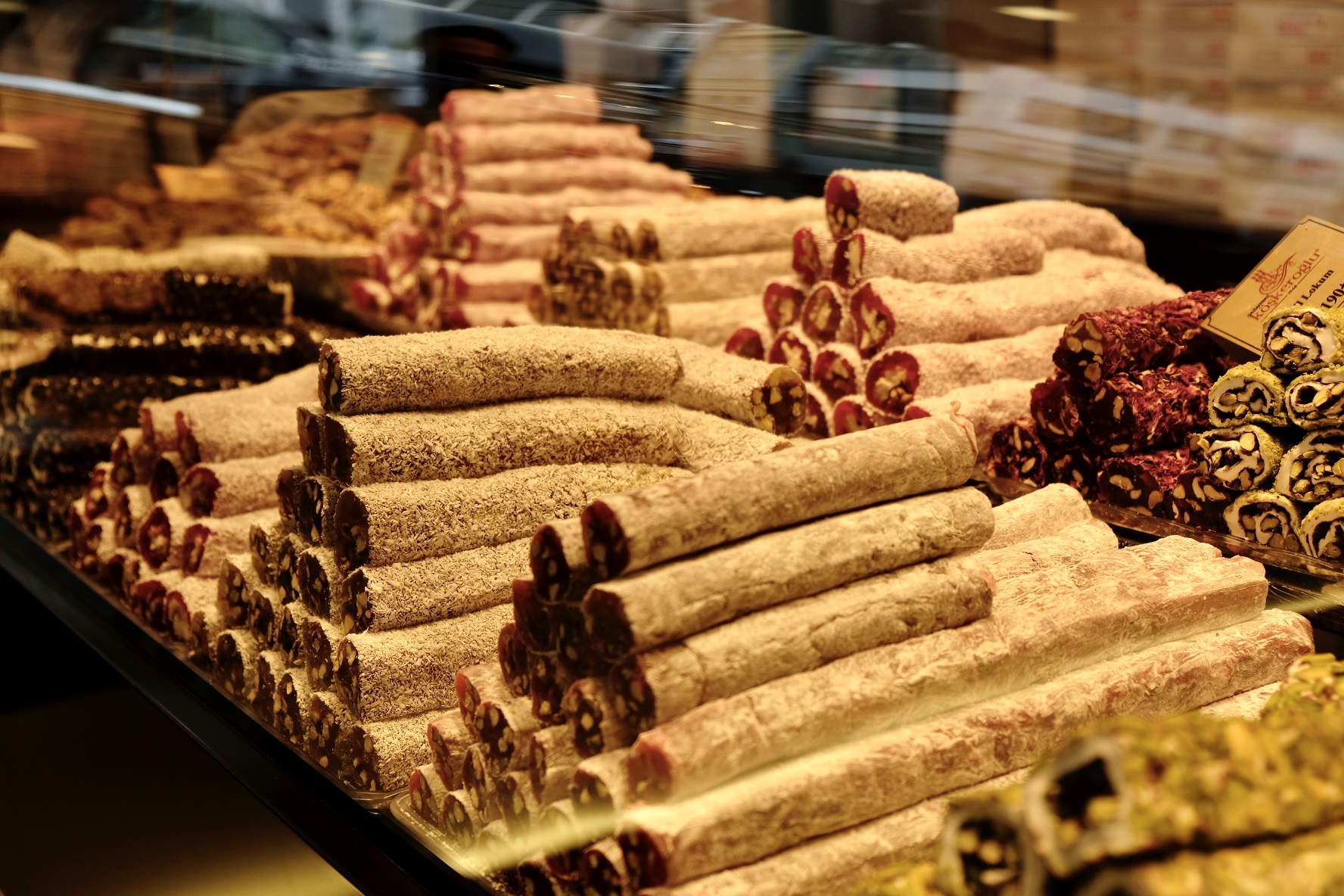
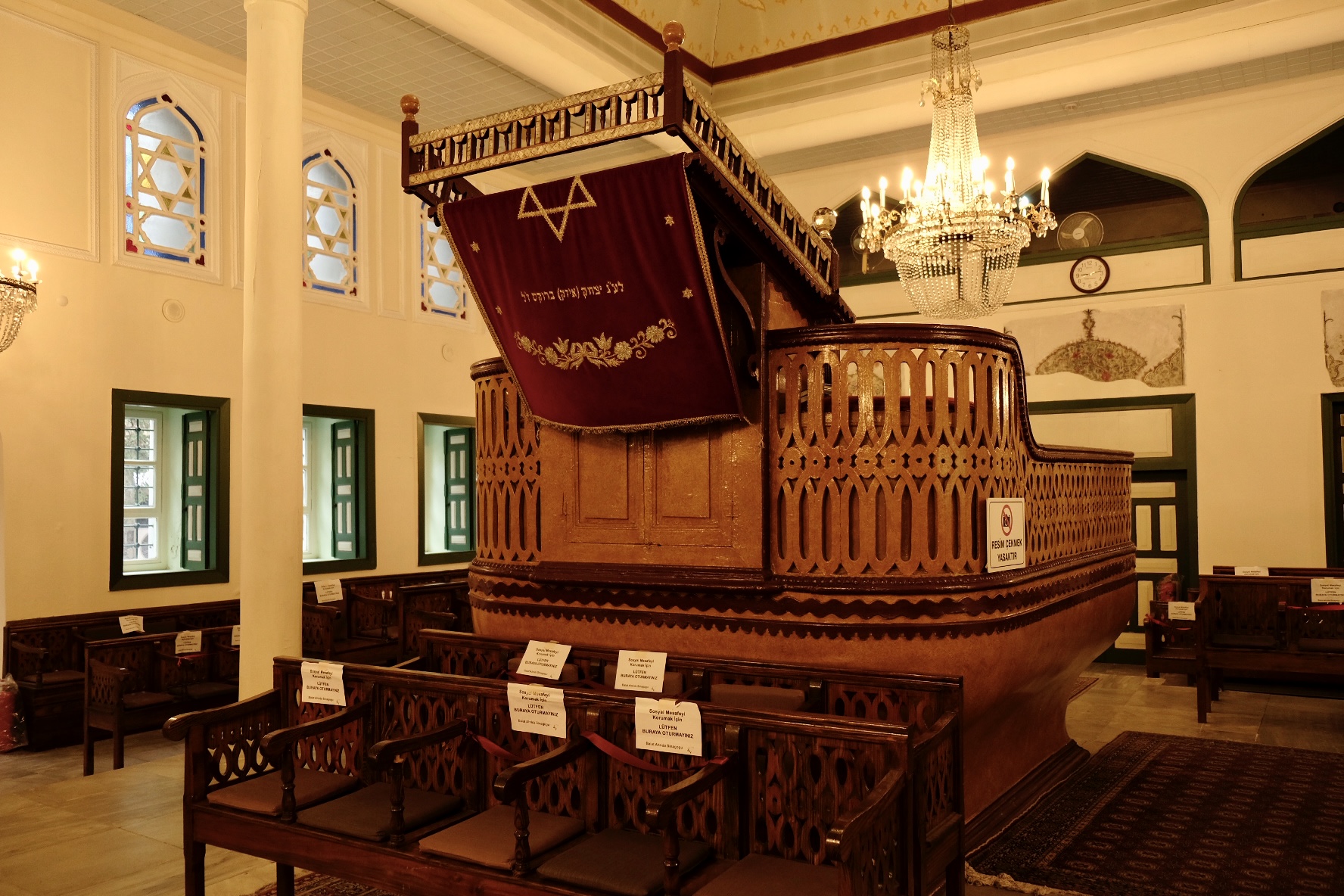
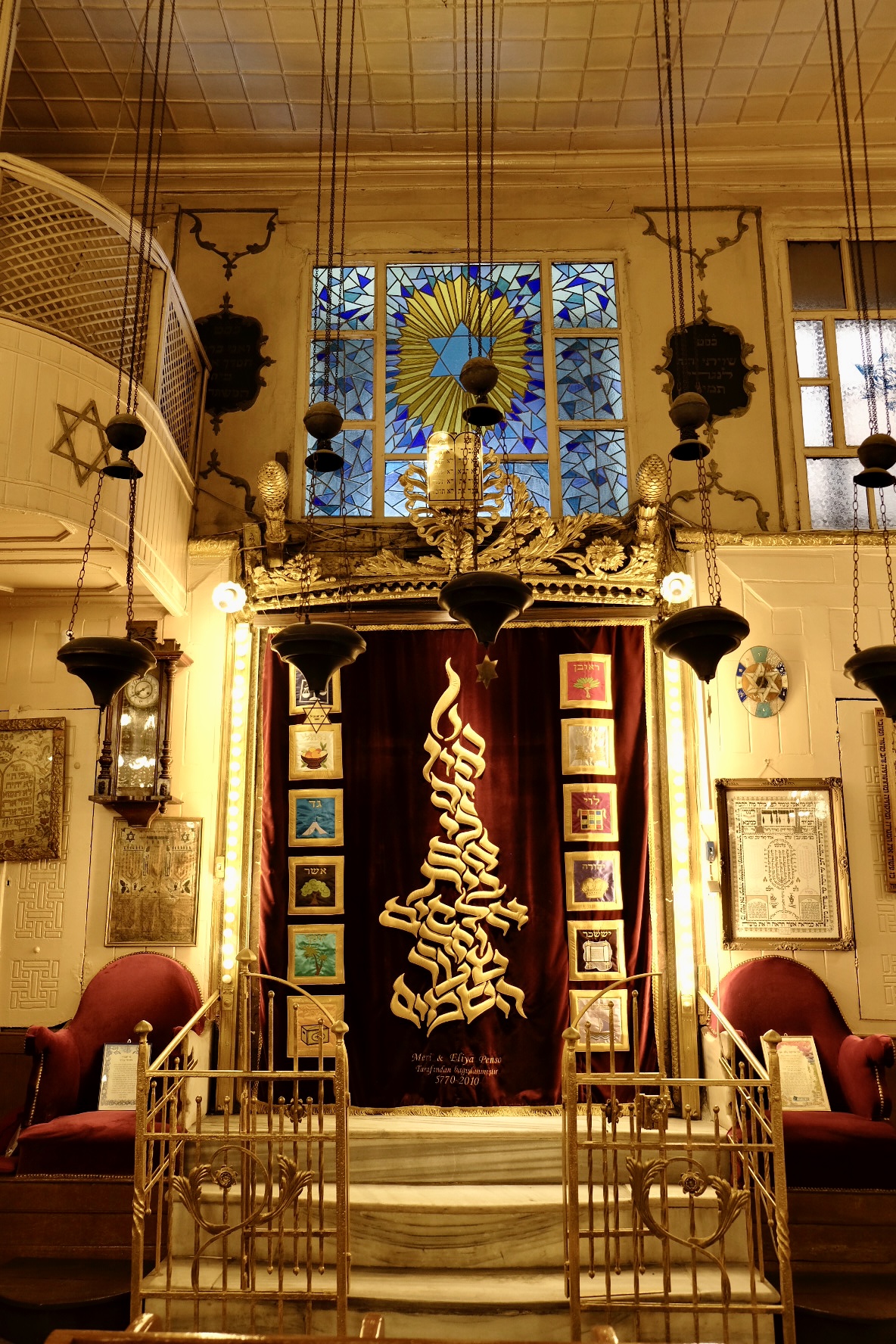
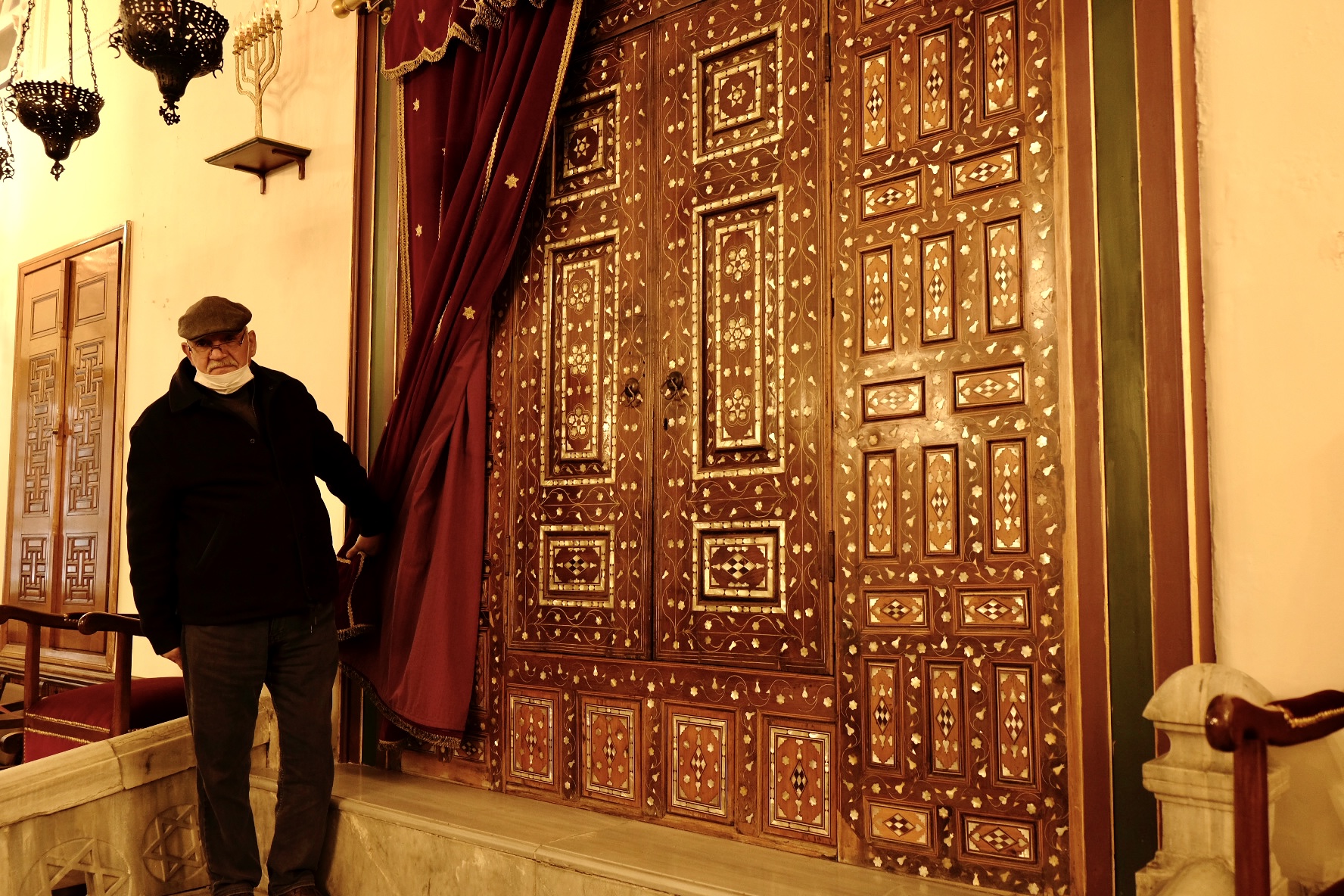
At 8:30 am, we met our guide, Alp, in our hotel’s lobby. Alp proceeded to show us multiple synagogues, the street scenes in Balat and Galata, the Jewish Museum, and the Spice Market.  He treated us to lots of yummies and Turkish coffee at a local establishment, where he also feted Joel with cake for his birthday.  The sights, scenes, and stories highlighted multifaceted Jewish and Turkish life.

After the tour, we returned to our hotel for naps – and then ventured out for our second hammam.  This one was totally different than the previous one!  At the first hammam, I felt pampered and refreshed; at this second hammam, I felt beaten and depleted.  We picked Suleymaniye hammam since it caters to couples, thinking it’d be a nice birthday treat.  However, the sauna was too hot, we stayed in it for too long, and the massage was too hard.  I had to remind myself that this was my choice.  If I wanted to leave, I could do so.  Nevertheless, I did not leave – and instead have a story to tell!  Haha!

For our final event, we had a lovely dinner at the Kybele Restaurant – authentic atmosphere with good food and some wine.  Excellent!


Blue Mosque

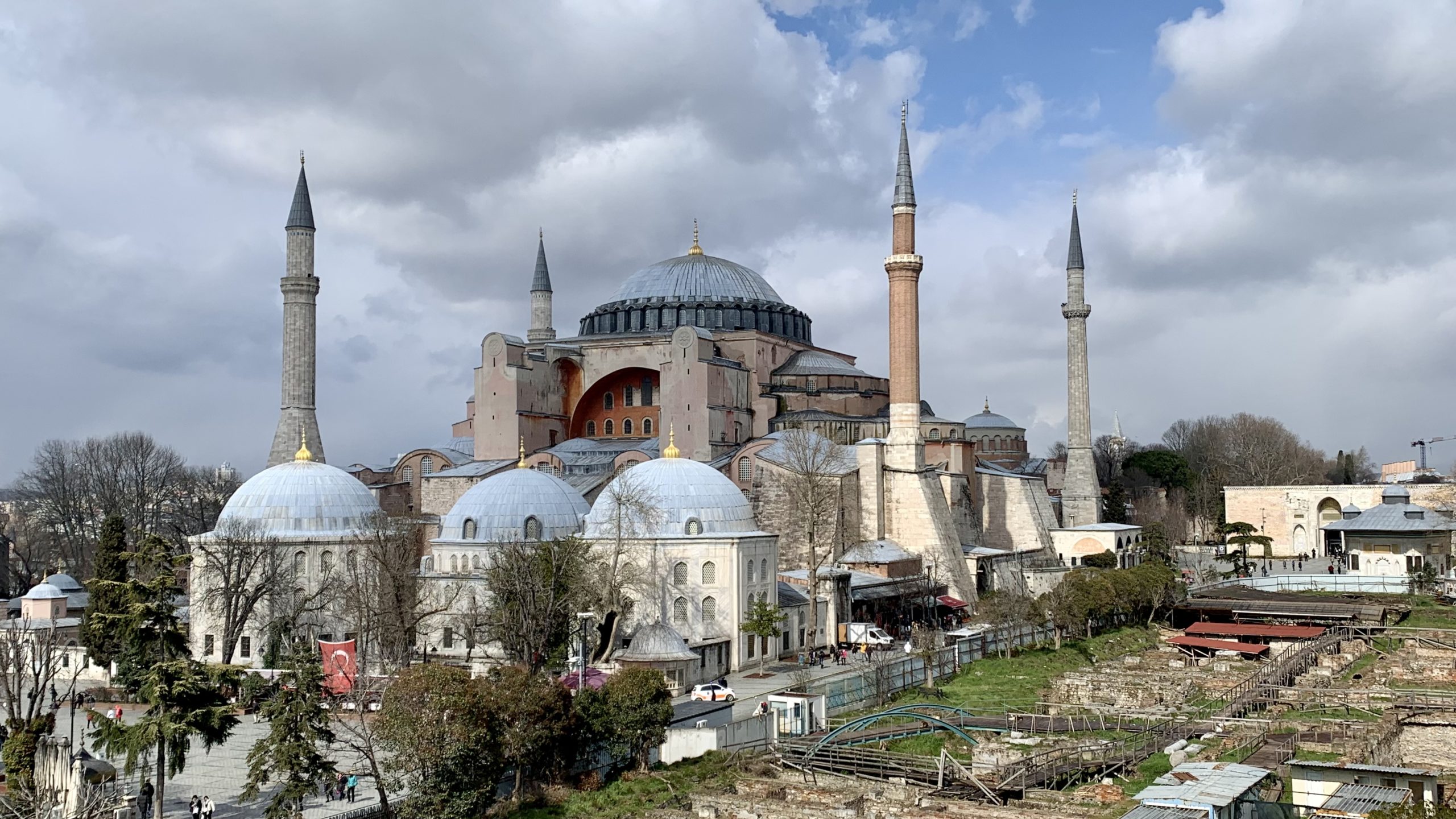
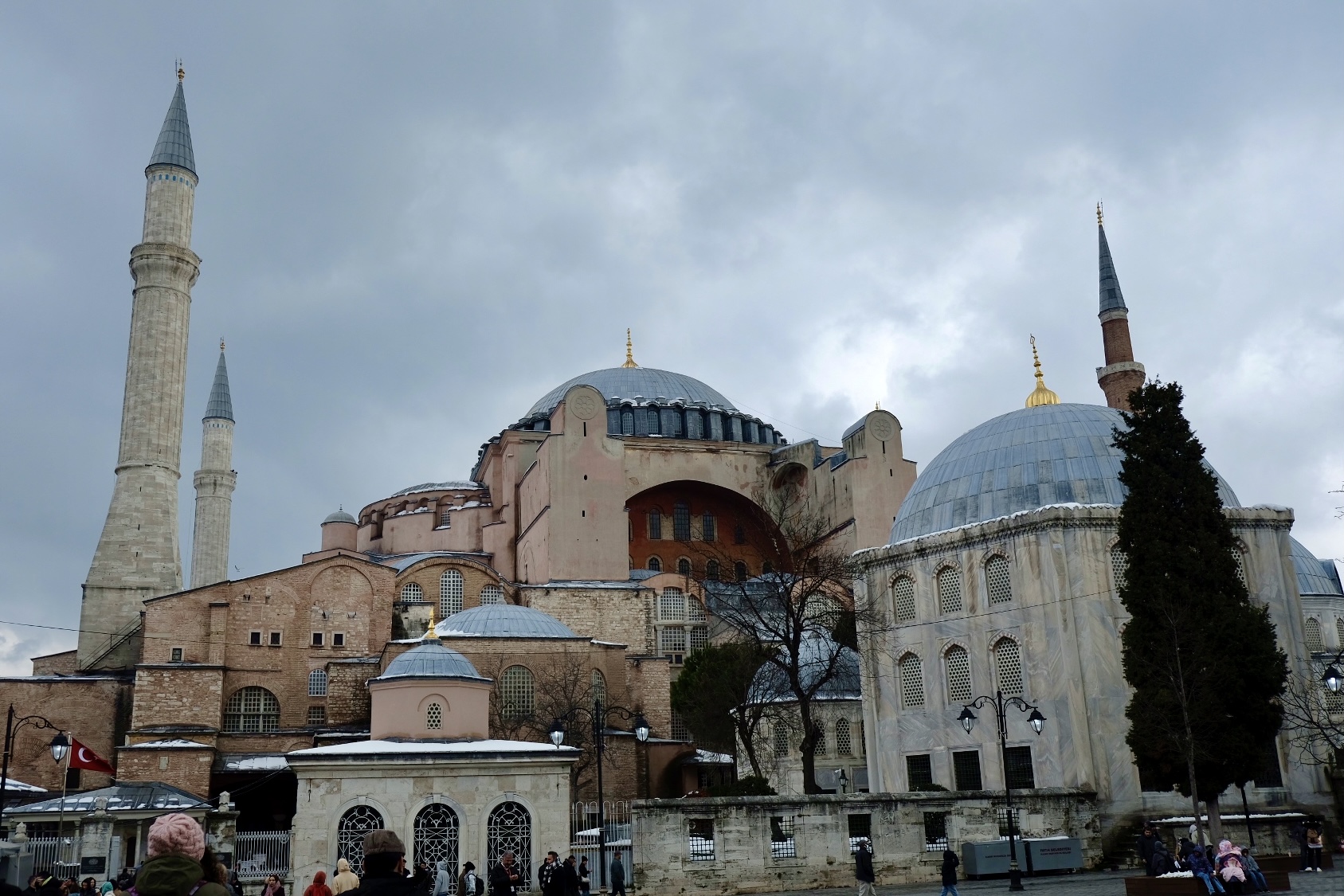
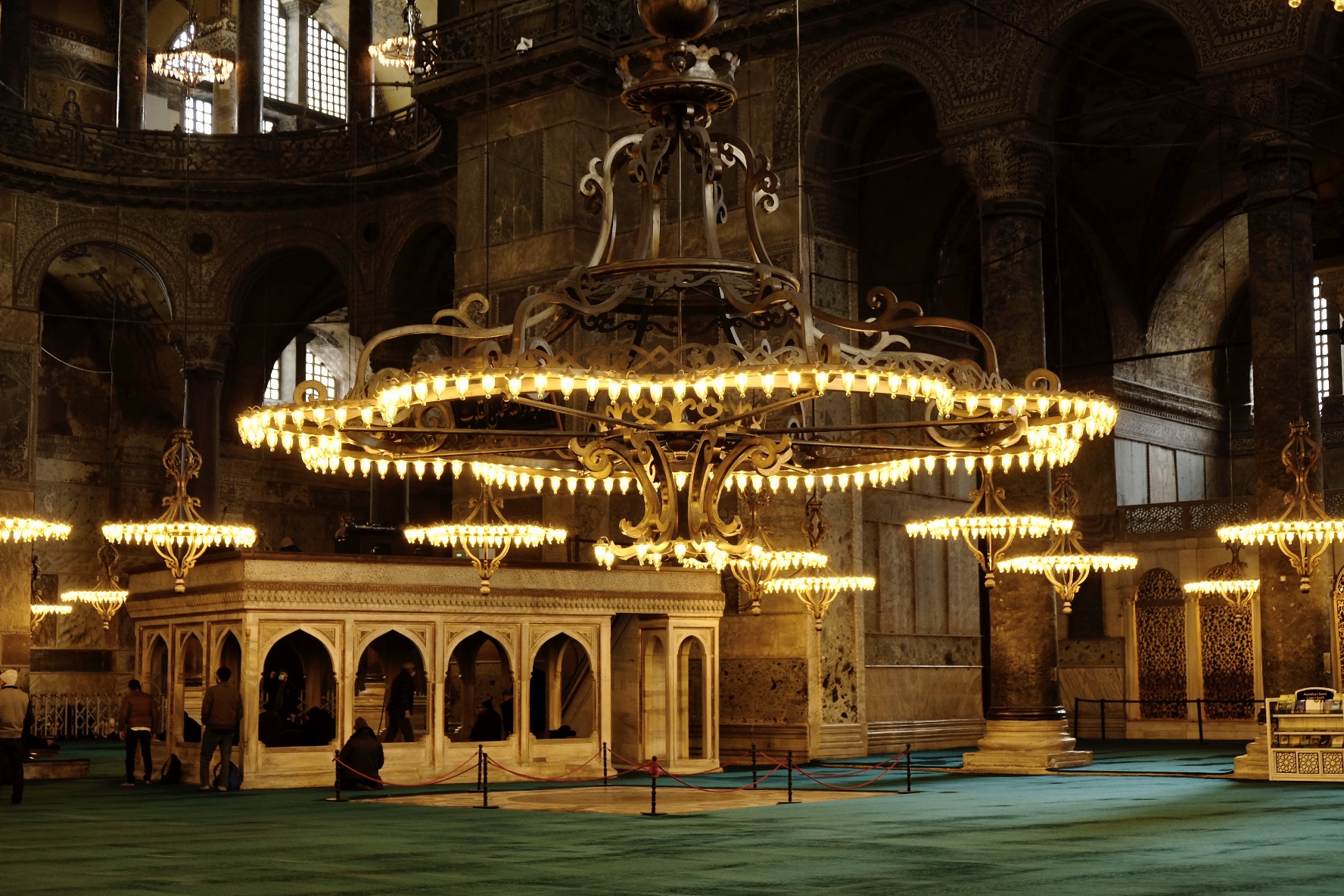
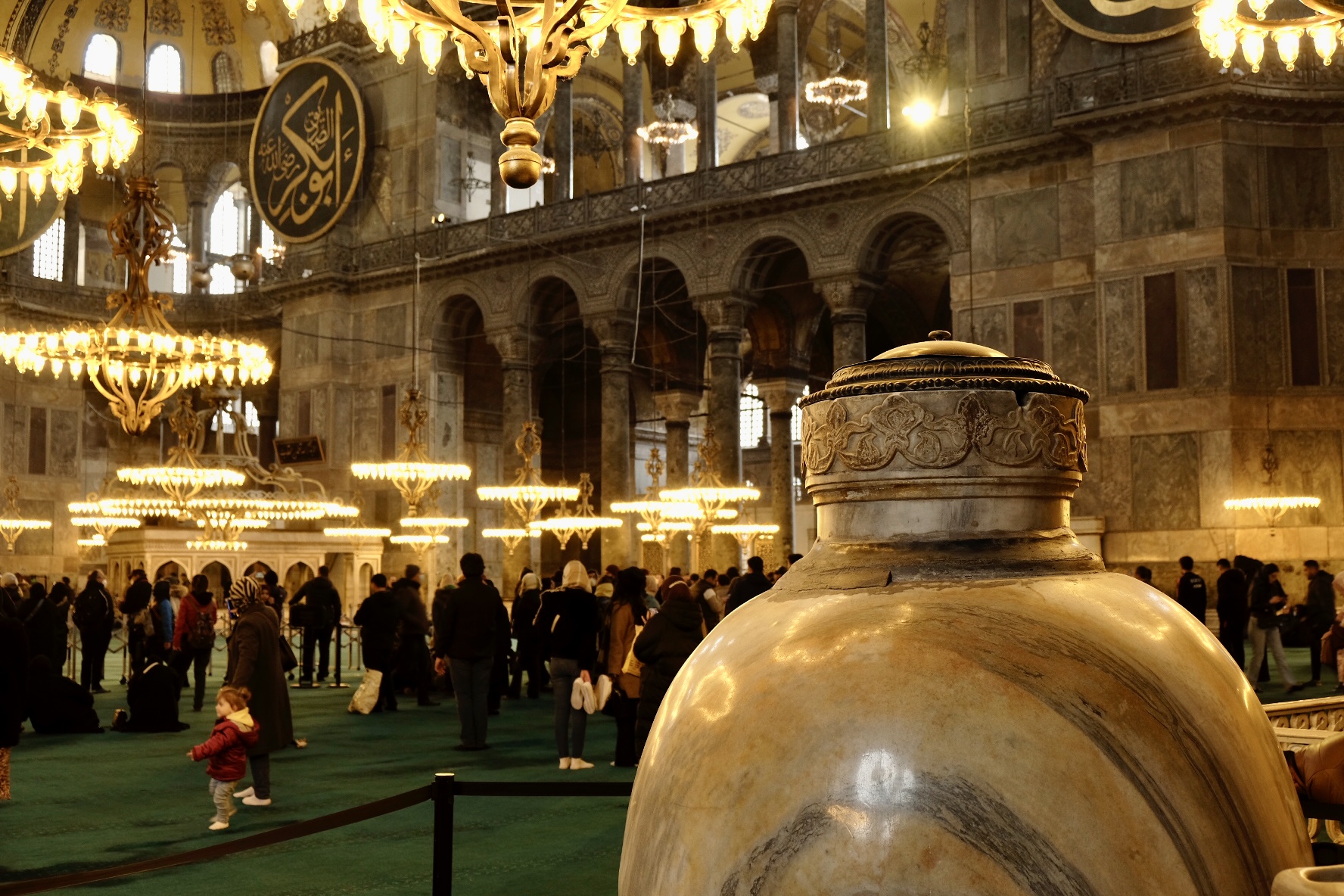
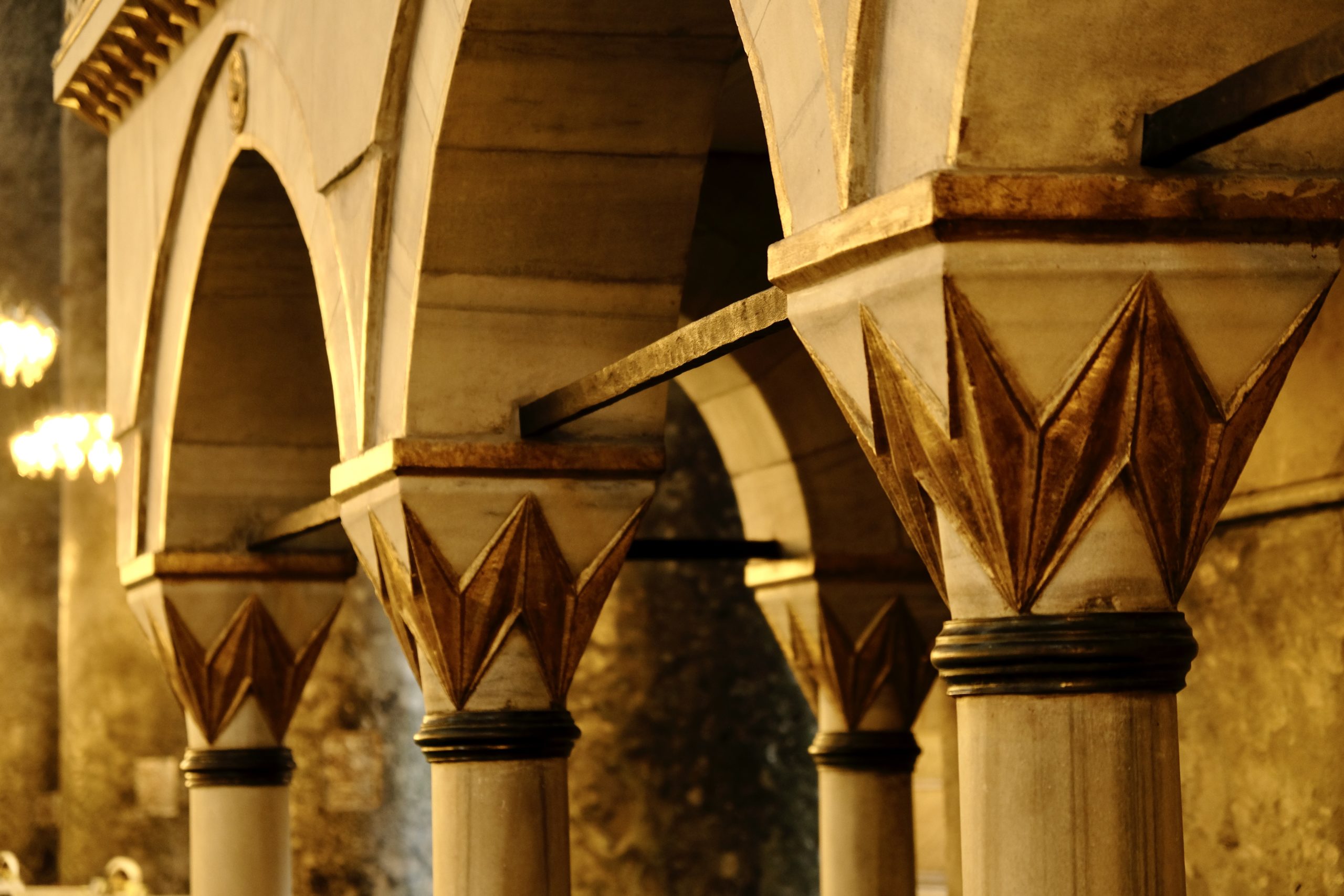
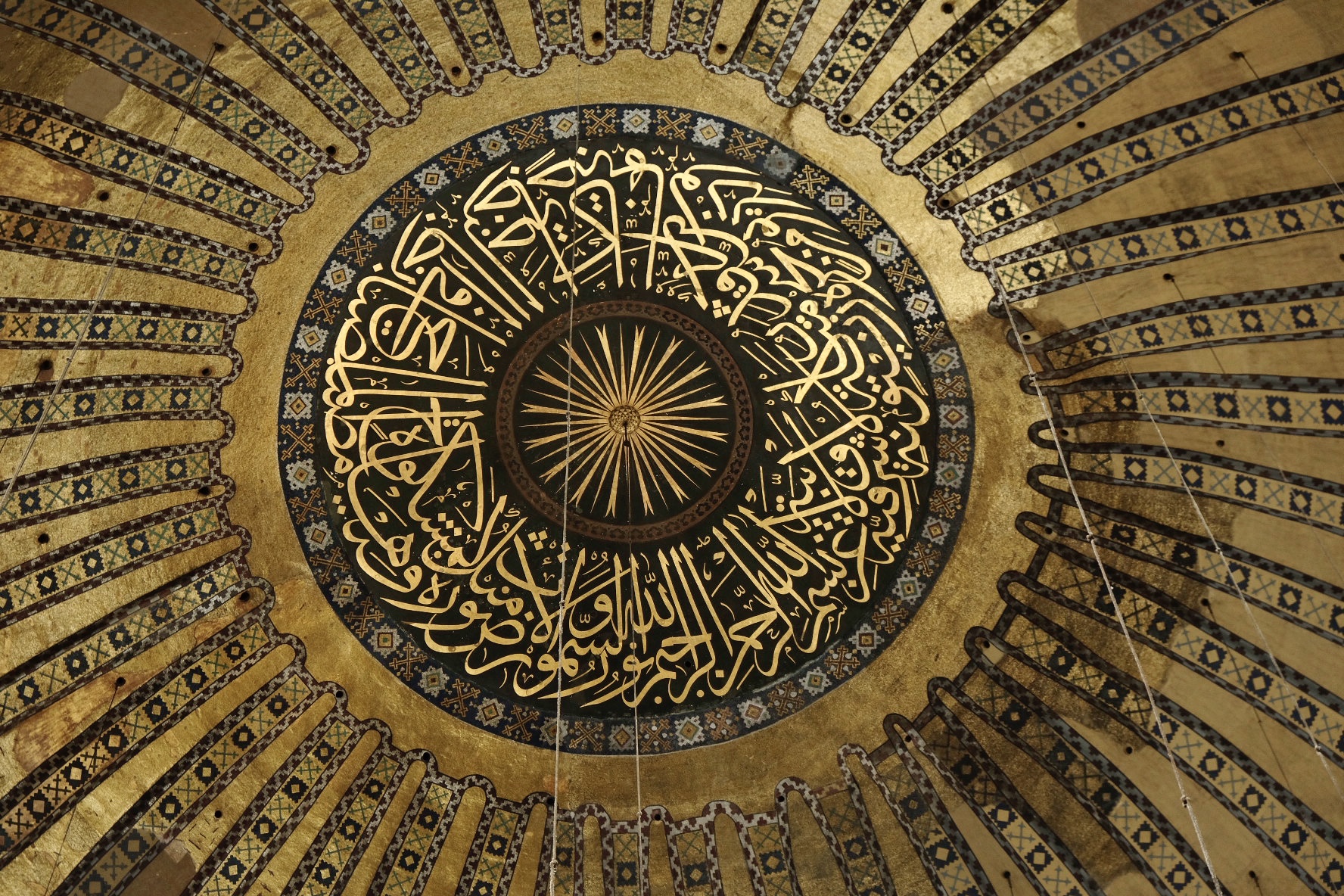
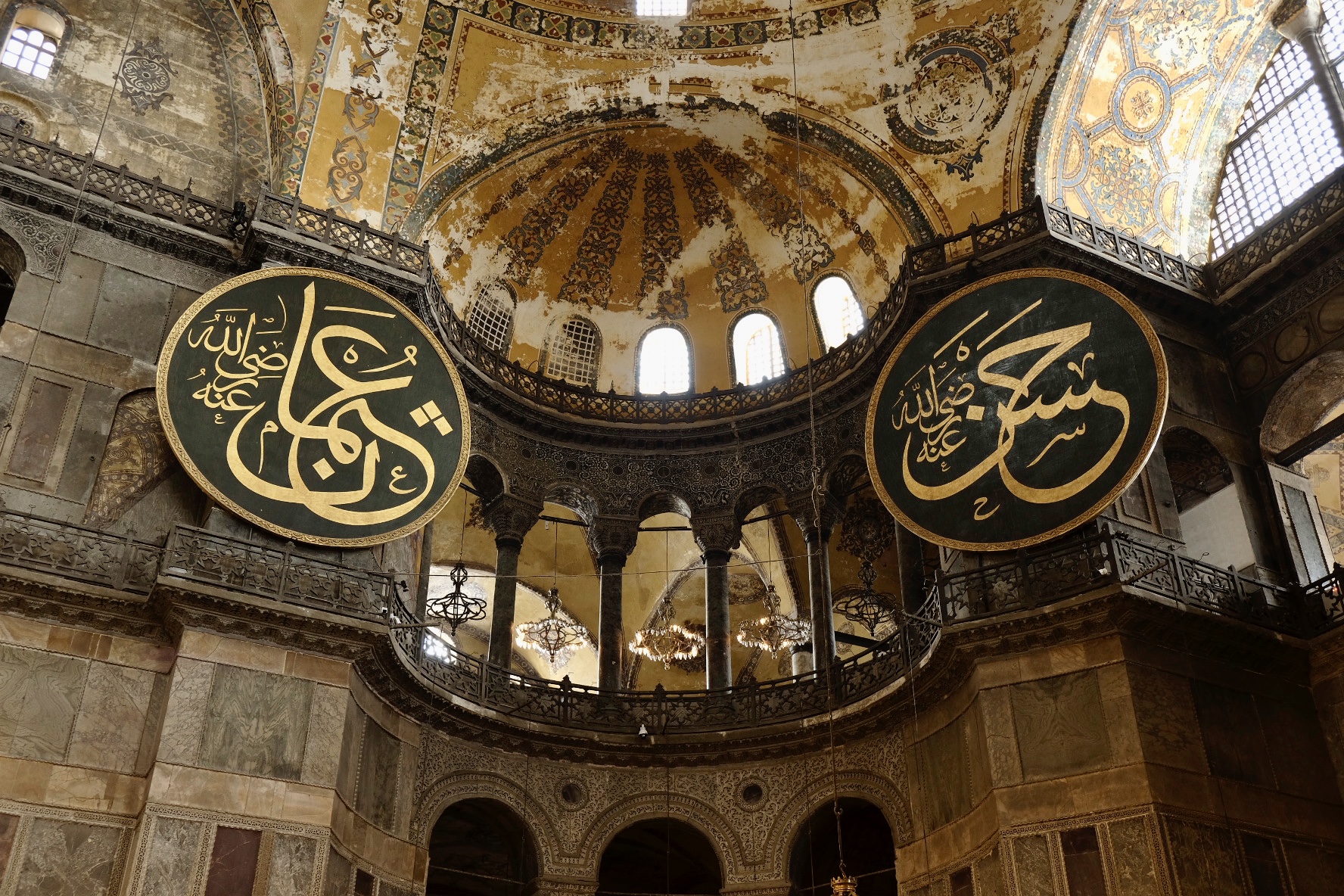
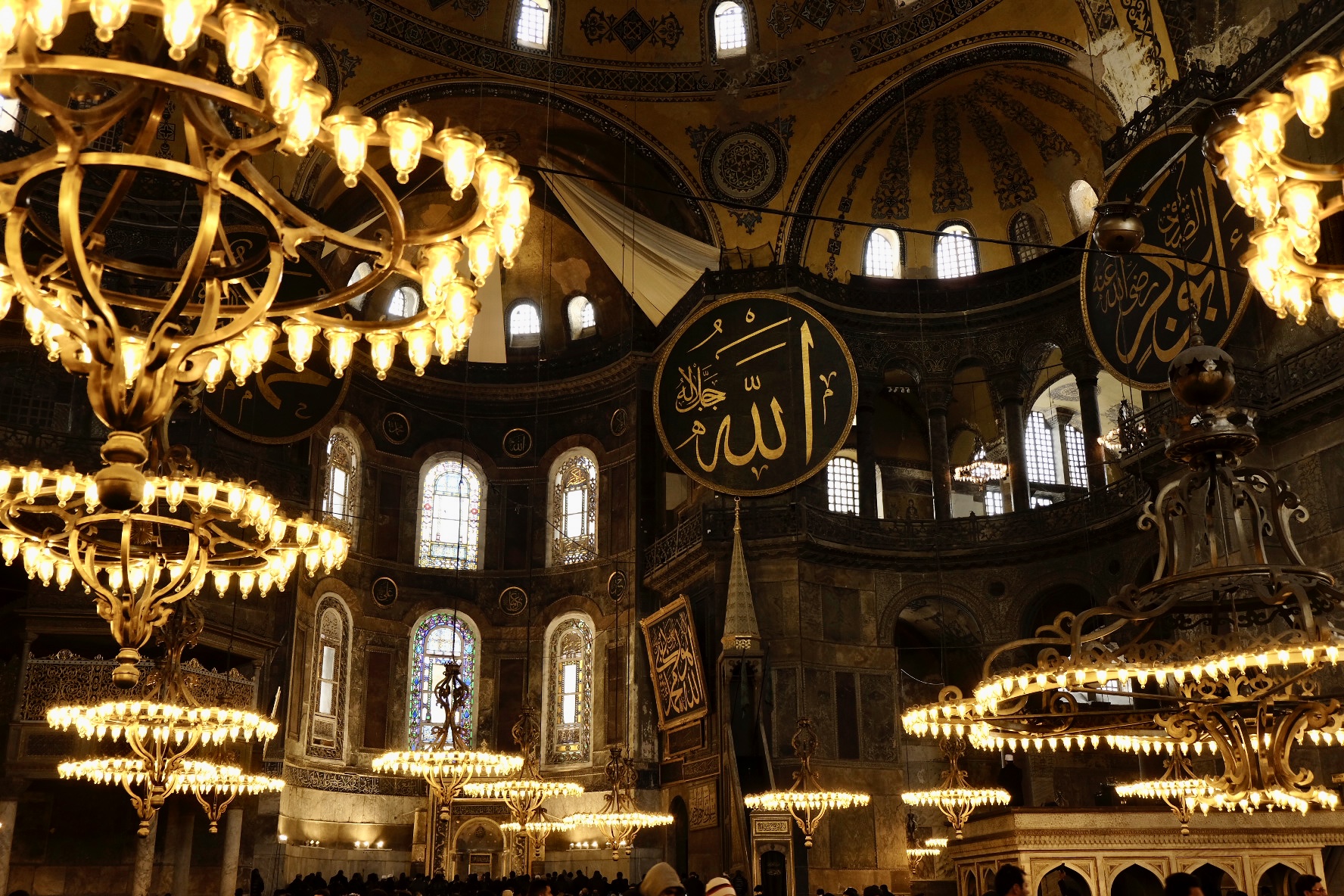
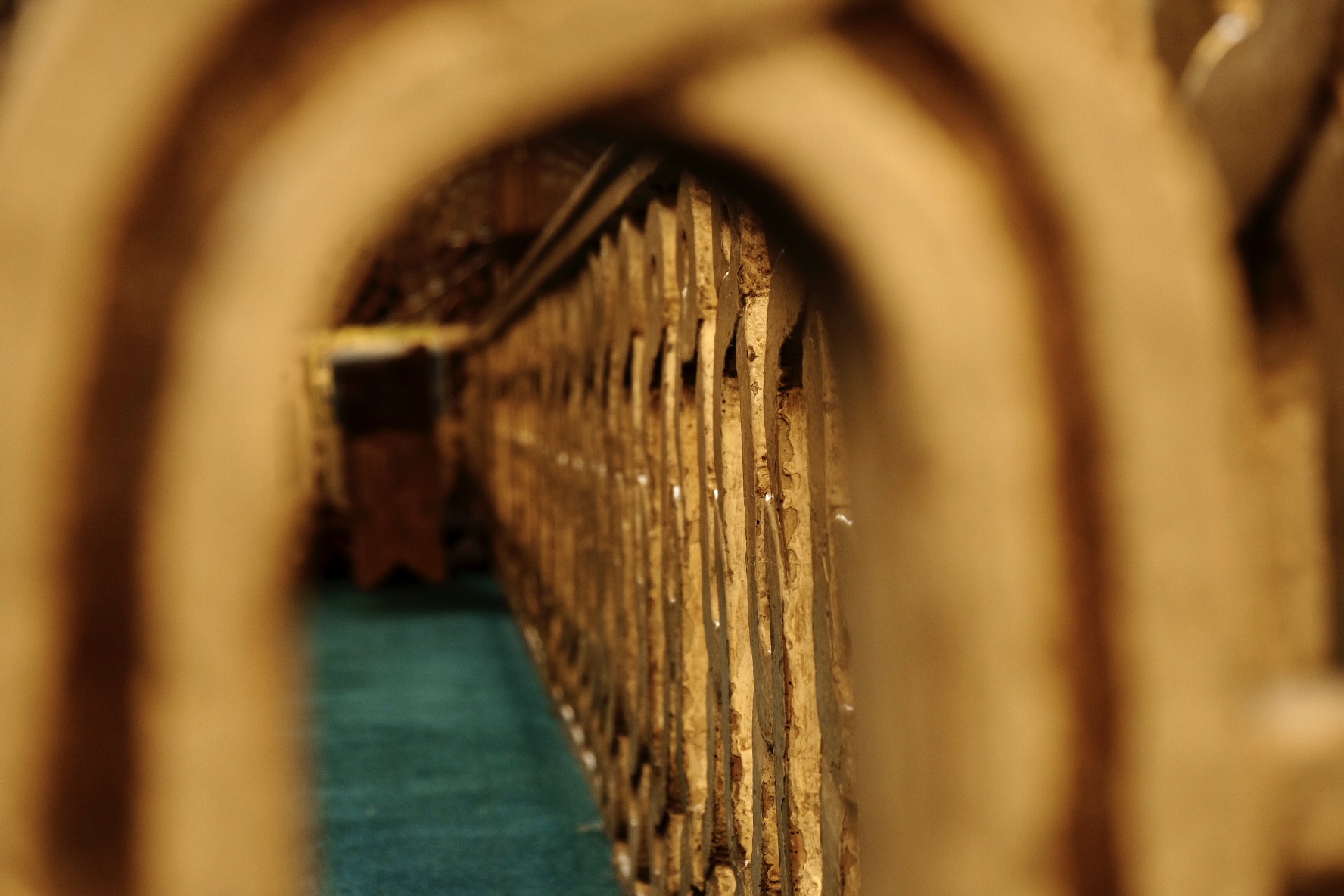
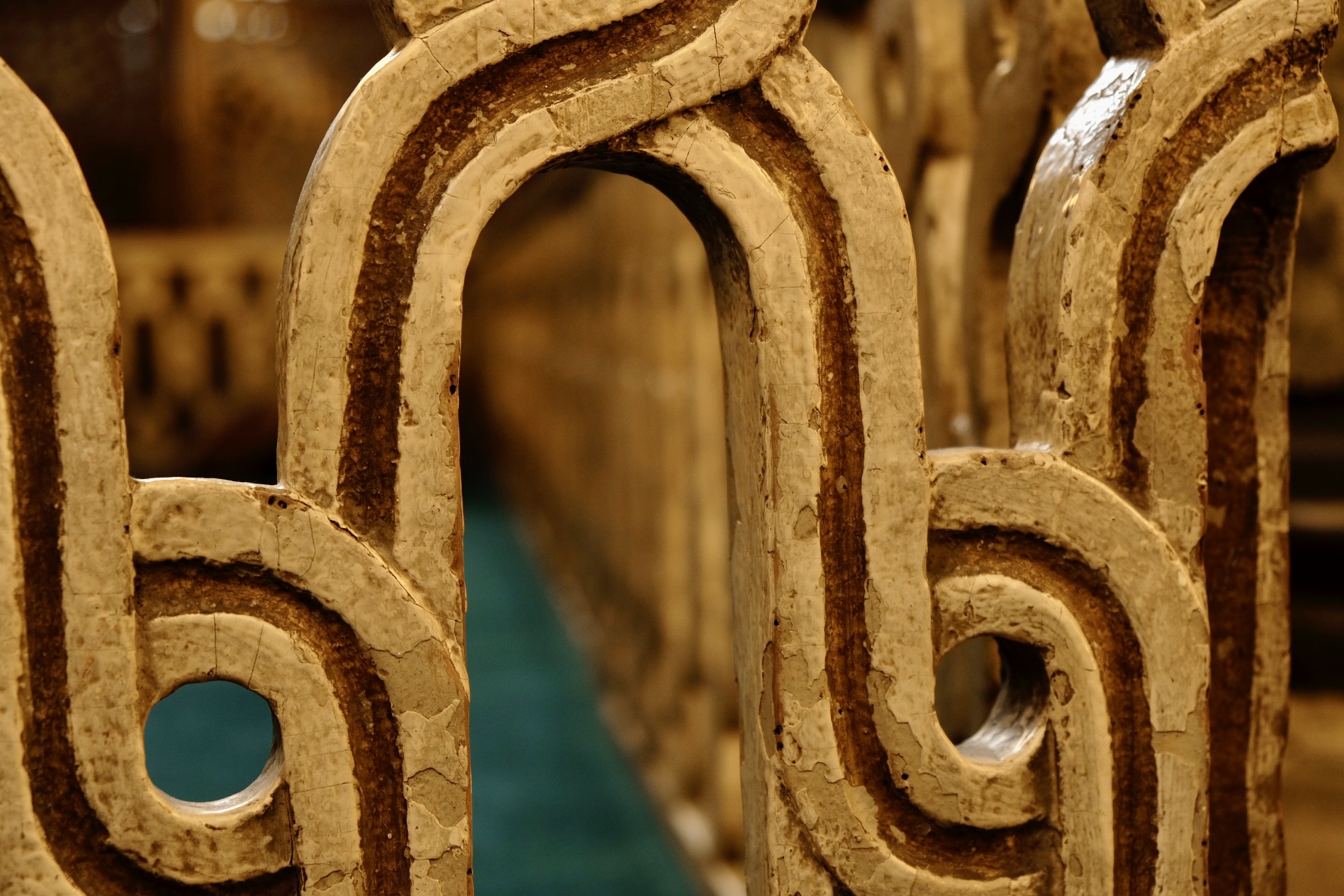
Our first full day in Istanbul, after arriving at our hotel around 2am, involved walking to the Sultanahmet neighborhood.  Here, we explored Hagia Sofya and the Blue Mosque.  Hagia Sofya, a UNESCO World Heritage Site since 1985, is now a mosque and was once the largest Eastern Roman Church in Istanbul. Constructed three times in the same location, it is the world’s oldest and fastest-completed cathedral. With its breathtaking domes that look like hanging in the air, monolithic marble columns and unparalleled mosaics, it is one of the wonders of world’s architecture history (https://muze.gen.tr/muze-detay/ayasofya). I found Hagia Sofya amazing, beautiful, and breathtaking.

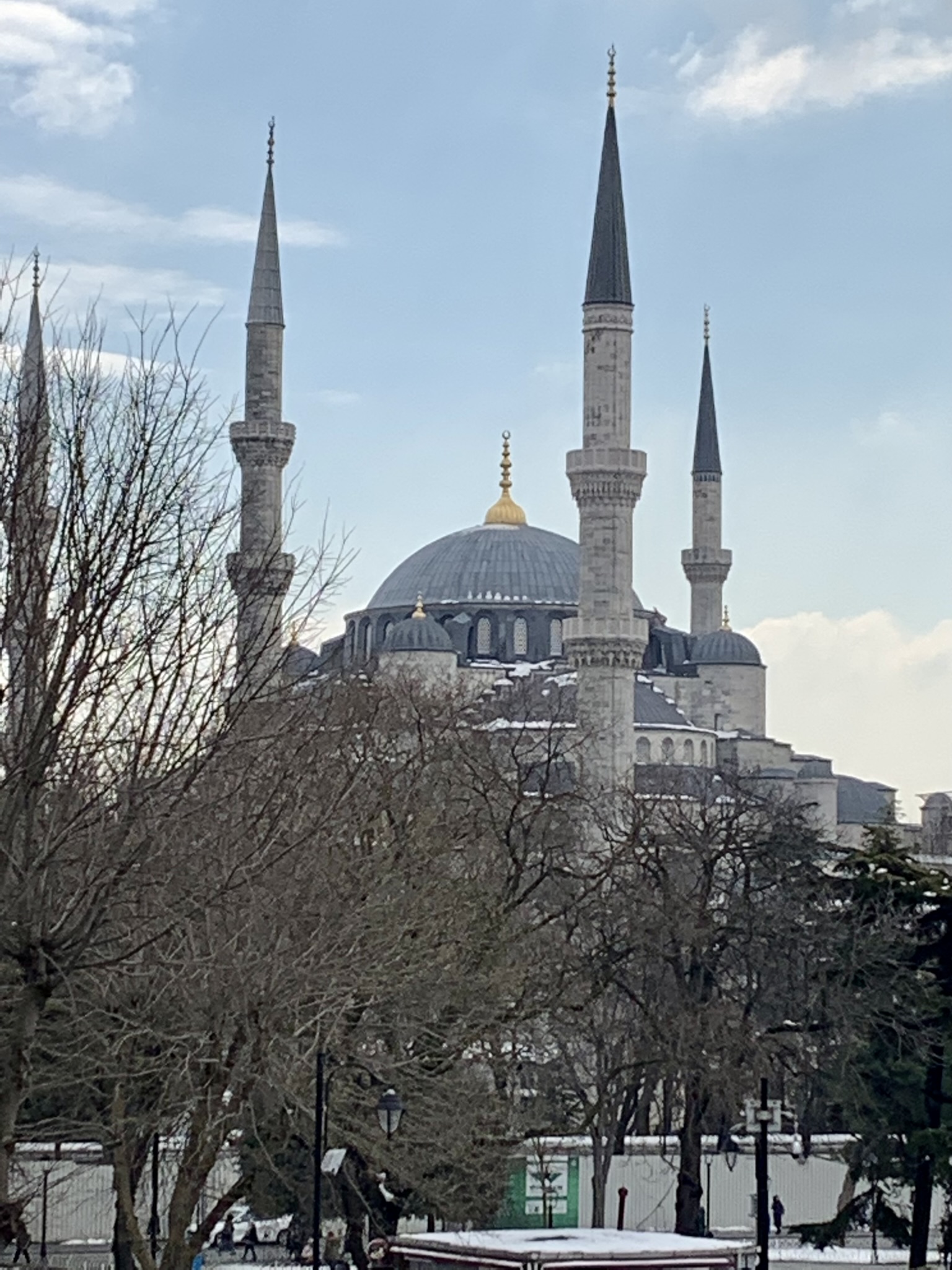
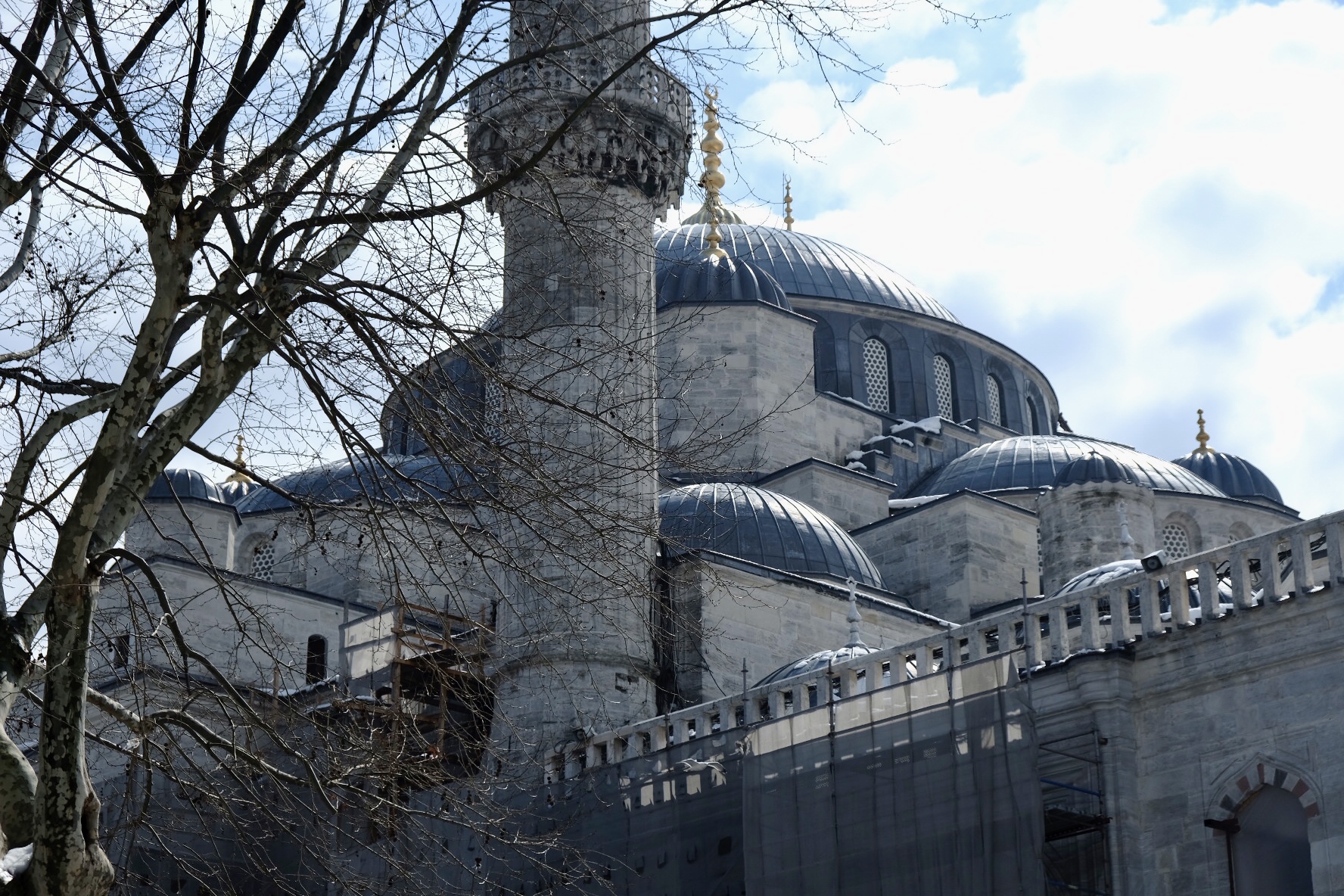
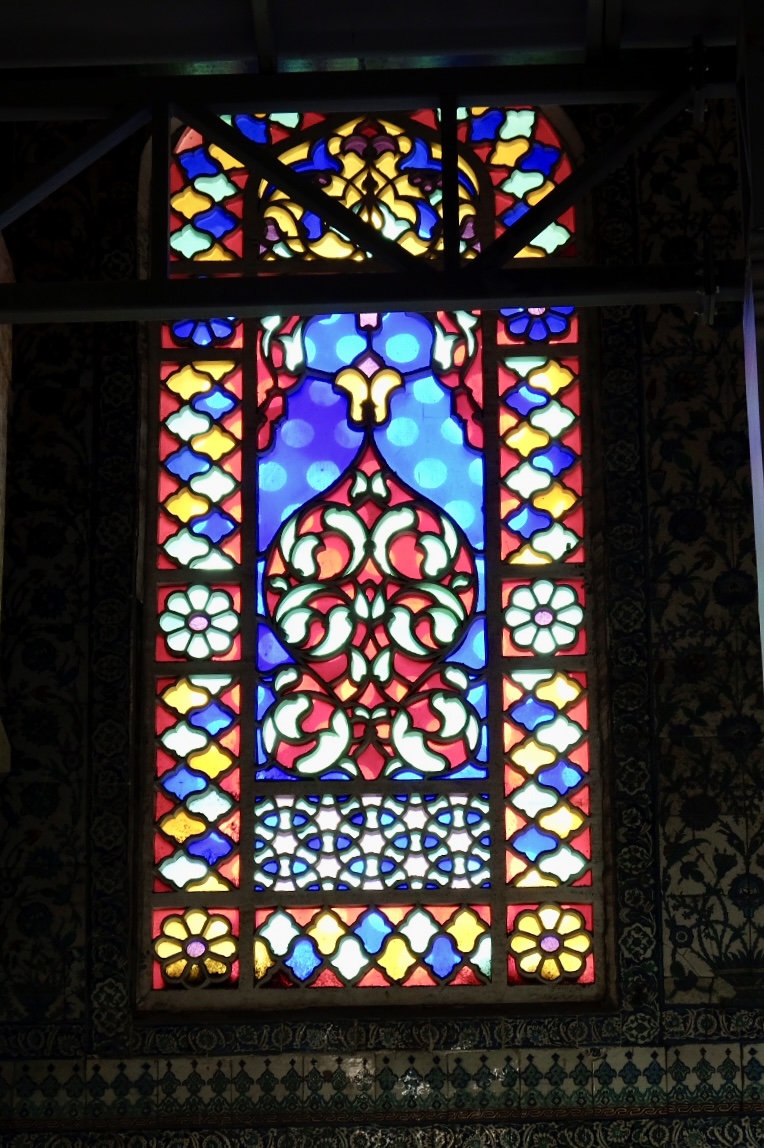
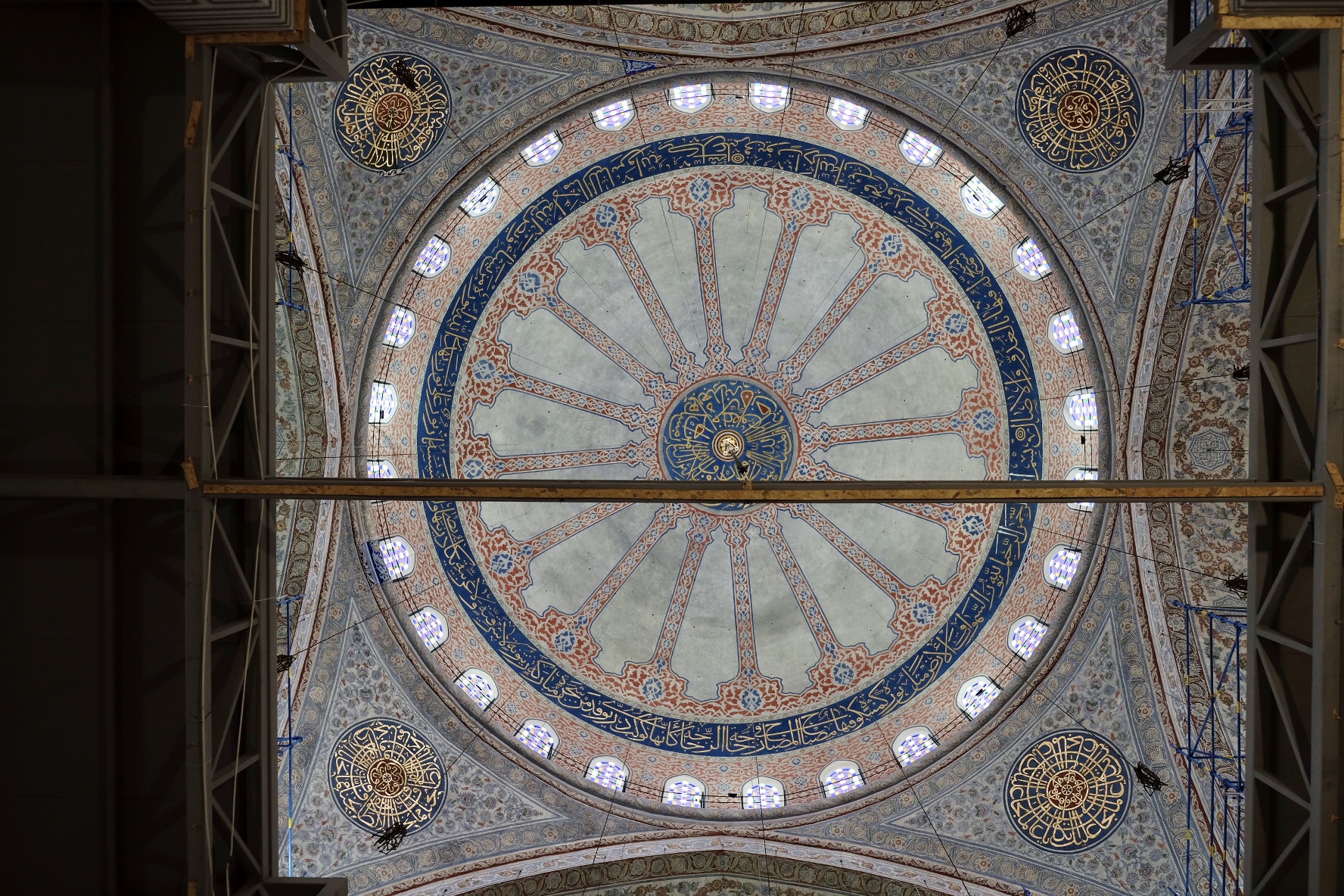
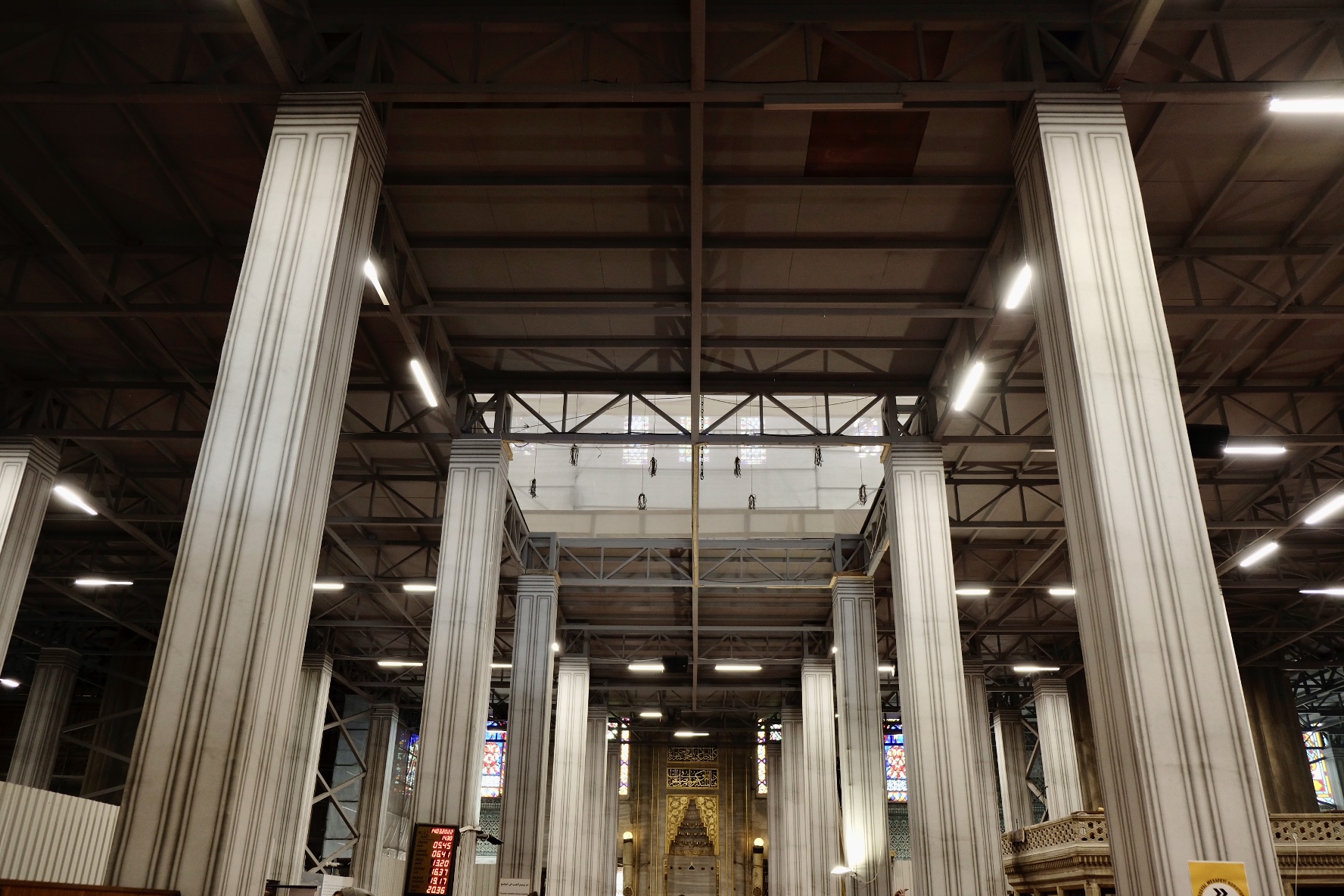
After Hagia Sofya, we wandered over to the Blue Mosque, which I found underwhelming.  The Blue Mosque (called Sultanahmet Camii in Turkish) is an historical mosque in Istanbul. The mosque is known as the Blue Mosque because of blue tiles surrounding the walls of interior design. The mosque was built between 1609 and 1616 years, during the rule of Ahmed I. (http://www.bluemosque.co/) The mosque is under construction, so we could only see a small portion of it.  I’m sure that once it’s completed, it too will take away one’s breath.

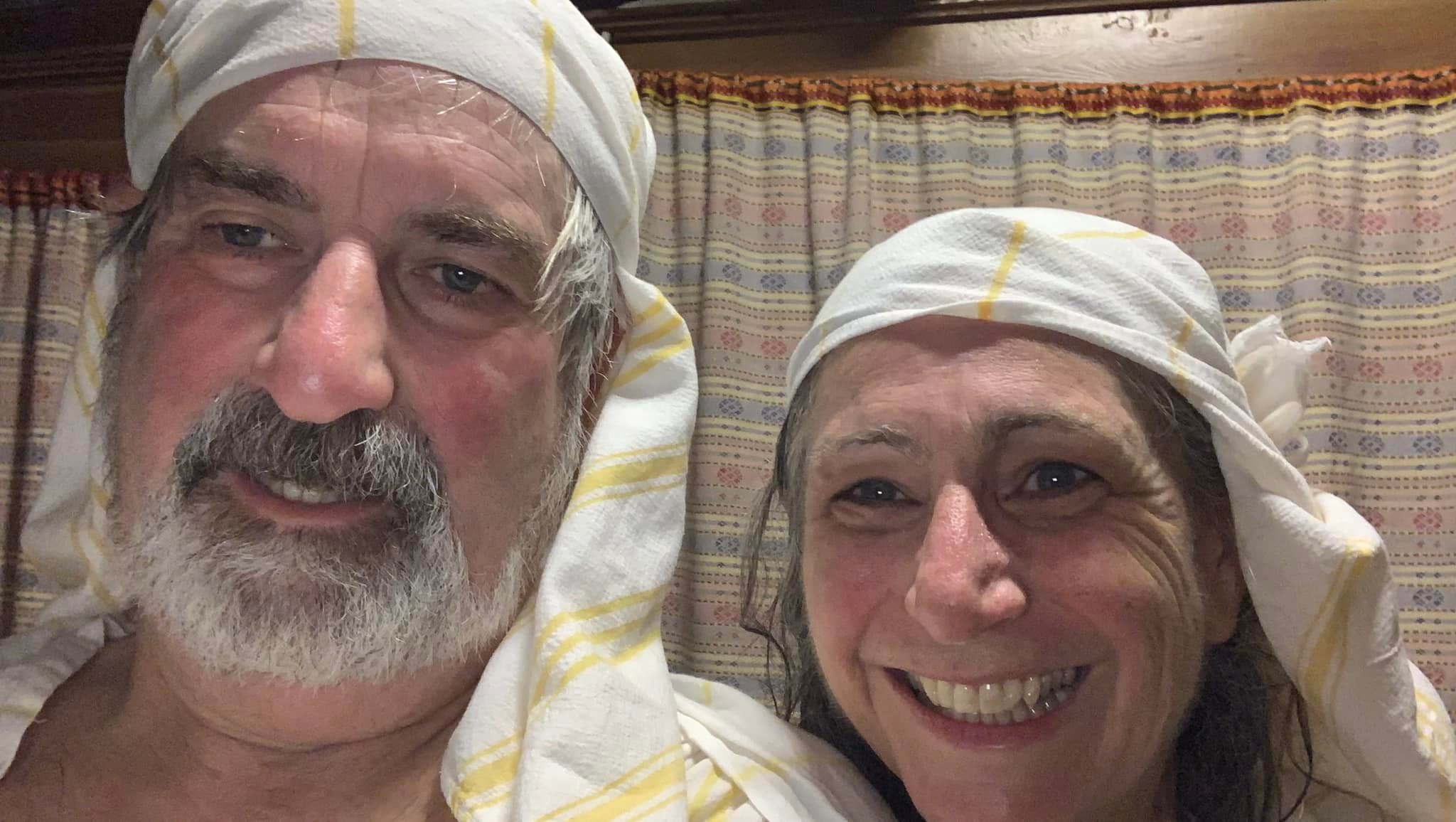
Following naps – I’m napping quite well in Istanbul! – we went to our first Hammam of this trip:  Cagaloglu Hammam.  The experience was FABULOUS!  My attendant, Ibek, took great care of me.  First, I rested on a marble slab in a very hot room, similar to a sauna.  Next, Ibek moved me to a center room with a giant marble slab.  Here, she scrubbed my body to exfoliate all of the dead skin cells.  Then, she covered me with foam bubbles – how she makes them, I’m still not sure.  After washing me, she massaged my sore muscles.  It was a sweet and wonderful experience.

Hagia Sofya


Hagia Sofya


Hagia Sofya


Hagia Sofya


Hagia Sofya


Hagia Sofya


Hagia Sofya


Hagia Sofya


Hagia Sofya


Hagia Sofya


Hagia Sofya


Hagia Sofya


Hagia Sofya


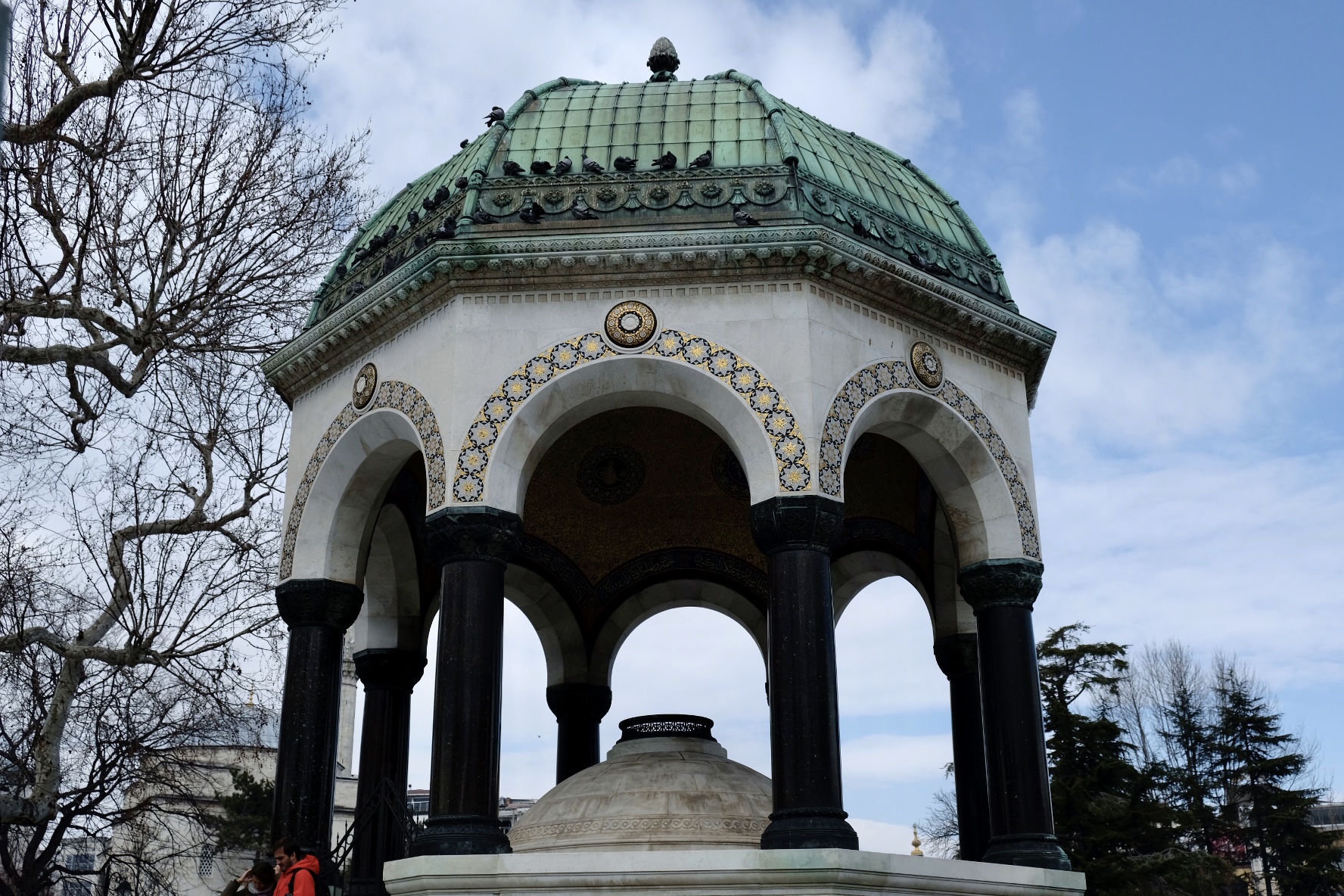
German Fountain


Waiting to enter Blue Mosque


Blue Mosque


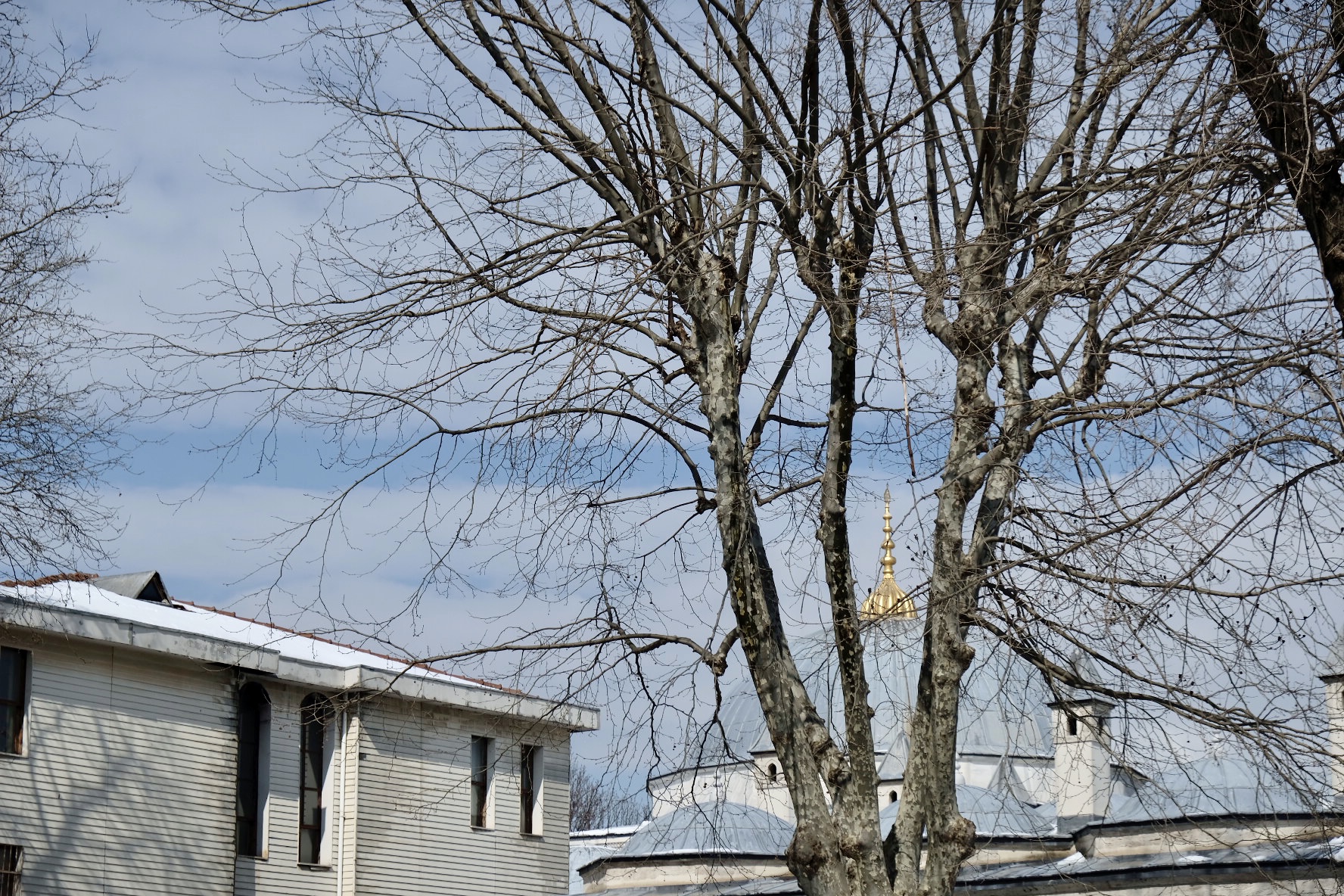
View from line to get into the Blue Mosque


Blue Mosque


Blue Mosque


Blue Mosque


Nuruosmaniye Mosque


Blue Mosque