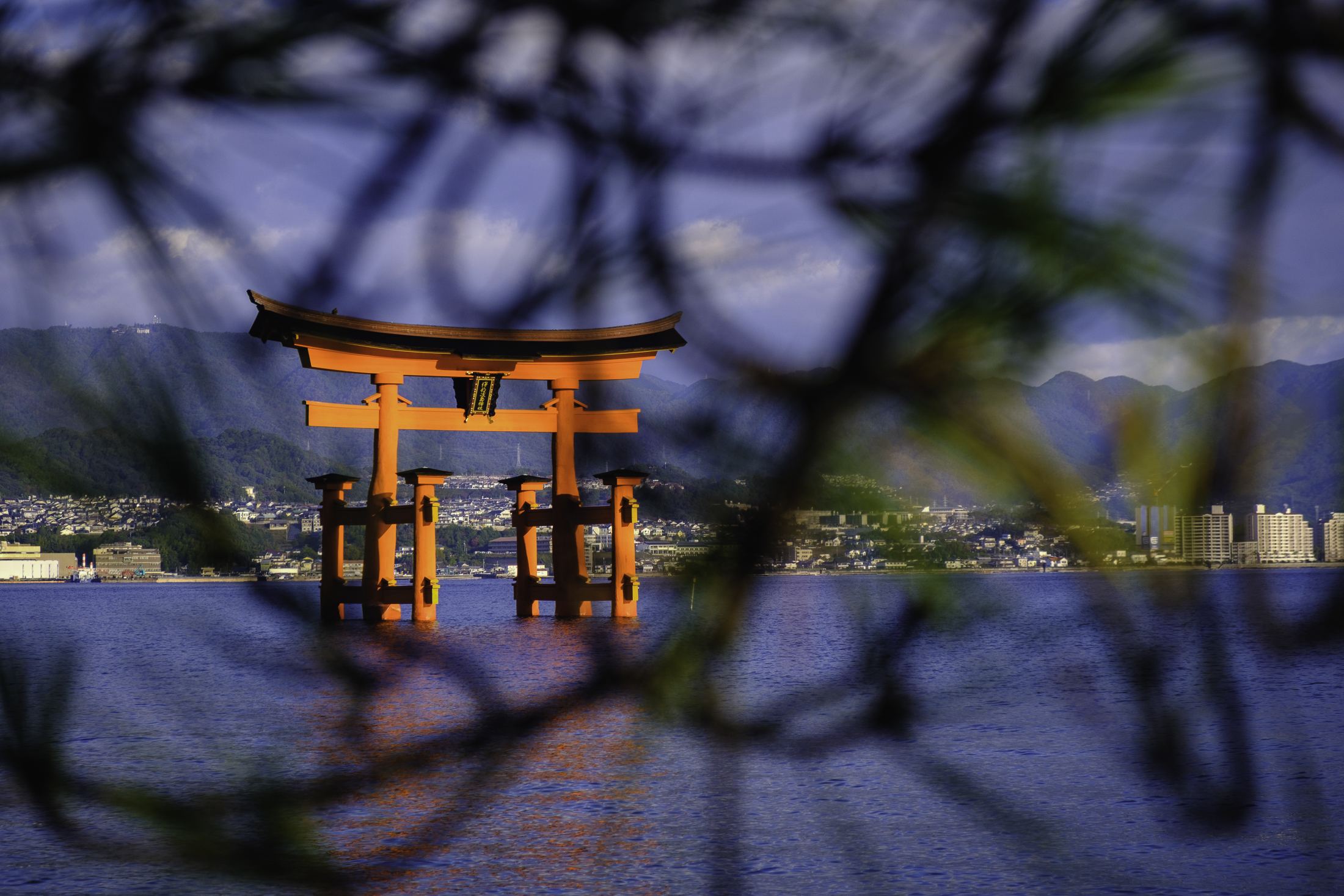
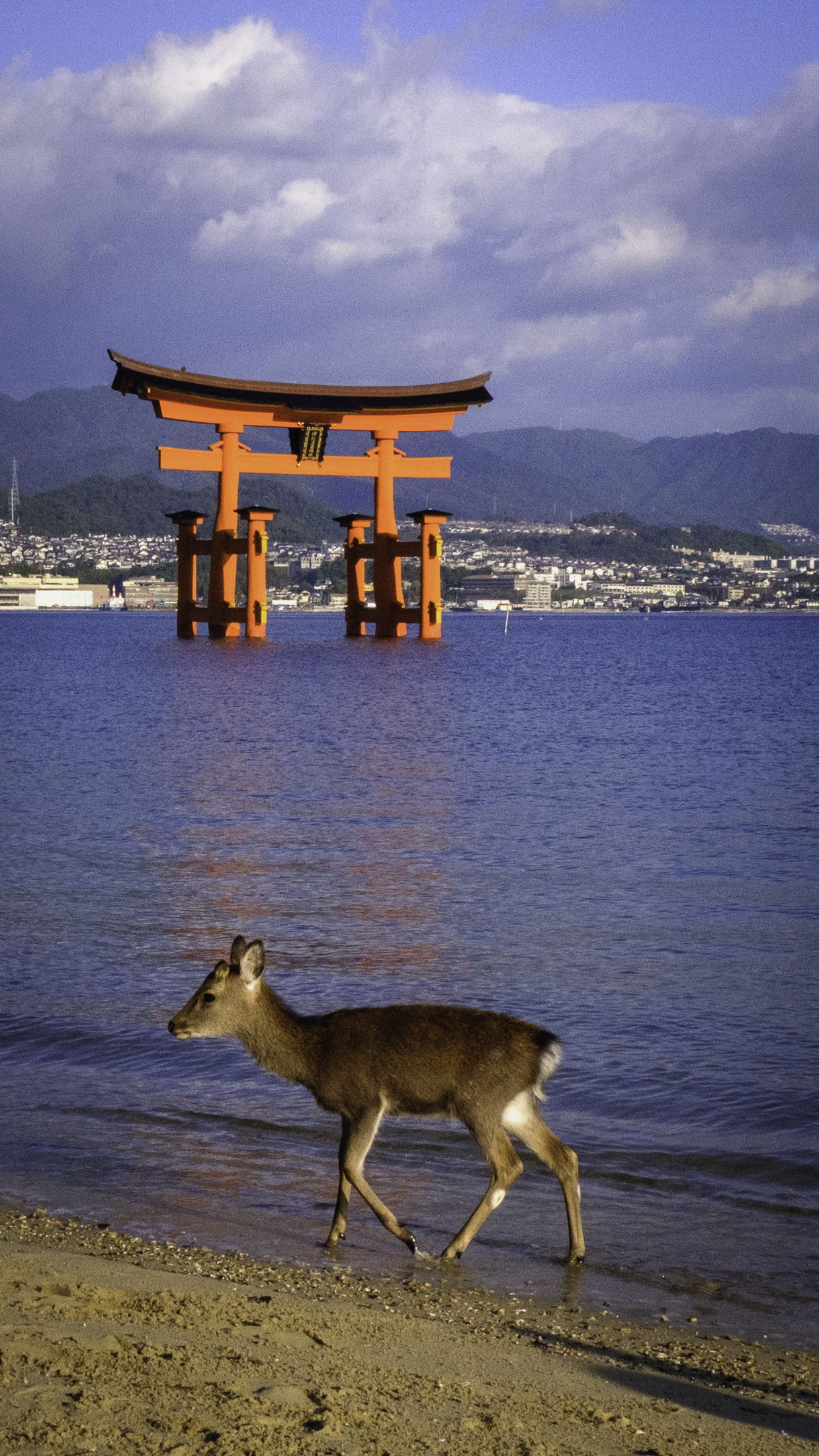
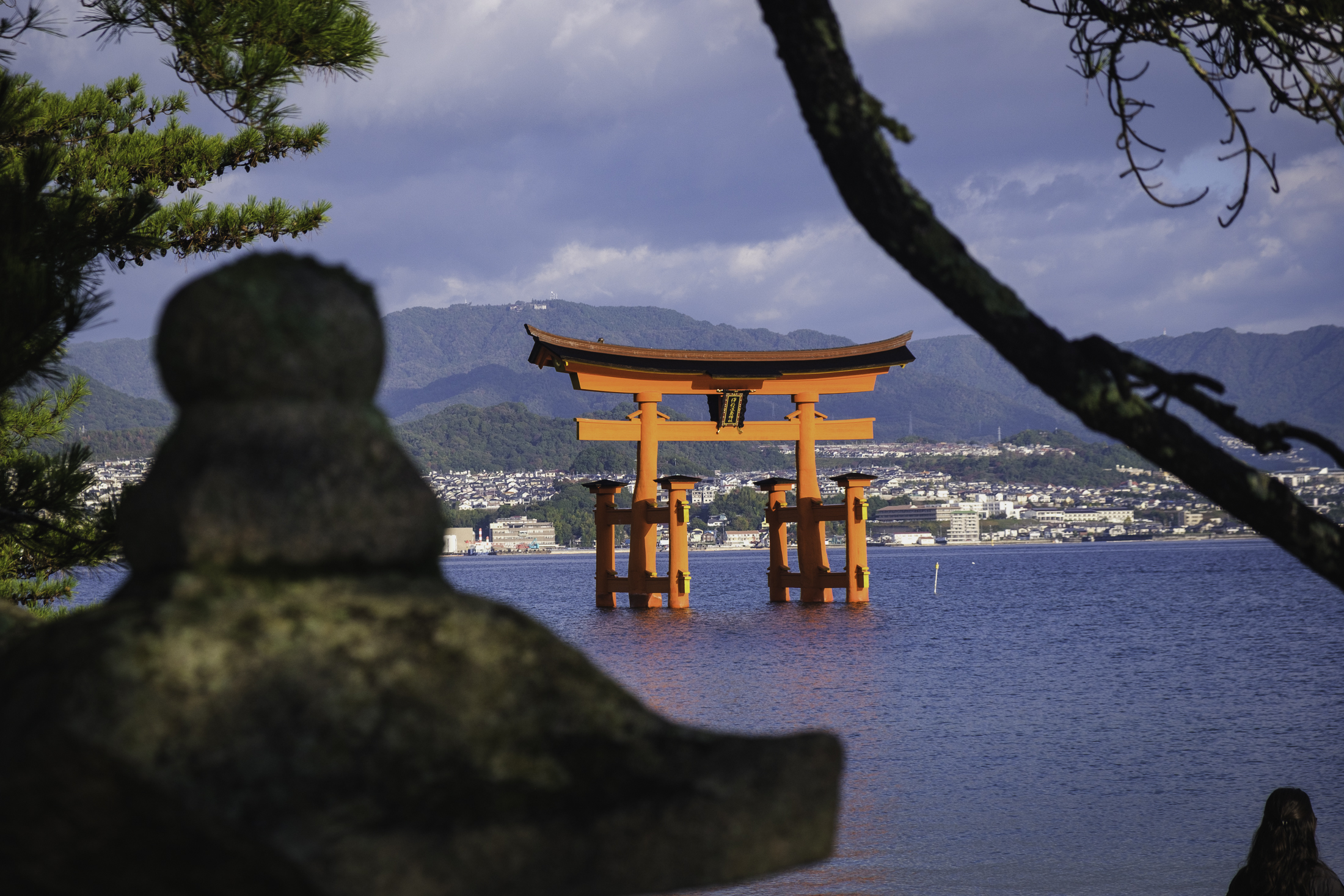
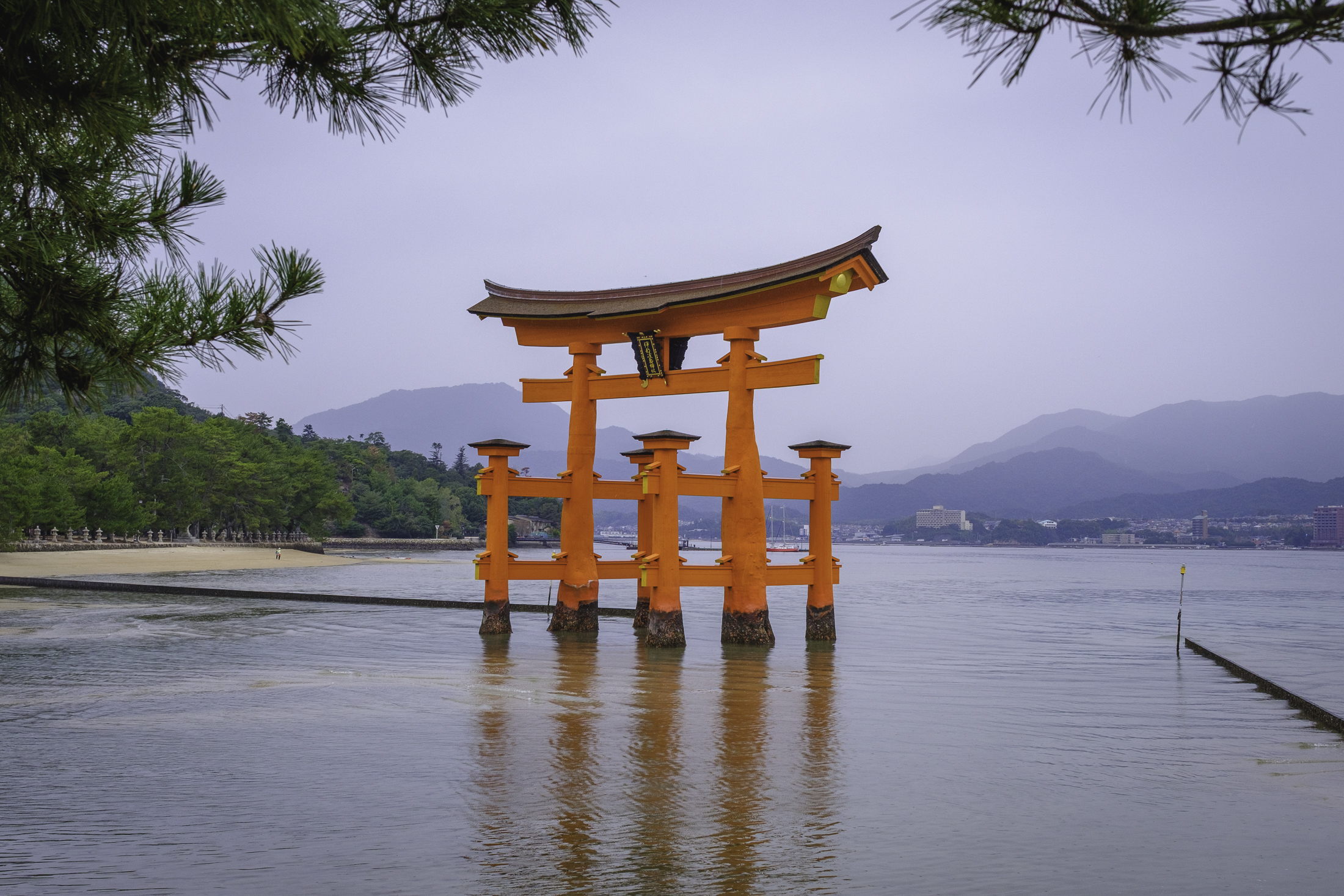
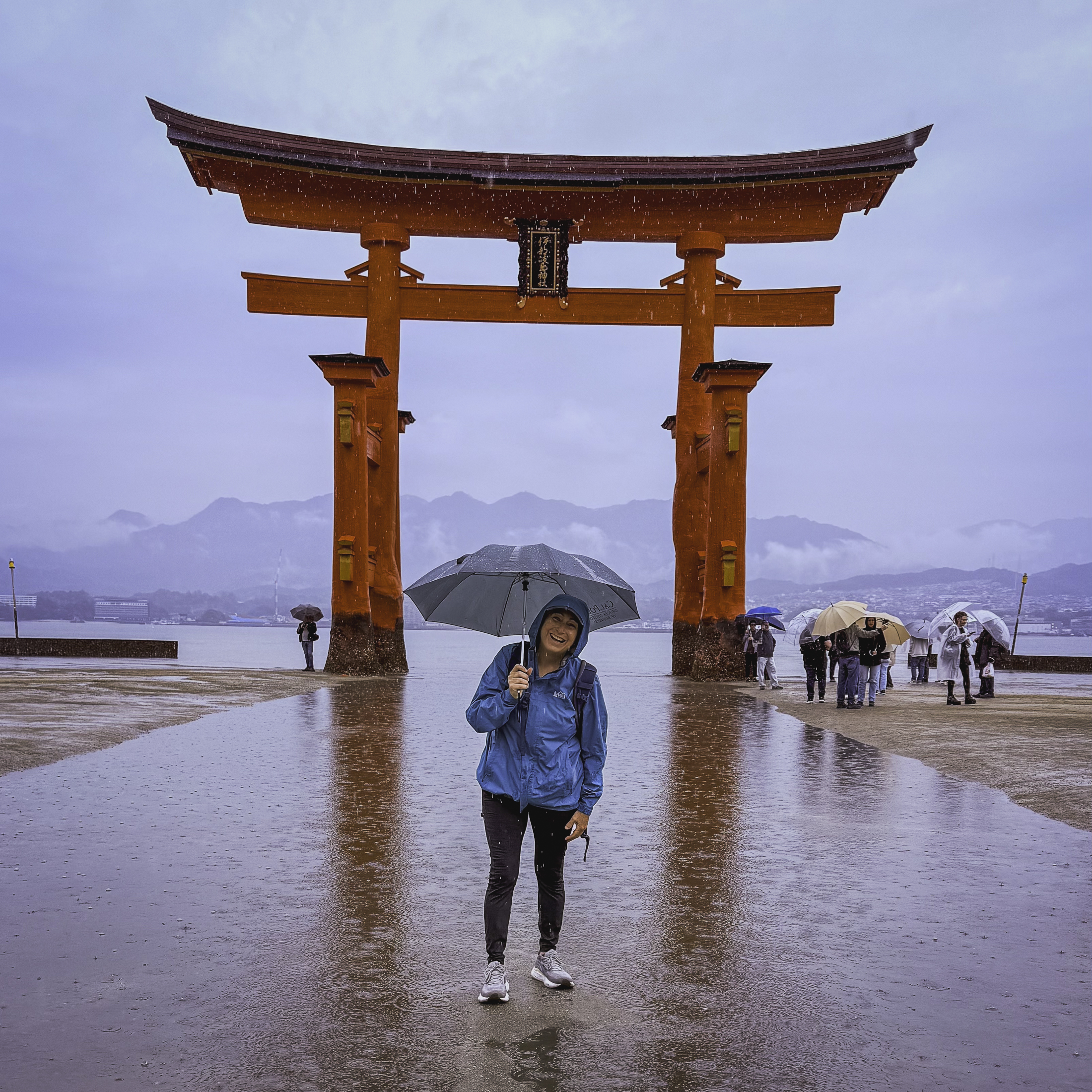
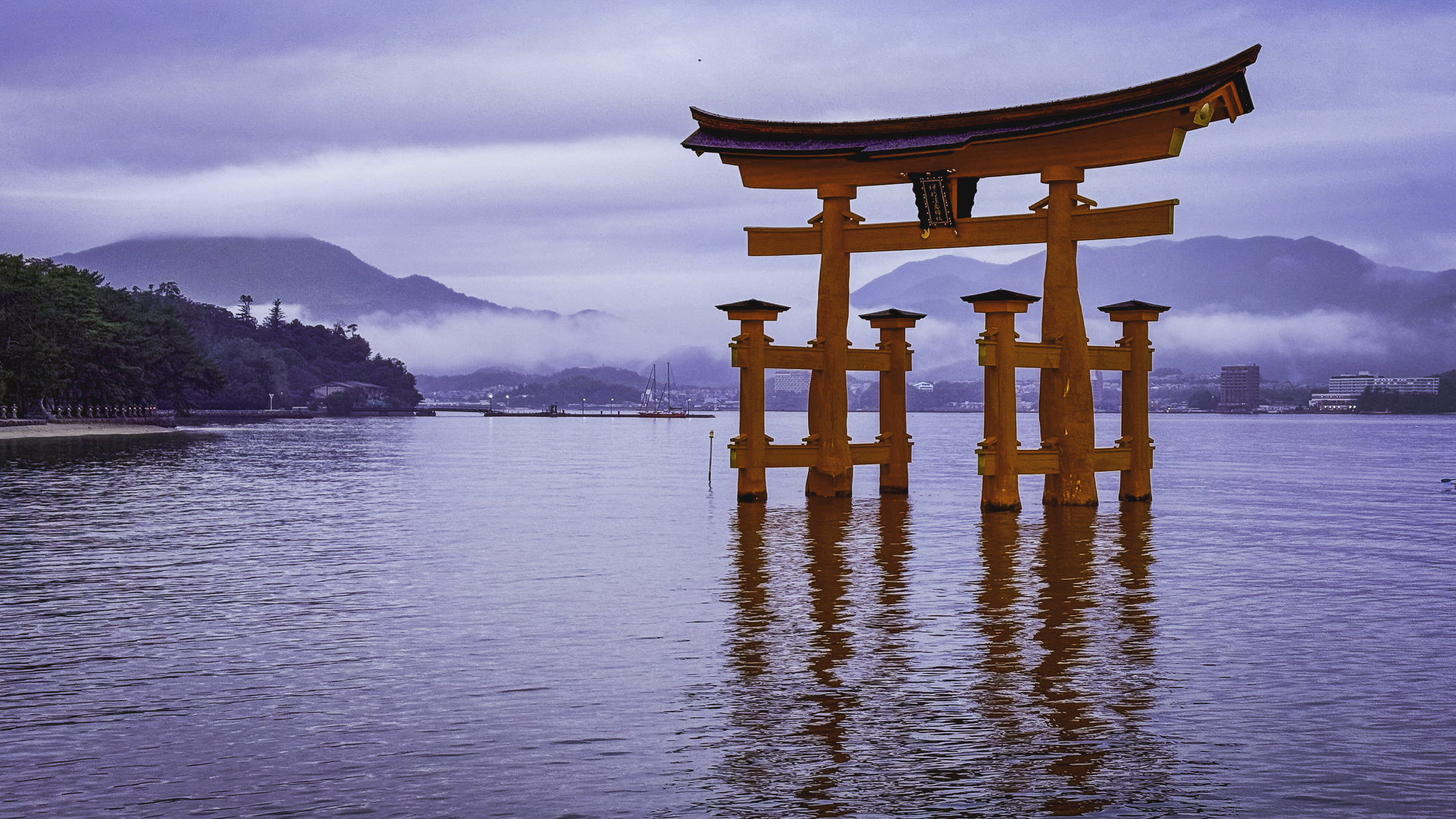
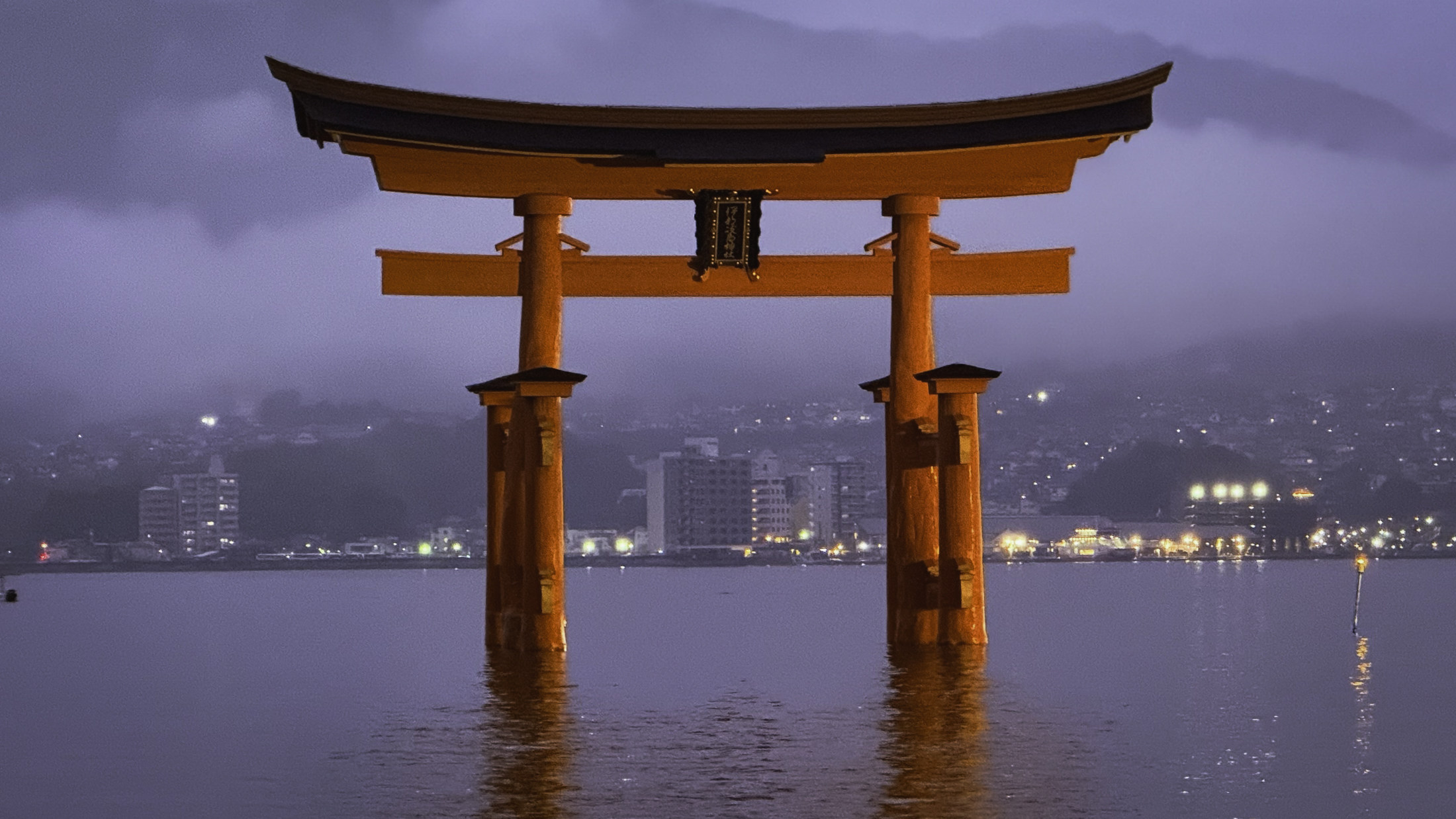
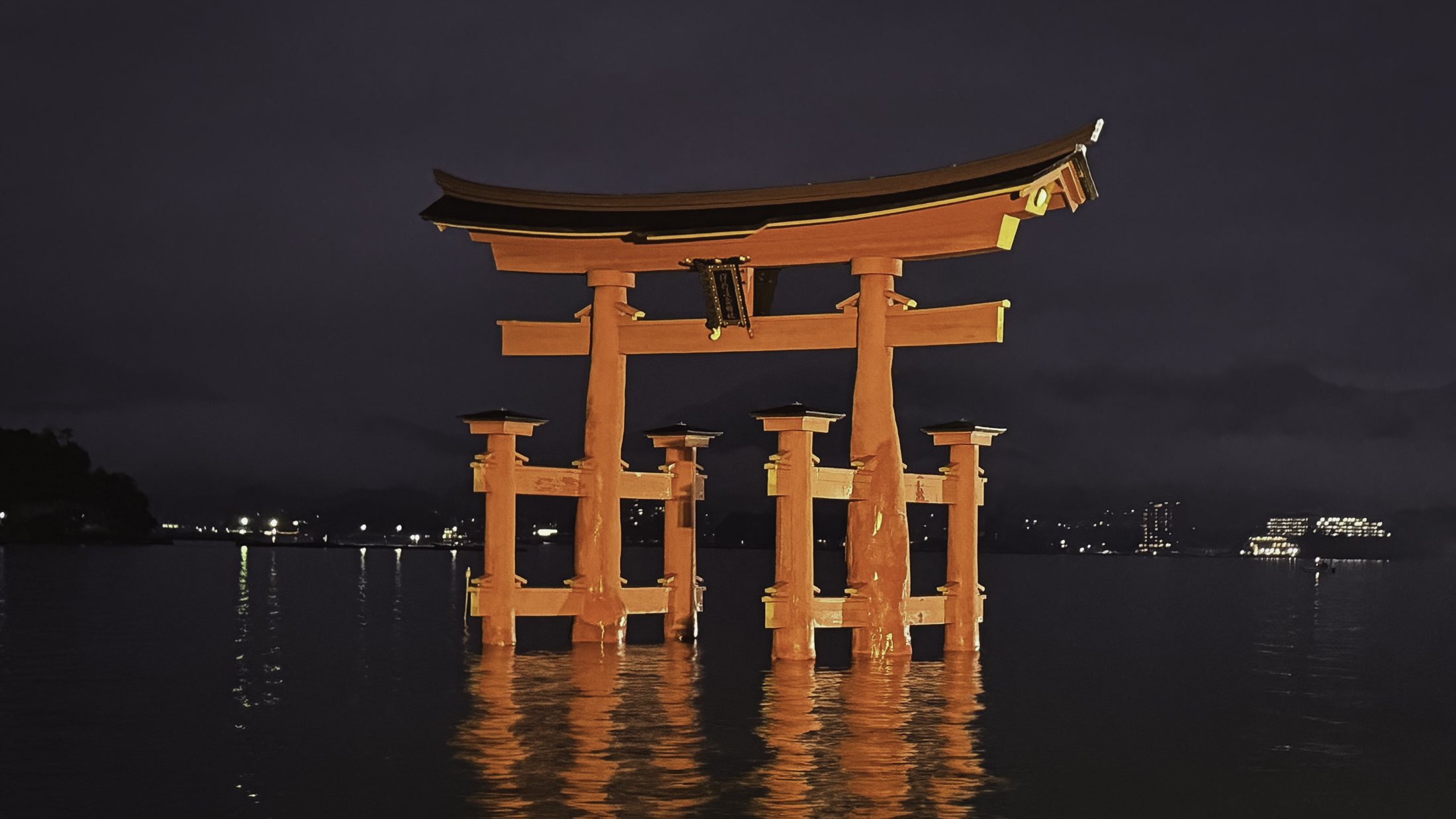
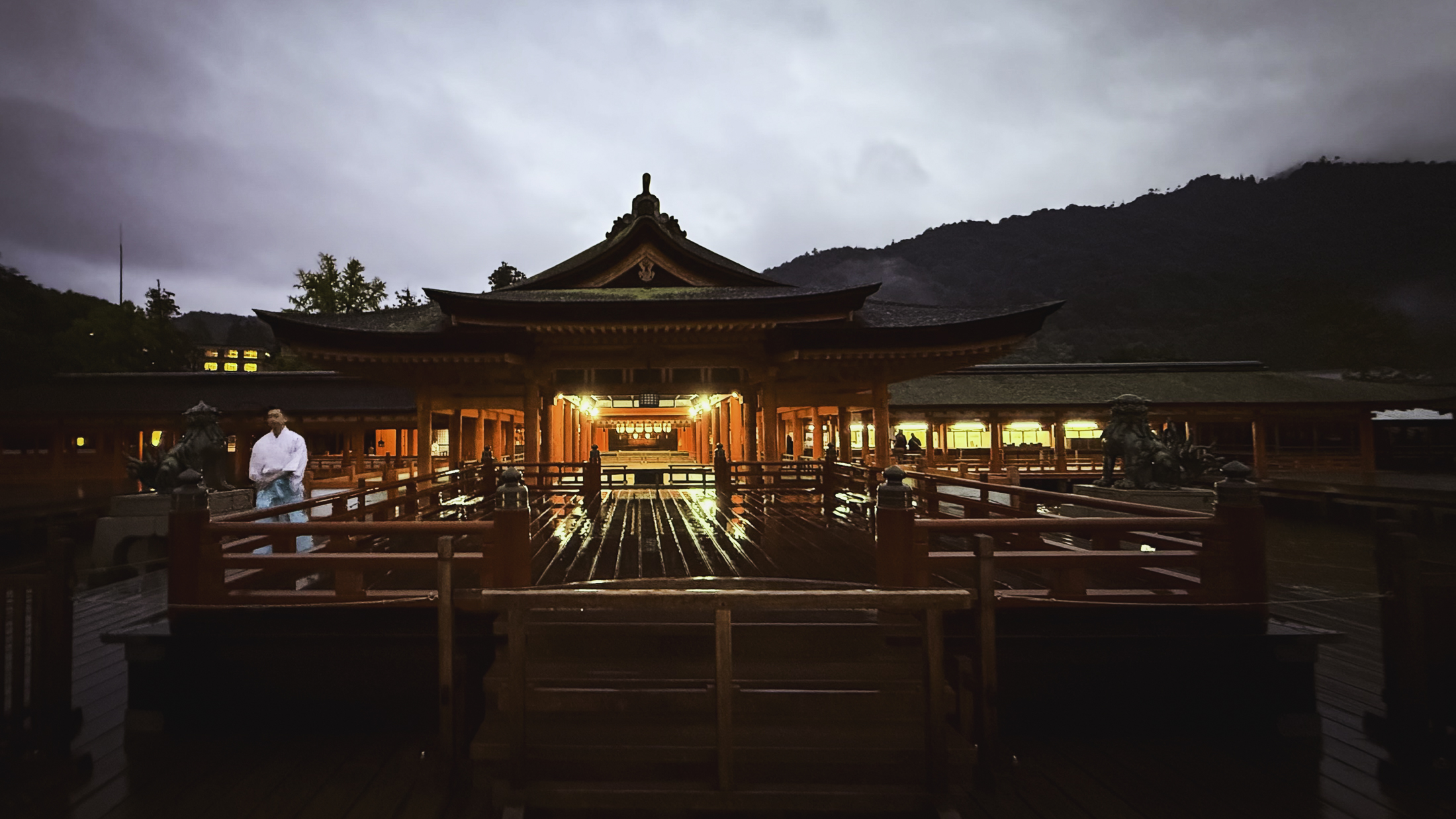
We woke up before sunrise and joined a few others who had stayed on the island to photograph the Ōtorii with the early light.  Totally worth it!

After capturing a multitude of images, which I narrowed down to these few, we returned to our guesthouse for a traditional Japanese breakfast, prepared by our host who also owns the highly regarded restaurant, Rokumeikan.

Then, we rolled our luggage to the ferry to reverse the previous day’s journey – and continue on to Onomichi.

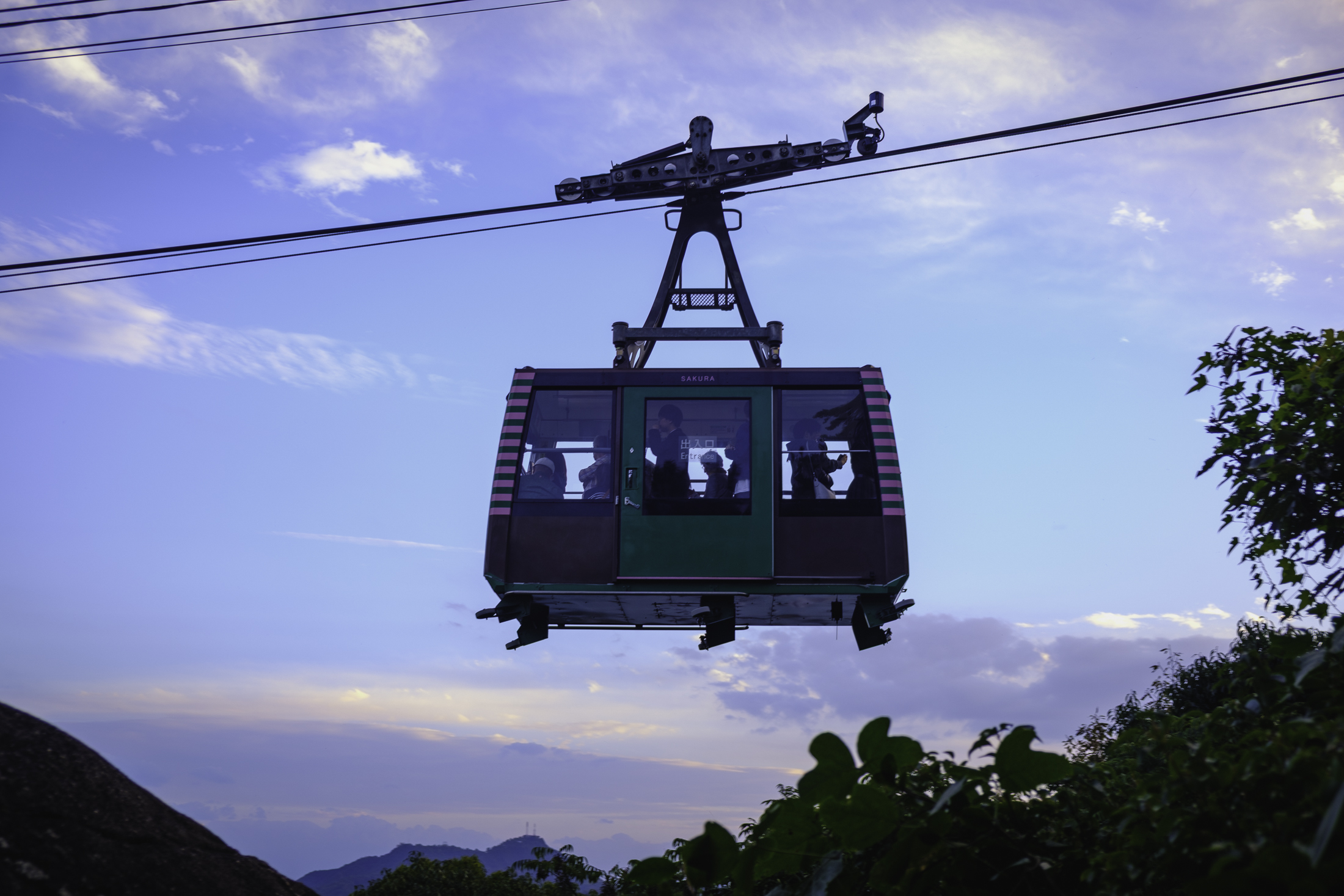
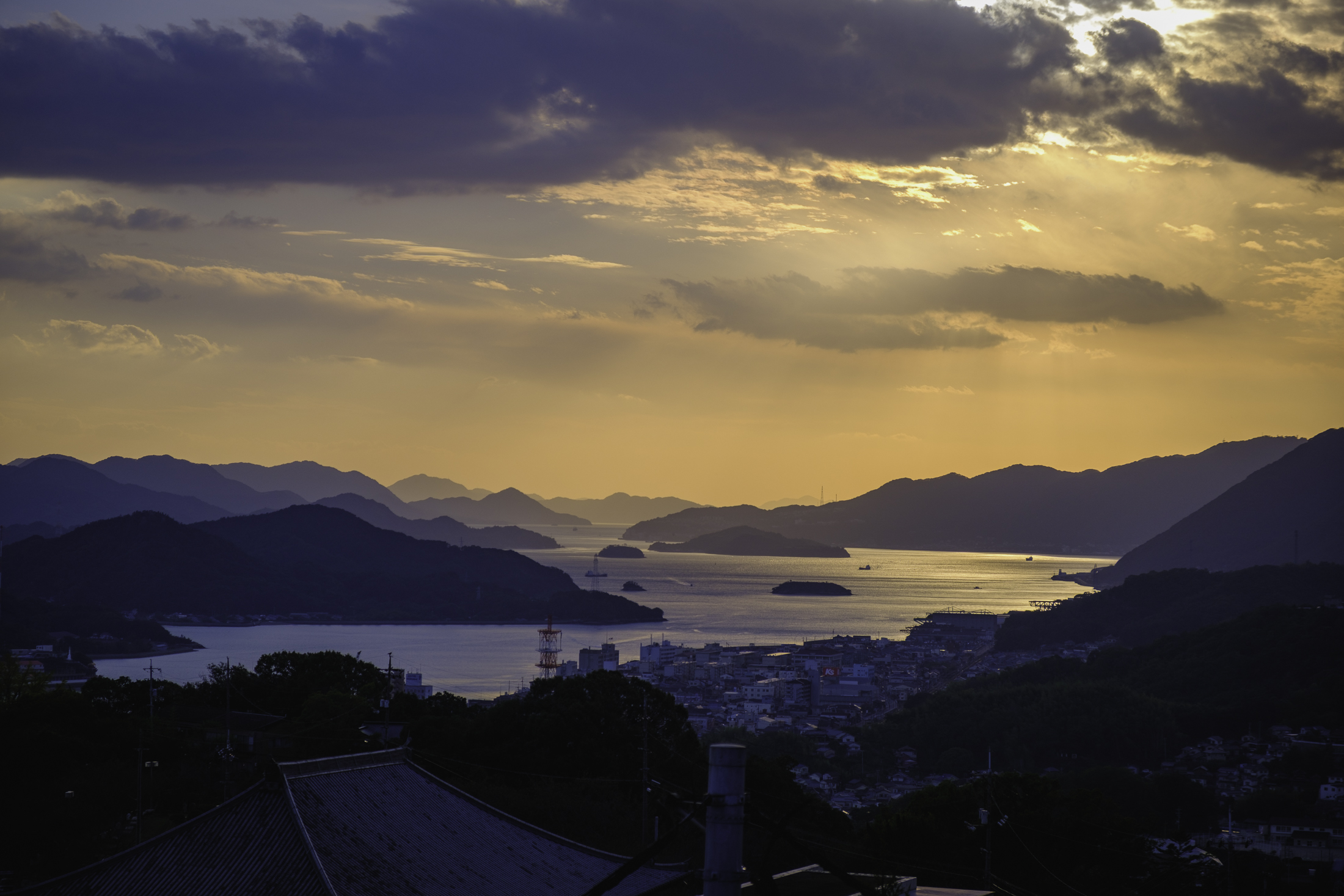
Once arriving in Onomichi, we wandered and explored, taking the Senkoji Ropeway to view the Seto Inland Sea at sunset.

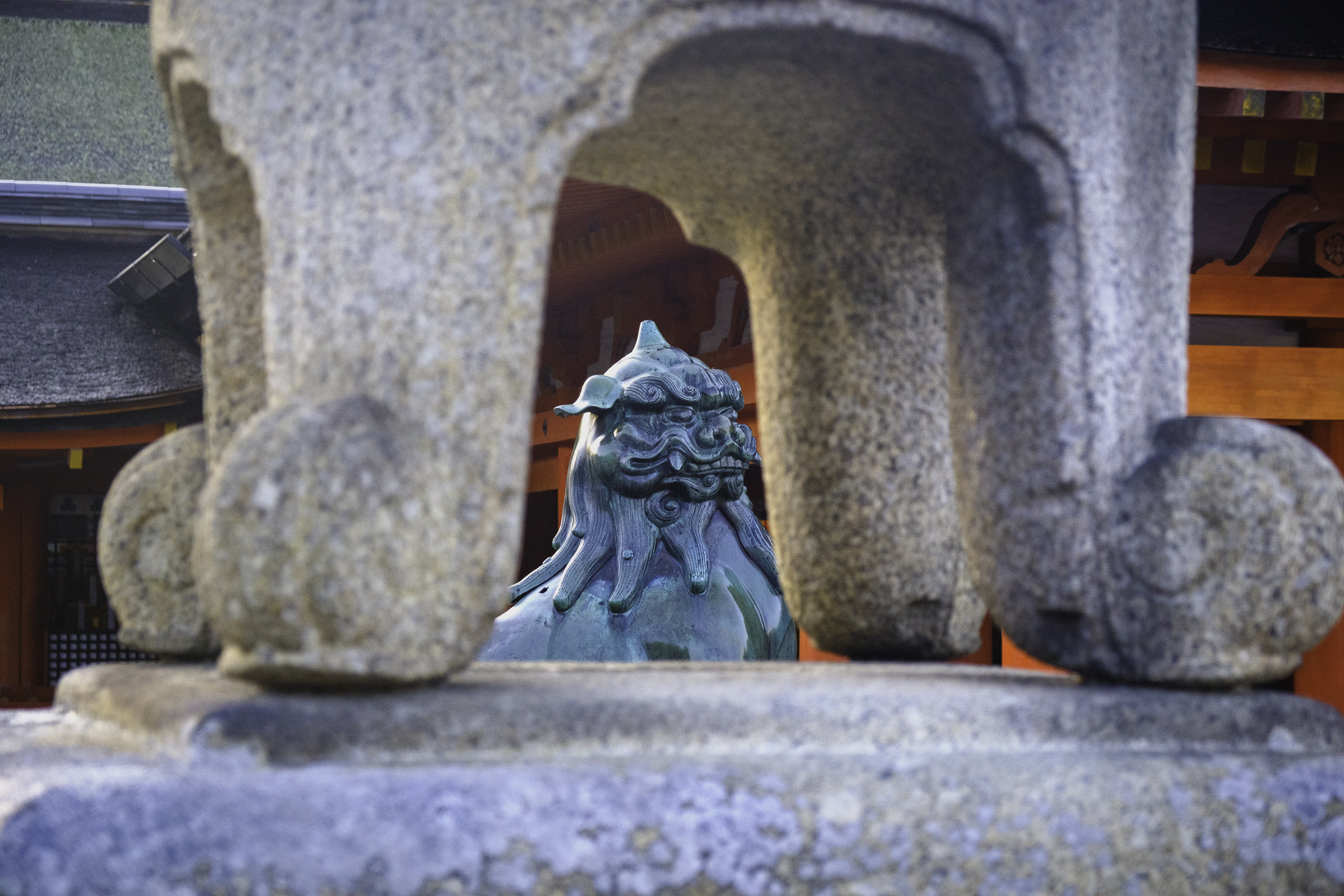
First, some pics of Itsukushima Shrine’s Ōtorii
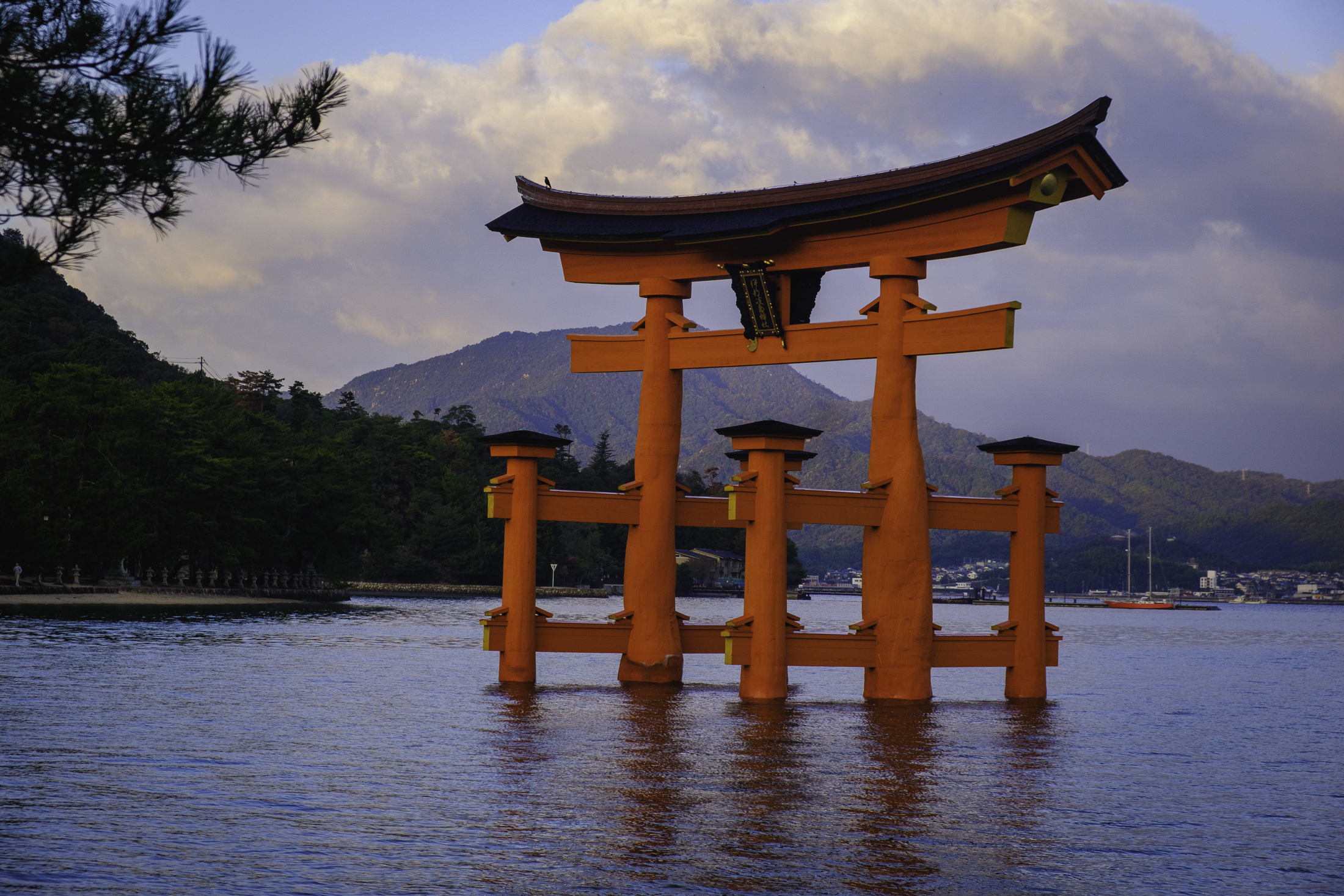


Itsukushima Shrine
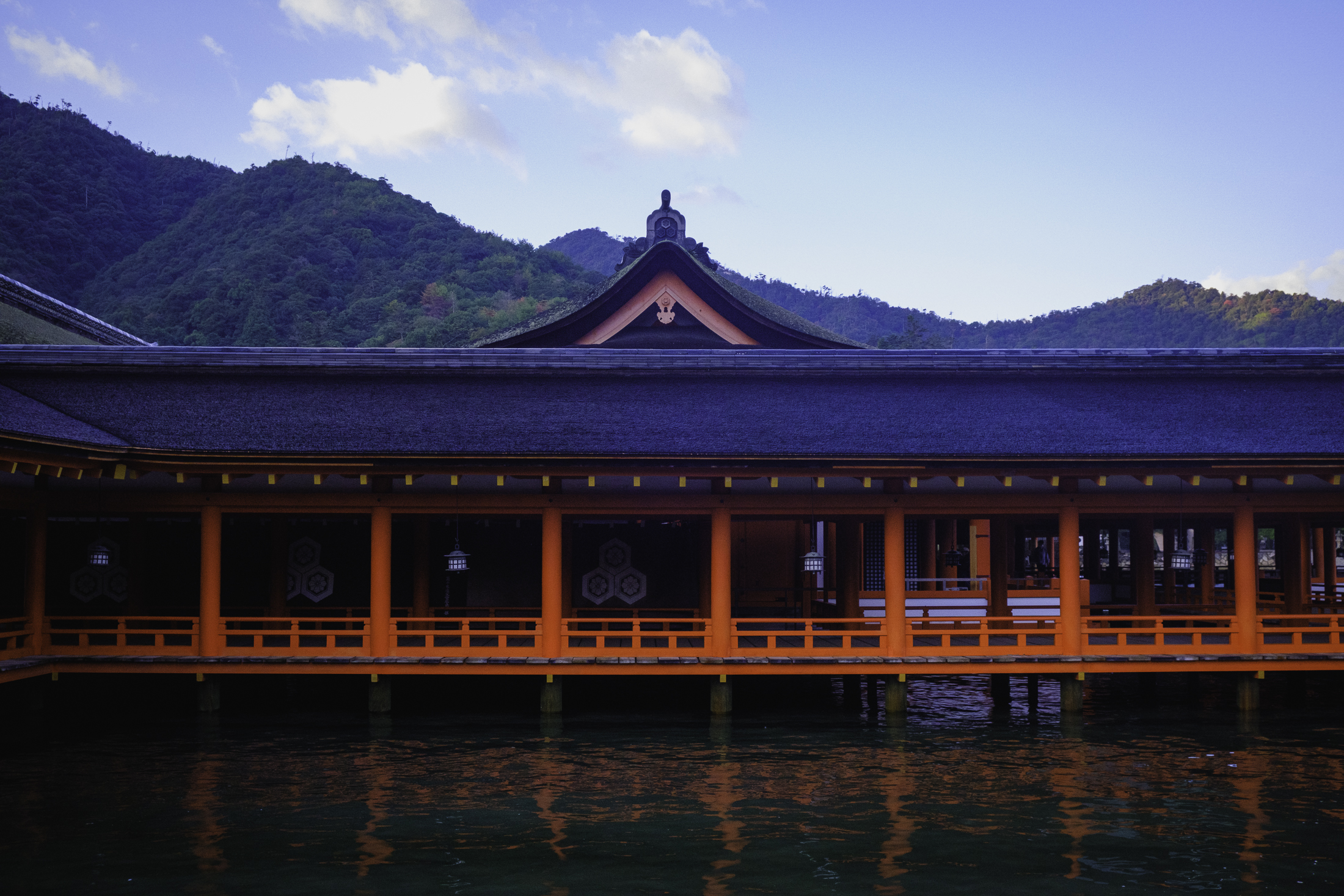


A temizuya (ritual purification basin)
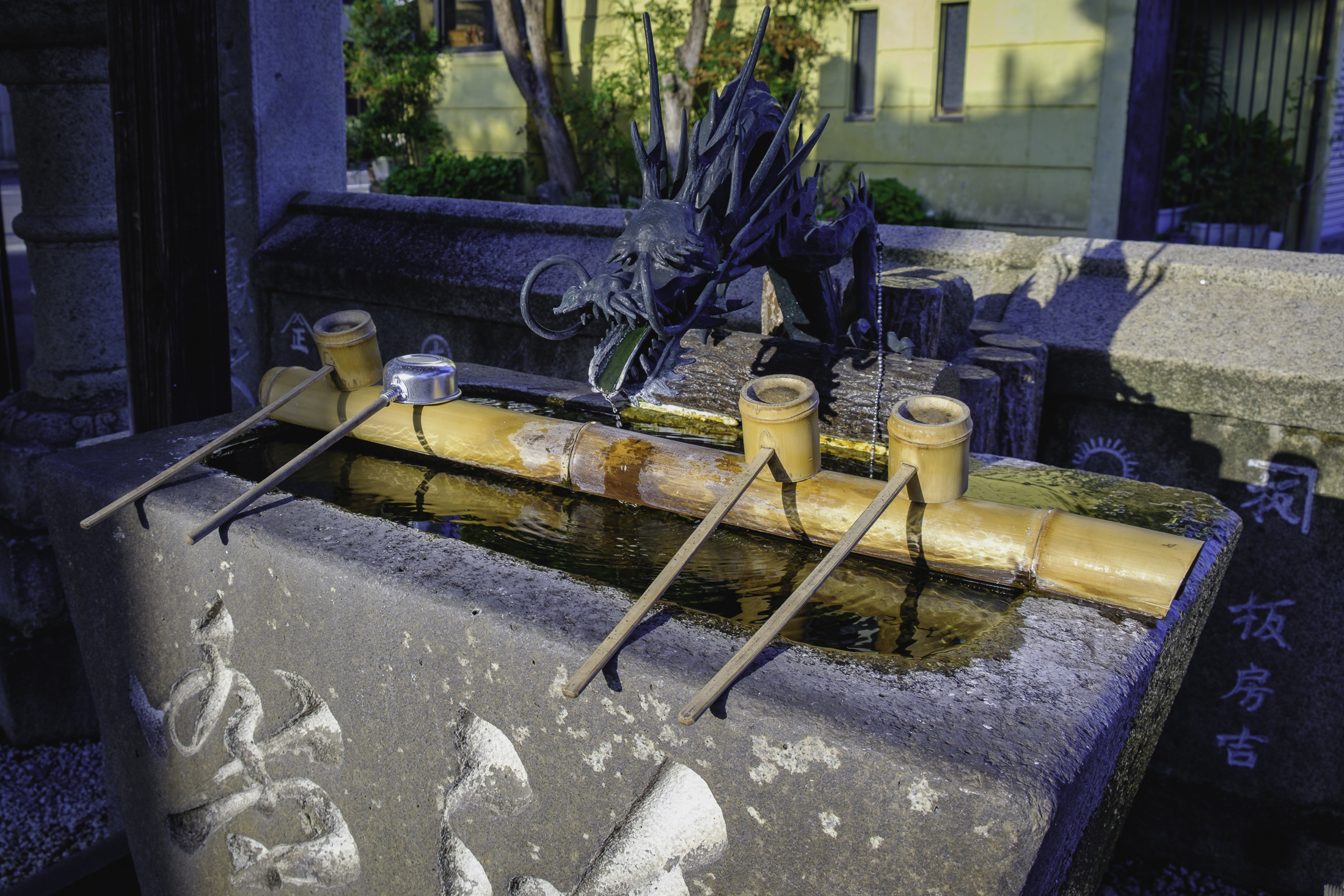
 

Fudō Myōō, a Buddhist protective deity holding a sword and rope
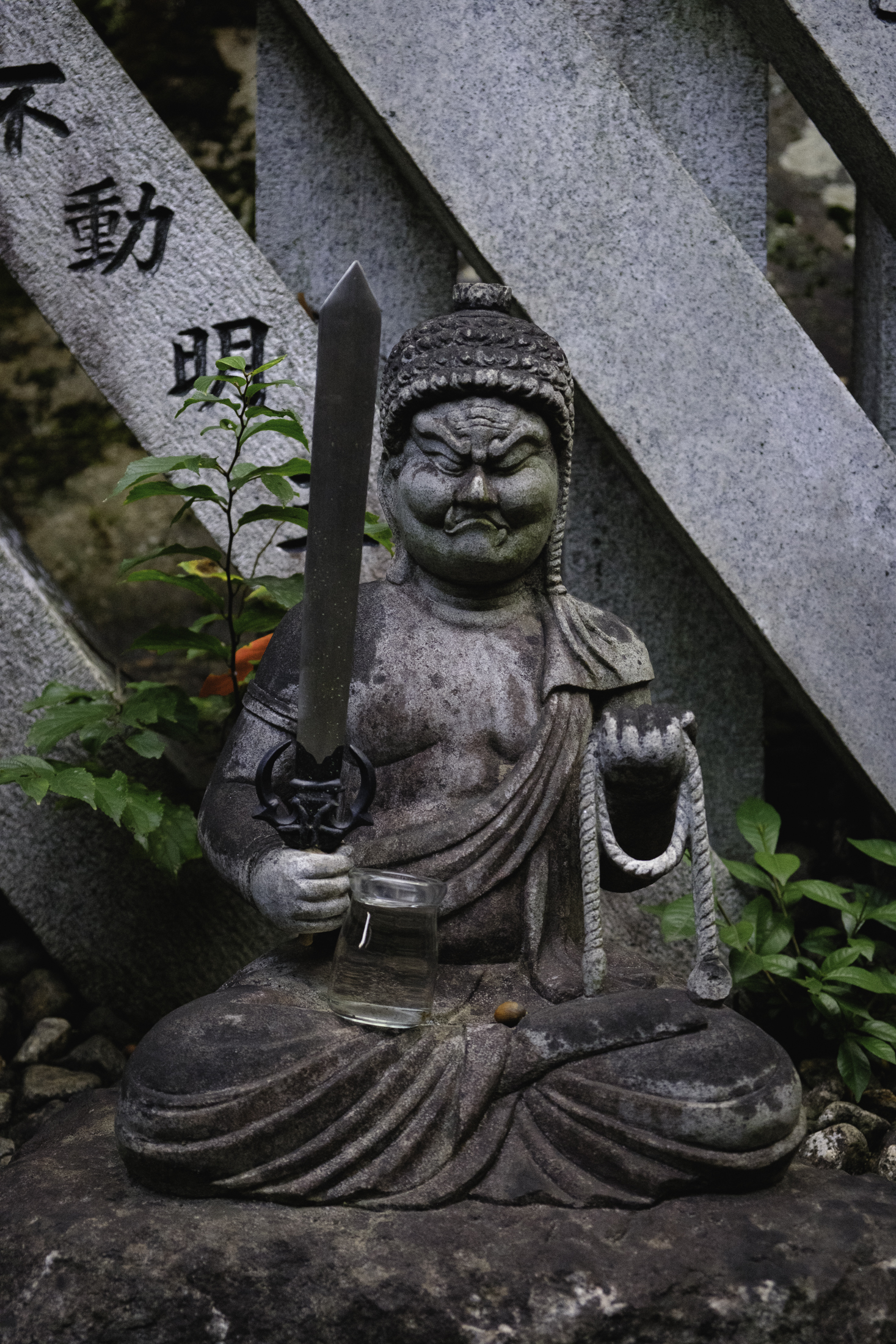
 

A gondola on the Senkoji Ropeway
 

Sunset over the Seto Inland Sea
During the planning phase of this trip, we debated staying in Hiroshima for two nights vs. staying there for one night and on Miyajima for one night.  The downside would be two one-night stays in a row; the upside would be enjoying Miyajima after the tourists leave one day and before they arrive the next day.

We, of course, chose Option B!  And I am SO GLAD we did!

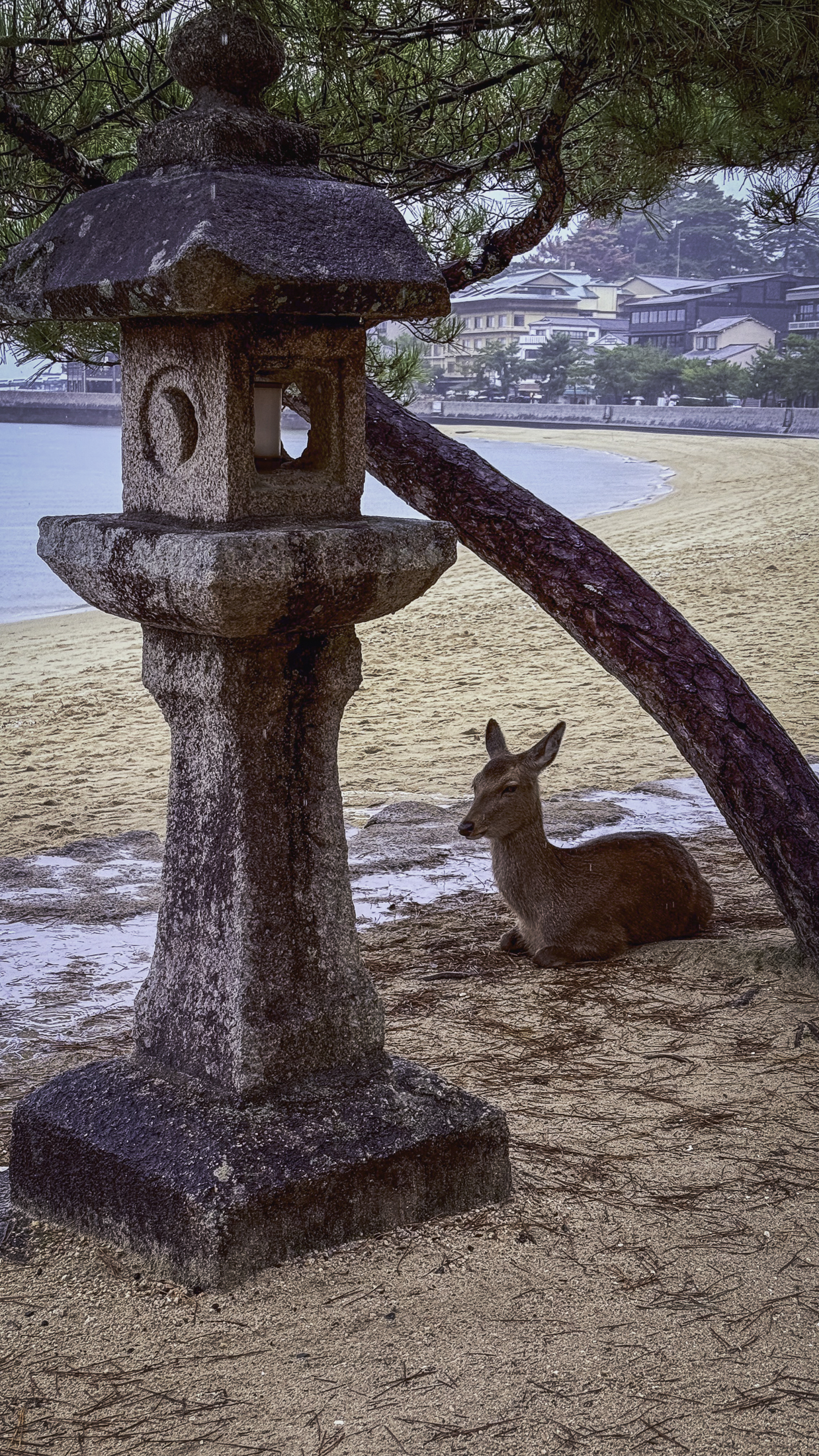
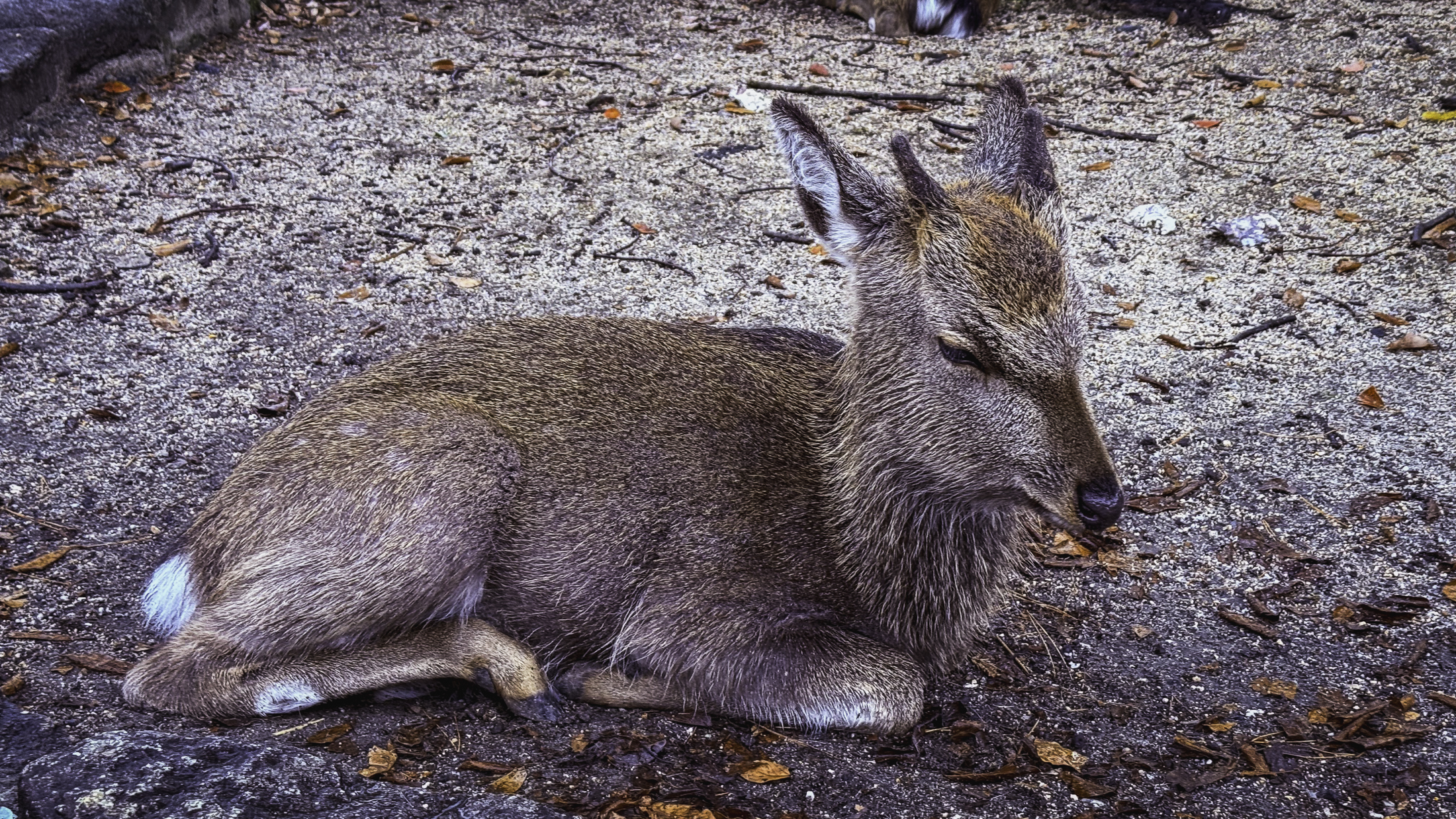
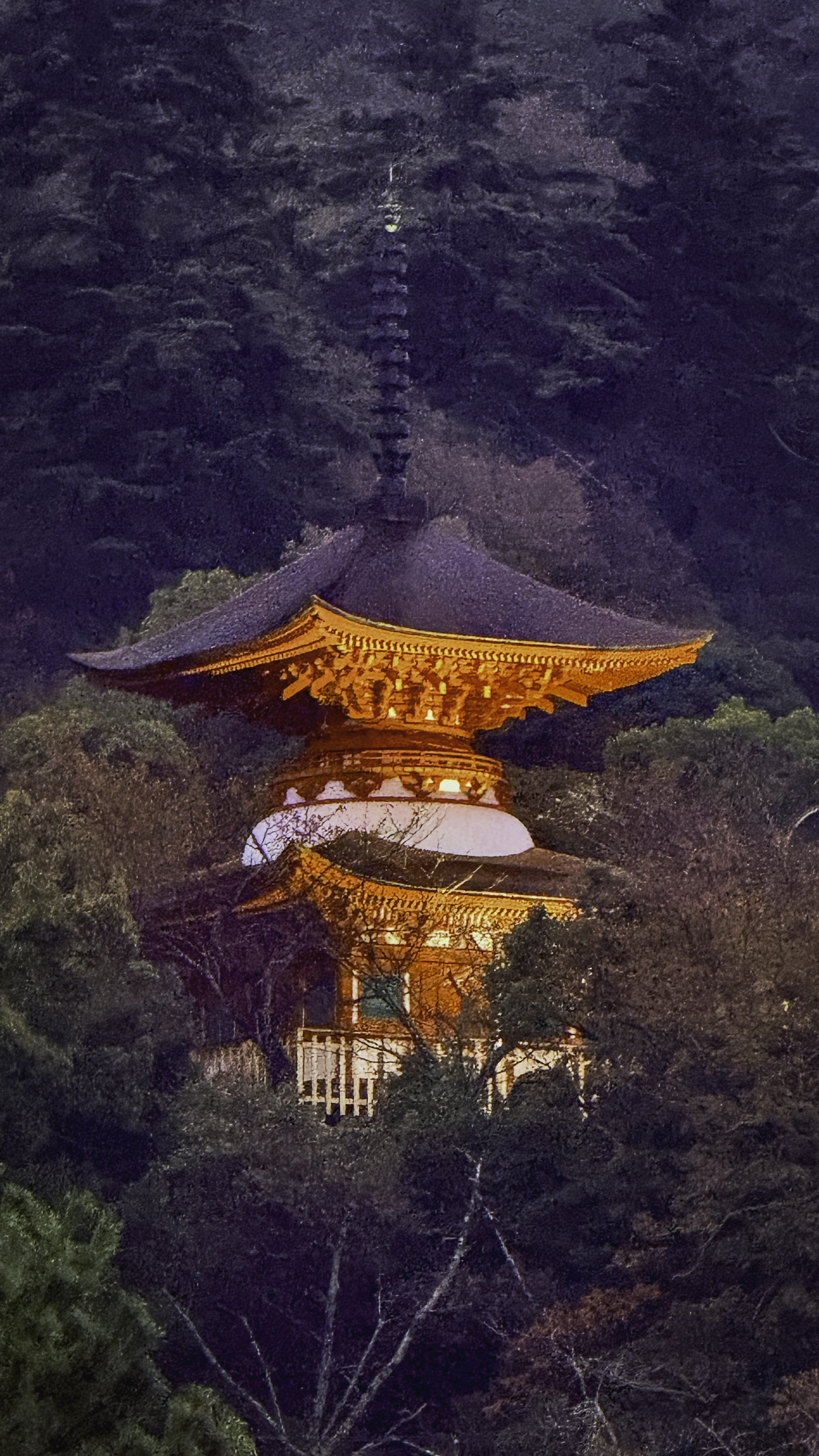
Miyajima is known for wandering deer, a ropeway to Mount Misen, the two-story Tahōtō Pagoda, and Itsukushima Shrine, a UNESCO World Heritage Site.

Oh!  And the Itsukushima Shrine’s Ōtorii gate!  Also known as the “floating gate!”

Here are several photos of the Ōtorii at various tide heights, angles, and lighting conditions


Itsukushima Shrine

 
Deer of Miyajima


Tahōtō Pagoda


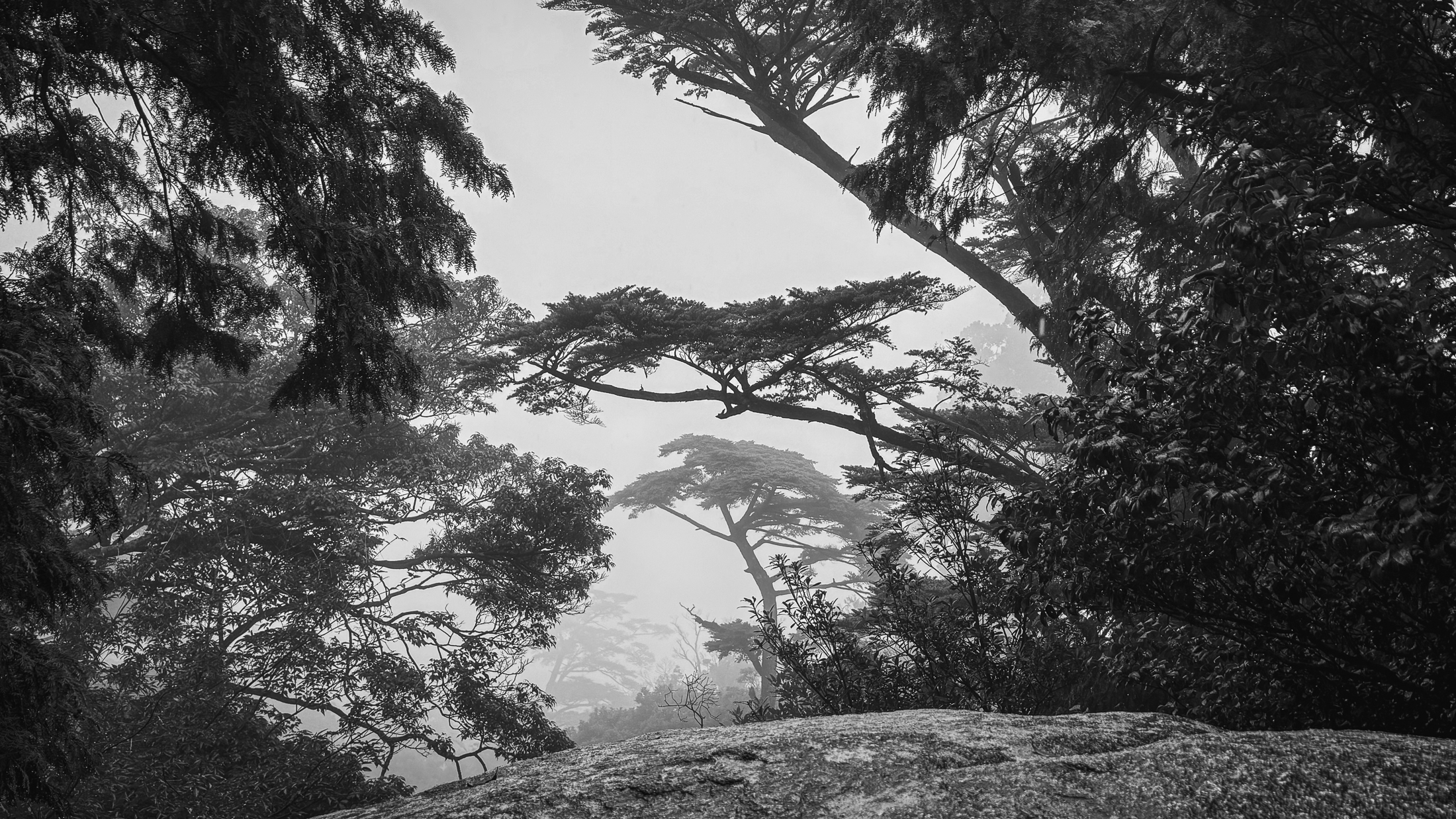
Mount Misen forest

Powerful.

Scary.

Overwhelming.

I could not go to Japan without visiting Hiroshima.

I’ve been to Auschwitz, Berlin, Yad Vashem.  These are all places where I felt, as a Jew, I was the victim.

In Hiroshima, I felt the pain of being an American, of being responsible for inflicting horror upon others.

Simplification?  Yes.

Regardless, that’s how I felt while listening to the stories on my audio tour of the Hiroshima Peace Memorial Museum.  The suffering as a result of the atomic bomb dropped by the United States onto the people of Hiroshima overpowered my emotions.

To maintain focus and out of respect, I took no photos in the museum itself.  While walking around outside of the museum, I kept picturing how the city looked after being devastated…the people, their homes, the buildings… 

Powerful.

Scary.

Overwhelming.

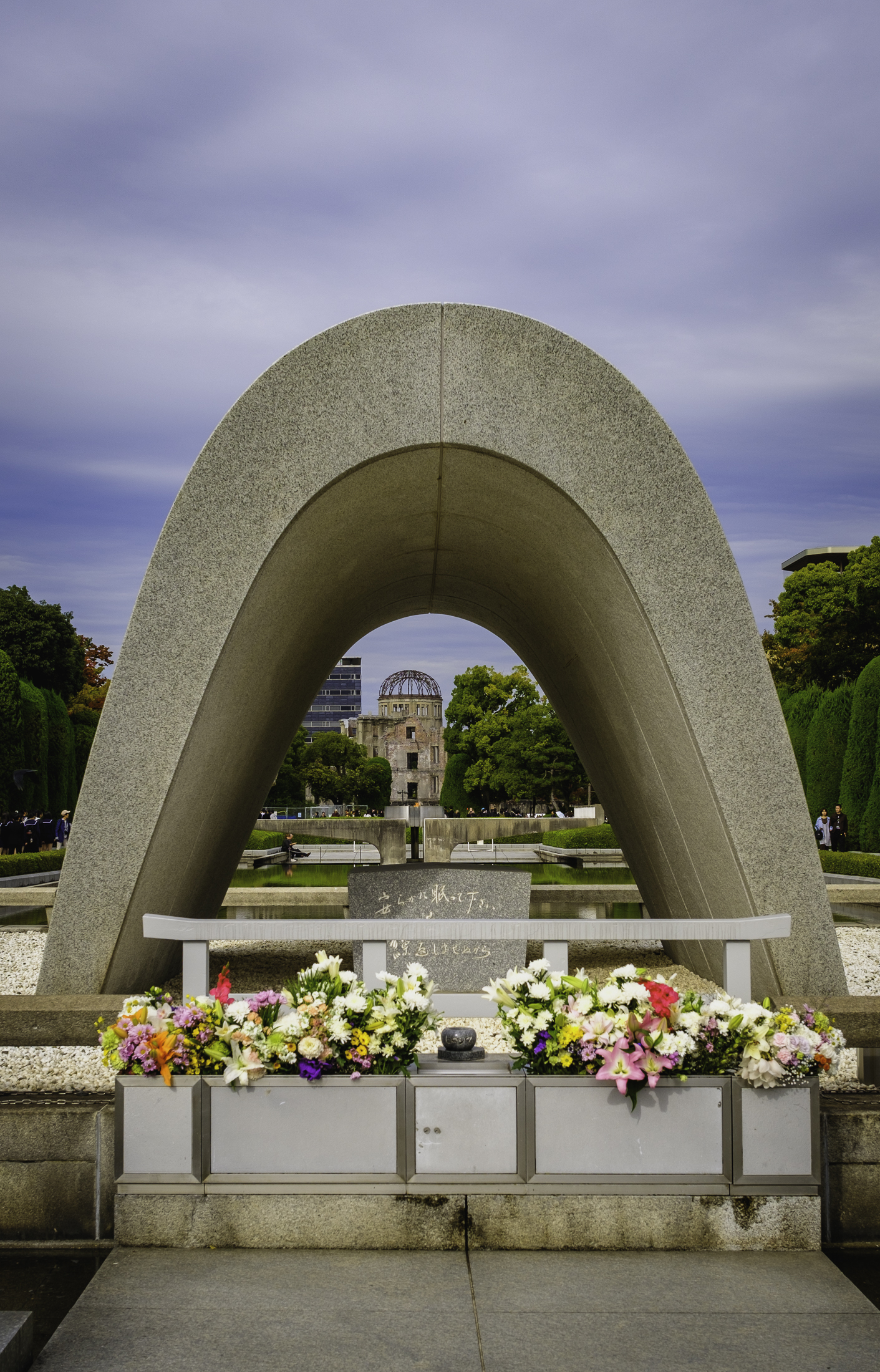
Cenotaph for the A-bomb Victims


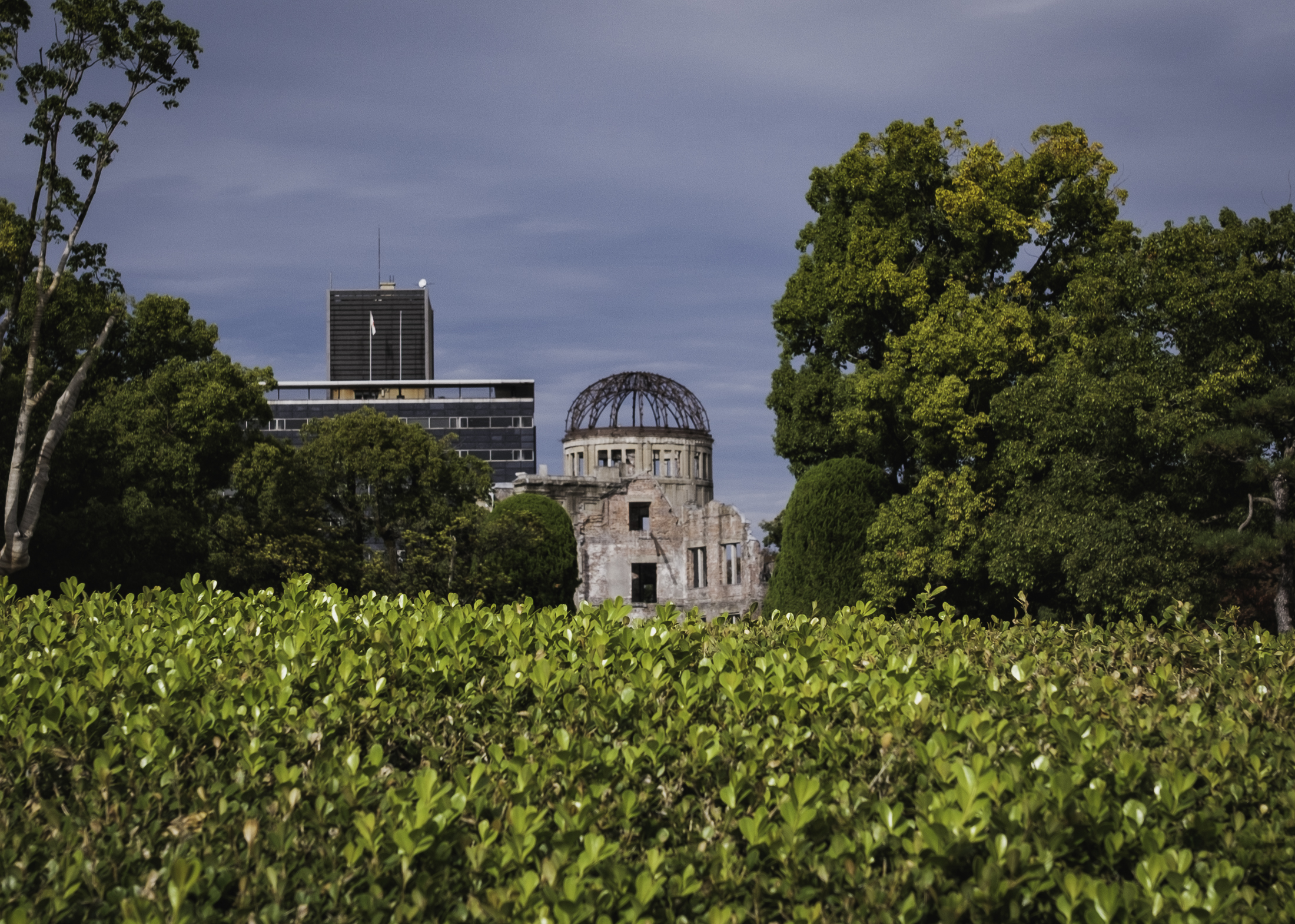
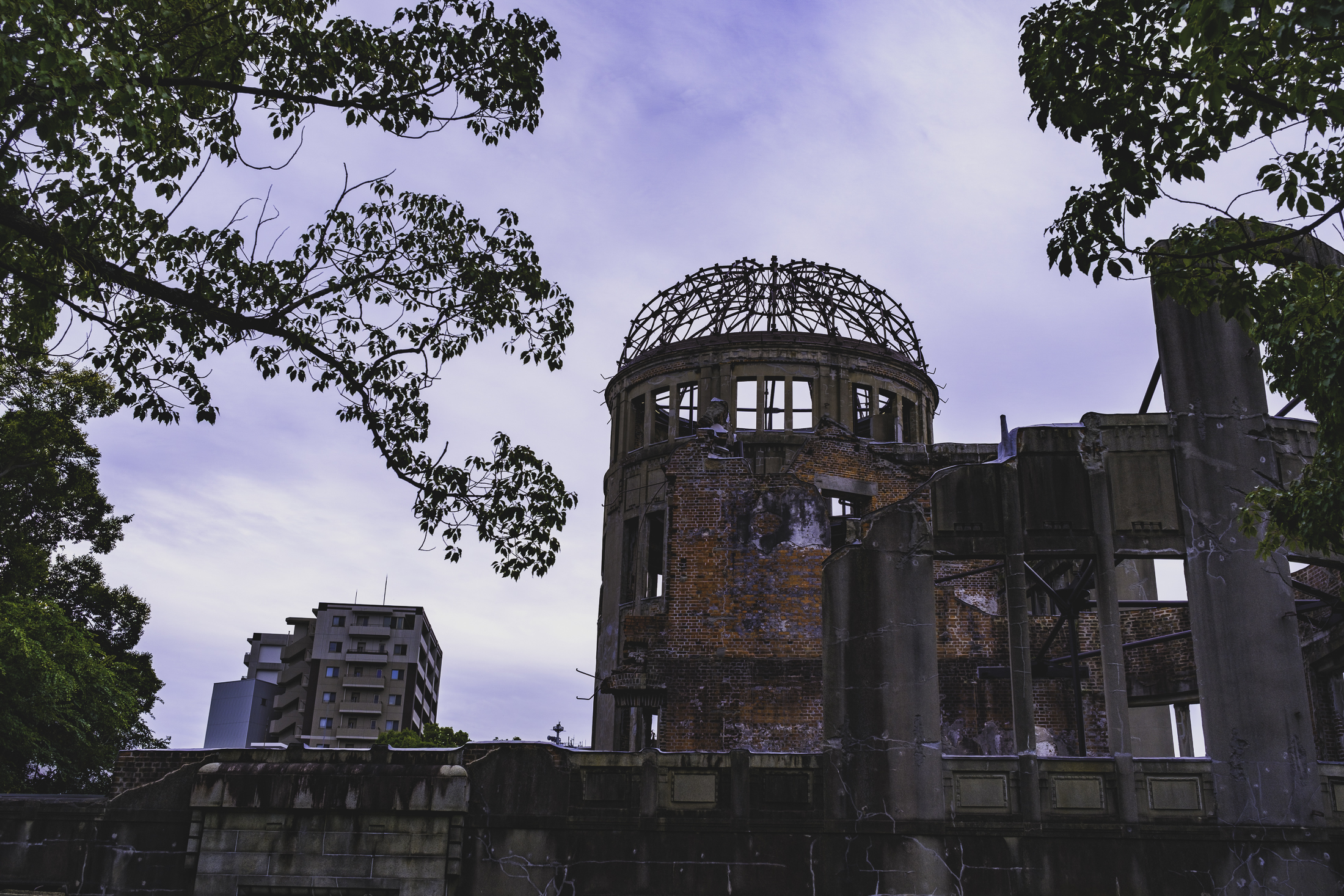
Atomic Bomb Dome


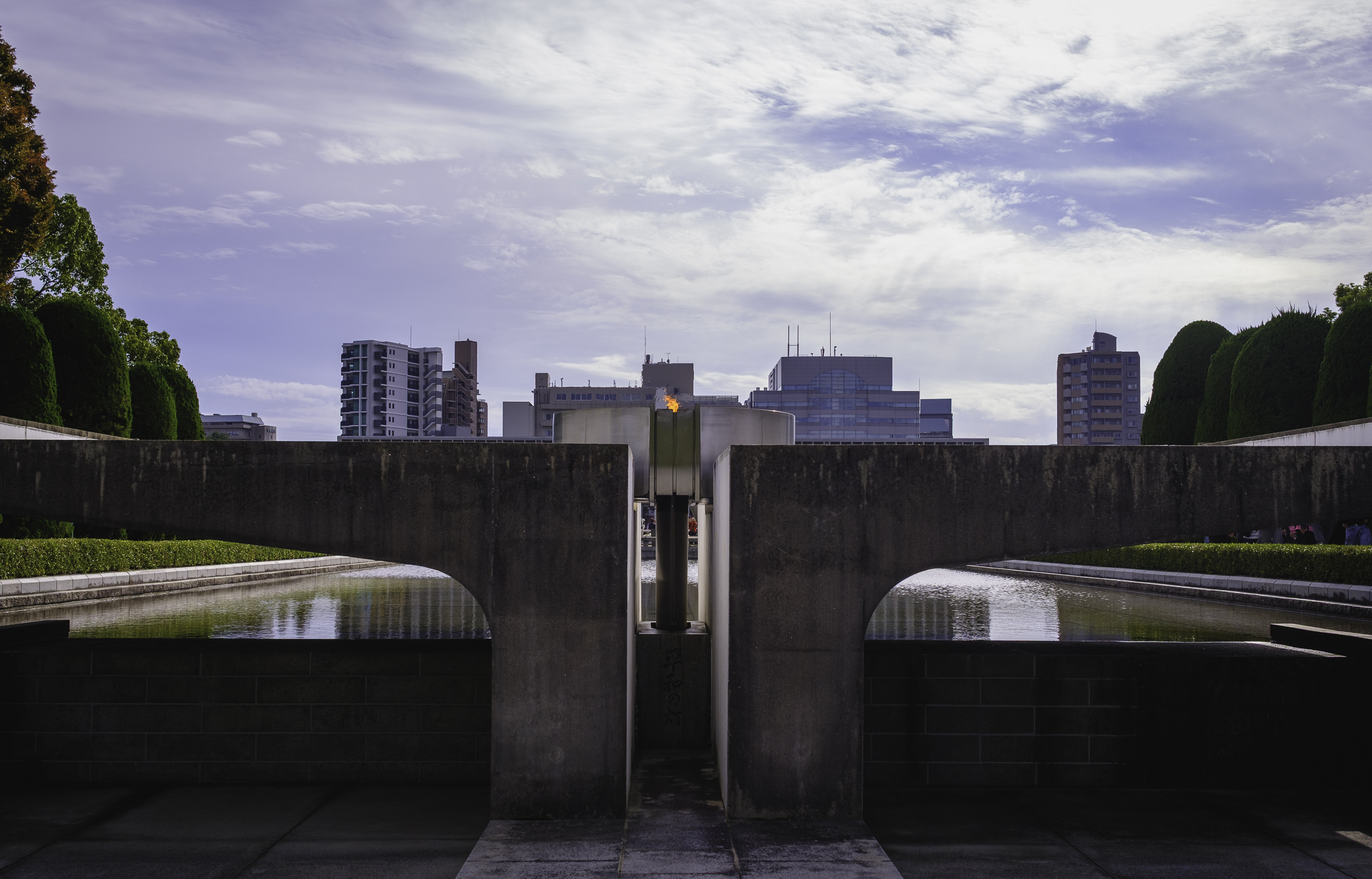
Flame of Peace, to be extinguished when nuclear weapons no longer exist


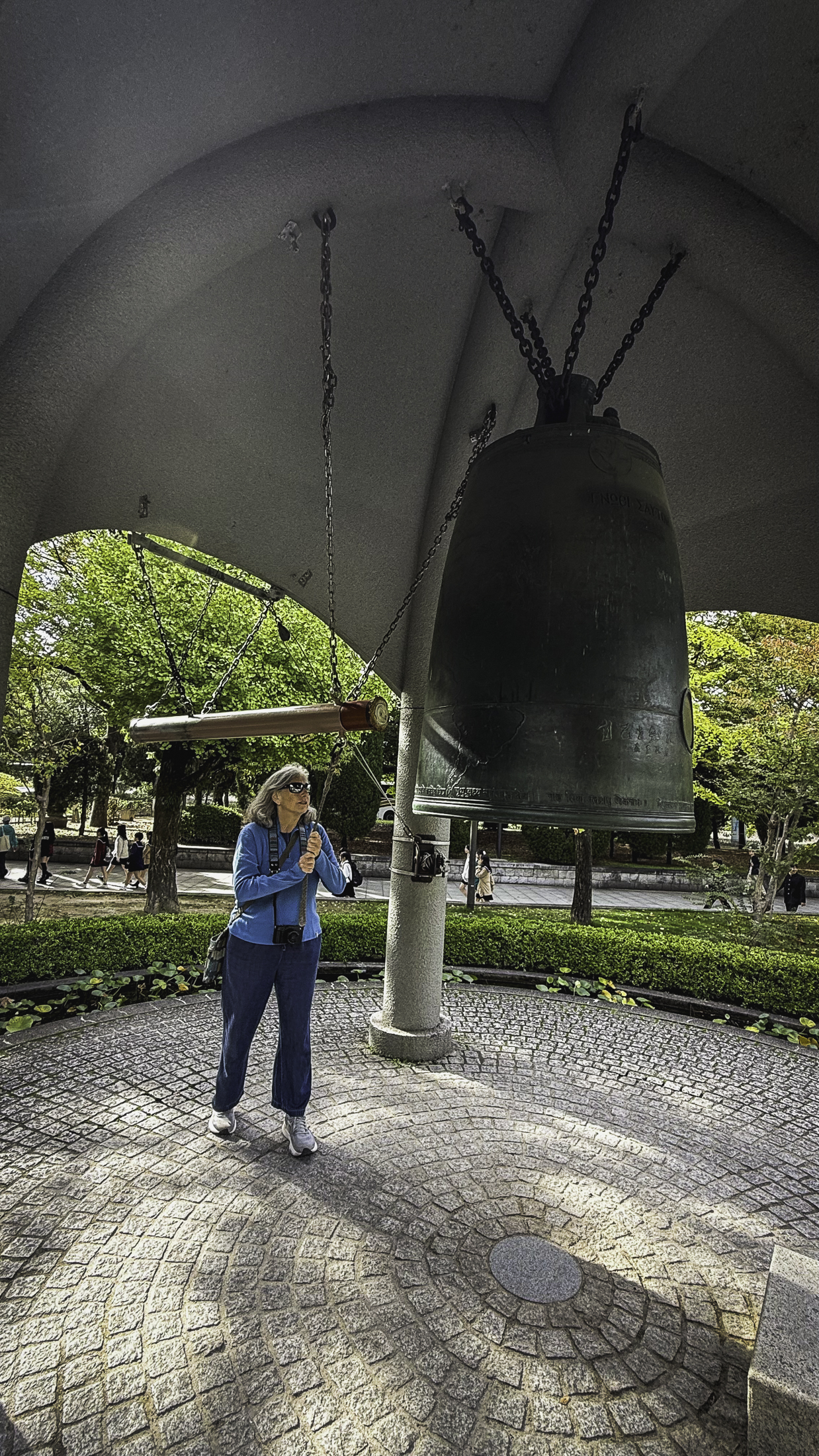
Peace Bell, expressing my call for peace


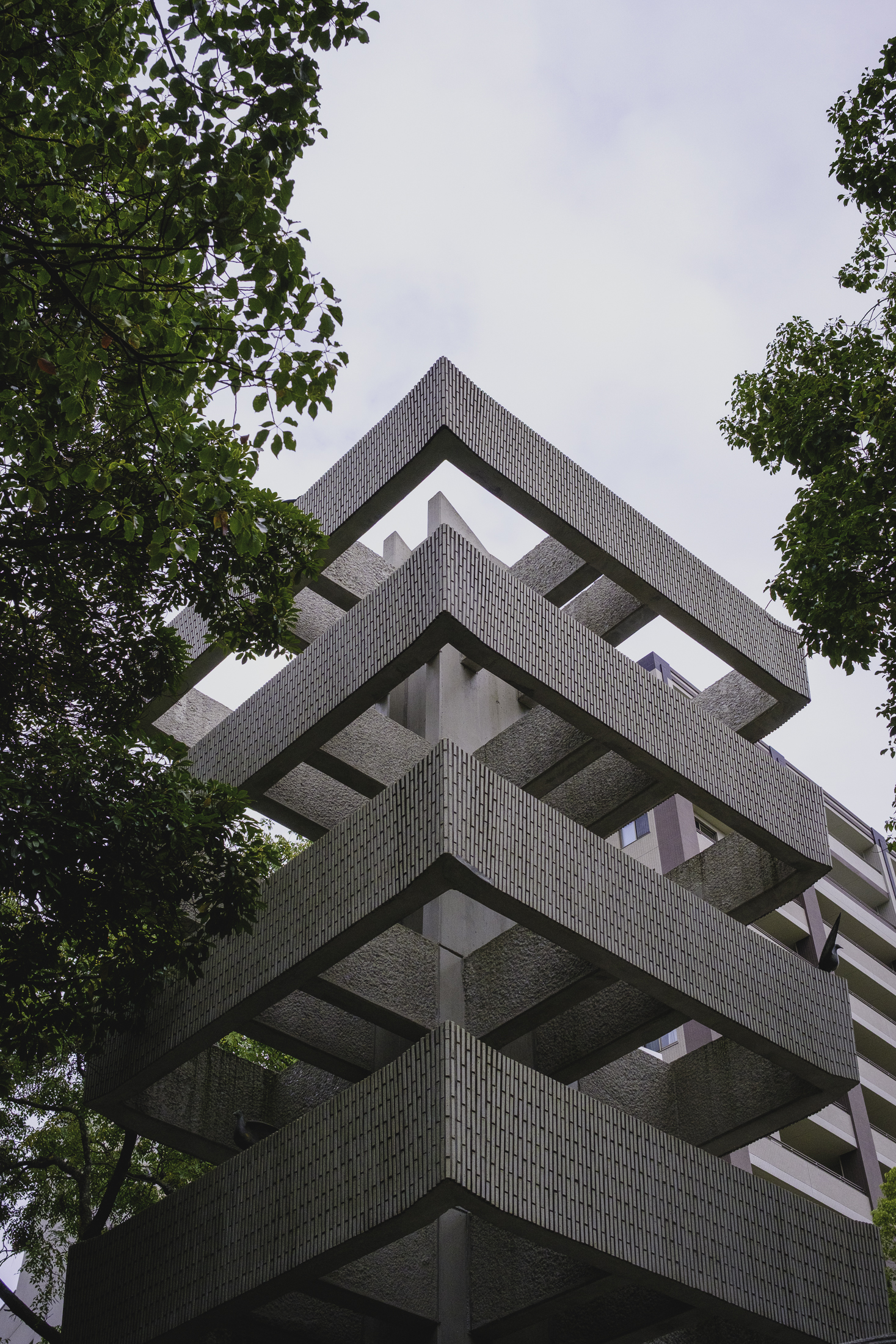
Memorial in the Hiroshima Peace Memorial Park


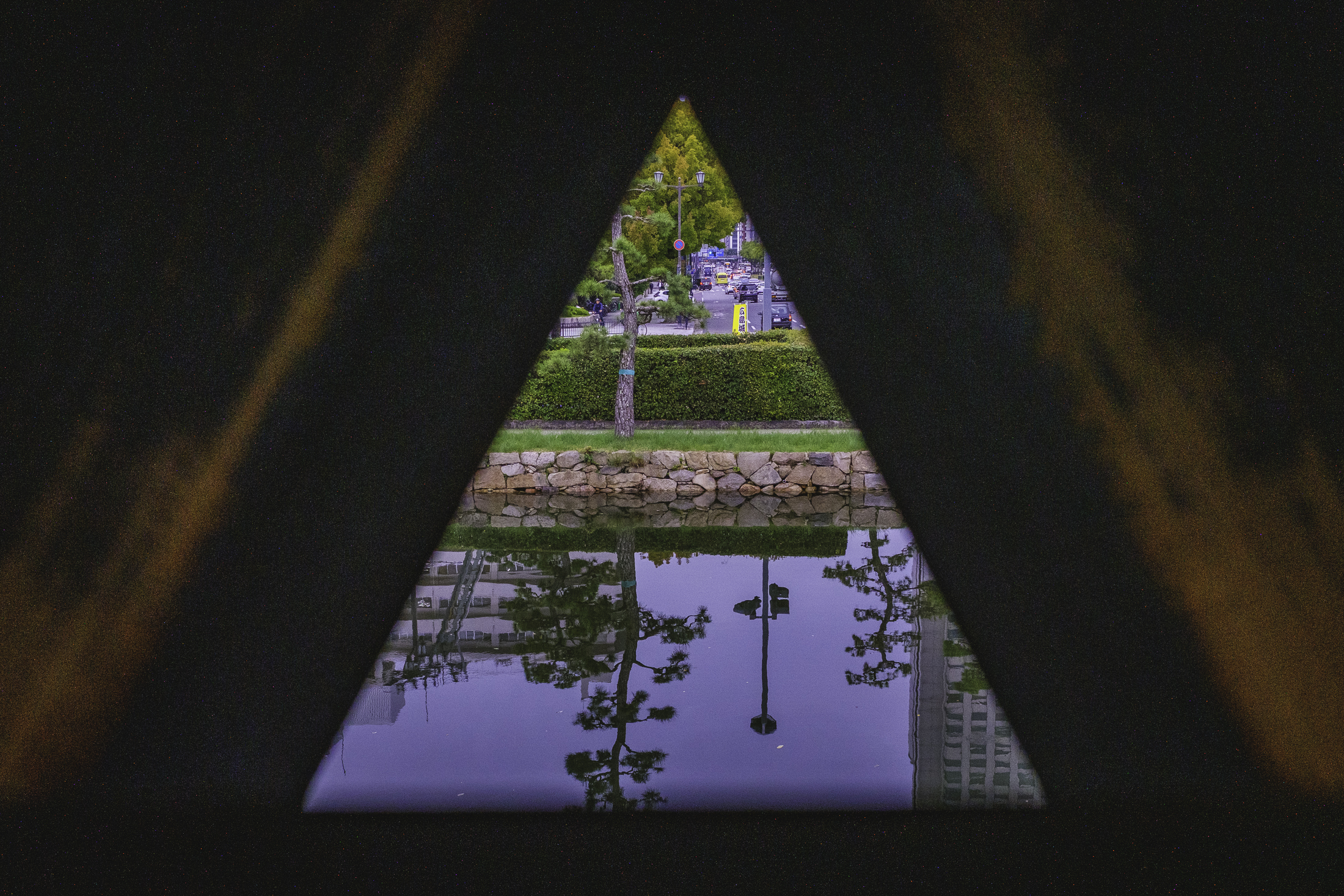
Hiroshima Castle (reconstructed):  View through a teppōzama (gun loophole)


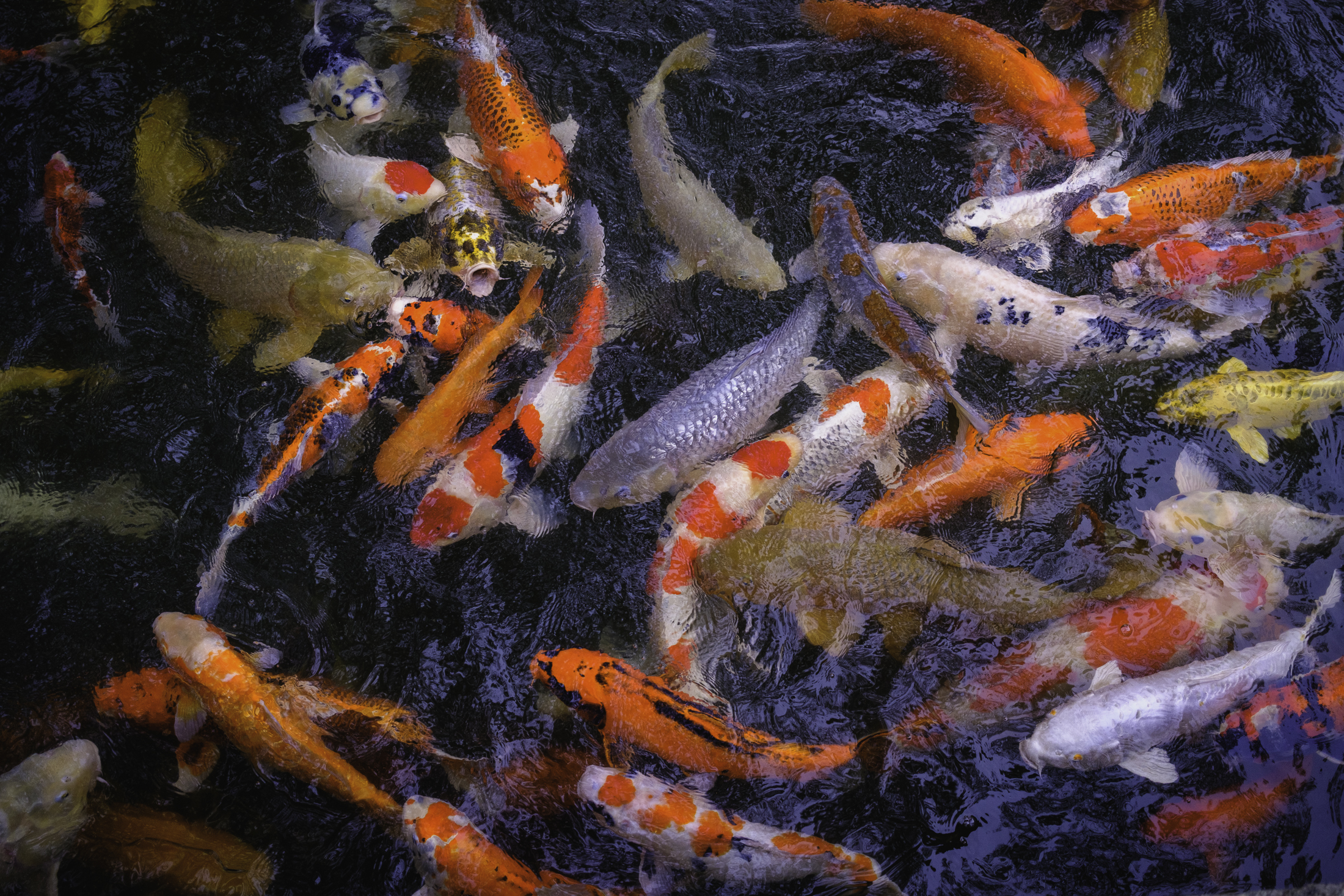
Shukkeien Garden Koi carp


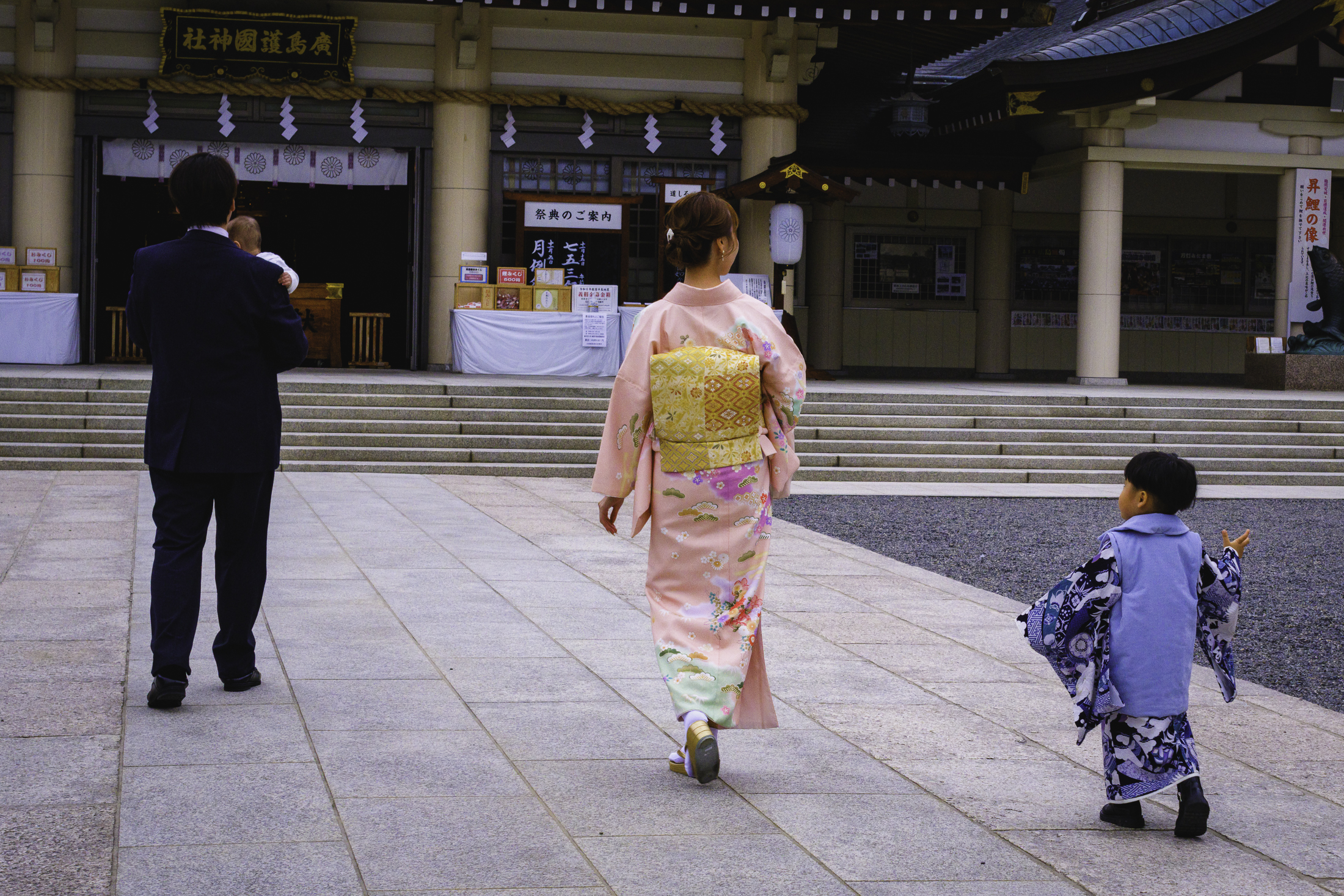
A family dressed in traditional clothes, perhaps for the three-year old’s photo, entering Hiroshima Gokoku Shrine


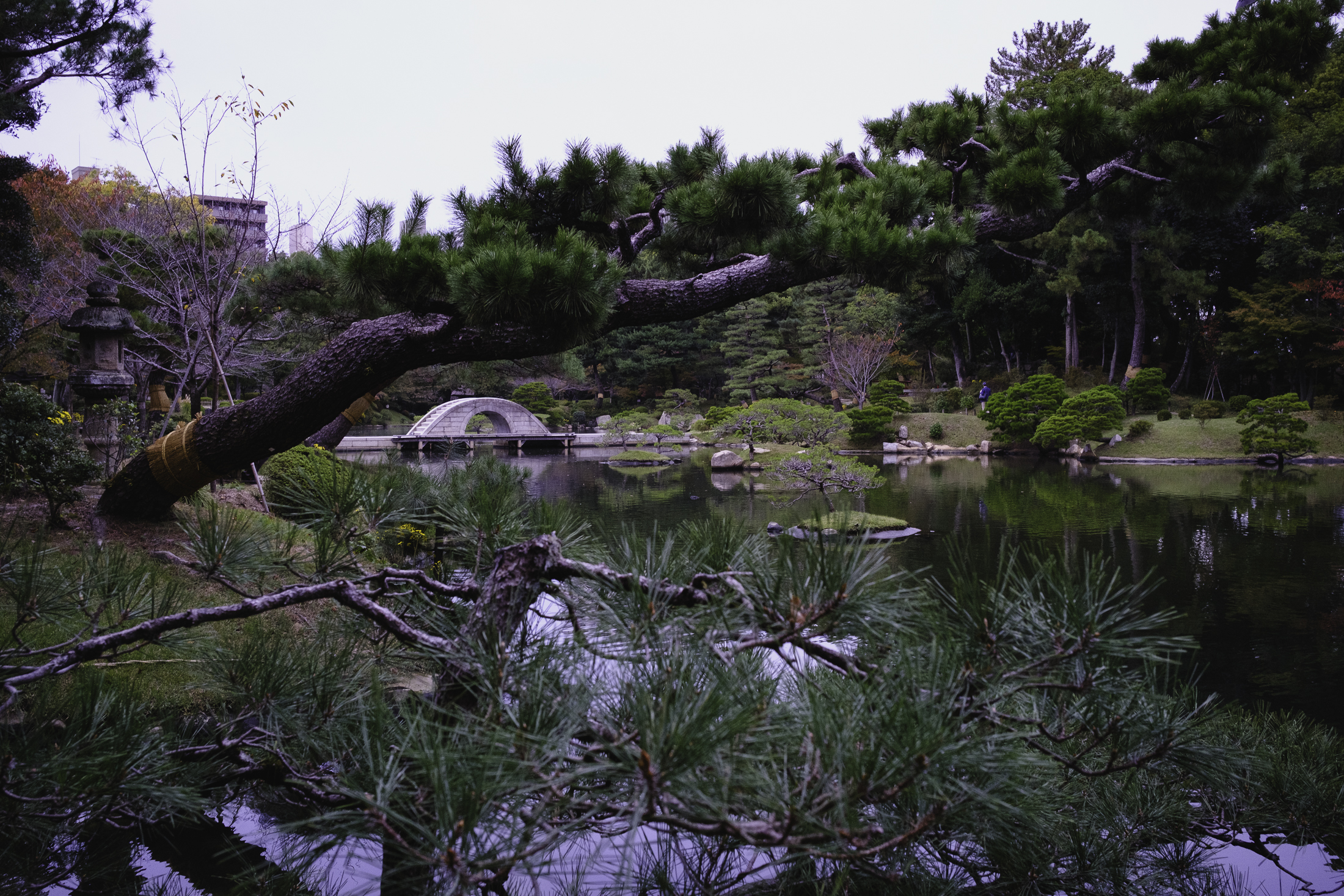
Shukkeien Garden