I enjoyed this day so much more than the first day! 

During the ride, we encountered few cars, saw marvelous seascapes, and crossed several bridges.

It was, truly, a delightful day!

As we didn’t want to miss our late afternoon series of trains to Osaka, we had a relatively early breakfast at Suminoe Ryokan, following a bit of a tough night sleeping on futons (more on those later!).  Since we had to cycle about 50 km (vs. around 30 km the first day), we left by 8:30, hoping to arrive in Imabari by 3:30, when we had to swap our bikes for our luggage.  With many stops to take photos and without rushing, we arrived two hours early!  Therefore, we even had time to explore Imabari a bit before embarking on our long journey to Osaka.

Day 2’s first bridge:  Tatara Bridge, connecting Ikuchijima and Ōmishima
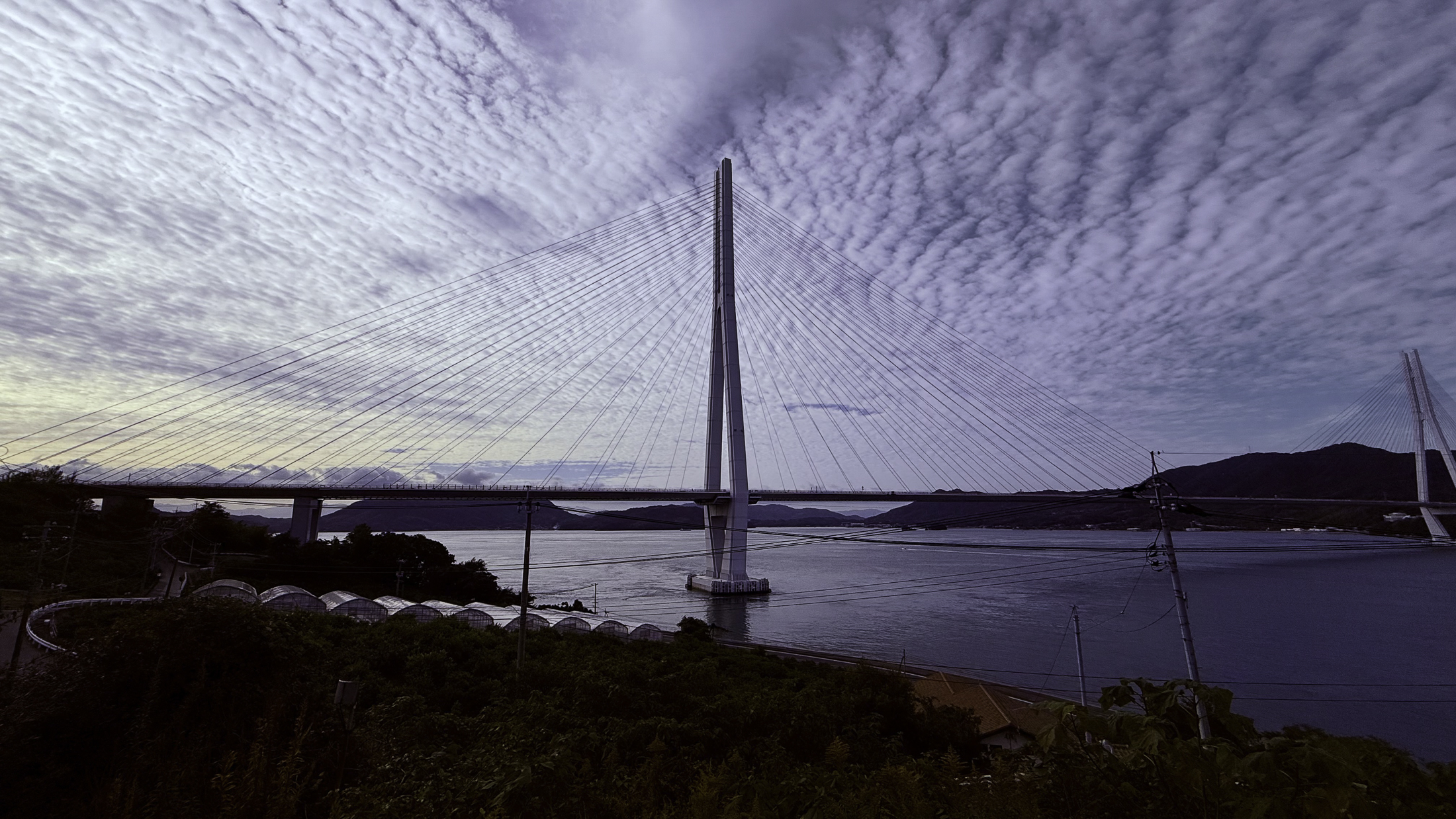
 

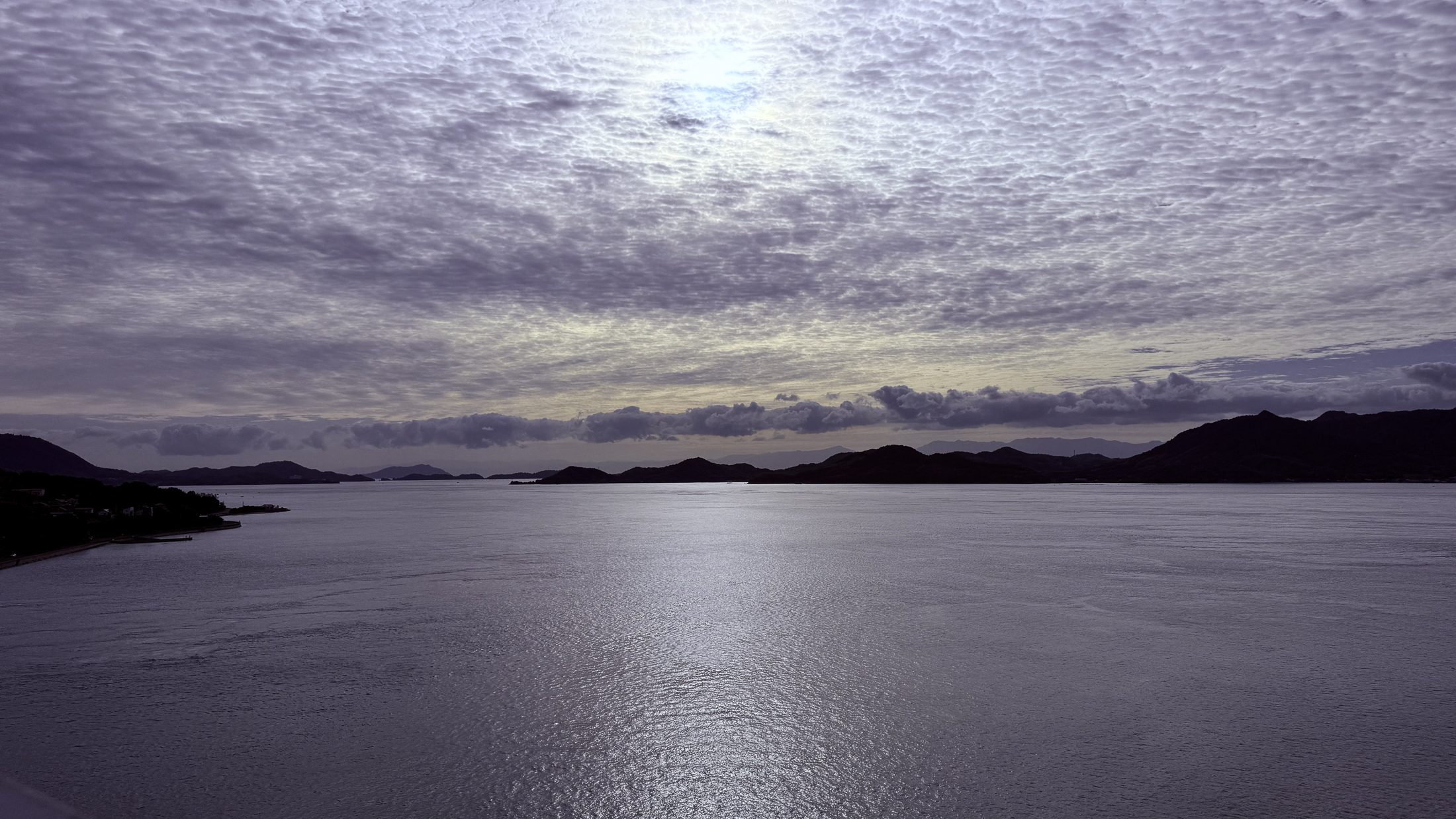
Seto Inland Sea from Tatara Bridge
 

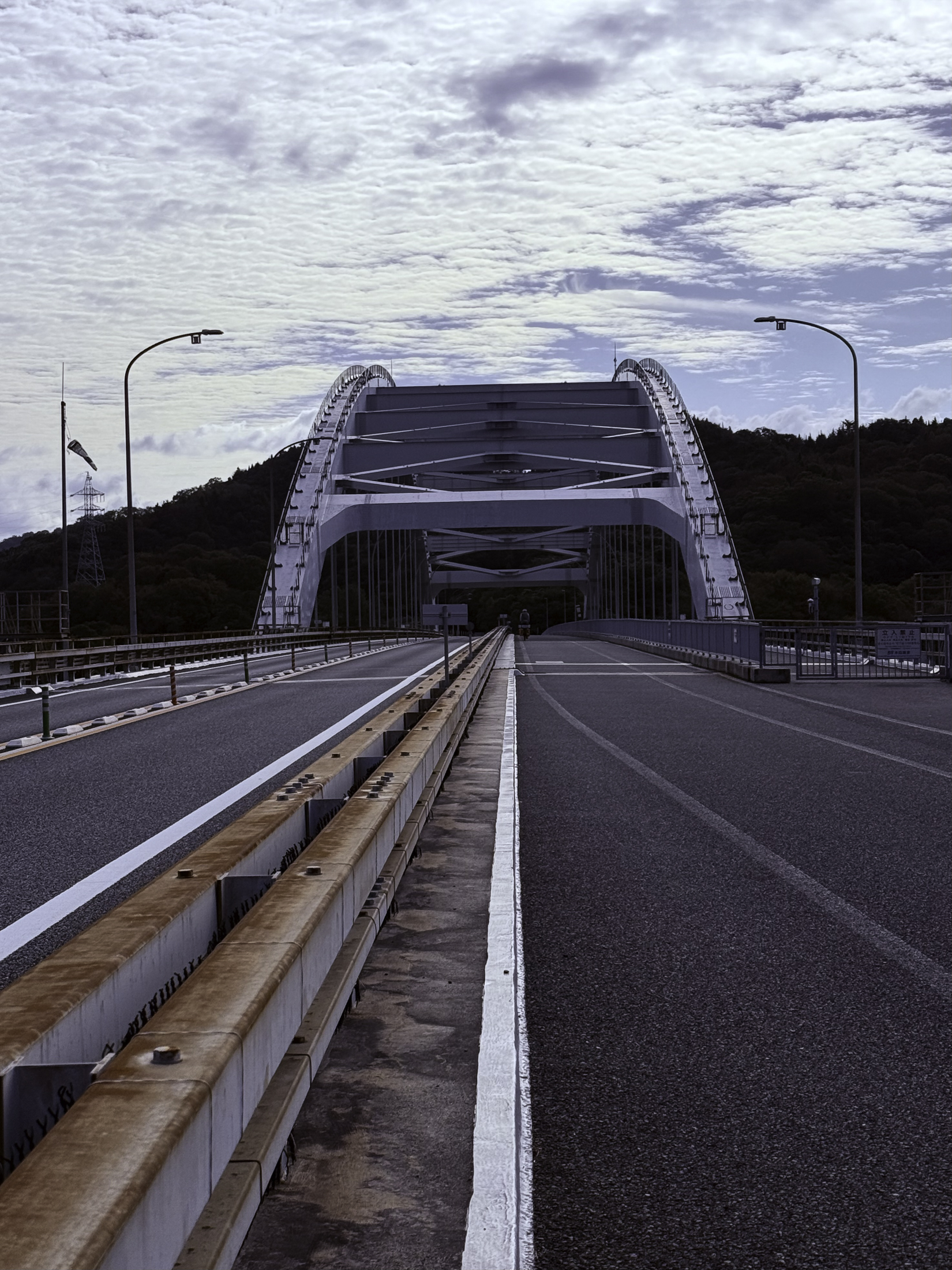
Day 2’s second bridge:  Ōmishima Bridge (Ōmishima-bashi), connecting Ōmishima Island to Hakatajima Island
 

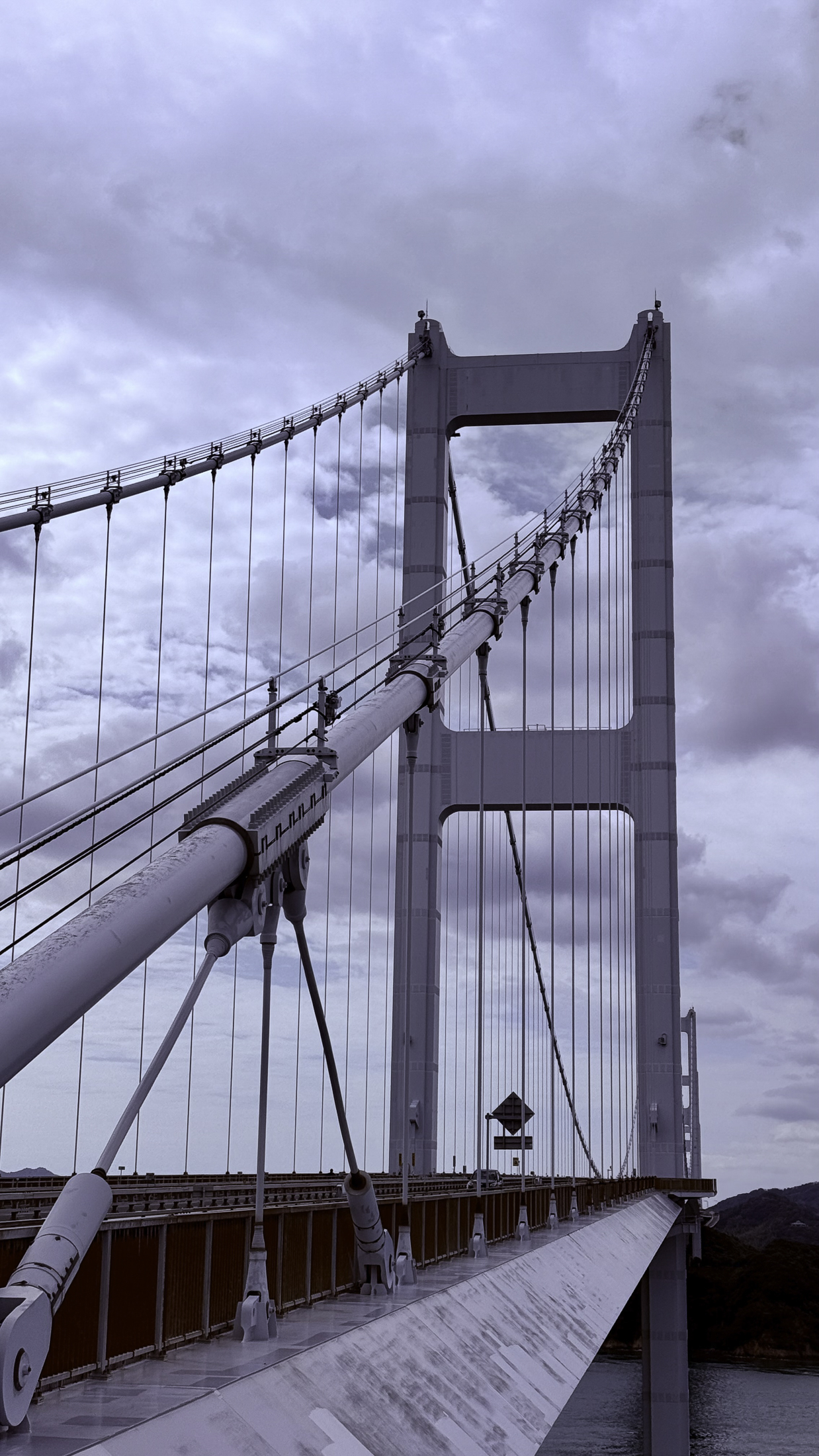
Day 2’s final bridge:  Kurushima Kaikyō Bridge, three interconnected suspension bridges joining Ōshima and Imabari
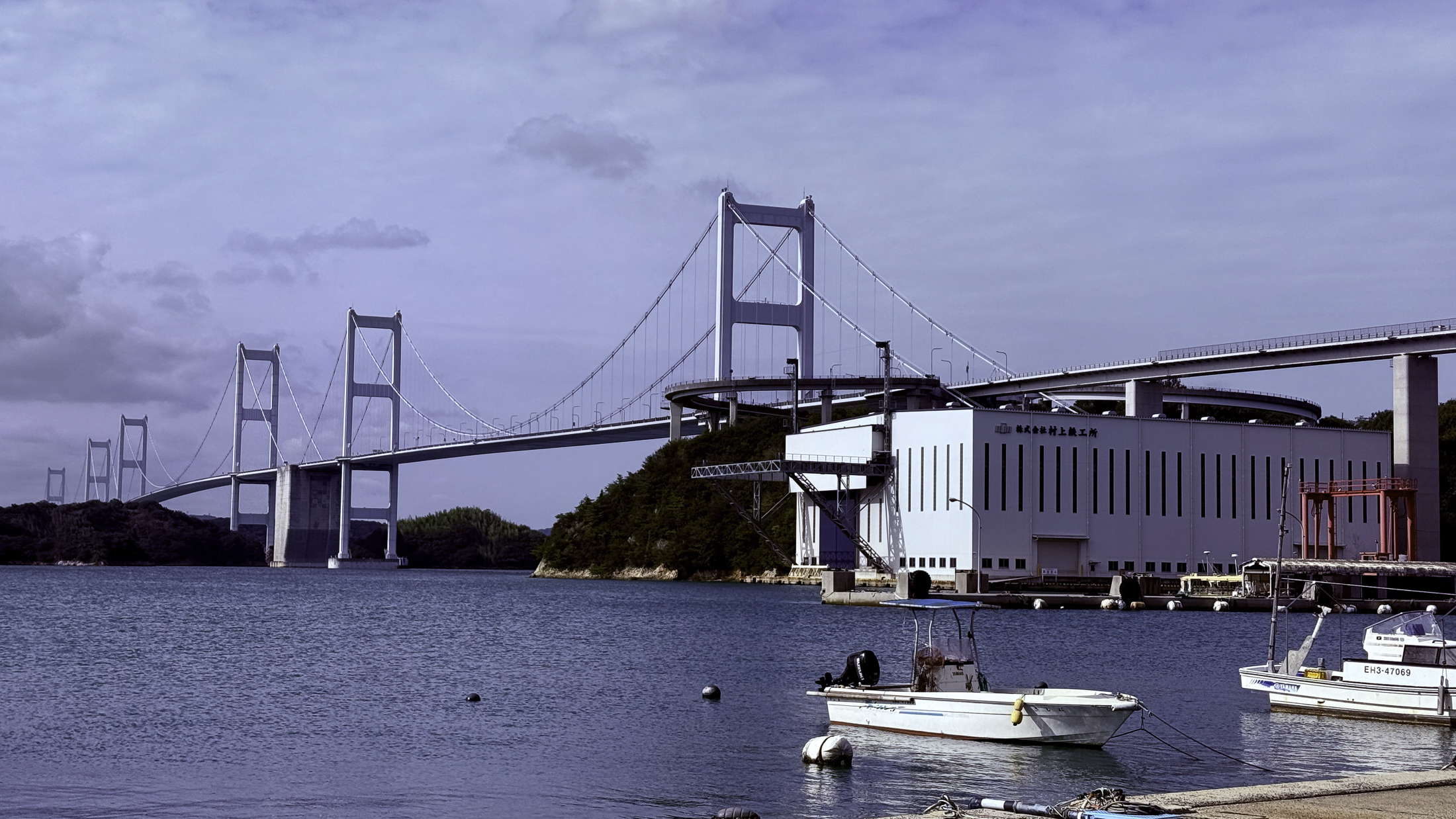
 

The Kurushima Kaikyō Bridge
 

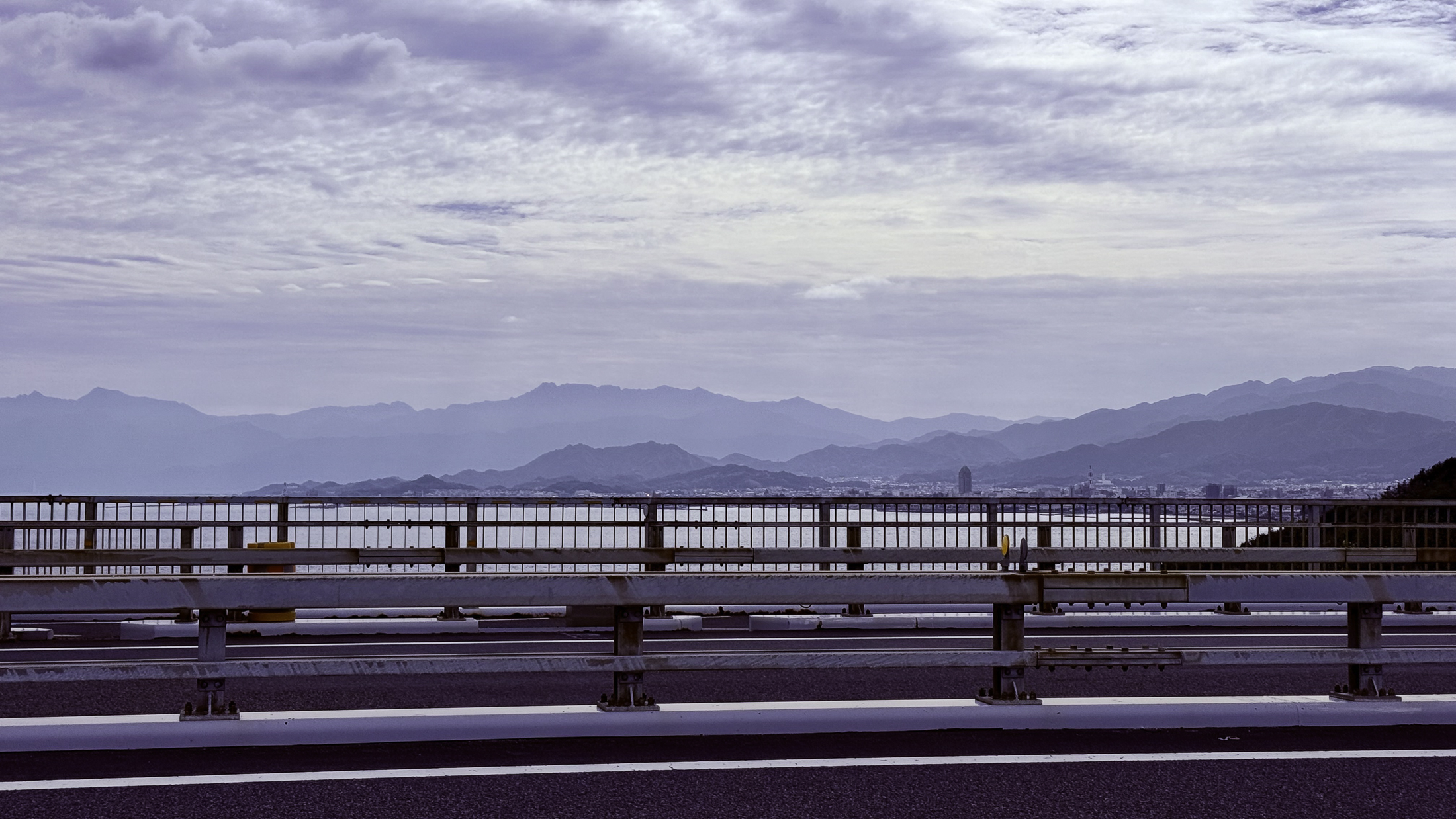
Imabari and the mountains of Shikoku as viewed from the Kurushima Kaikyō Bridge
 

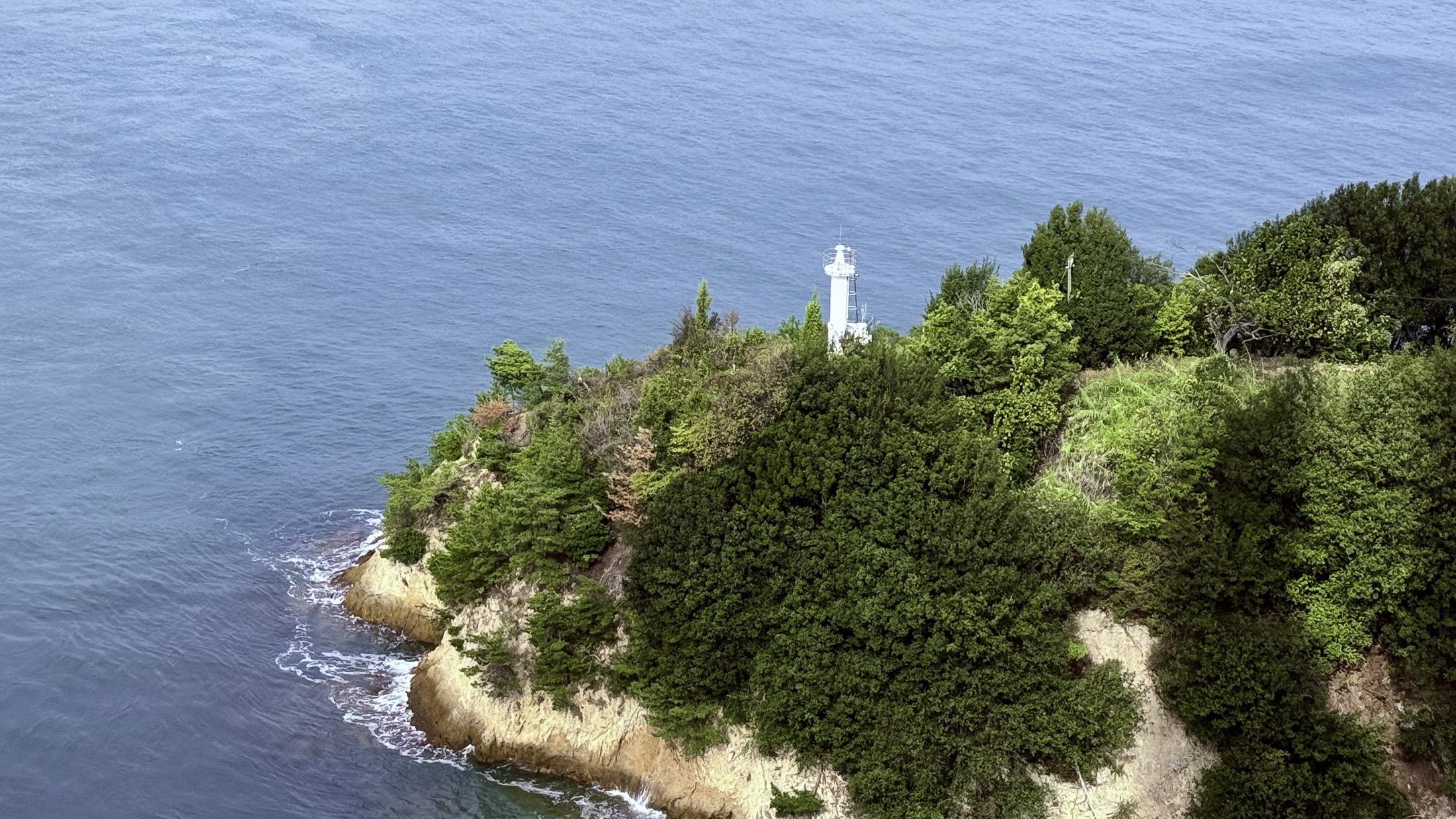
Ōhama Lighthouse as seen from the Kurushima Kaikyō Bridge
 

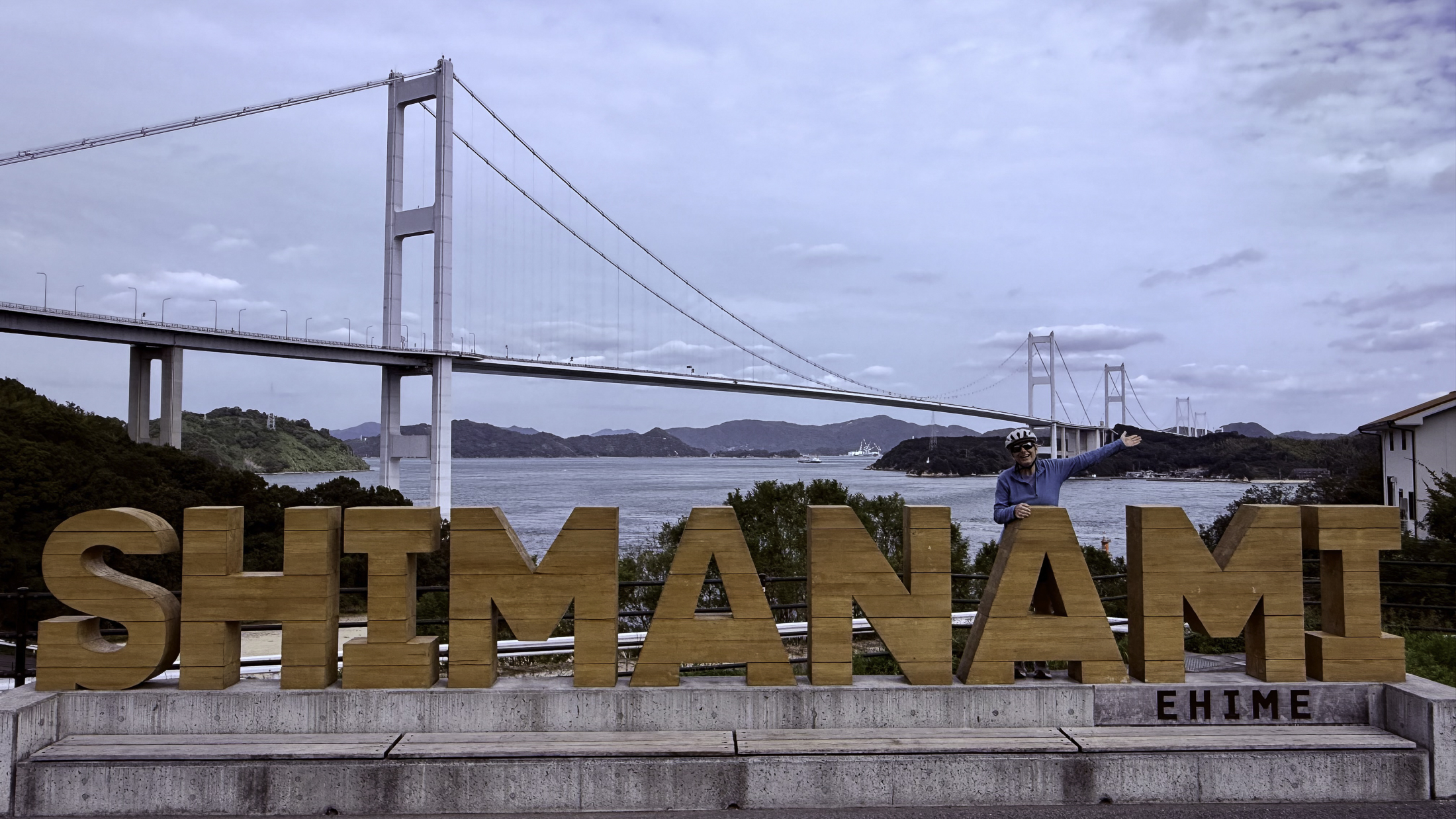
Success!
 

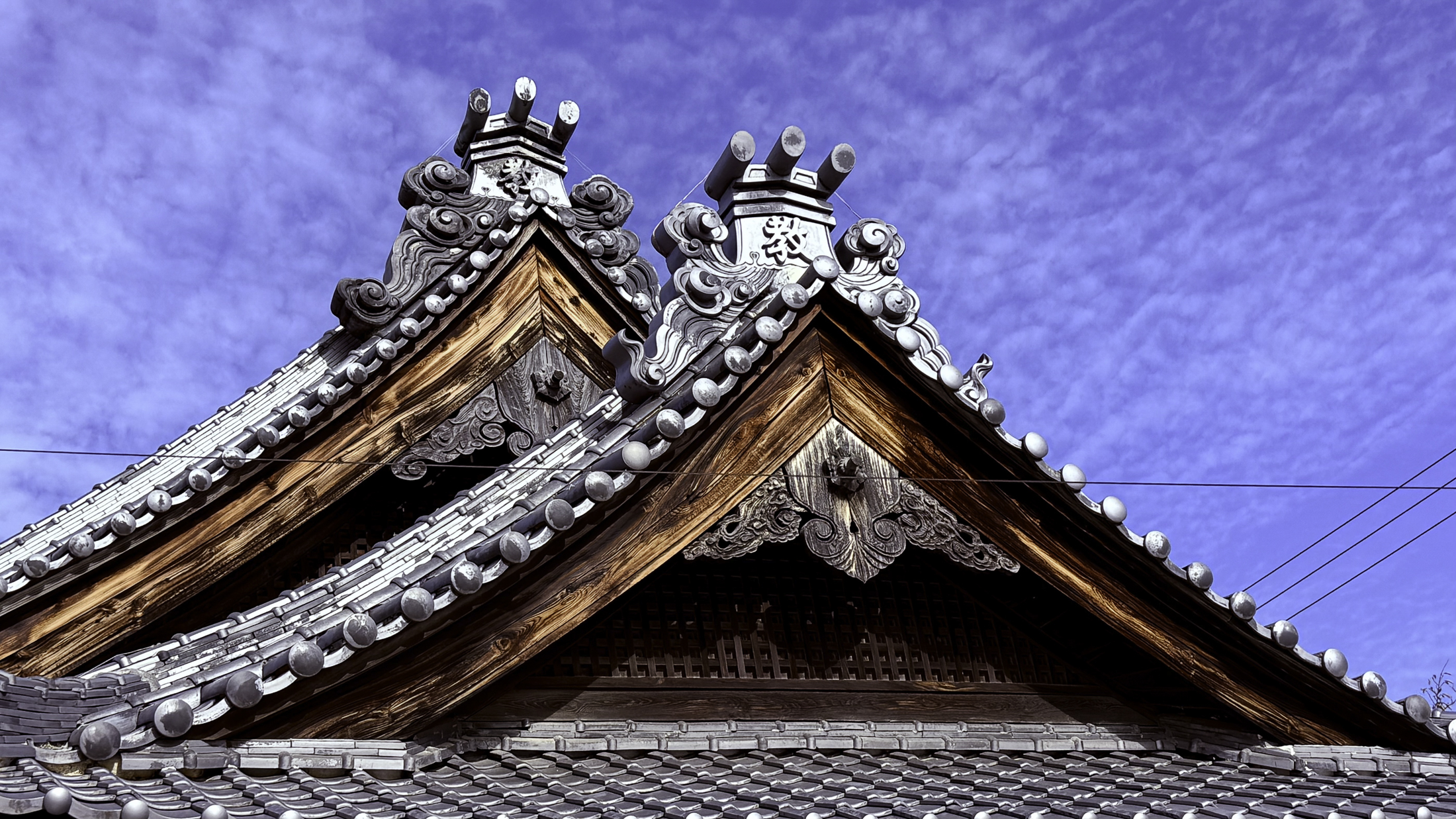
Nankōbō Temple in Imabari
 

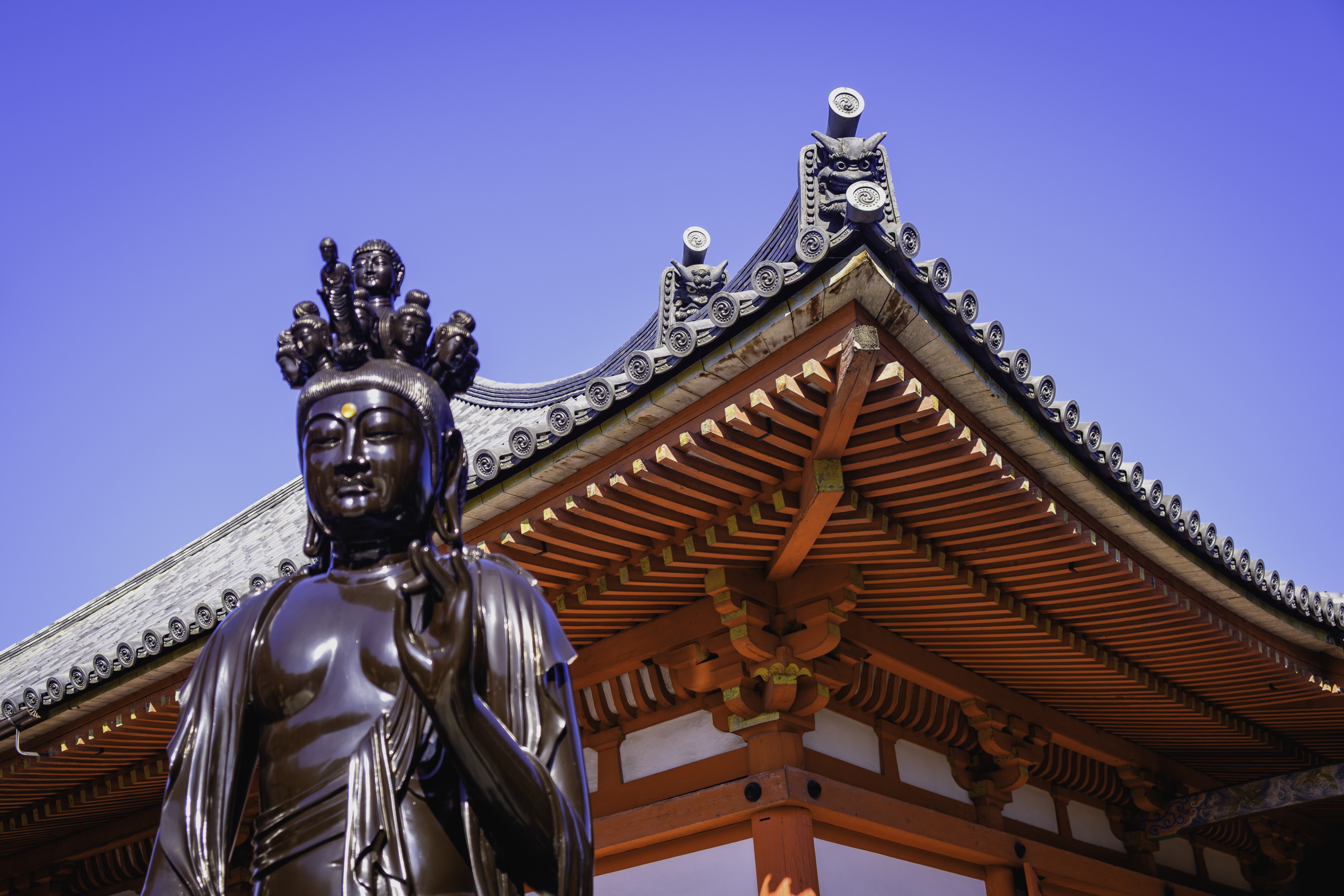
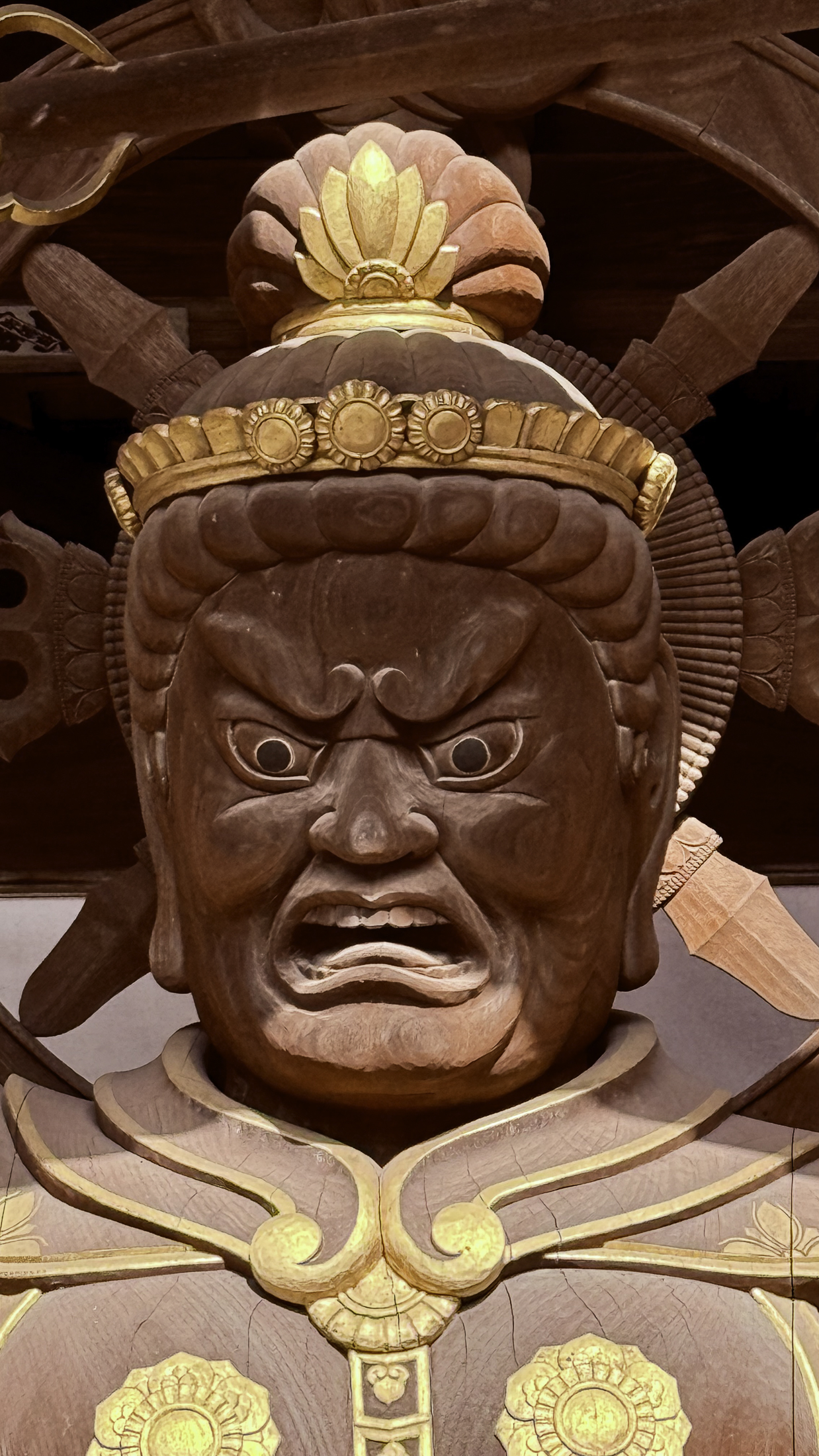
Nankōbō Temple in Imabari:  Buddhist guardian Niō
One of my favorite adventures was my Barge & Bike trip in August 2022.  Riding an e-bike through the Dutch countryside exhilarated me.

 So when Kayla suggested we tackle the Shimanami Kaidō, a 70 km ride through islands in the Seto Inland Sea, I enthusiastically agreed.  Provided, of course, I could ride an e-bike!

In fact, we both reserved e-bikes and organized a two-day adventure, with luggage transfer to make our journey easier.

On the first morning, we picked up our bikes from Better Bicycles and began following the BLUE LINE marking the trail.

I admit…I was a little disappointed as we began the day passing through traffic, towns, and roads.  I thought we’d be exploring more countryside than city-spaces.  

Our ride began with not a ride but rather a quick ferry crossing from Onomichi to Mukaishima.  Afterwards, it was the BLUE LINE for us!  Fortunately, we arrived in Setoda with plenty of time to walk to Sunset Beach (off-season looks much different than I’m sure it does in season) and the fabulous Kōsan-ji Temple complex.

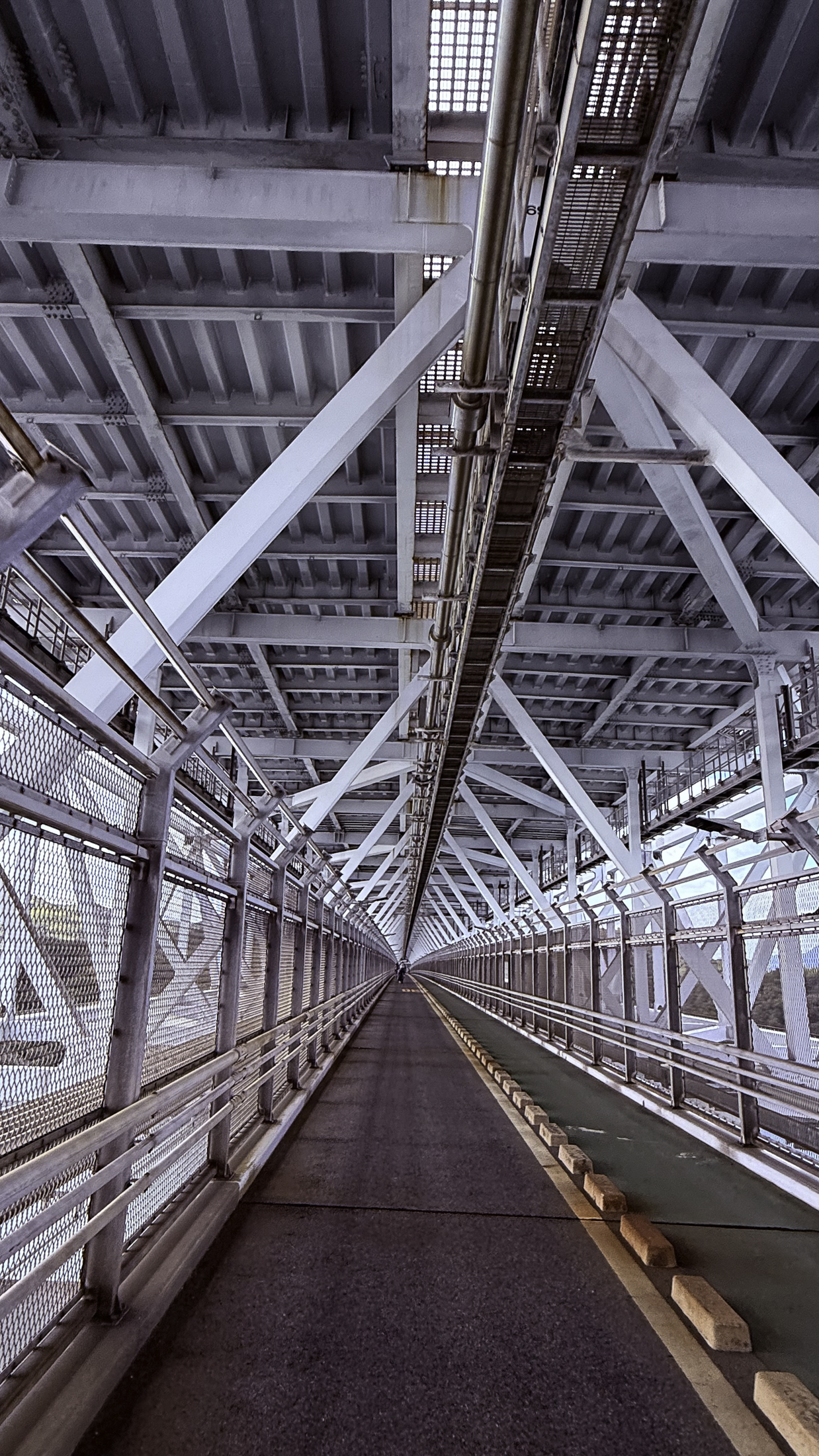
Our first bridge:  Innoshima Bridge (Innoshima Ōhashi), which connects Mukaishima and Innoshima


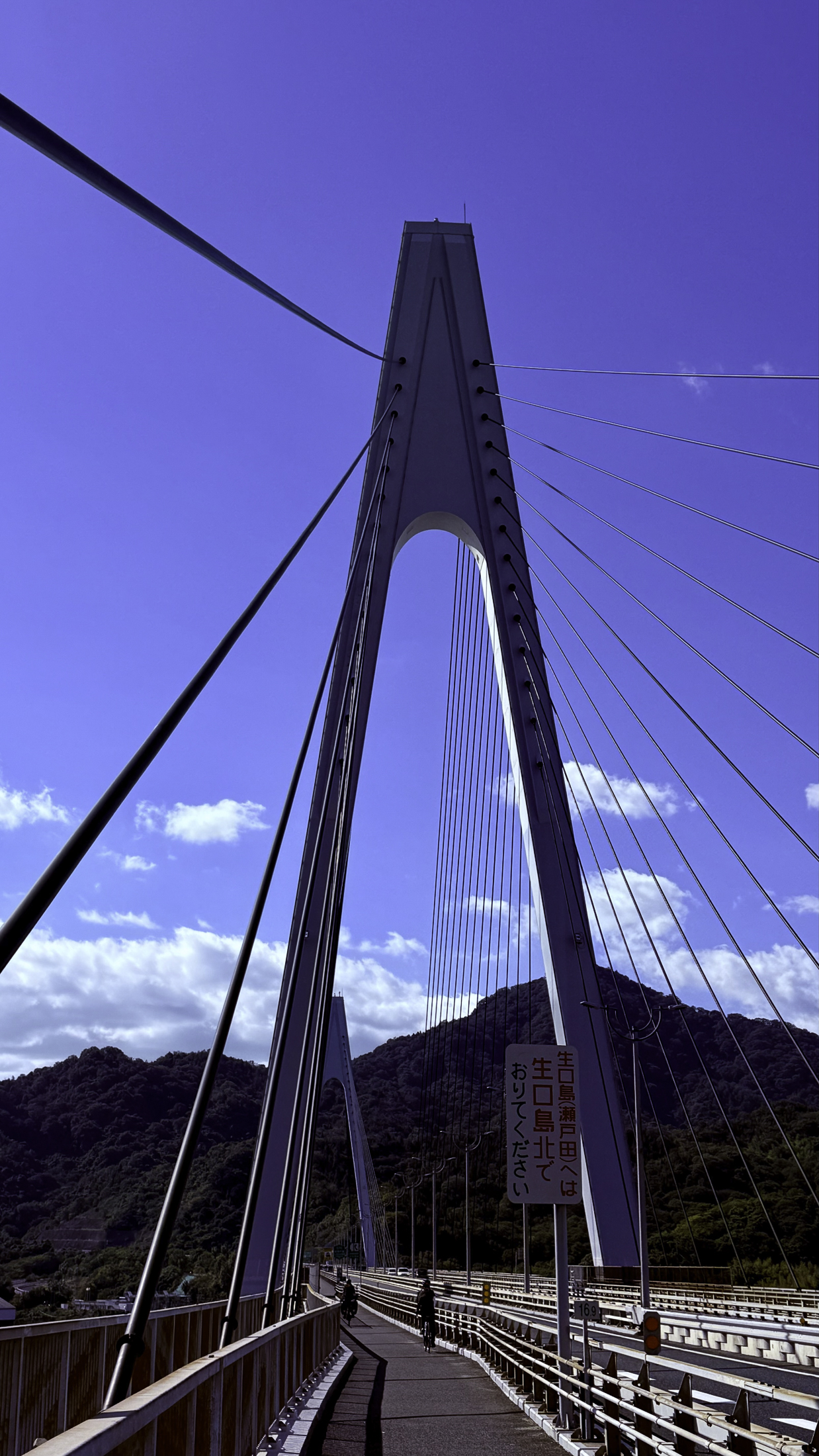
Our second bridge:  Ikuchi Bridge (Ikuchi-bashi), connecting Innoshima to Ikuchijima


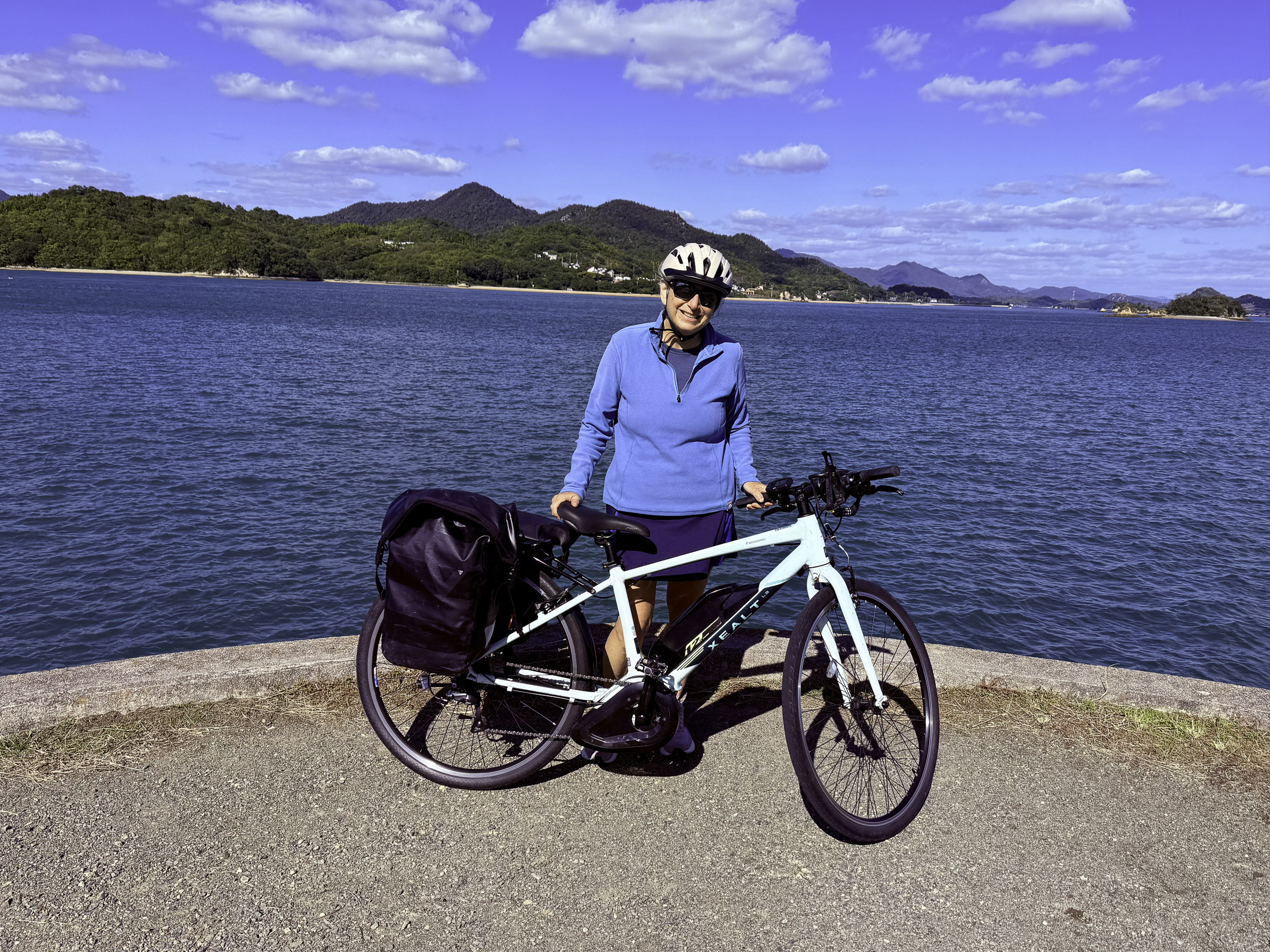
With my bike on Ikuchijima Island with Seto Inland Sea in the background


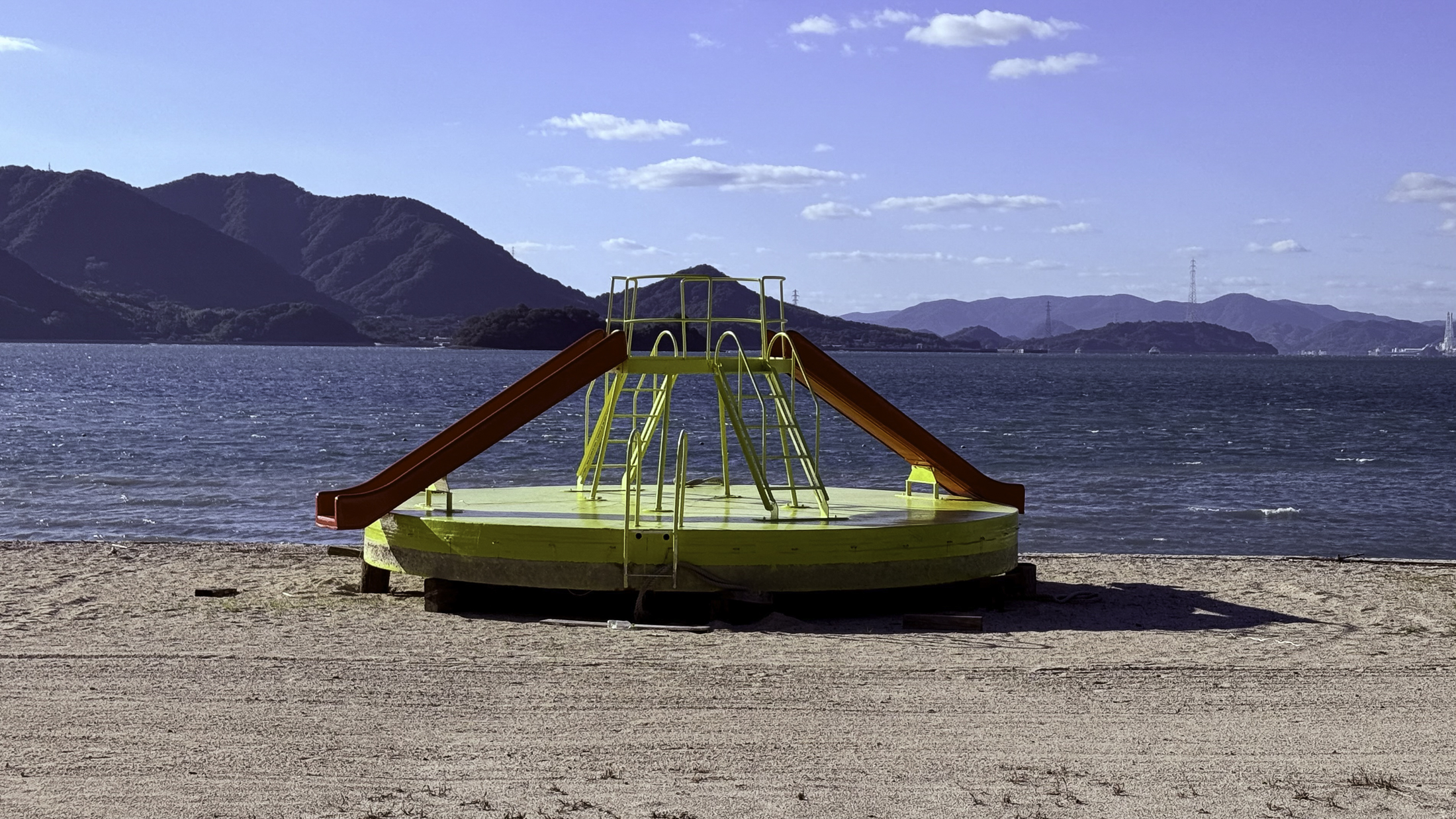
Sunset Beach playground on Ikuchijima Island


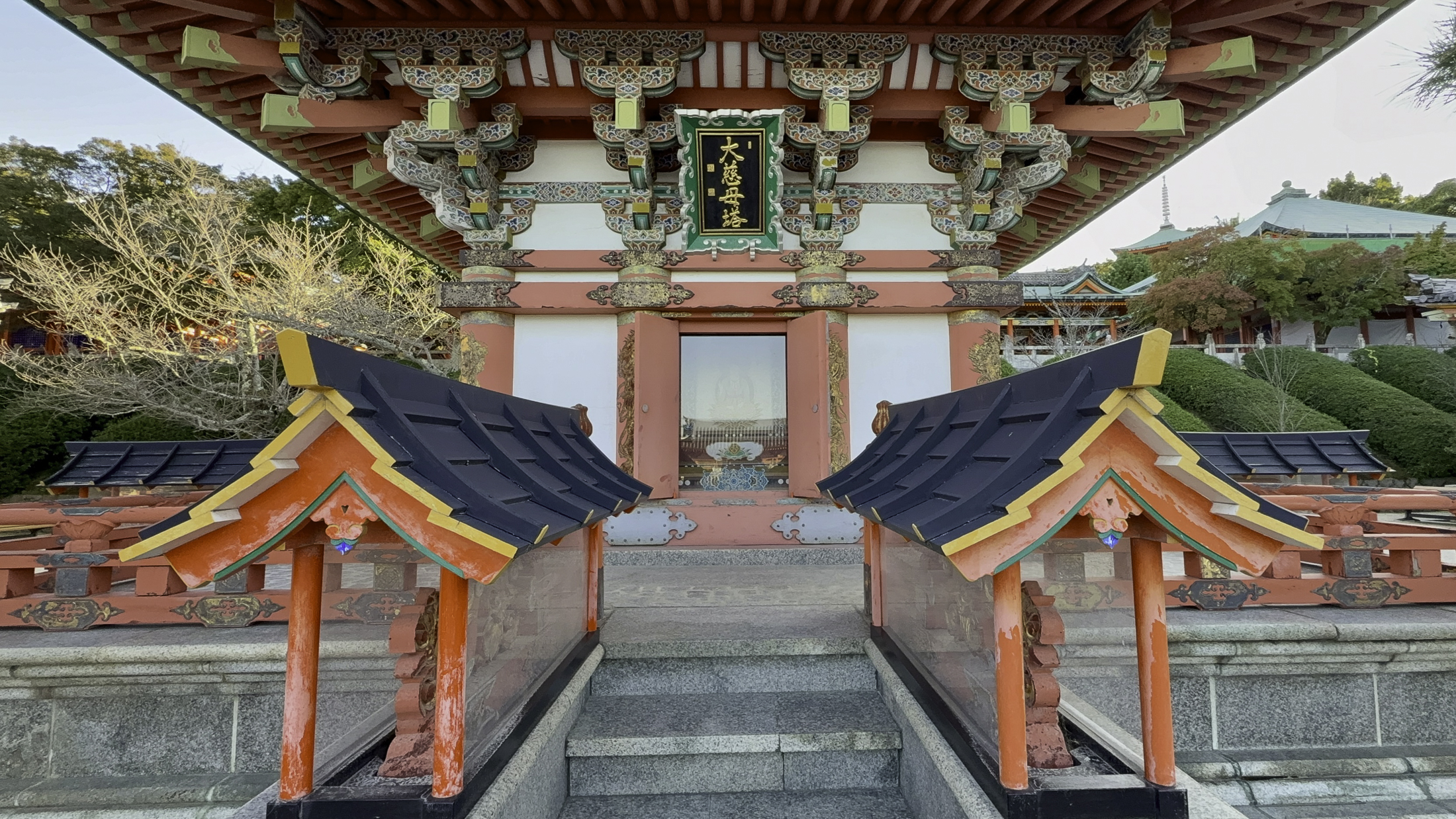
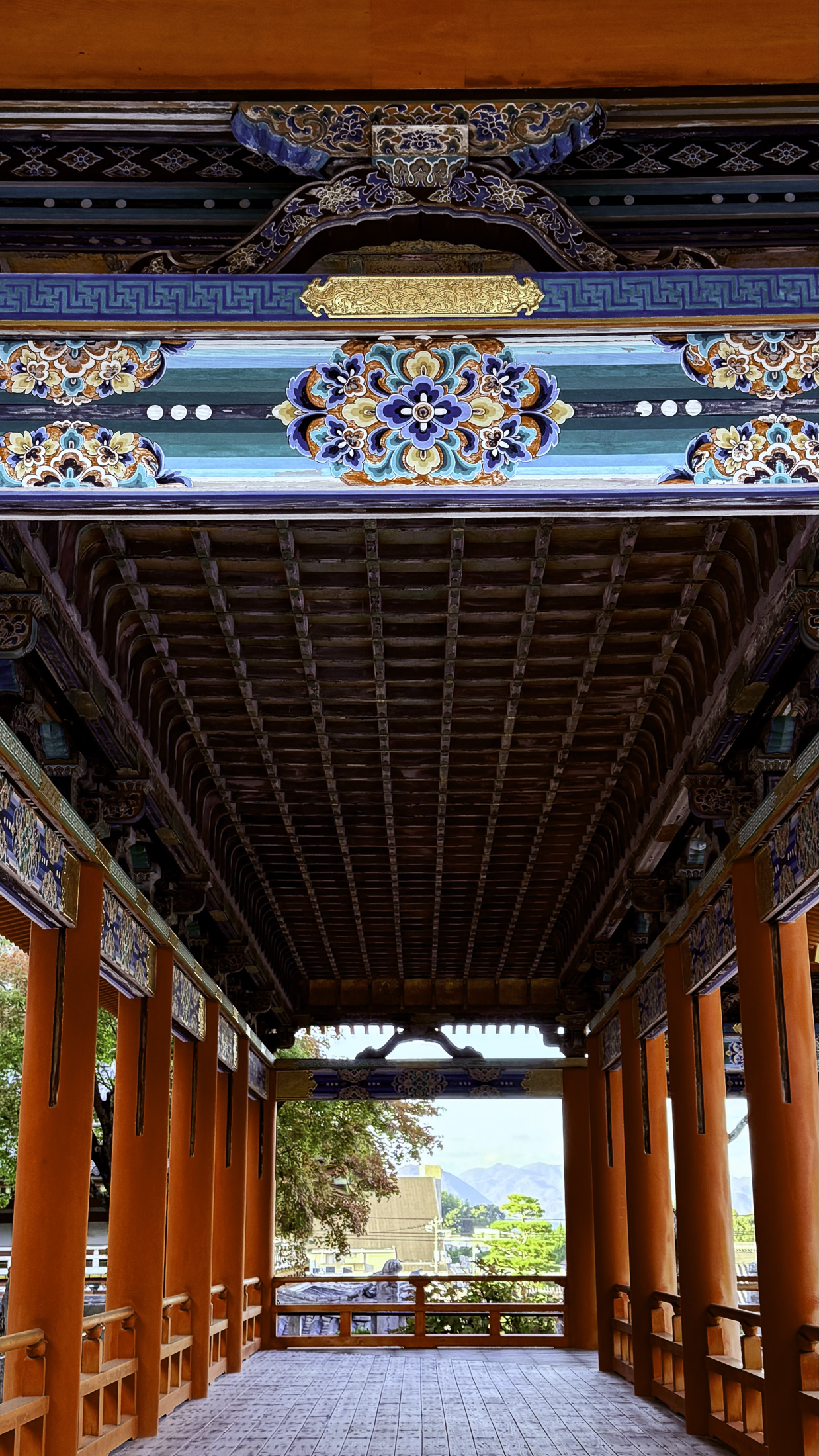
Setoday:  Kōsan-ji Temple, an elaborately decorated Buddhist temple complex built in honor of its founder’s mother


Setoda:  Kōsan-ji Temple


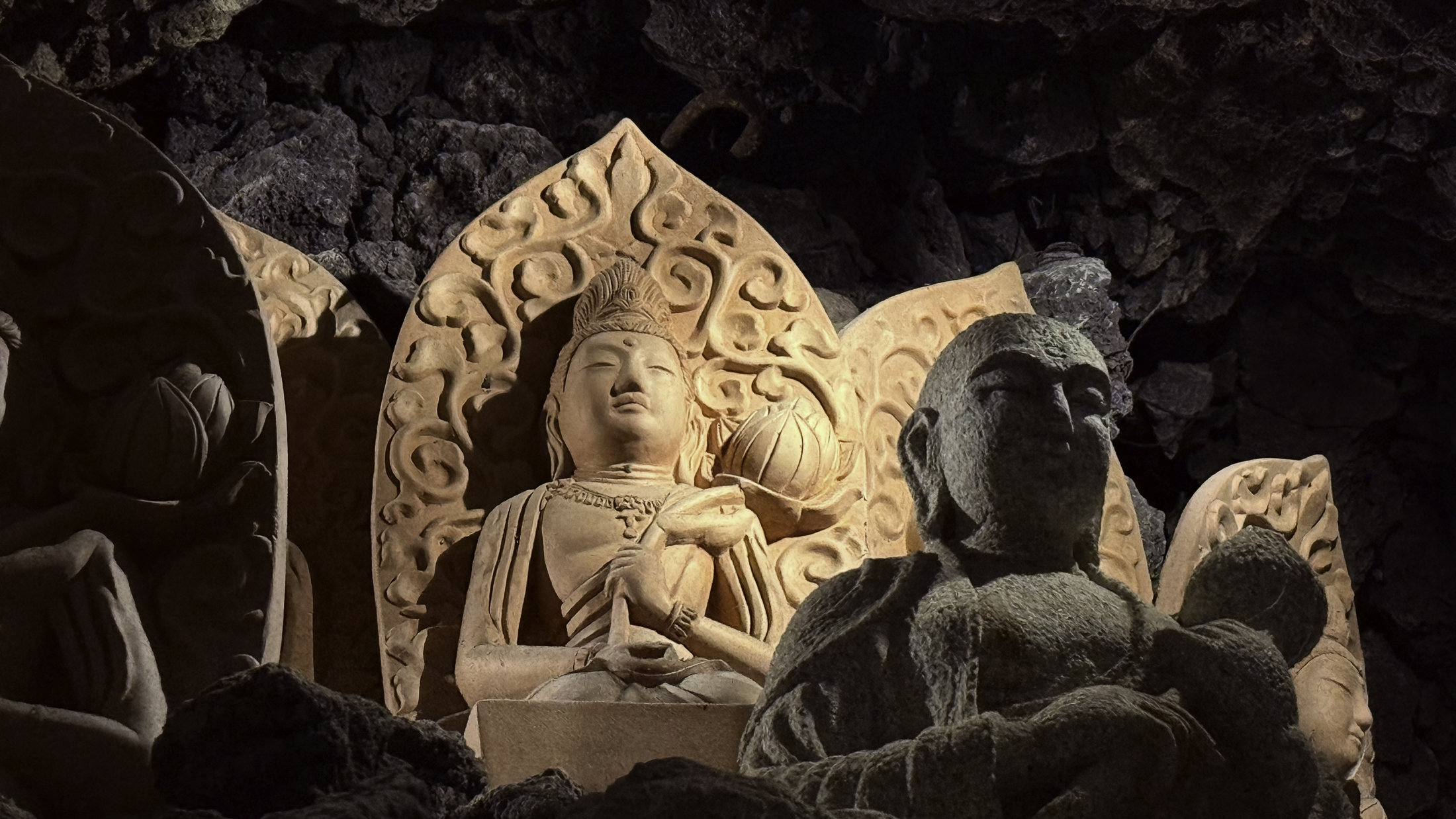
Senbutsu-dō (Cave of a Thousand Buddhas) at Kōsan-ji Temple — An underground labyrinth filled with Buddhist statues
 

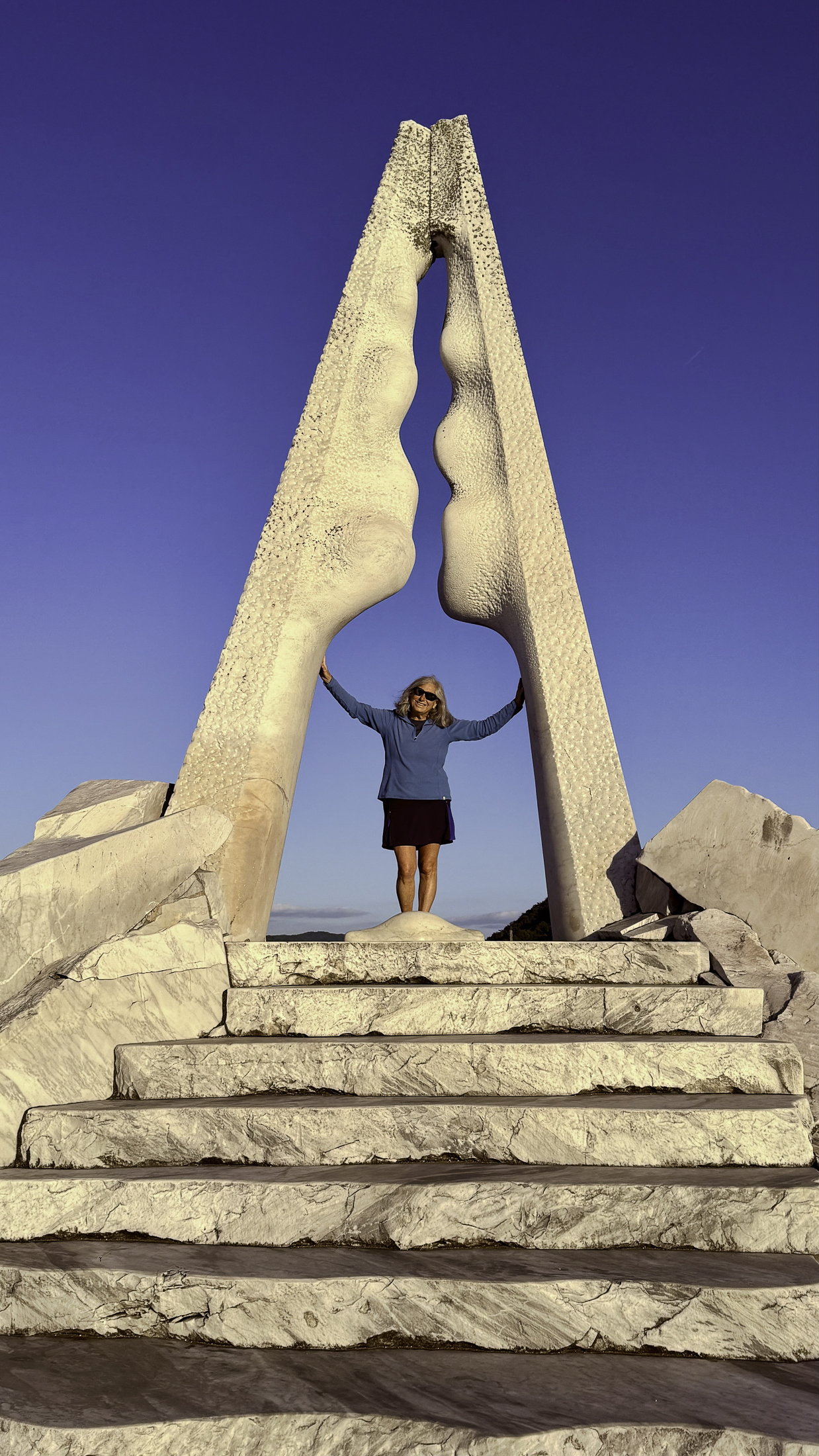
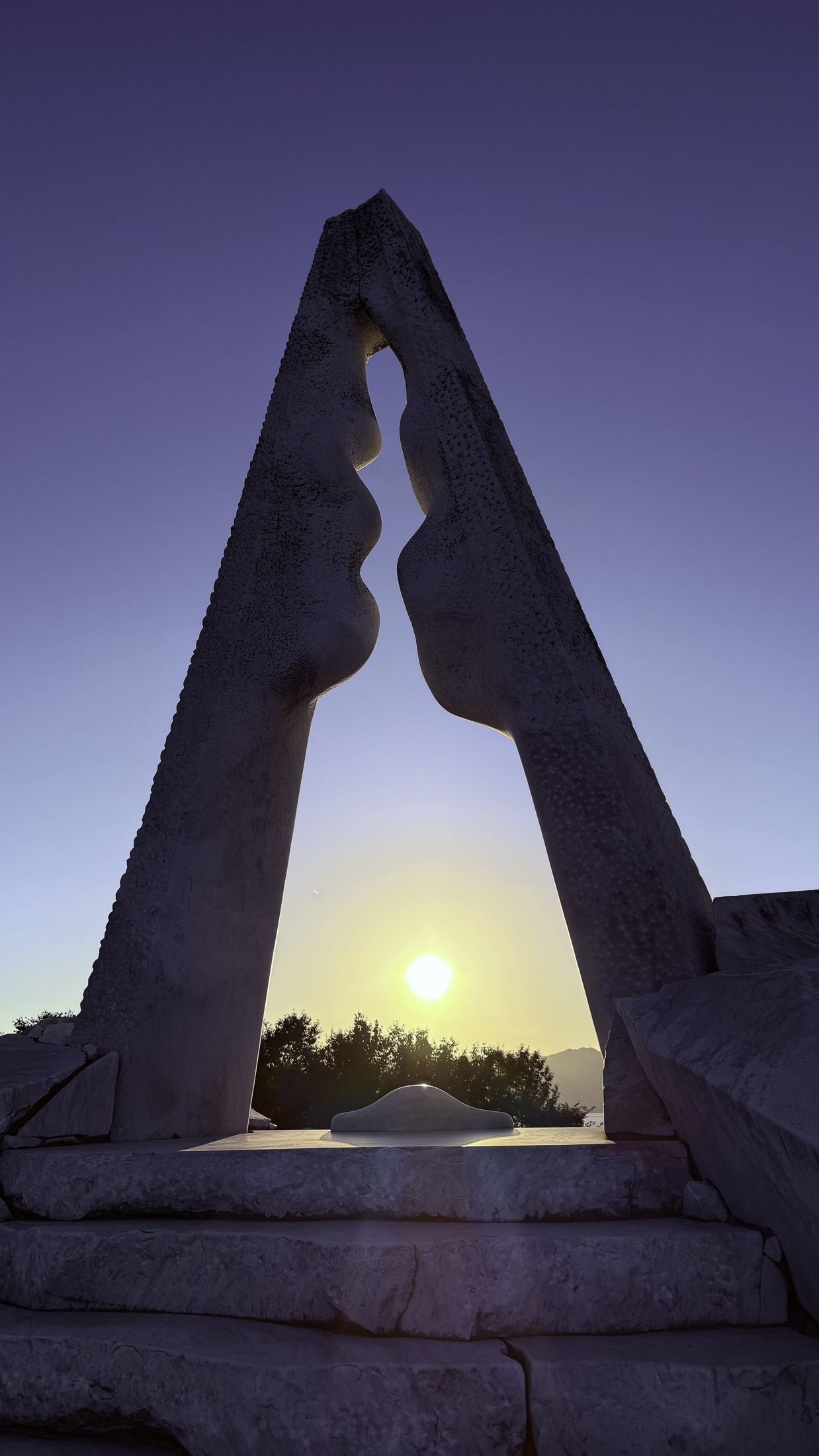
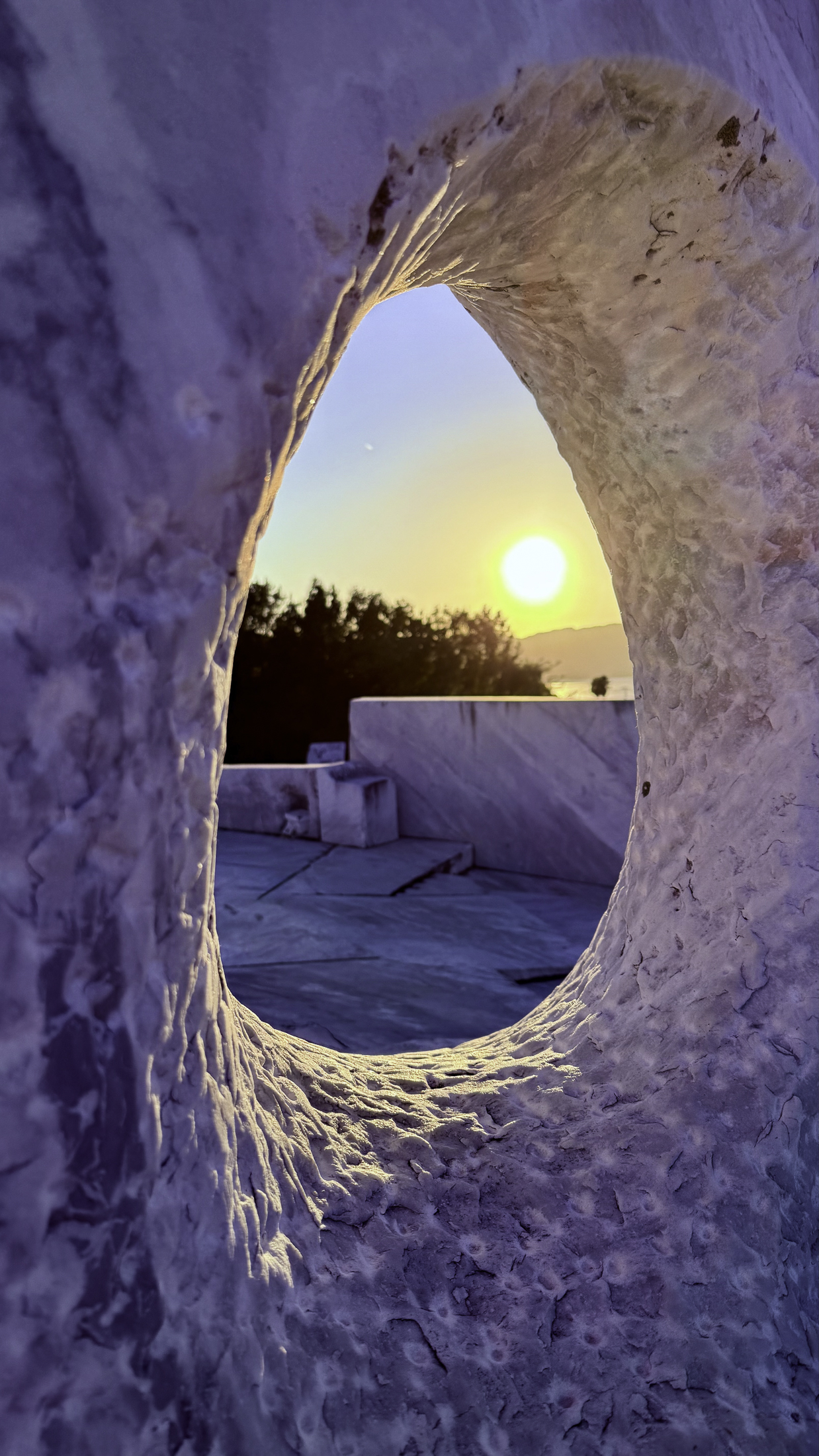
Tower of Light on the Hill of Hope, a white marble sculpture garden at Kōsan-ji Temple


Sunset through the Tower of Light


Marble framing the sunset

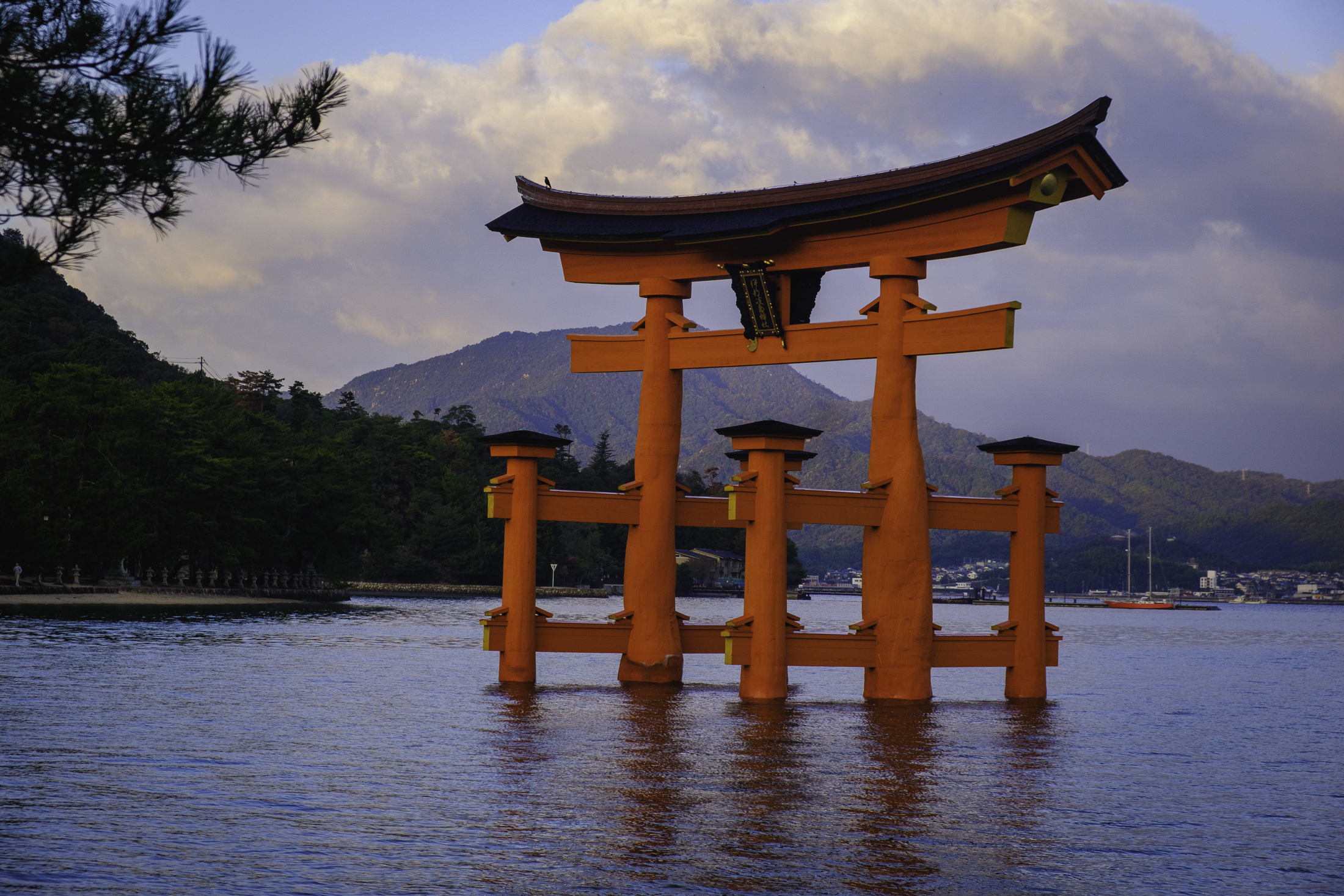
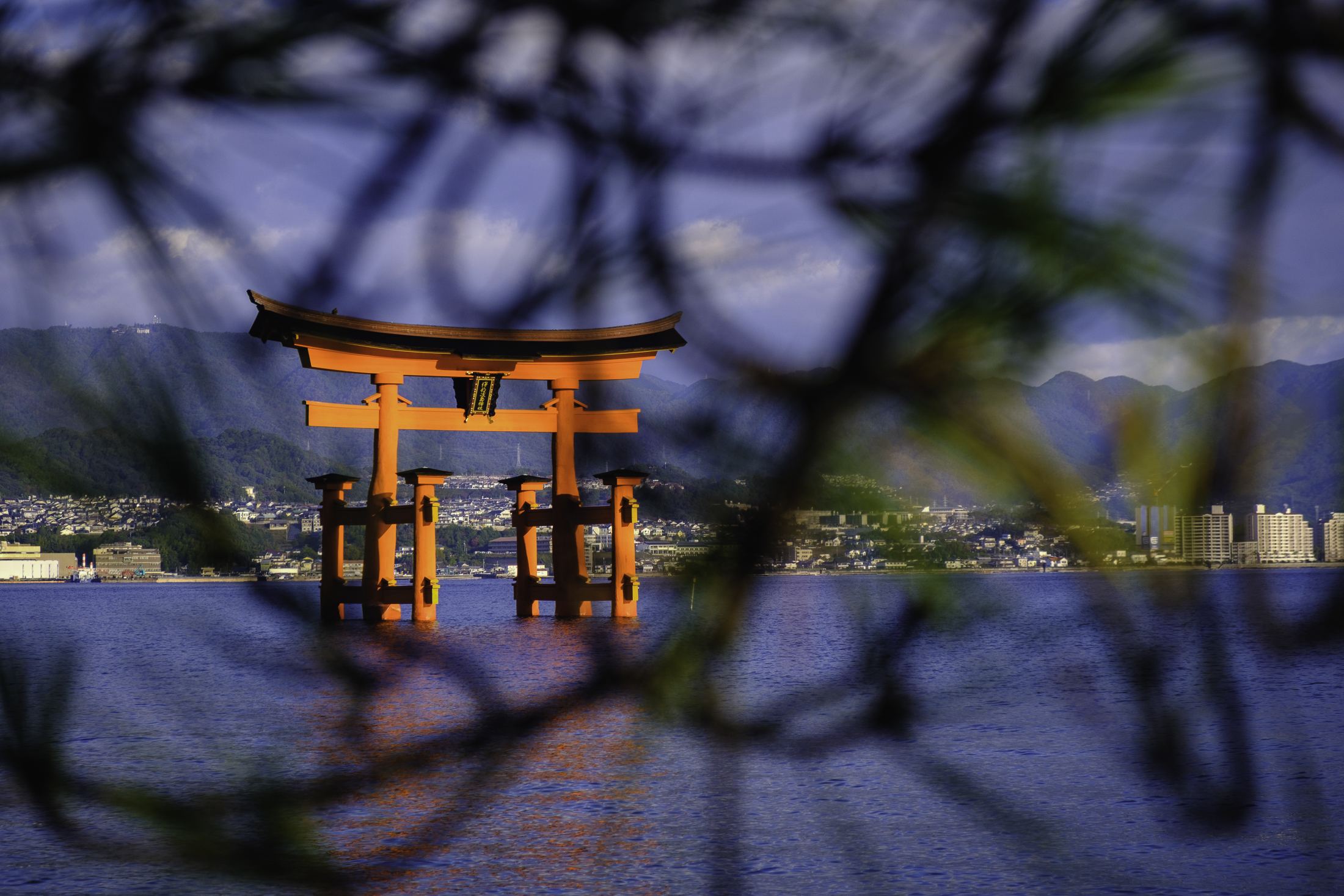
We woke up before sunrise and joined a few others who had stayed on the island to photograph the Ōtorii with the early light.  Totally worth it!

After capturing a multitude of images, which I narrowed down to these few, we returned to our guesthouse for a traditional Japanese breakfast, prepared by our host who also owns the highly regarded restaurant, Rokumeikan.

Then, we rolled our luggage to the ferry to reverse the previous day’s journey – and continue on to Onomichi.

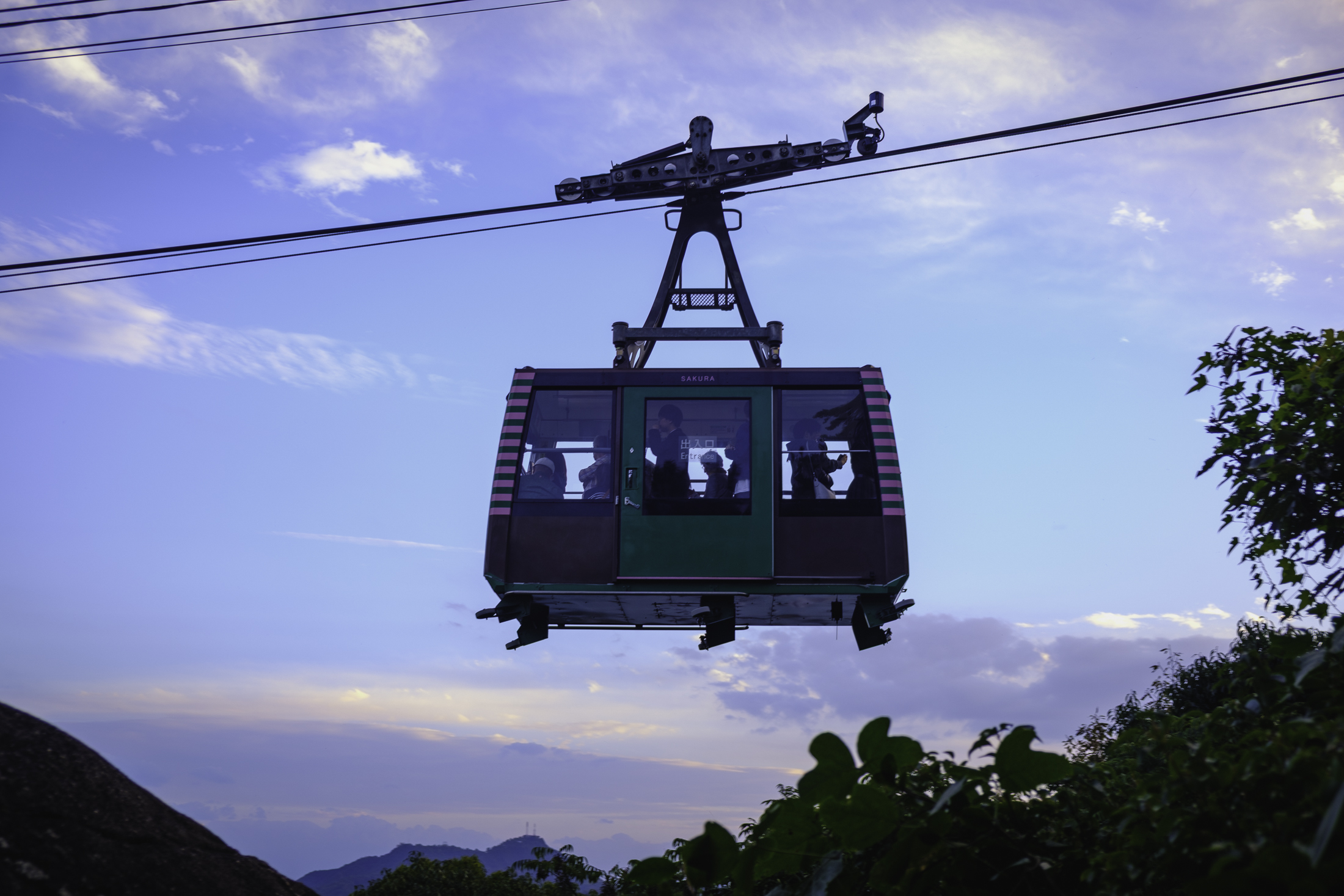
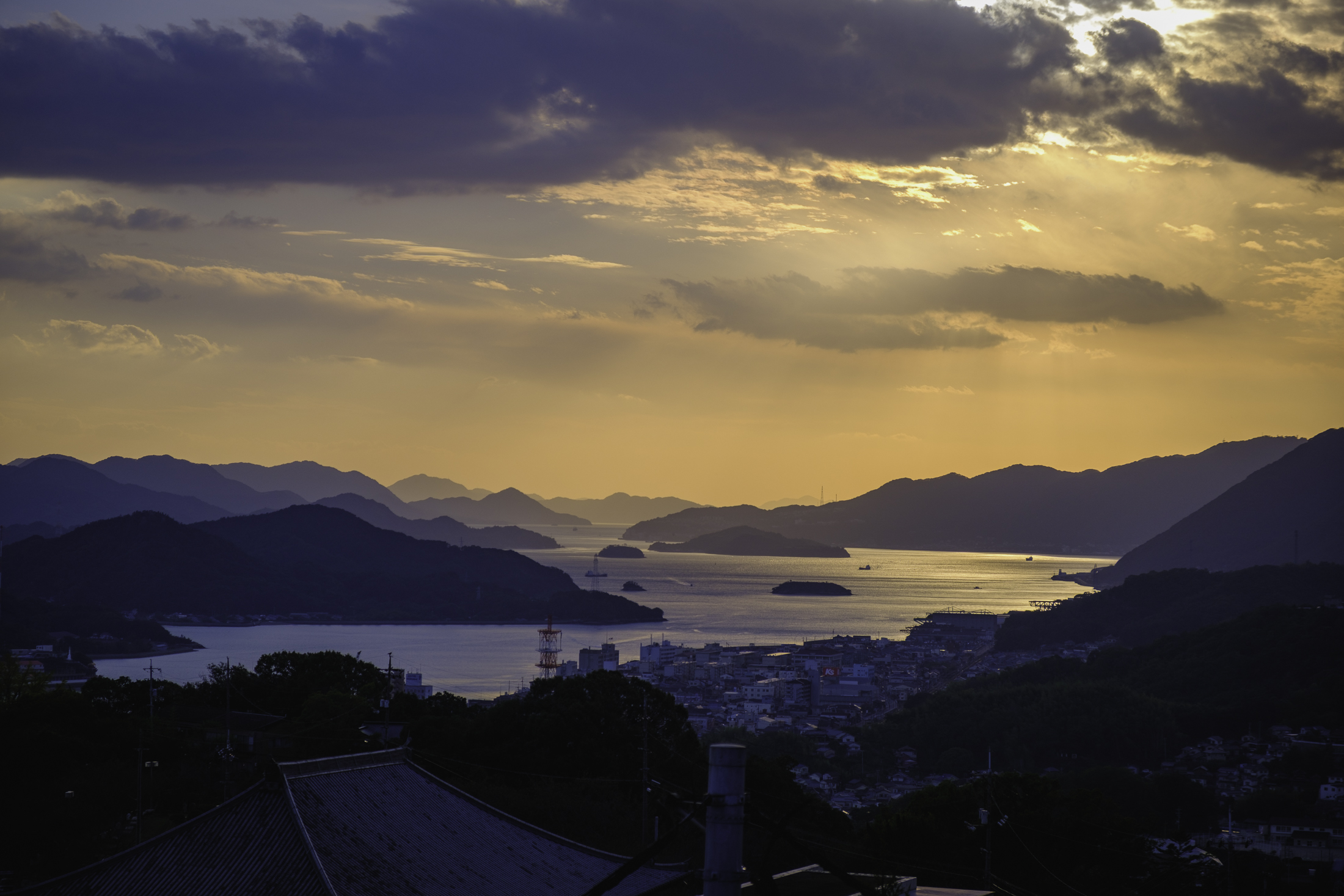
Once arriving in Onomichi, we wandered and explored, taking the Senkoji Ropeway to view the Seto Inland Sea at sunset.

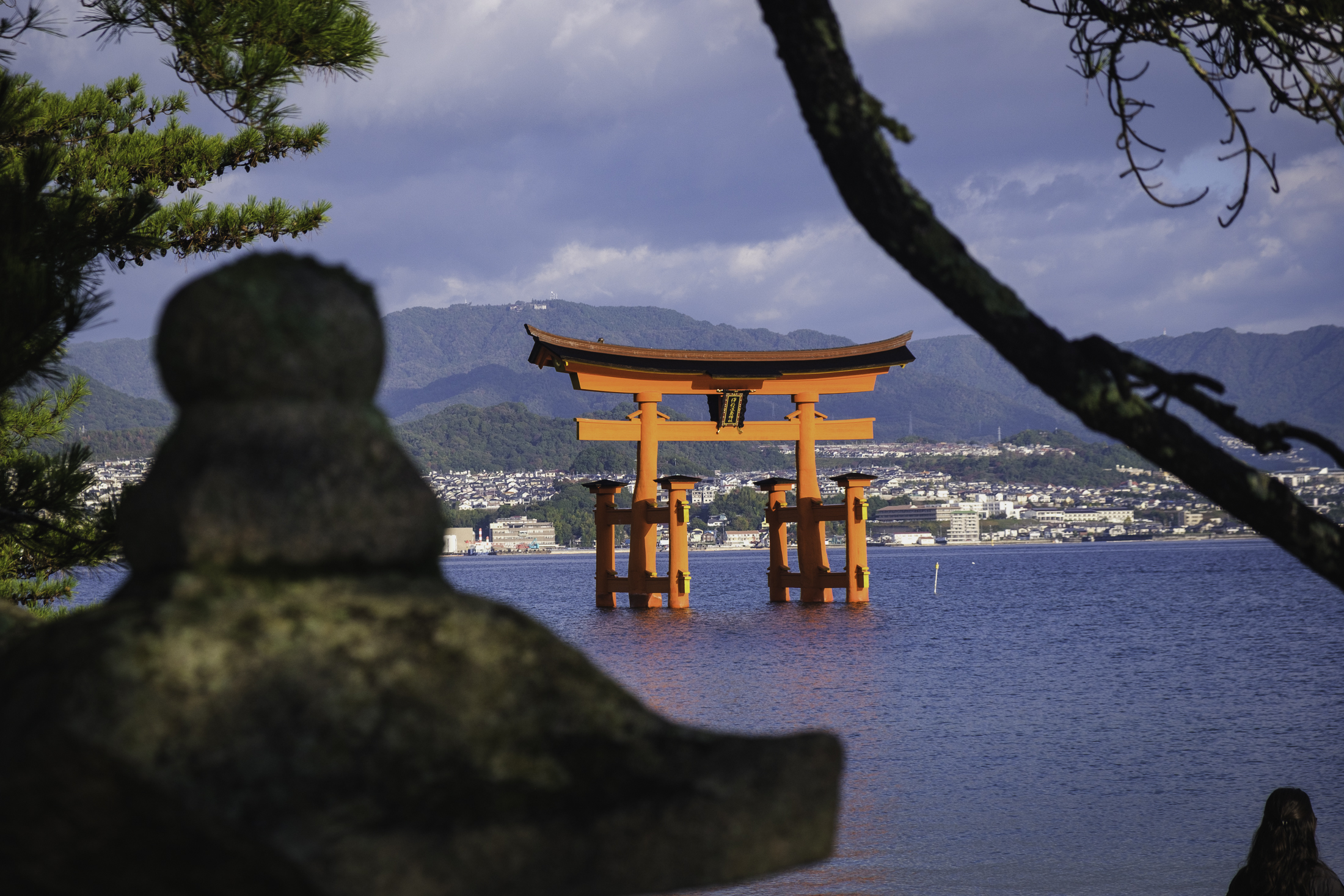
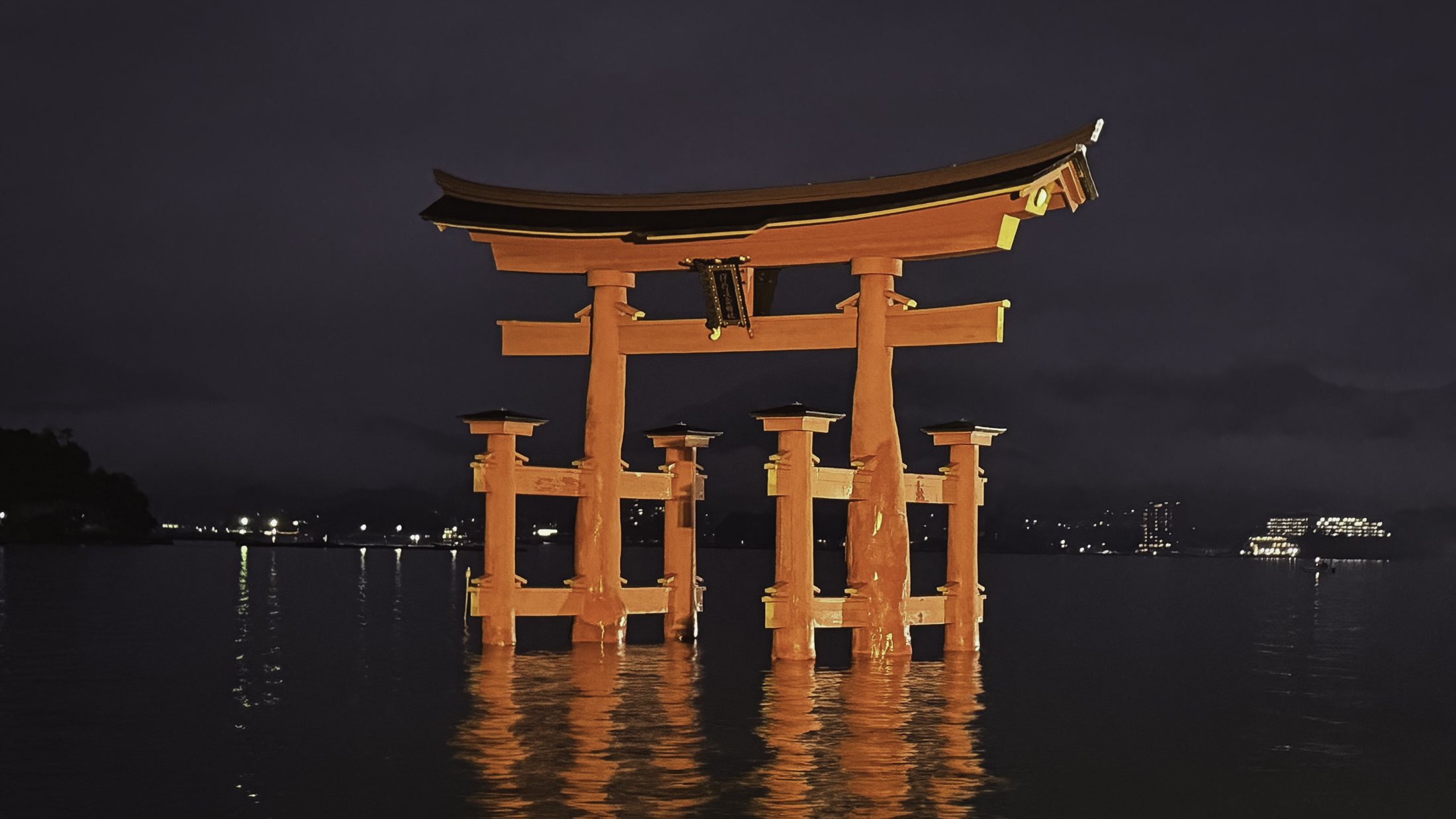
First, some pics of Itsukushima Shrine’s Ōtorii


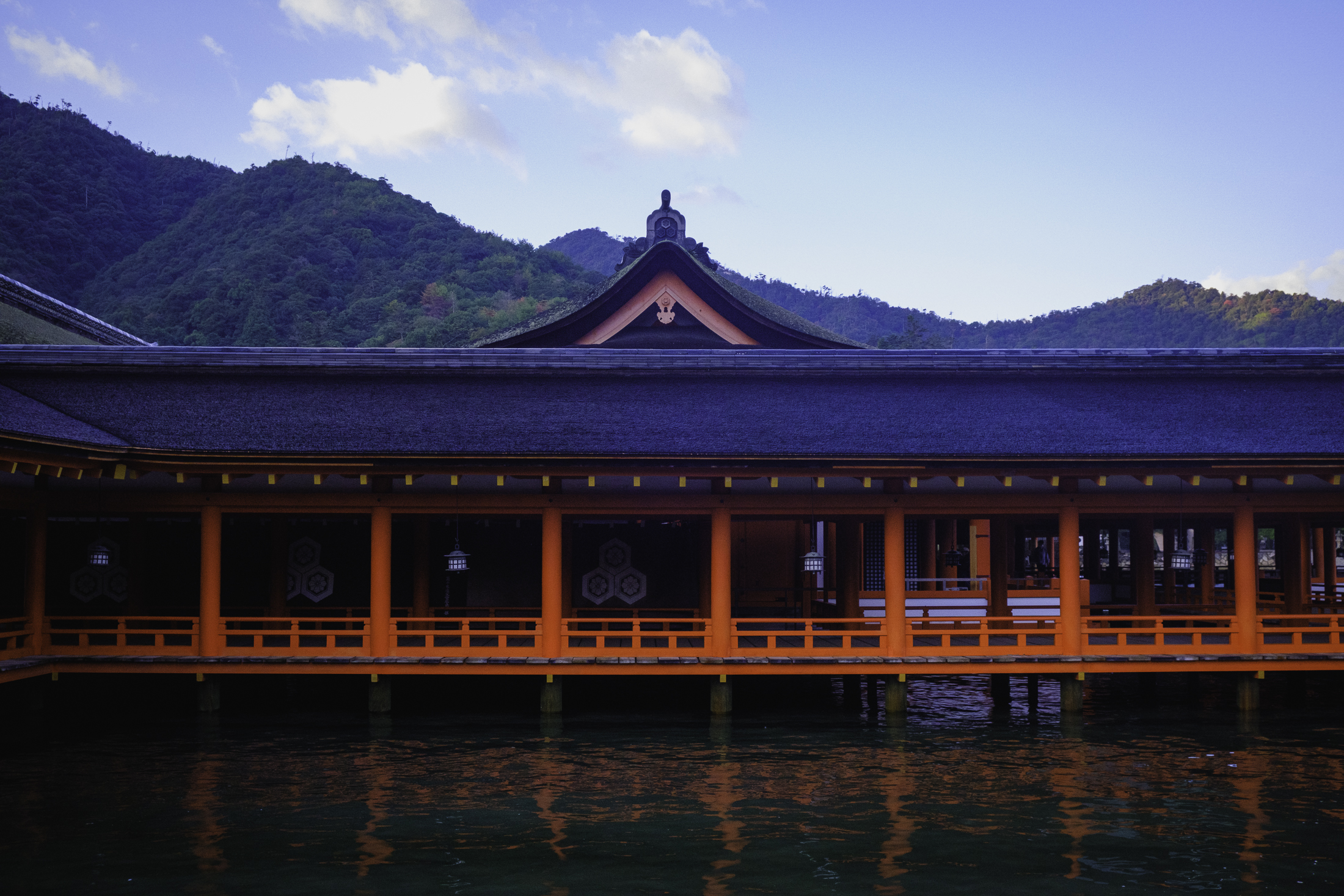
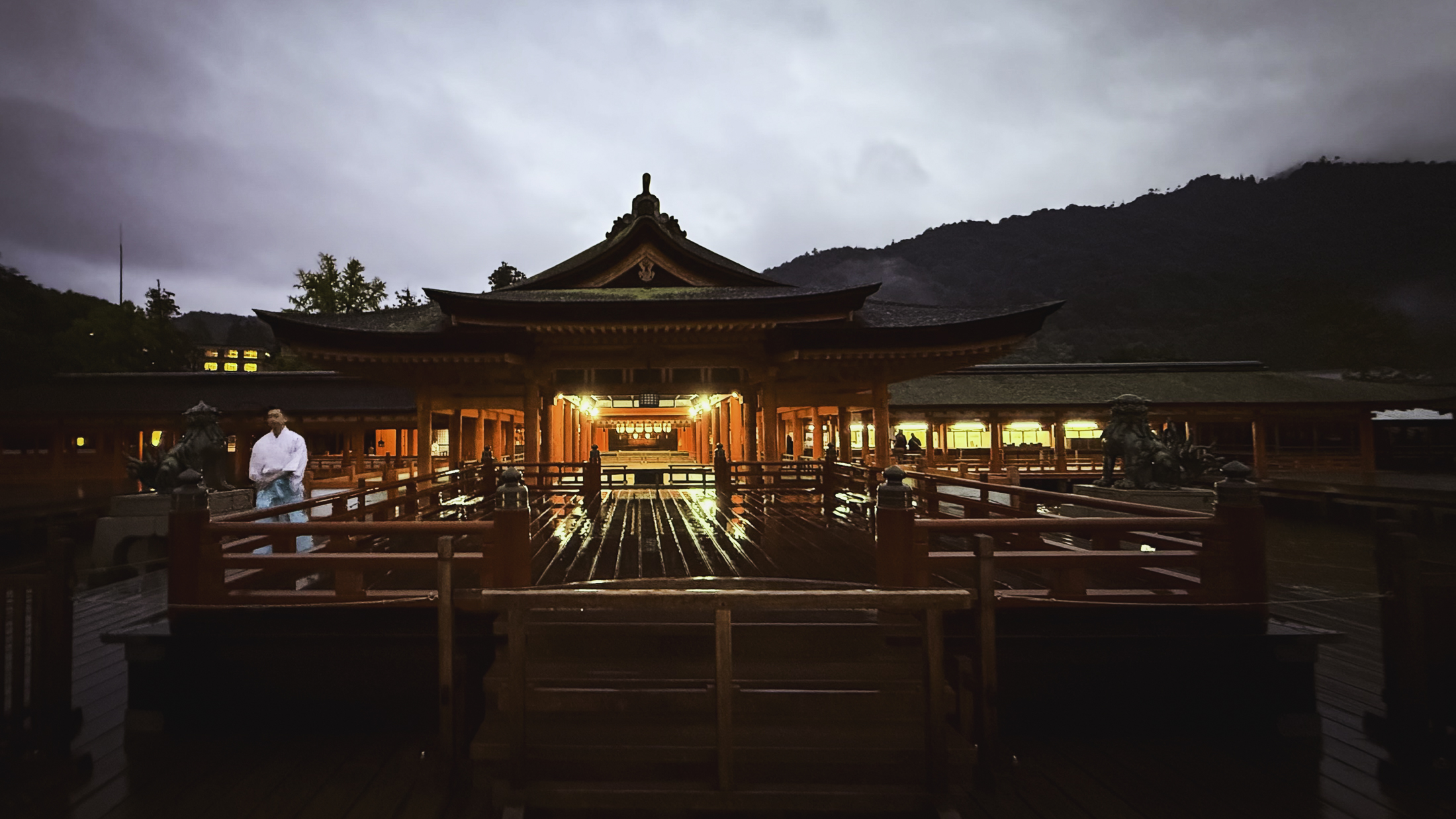
Itsukushima Shrine


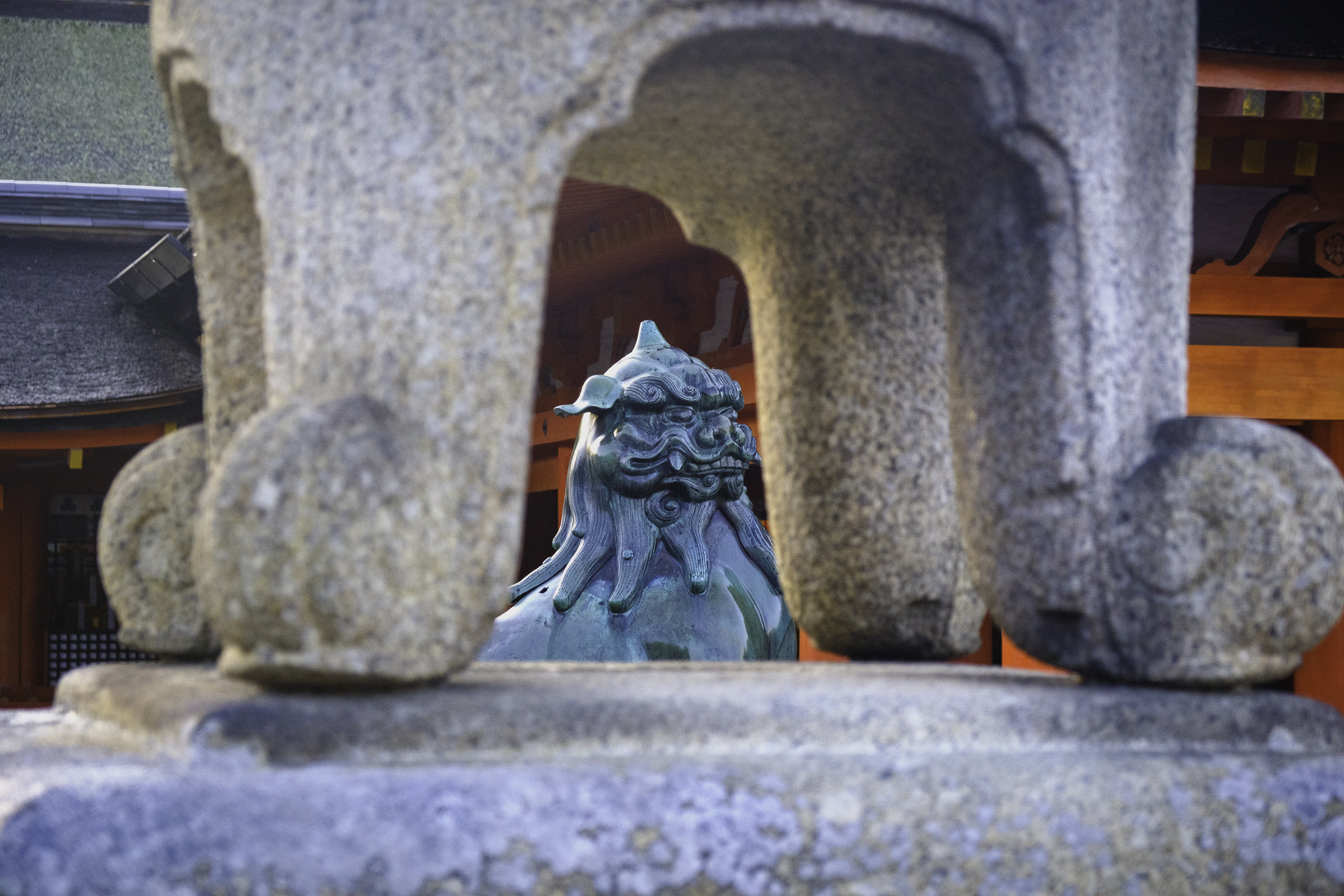
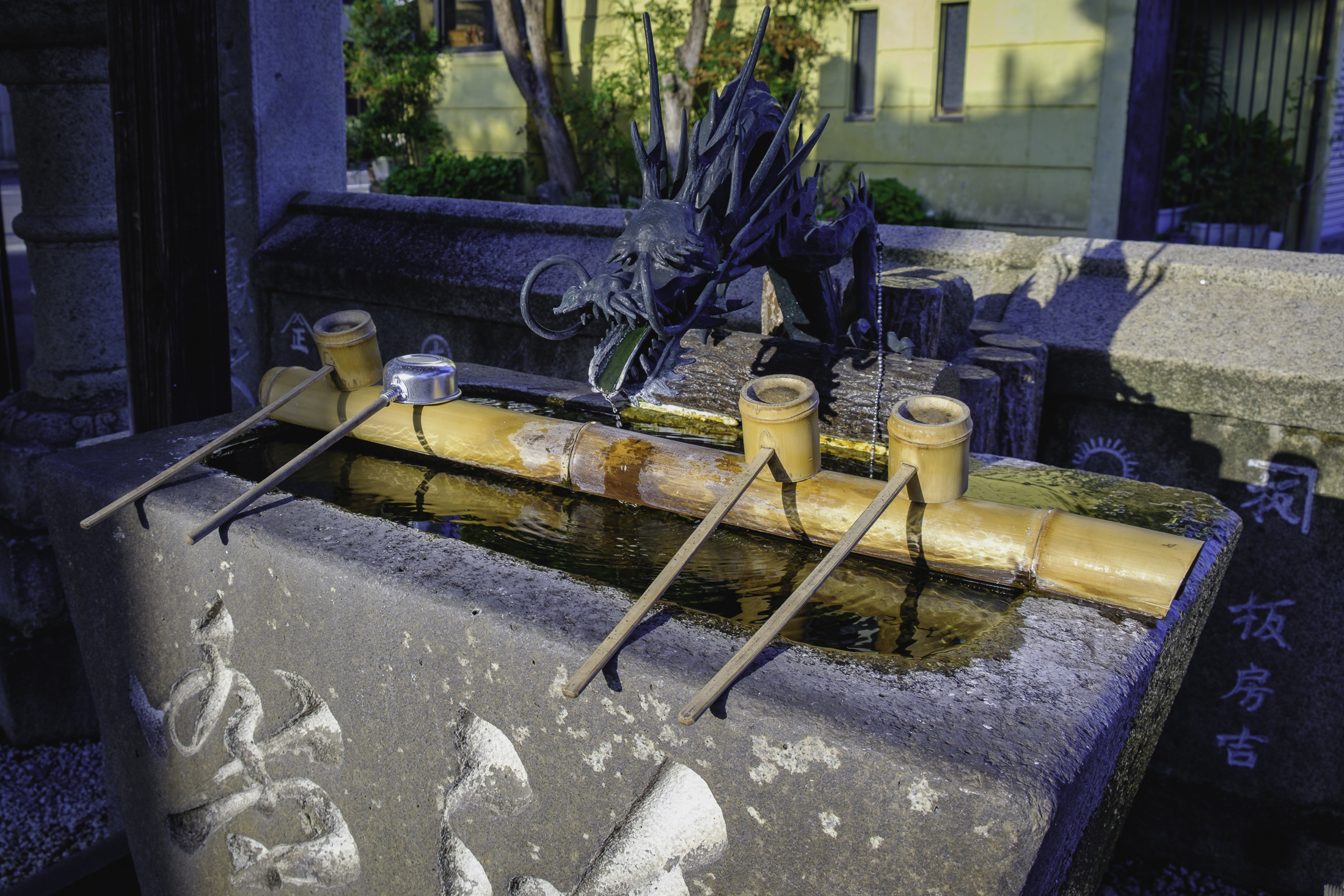
A temizuya (ritual purification basin)


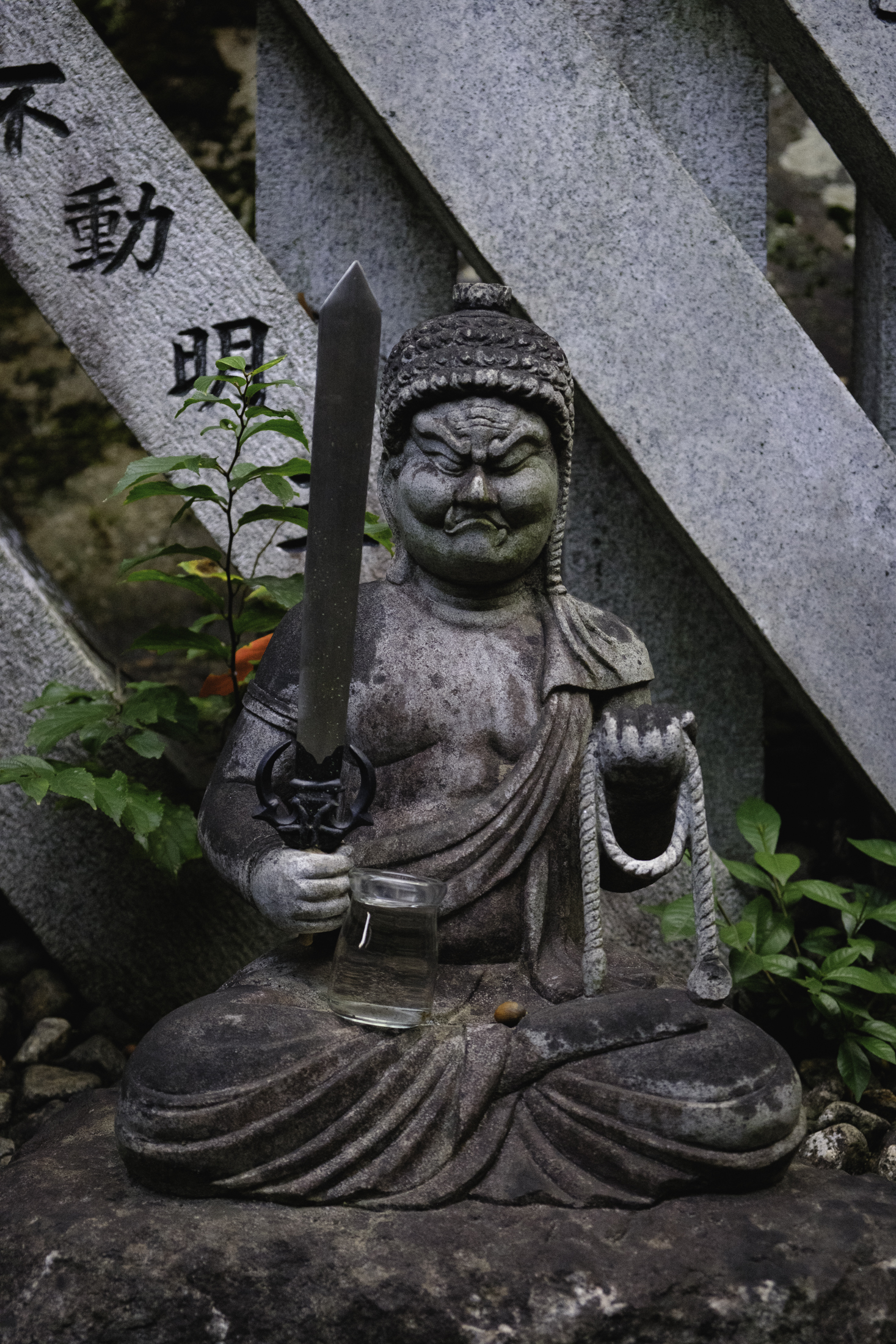
Fudō Myōō, a Buddhist protective deity holding a sword and rope
 

A gondola on the Senkoji Ropeway


Sunset over the Seto Inland Sea

During the planning phase of this trip, we debated staying in Hiroshima for two nights vs. staying there for one night and on Miyajima for one night.  The downside would be two one-night stays in a row; the upside would be enjoying Miyajima after the tourists leave one day and before they arrive the next day.

We, of course, chose Option B!  And I am SO GLAD we did!

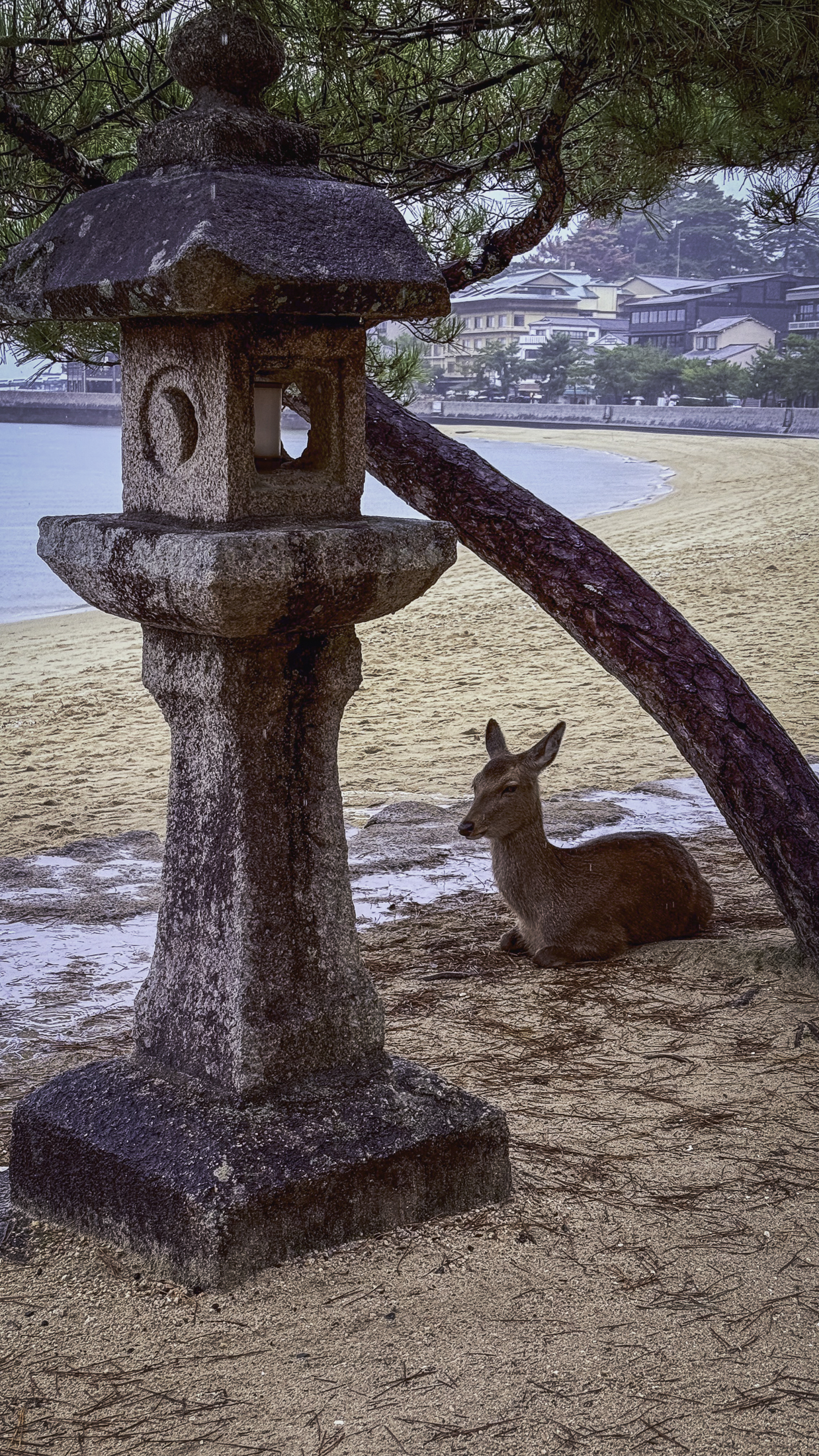
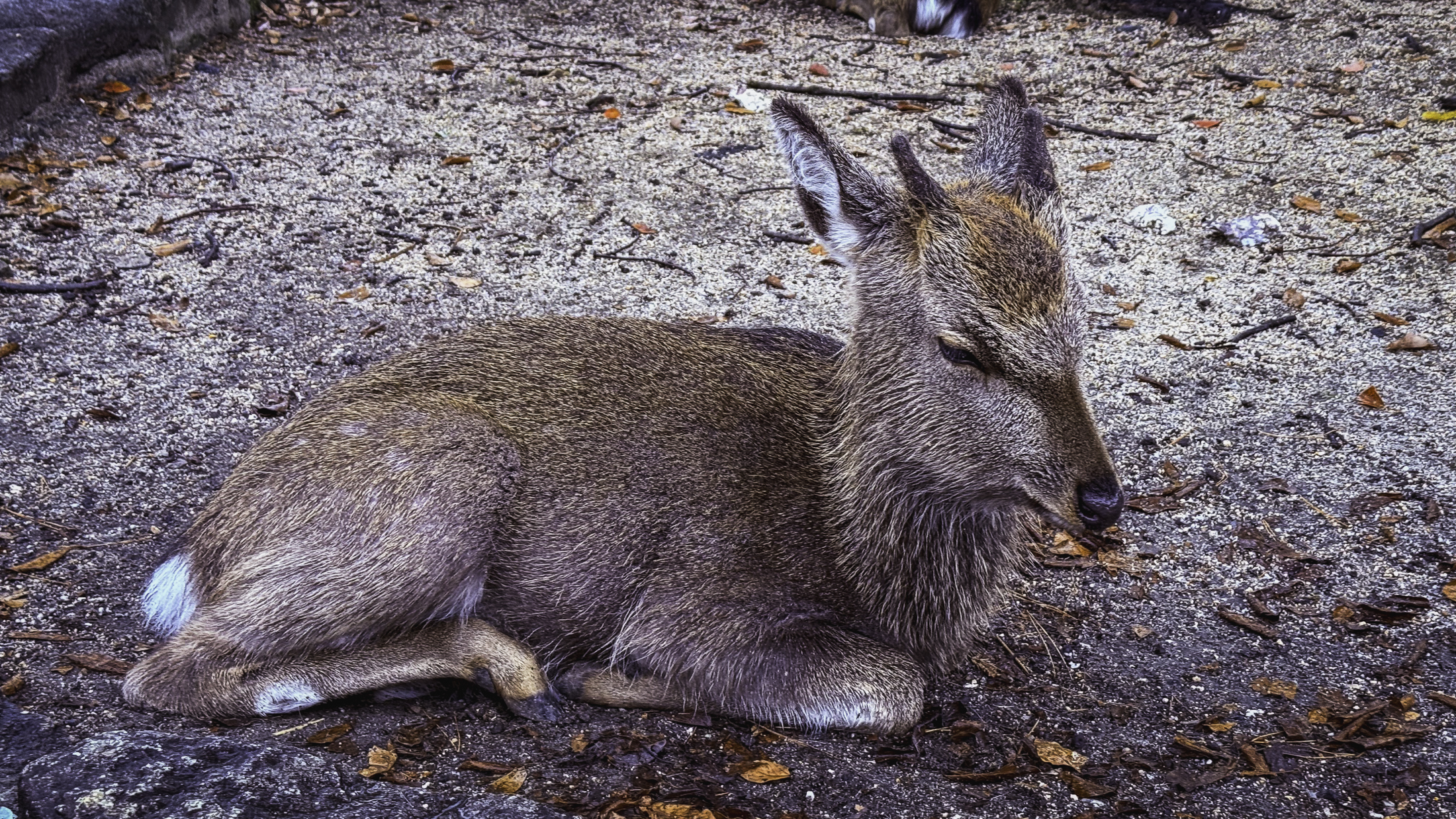
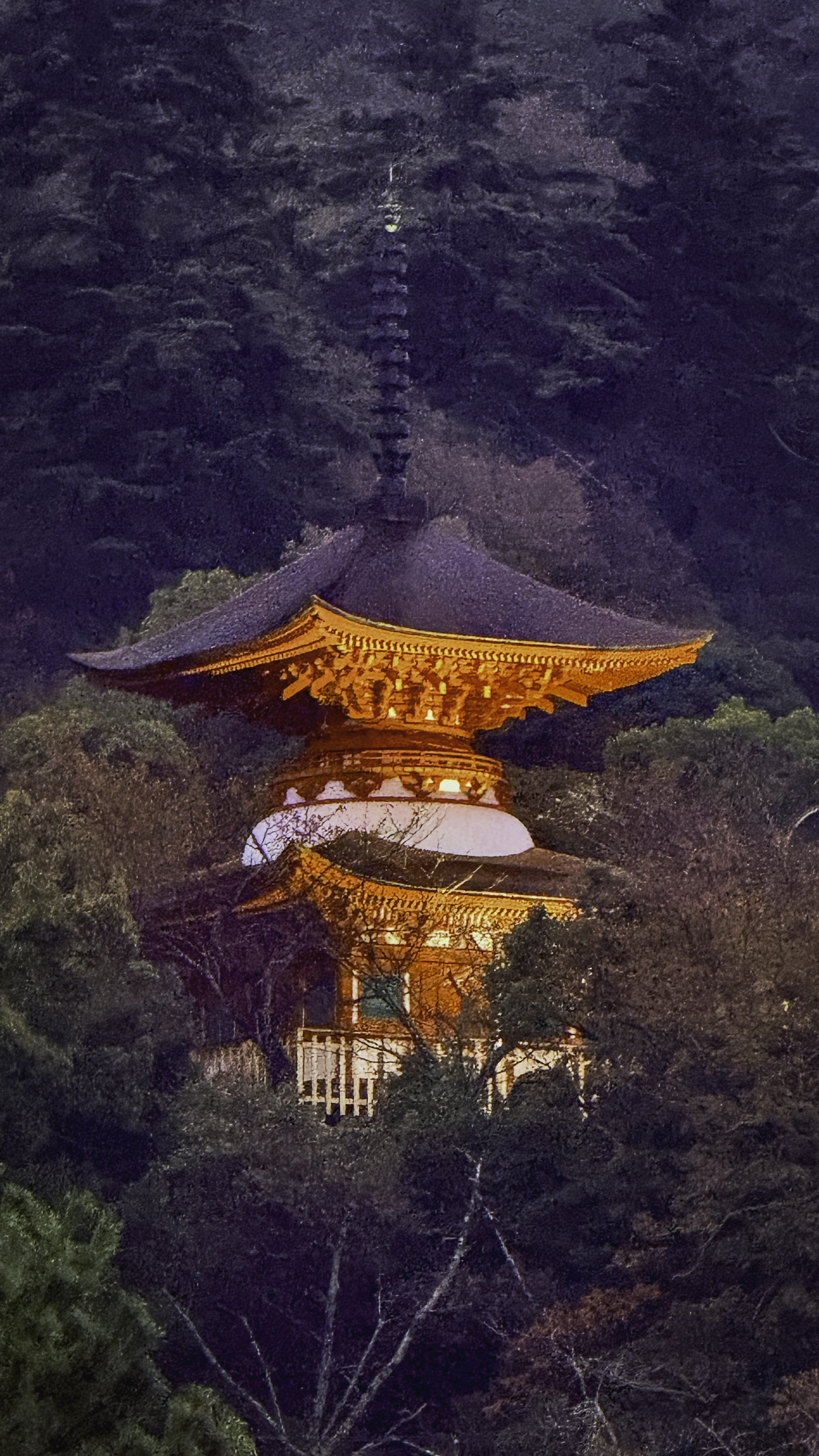
Miyajima is known for wandering deer, a ropeway to Mount Misen, the two-story Tahōtō Pagoda, and Itsukushima Shrine, a UNESCO World Heritage Site.

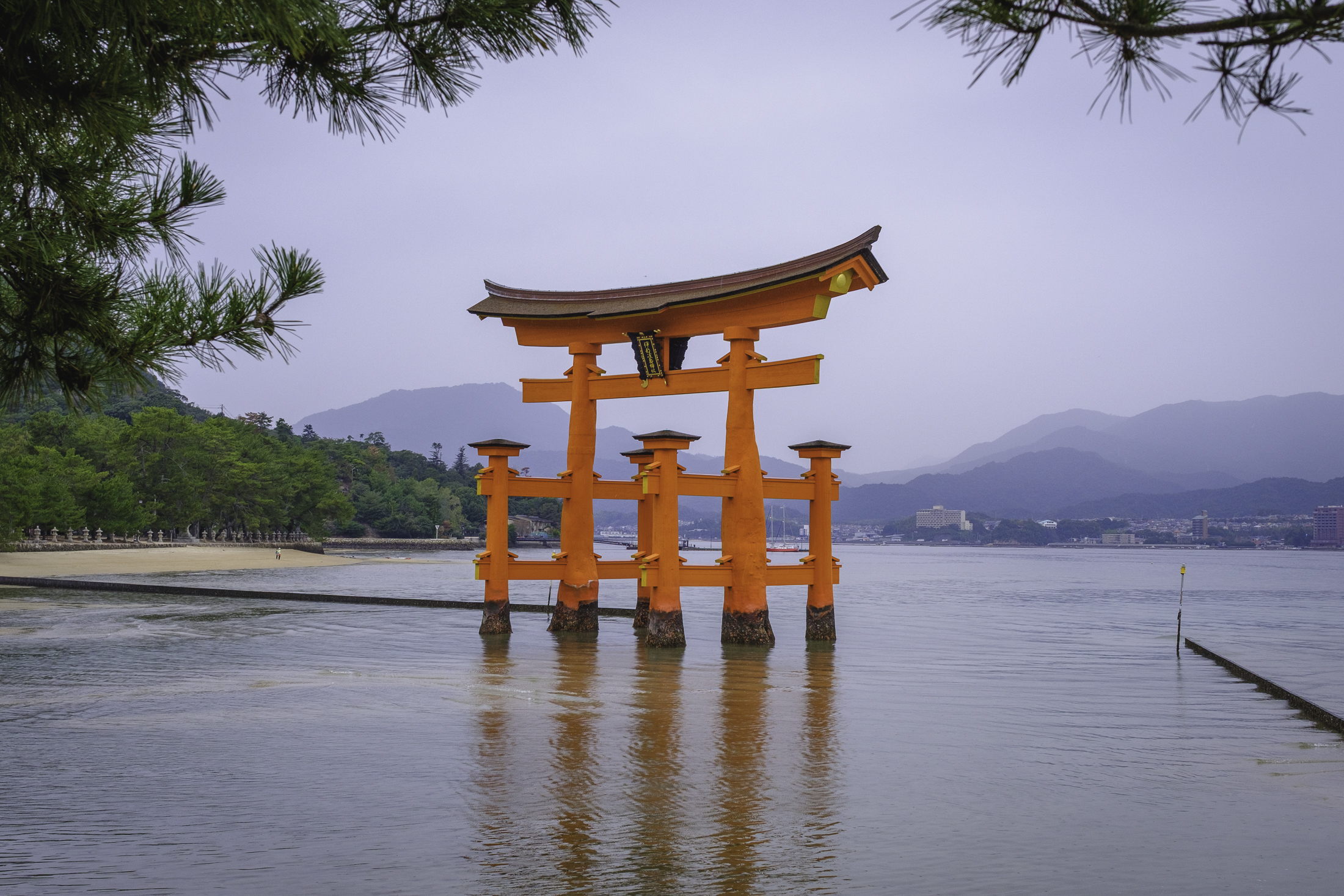
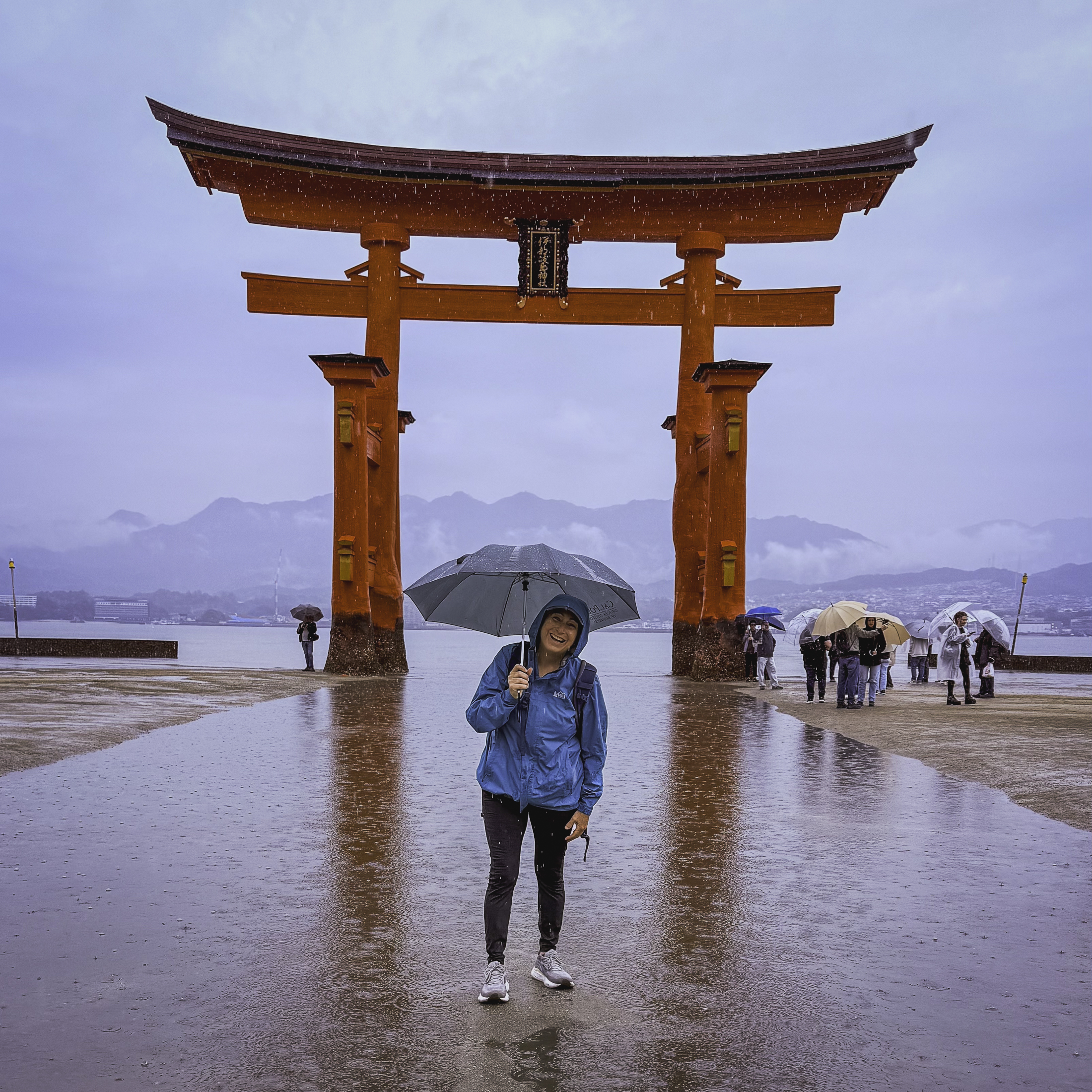
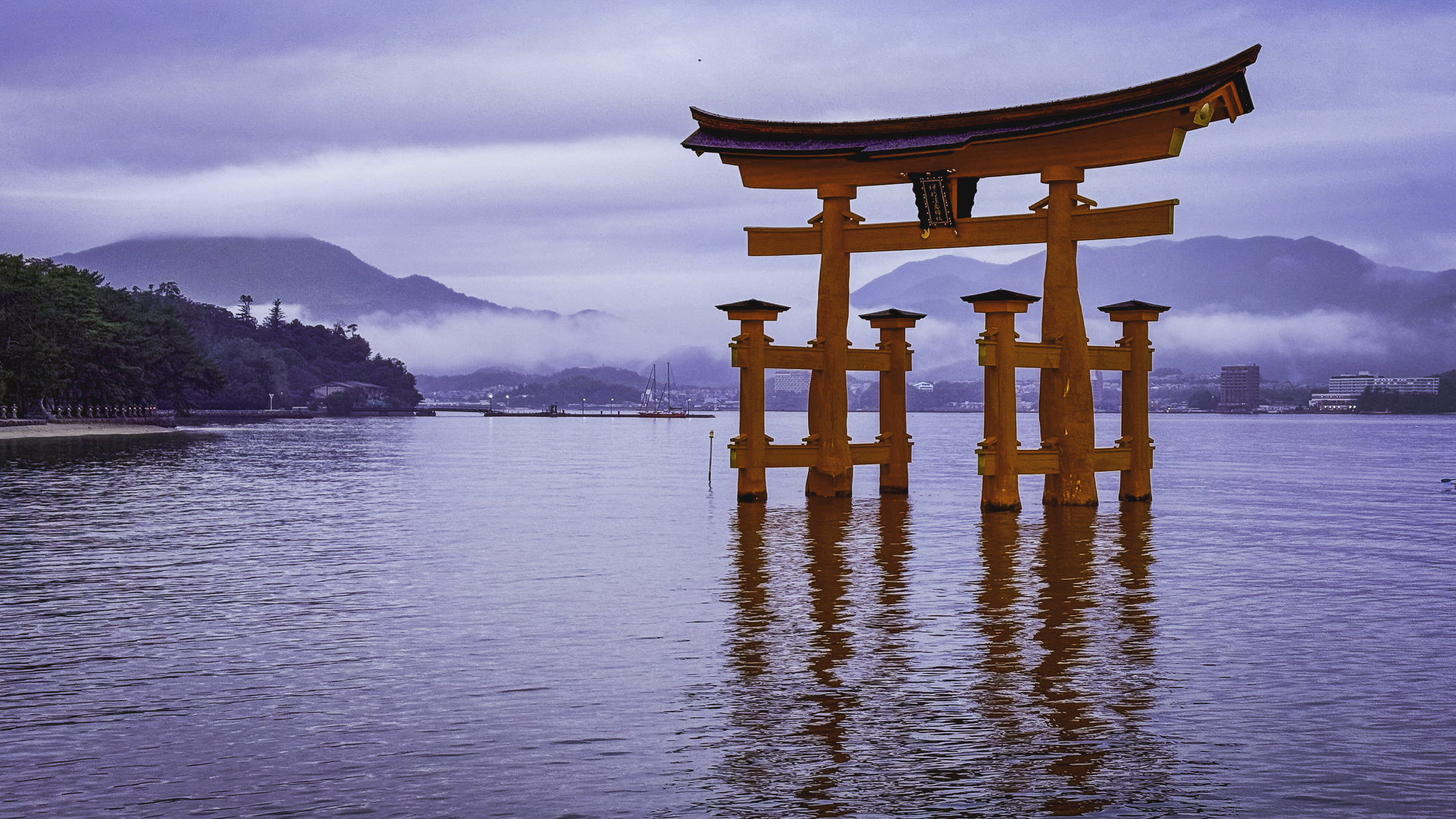
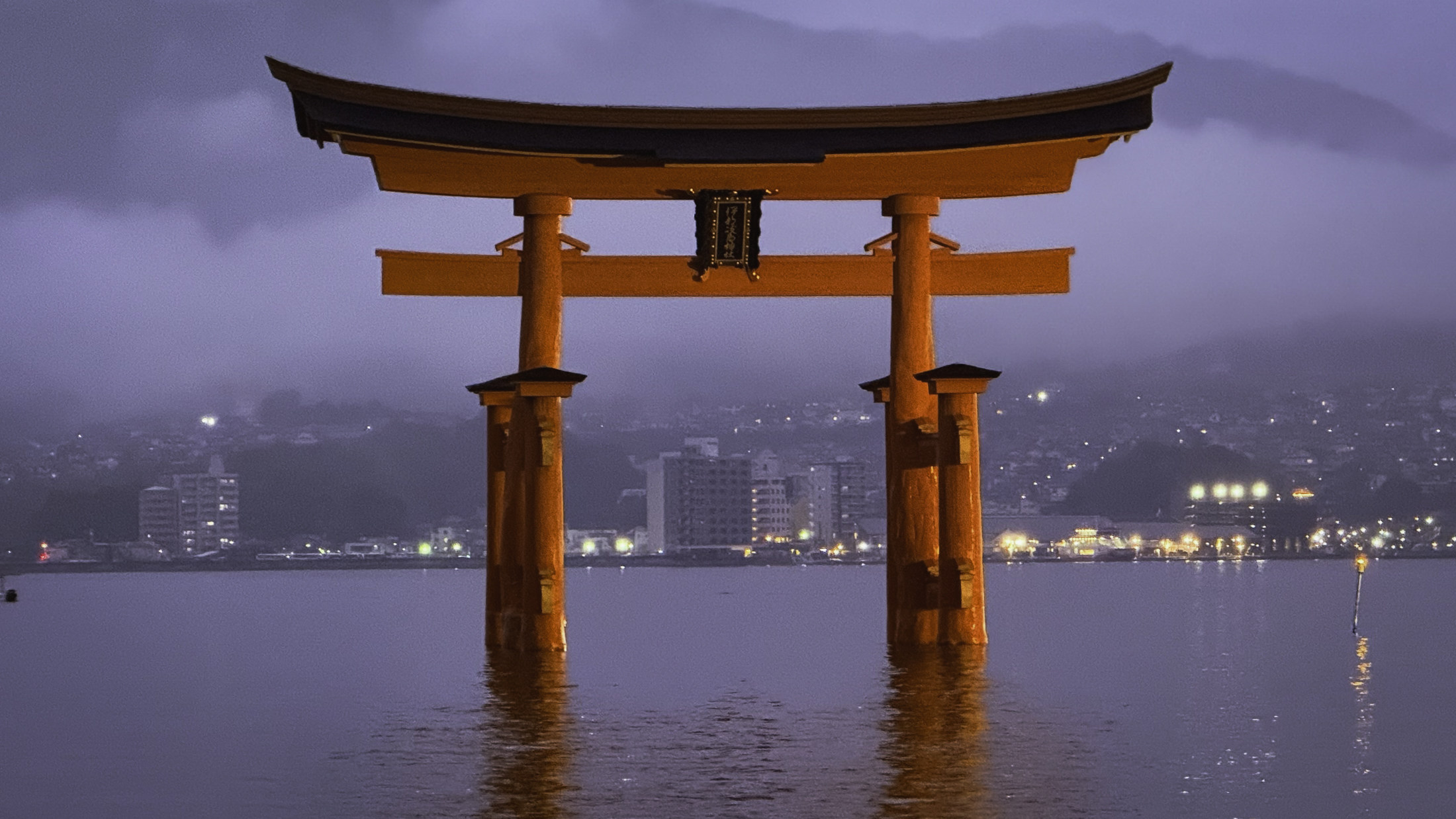
Oh!  And the Itsukushima Shrine’s Ōtorii gate!  Also known as the “floating gate!”

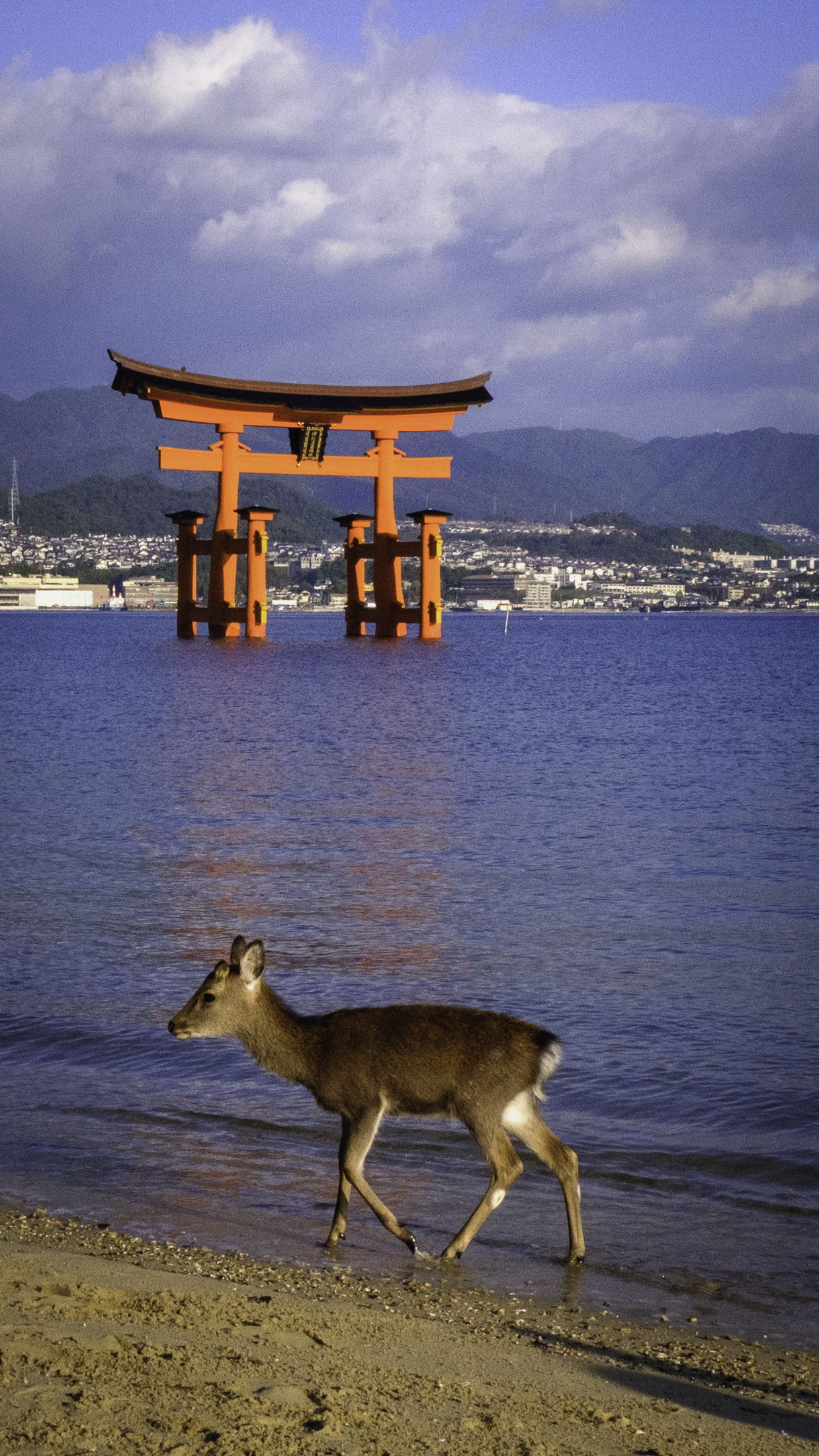
Here are several photos of the Ōtorii at various tide heights, angles, and lighting conditions


Itsukushima Shrine

 
Deer of Miyajima


Tahōtō Pagoda


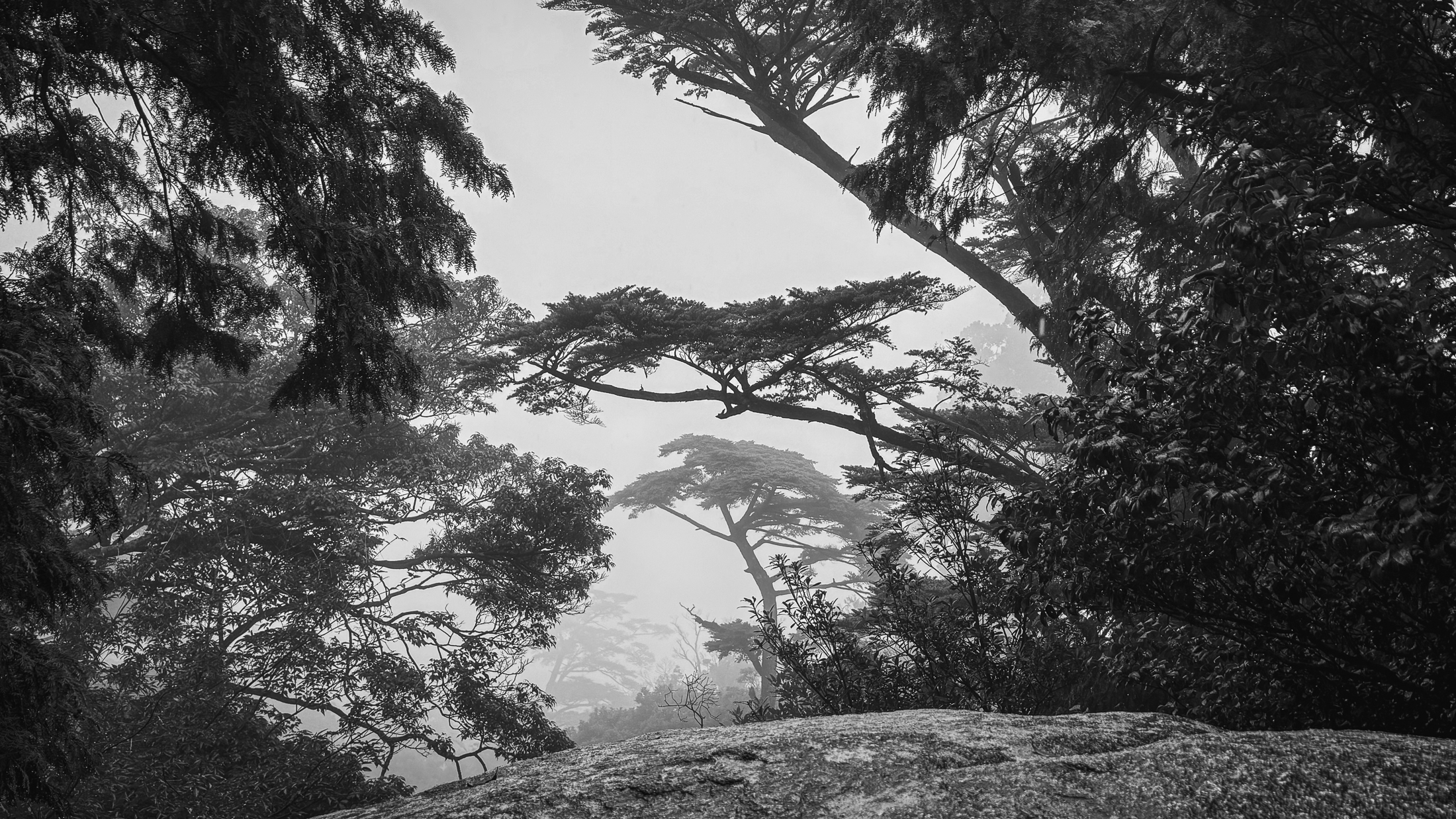
Mount Misen forest

Powerful.

Scary.

Overwhelming.

I could not go to Japan without visiting Hiroshima.

I’ve been to Auschwitz, Berlin, Yad Vashem.  These are all places where I felt, as a Jew, I was the victim.

In Hiroshima, I felt the pain of being an American, of being responsible for inflicting horror upon others.

Simplification?  Yes.

Regardless, that’s how I felt while listening to the stories on my audio tour of the Hiroshima Peace Memorial Museum.  The suffering as a result of the atomic bomb dropped by the United States onto the people of Hiroshima overpowered my emotions.

To maintain focus and out of respect, I took no photos in the museum itself.  While walking around outside of the museum, I kept picturing how the city looked after being devastated…the people, their homes, the buildings… 

Powerful.

Scary.

Overwhelming.

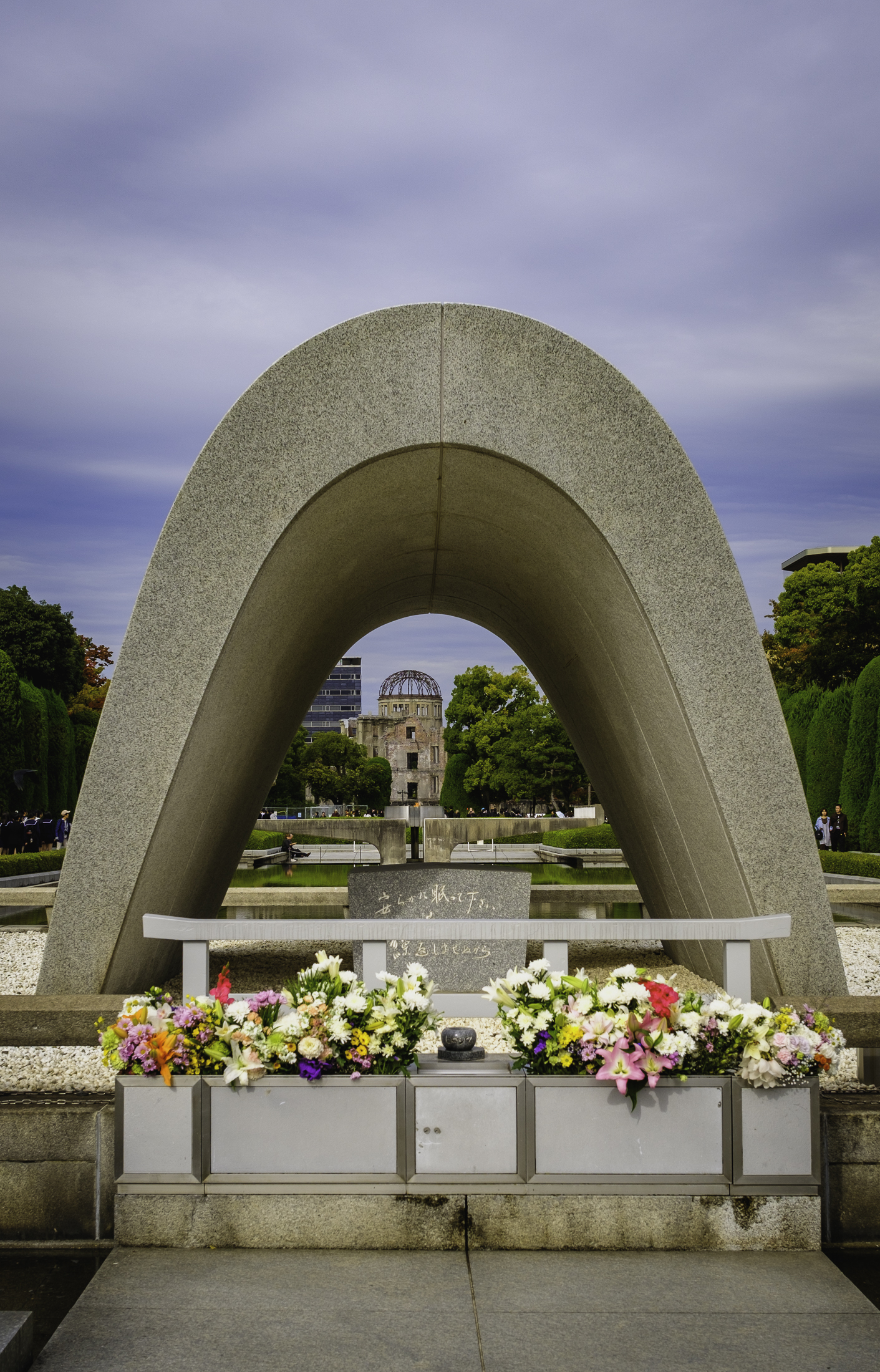
Cenotaph for the A-bomb Victims


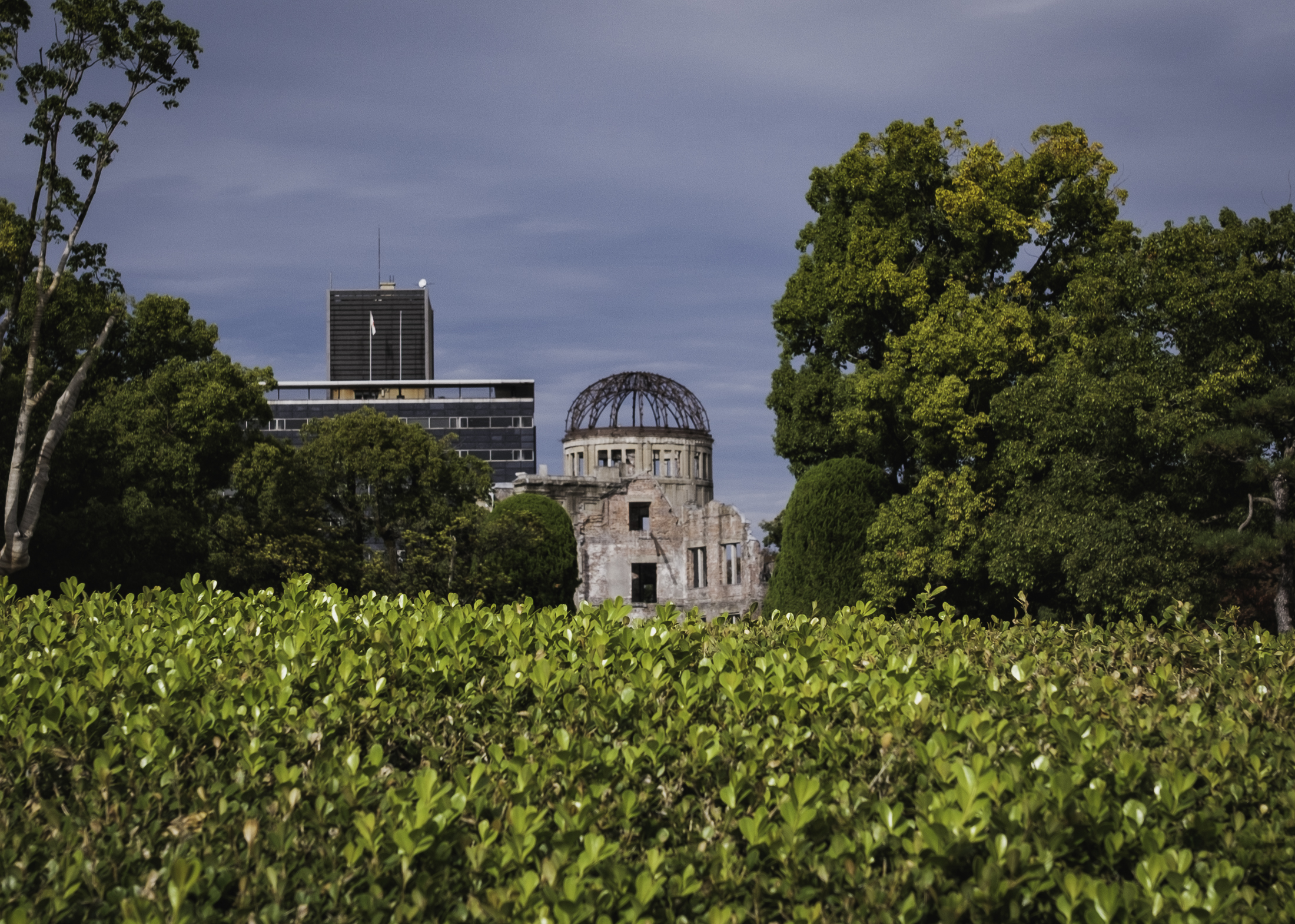
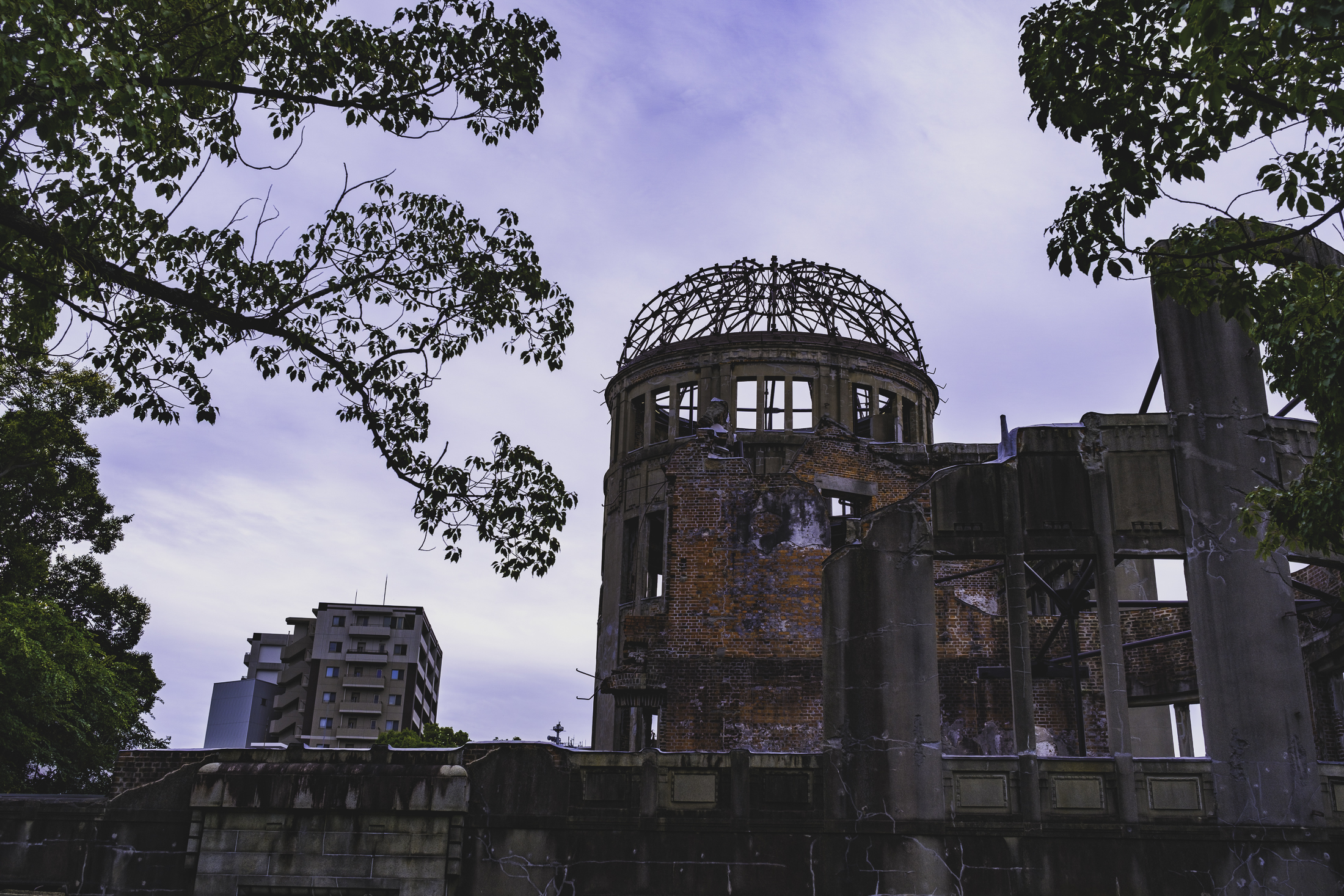
Atomic Bomb Dome


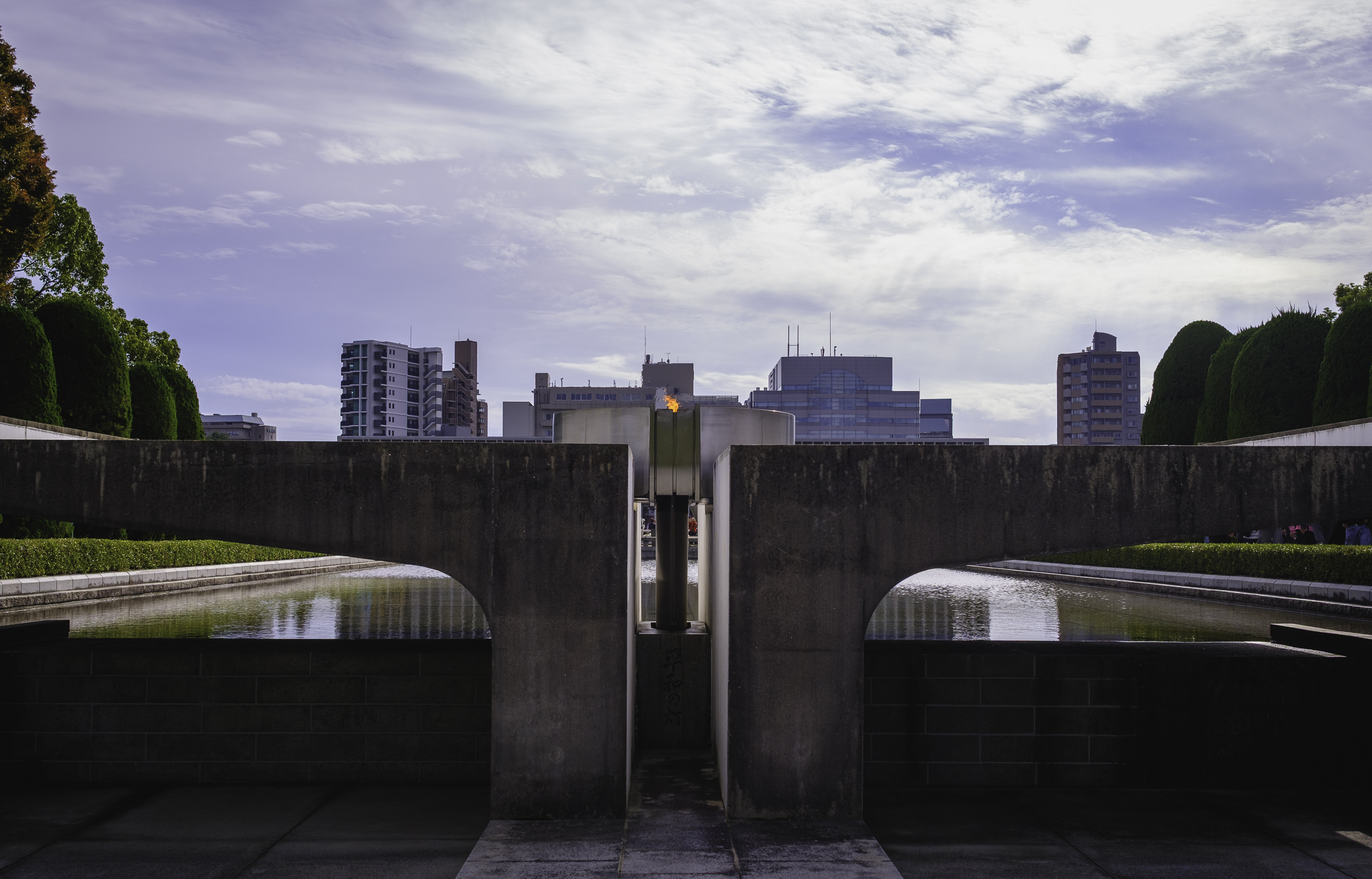
Flame of Peace, to be extinguished when nuclear weapons no longer exist


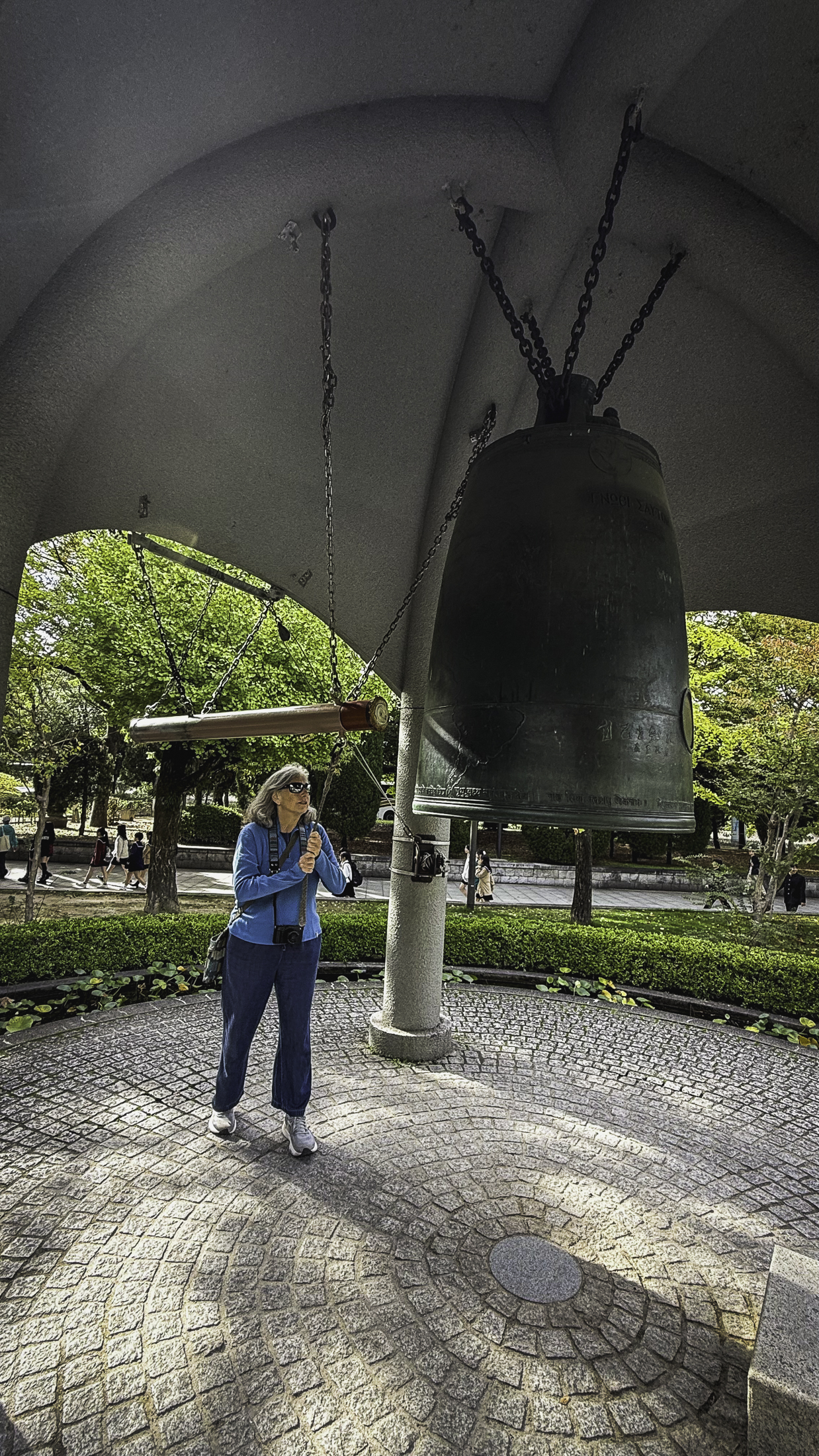
Peace Bell, expressing my call for peace


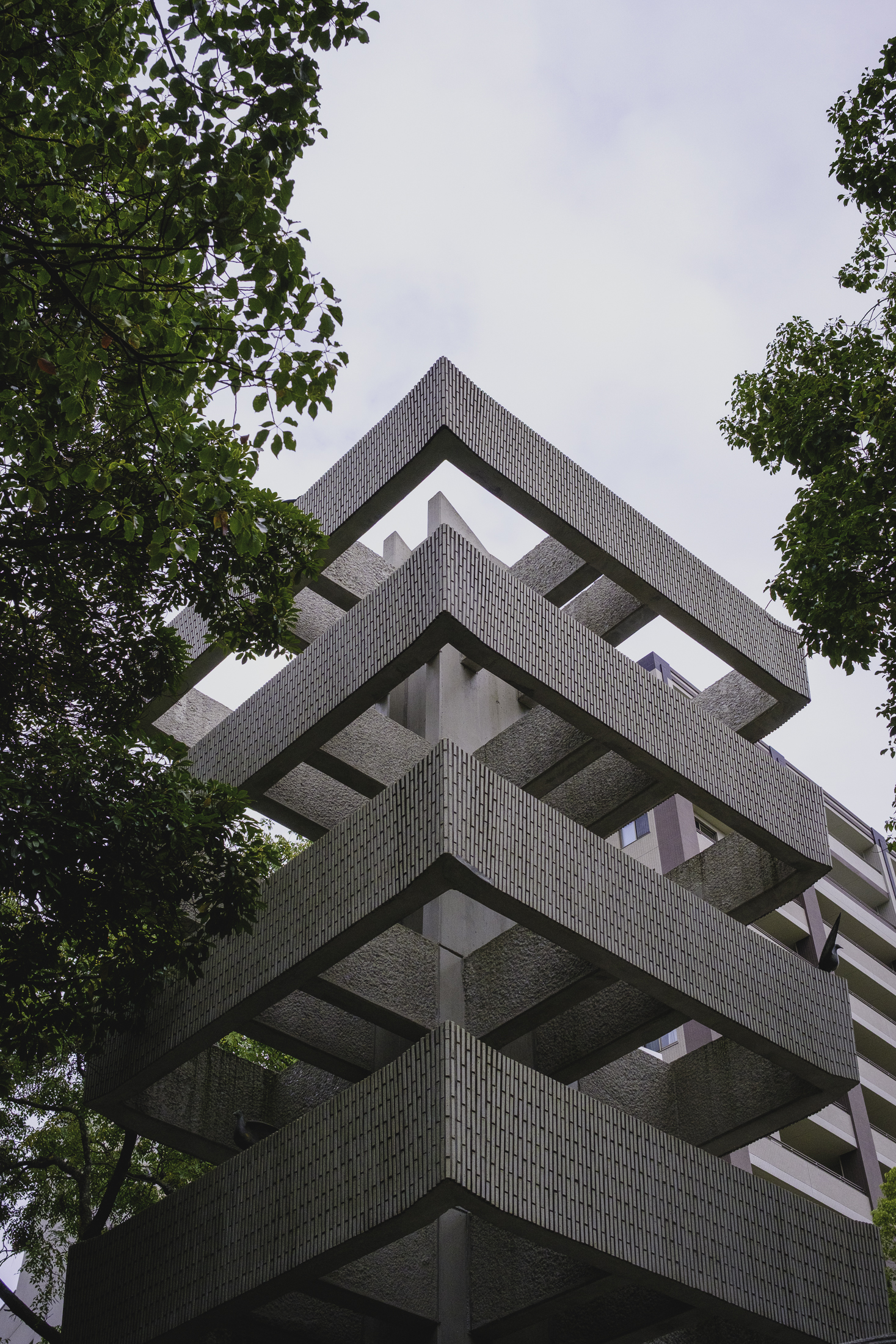
Memorial in the Hiroshima Peace Memorial Park


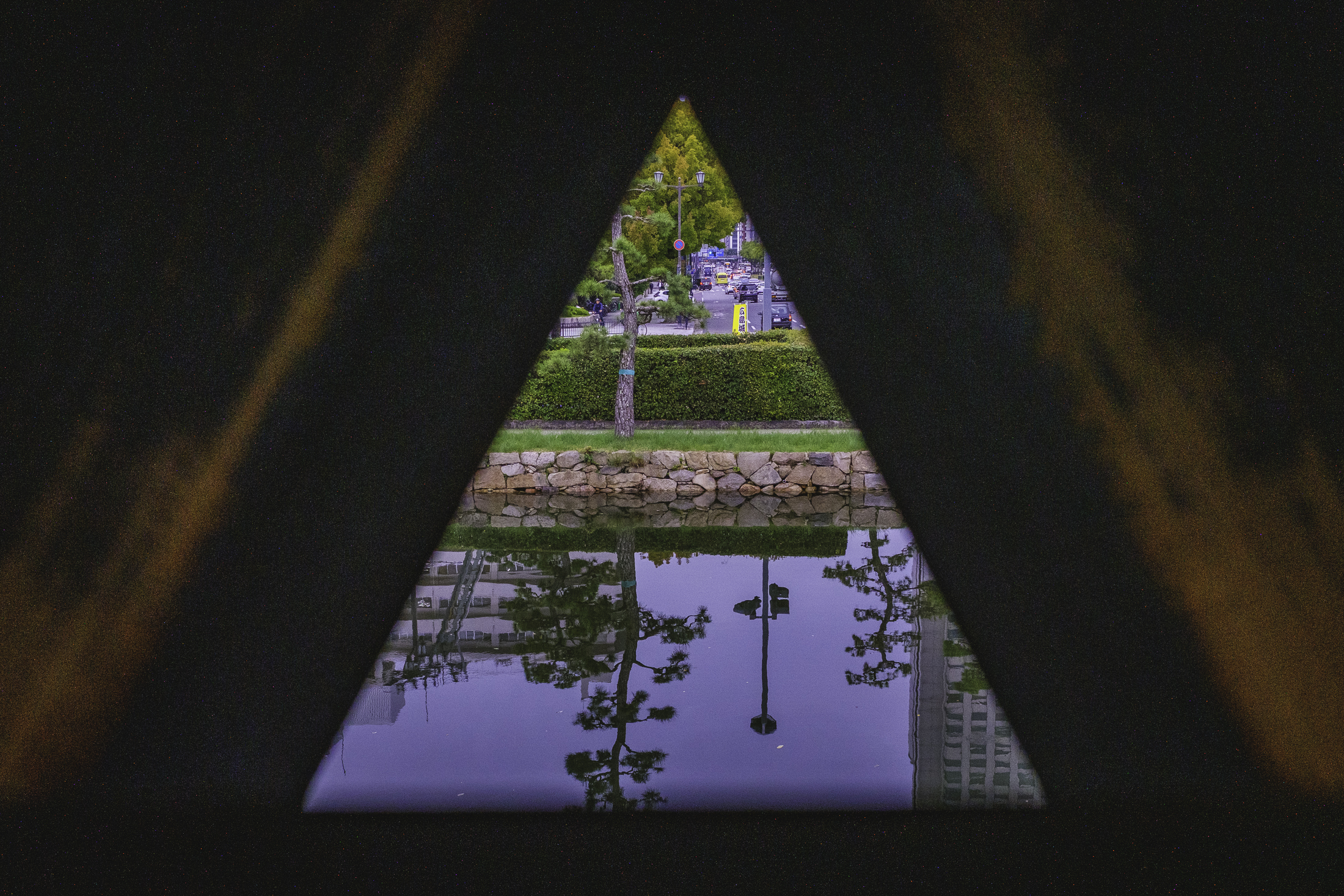
Hiroshima Castle (reconstructed):  View through a teppōzama (gun loophole)


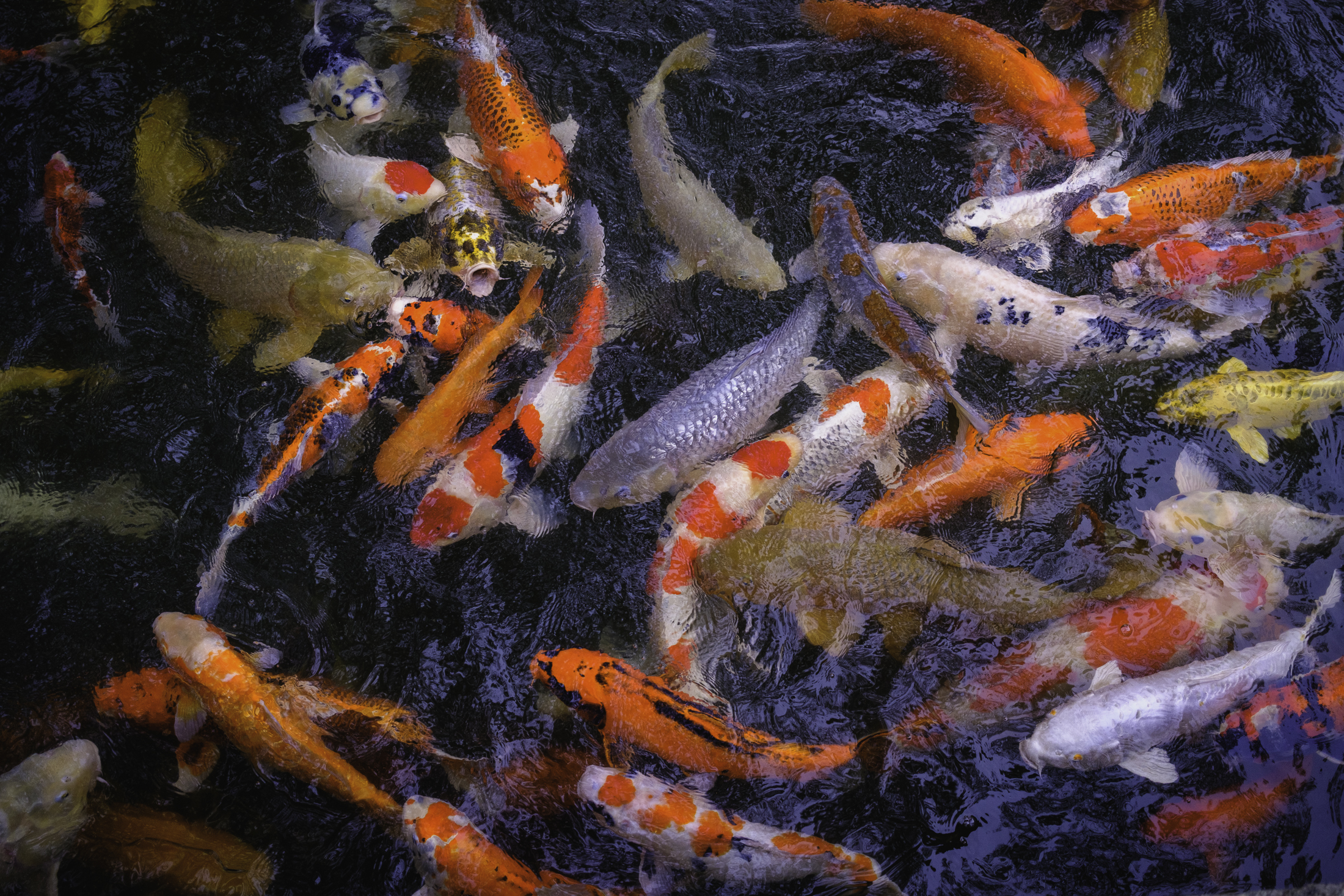
Shukkeien Garden Koi carp


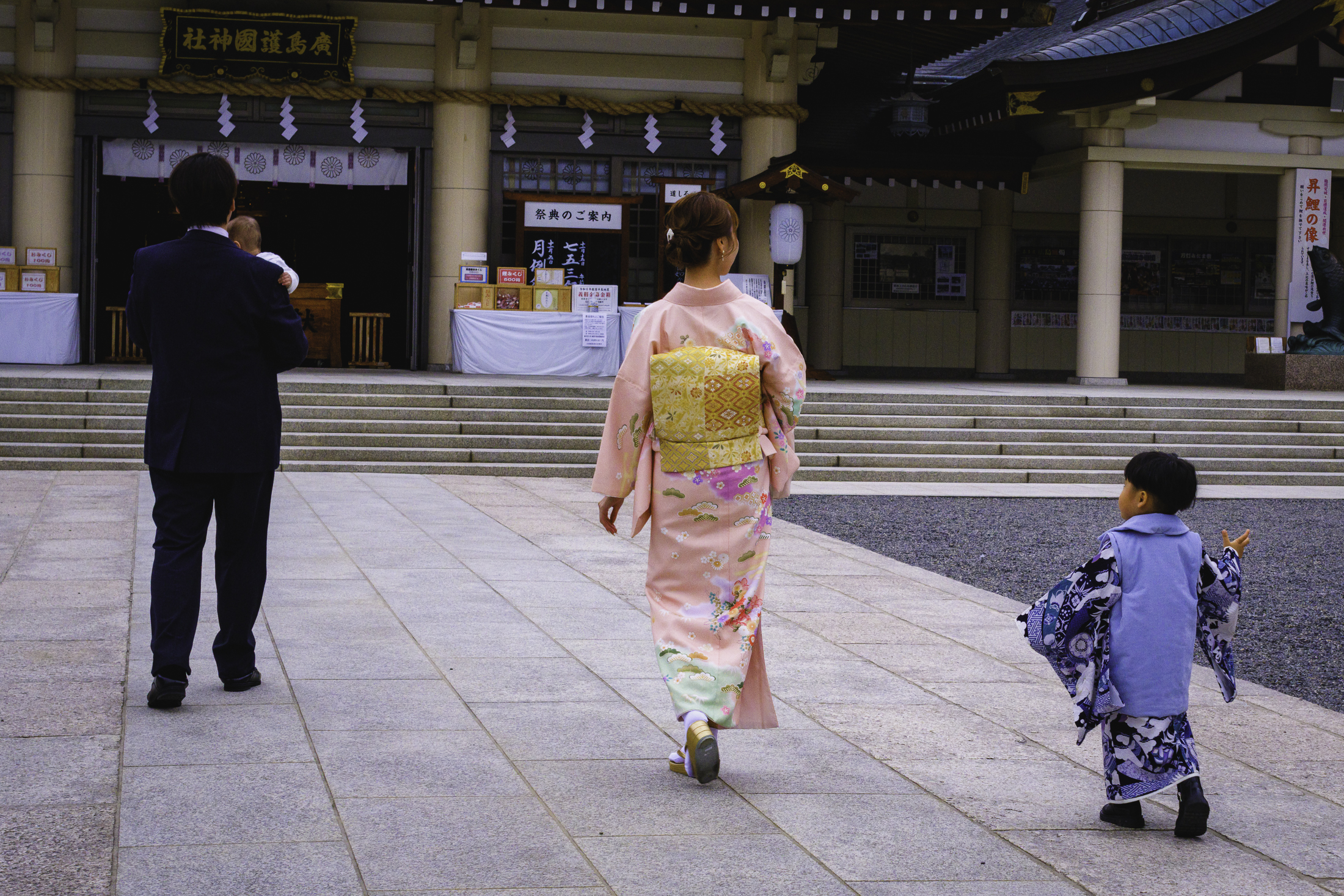
A family dressed in traditional clothes, perhaps for the three-year old’s photo, entering Hiroshima Gokoku Shrine


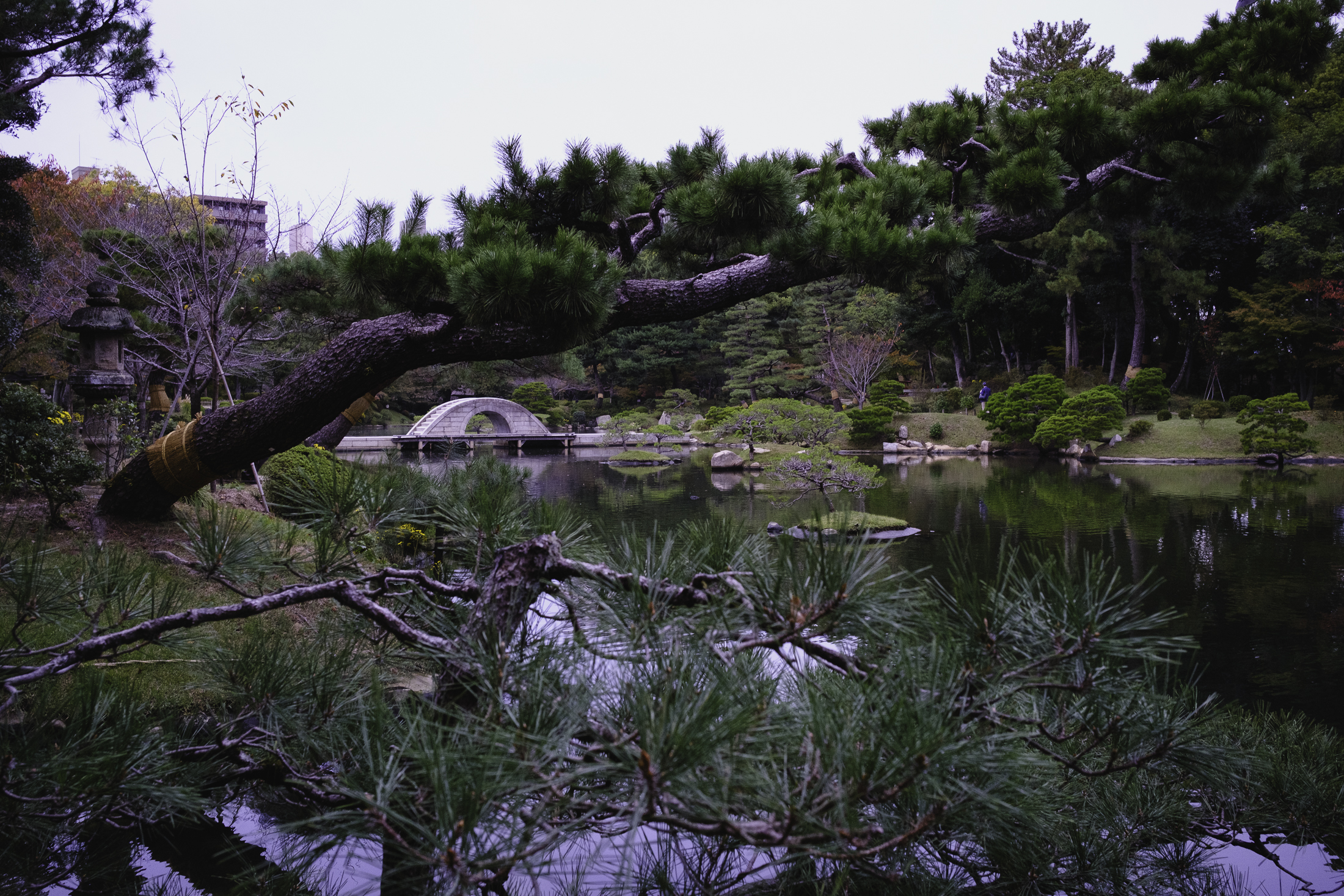
Shukkeien Garden

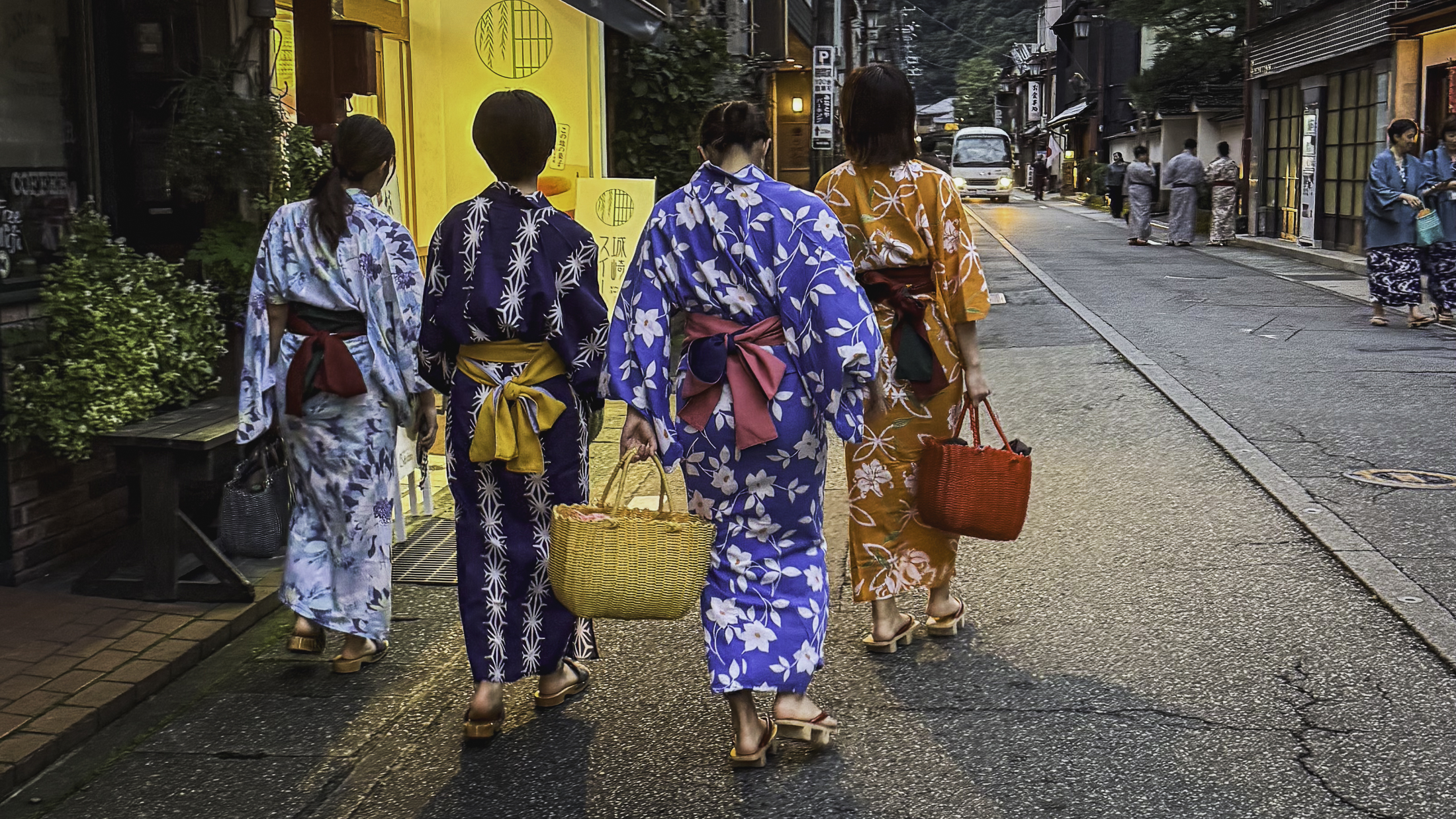
At a different pace than in Kyoto, we spent two night in Kinosaki Onsen, walking around in our yukata (robe) and geta (wooden sandals) to soak in the six available public onsens (and the onsen at our lodging, Yamamotoya Ryokan).

Photos, of course, are not allowed in an onsen.  Men and women bathe separately, and each of the six onsens has its own ambience. 

The process is similar regardless of the establishment.

1) Remove shoes

2) Walk into the dressing room

3) Remove clothes and put in a small locker

4) Shower – everyone must be thoroughly clean when entering the water

5) Bathe – many women keep a small towel folded on the top of their head to keep the towel dry

6) Dry off – using the small towel 

7) Get dressed

In addition to the onsens, we rode the Kinosaki Onsen Ropeway to the top of Mount Daishi.  On the way down, we stopped midway to quickly visit Onsen-ji Temple, where a monk added a goshuin to our books (more on these later!).

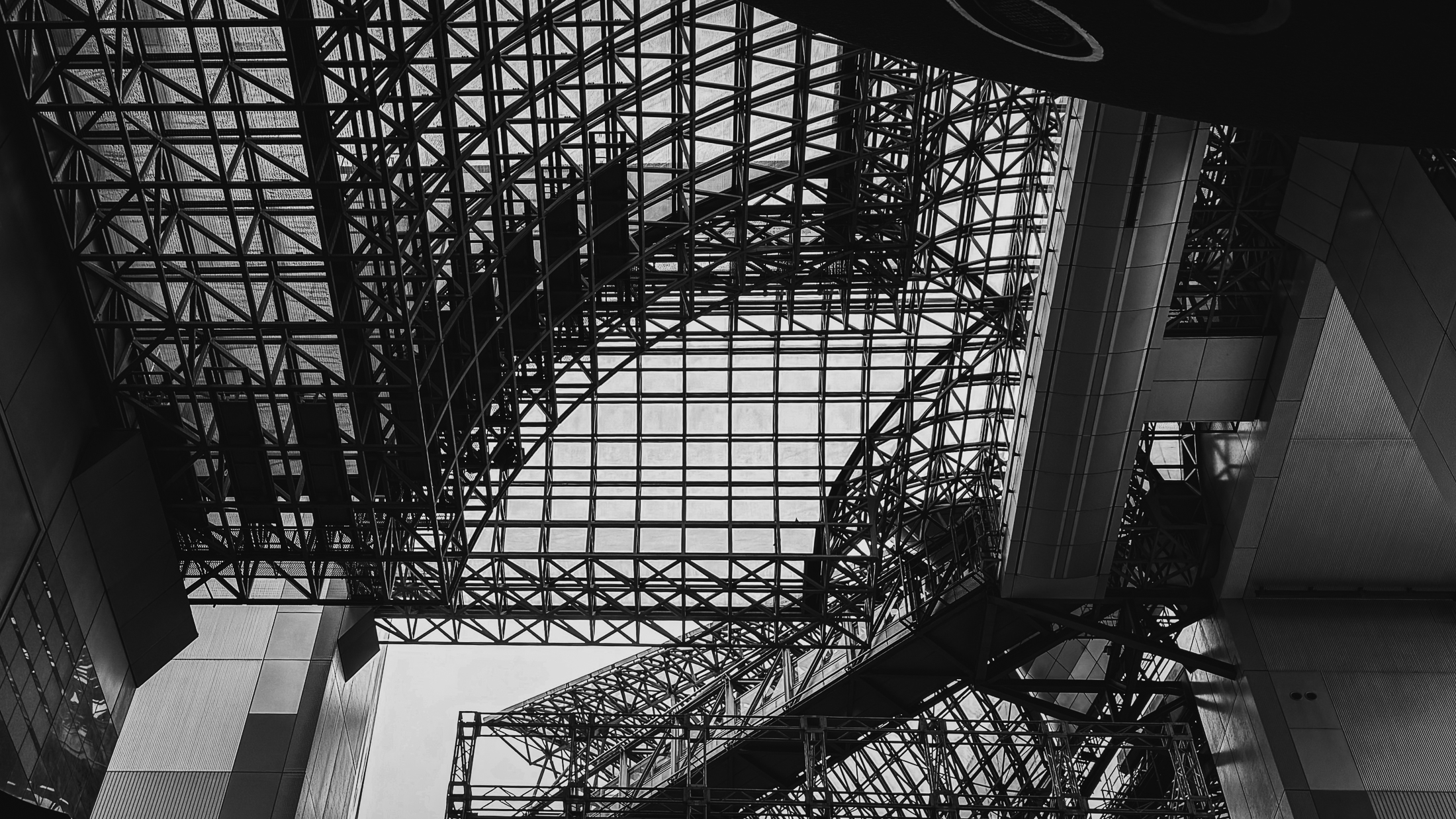
Kyoto Station


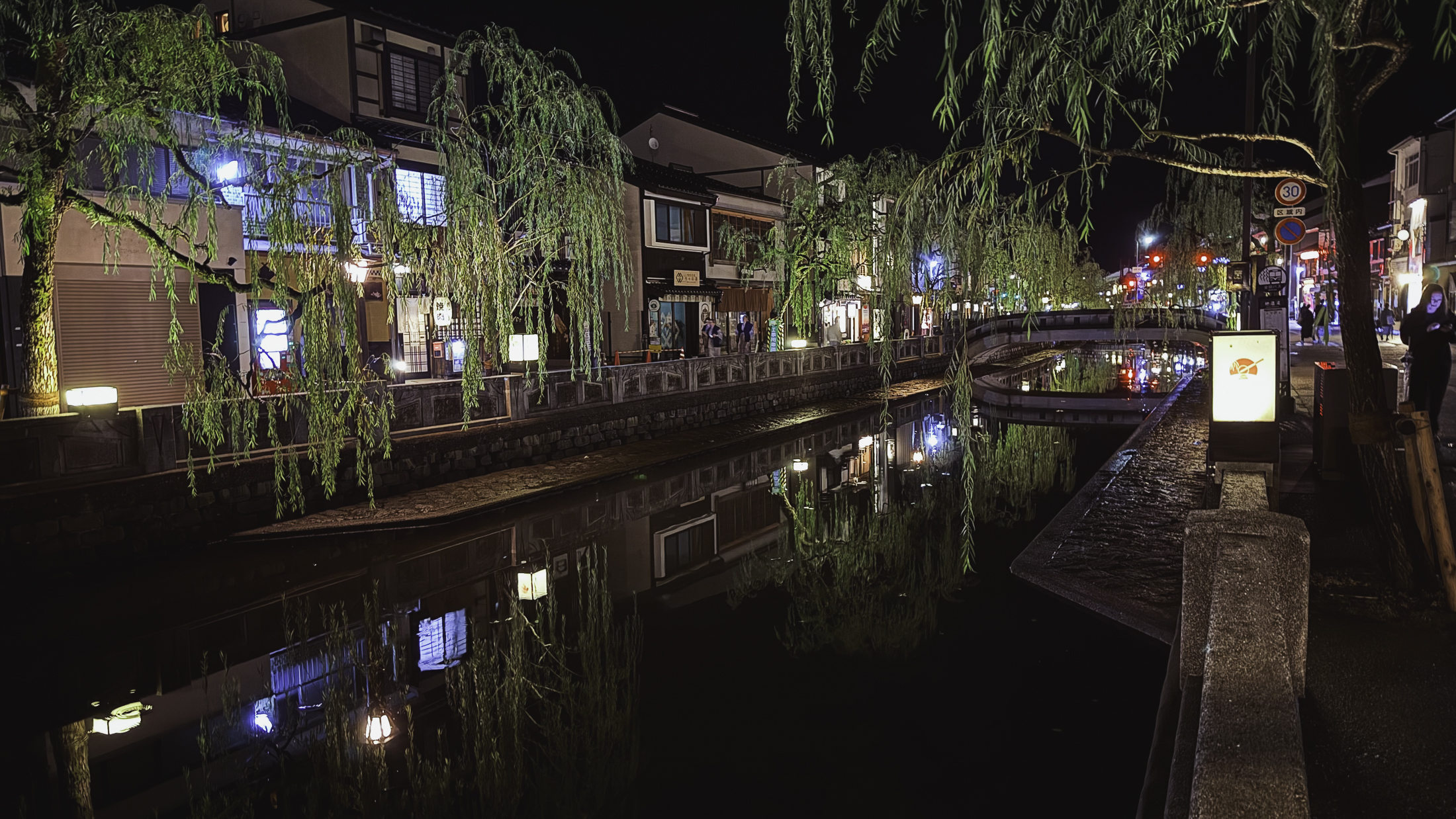
Otani River at night


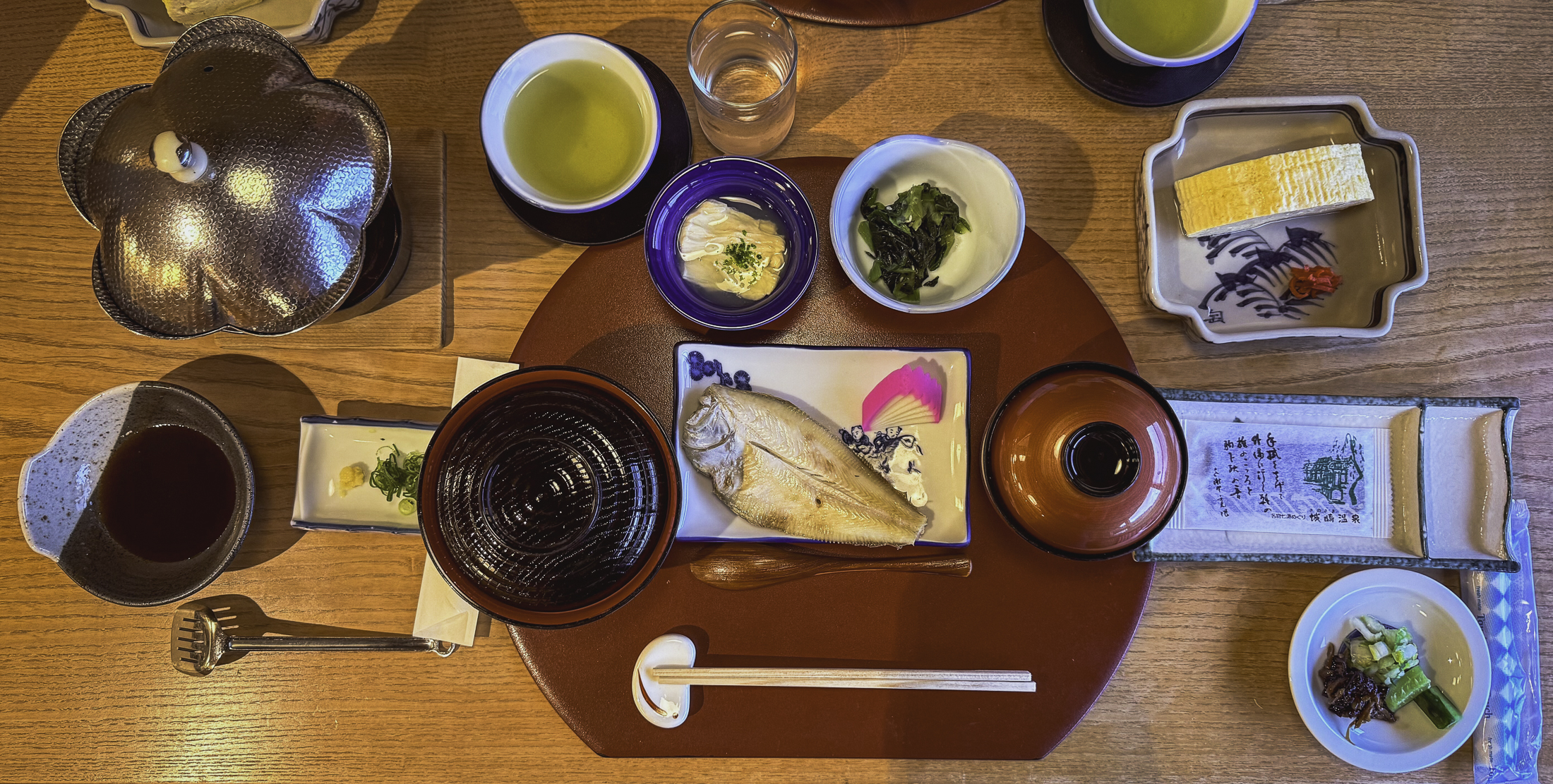
Breakfast at our ryokan


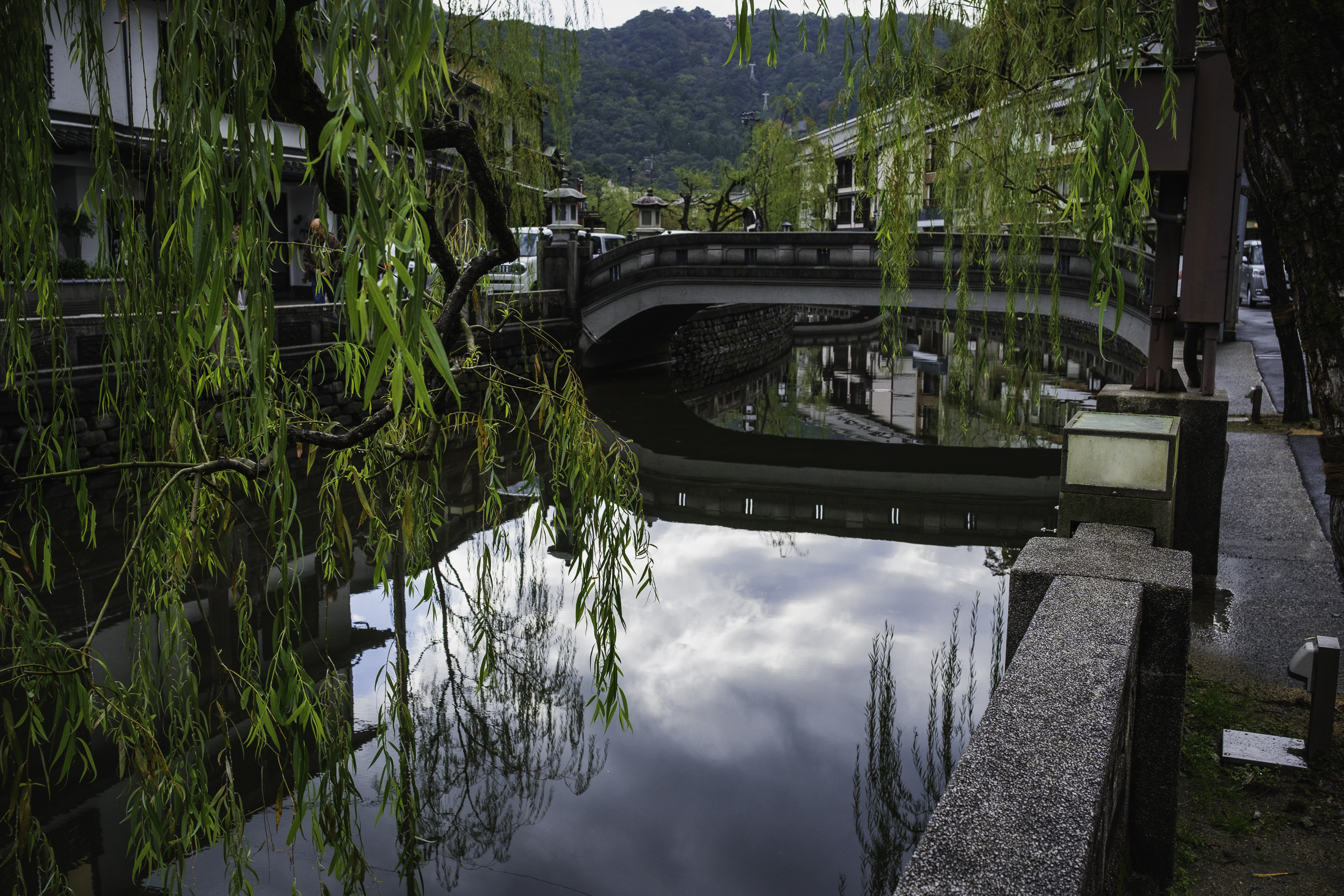
Otani River during the day


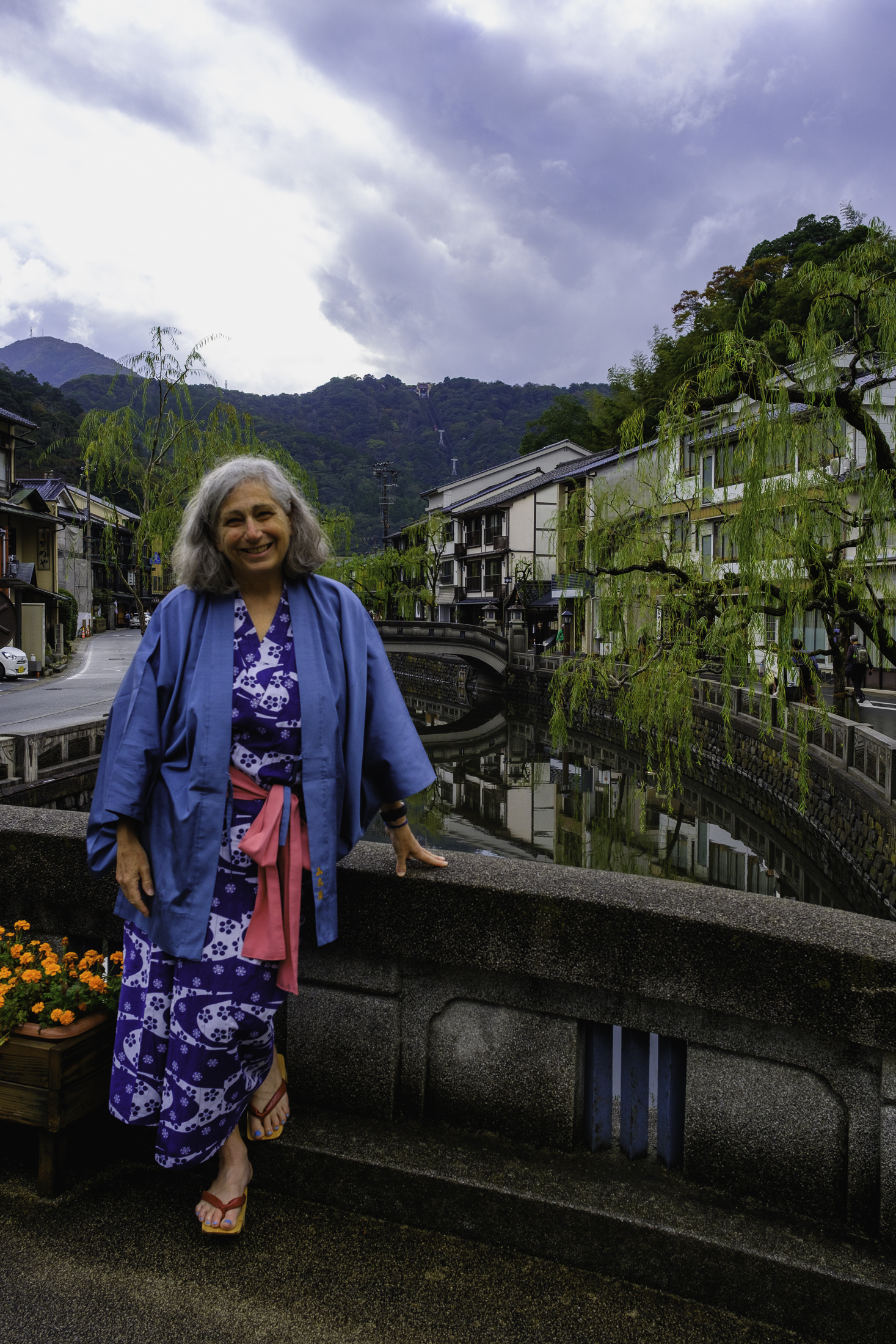
Yukata and geta


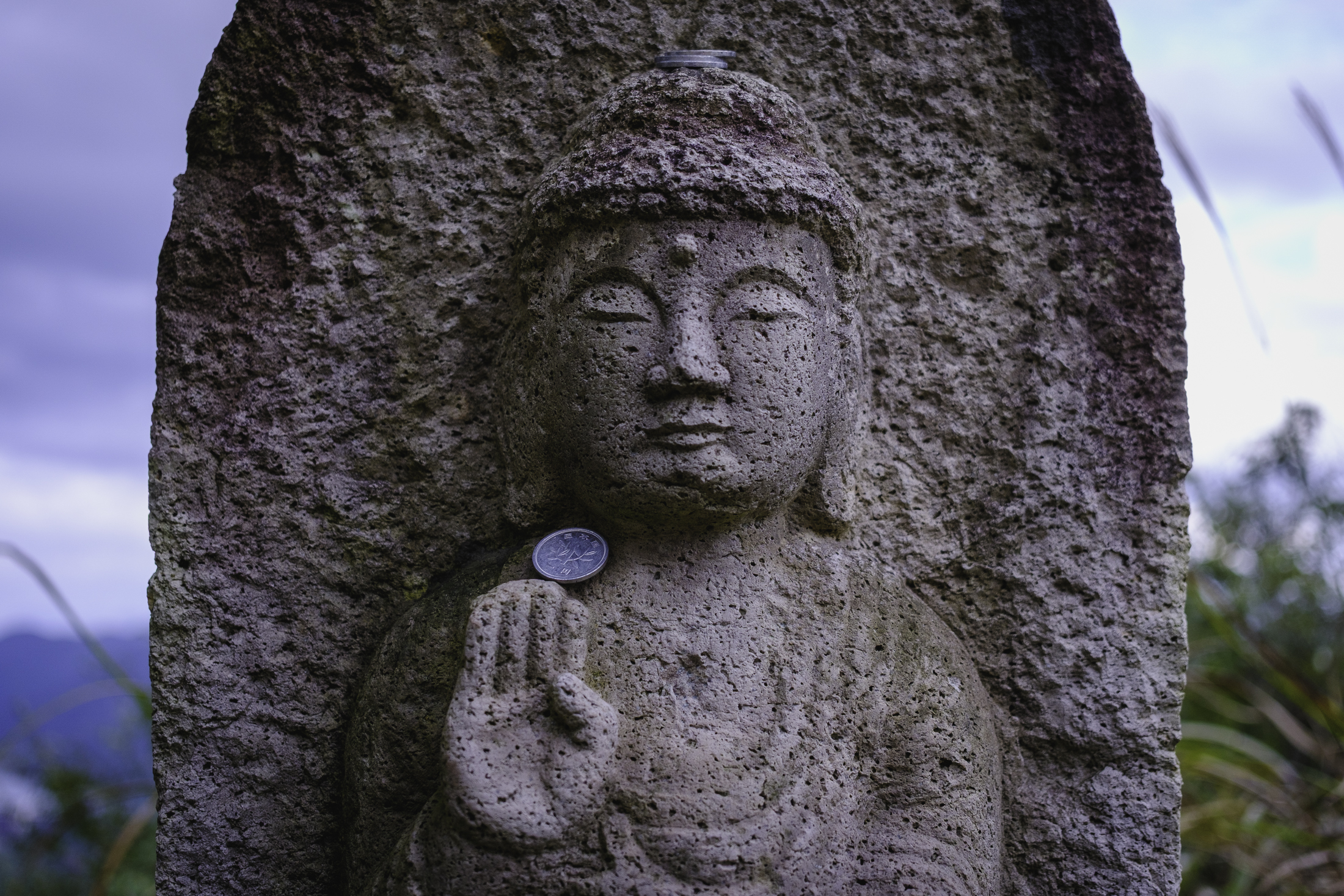
Mount Daishi:  Stone Buddhist figure


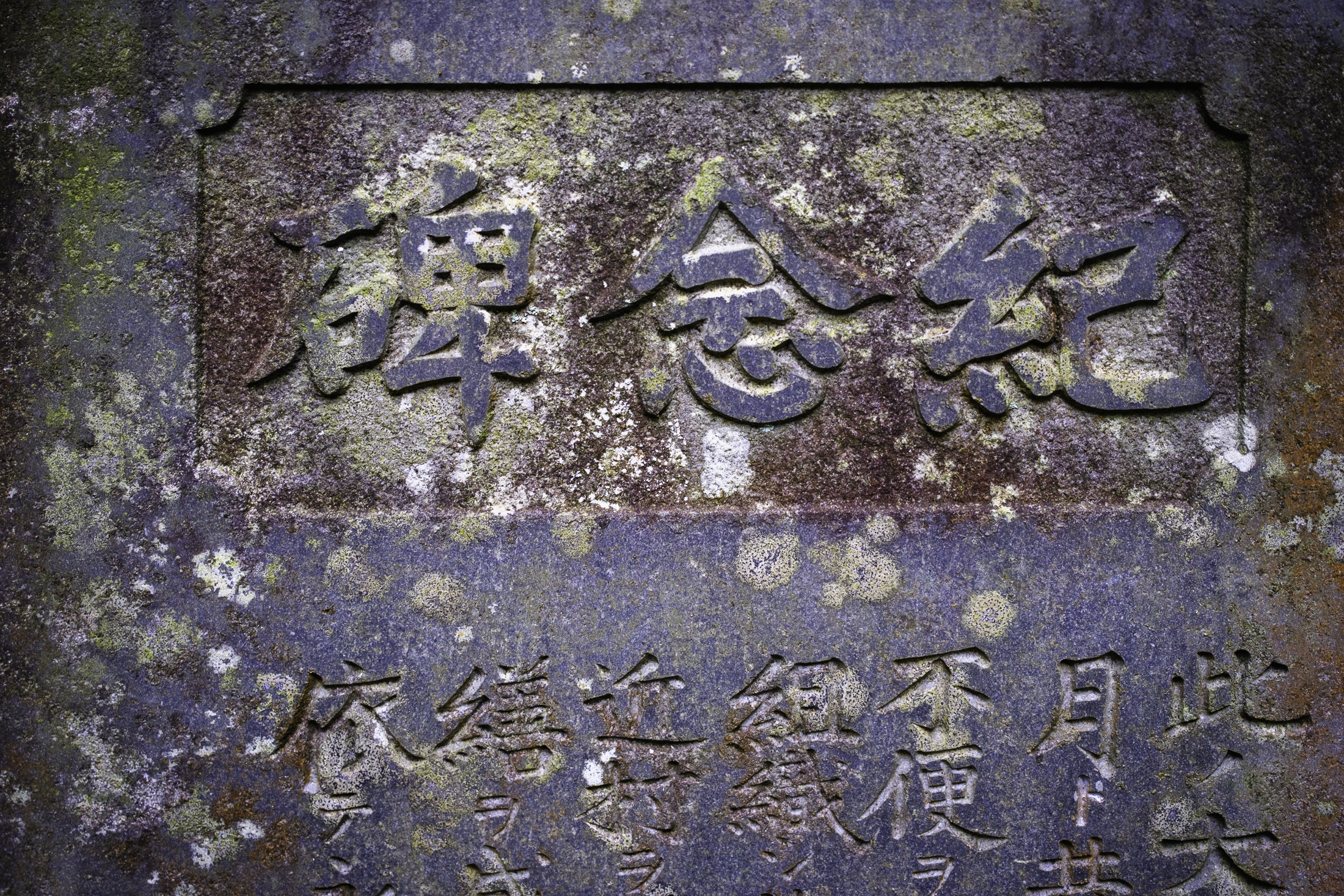
Mount Daishi:  Stone inscription


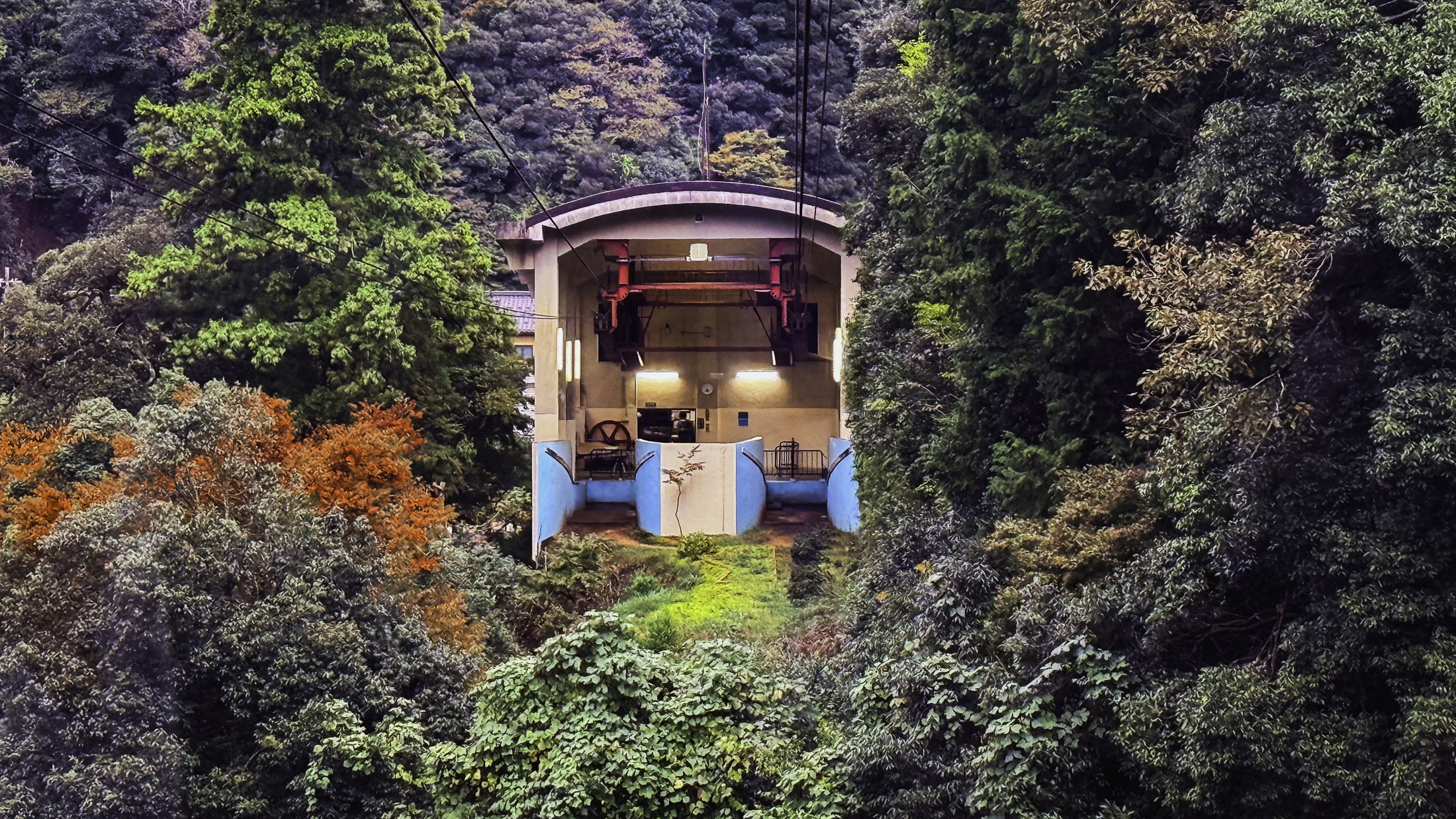
Ropeway station


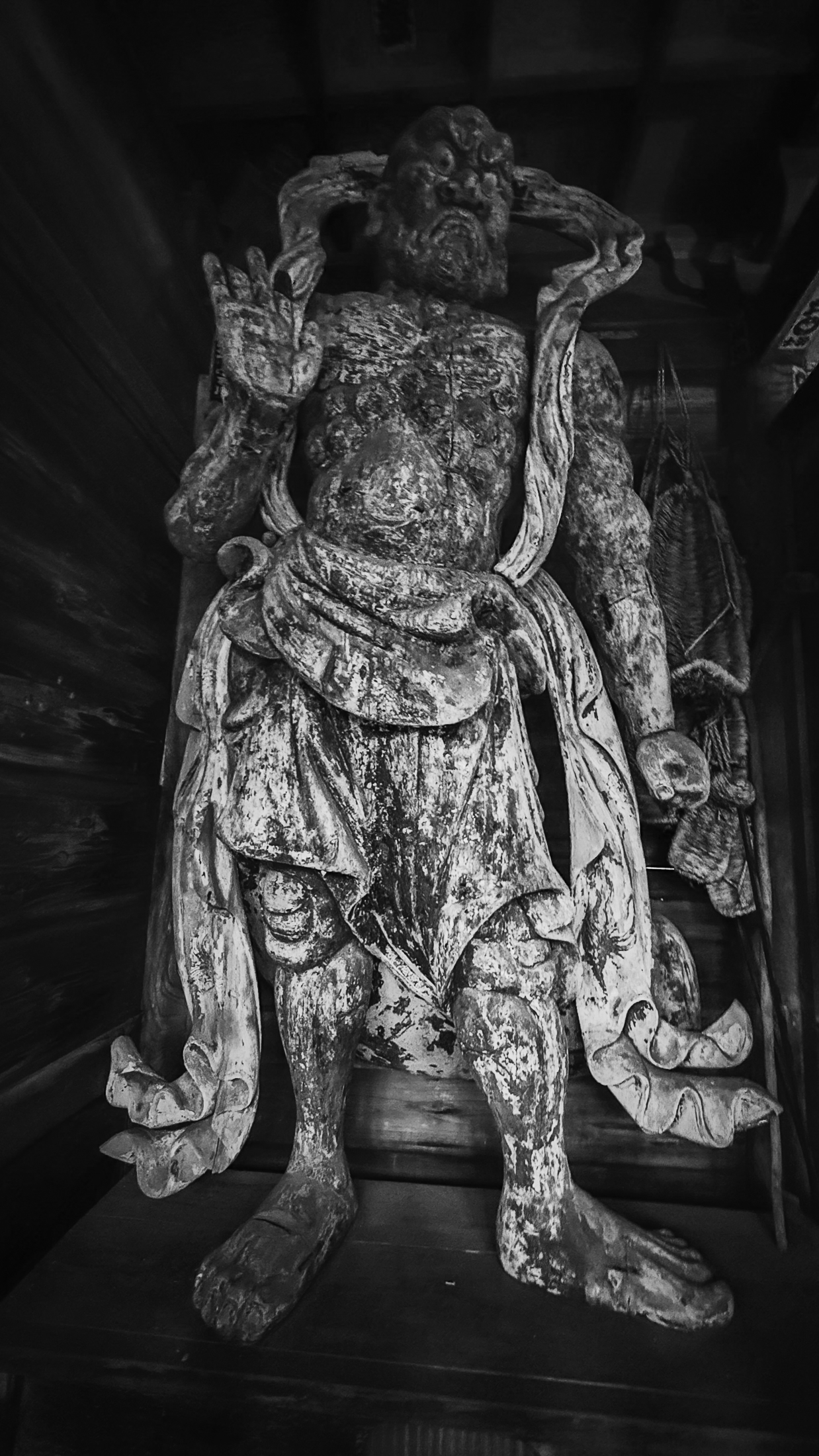
Buddhist guardian:  The facial expression!


Walking down the street, wearing yukata and geta

When I woke up, I wasn’t sure if I’d be able to make it to Nara.  With my lower back spasm, I slowly walked to breakfast and gingerly carried my food tray to my table.  Sitting there, I felt sad and in pain.  Knowing that back pain often diminishes within a couple of hours, I decided to down a few Advil and travel to Nara with Kayla, letting her know that I felt we should explore independently so I could go at a slower pace. 

My back eased up enough for me to not only walk around but also to enjoy the day trip!

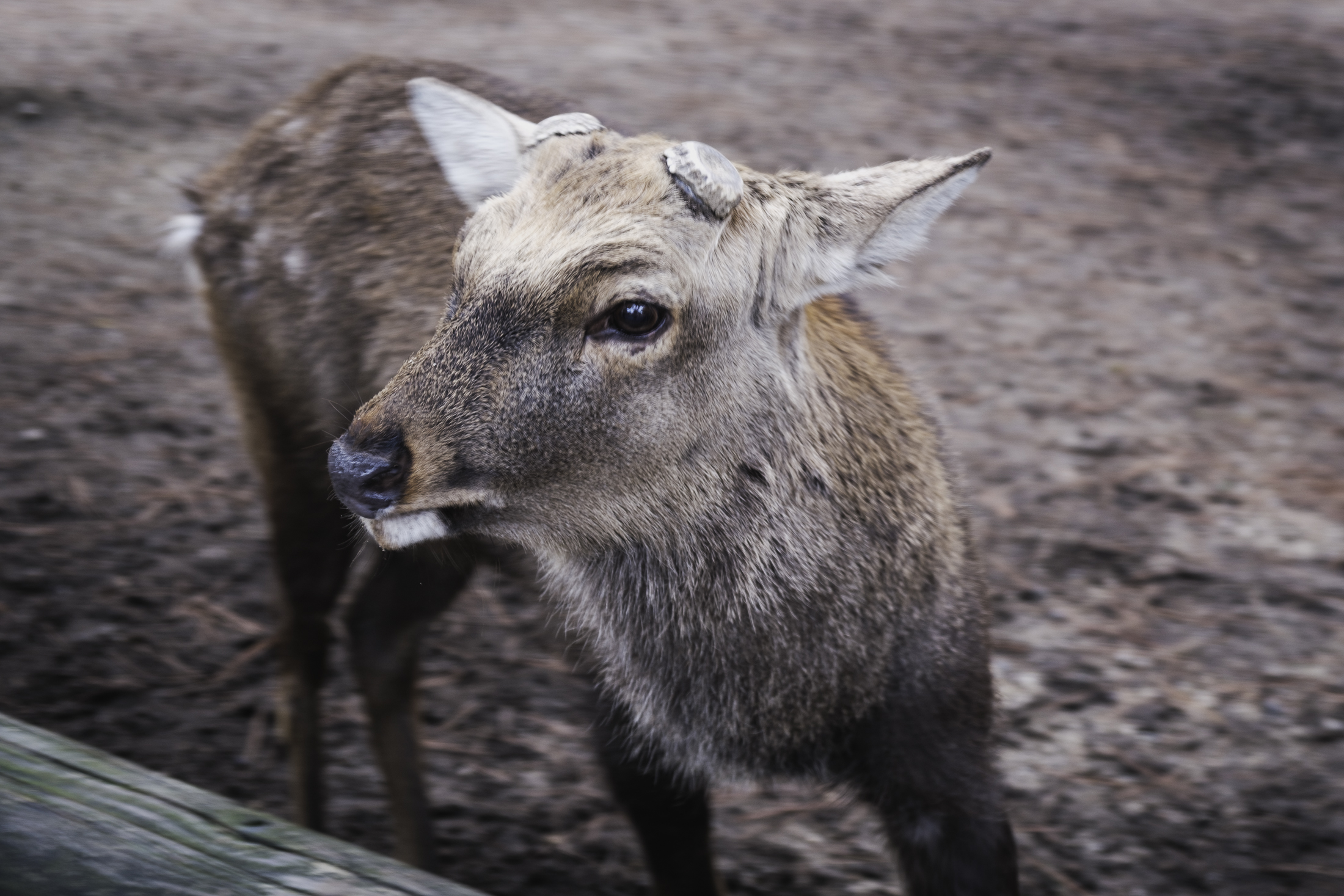
Nara didn’t disappoint!  When one leaves the train station and approaches Nara Park, wild deer greet visitors, begging for deer crackers.  Playing Pac-Man to wiggle around pestering deer, I found Yoshiki-en Garden where peaceful rocks, trees, and water welcomed me.  Next, I moved on to Isui-en Garden, preserved by the shipping and insurance fortunes of the Nakamura family.

After relaxing and photographing the gardens, I ventured to the Tōdai-ji Temple Complex, a UNESCO World Heritage Site, and followed the audio guide tour of the Nandai-mon Gate, Daibutsuden (Great Buddha Hall), Nigatsu-dō (hillside temple with views of Nara), Hokke-dō (one of Tōdai-ji’s oldest surviving buildings), and the Tōdai-ji Museum.

Before meeting Kayla for our return journey to Kyoto, I walked around Kōfuku-ji Temple, another UNESCO World Heritage Site.  I was disappointed, though, that the famous five-story pagoda was covered with scaffolding as it’s being restored.

One of MANY Nara deer


Textures and colors in the gardens


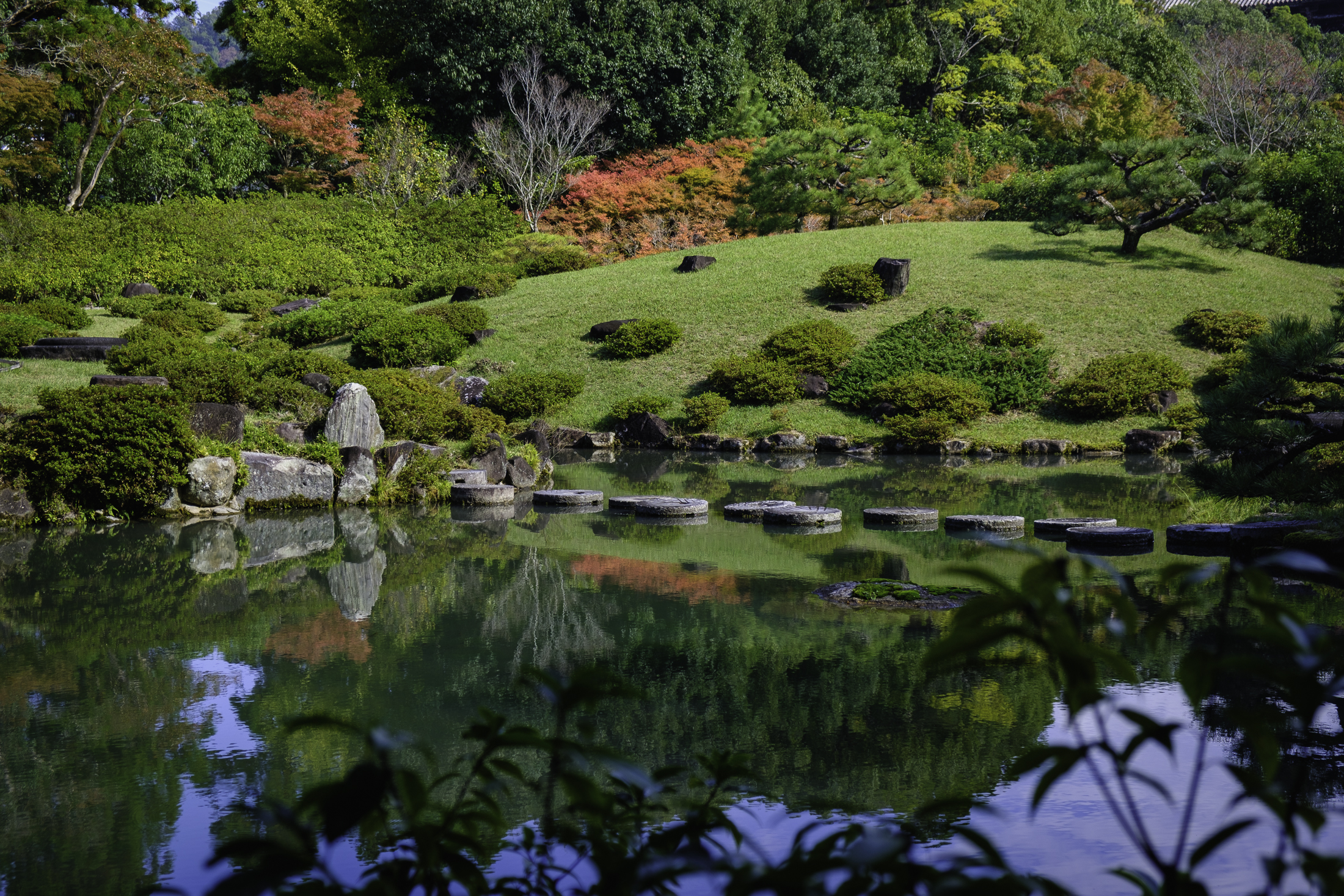
Isui-en Garden


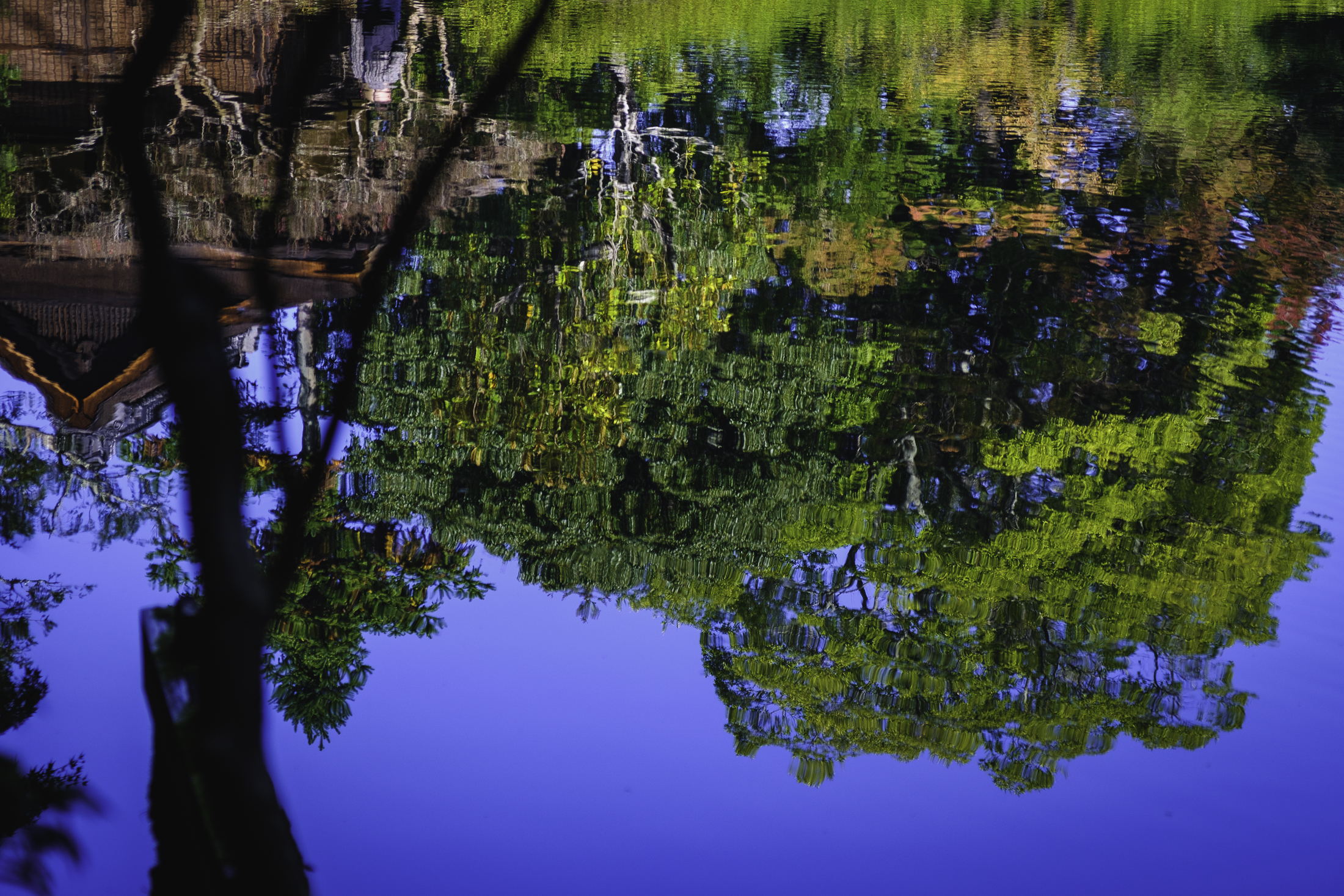
Isui-en Garden – sometimes the reflection surpasses the original


Isui-en Garden – autumn colors emerging


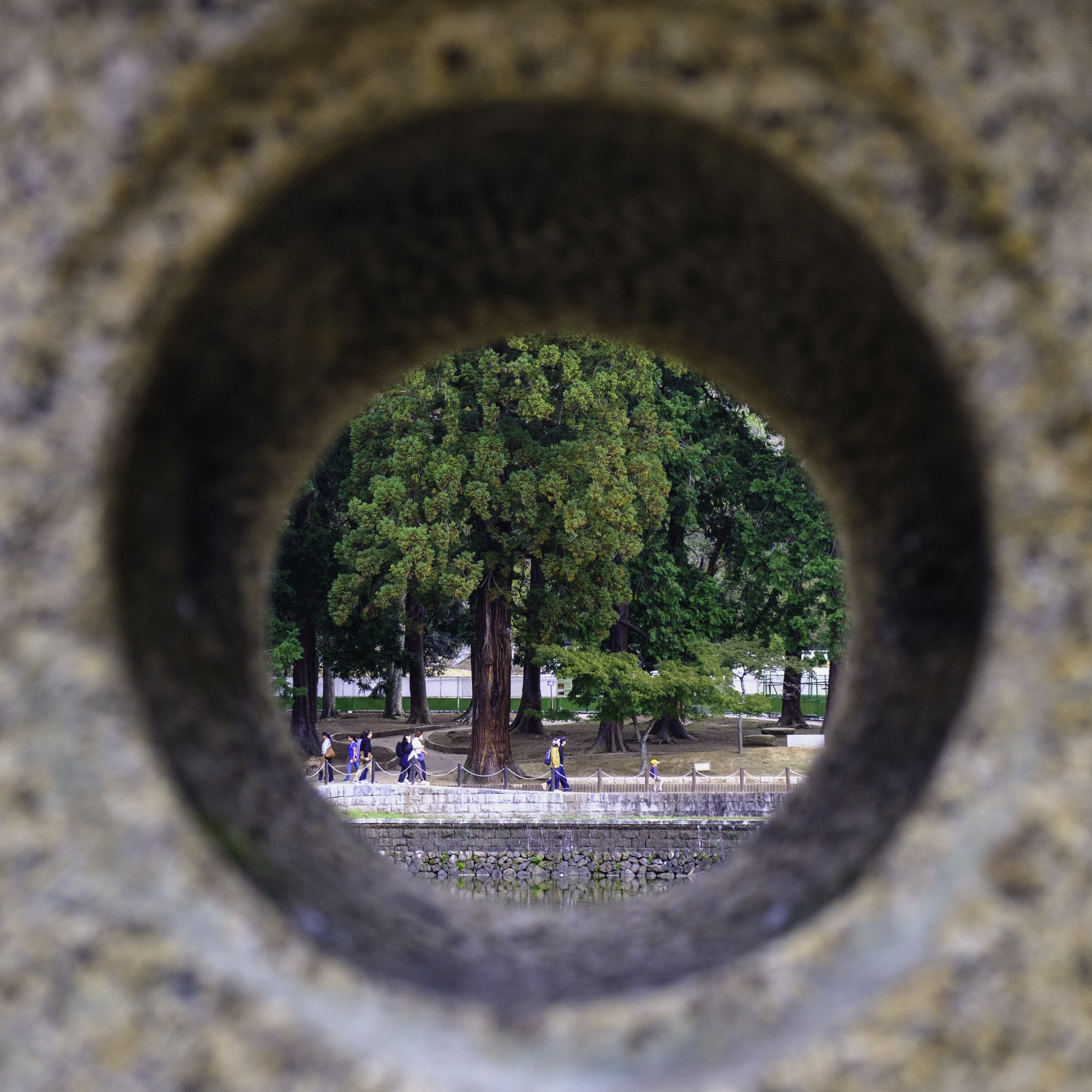
Tōdai-ji’s Nandai-mon – looking through a lantern hole while approaching the gate


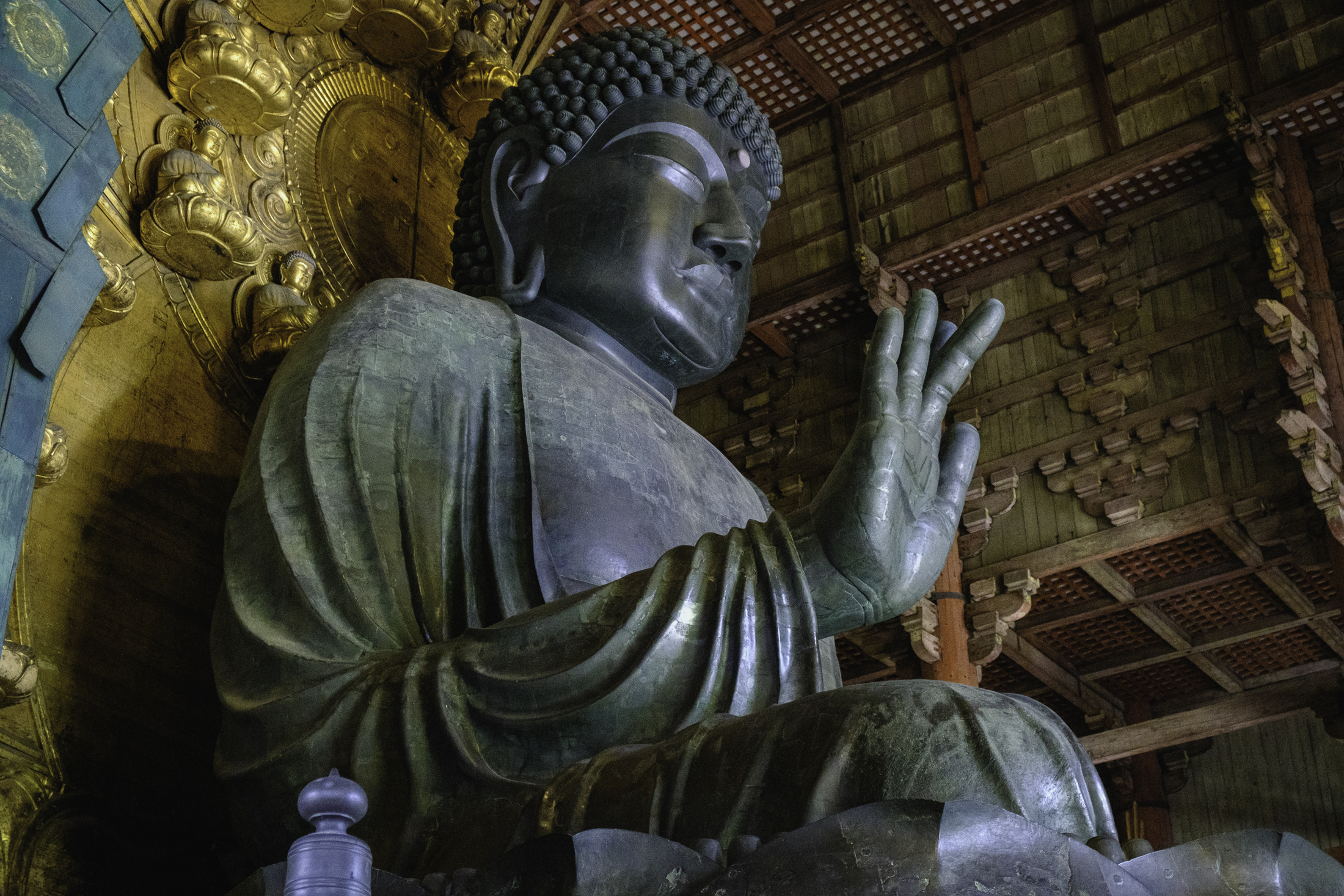
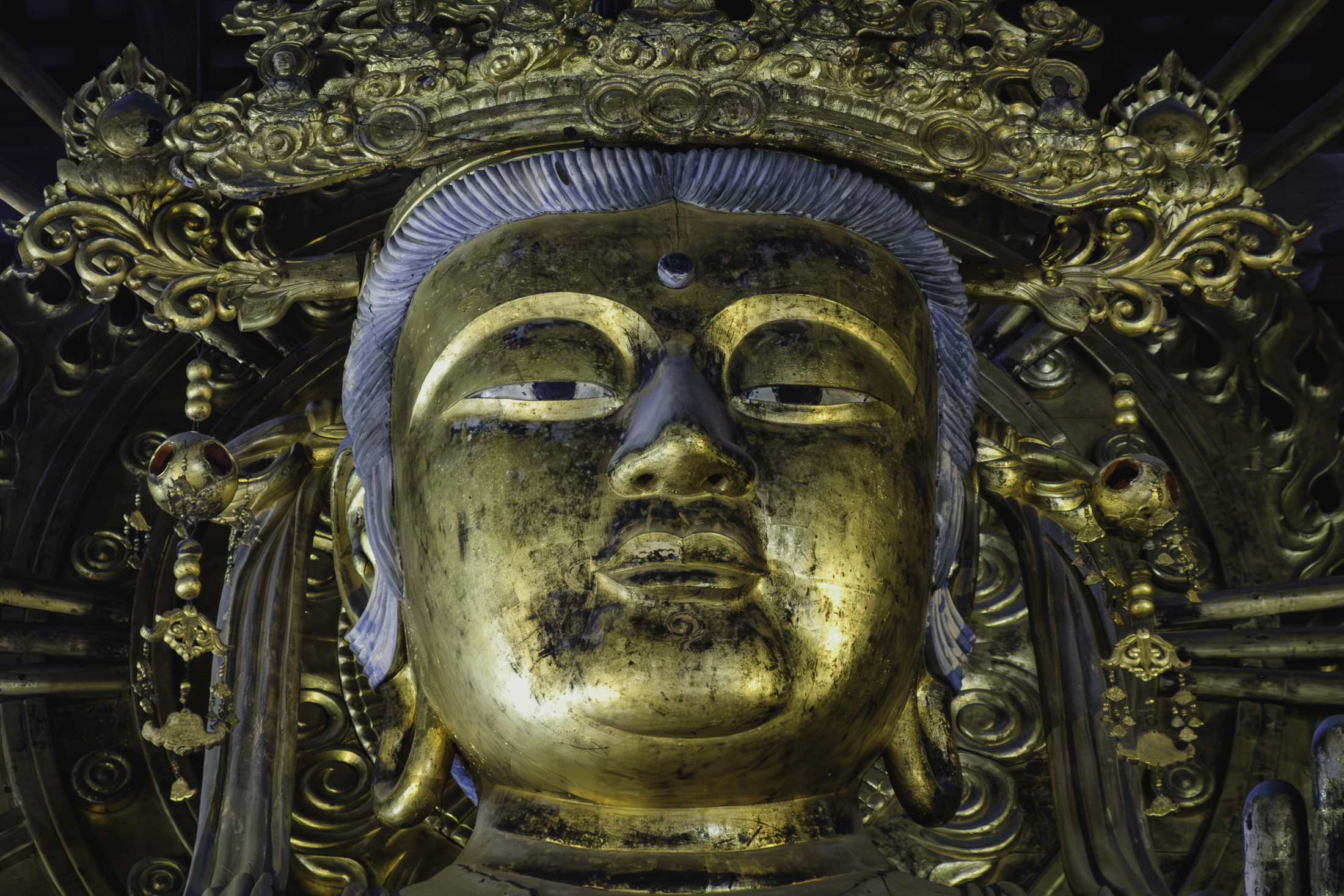
Daibutsuden (Great Buddha Hall):  Daibutsu — A monumental 49-foot bronze statue of Vairocana Buddha, dedicated in 752 CE as a symbol of peace and unity


Daibutsuden (Great Buddha Hall):  Nara Daibutsu (Great Buddha)


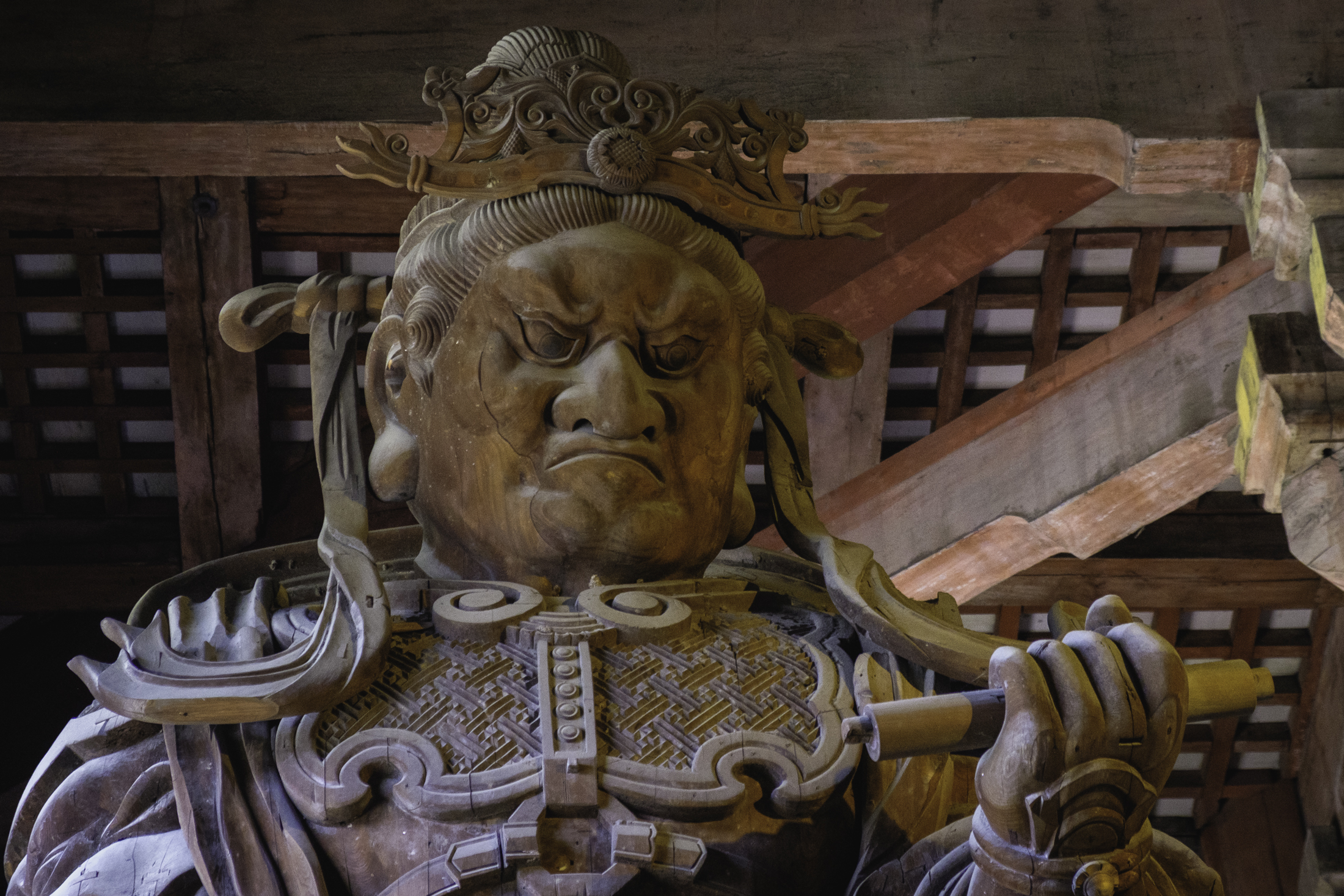
Daibutsuden (Great Buddha Hall): Kōmokuten, one of the Four Heavenly Kings


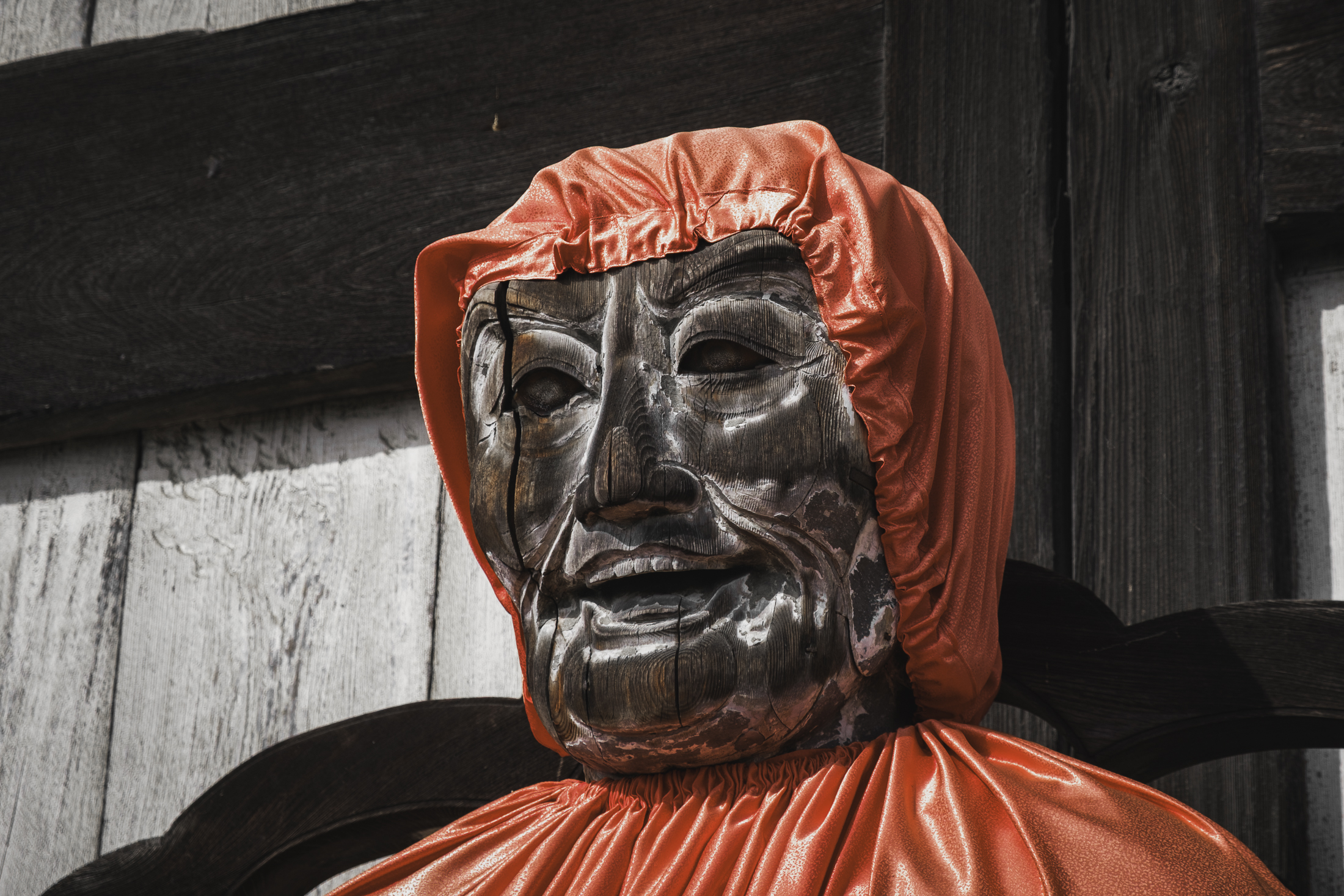
Binzuru, nicknamed the “Rubbing Buddha”:  Legend has it that if one is in pain, one can rub the statue in that painful spot and then rub one’s own body in the same spot to relieve the pain – I rubbed Binzuru’s back and then mine!

If yesterday was a “full day,” this was a VERY FULL DAY!

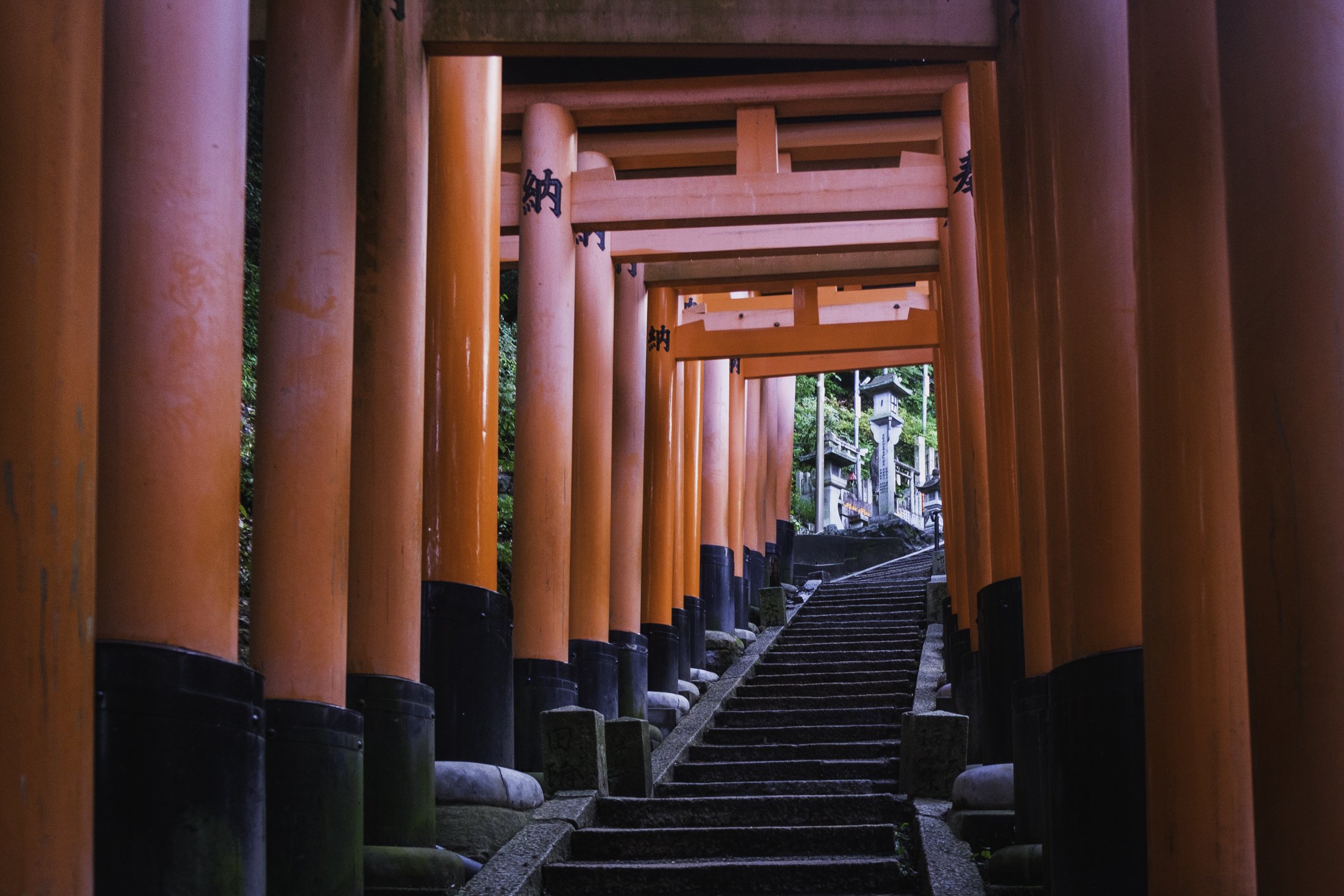
We started with a sunrise visit to Fushimi Inari for photos of these iconic gates without the overwhelming crowds.  Beautiful and totally worth the early morning!

After returning to our hotel for breakfast, we continued exploring. 

[A side note:  the weather was quite warm and I didn’t realize we’d end up walking over 13 miles that day, so I wore my new Birkenstock sandals.  NOT a good choice!  I woke up the next morning with a bad back spasm…]

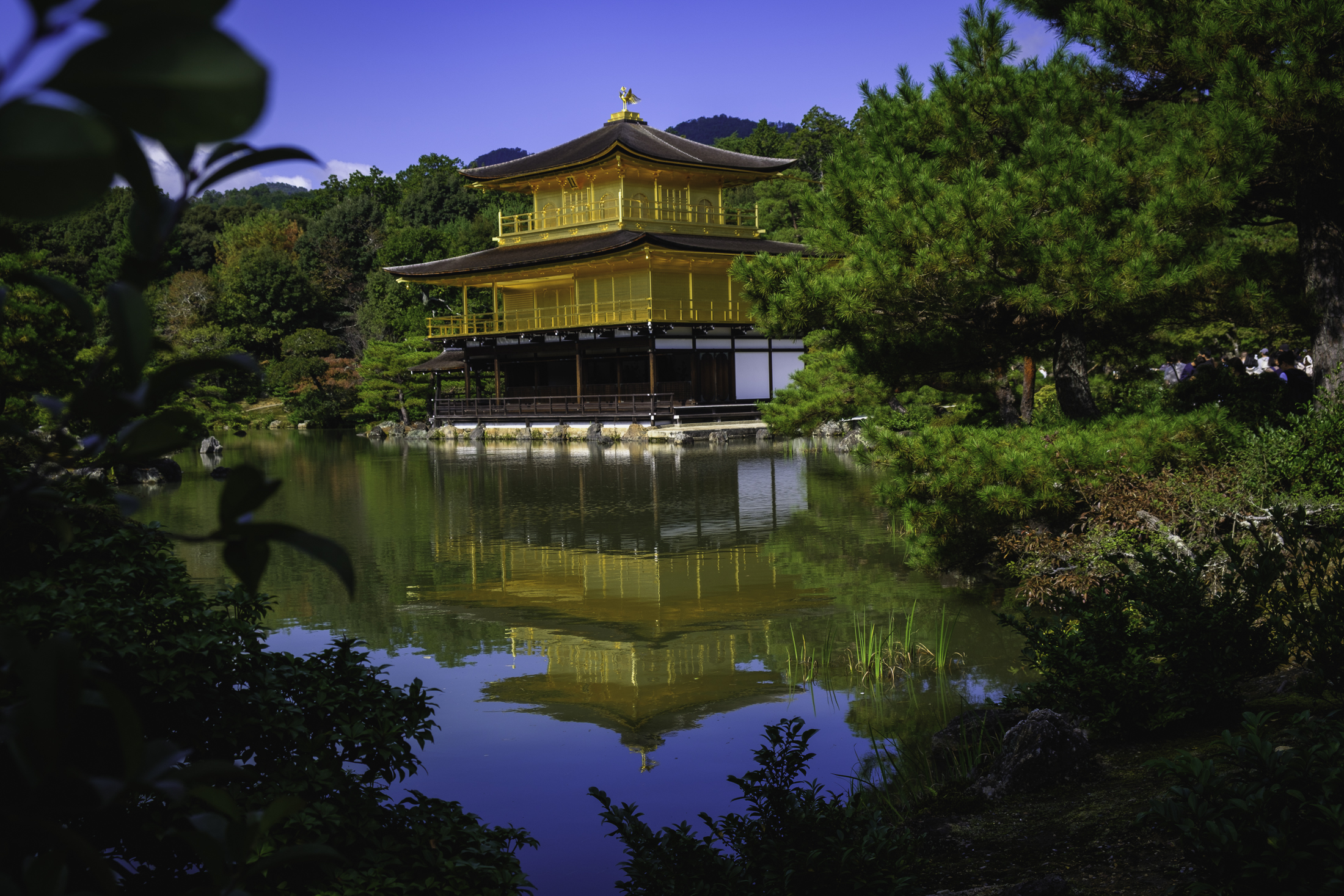
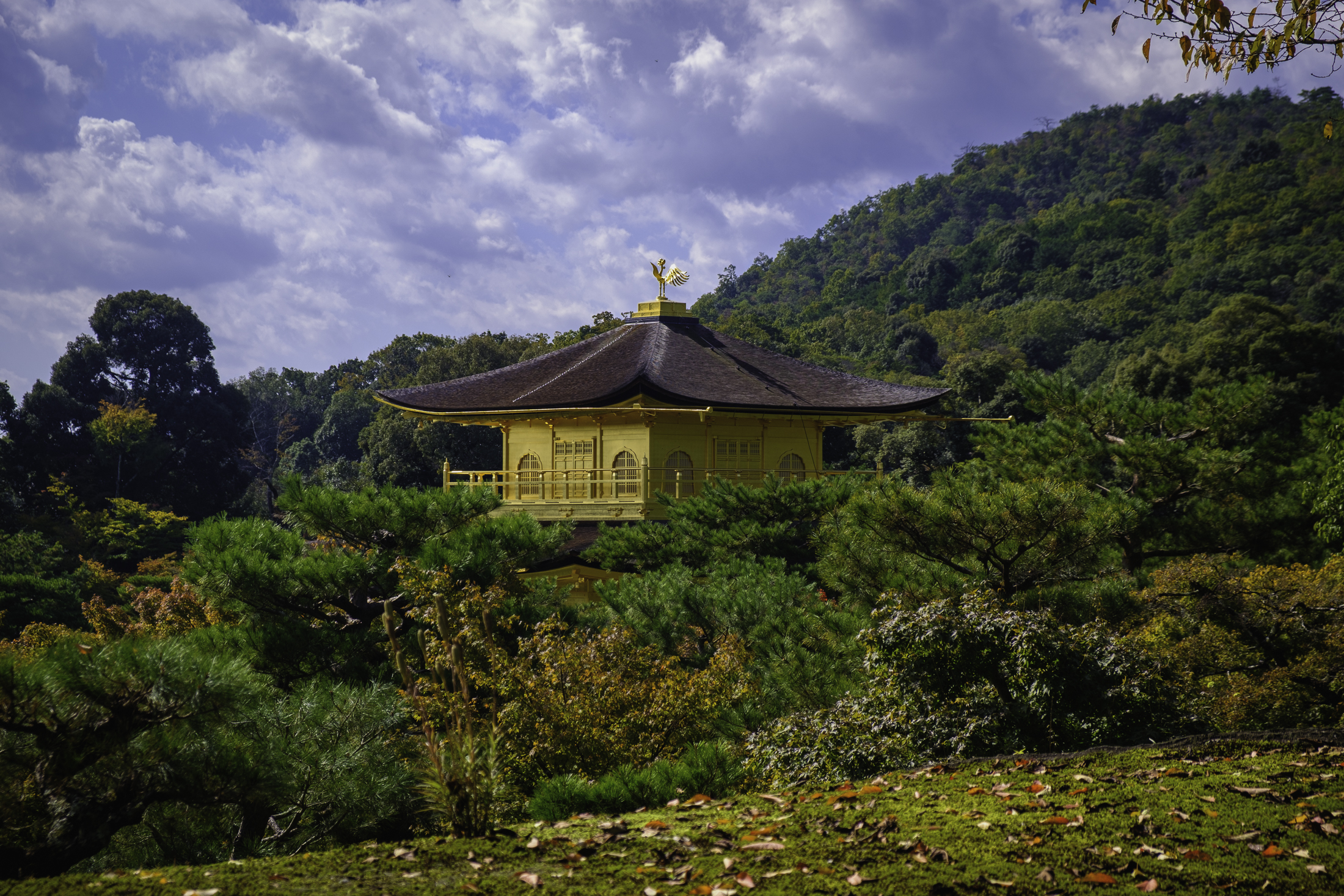
We started the day’s meandering with one of this trip’s highlights:  Kinkaku-ji (Golden Pavilion) – a UNESCO World Heritage Site.  I loved capturing this pavilion in the mid-morning light with stellar autumn colors!

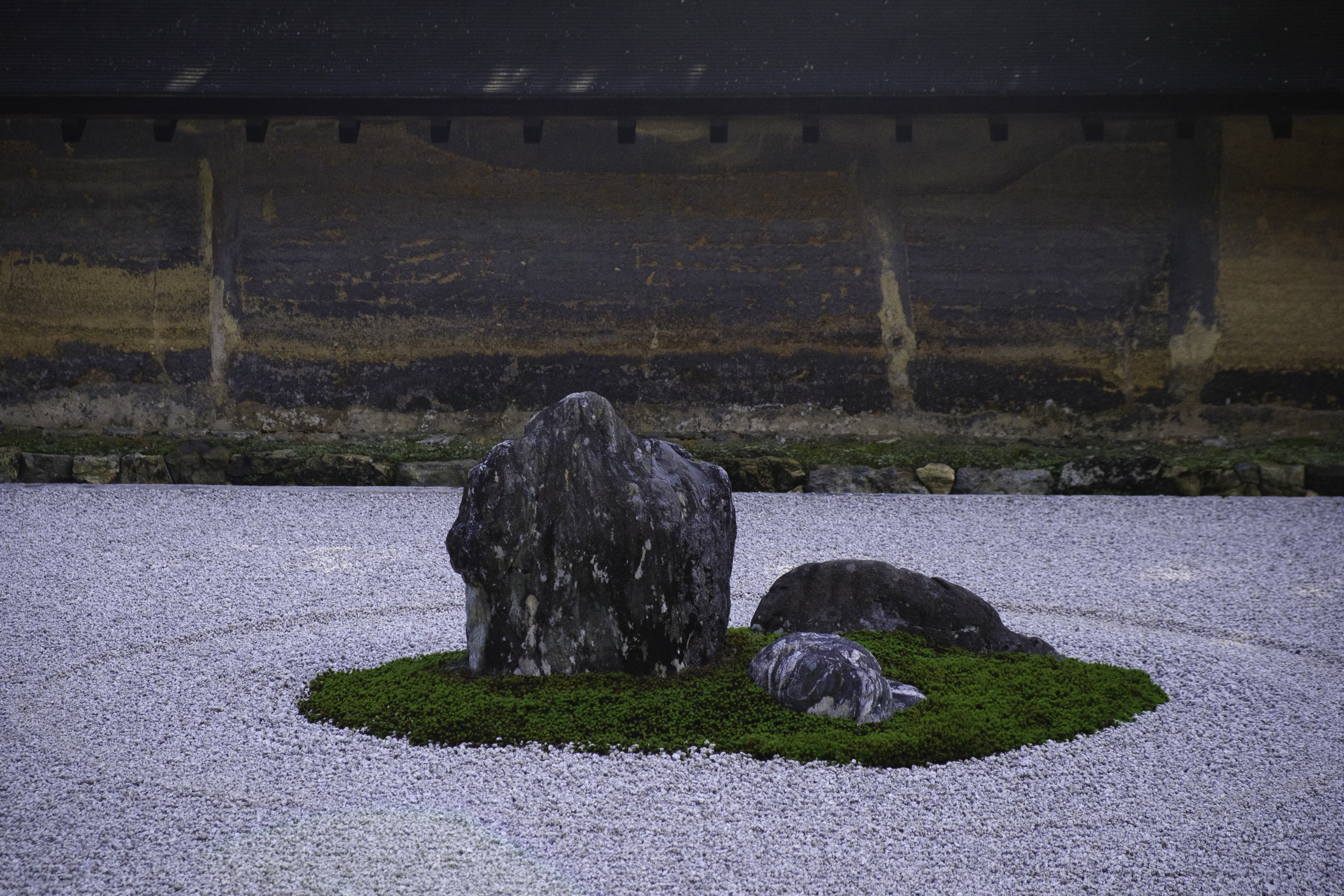
From there, we went to the Zen rock garden, Ryōan-ji, another UNESCO World Heritage Site.  For our third and final UNESCO World Heritage Site of the day, we wandered over to Ginkaku-ji (Silver Pavilion).

We enjoyed our late lunch of convenience store sandwiches and chips, eaten on a stone bench watching water flow through the Lake Biwa Canal.

We continued walking along the canal on the Philosopher’s Path, named after Nishida Kitarō (1870–1945), one of Japan’s most influential modern philosophers.  A quick photographic stop at Eikan-dō led us to our final highlight of the day, Nanzen-ji, with its Zen temple complex and brick aqueduct.

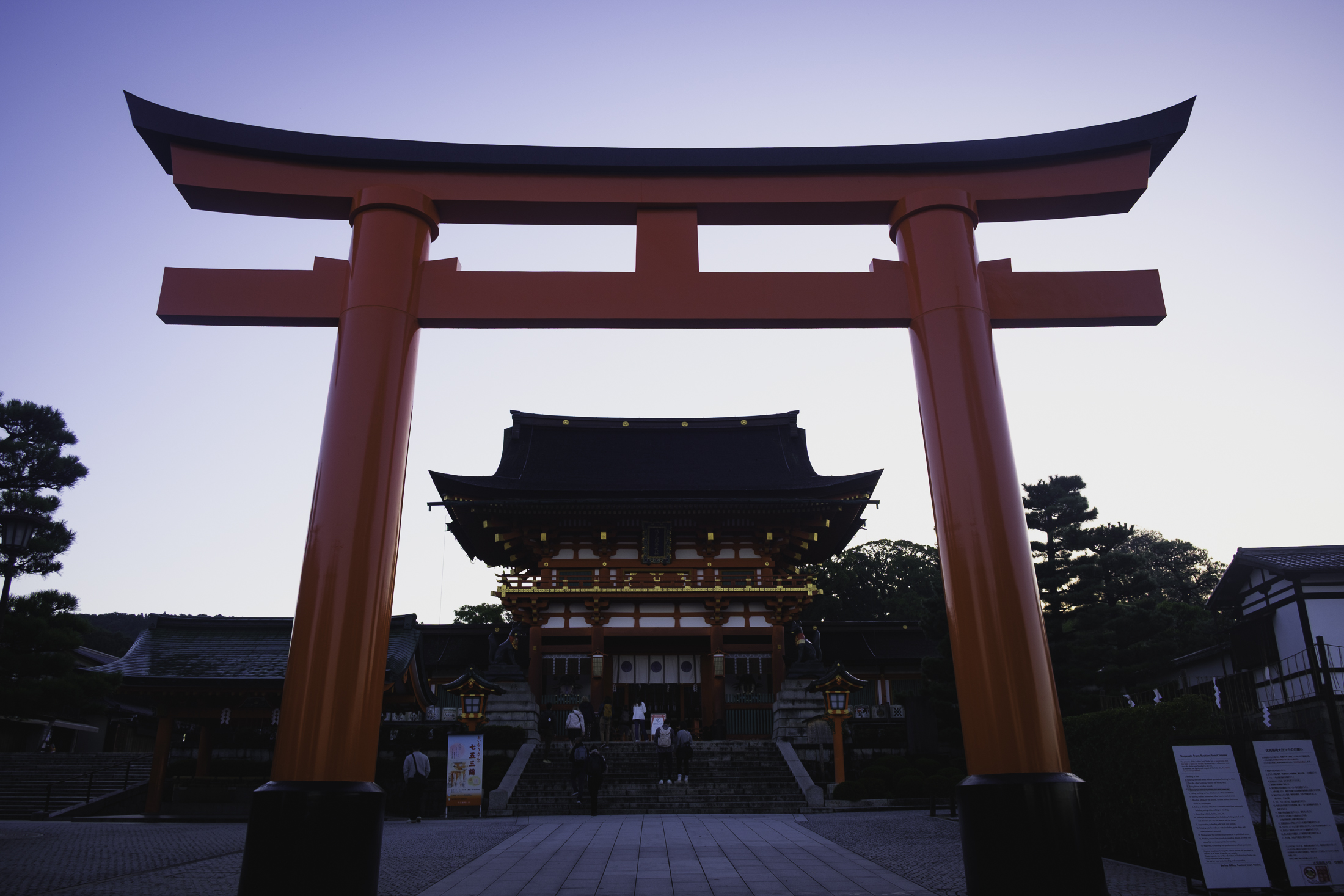
Fushimi Inari at sunrise


Only a few of the approximately 10,000 torii gates at Fushimi Inari


Kinkaku-ji (Golden Pavilion)


Ryōan-ji (Zen rock garden)


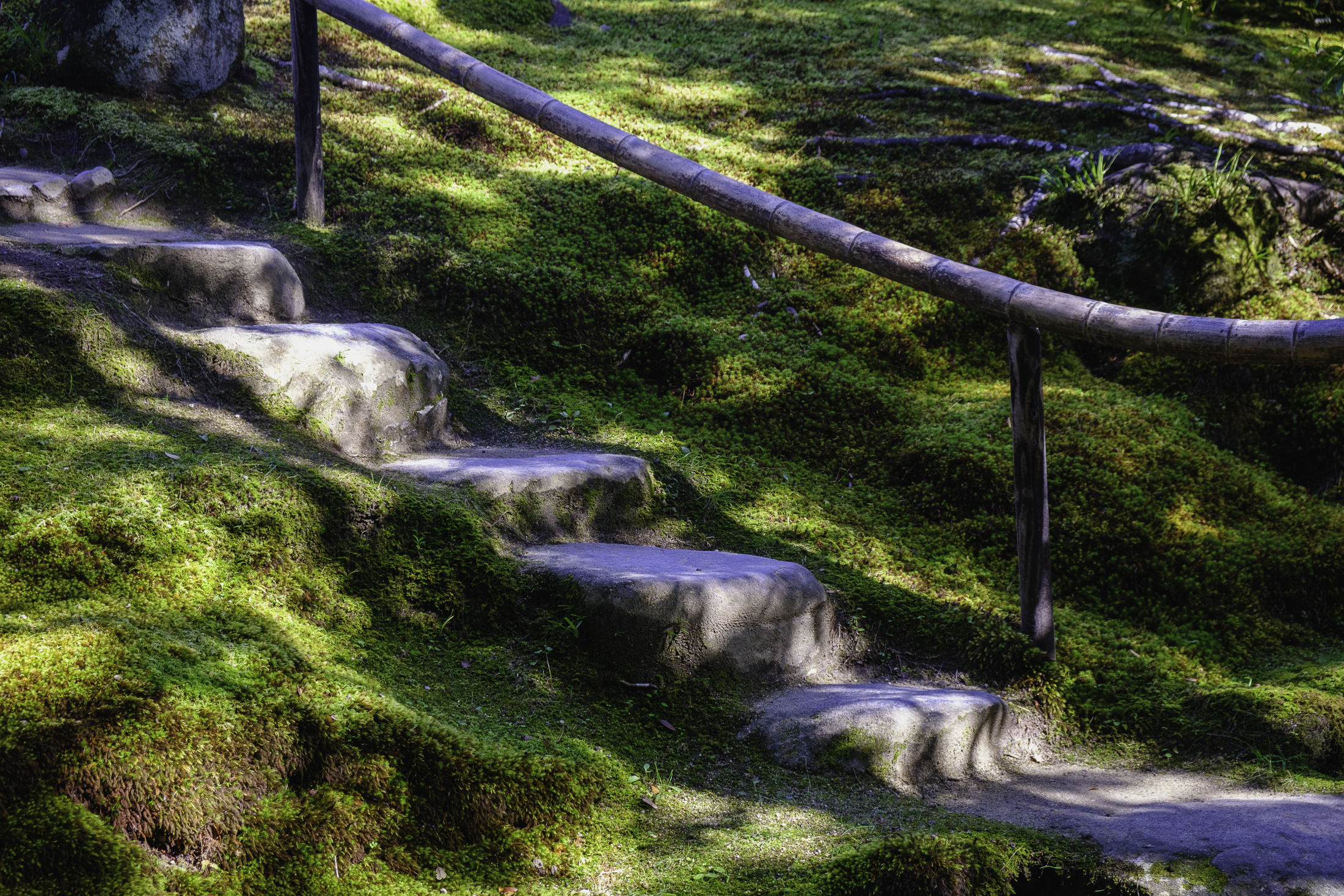
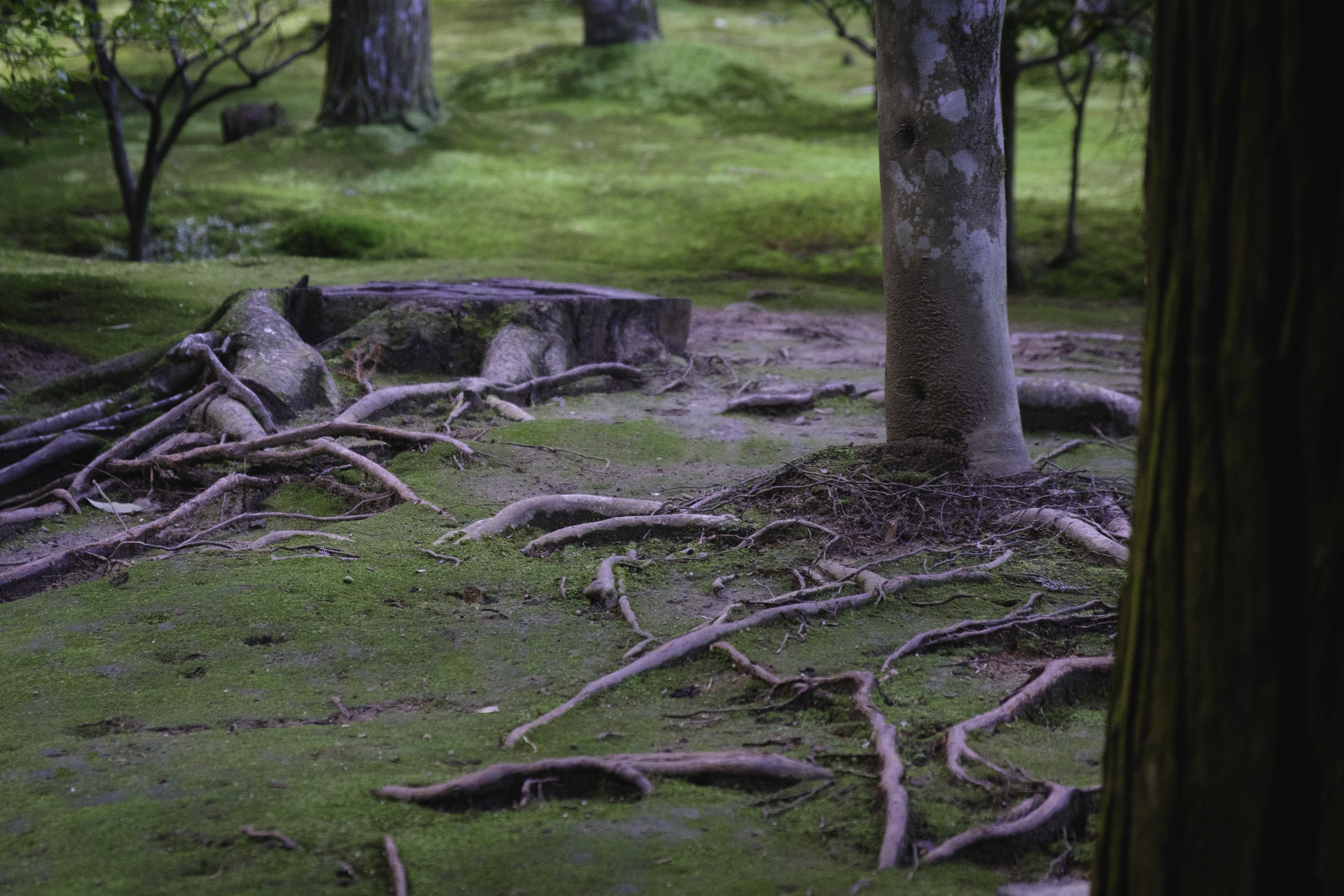
Ginkaku-ji (Silver Pavilion) – moss-covered garden


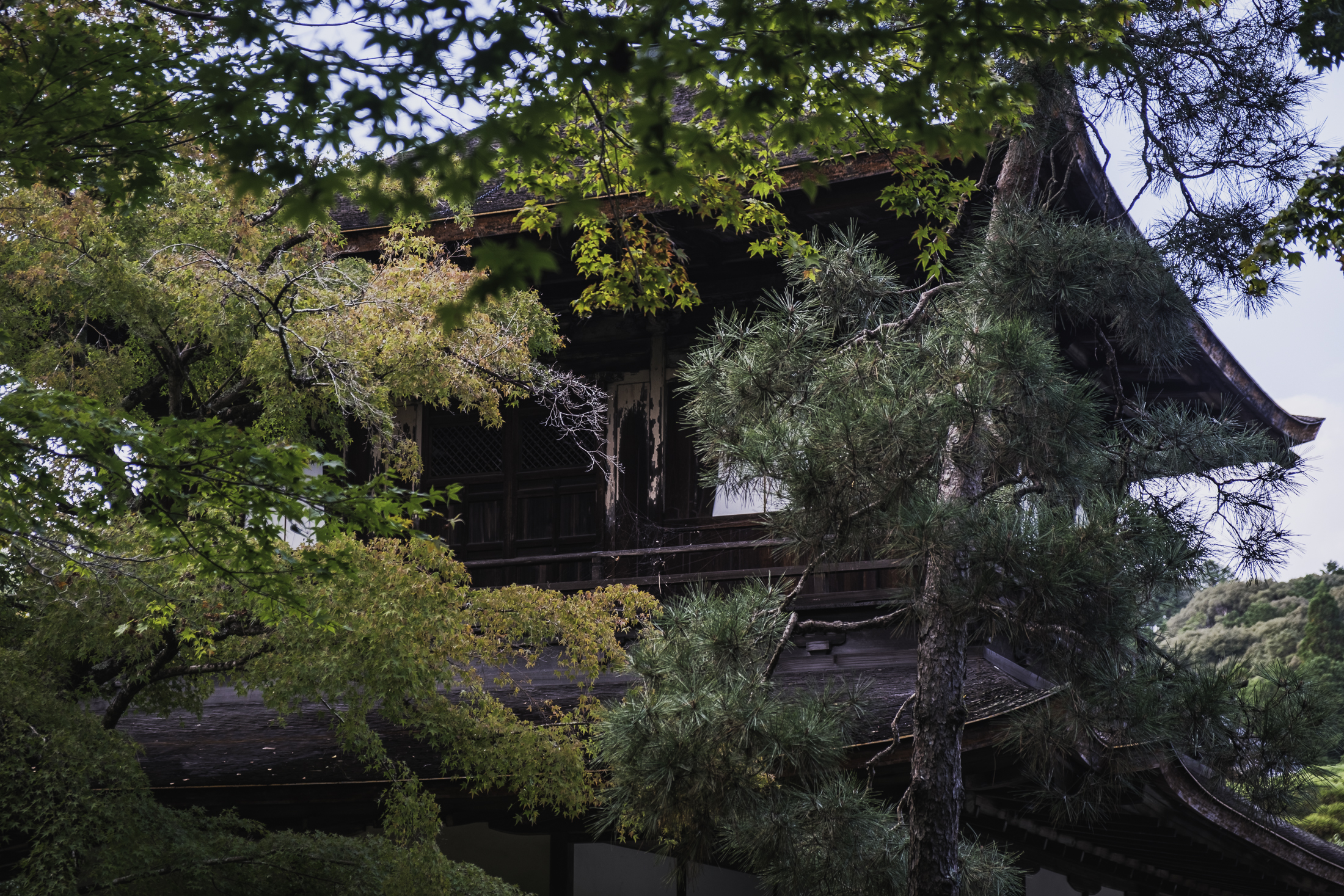
Ginkaku-ji (Silver Pavilion)


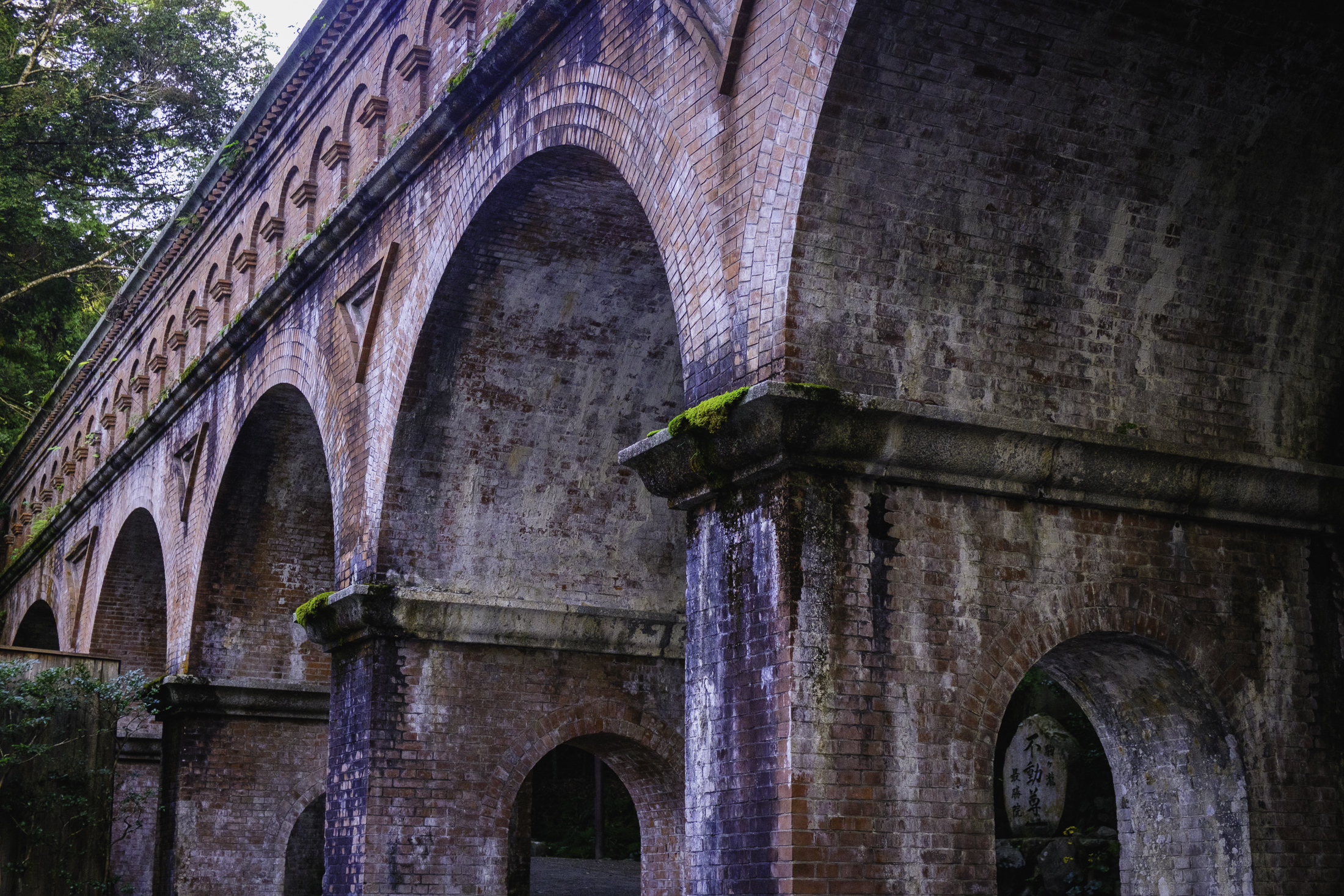
Nanzen-ji – brick aqueduct


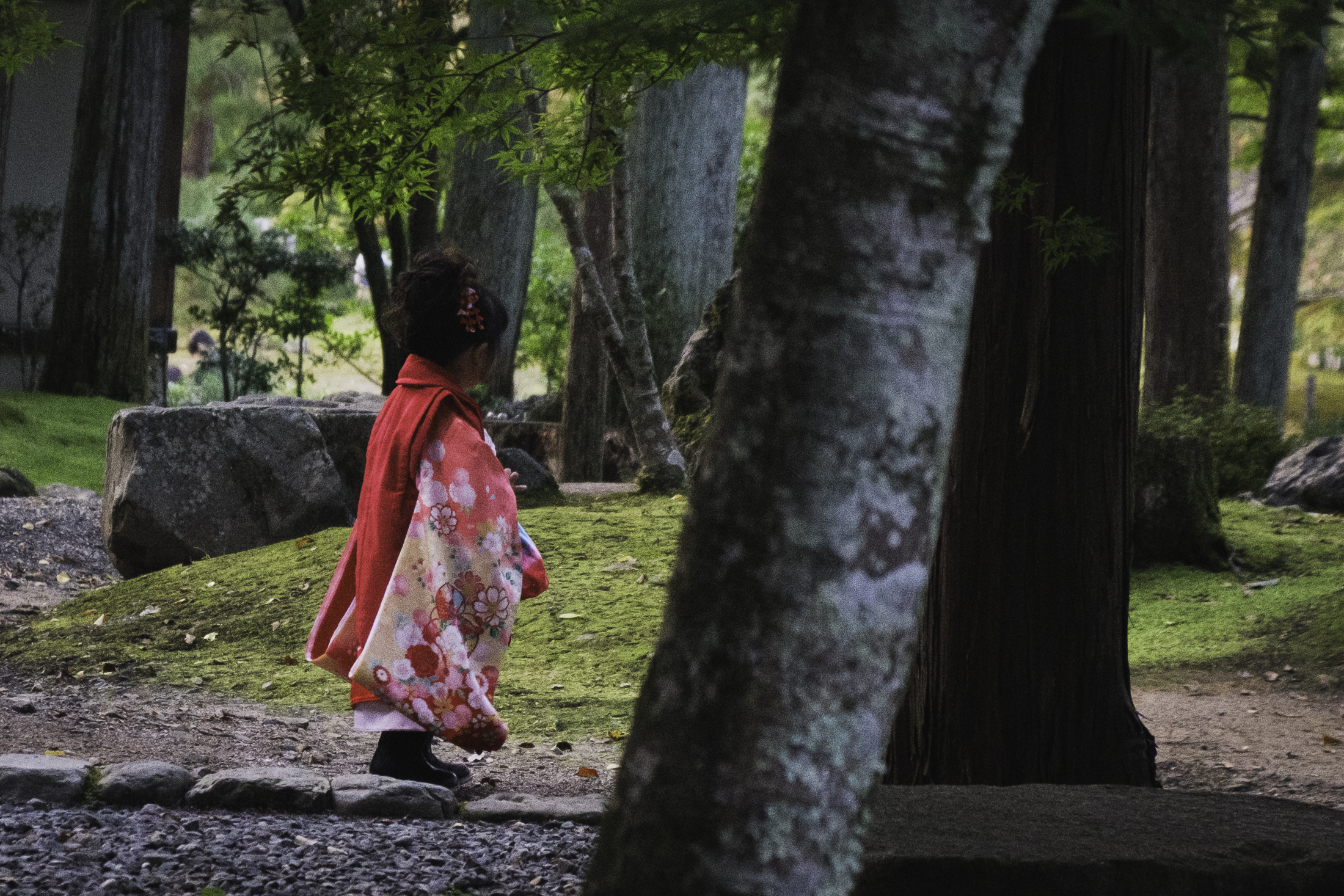
Nanzen-ji – young girl being photographed in traditional clothes, a custom for all 3, 5, and 7-year olds

This was a very full day!

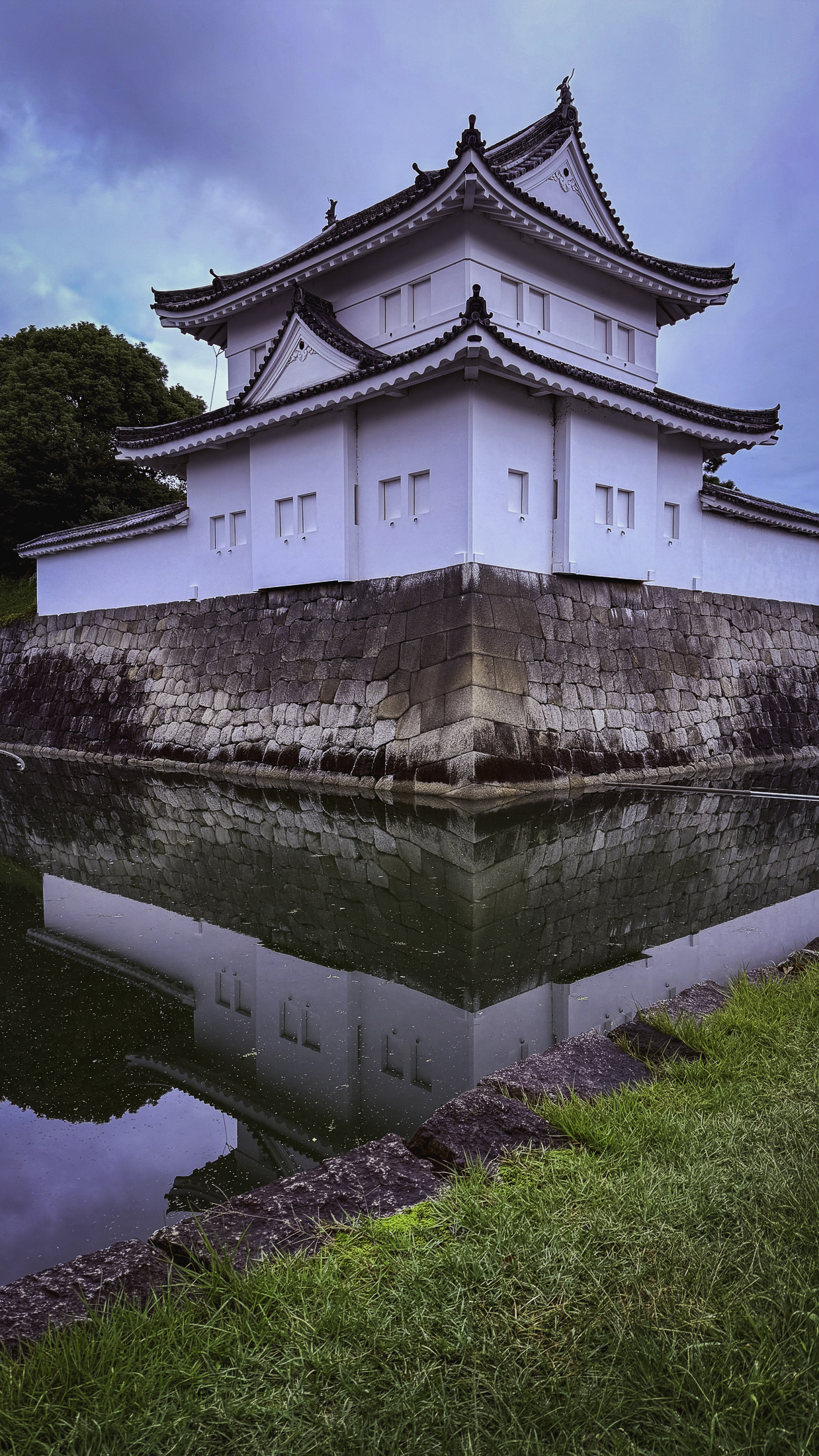
We started by arriving at Nijō Castle, a UNESCO World Heritage Site and former Kyoto residence of the Tokugawa shoguns.  Although the clear skies became cloudy and began drizzling, the castle and its grounds ignited my imagination.

After the castle, we headed to the Gion Kagai Art Museum and viewed a performance by a maiko.  Although maikos and geishas are entertainers (and not sex workers), the dances seemed quite sensual and flirtatious.  The culture gives me pause, especially since girls join the profession at such a young age.  Our guide told us that over 90% of girls leave their apprenticeships before becoming a geisha.

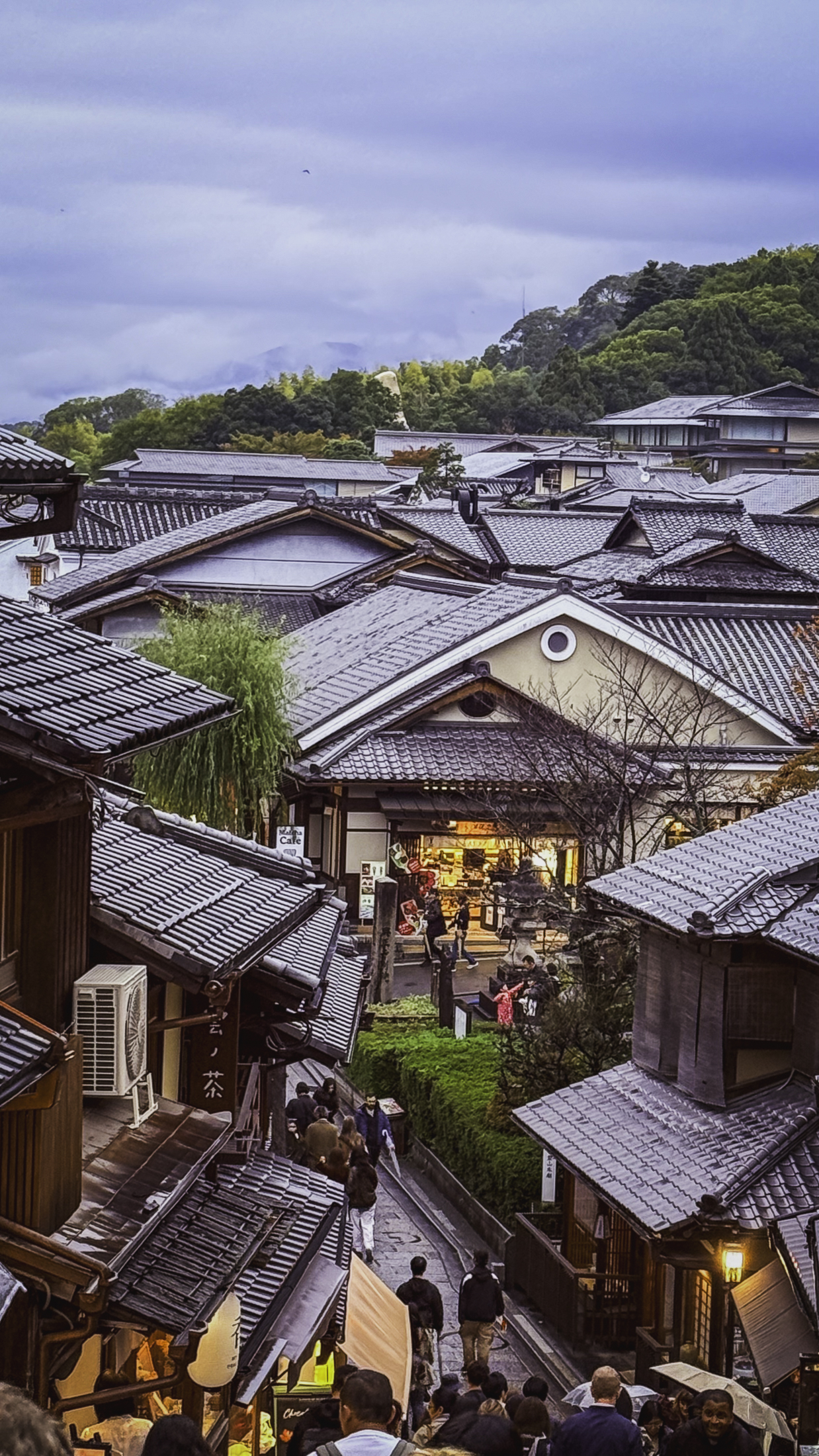
Following the performance, we wandered southern Higashiyama, visiting the preserved historic streets of Sannen-zaka and Ninen-zaka, photographing the five-story Yasaka Pagoda, walking around the Zen temple and gardens of Kōdai-ji, seeing the Ryozen Kannon, and meandering along Nene-no-michi’s stone-paved lanes.

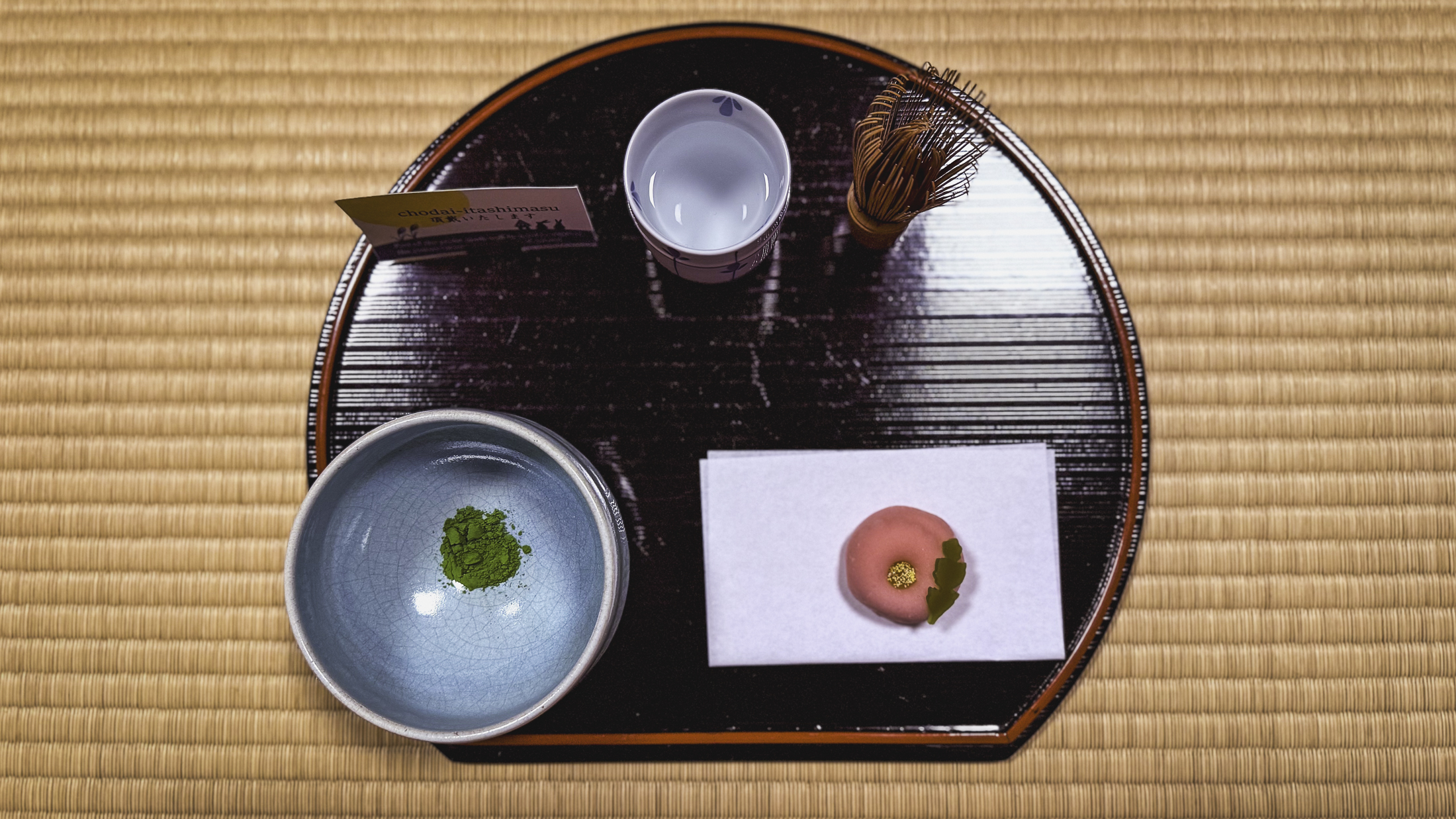
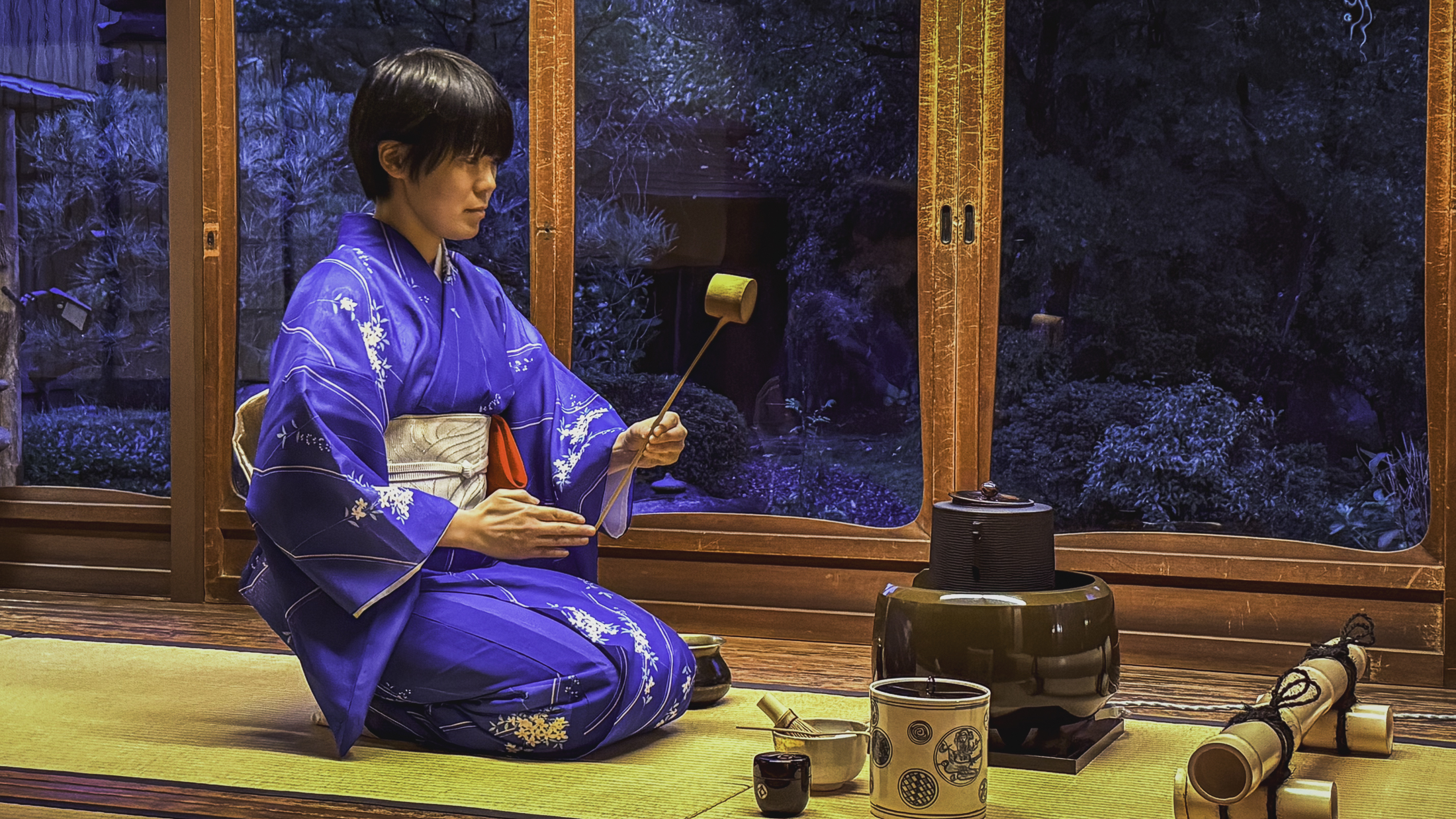
Next, we experienced a traditional tea ceremony at Sakaguchian, where we not only drank matcha tea but also prepared some for ourselves.  A high point was asking the tea master a few questions and learning it takes TEN YEARS to become a master!

We ended our day with a trip to a humongous shopping center at Kyoto Station, in search of a new jacket for Kayla (lost and then found at Nijō Castle) and new AirPods for me (I left my left AirPod in Tokyo, which was never recovered).  The travails of traveling!

Nijō Castle


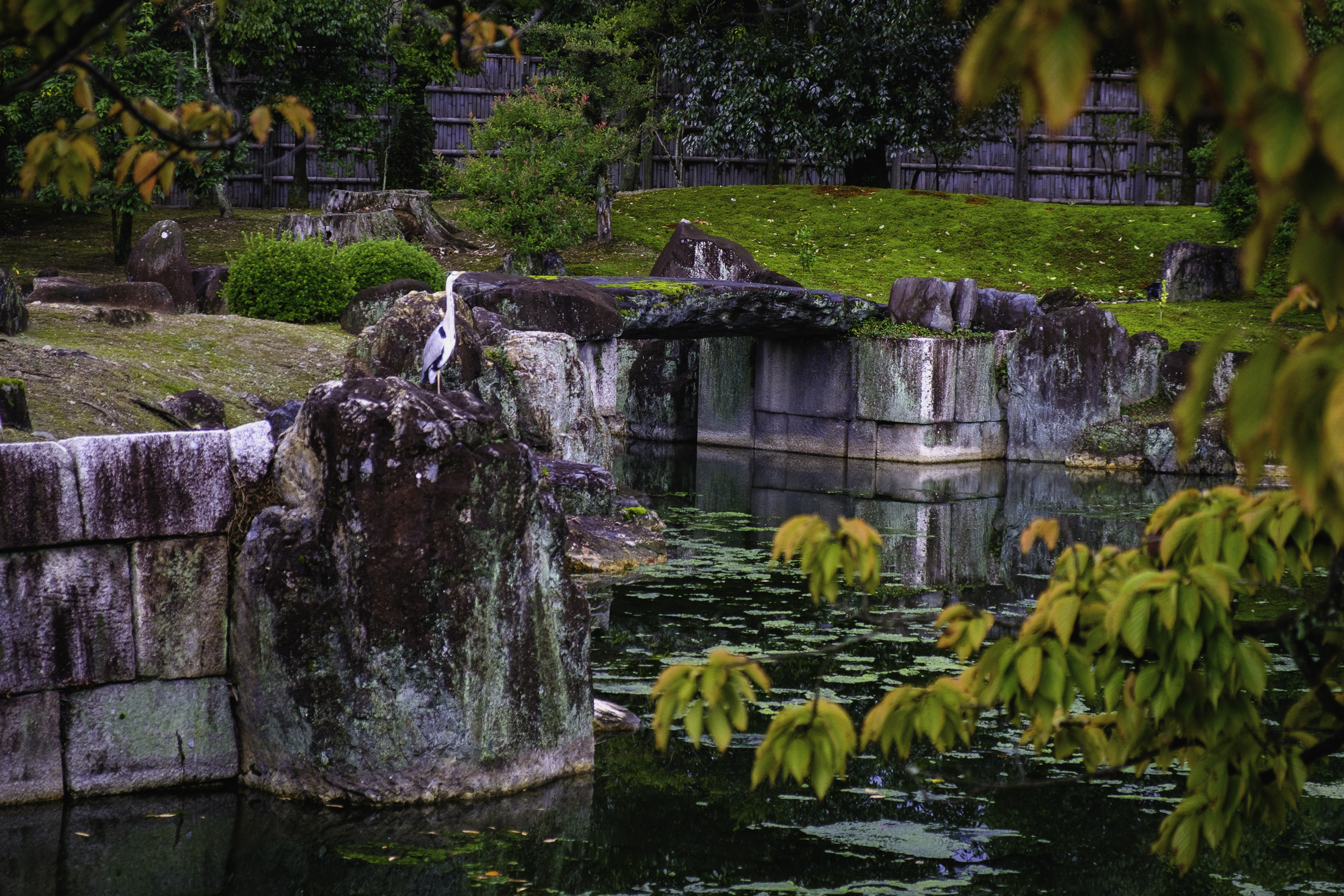
Grey Heron on the castle grounds


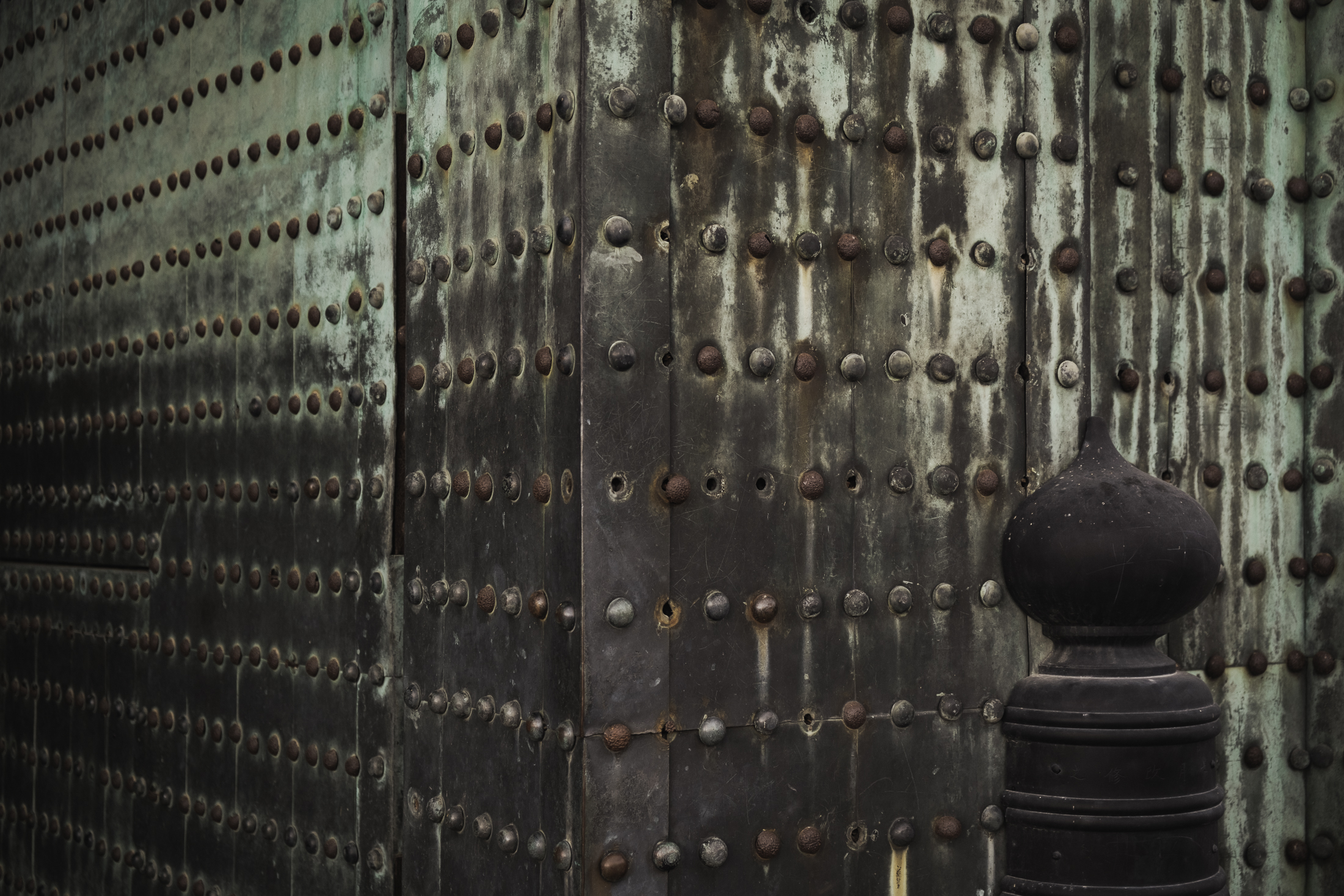
Metal work at the castle


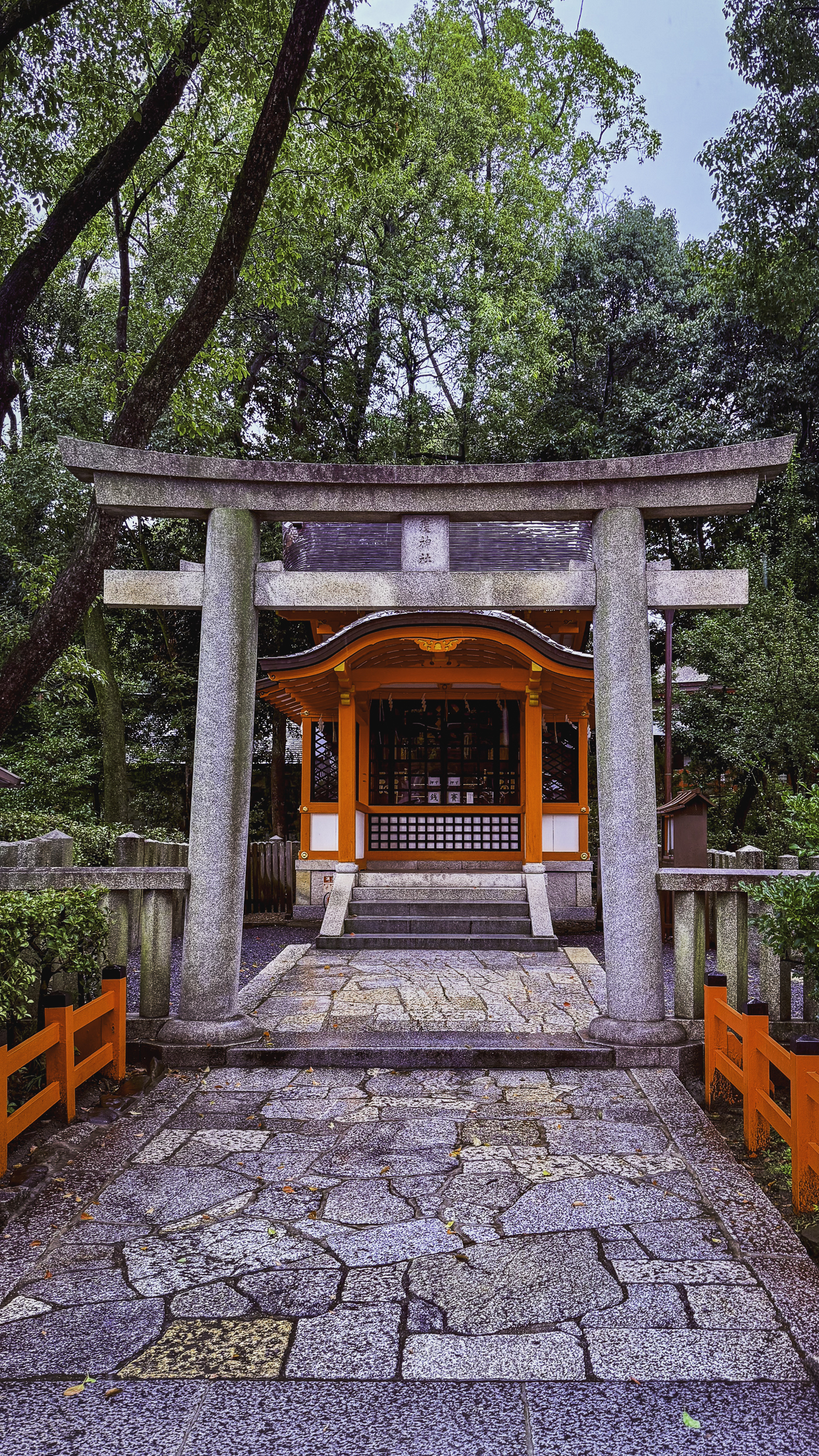
Small Shinto shrine


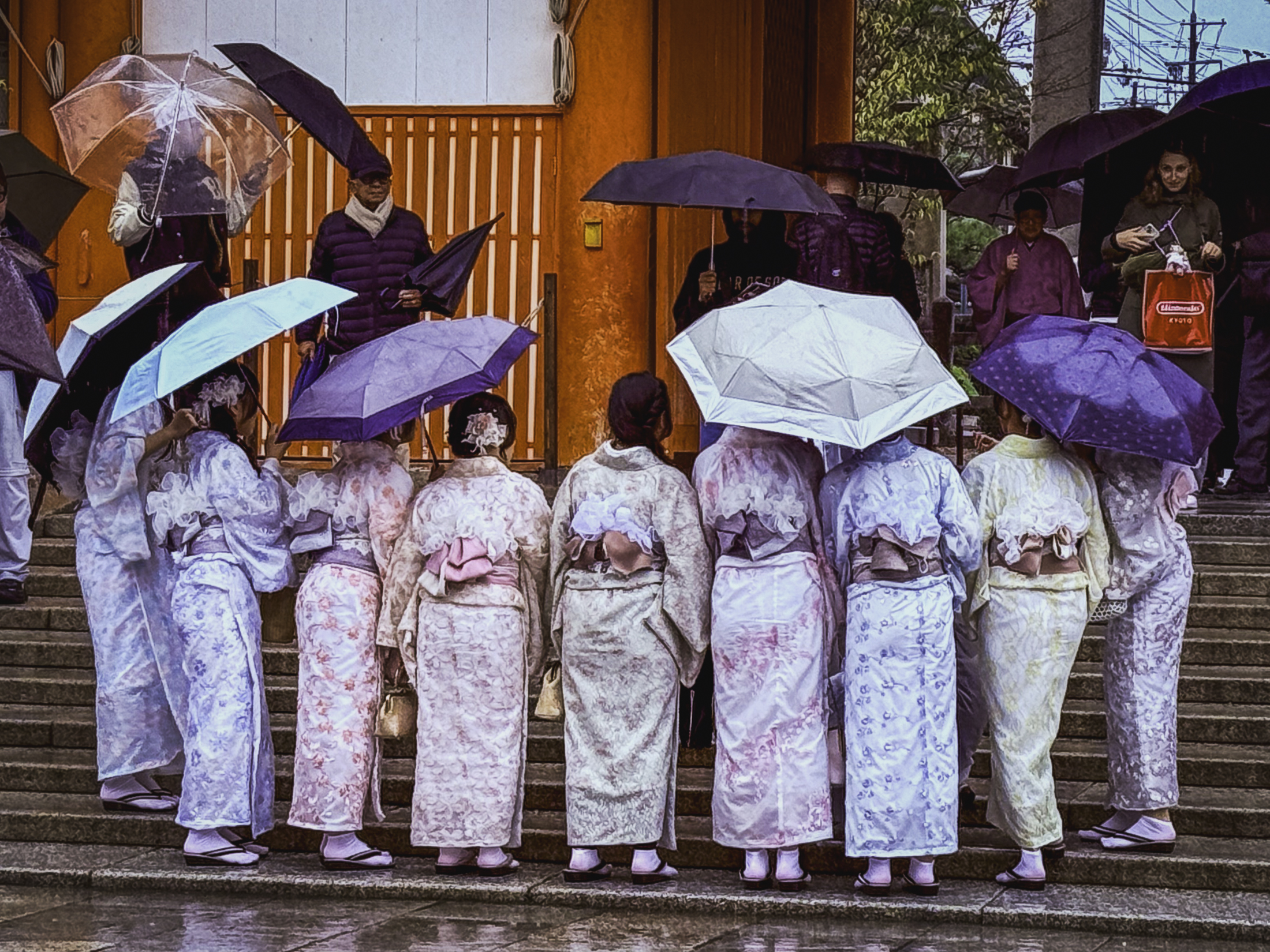
A group of friends dressed in rented kimonos posing for photos


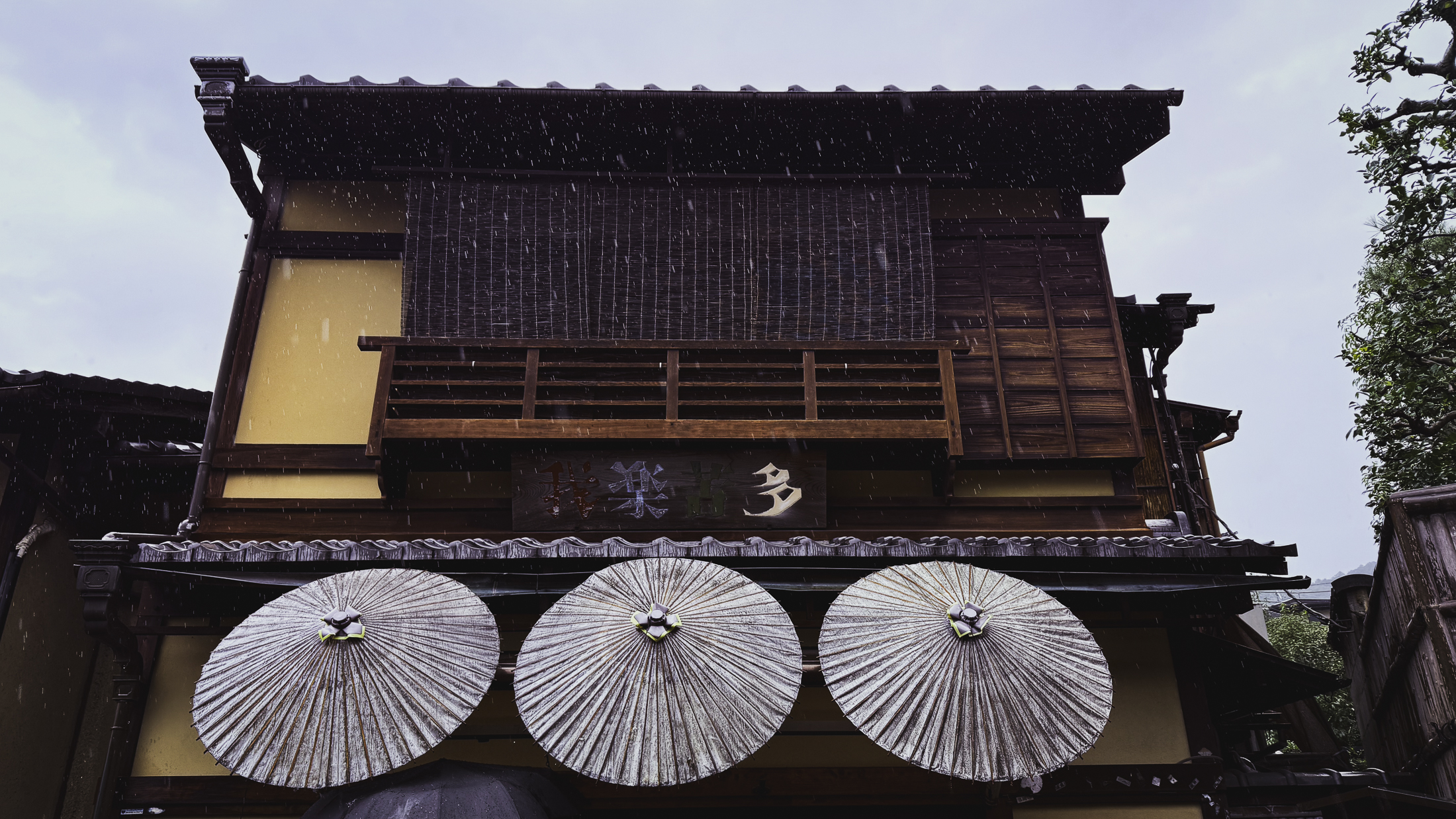
A storefront on one of the historic streets


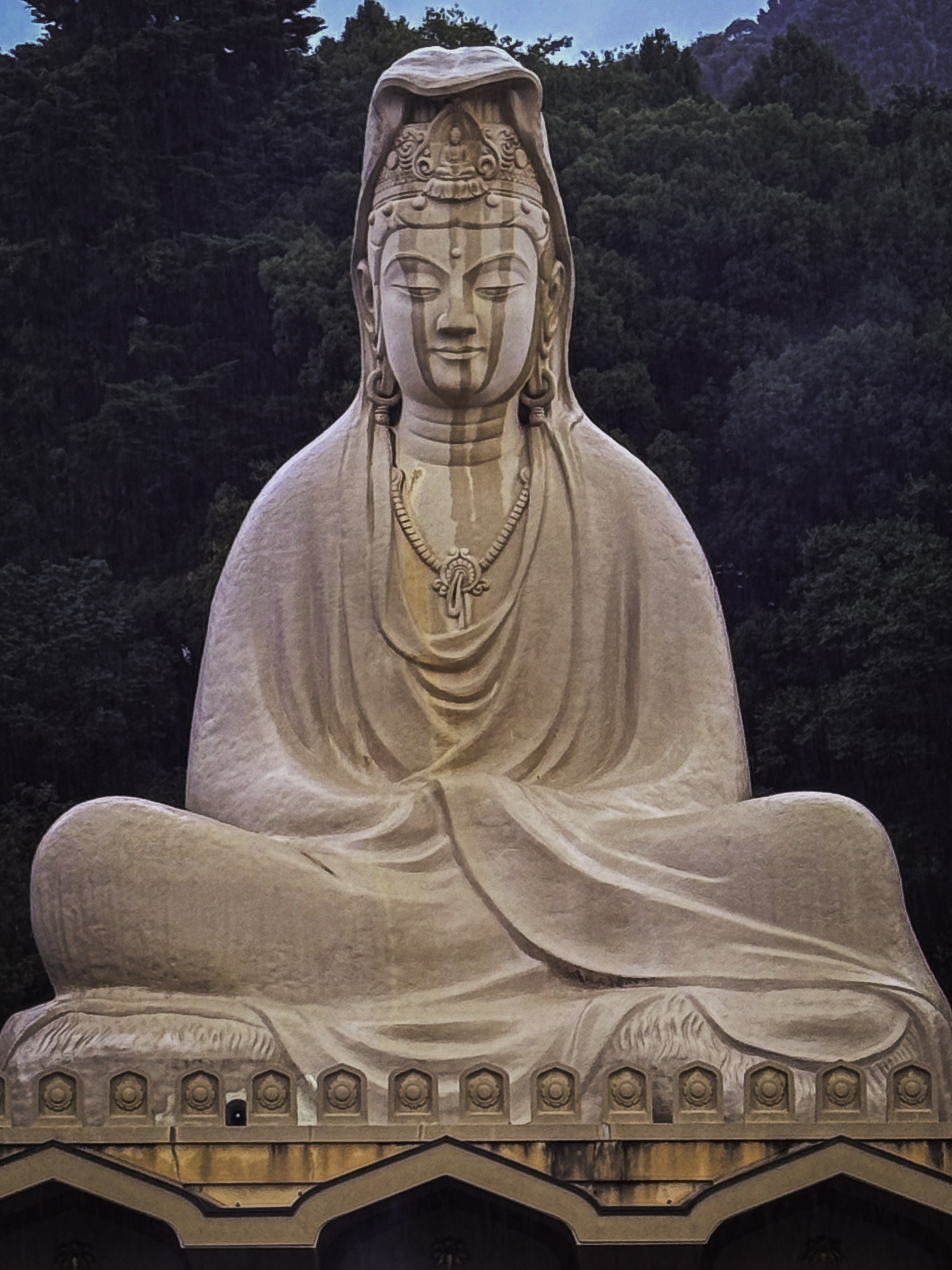
Ryōzen Kannon:  located near Kōdai-ji Temple, a 79 foot tall statue honoring World War II Japanese and Allied war dead


Historic buildings


Matcha preparation set-up


Our tea master at work

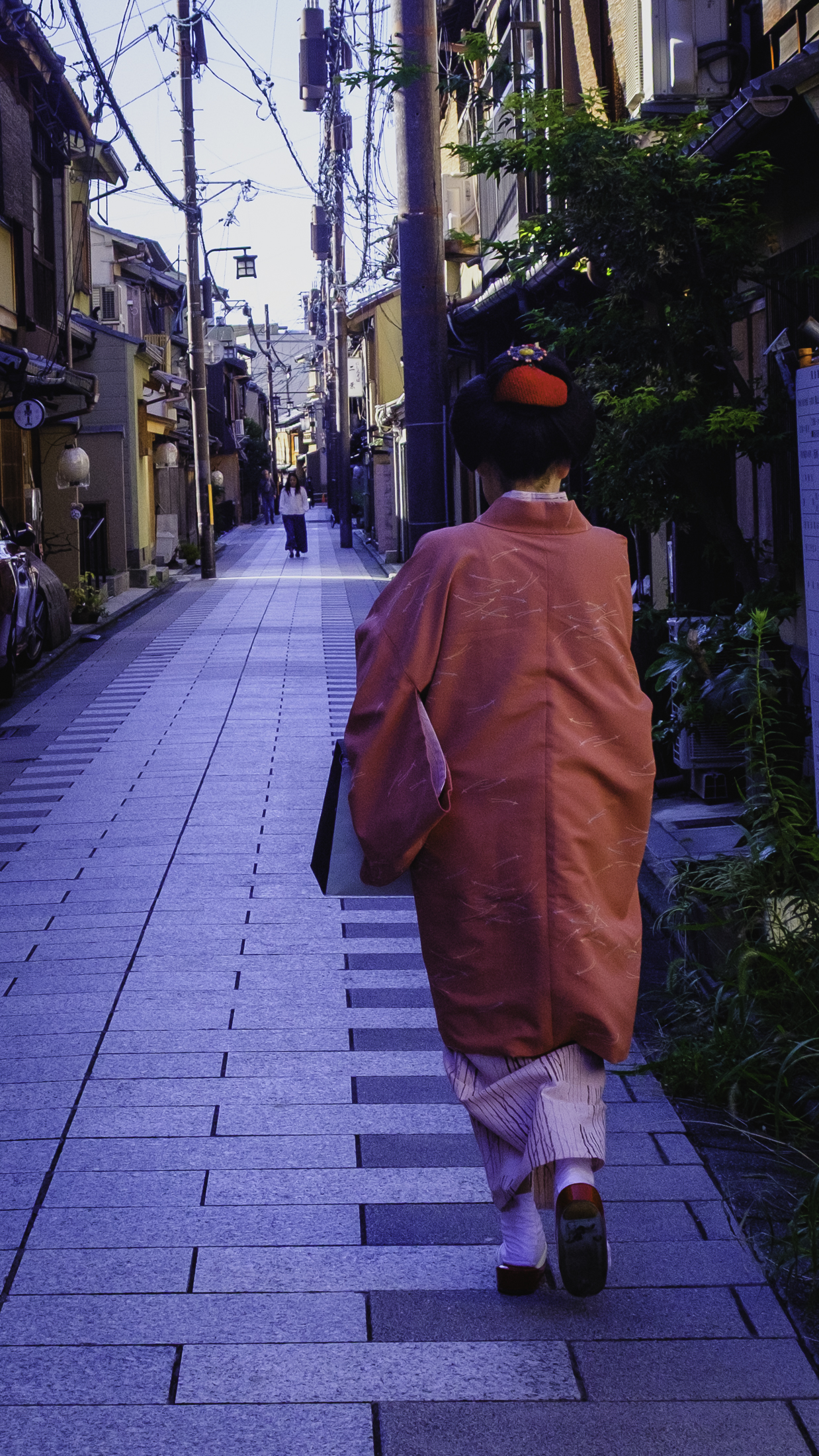
We began our first full day in Kyoto with a three-hour guided orientation tour through the city’s historic eastern neighborhoods, exploring the Kamo River, Pontocho, Miyagawachō, traditional machiya lanes, temples, and Gion.  During this time, we learned about geisha culture, saw a maiko walking to work, and discovered the three places geishas inhabit – Ochaya (teahouses), Okiya (homes), and Kaburenjō (theaters).

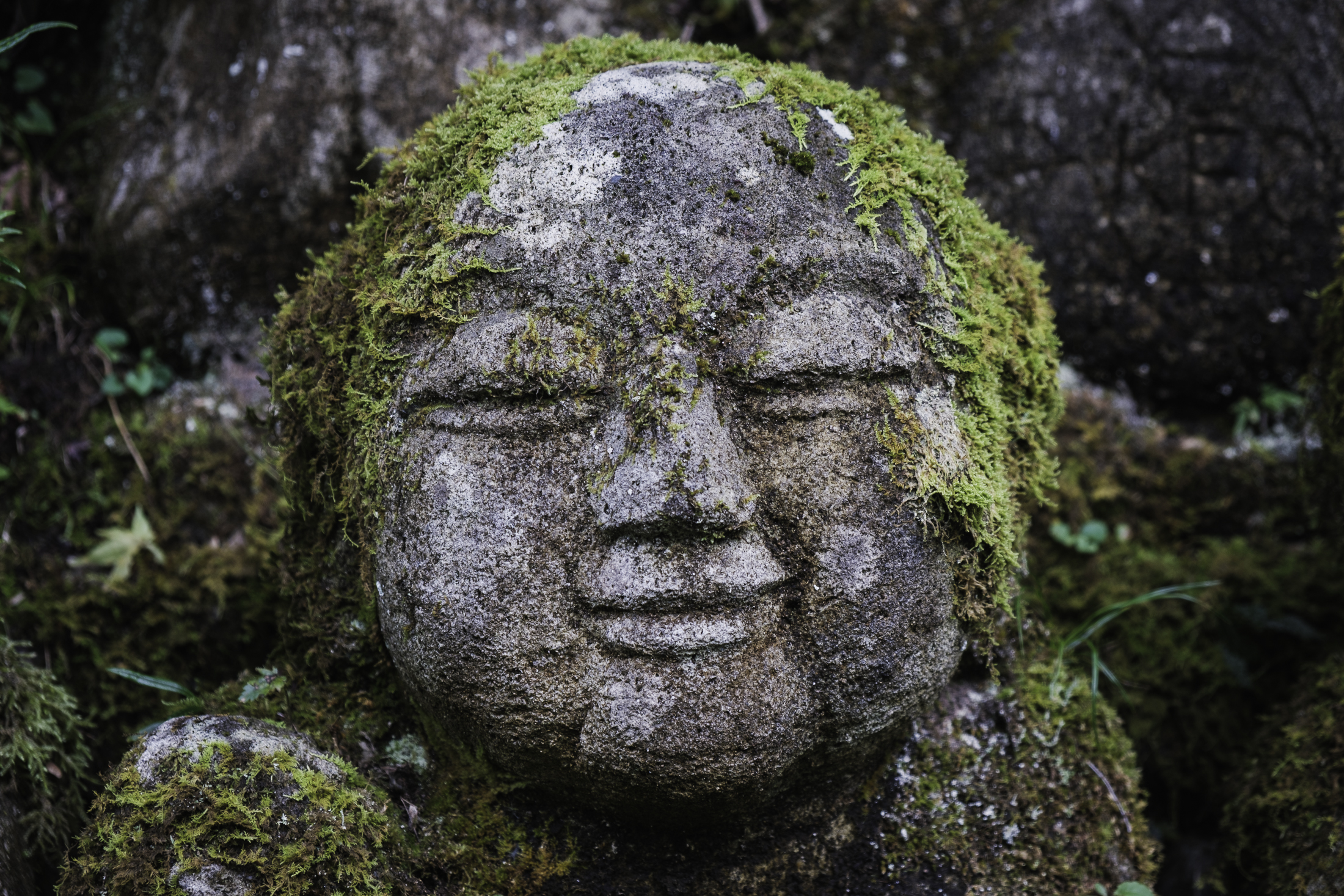
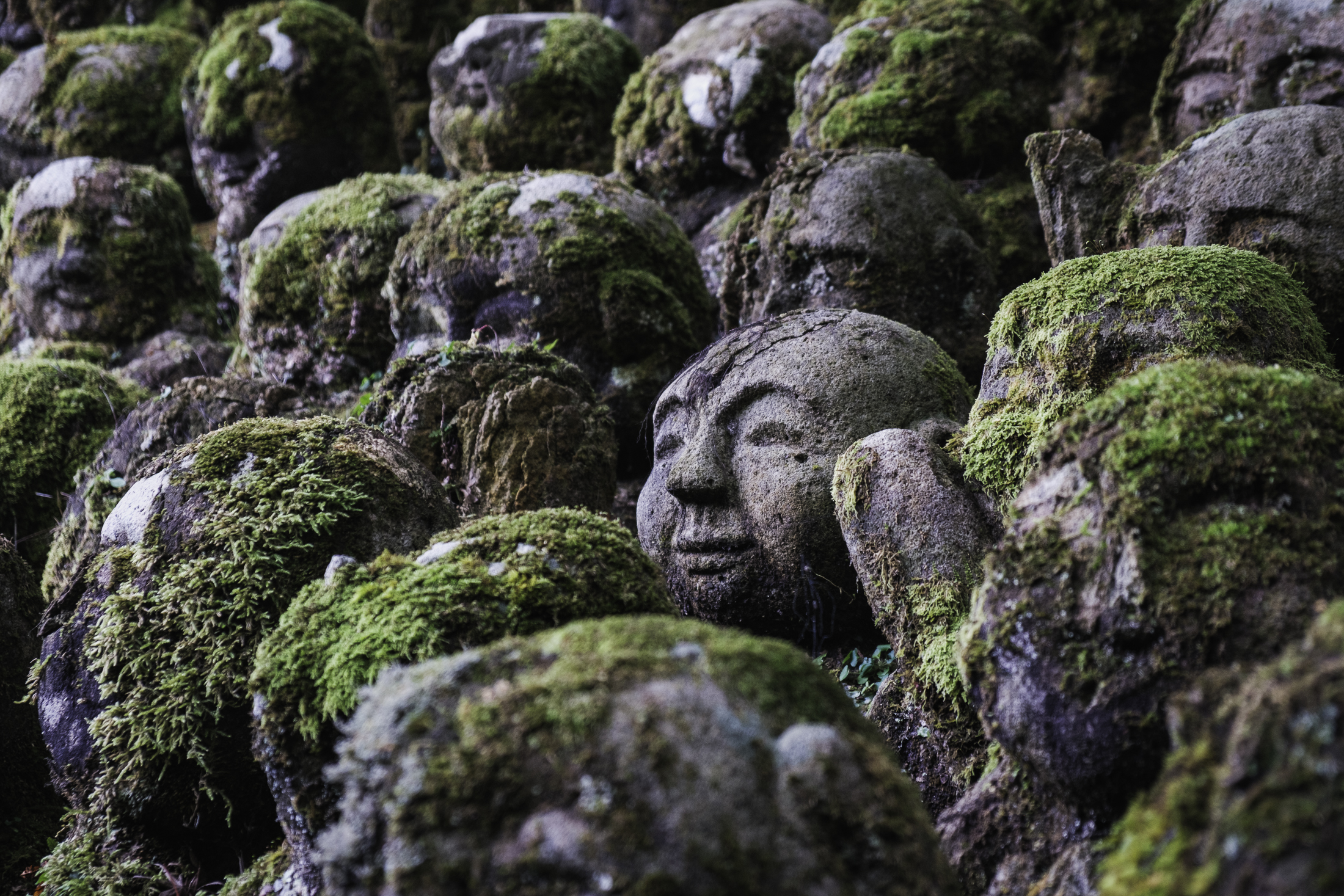
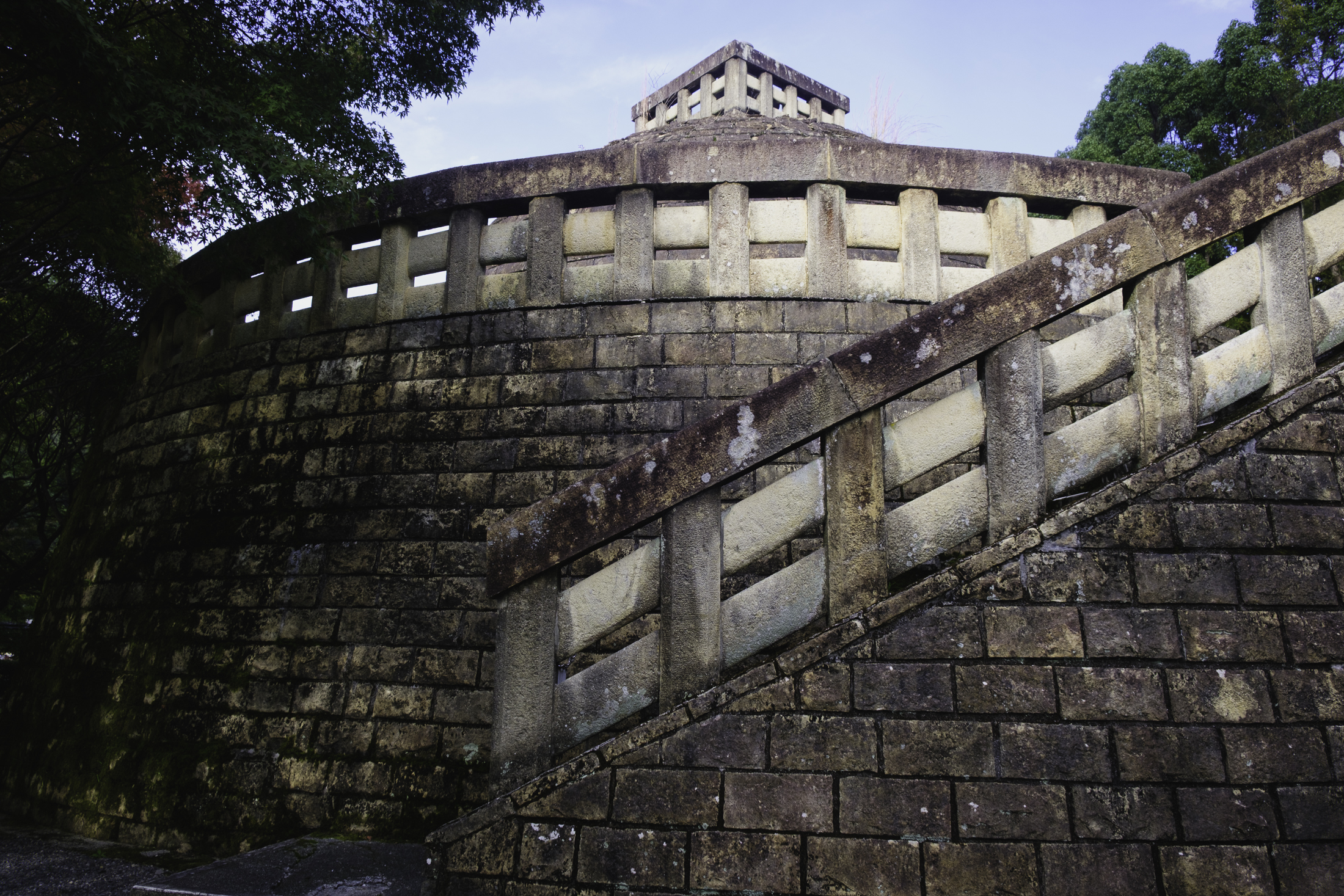
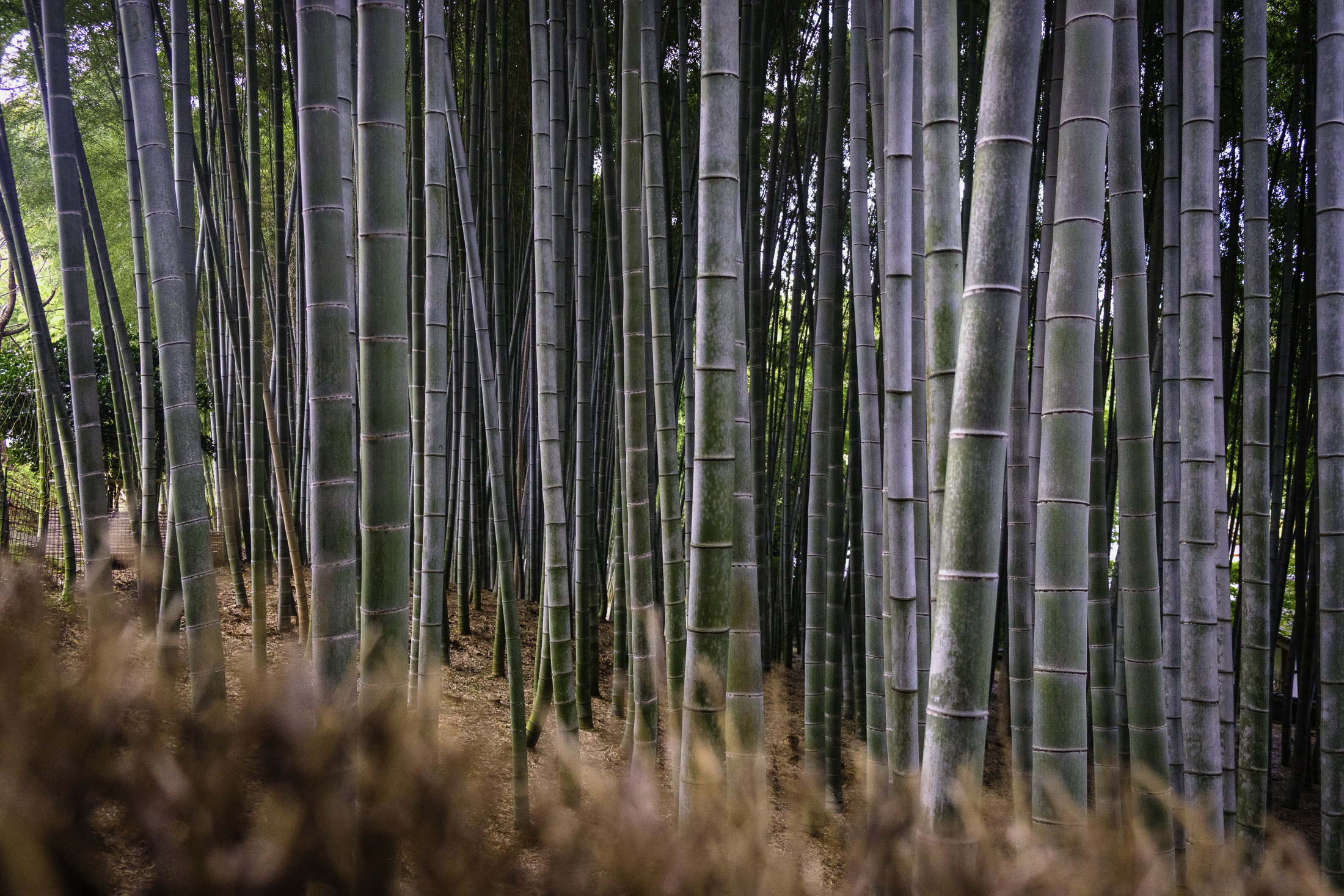
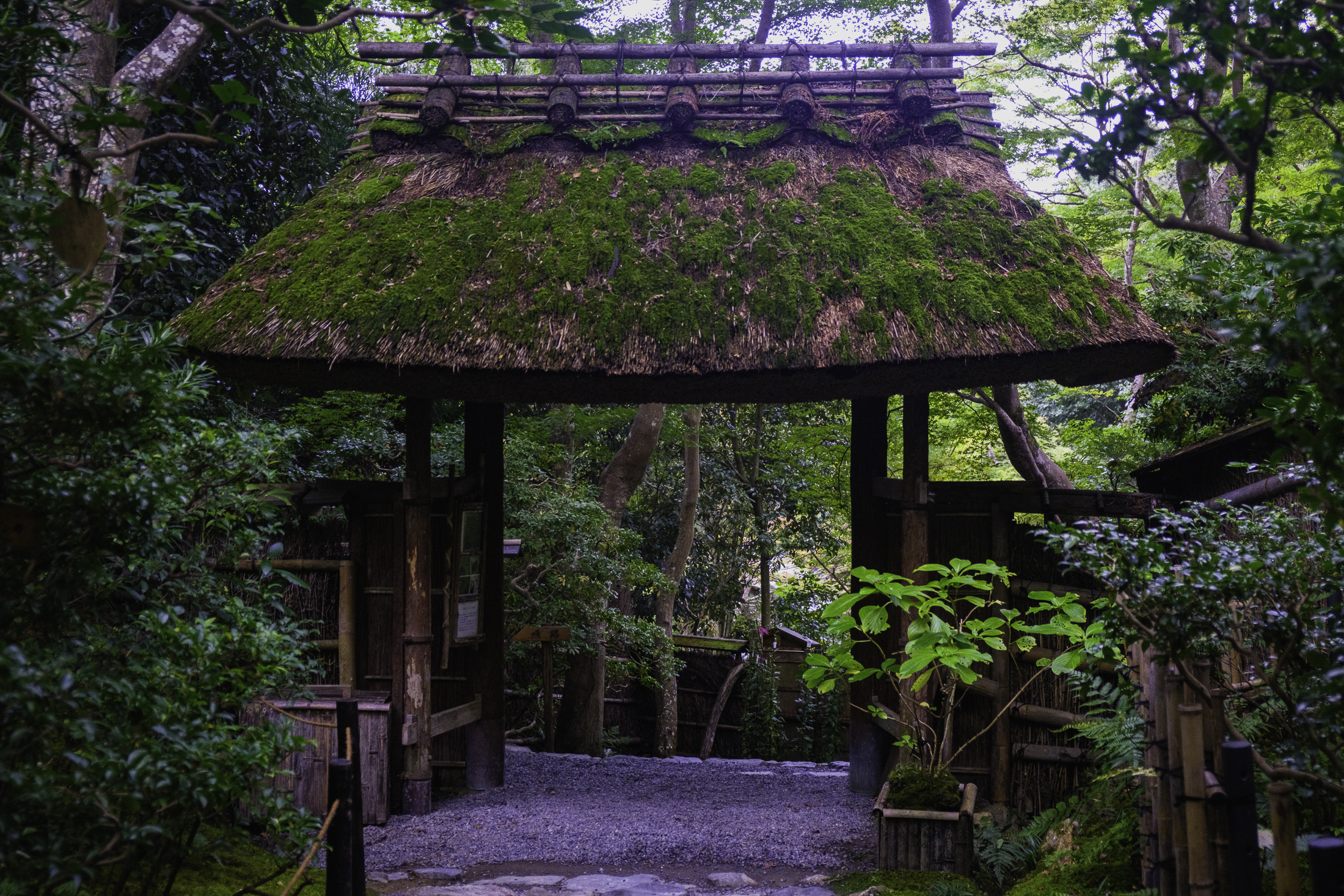
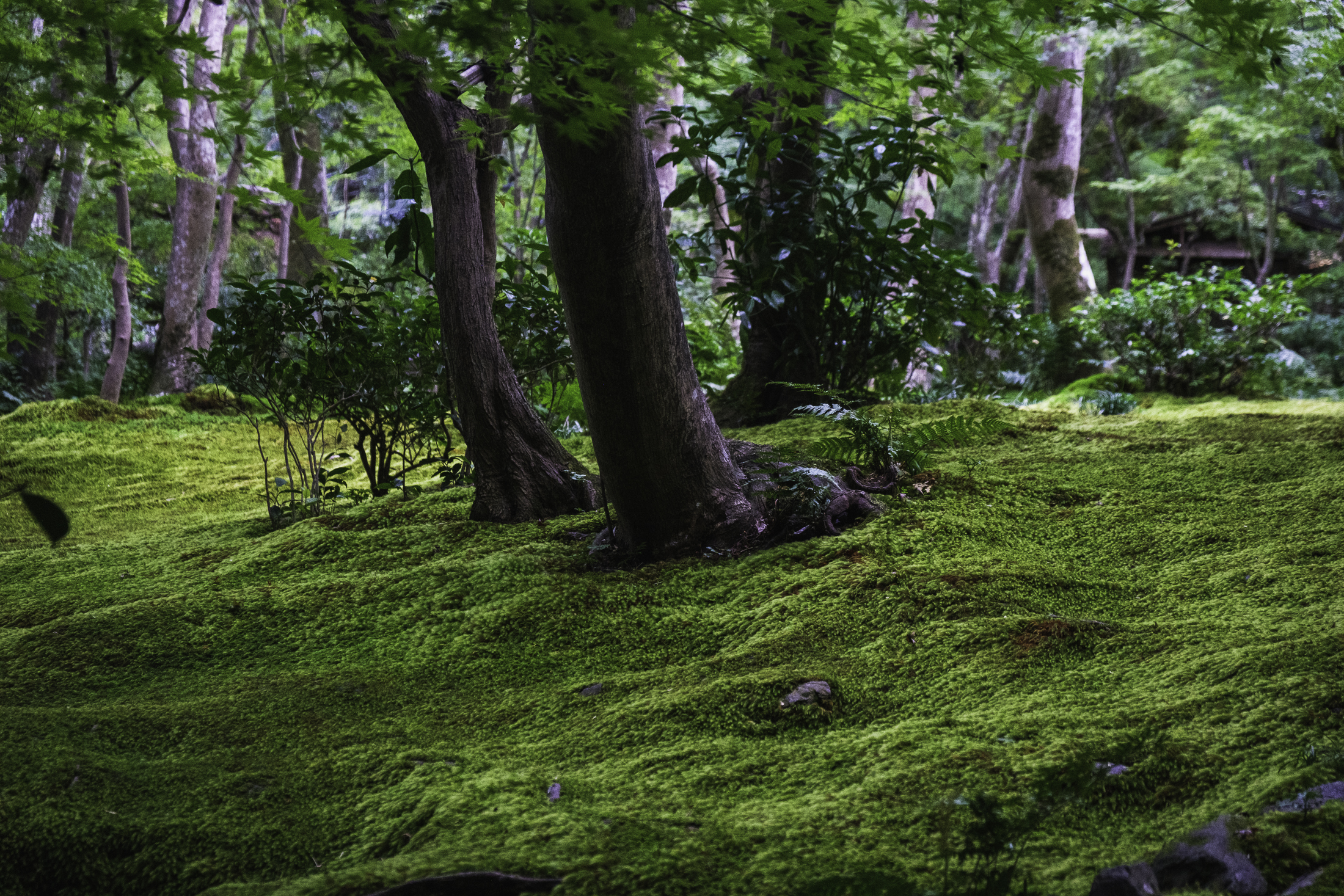
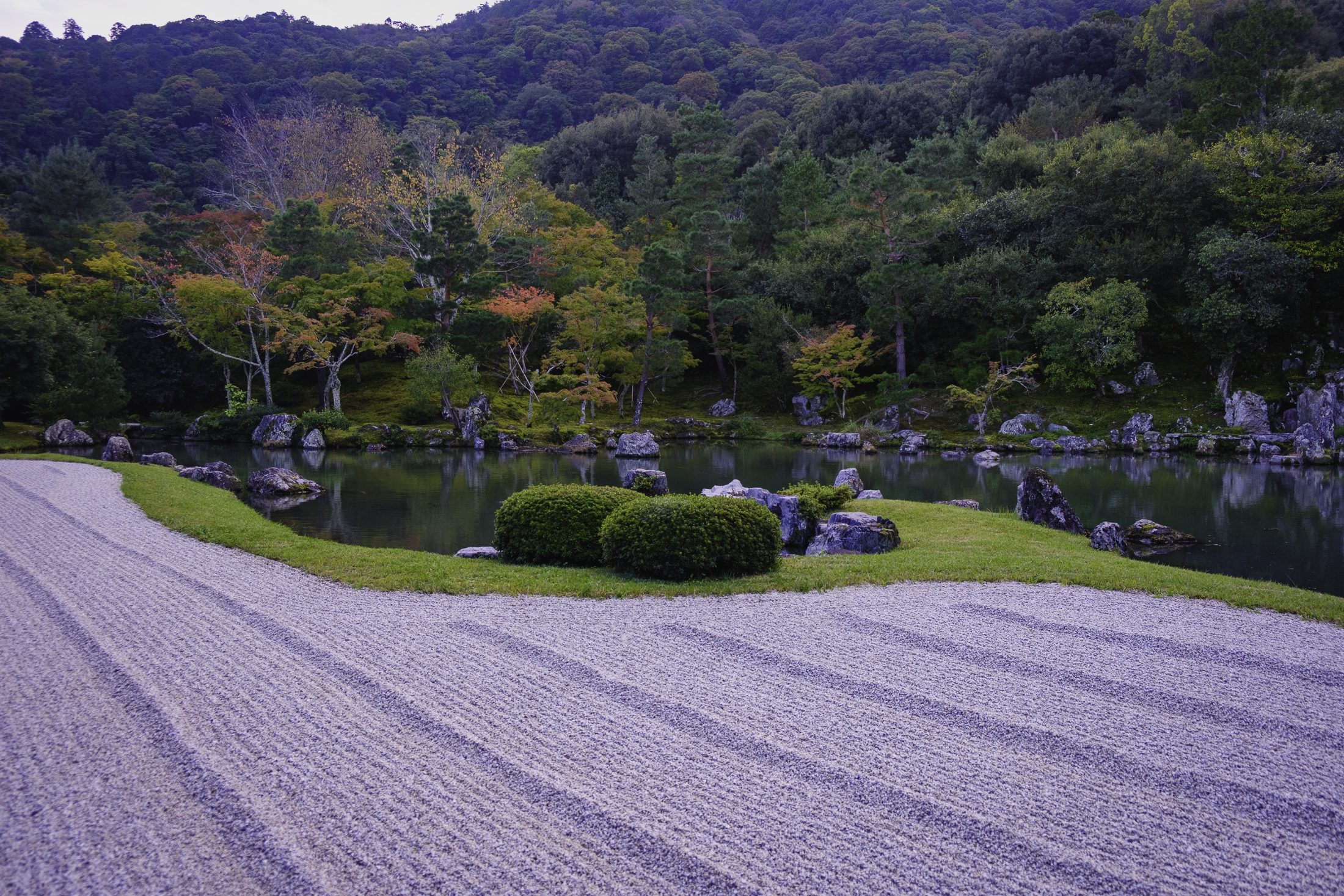
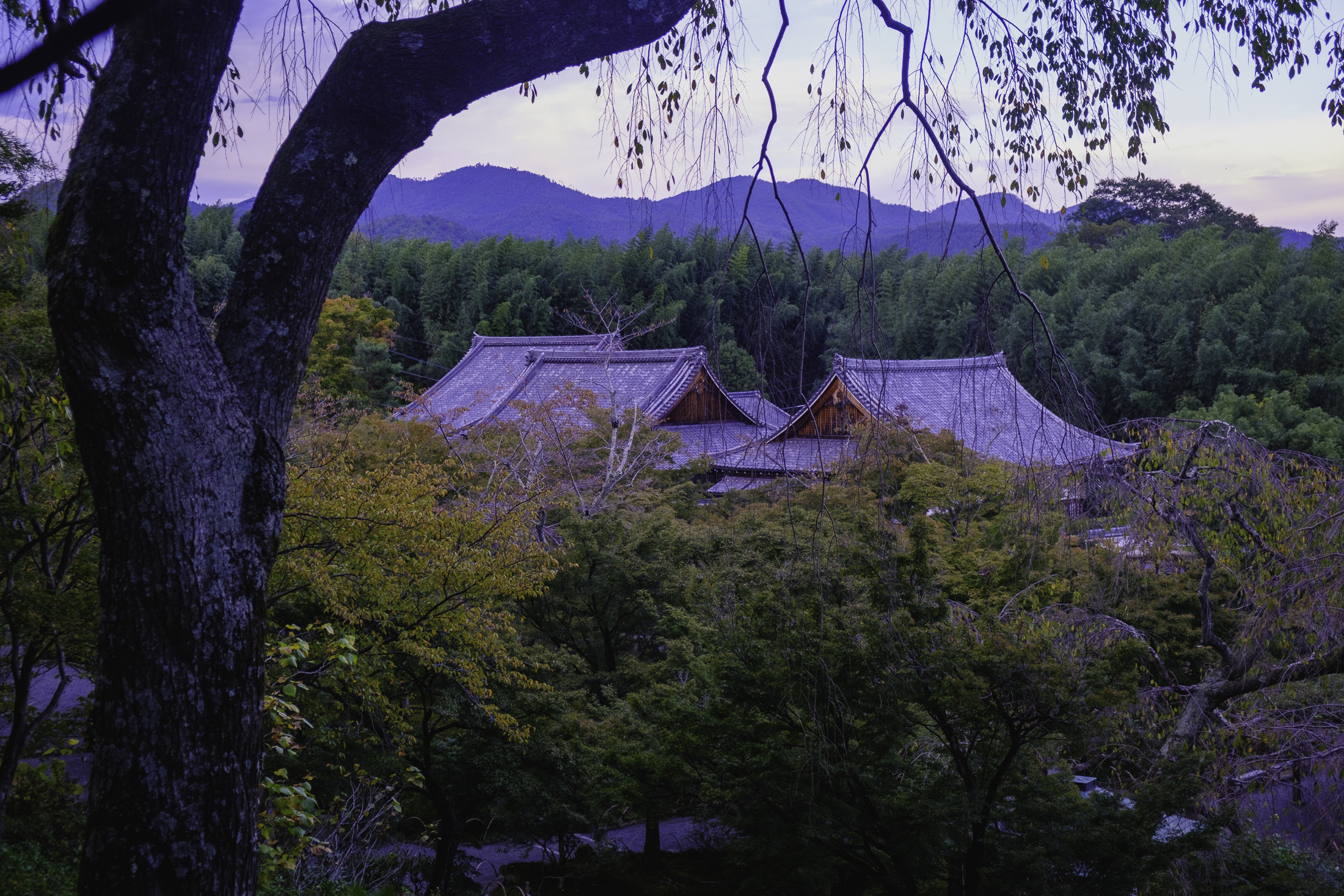
In the afternoon, we traveled across Kyoto to Arashiyama, wandering through the historic Saga-Toriimoto district, Buddhist temples filled with stone figures, moss gardens, and the famous bamboo forest. We finished the day among the towering bamboo, this time illuminated after dark.

A very full day spanning two sides of Kyoto—and an extraordinary variety of architecture, gardens, history, and photographic subjects.

A maiko, apprentice, walking to work (girls become maikos at about age 15 and geishas around ago 20)


Rokudō Chinno-ji


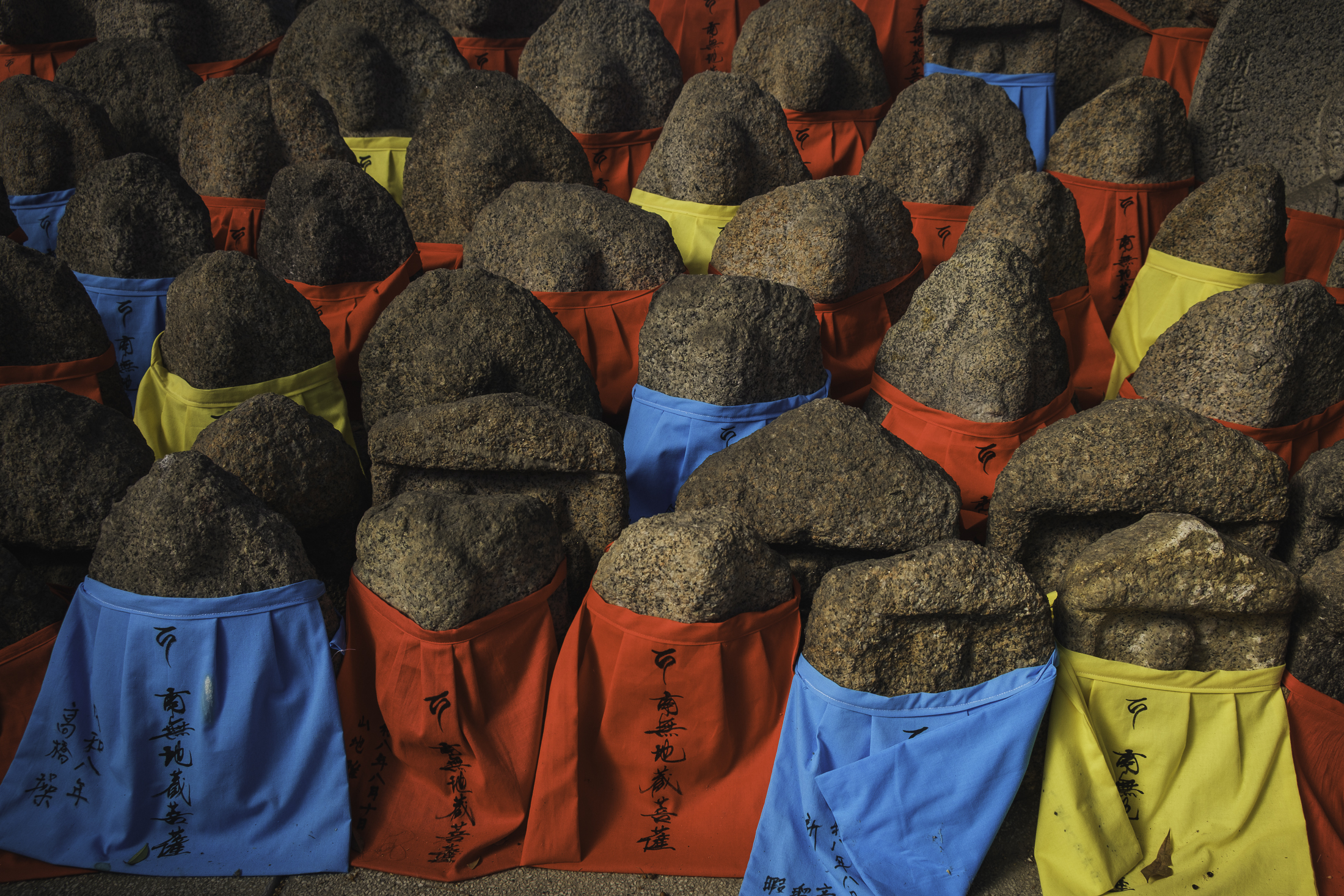
Grieving parents honor their miscarried or stillborn children by placing a bib on a Jizō statue


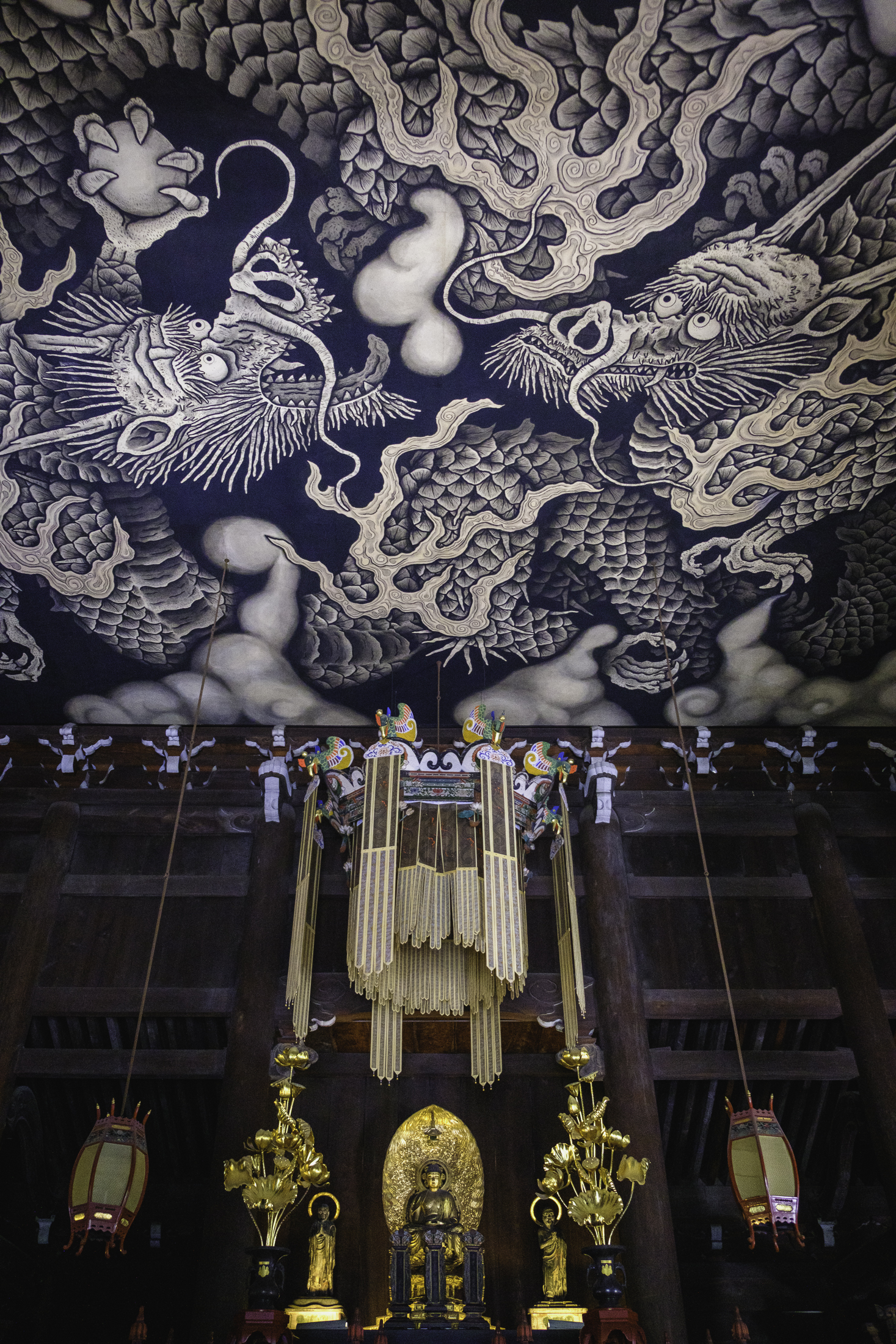
Kennin-ji Temple — Twin Dragons ceiling, Dharma Hall


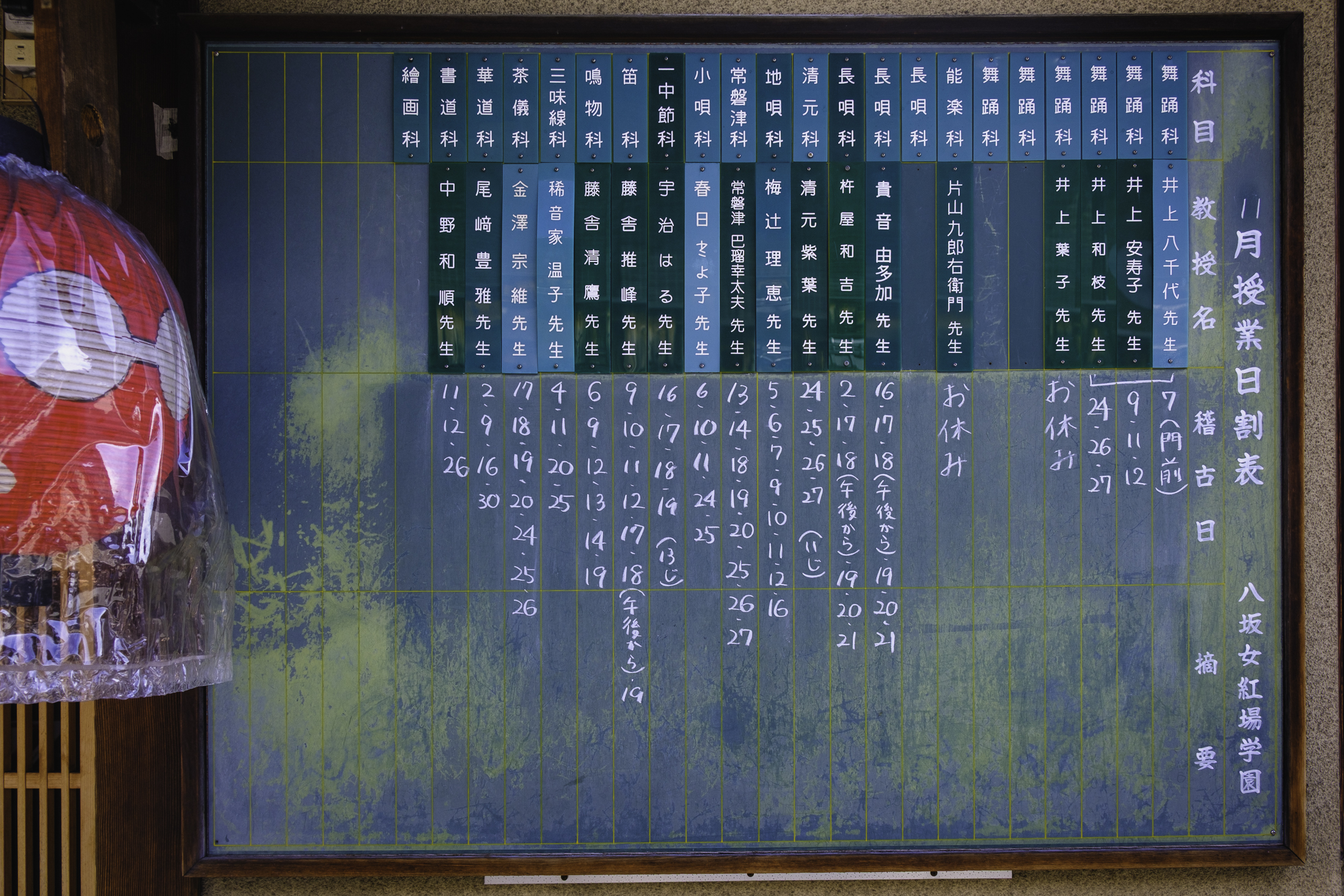
Schedule of classes and performances posted outside an Okiya


Otagi Nenbutsu-ji:  about 1,200 stone rakan statues!


Ōkōchi Sansō Garden


Bamboo grove at Adashino Nenbutsu-ji


Giō-ji, lush and mossy


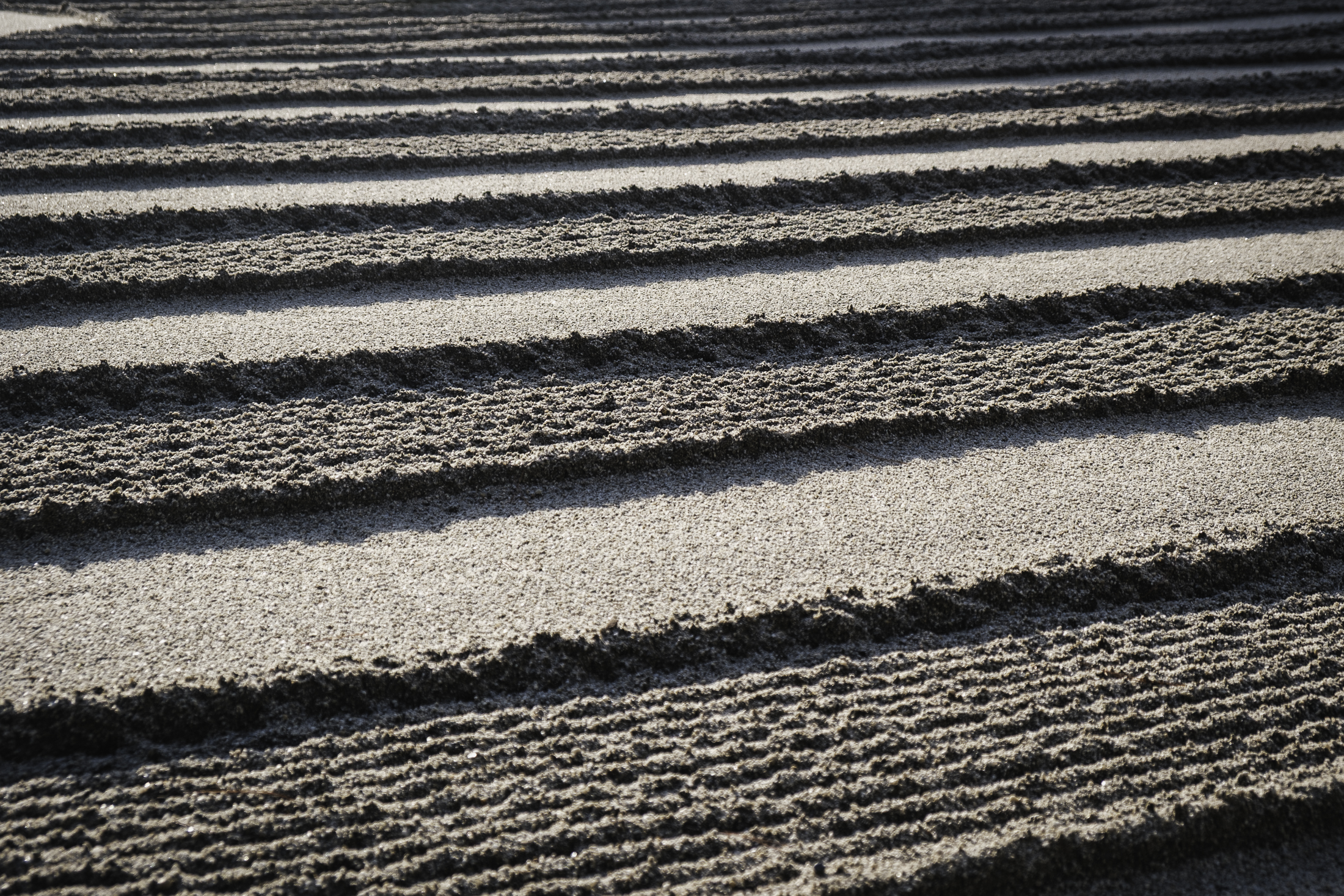
Tenryū-ji — Sōgenchi Pond Garden:  zen garden with raked gravel at this UNESCO World Heritage Site


Tenryū-ji:  from the top of a trail


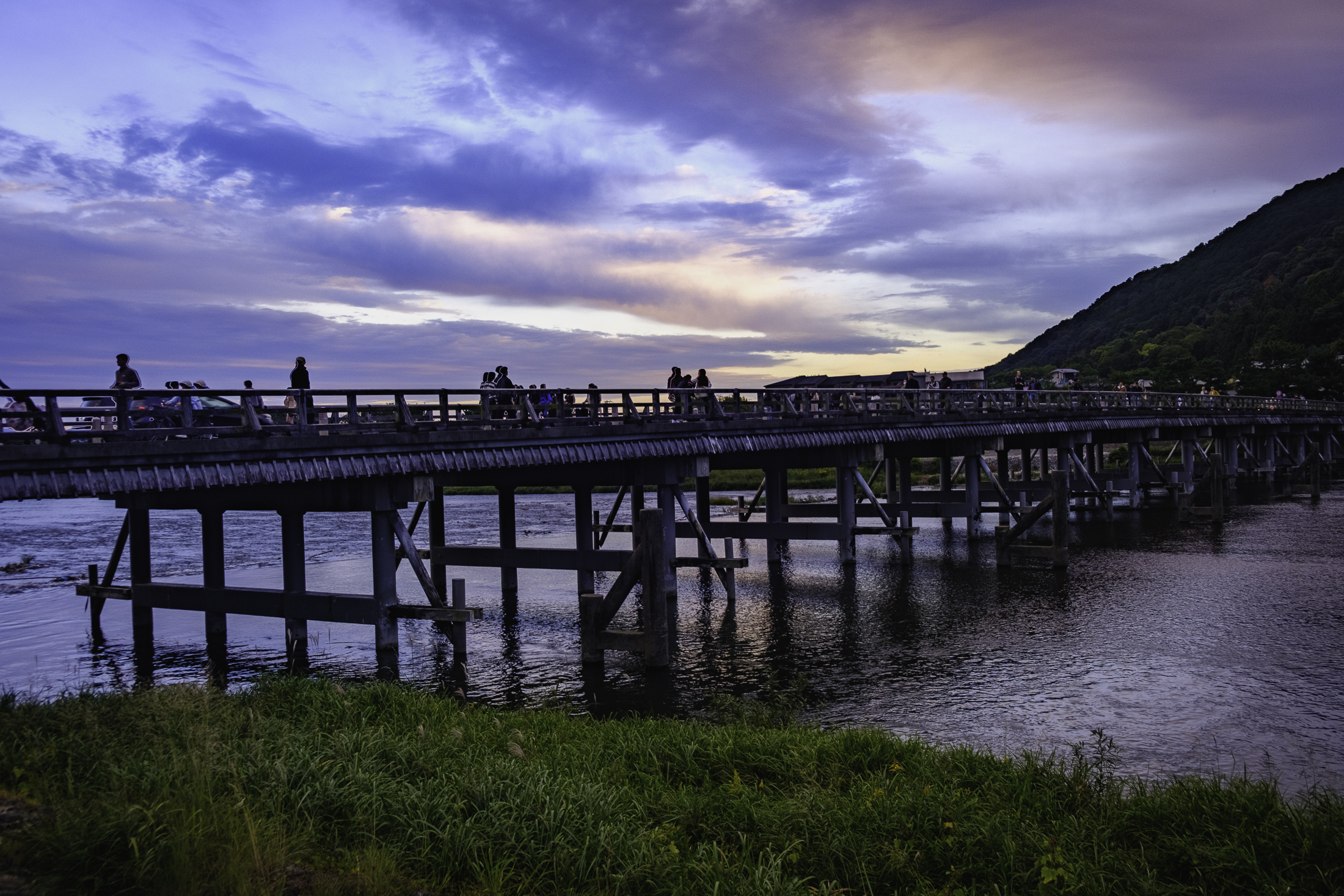
Togetsukyō Bridge at sunset


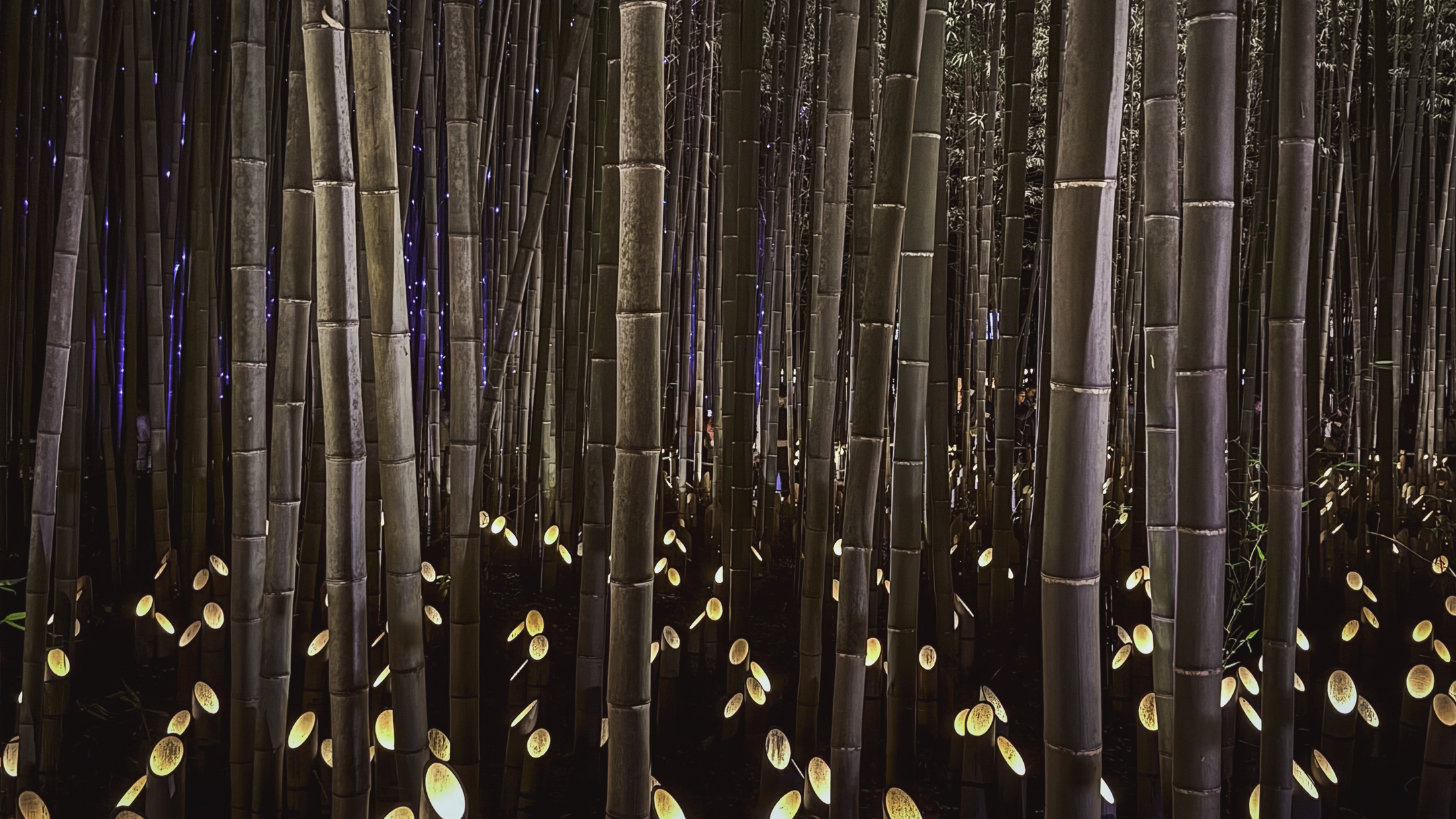
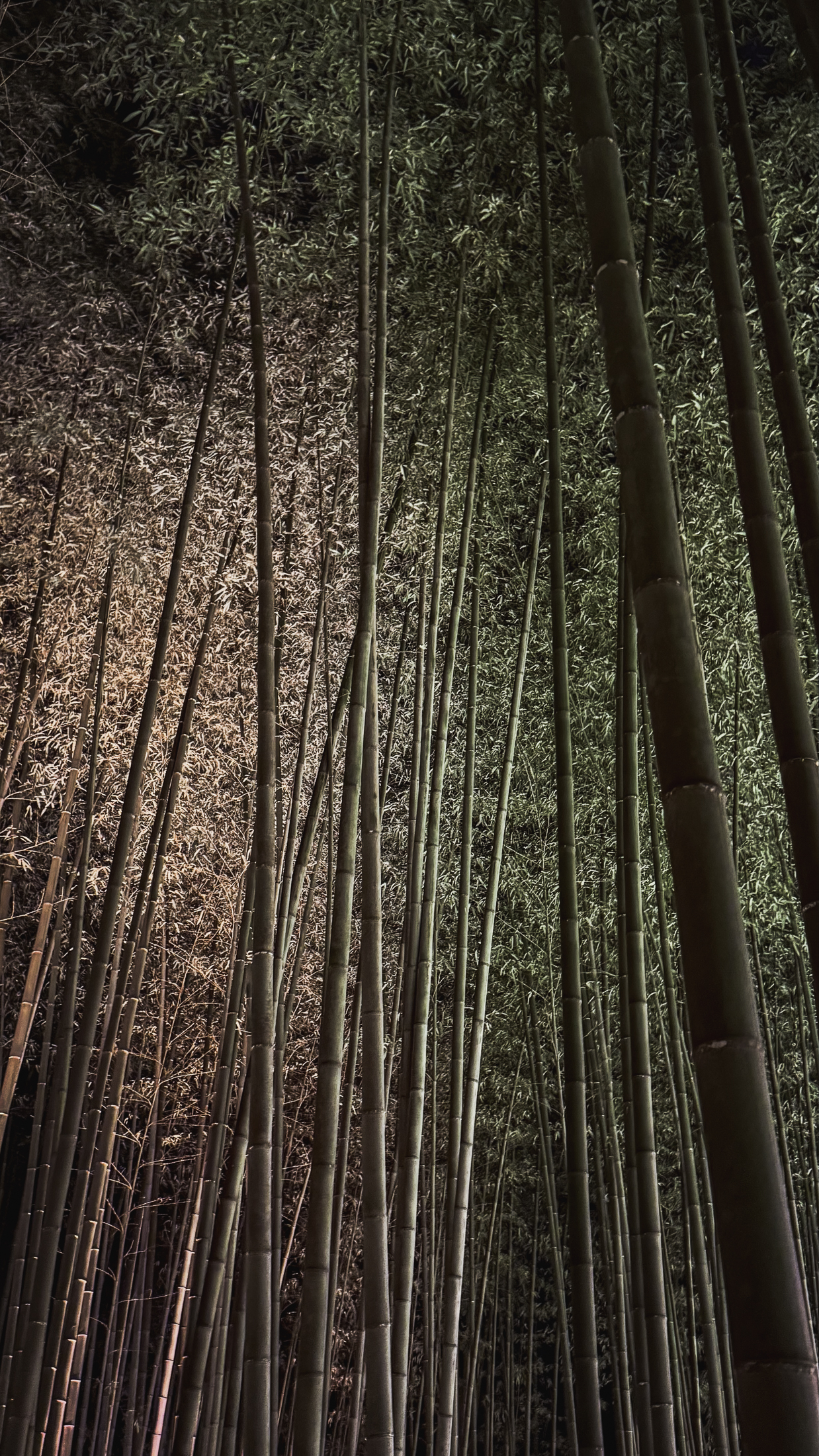
Illuminated Arashiyama Bamboo Grove 


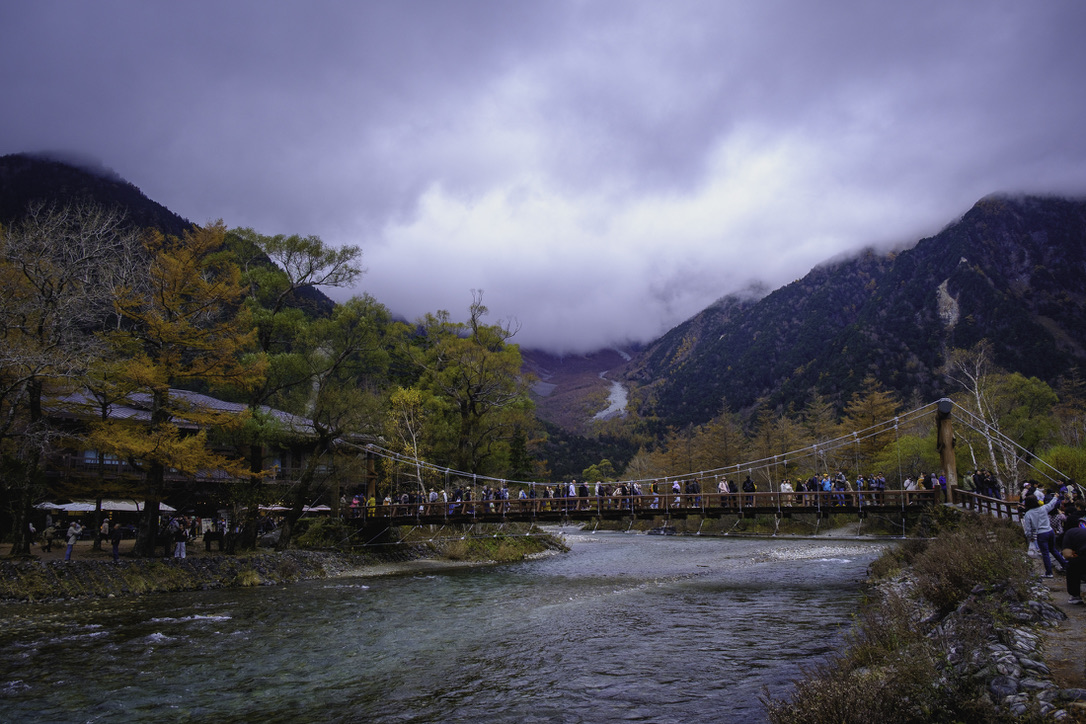
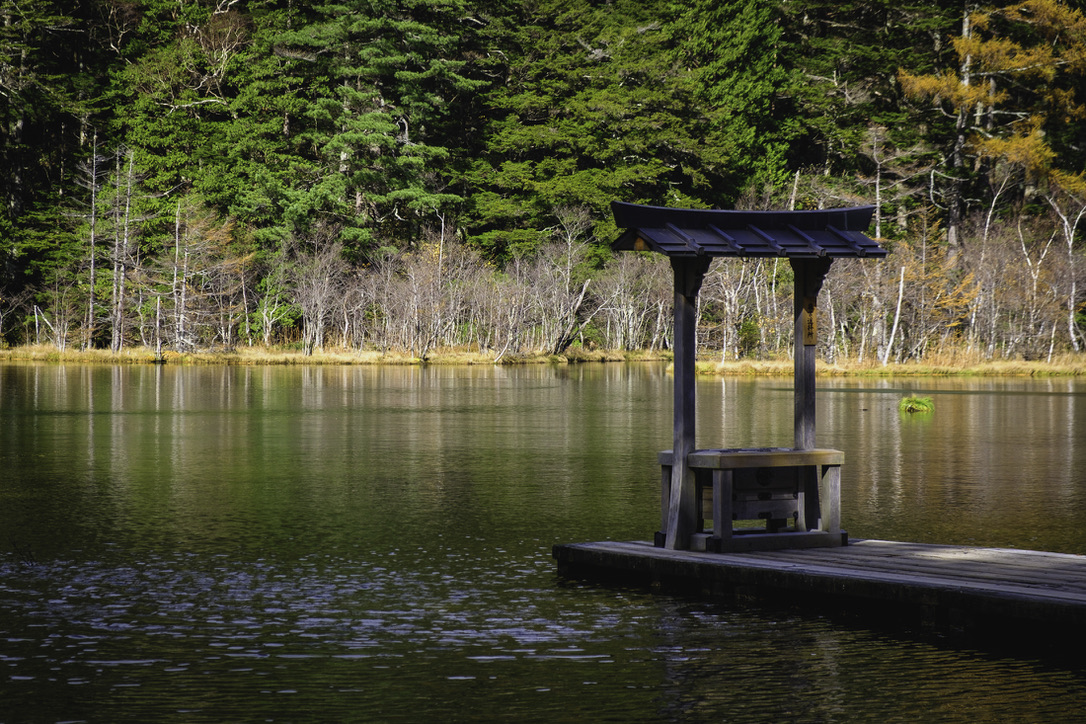
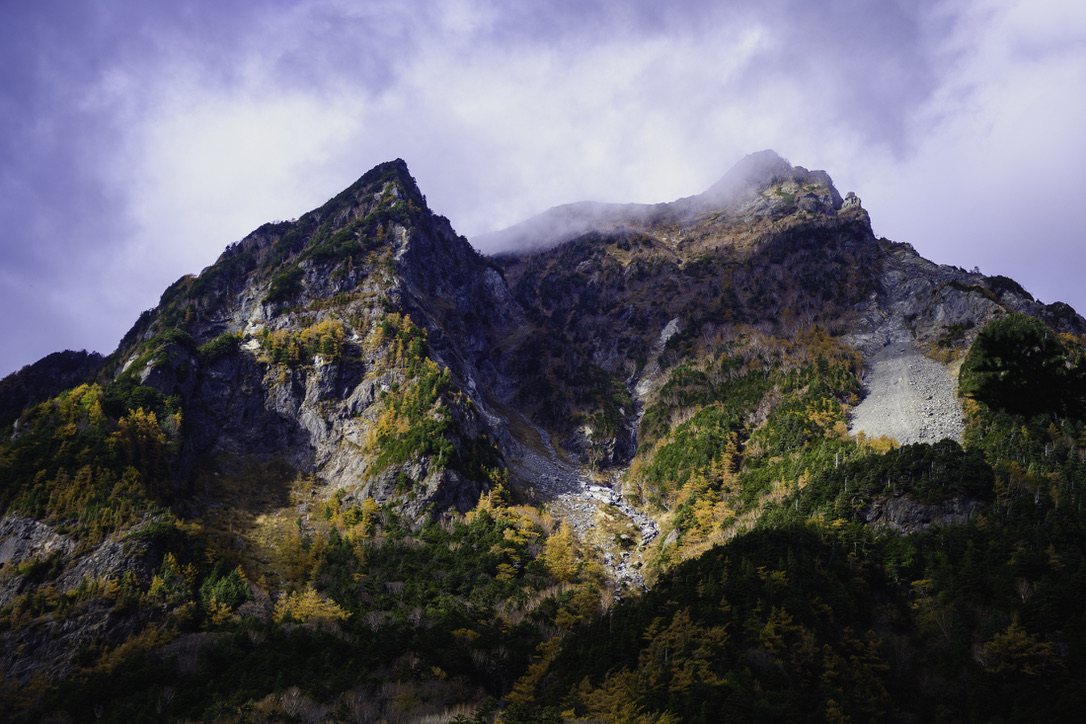
What an amazing day!  We hiked in the Kamikōchi valley, witnessing autumn foliage, reflecting ponds, an iconic suspension bridge, and a bright shrine.

After taking a couple of buses from Takayama, we disembarked at Taishō Pond and walked along the Azusa River to Tashiro Pond and across the Kappa Bridge.  Next, we meandered to Myōjin Pond to see the waterside shrine and encountered a snow monkey crossing our trail.

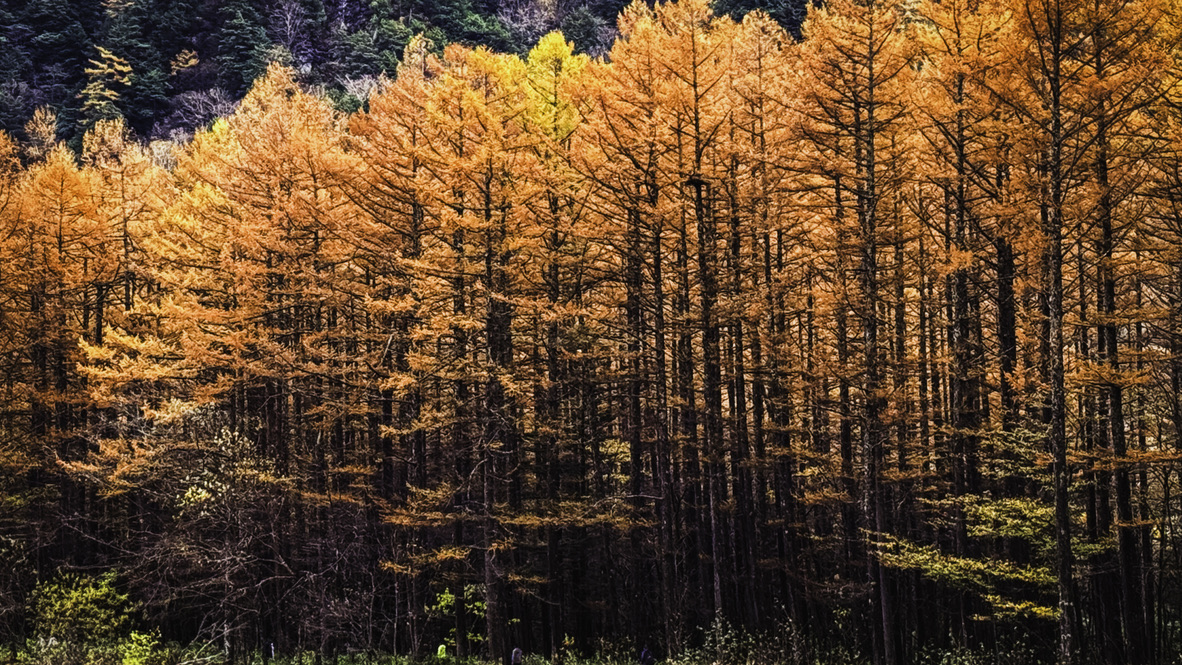
Autumn colors delighted!


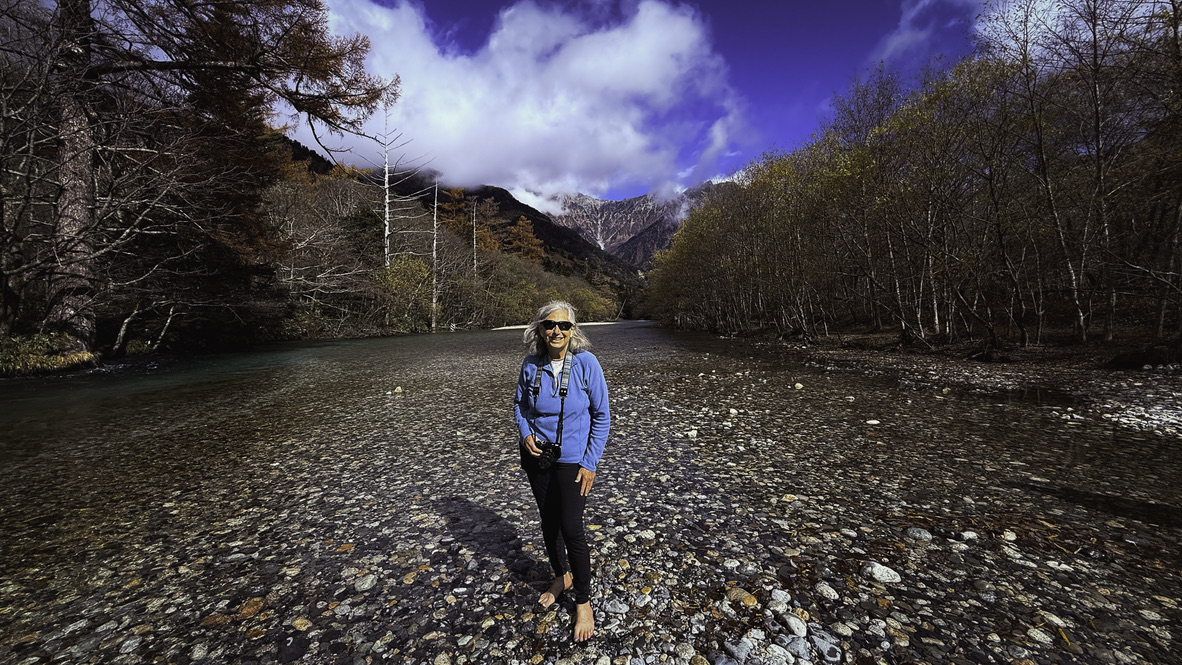
Shoes off for this water-centered photo


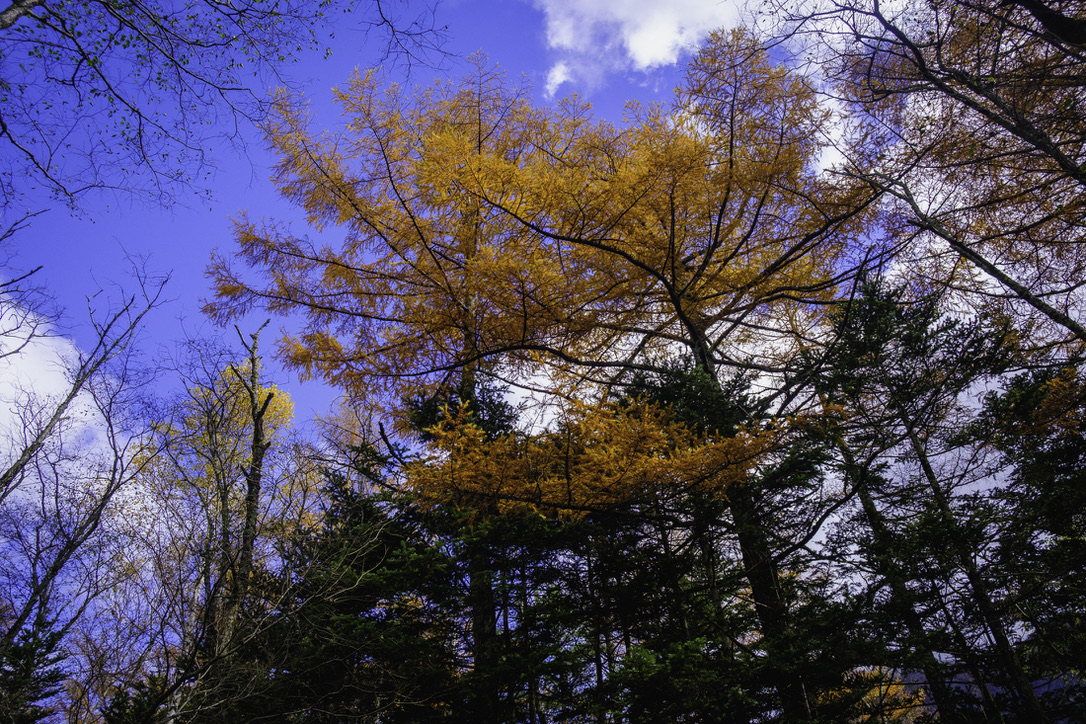
Larch trees!


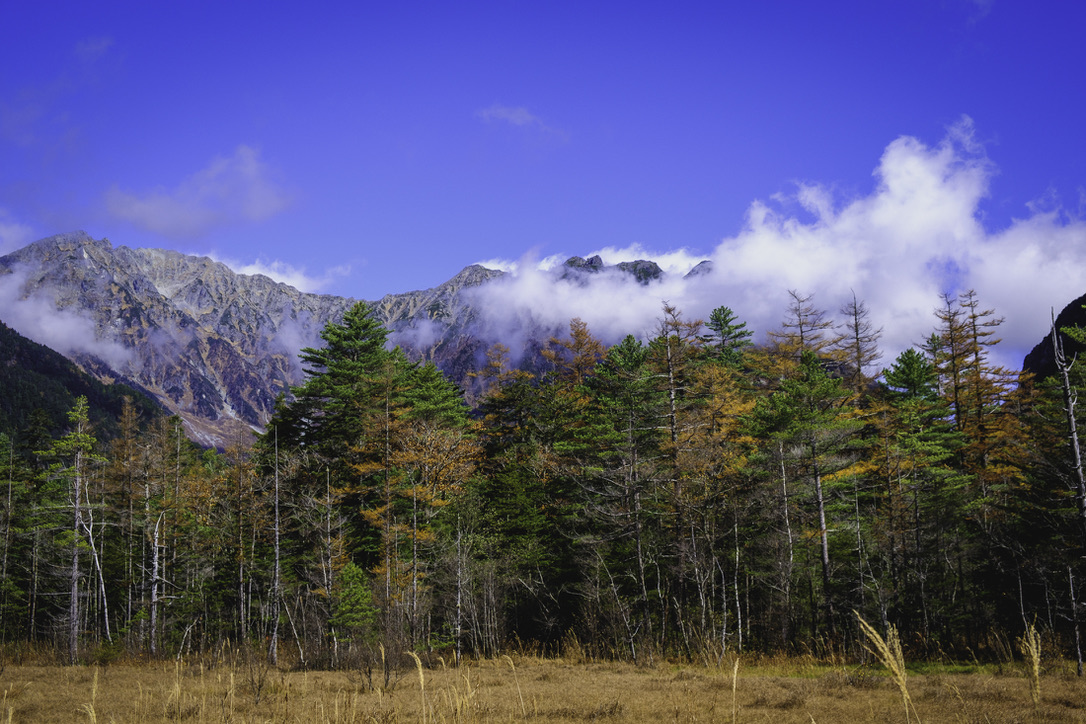
The clouds parted for us


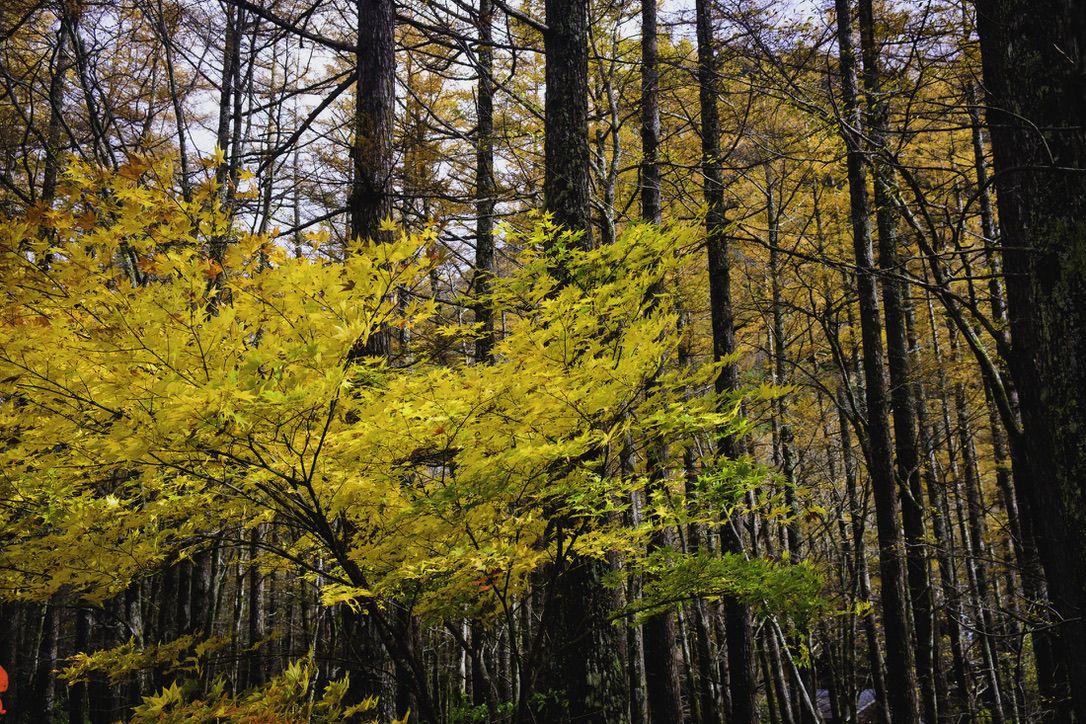
Mix of colors


Definitely autumn!


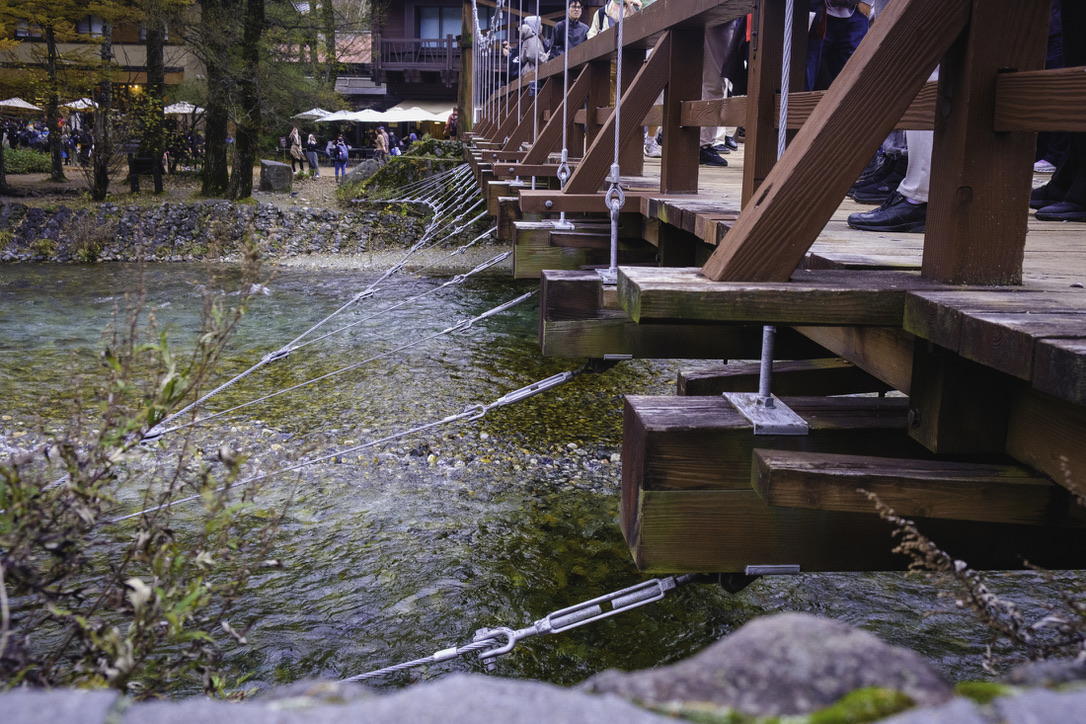
Kappa Bridge


Kappa Bridge


Hotaka Shrine Okumiya (Inner Shrine), beside Myōjin Pond


Lights, shadows, colors…

Typically, each year there are 25-26 named storms in the western Pacific.  This year, there have been 32 named storms, with at least 9 approaching Japan and three making direct landfall.

What has this meant for our trip?  We’ve kept a close eye on the weather, considering itinerary changes if needed.

For our Nakasendō hike, we contemplated not going.  Ultimately, we decided to keep moving to the next stage (next train, next bus, next tourist information center).  At each decision point, we chose to move onto the following step.

I am so glad we did!

Yes, it rained.  A LOT!

Yet, we hiked.

Eight kilometers in the rain on mostly muddy trails.

What do I LOVE though?  Hiking in a forest to a waterfall!  Okay, I would prefer 72 degree sunny weather, but…I’ll take what I can get!

Along the way, we met Brits Liz and Greg, with whom we enjoyed slogging through the mud and sharing stories.

The hike was not only wet but also BEAUTIFUL!

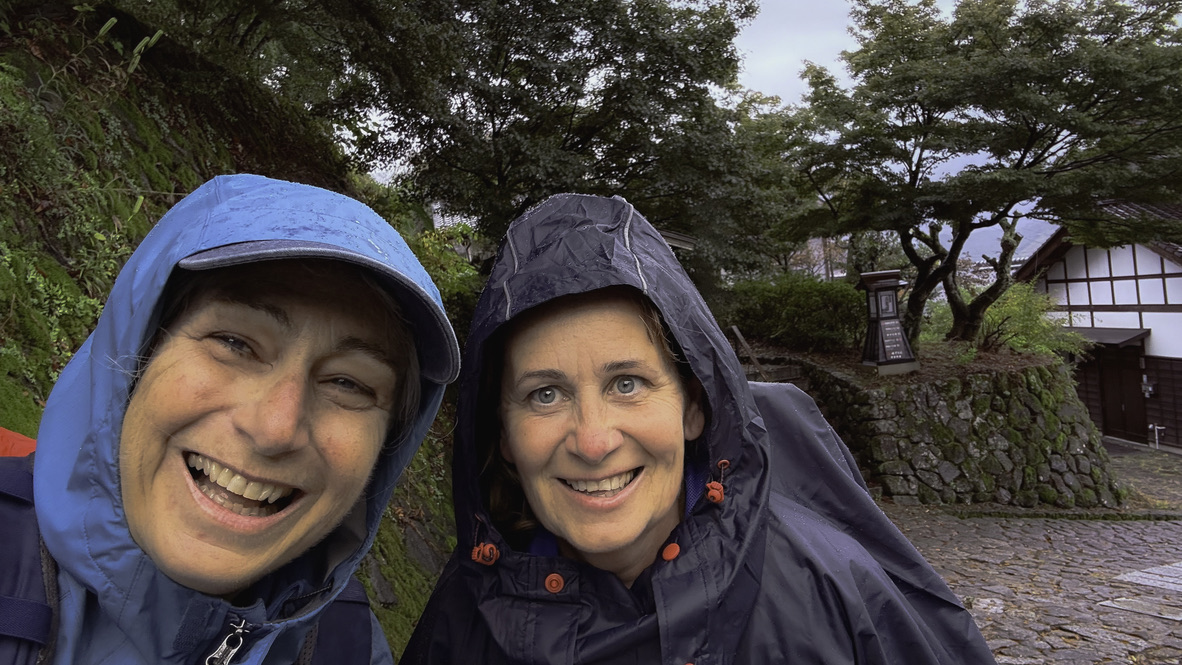
Ready for the weather


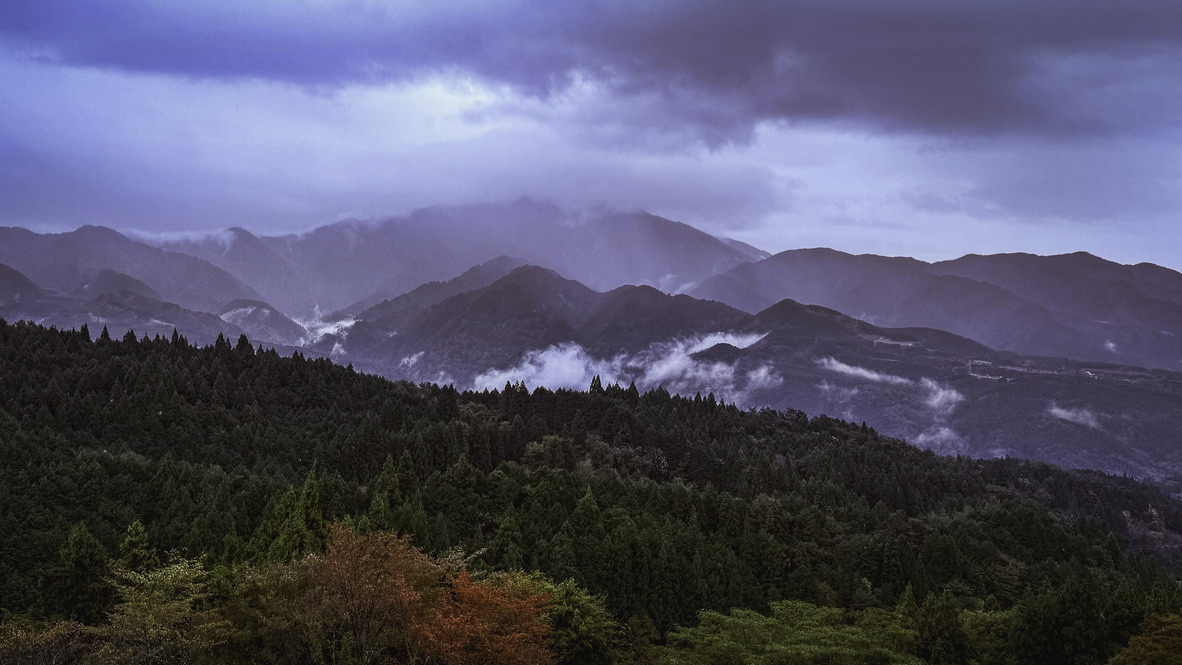
Cloud skies adding layers of color to the scenery


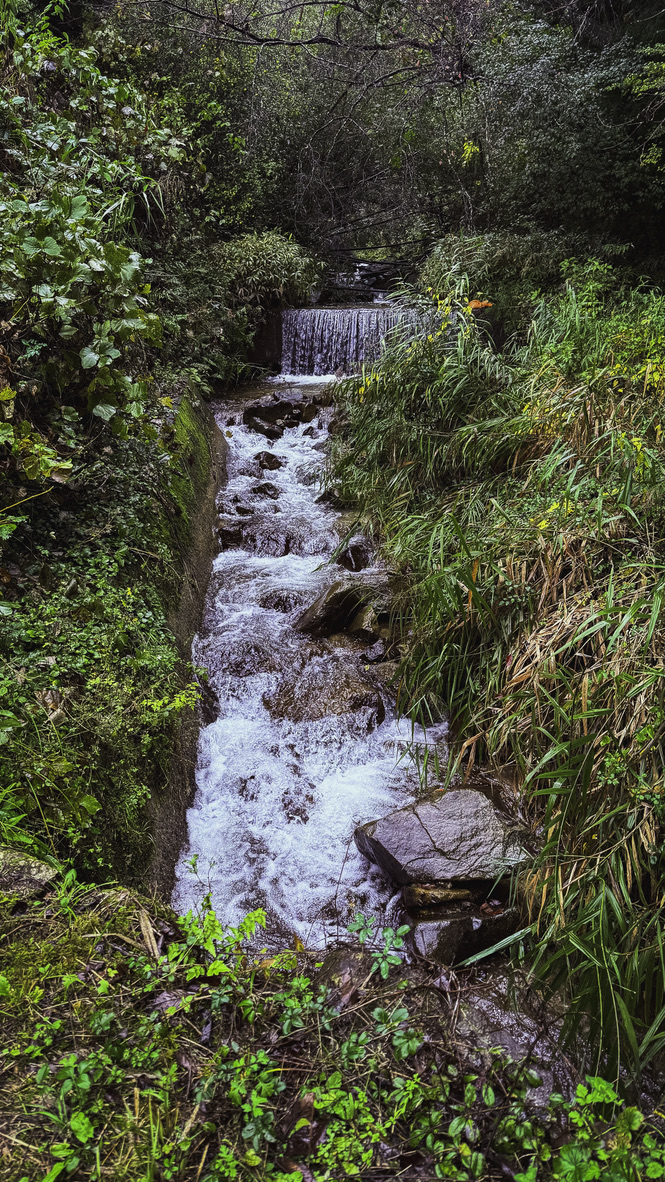
Forest trail to a waterfall!!! ❤️


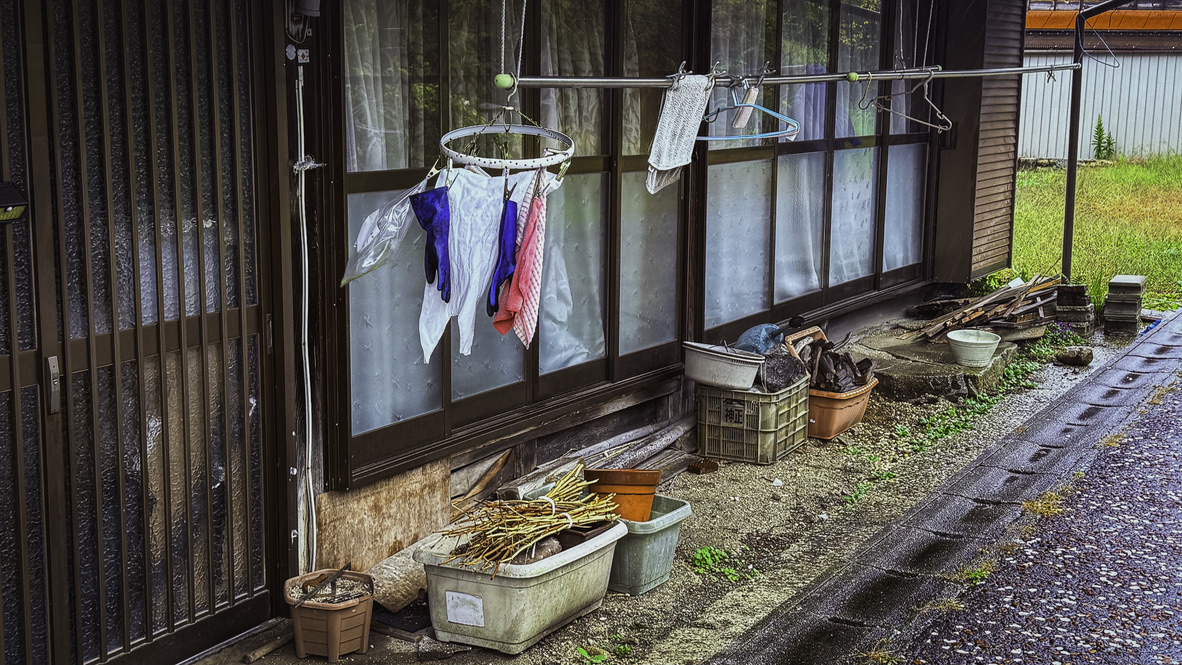
Laundry:  a necessity everywhere


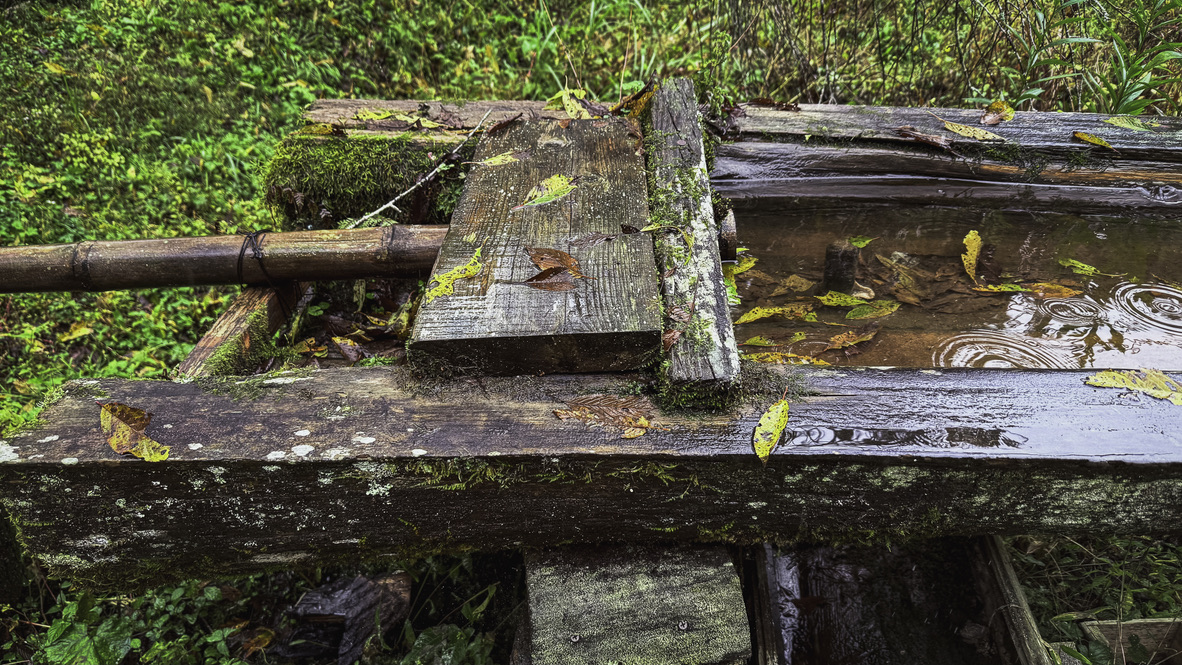
Weathered wooden water trough filled with rainwater and fallen autumn leaves


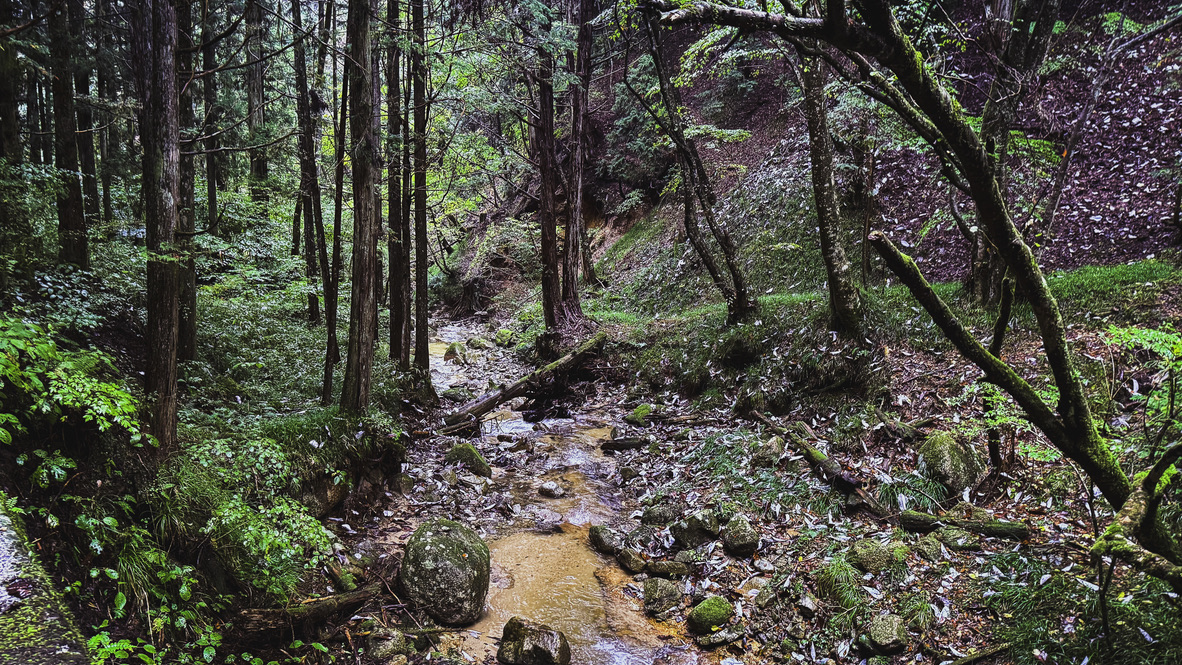
Muddy forest – green, wet, beautiful


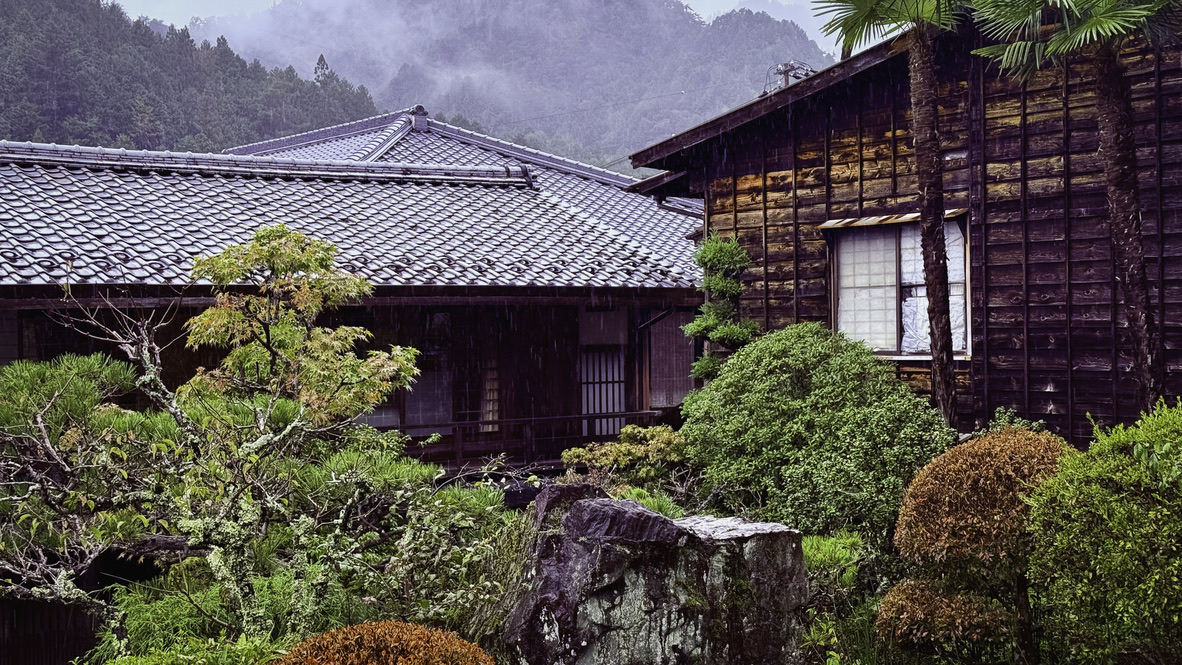
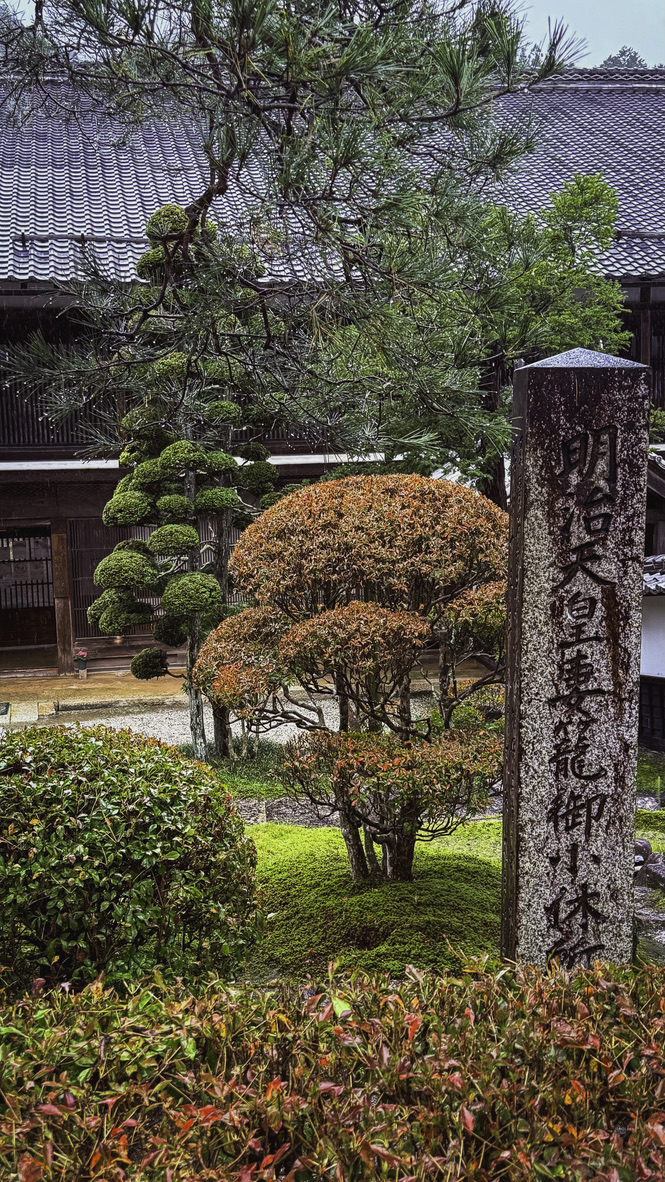
Tsumago


Tsumago


Rest spot set up for hikers by the Tsumago tourist board


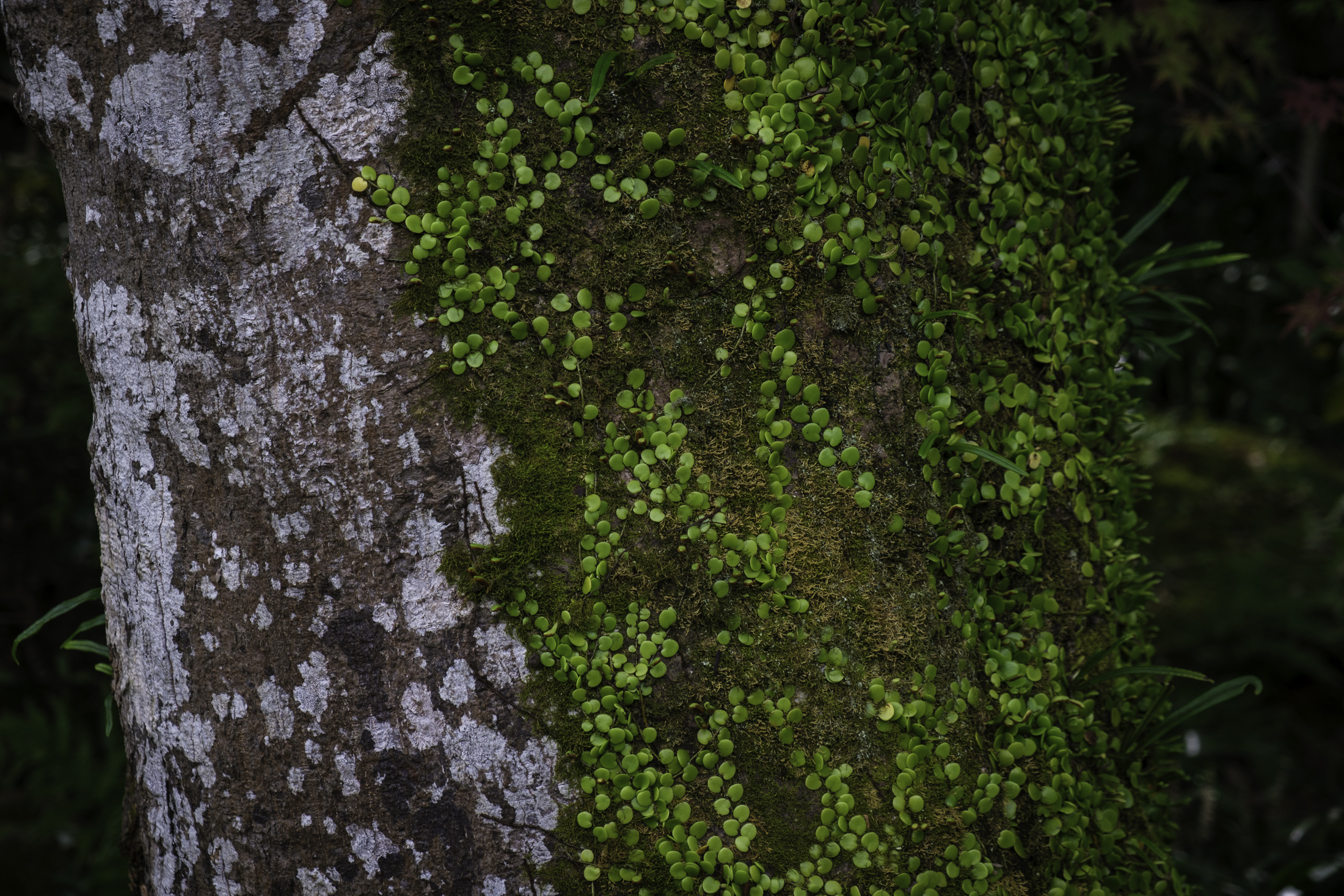
Wet conditions create mossy beauty

A travel day, we walked from our hotel to Matsumoto Station, lugging our suitcases. Two trains and several hours later, we arrived in the cute town of Takayama, our home for three nights.

With rain drizzling, we walked over to EDIOM, a large computer store so I could buy a new cord for my external hard drive. The amount of computer gizmos and gadgets, even in a town the size of Takayama, surprised me.

Takayama’s historic district, complete with wooden buildings and sidewalks, drew our attention. Hunger, though, needed to be assuaged. We found a cute restaurant, Centre4, with burgers and salads and Johnny Cash music playing in the background. Nonetheless, they were packed full. We made dinner reservations for the following night and ate the first of many meals from 7-11. The 7-11s, Family Marts, and Lawsons sell sandwiches, snacks, bento boxes, … lots of food at very low prices! Often, we would have a hotel buffet for breakfast, convenience store food for lunch, and a restaurant meal for dinner. 

Although we spent three nights in Takayama, our two full days entailed, first, hiking from Magome to Tsumago and, second, exploring and hiking in Kamikochi. With a late afternoon train on our final Takayama day, we used that day to meander around Takayama, seeing the Miyagawa Morning Markets, Sanmachi Suji, Takayama Jinya, Shiroyama Park, Takayama Castle Ruins, Tensho-ji, and Sakurayama Hachimangu Shrine. Phew! It was a full day even before we retrieved our luggage and headed to Kyoto!

Rice field on our walk to EDIOM


Gorgeous fall colors!


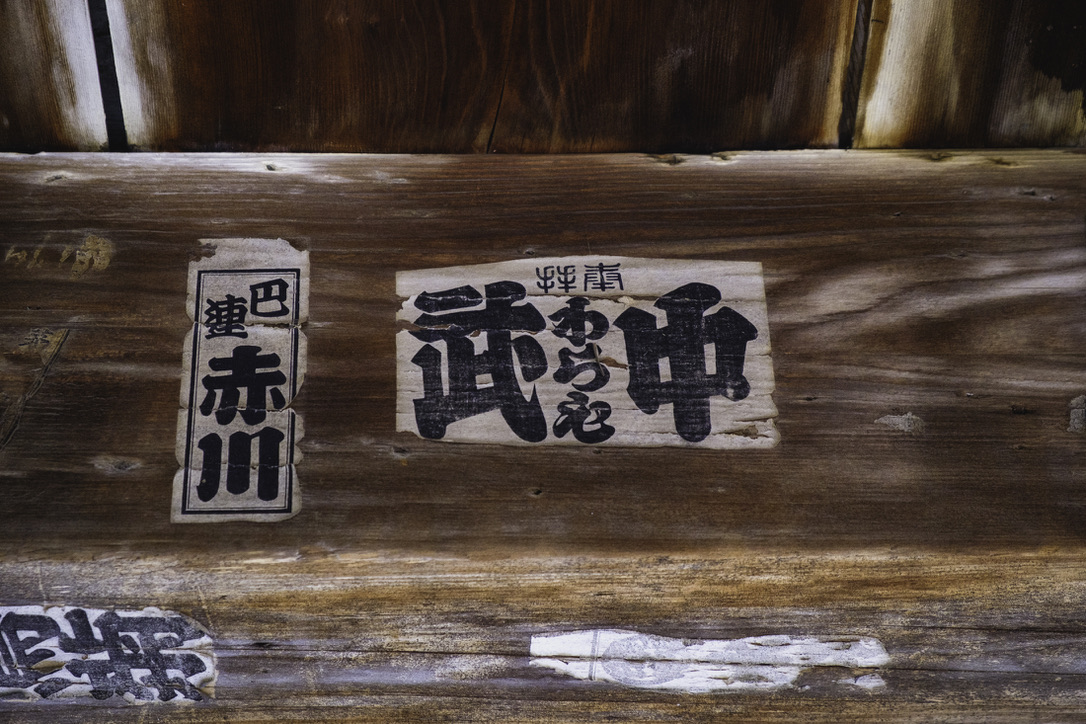
The details that grab my attention


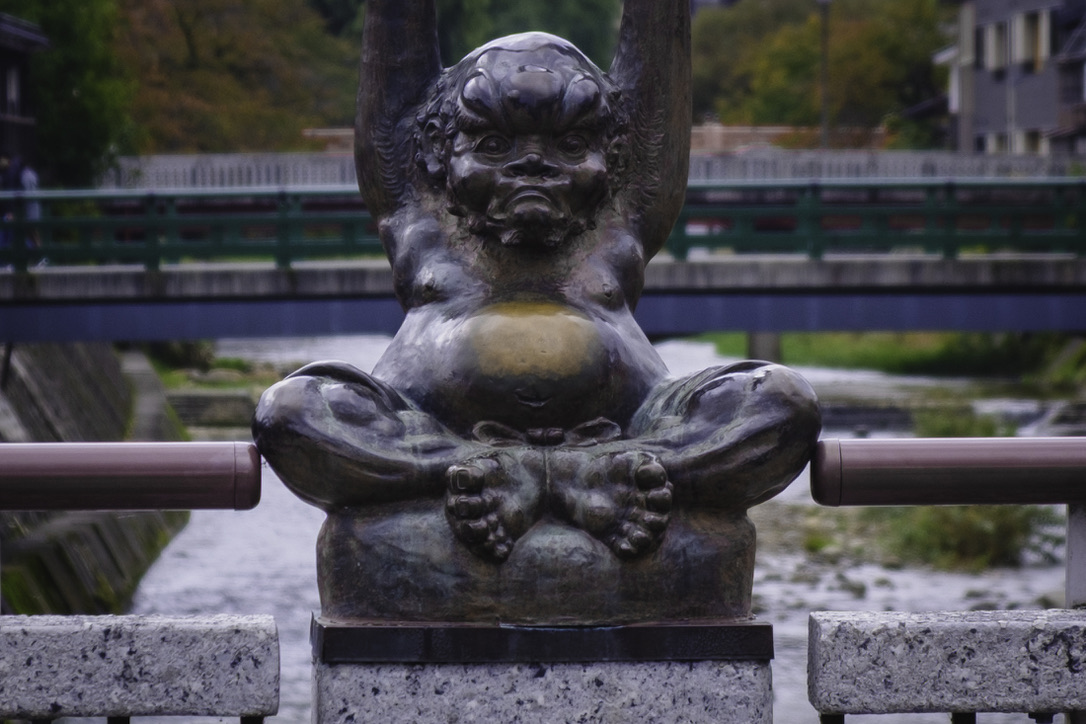
Belly rubs for good luck!


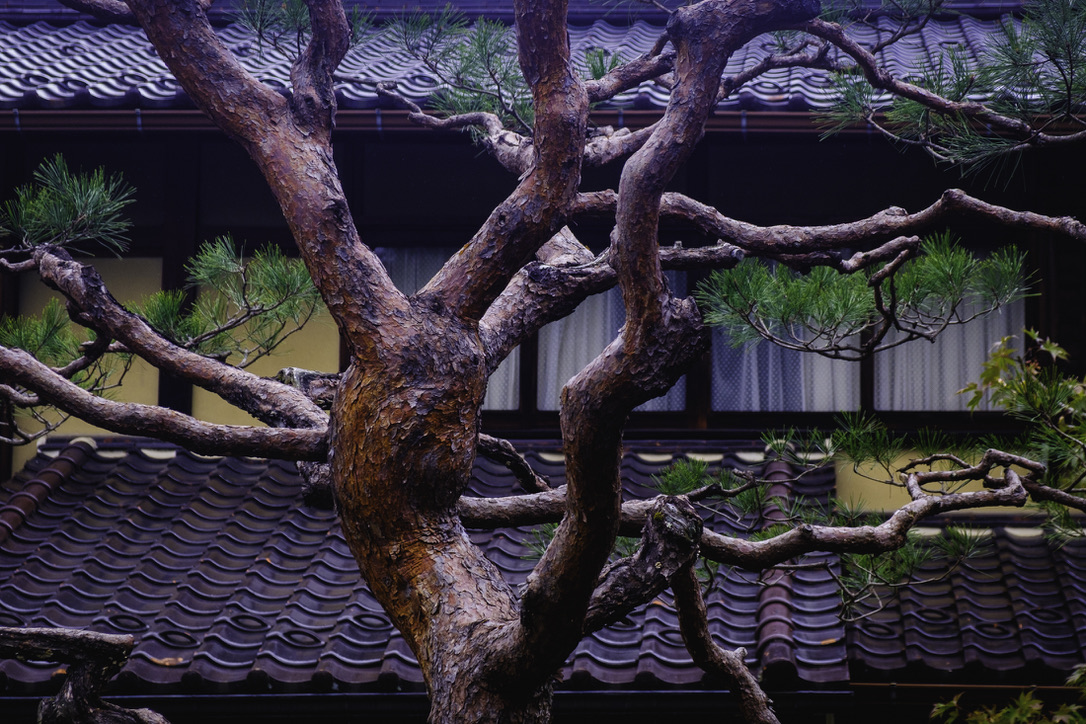
The bark on this pine tree!


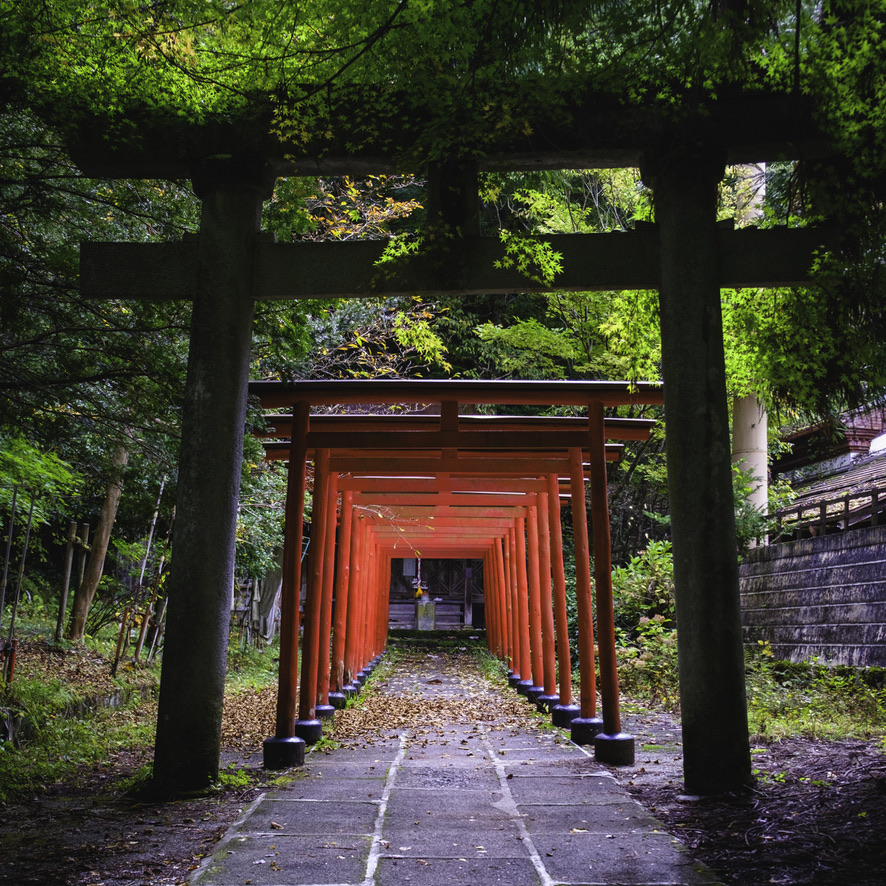
Torii gates and shrines nearly everywhere


Takayama park hike


Symmetry


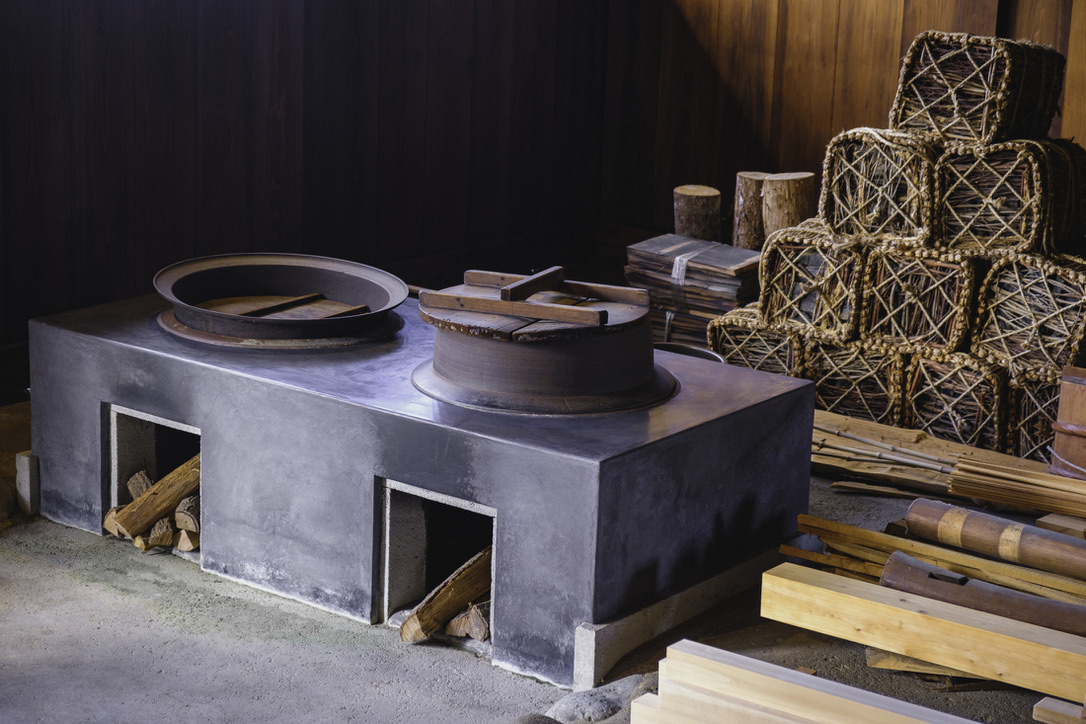
Kitchen


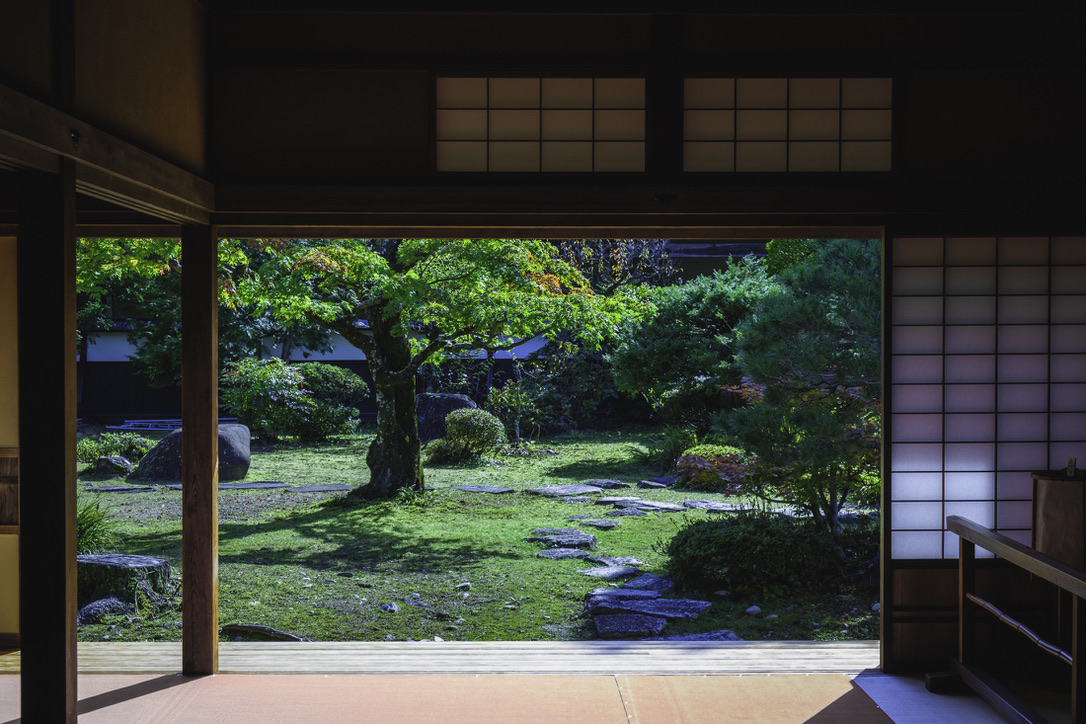
I love Japanese gardens!

Of course, it was pouring rain when we drove from the Fuji lakes to the Japanese Alps! Remnants of Typhoon Champi pelted us as we – as in Kayla our driver! – drove this day. Returning the car was easy, even if we got a bit wet in the process.

Initially, we planned to hike two days on the Nakasendo Trail, first from Magome to Tsumago and then Tsumago to Nagiso. However with black bear warnings, logistical hurdles, and weather hazards, we ultimately spent one night in Matsumoto and the next three nights in Takayama.

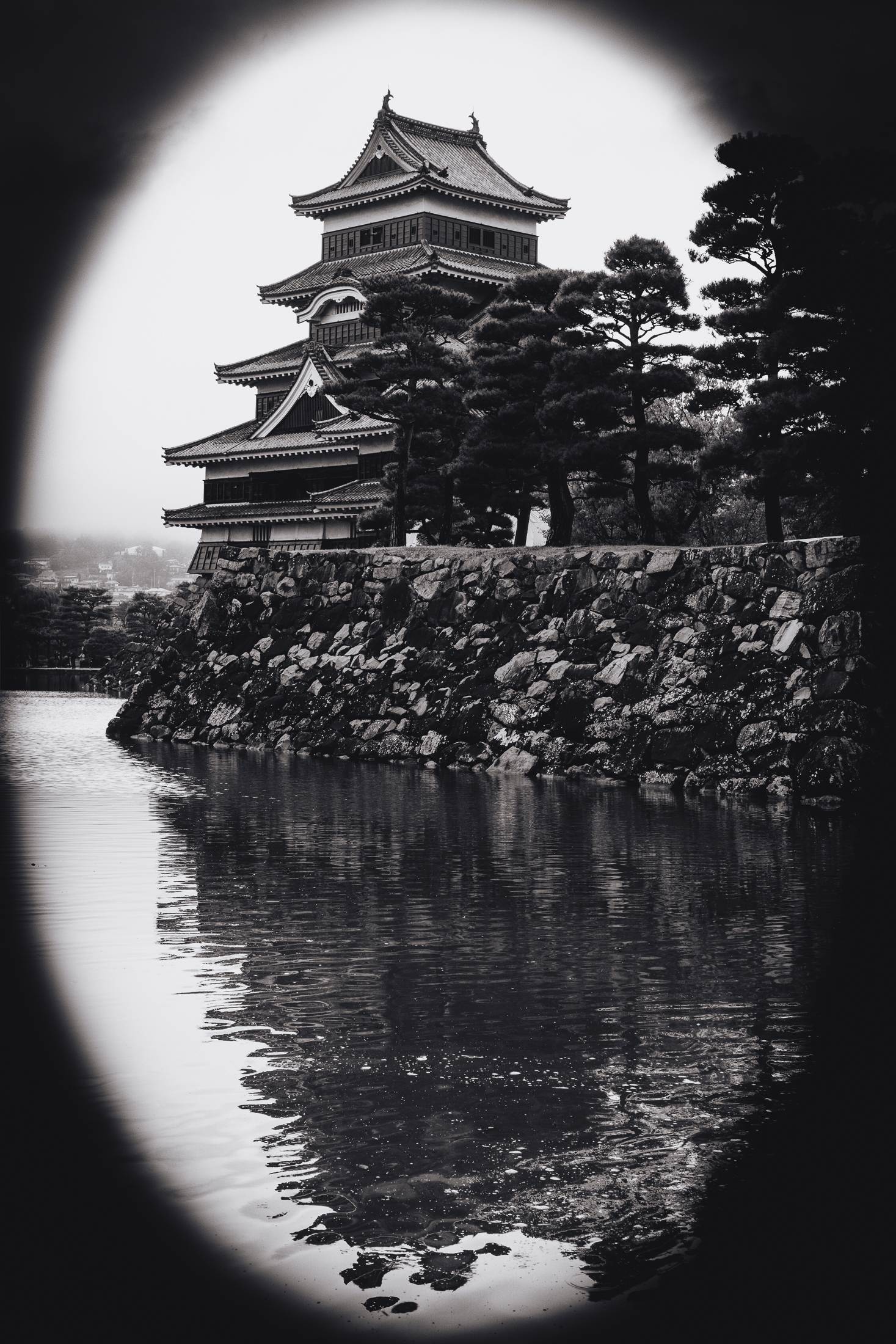
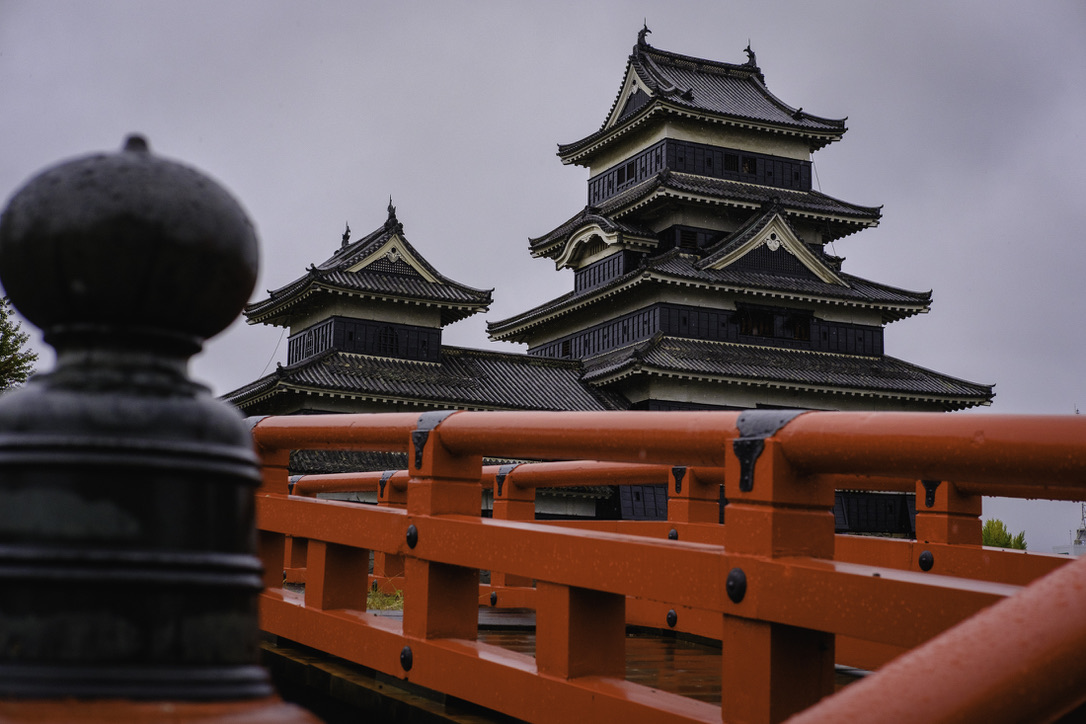
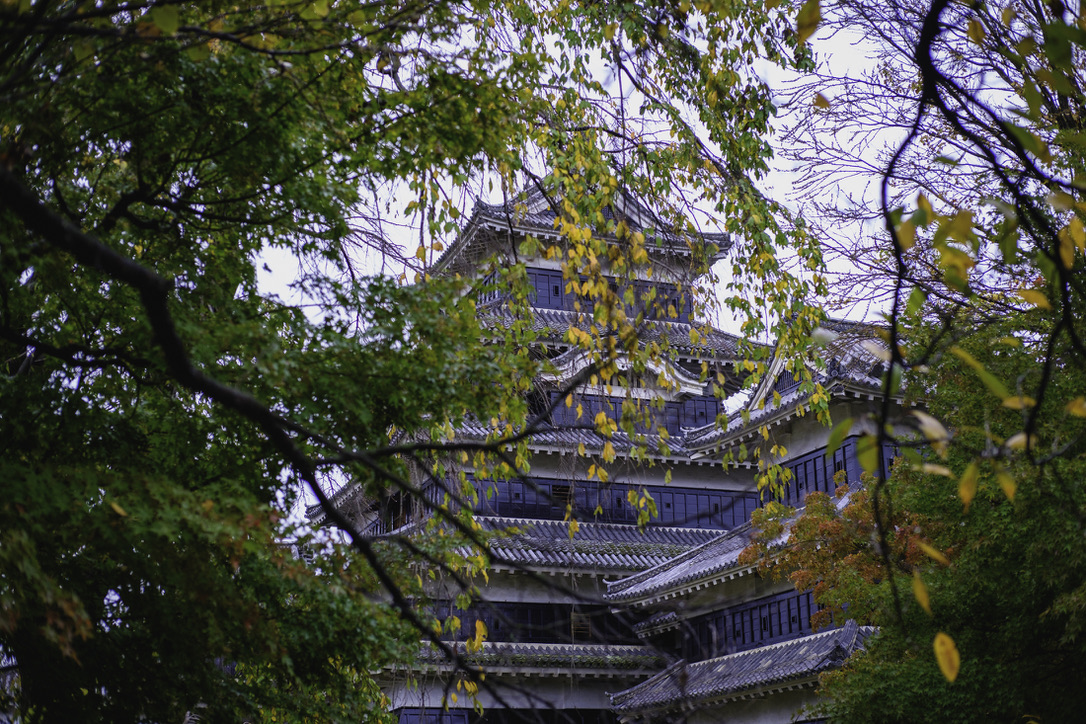
With one afternoon and evening in Matsumoto, we visited Matsumoto Castle, designated by Japan as a National Treasure, and climb its steep and irregular 141 steps up the tower. What goes up, must come down! I used my Kinfish stairs technique and faced inward when going down the very steep steps!

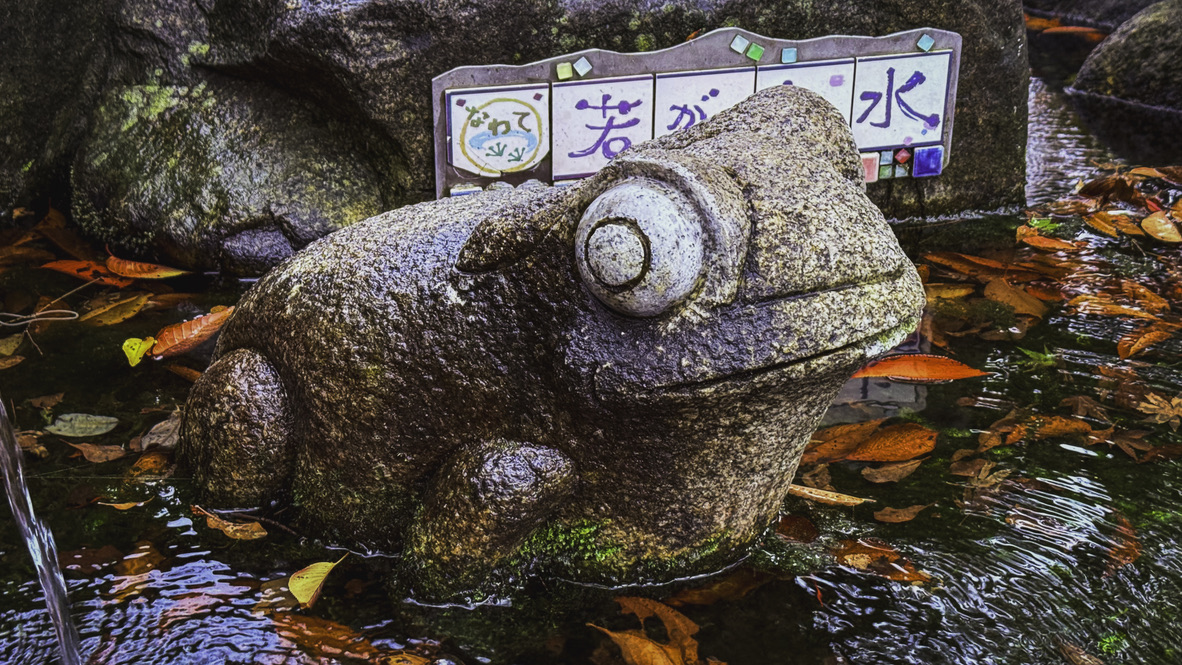
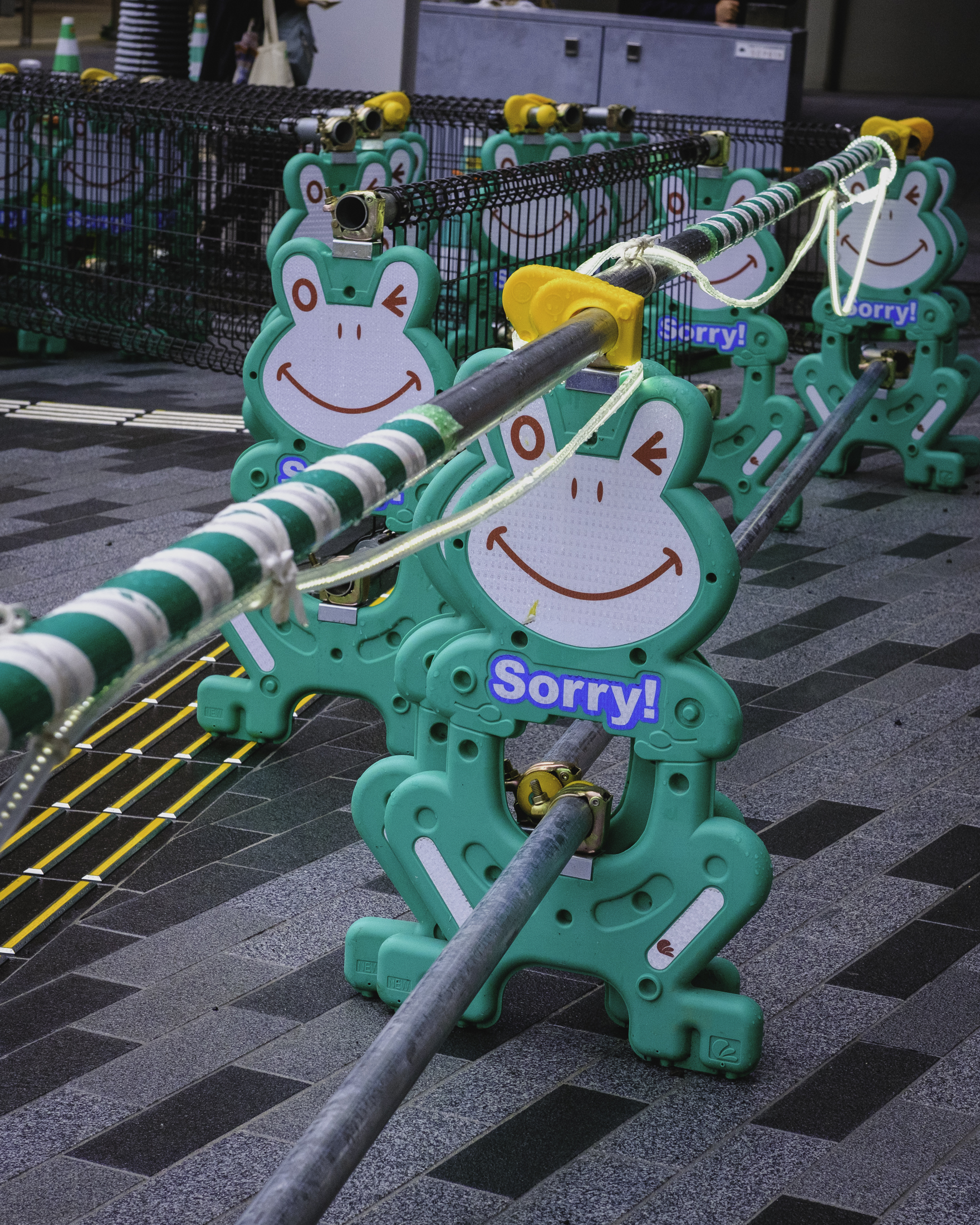
Construction at an intersection near our hotel showcased frogs, a cultural phenomenon of Matsumoto. Frog Street, frog statues, and frog signs abounded!

Dinner that night: pizza at a small restaurant in the historic distract! We sat watching the cooks prep the dough, layer the toppings, and bake the meals. We had a short night as the next morning we needed to transition to Takayama.

Frogs of Matsumoto!


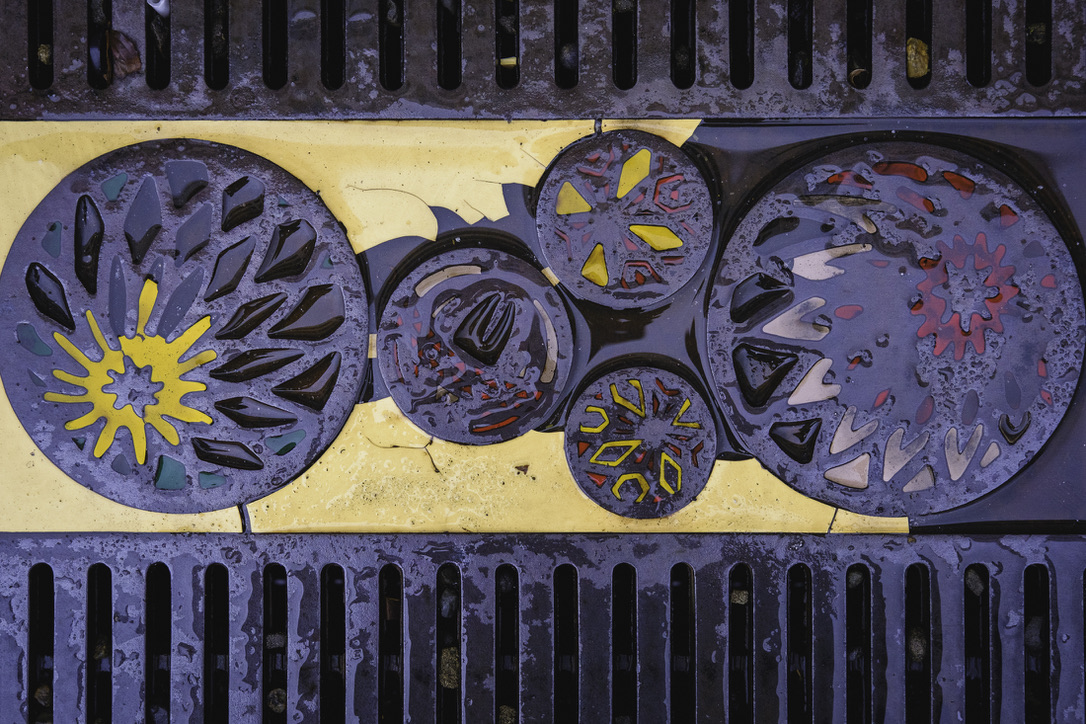
Japan has a variety of intriguing maintenance hole covers


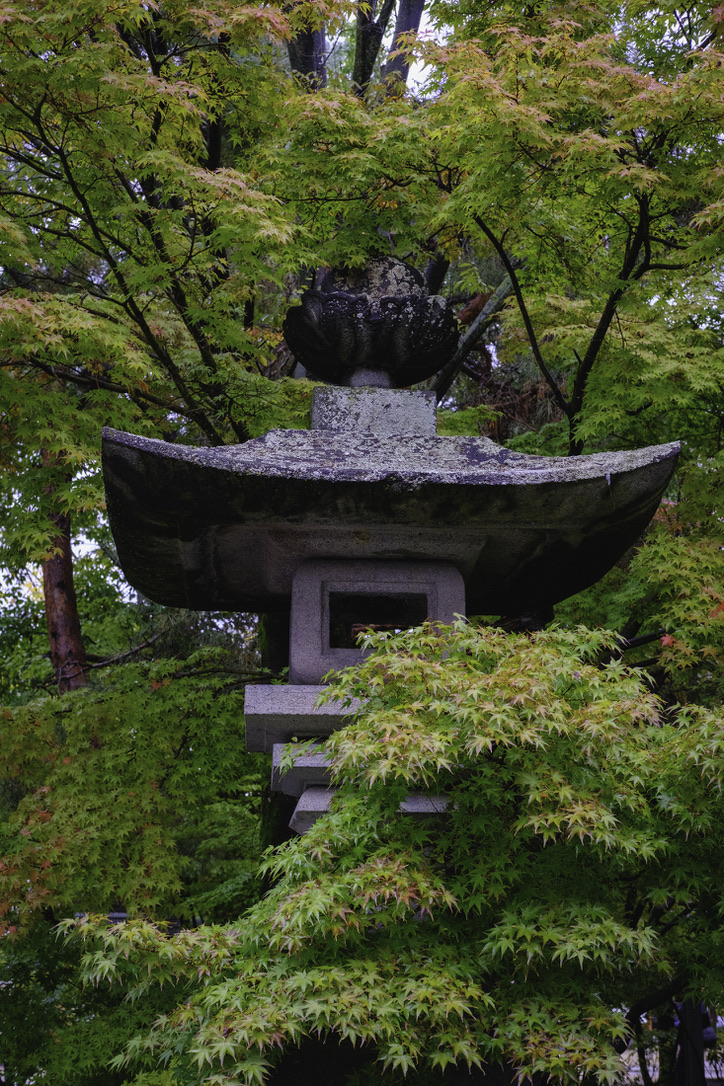
Kasamori Inari Daimyougin Shrine in downtown Matsumoto next to Jorinji Temple


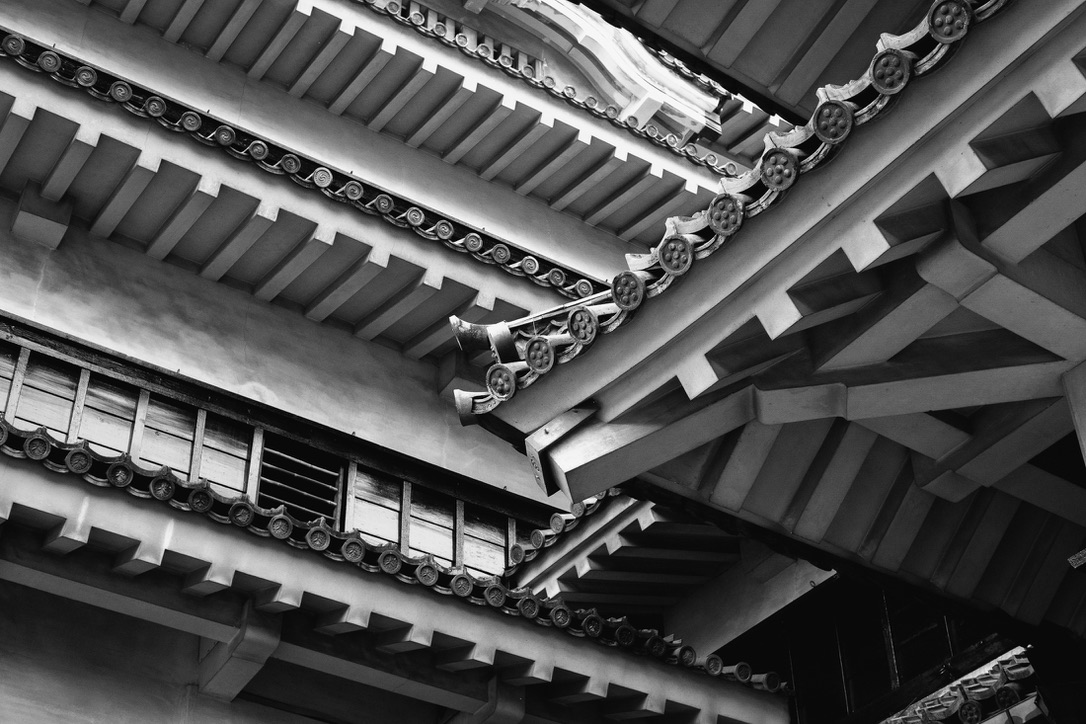
Matsumoto Castle


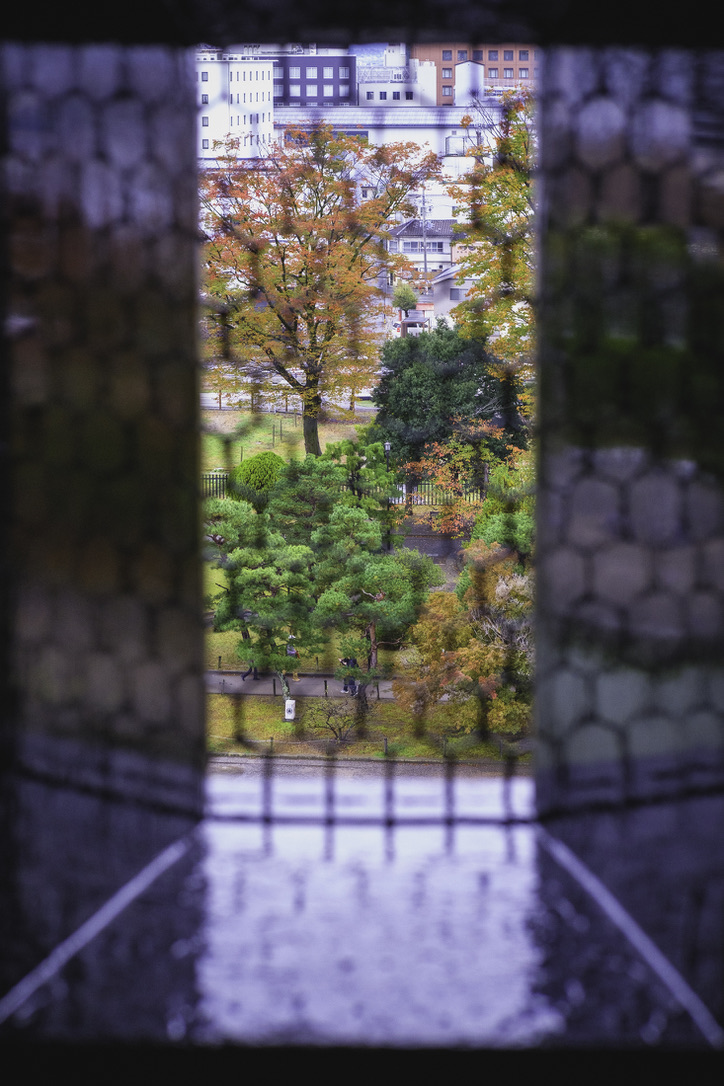
View from a castle window

This was our busy day wandering Fuji’s five lakes!

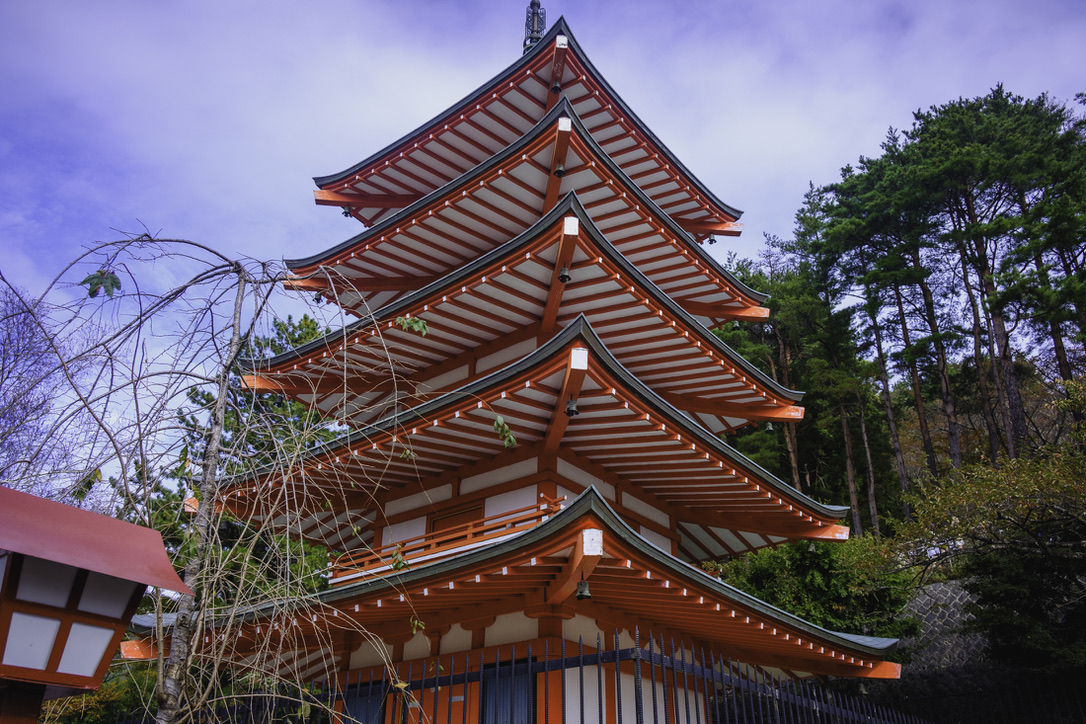
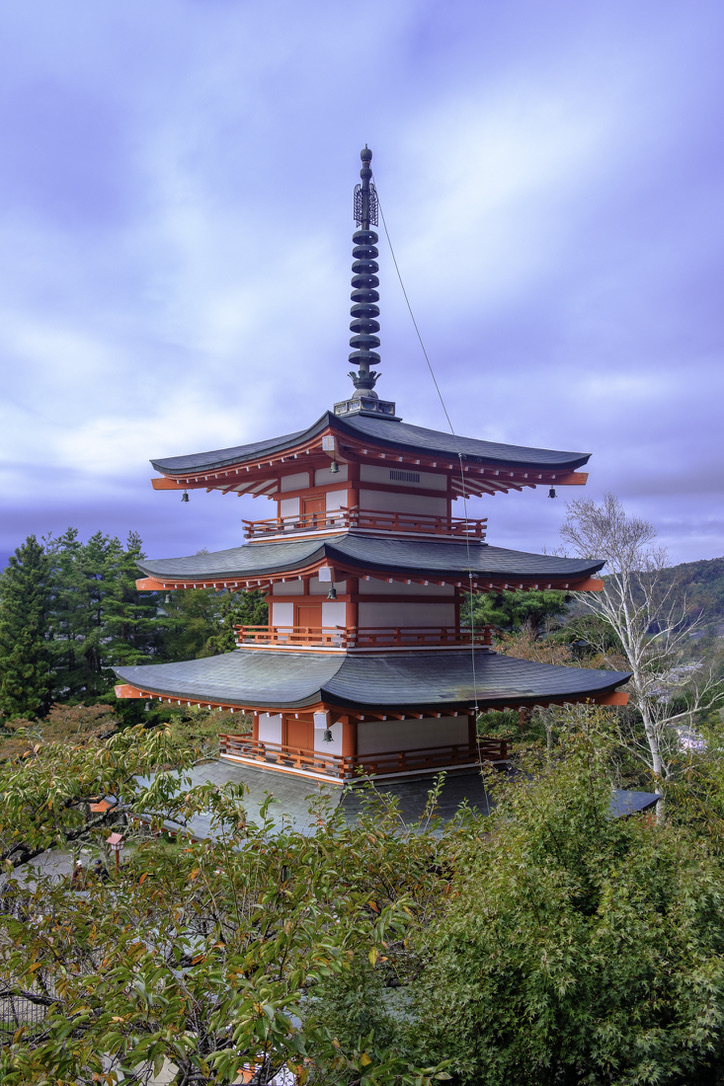
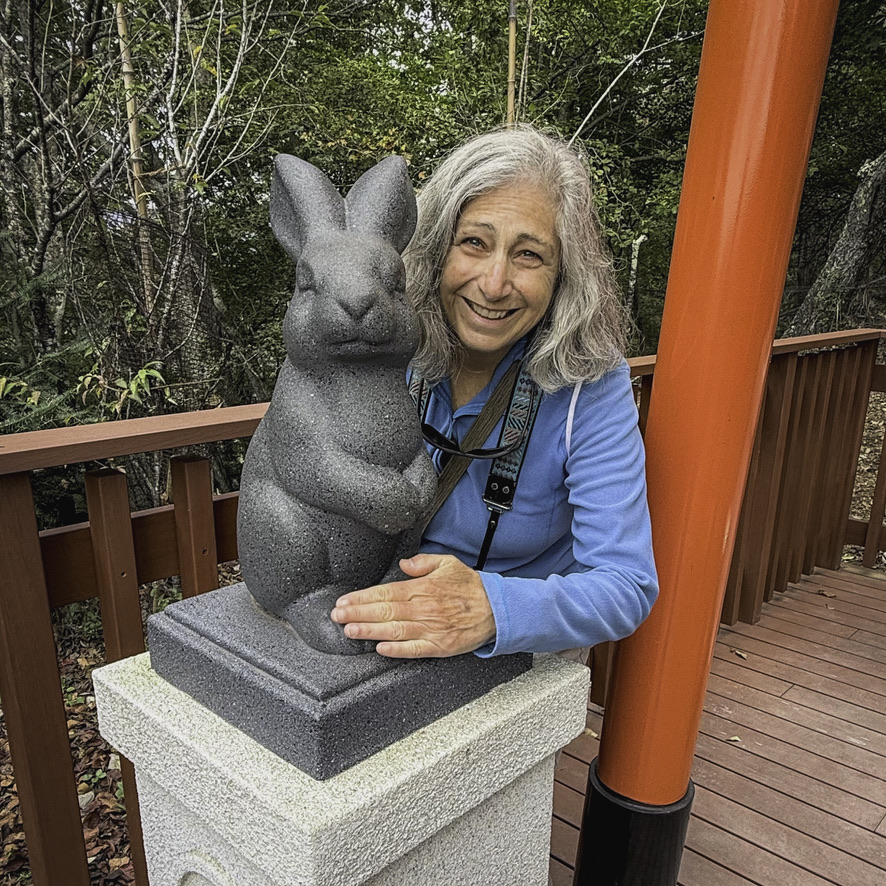
After a pre-breakfast walk around Lake Kawaguchiko, we headed over to Chureito Pagoda. Climbing uphill, we saw not only the terrific pagoda but also the magic rabbit. When one rubs the rabbit, one prays for wisdom, cleverness, and strong legs. I’m not sure how successful the rabbit’s spirit is, but I reached out to it – just in case!

Next, we rode the Mt. Fuji Panoramic Ropeway, seeing a slight bit of Mt. Fuji through the clouds.

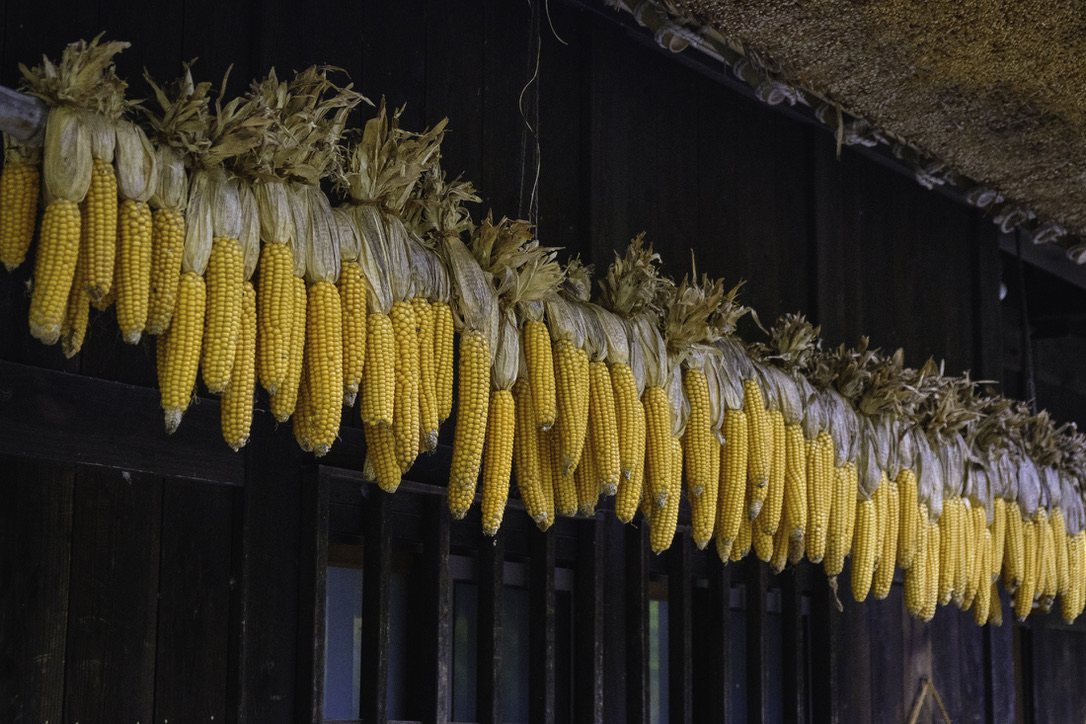
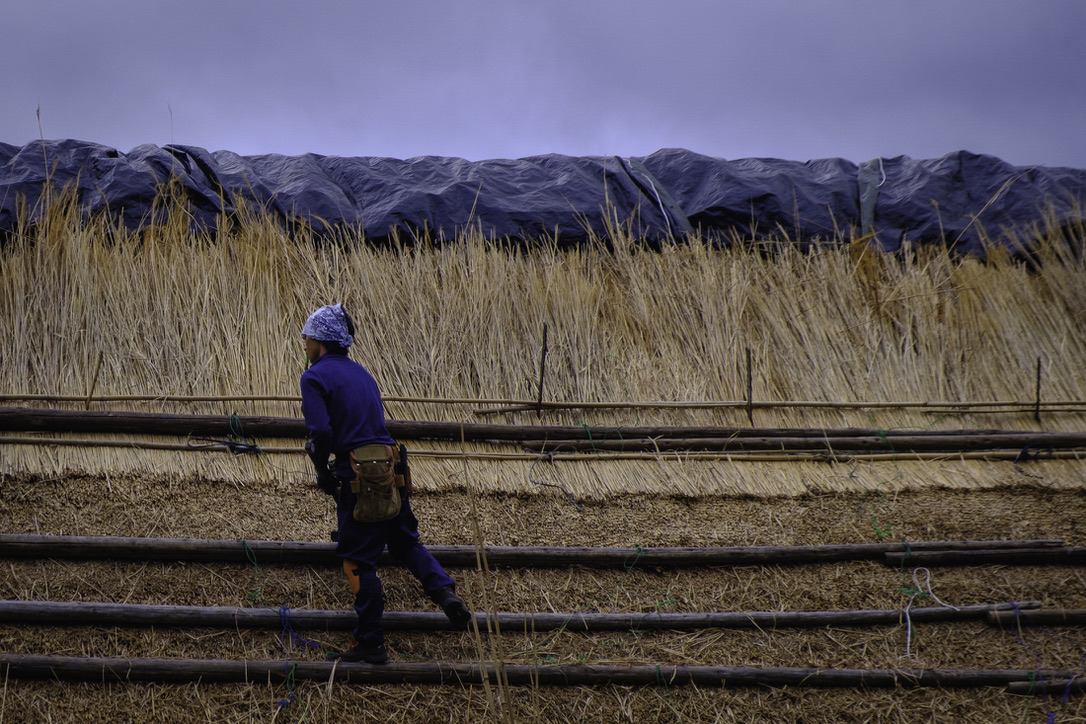
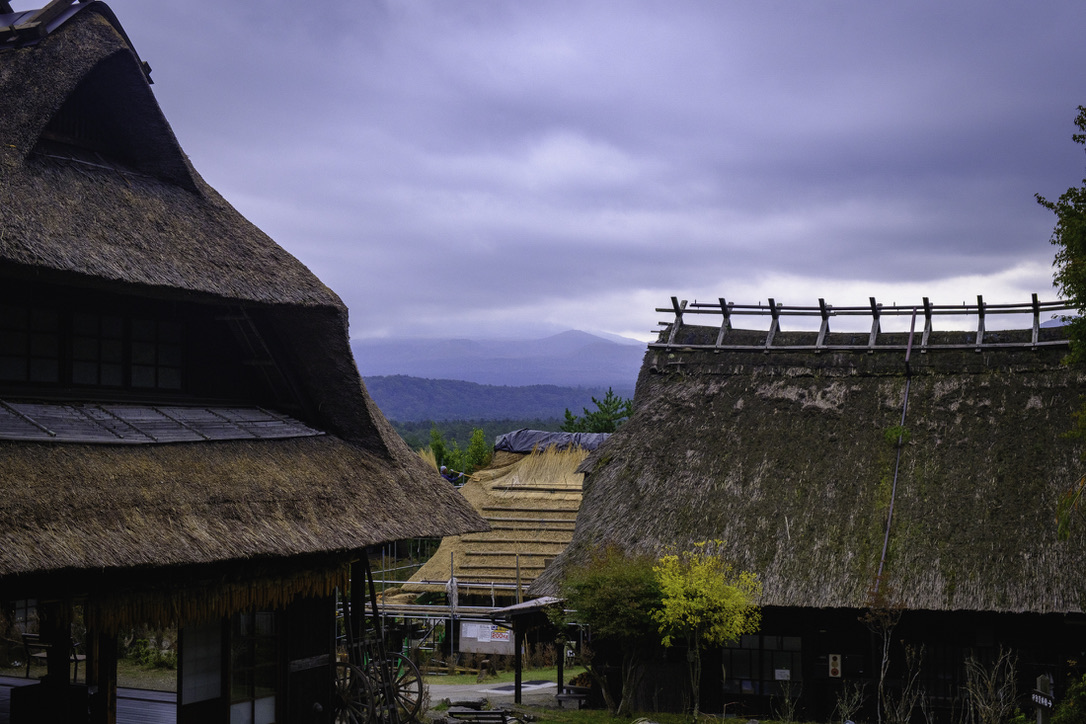
Exploring the various lakes in search of better views of Mt. Fuji, we ultimately walked around the thatched houses, small craft shops, and scenic views of Saiko Iyashi-no-Sato Nenba. While at the top of the hill, we noticed the ghostly view of, yes!, Mt. Fuji!

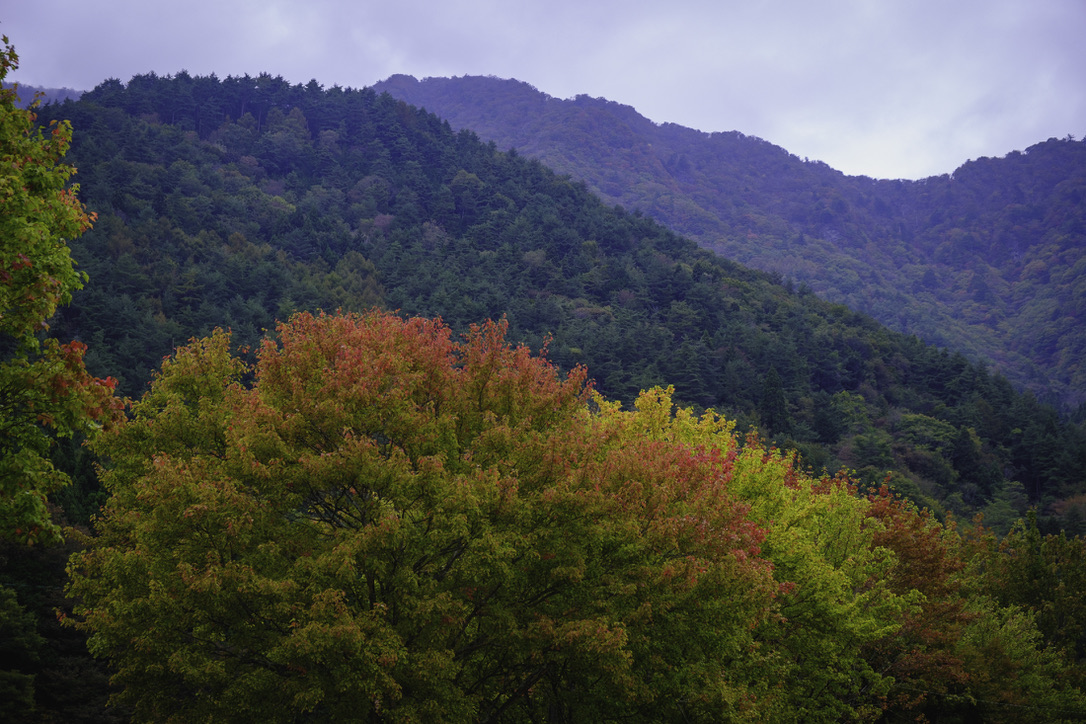
More driving, more lakes, more fall colors…not much more of Mt. Fuji!

For dinner, we ended up at a little local place walking distance from our hotel where we had a delicious meal and great conversation with a couple from Australia and their very sweet nine-month old girl. I, no surprise, went into “nana mode” and held the baby so her parents could eat. 😊

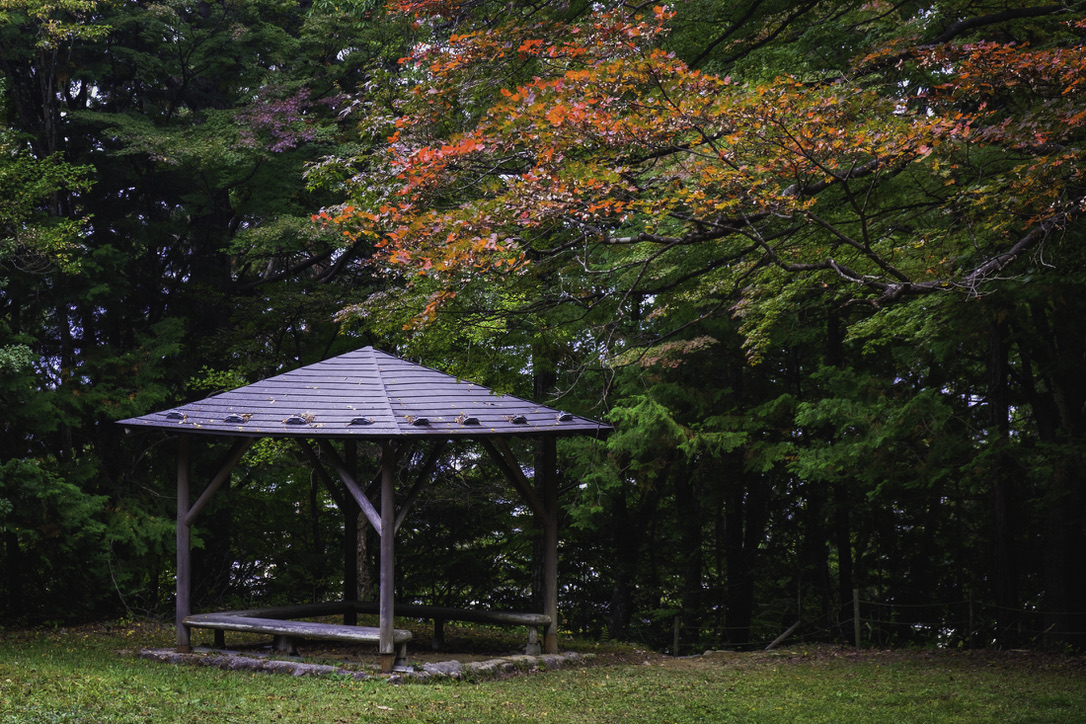
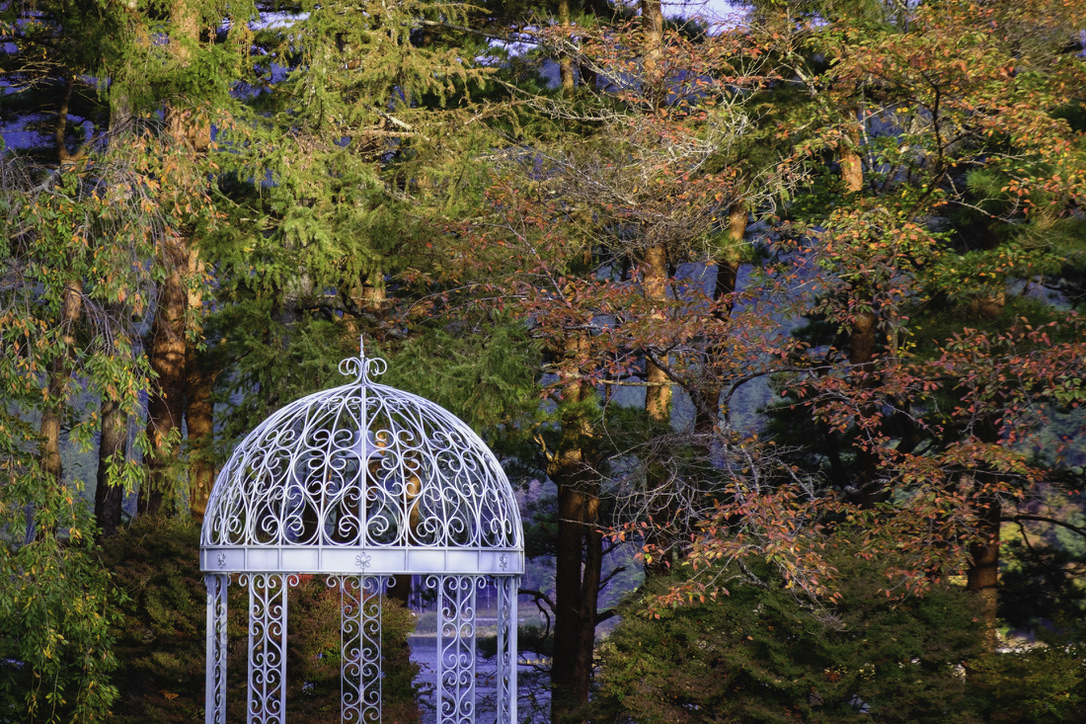
The gazebo at our hotel, Fuji View Hotel


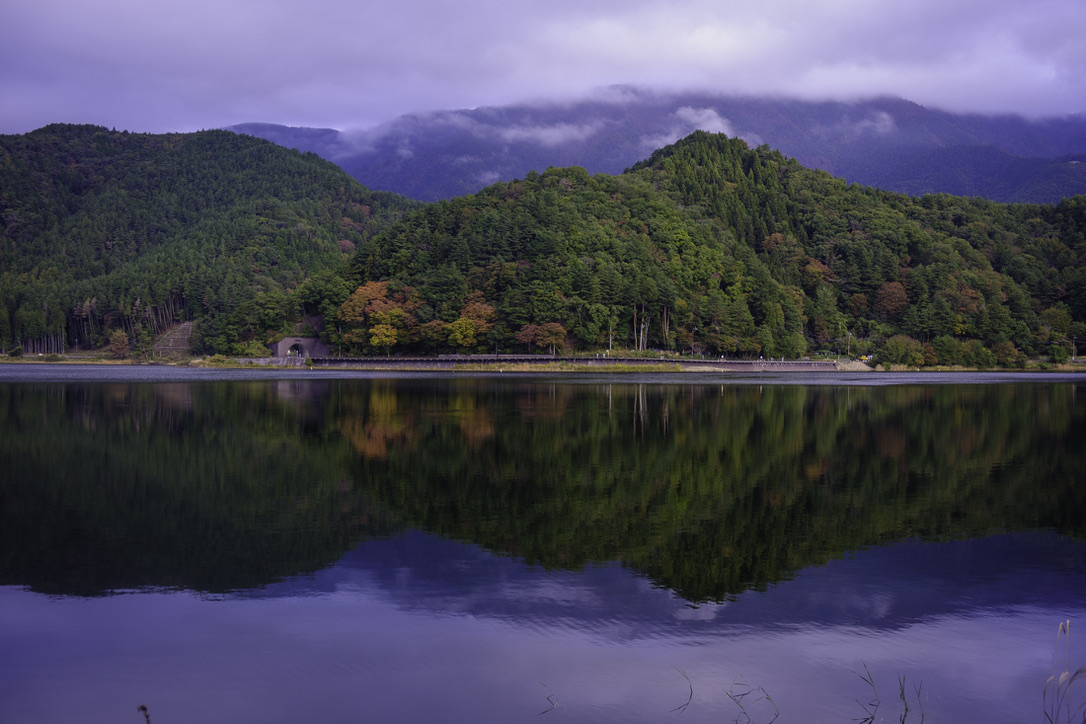
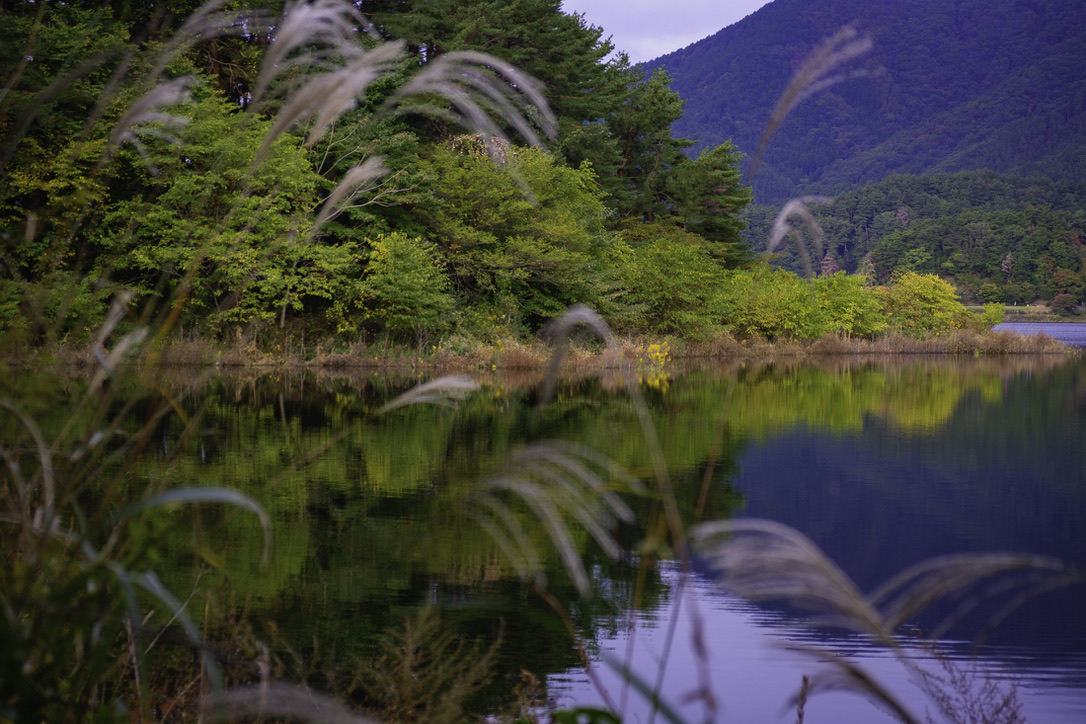
Lake Kawaguchiko


Chureito Pagoda


The Magic Rabbit


Saiko Iyashi-no-Sato Nenba


Fixing a thatched roof at Saiko Iyashi-no-Sato Nenba


Can you see Mt. Fuji in the background?


Autumn!