When I woke up, I wasn’t sure if I’d be able to make it to Nara.  With my lower back spasm, I slowly walked to breakfast and gingerly carried my food tray to my table.  Sitting there, I felt sad and in pain.  Knowing that back pain often diminishes within a couple of hours, I decided to down a few Advil and travel to Nara with Kayla, letting her know that I felt we should explore independently so I could go at a slower pace. 

My back eased up enough for me to not only walk around but also to enjoy the day trip!

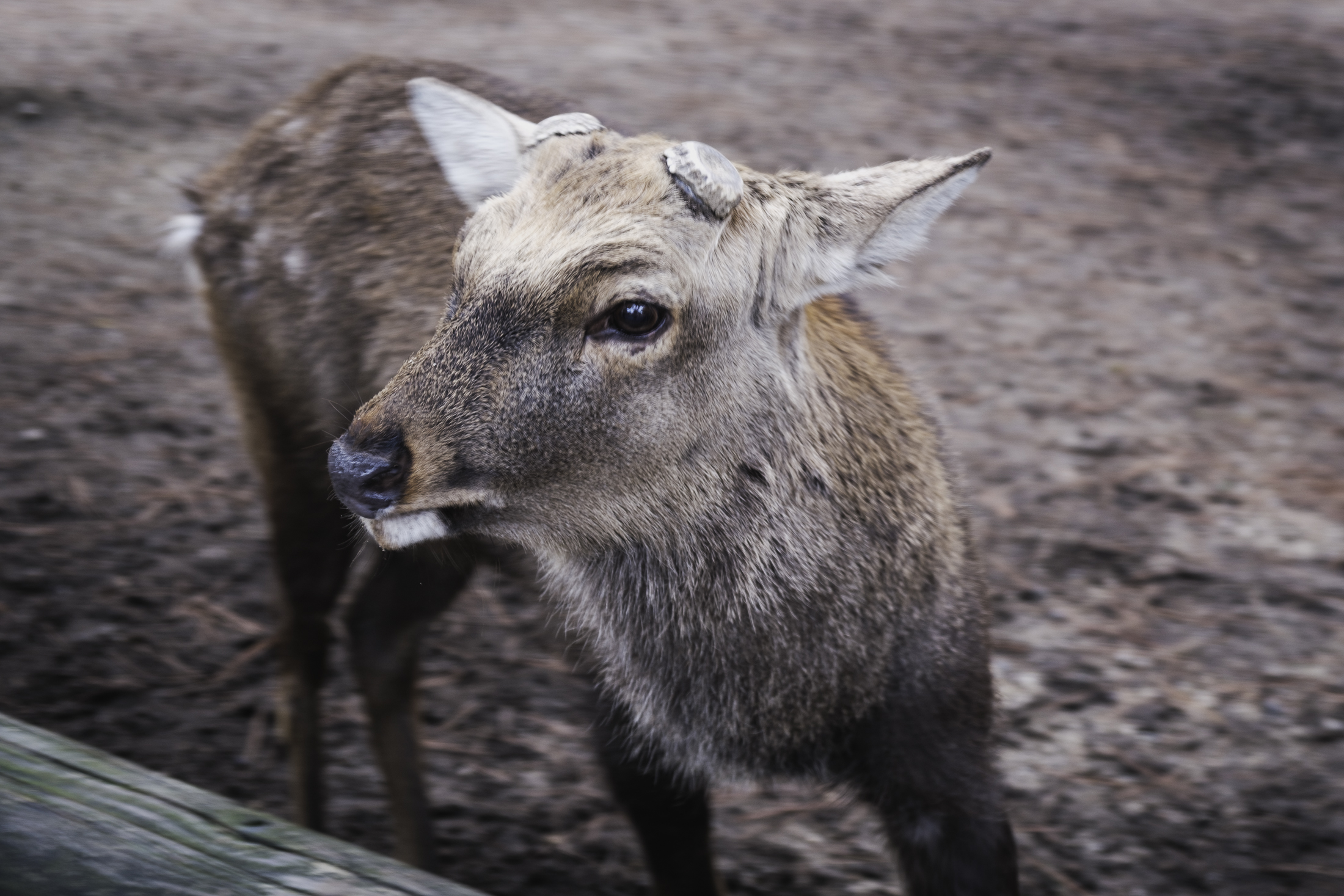
Nara didn’t disappoint!  When one leaves the train station and approaches Nara Park, wild deer greet visitors, begging for deer crackers.  Playing Pac-Man to wiggle around pestering deer, I found Yoshiki-en Garden where peaceful rocks, trees, and water welcomed me.  Next, I moved on to Isui-en Garden, preserved by the shipping and insurance fortunes of the Nakamura family.

After relaxing and photographing the gardens, I ventured to the Tōdai-ji Temple Complex, a UNESCO World Heritage Site, and followed the audio guide tour of the Nandai-mon Gate, Daibutsuden (Great Buddha Hall), Nigatsu-dō (hillside temple with views of Nara), Hokke-dō (one of Tōdai-ji’s oldest surviving buildings), and the Tōdai-ji Museum.

Before meeting Kayla for our return journey to Kyoto, I walked around Kōfuku-ji Temple, another UNESCO World Heritage Site.  I was disappointed, though, that the famous five-story pagoda was covered with scaffolding as it’s being restored.

One of MANY Nara deer
 

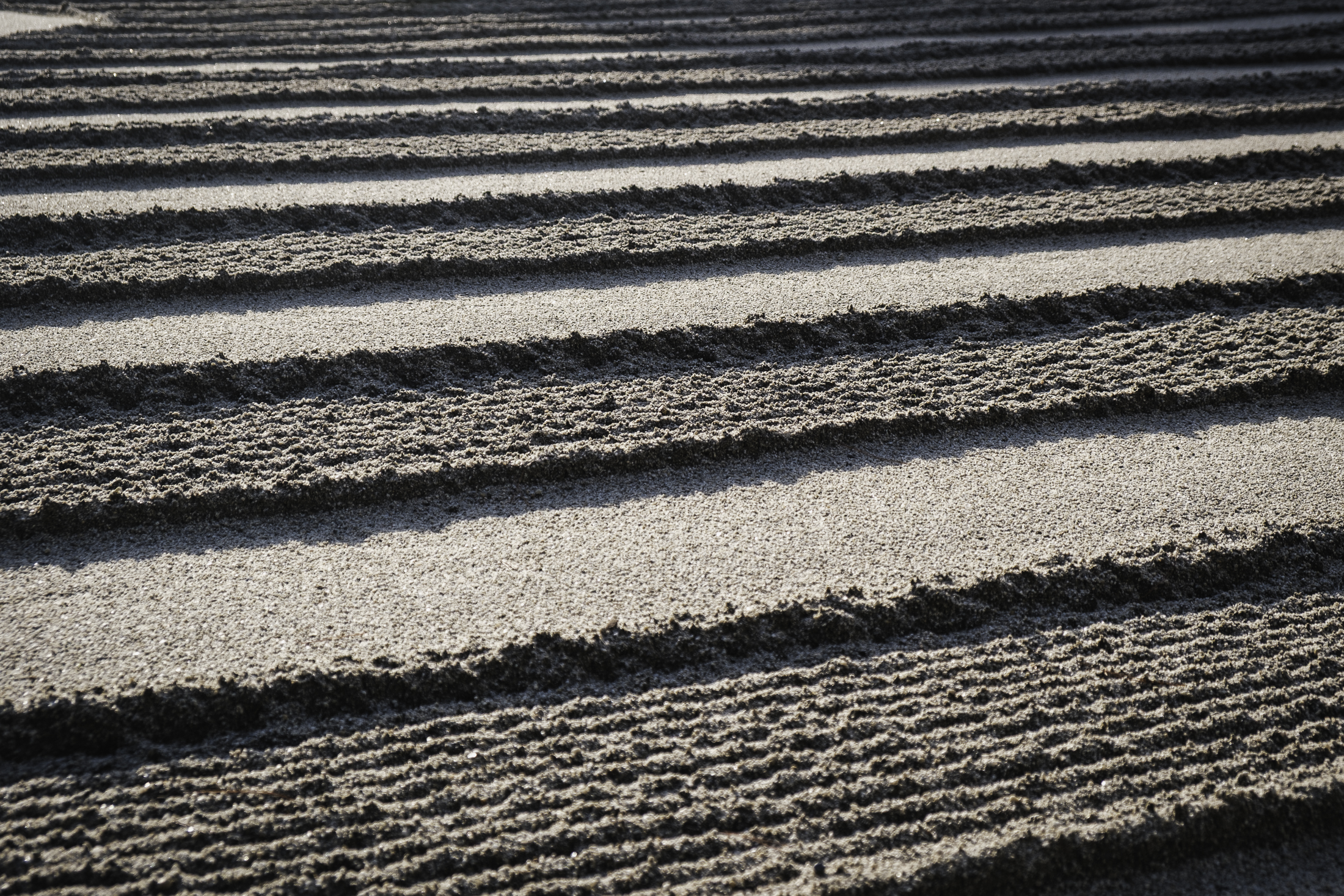
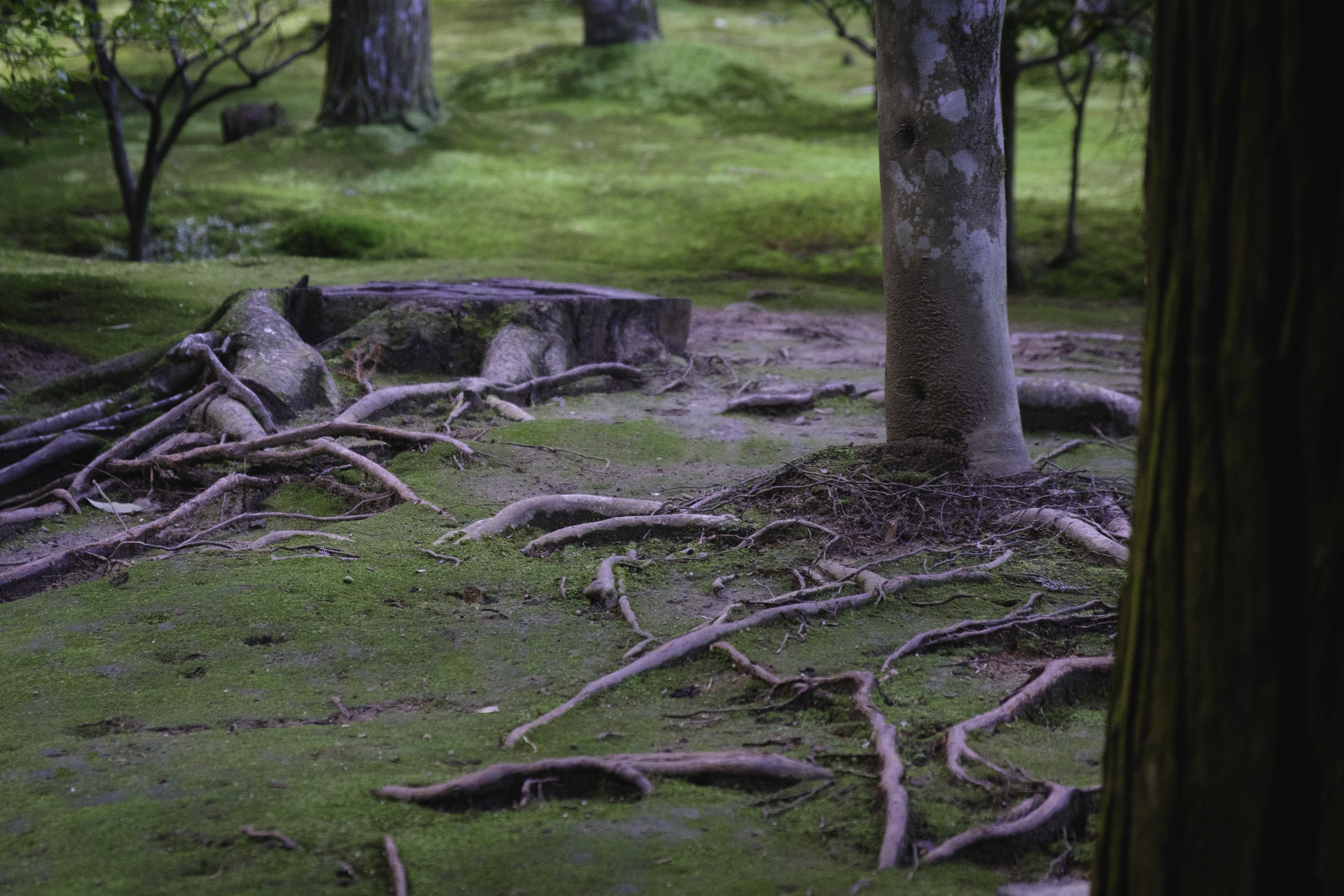
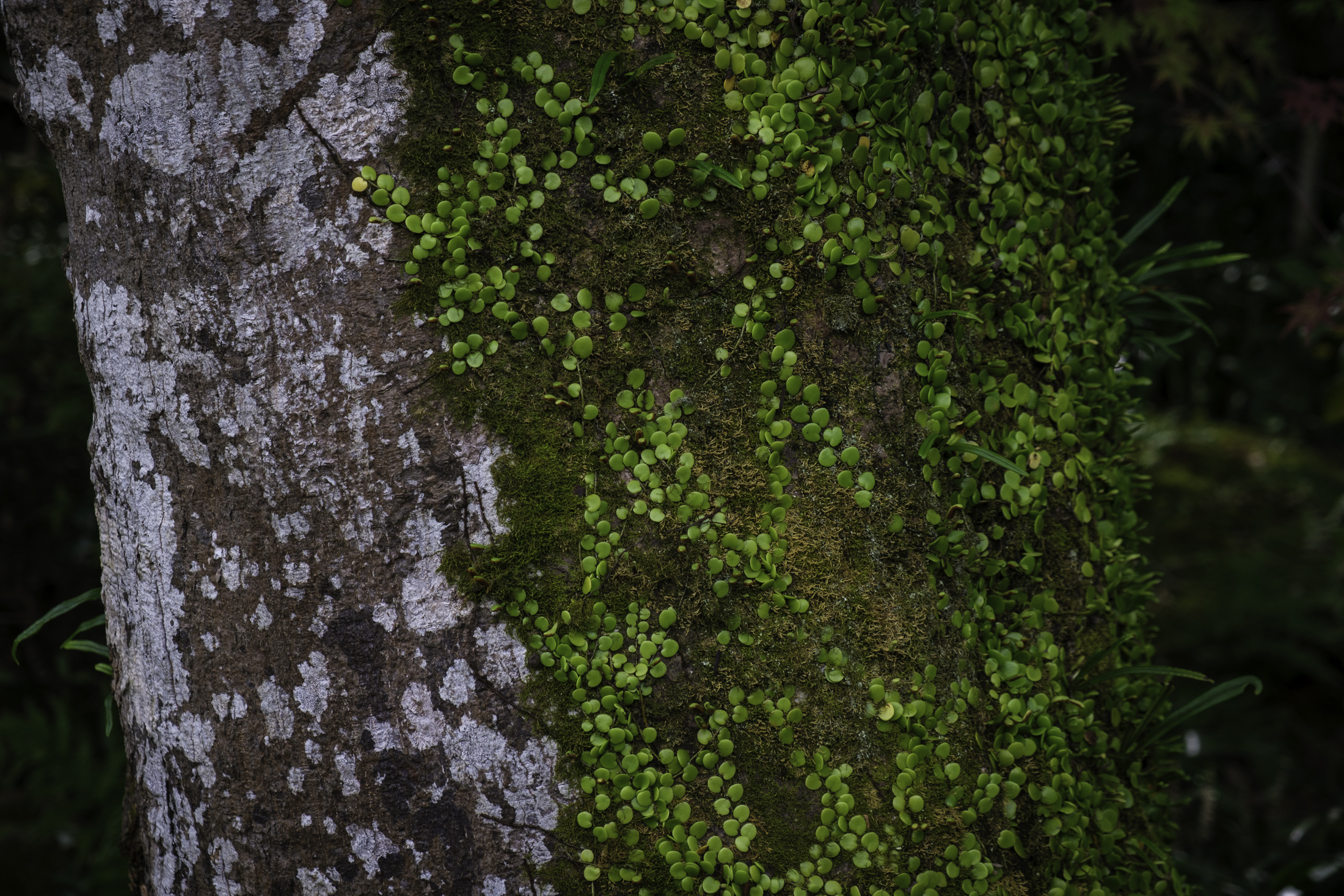
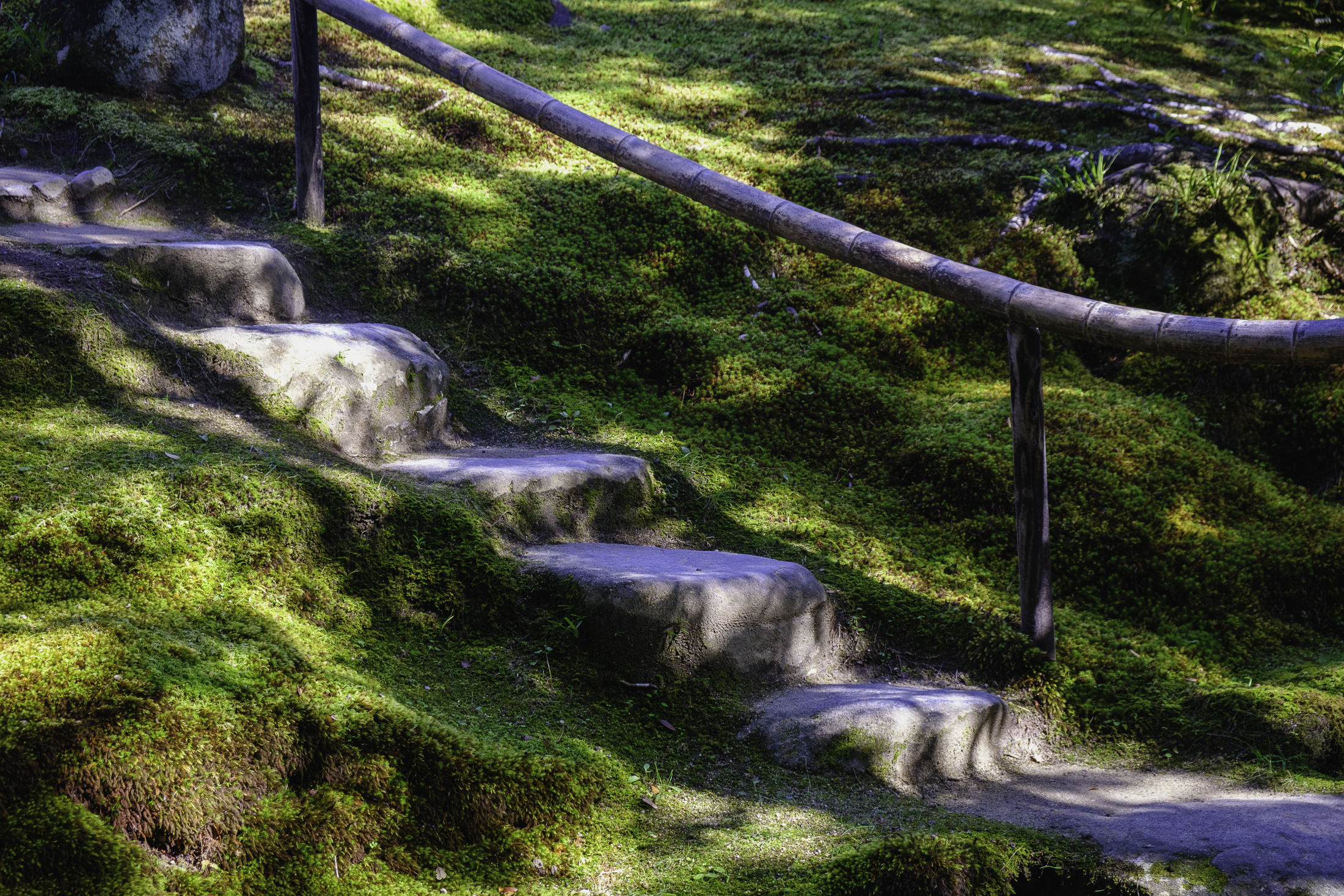
Textures and colors in the gardens
 

Isui-en Garden
 

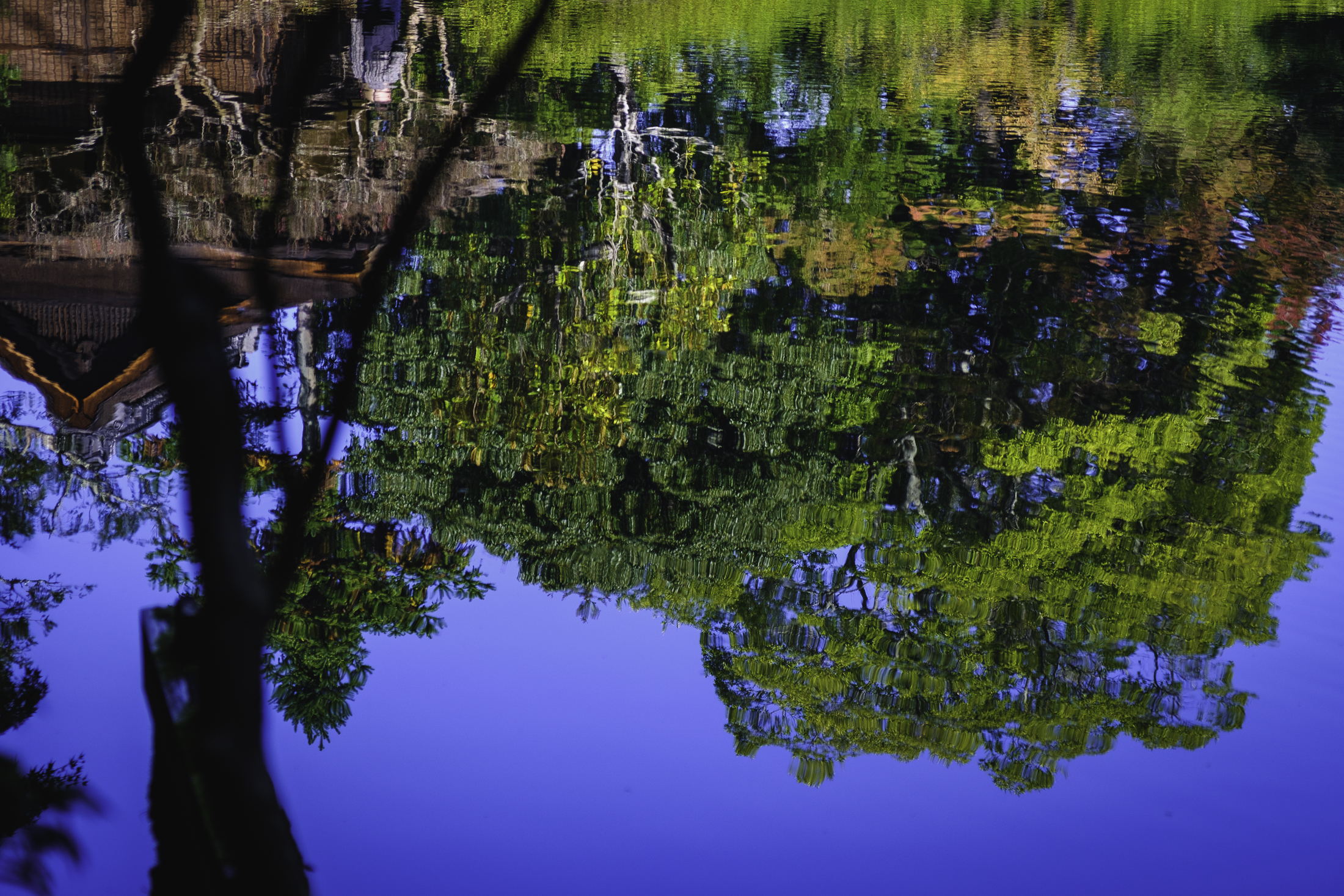
Isui-en Garden – sometimes the reflection surpasses the original
 

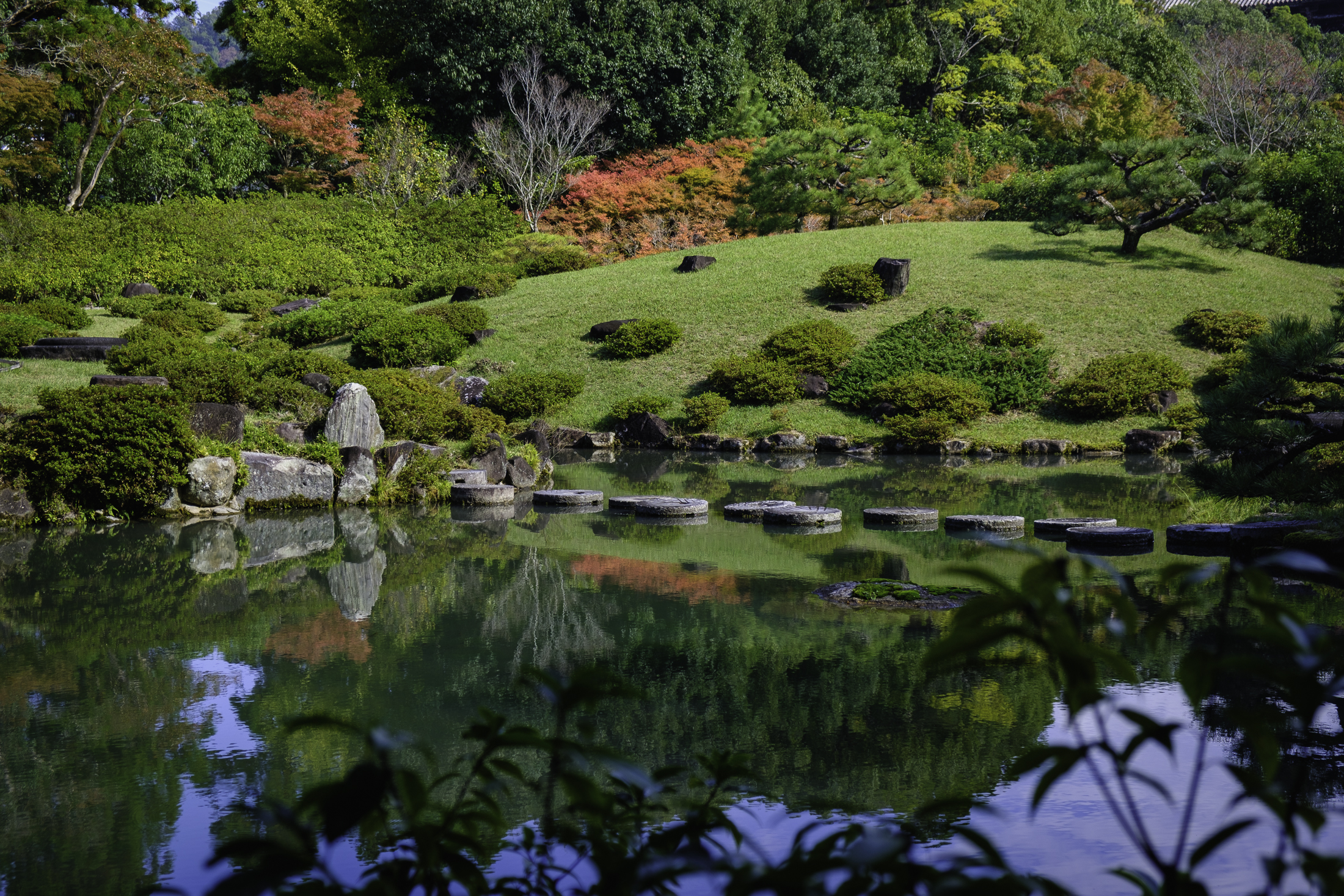
Isui-en Garden – autumn colors emerging
 

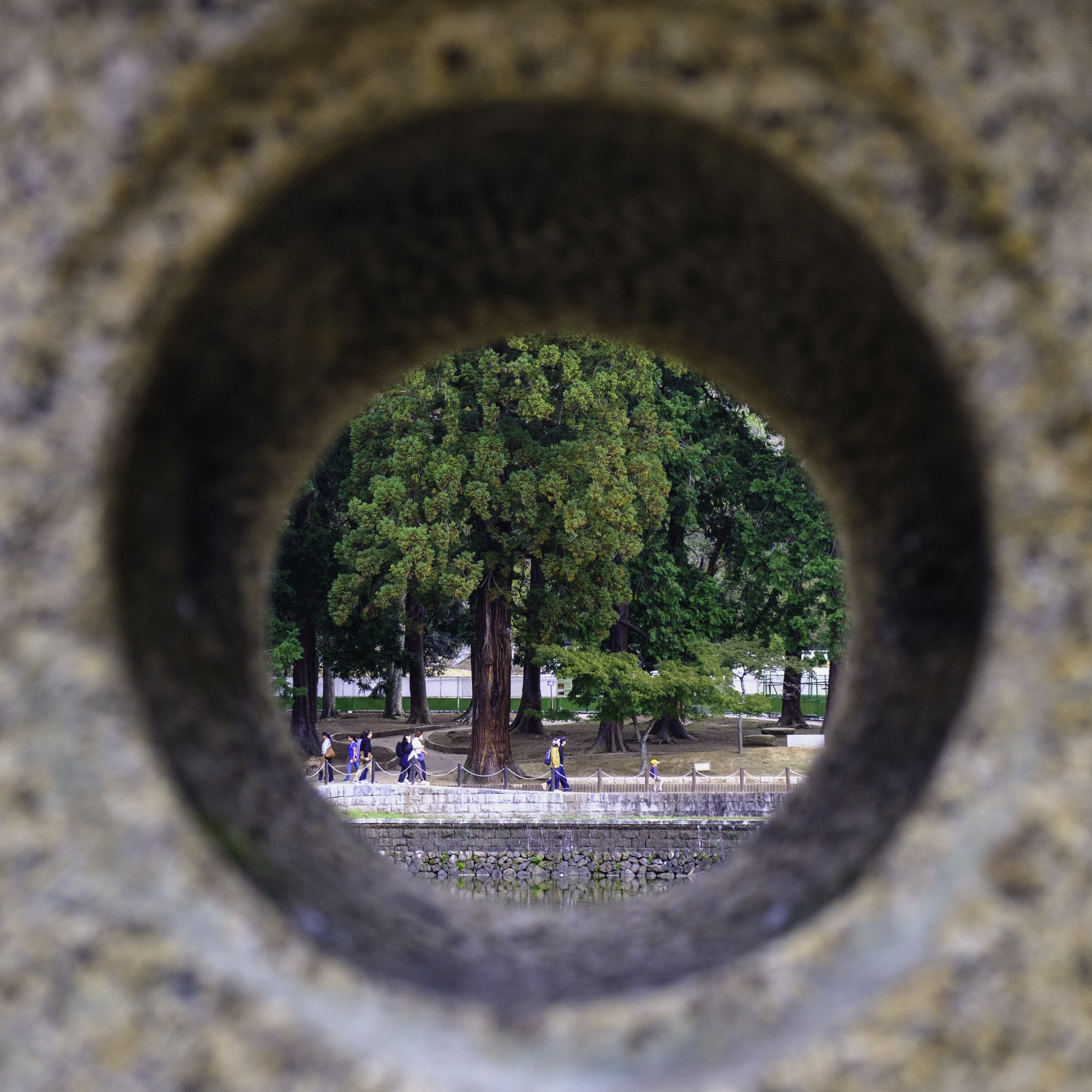
Tōdai-ji’s Nandai-mon – looking through a lantern hole while approaching the gate
 

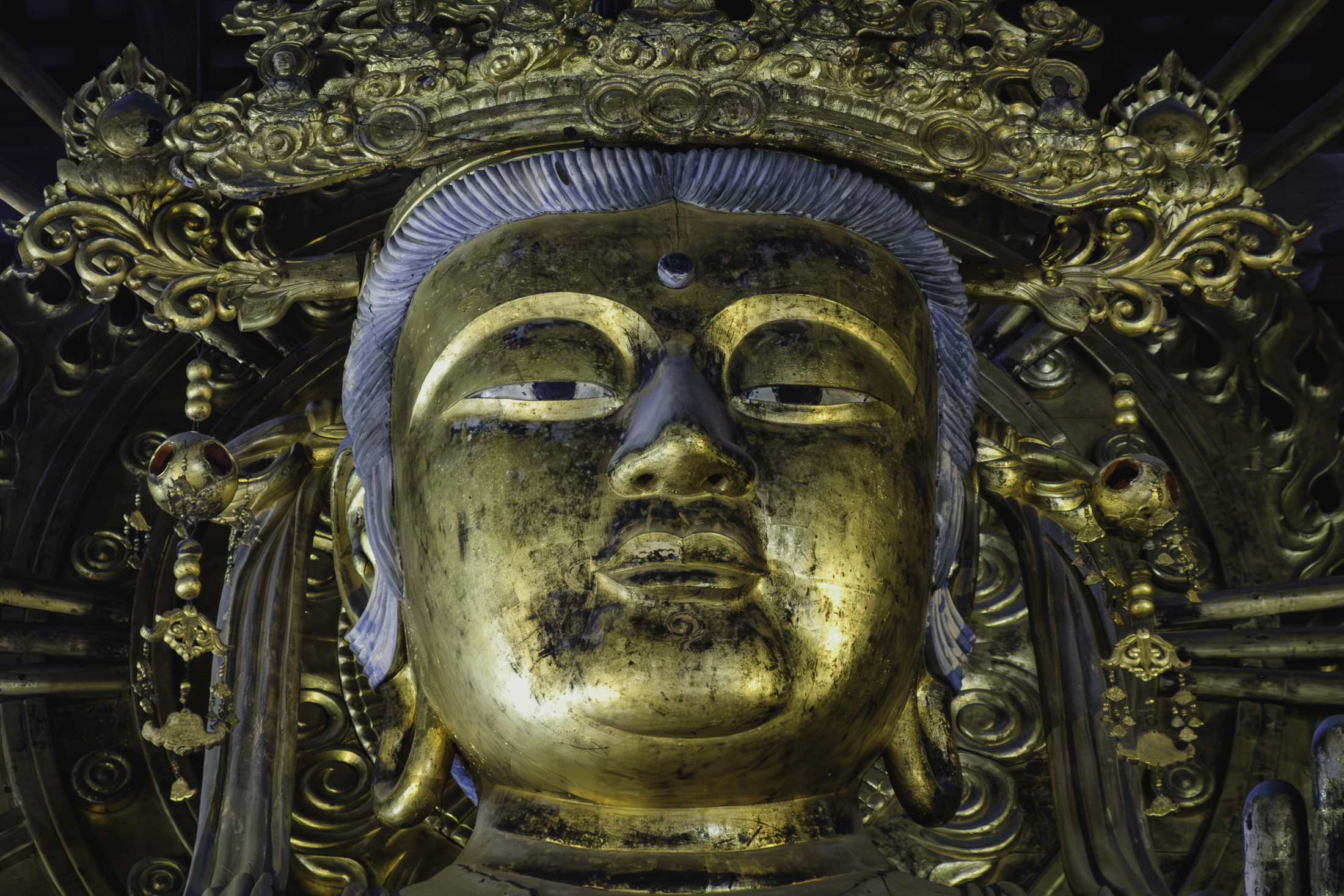
Daibutsuden (Great Buddha Hall):  Daibutsu — A monumental 49-foot bronze statue of Vairocana Buddha, dedicated in 752 CE as a symbol of peace and unity
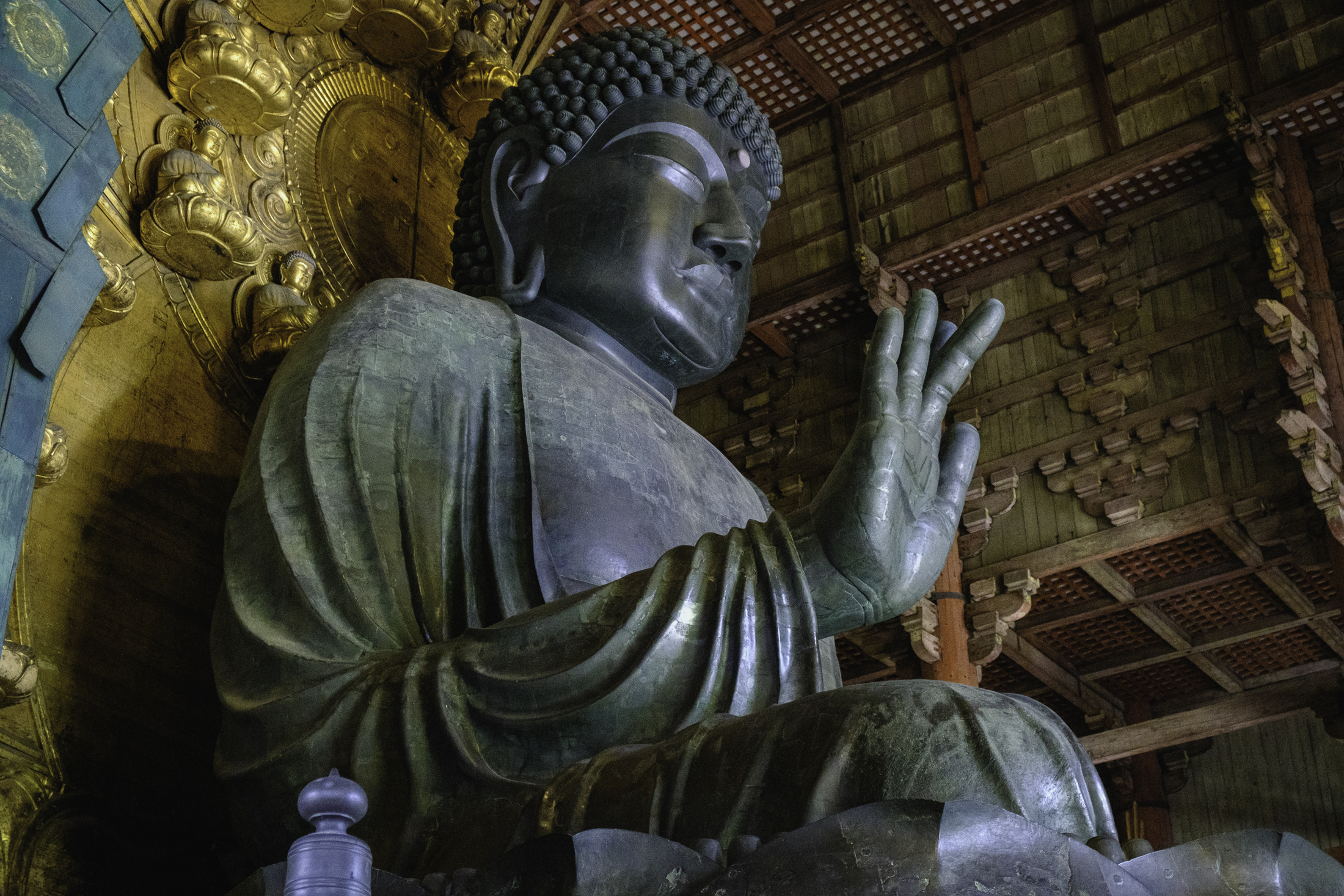
 

Daibutsuden (Great Buddha Hall):  Nara Daibutsu (Great Buddha)
 

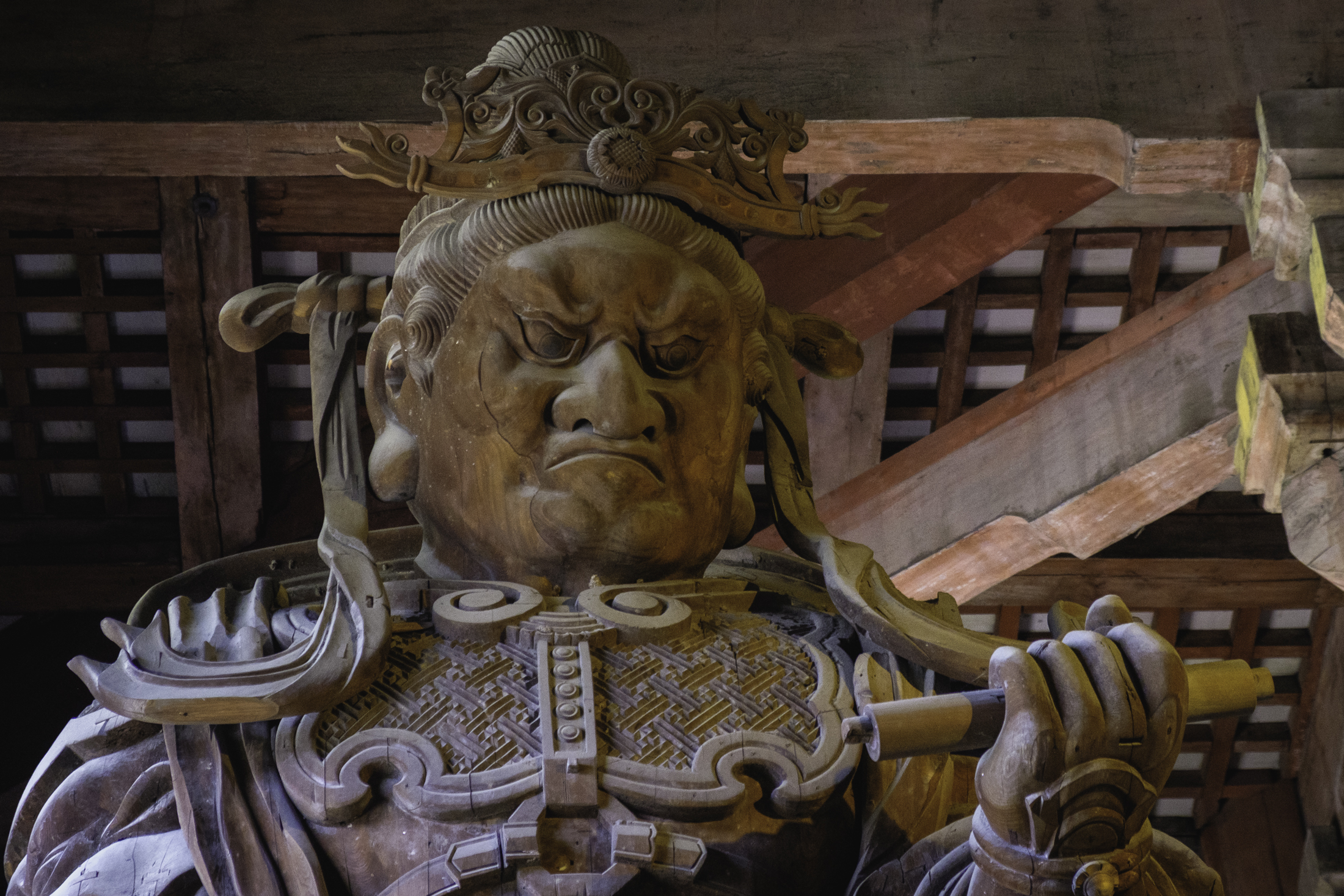
Daibutsuden (Great Buddha Hall): Kōmokuten, one of the Four Heavenly Kings
 

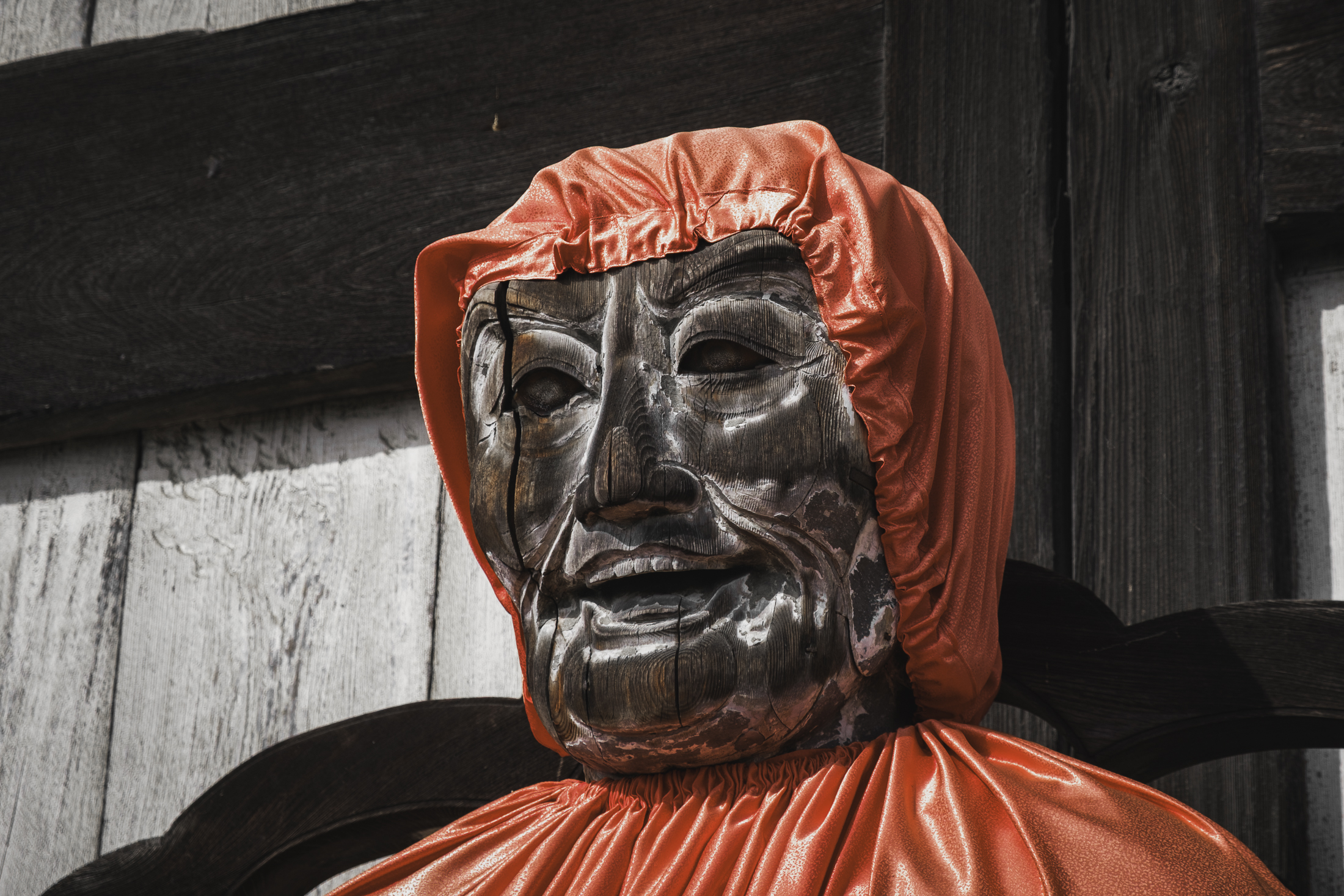
Binzuru, nicknamed the “Rubbing Buddha”:  Legend has it that if one is in pain, one can rub the statue in that painful spot and then rub one’s own body in the same spot to relieve the pain – I rubbed Binzuru’s back and then mine!
If yesterday was a “full day,” this was a VERY FULL DAY!

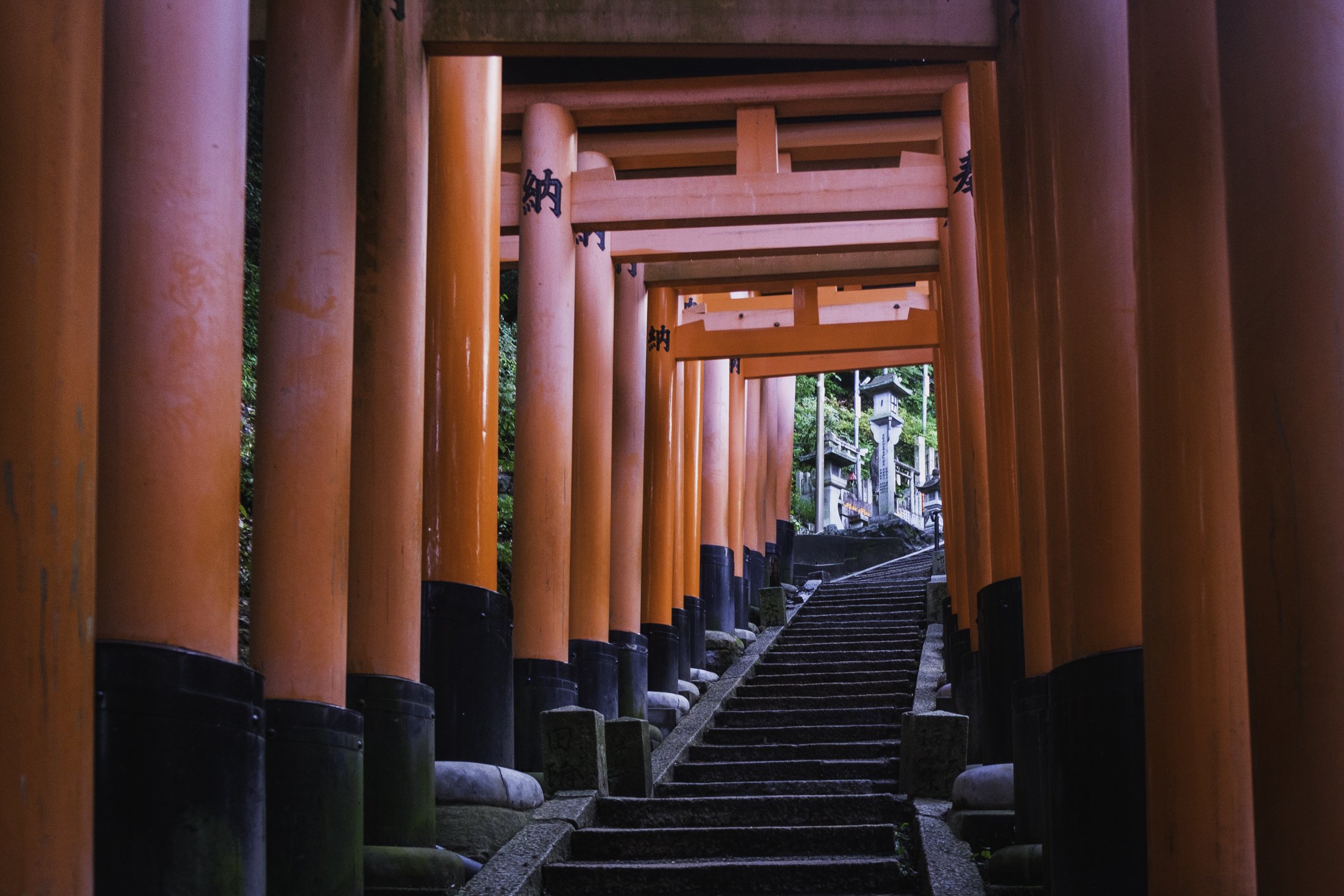
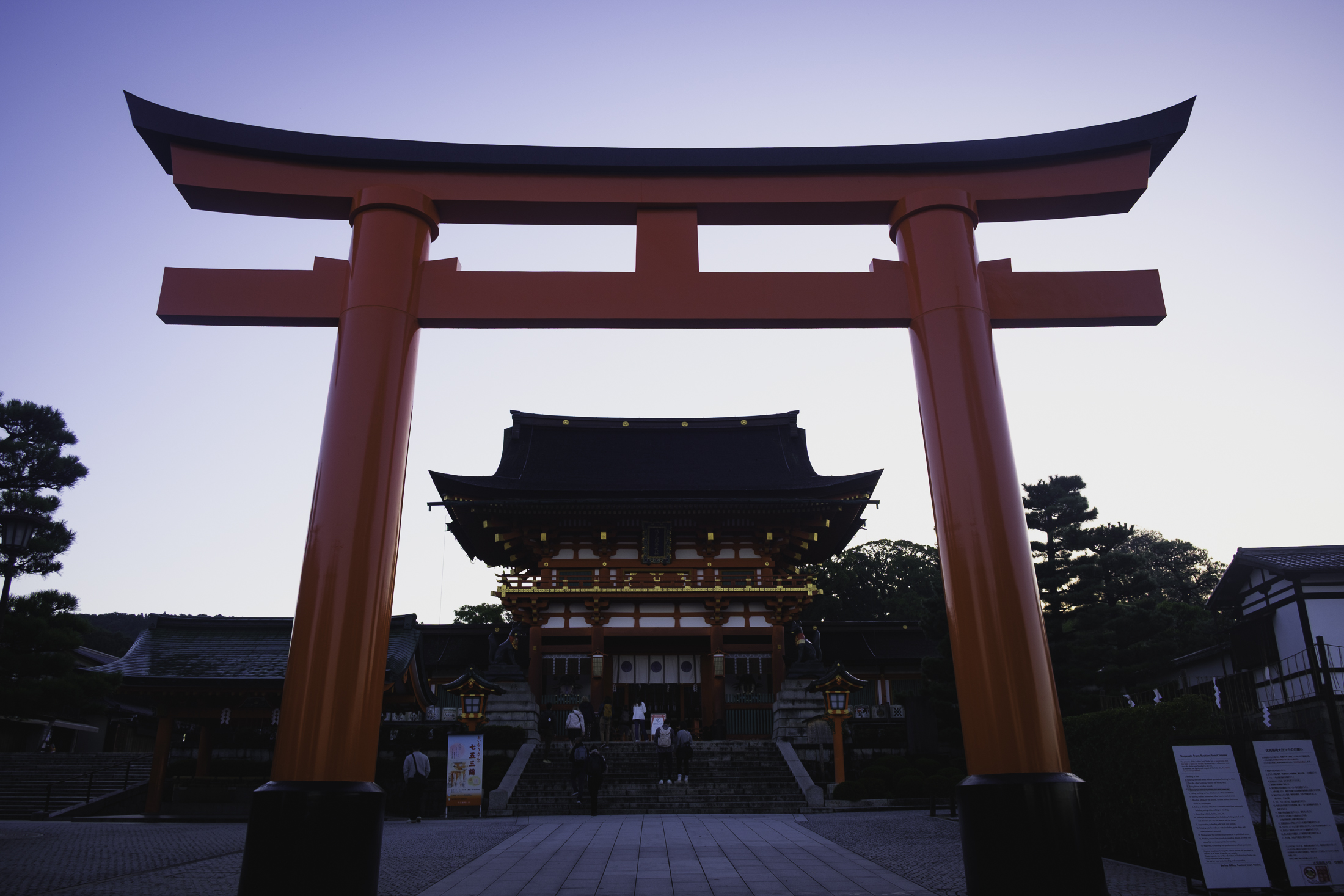
We started with a sunrise visit to Fushimi Inari for photos of these iconic gates without the overwhelming crowds.  Beautiful and totally worth the early morning!

After returning to our hotel for breakfast, we continued exploring. 

[A side note:  the weather was quite warm and I didn’t realize we’d end up walking over 13 miles that day, so I wore my new Birkenstock sandals.  NOT a good choice!  I woke up the next morning with a bad back spasm…]

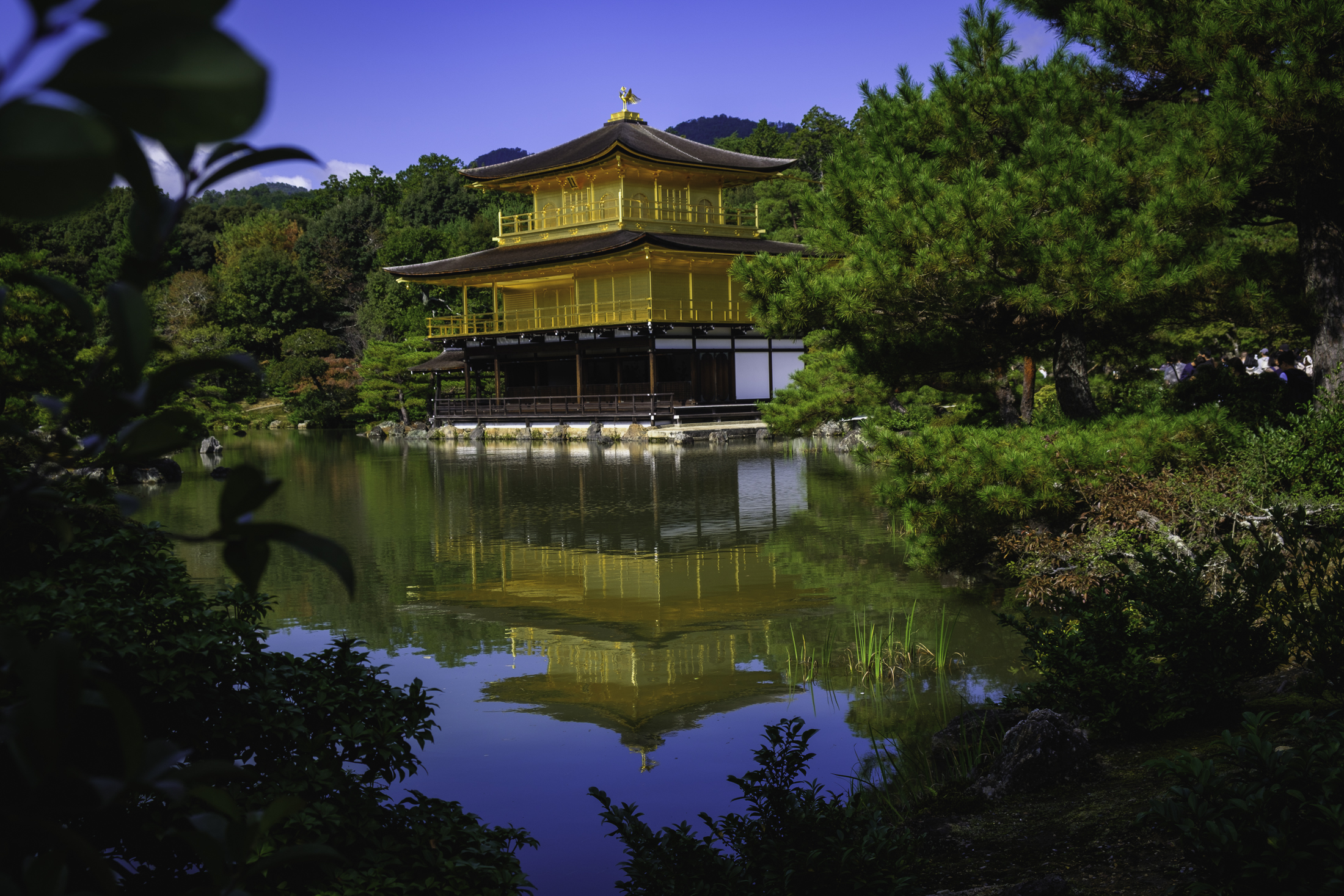
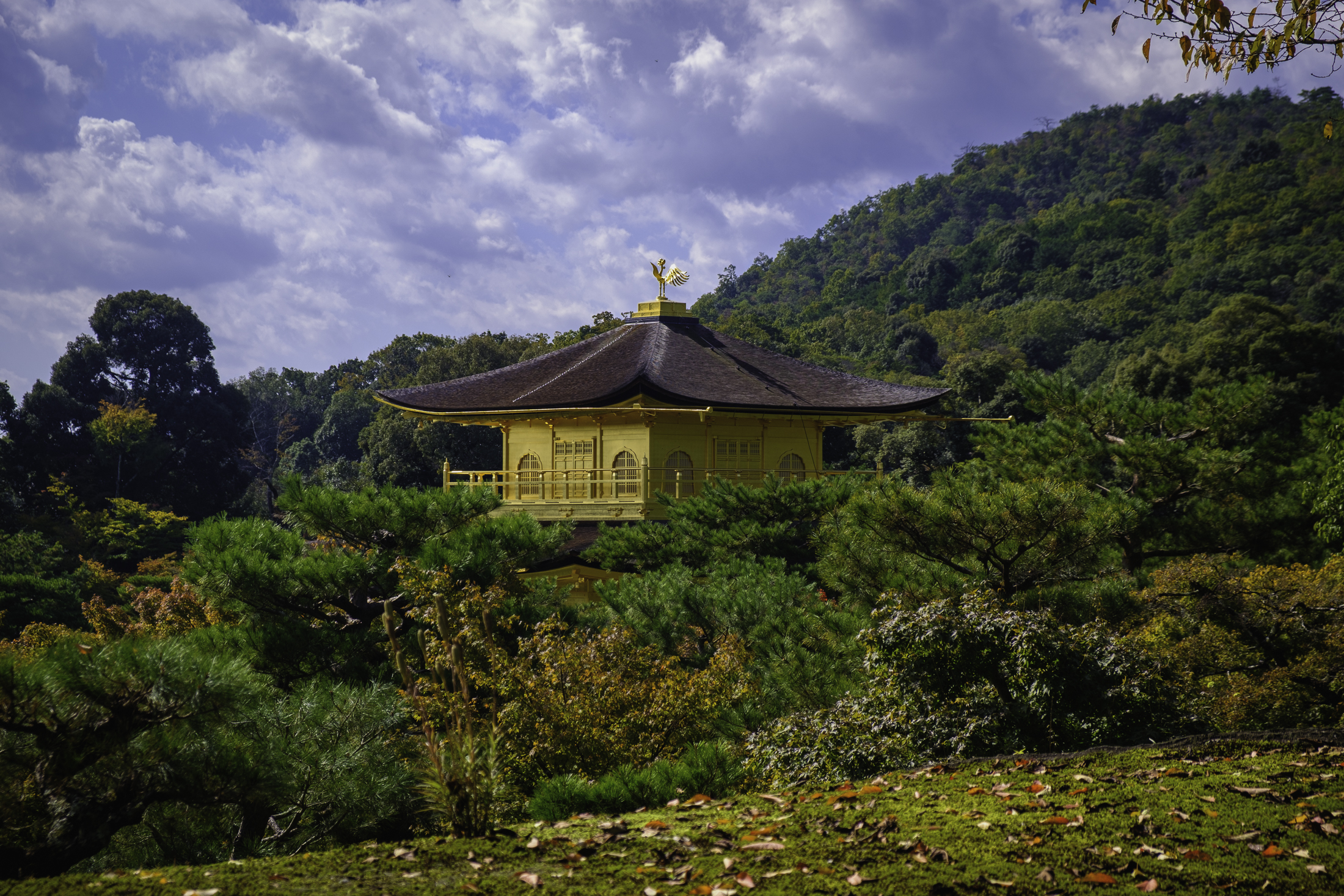
We started the day’s meandering with one of this trip’s highlights:  Kinkaku-ji (Golden Pavilion) – a UNESCO World Heritage Site.  I loved capturing this pavilion in the mid-morning light with stellar autumn colors!

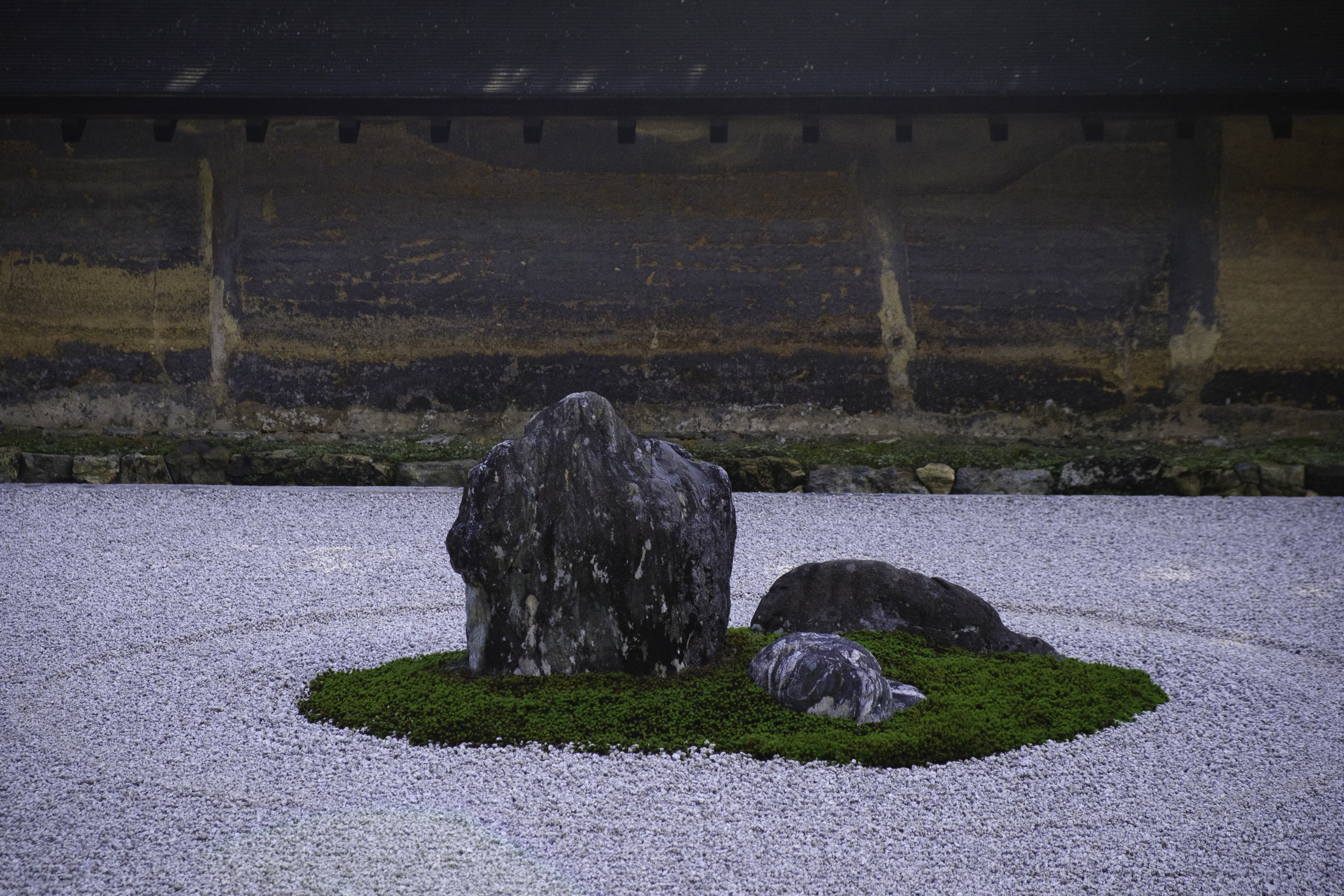
From there, we went to the Zen rock garden, Ryōan-ji, another UNESCO World Heritage Site.  For our third and final UNESCO World Heritage Site of the day, we wandered over to Ginkaku-ji (Silver Pavilion).

We enjoyed our late lunch of convenience store sandwiches and chips, eaten on a stone bench watching water flow through the Lake Biwa Canal.

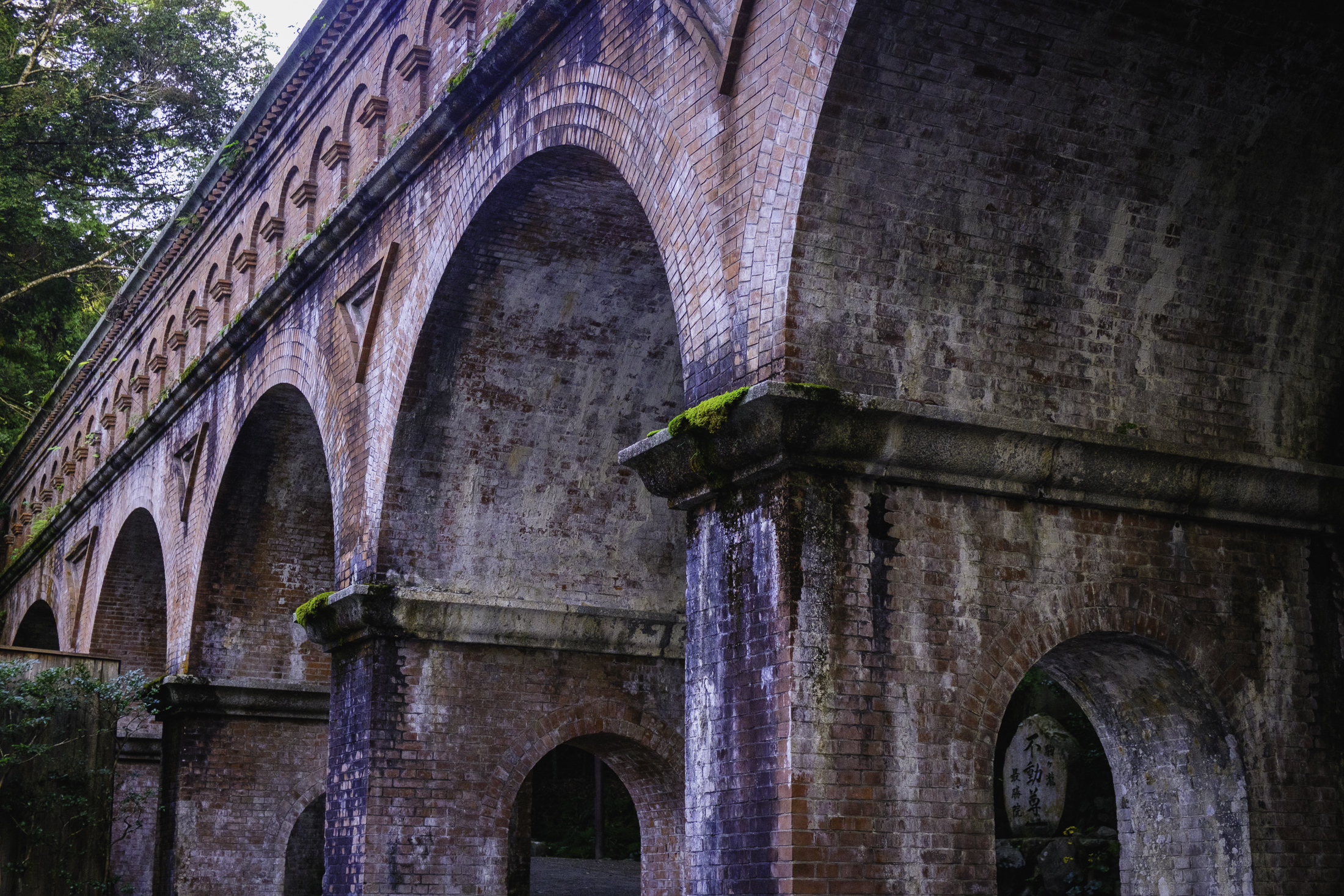
We continued walking along the canal on the Philosopher’s Path, named after Nishida Kitarō (1870–1945), one of Japan’s most influential modern philosophers.  A quick photographic stop at Eikan-dō led us to our final highlight of the day, Nanzen-ji, with its Zen temple complex and brick aqueduct.

Fushimi Inari at sunrise


Only a few of the approximately 10,000 torii gates at Fushimi Inari


Kinkaku-ji (Golden Pavilion)


Ryōan-ji (Zen rock garden)


Ginkaku-ji (Silver Pavilion) – moss-covered garden


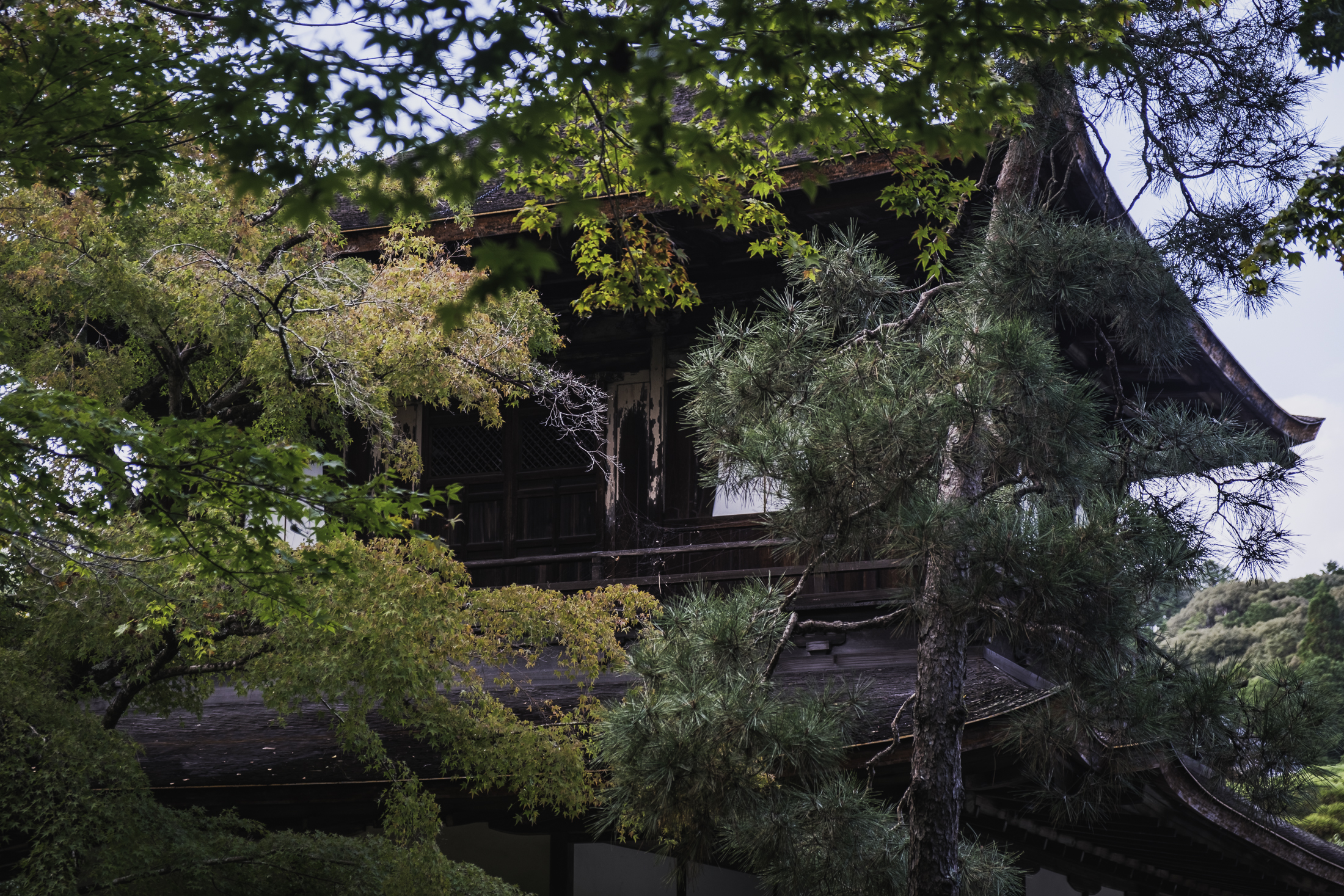
Ginkaku-ji (Silver Pavilion)


Nanzen-ji – brick aqueduct


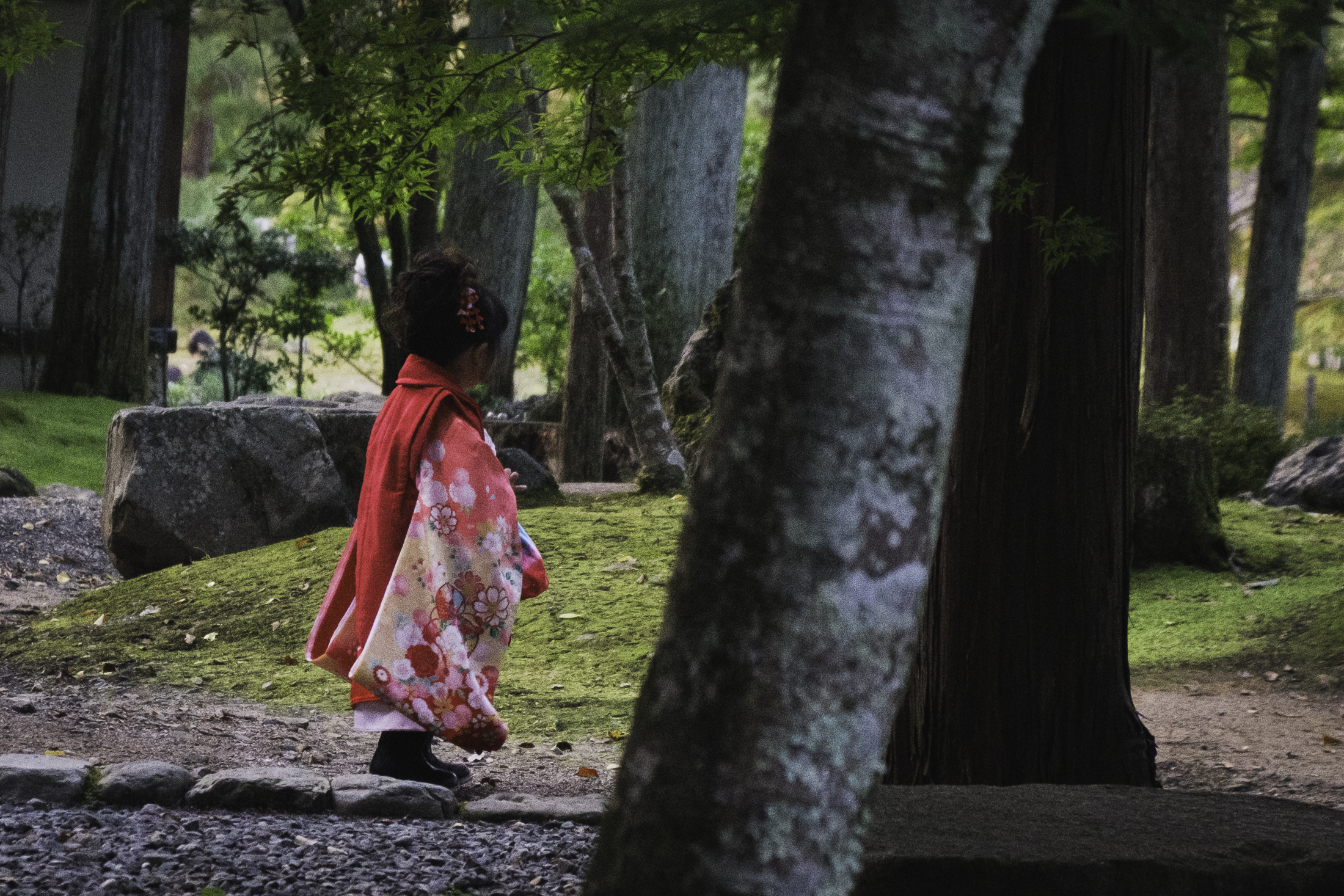
Nanzen-ji – young girl being photographed in traditional clothes, a custom for all 3, 5, and 7-year olds

This was a very full day!

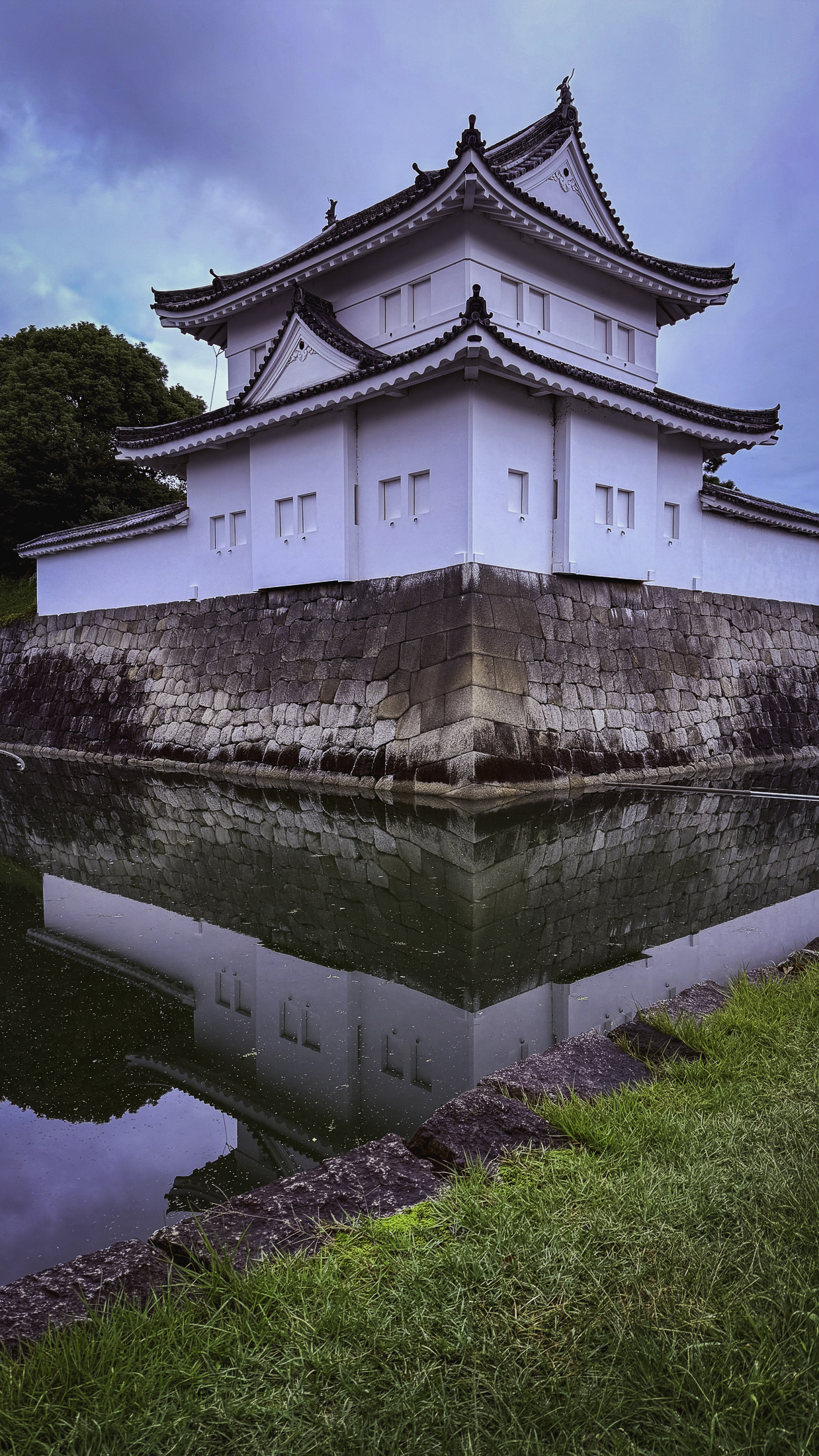
We started by arriving at Nijō Castle, a UNESCO World Heritage Site and former Kyoto residence of the Tokugawa shoguns.  Although the clear skies became cloudy and began drizzling, the castle and its grounds ignited my imagination.

After the castle, we headed to the Gion Kagai Art Museum and viewed a performance by a maiko.  Although maikos and geishas are entertainers (and not sex workers), the dances seemed quite sensual and flirtatious.  The culture gives me pause, especially since girls join the profession at such a young age.  Our guide told us that over 90% of girls leave their apprenticeships before becoming a geisha.

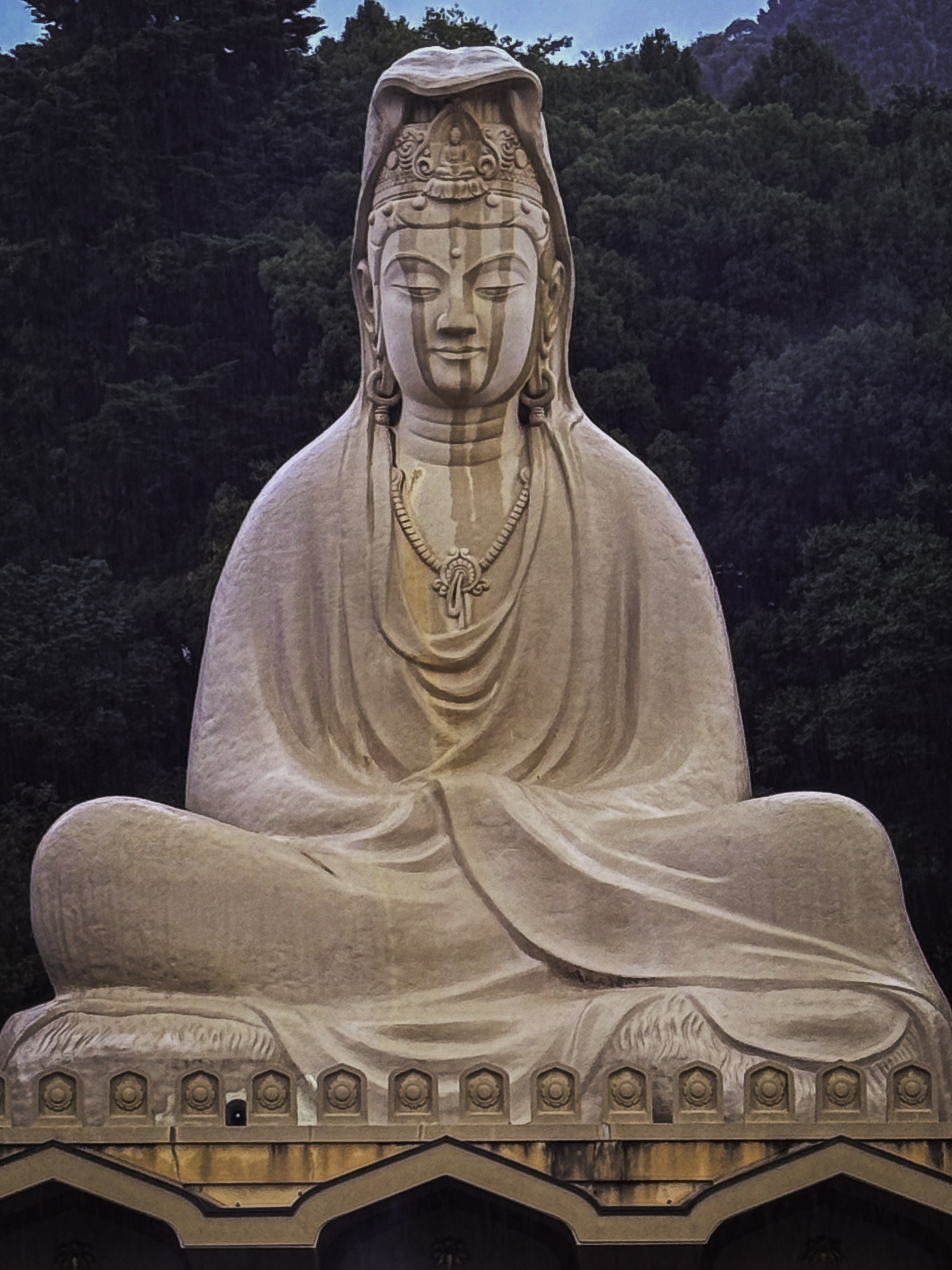
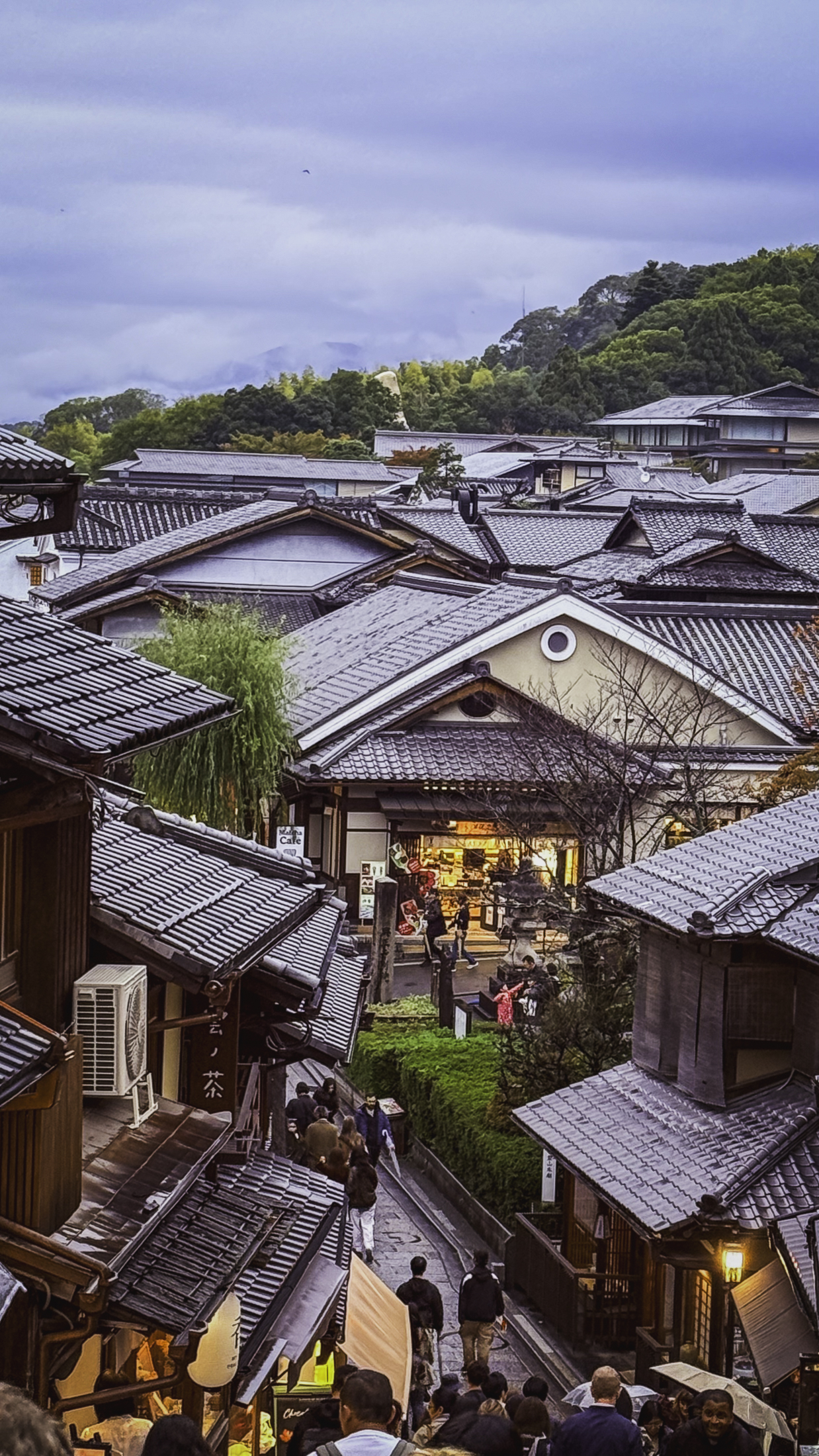
Following the performance, we wandered southern Higashiyama, visiting the preserved historic streets of Sannen-zaka and Ninen-zaka, photographing the five-story Yasaka Pagoda, walking around the Zen temple and gardens of Kōdai-ji, seeing the Ryozen Kannon, and meandering along Nene-no-michi’s stone-paved lanes.

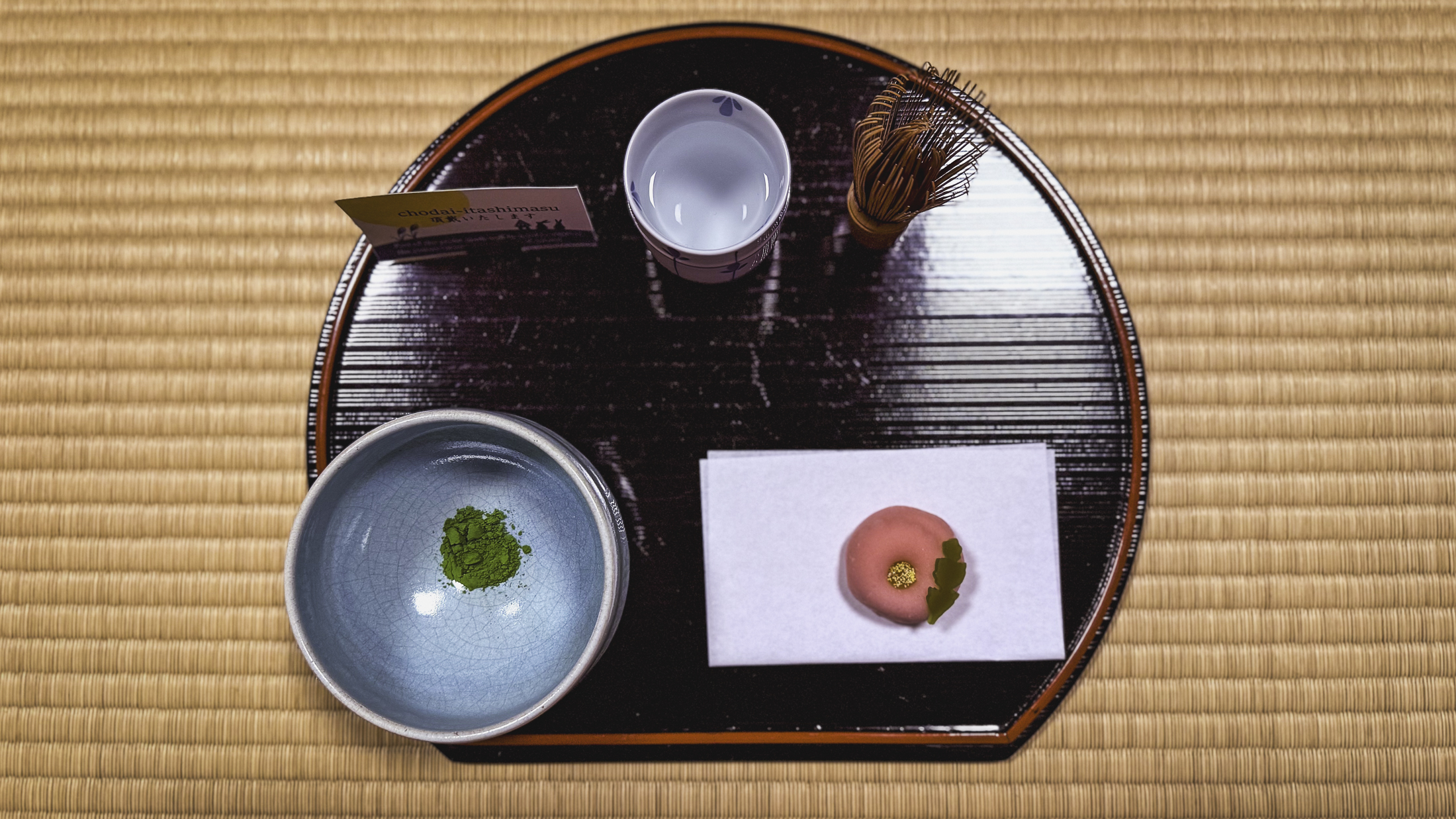
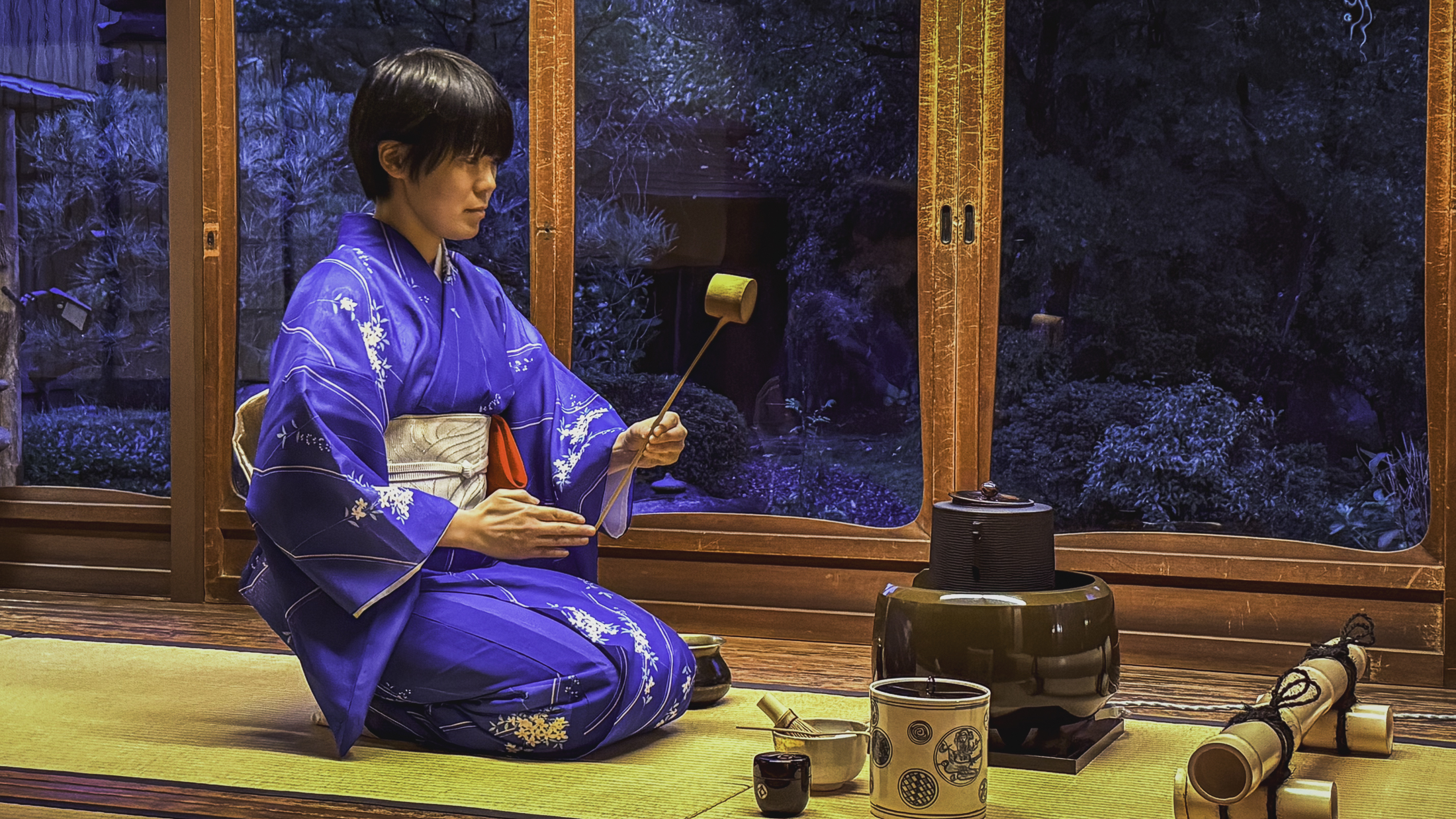
Next, we experienced a traditional tea ceremony at Sakaguchian, where we not only drank matcha tea but also prepared some for ourselves.  A high point was asking the tea master a few questions and learning it takes TEN YEARS to become a master!

We ended our day with a trip to a humongous shopping center at Kyoto Station, in search of a new jacket for Kayla (lost and then found at Nijō Castle) and new AirPods for me (I left my left AirPod in Tokyo, which was never recovered).  The travails of traveling!

Nijō Castle


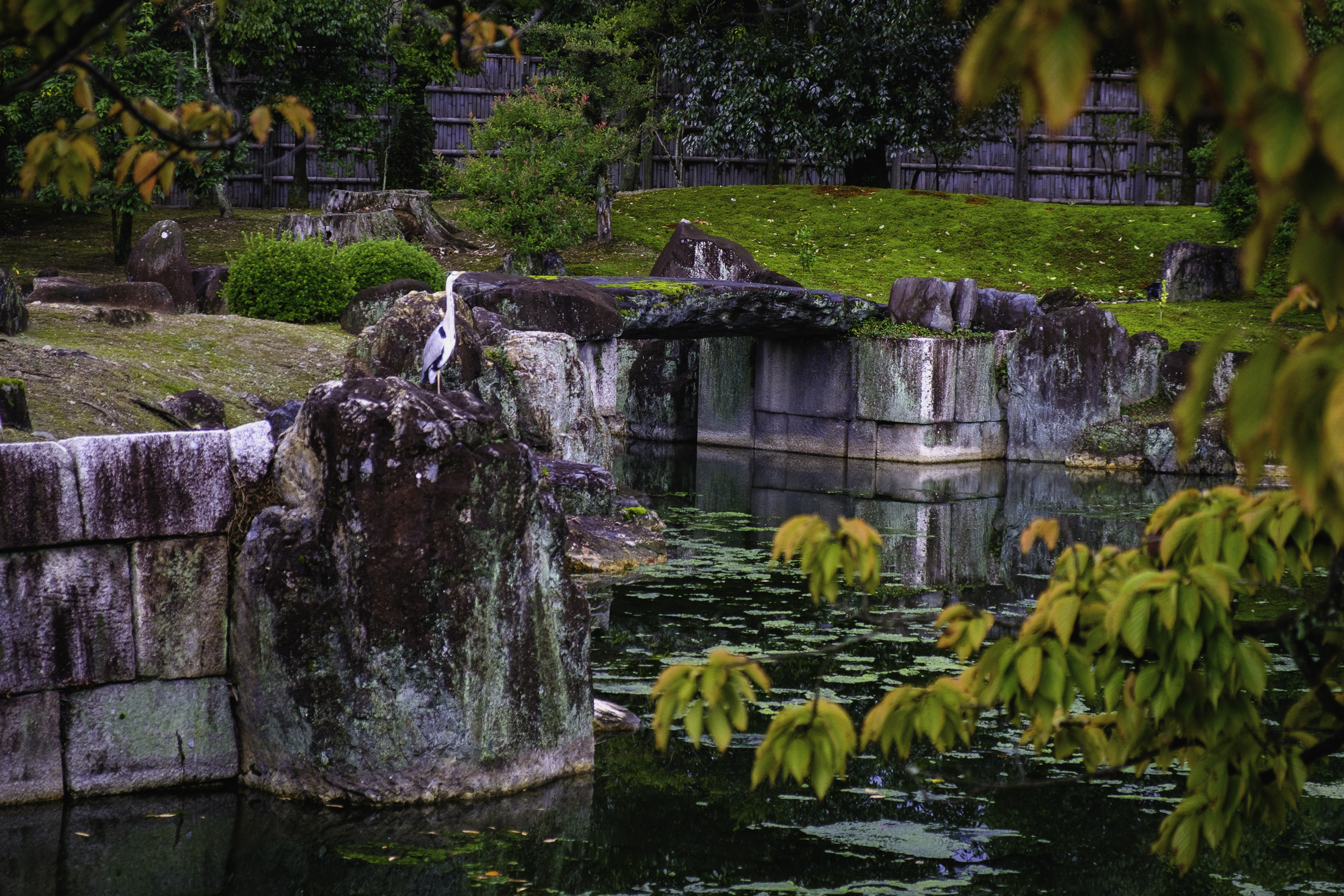
Grey Heron on the castle grounds


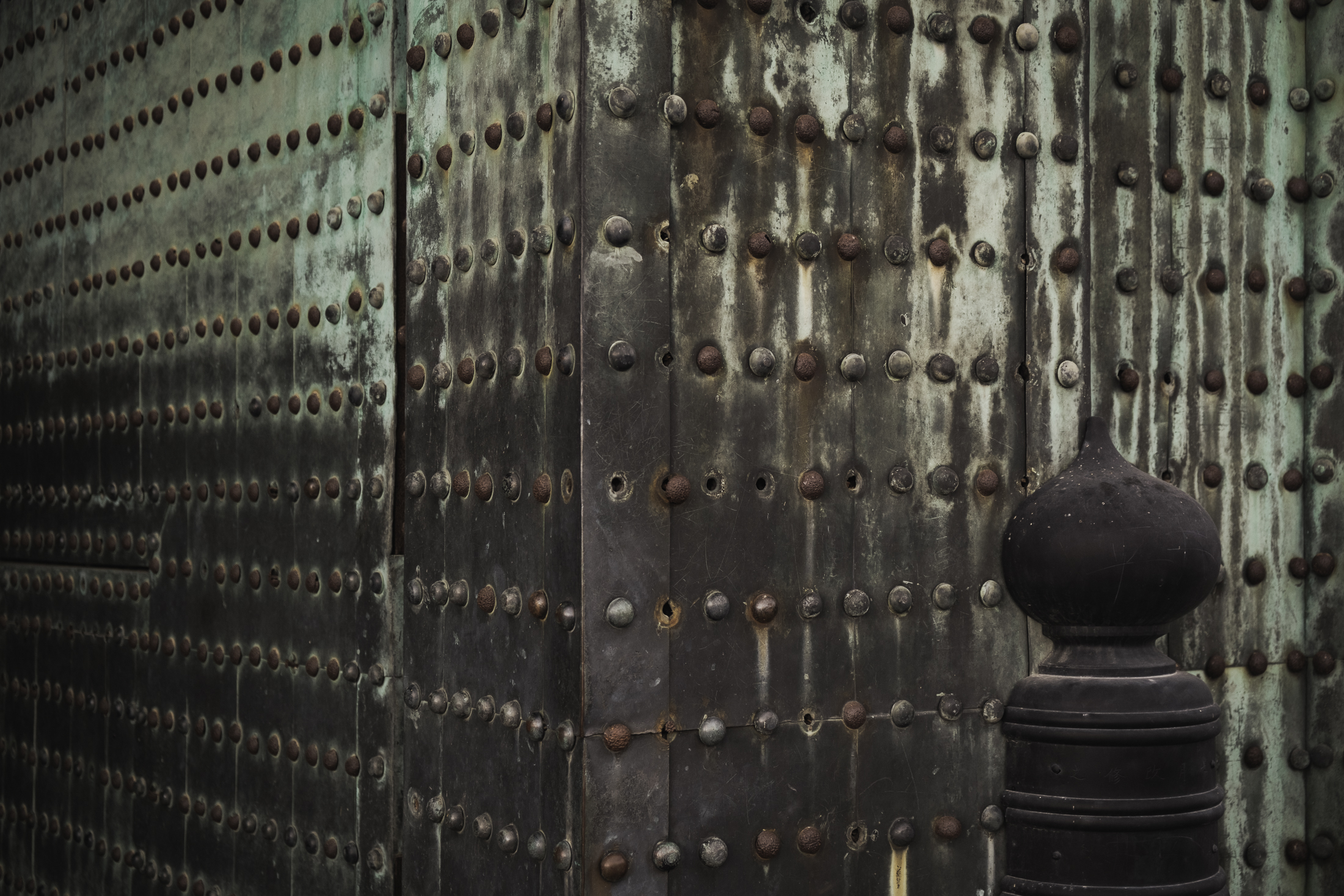
Metal work at the castle


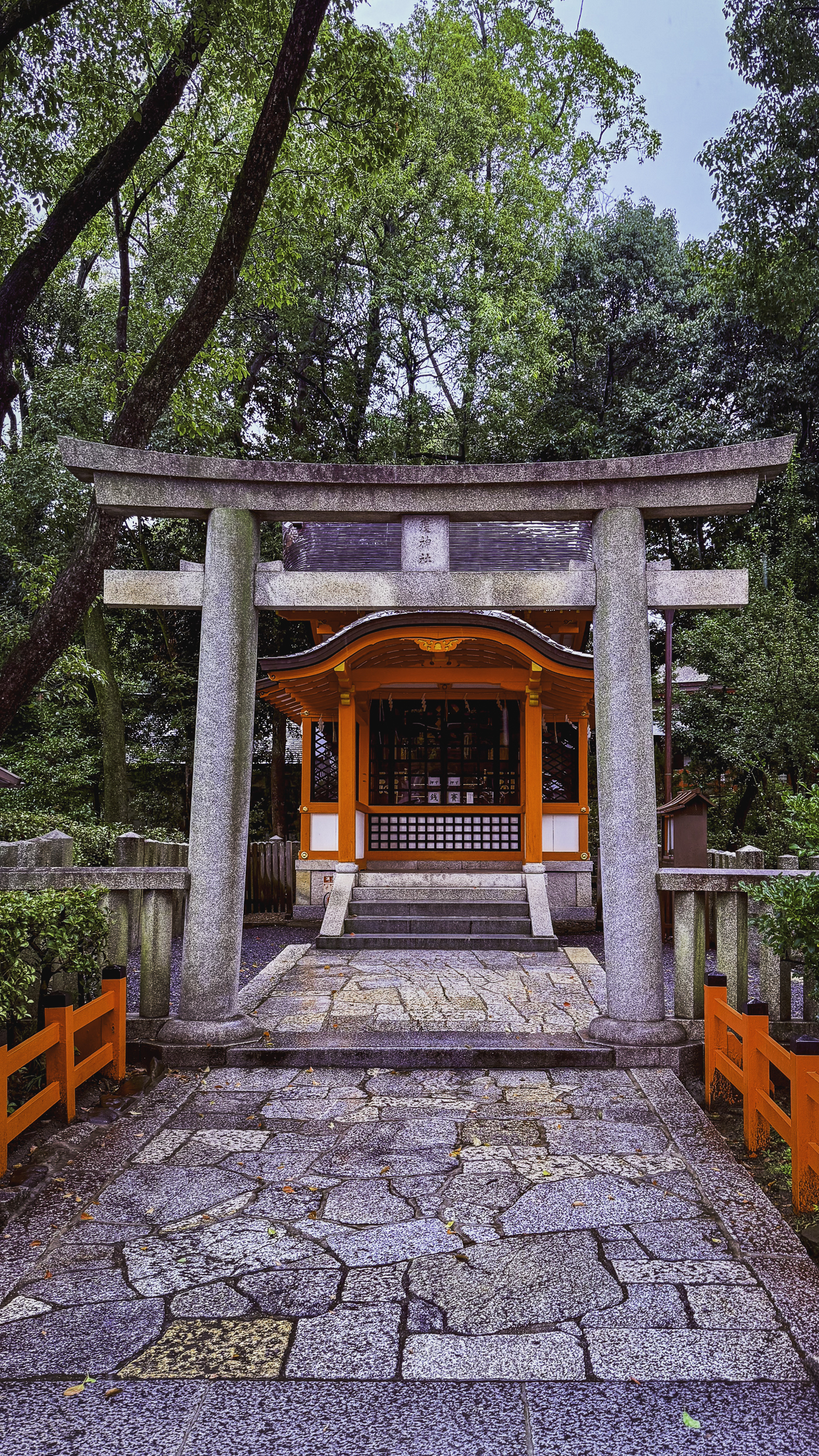
Small Shinto shrine


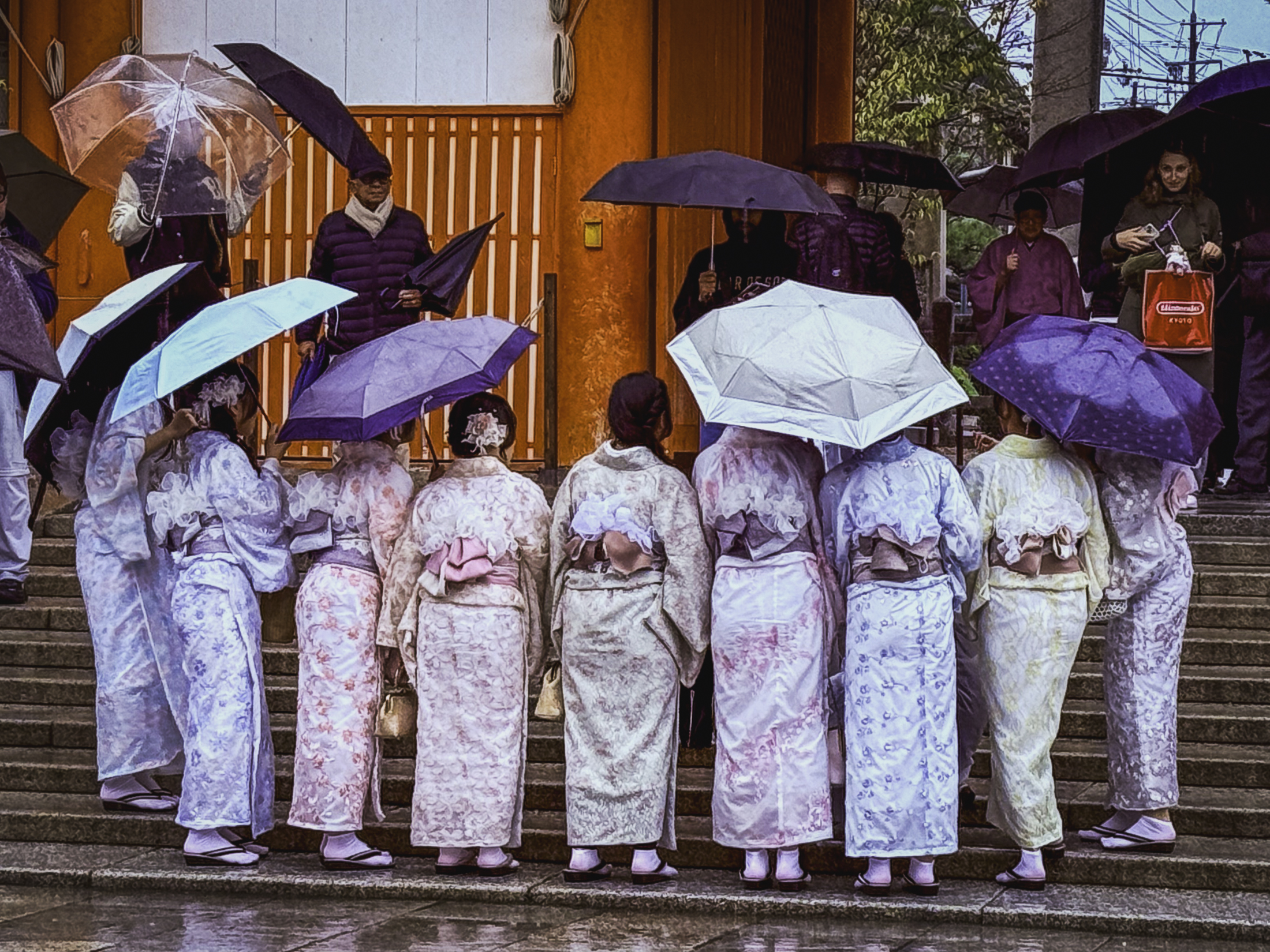
A group of friends dressed in rented kimonos posing for photos


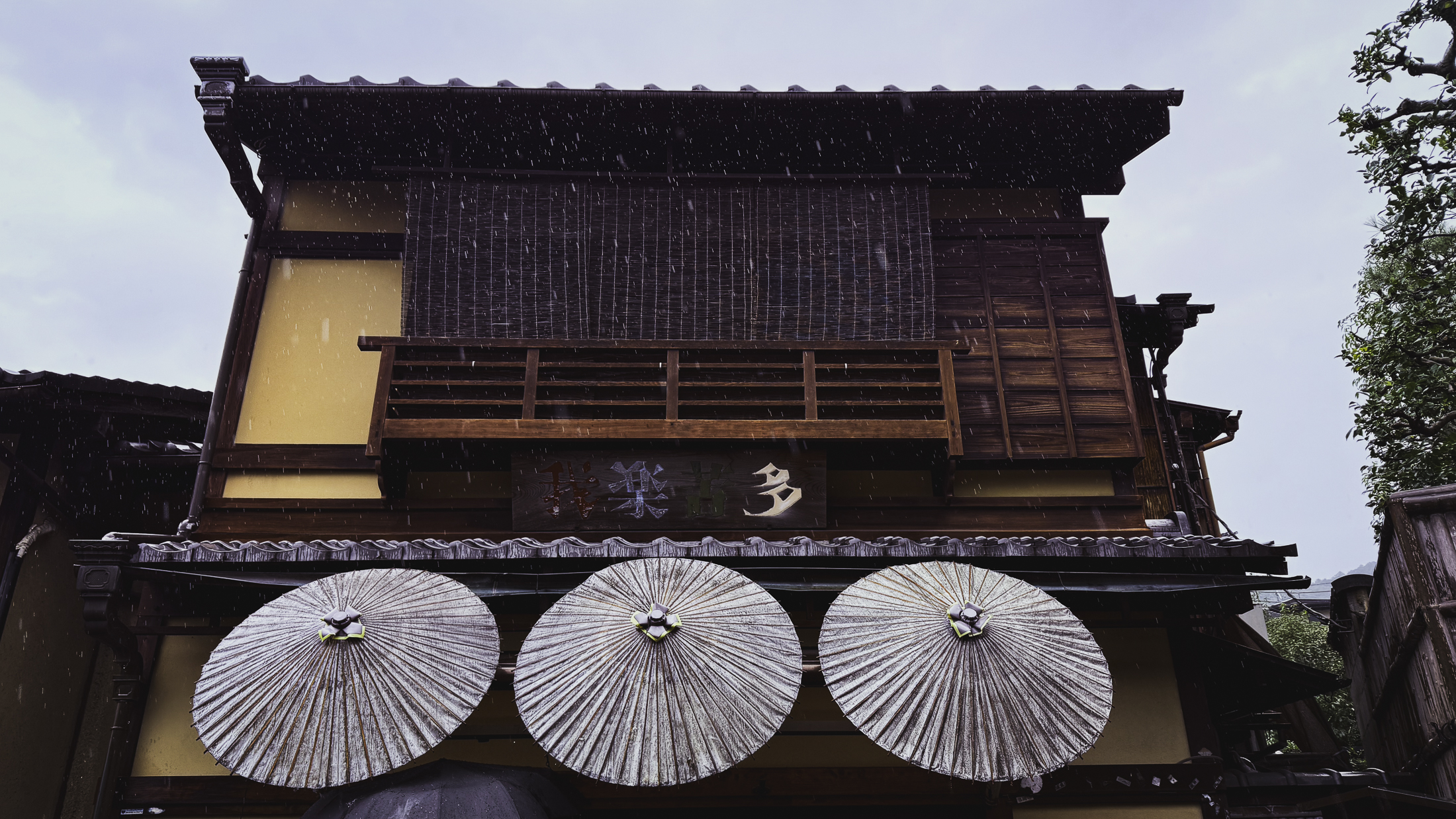
A storefront on one of the historic streets


Ryōzen Kannon:  located near Kōdai-ji Temple, a 79 foot tall statue honoring World War II Japanese and Allied war dead


Historic buildings


Matcha preparation set-up


Our tea master at work

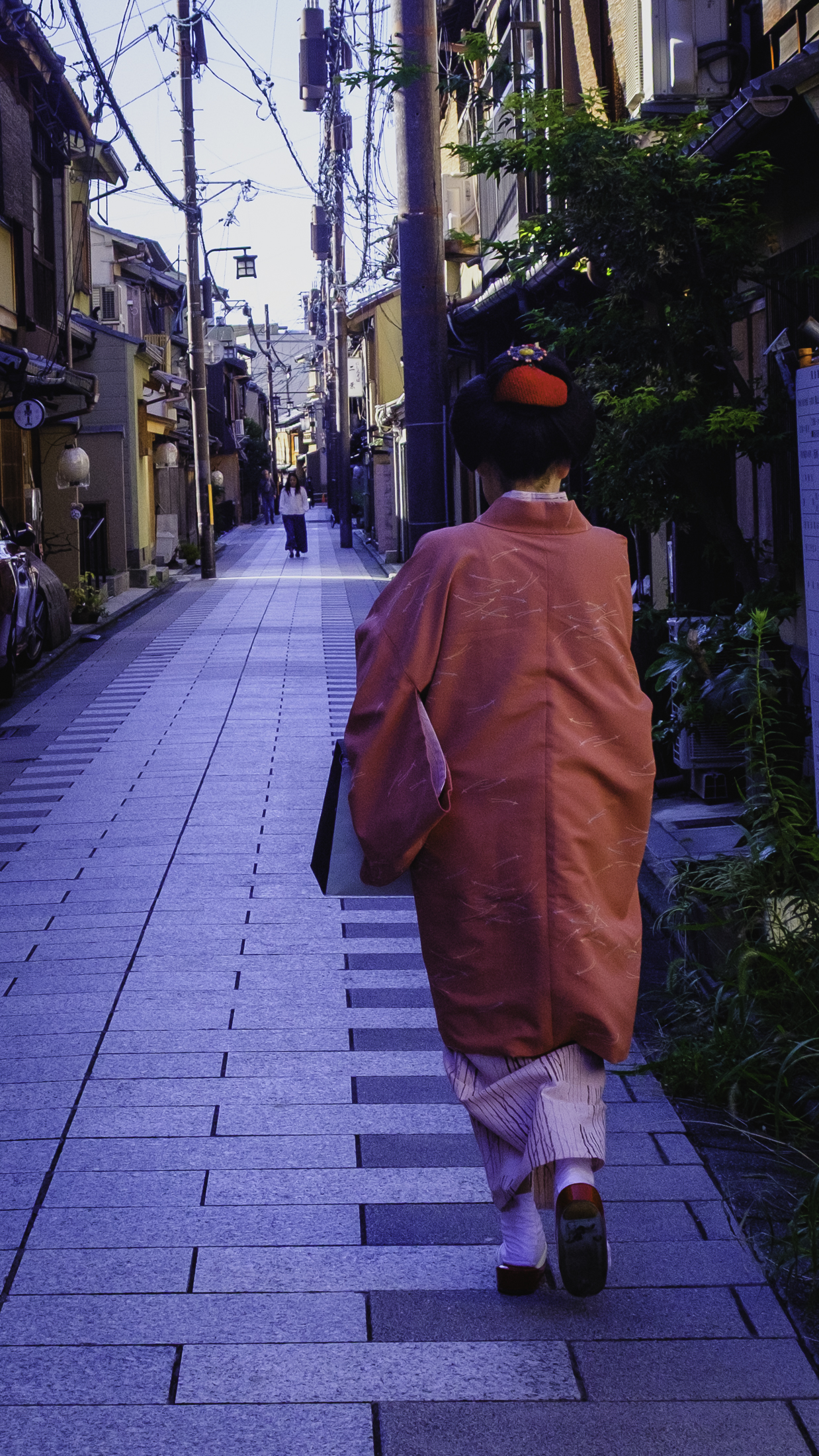
We began our first full day in Kyoto with a three-hour guided orientation tour through the city’s historic eastern neighborhoods, exploring the Kamo River, Pontocho, Miyagawachō, traditional machiya lanes, temples, and Gion.  During this time, we learned about geisha culture, saw a maiko walking to work, and discovered the three places geishas inhabit – Ochaya (teahouses), Okiya (homes), and Kaburenjō (theaters).

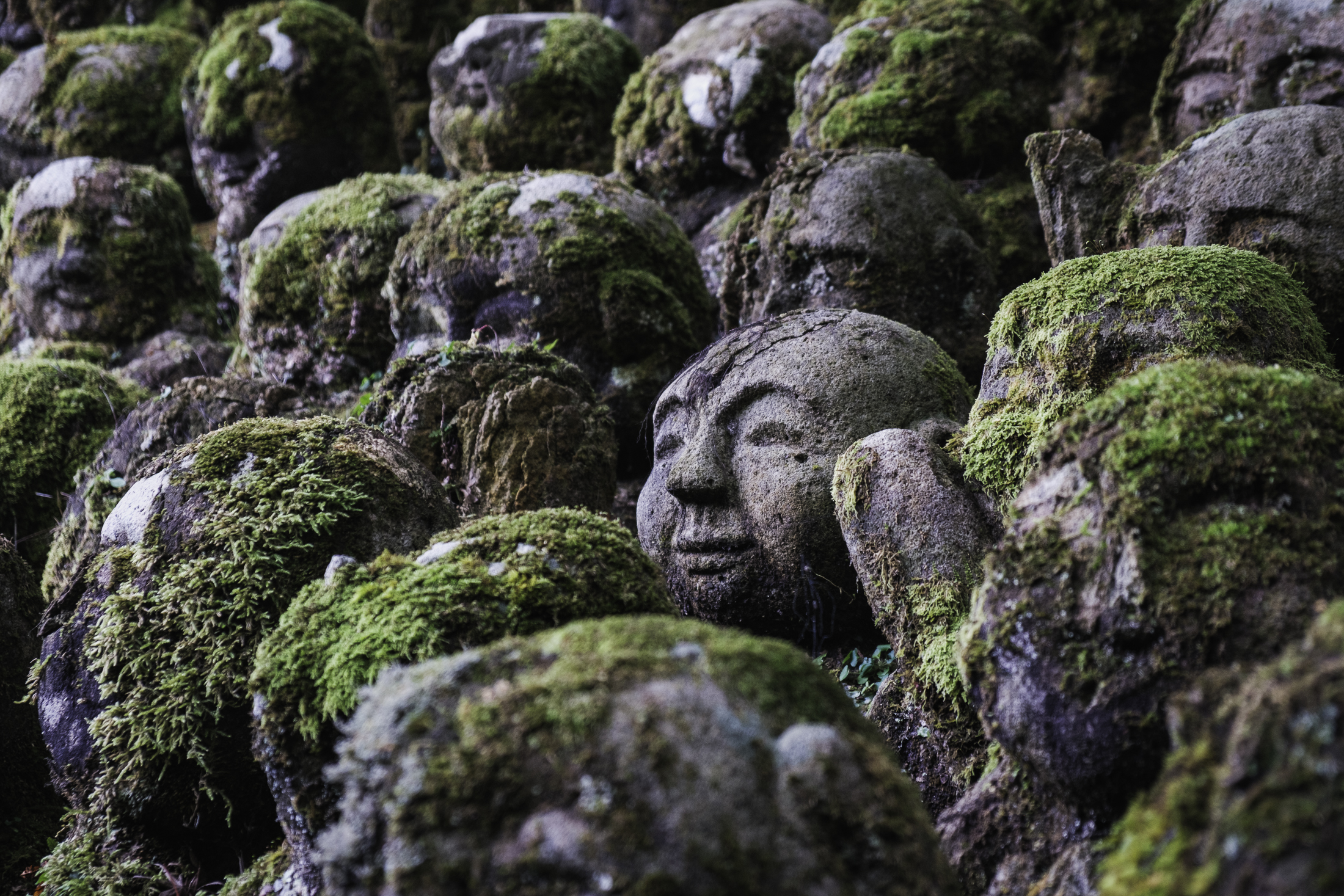
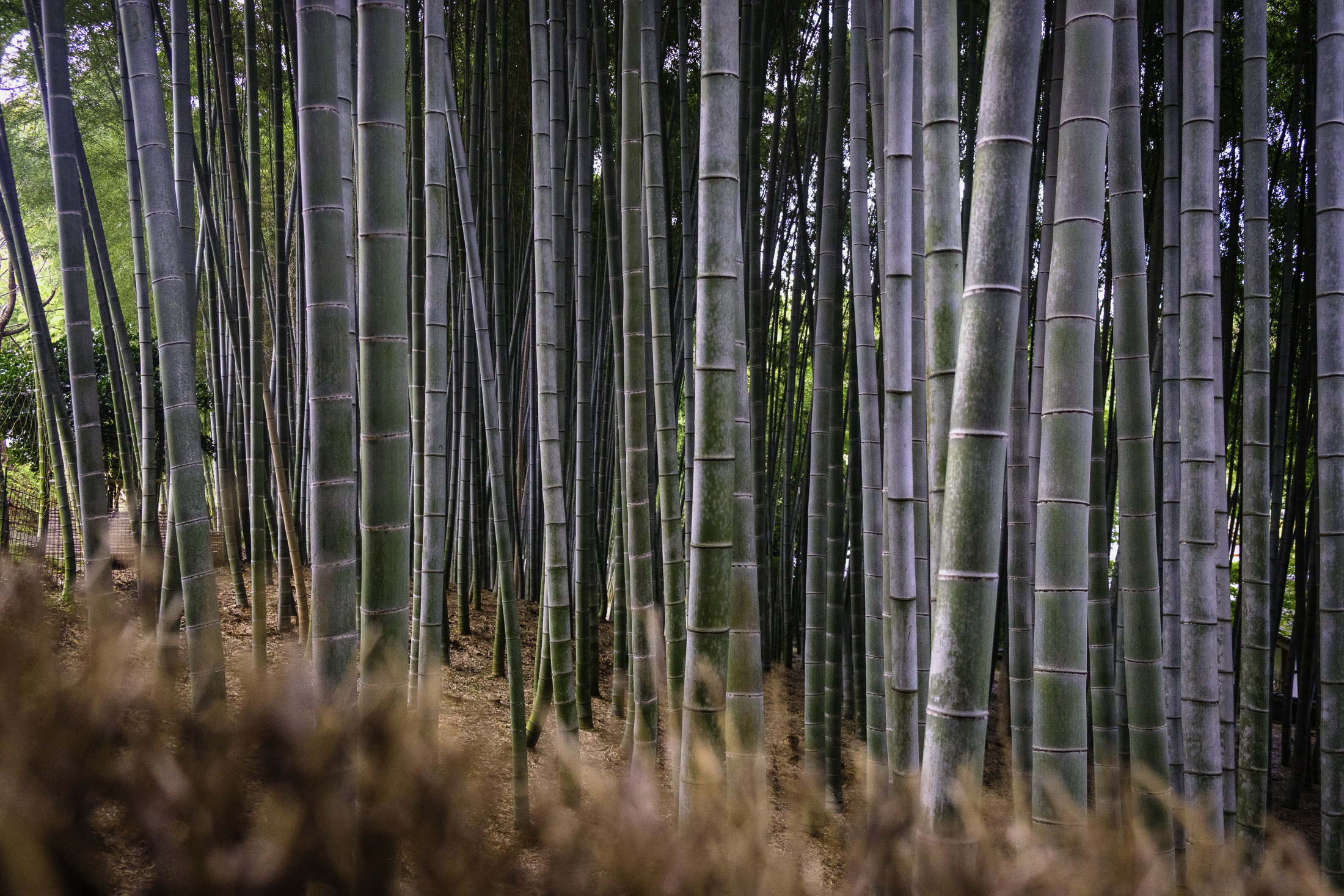
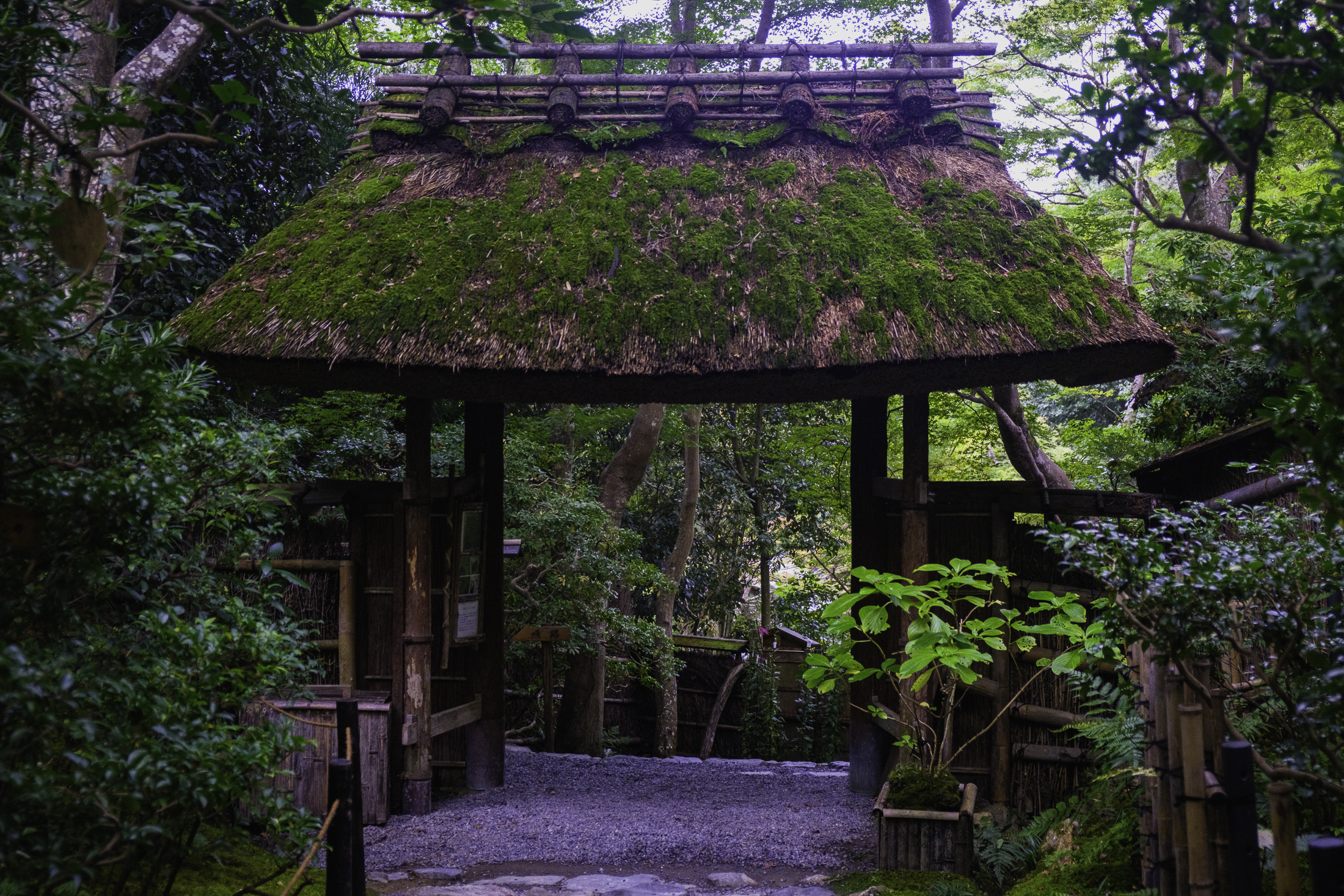
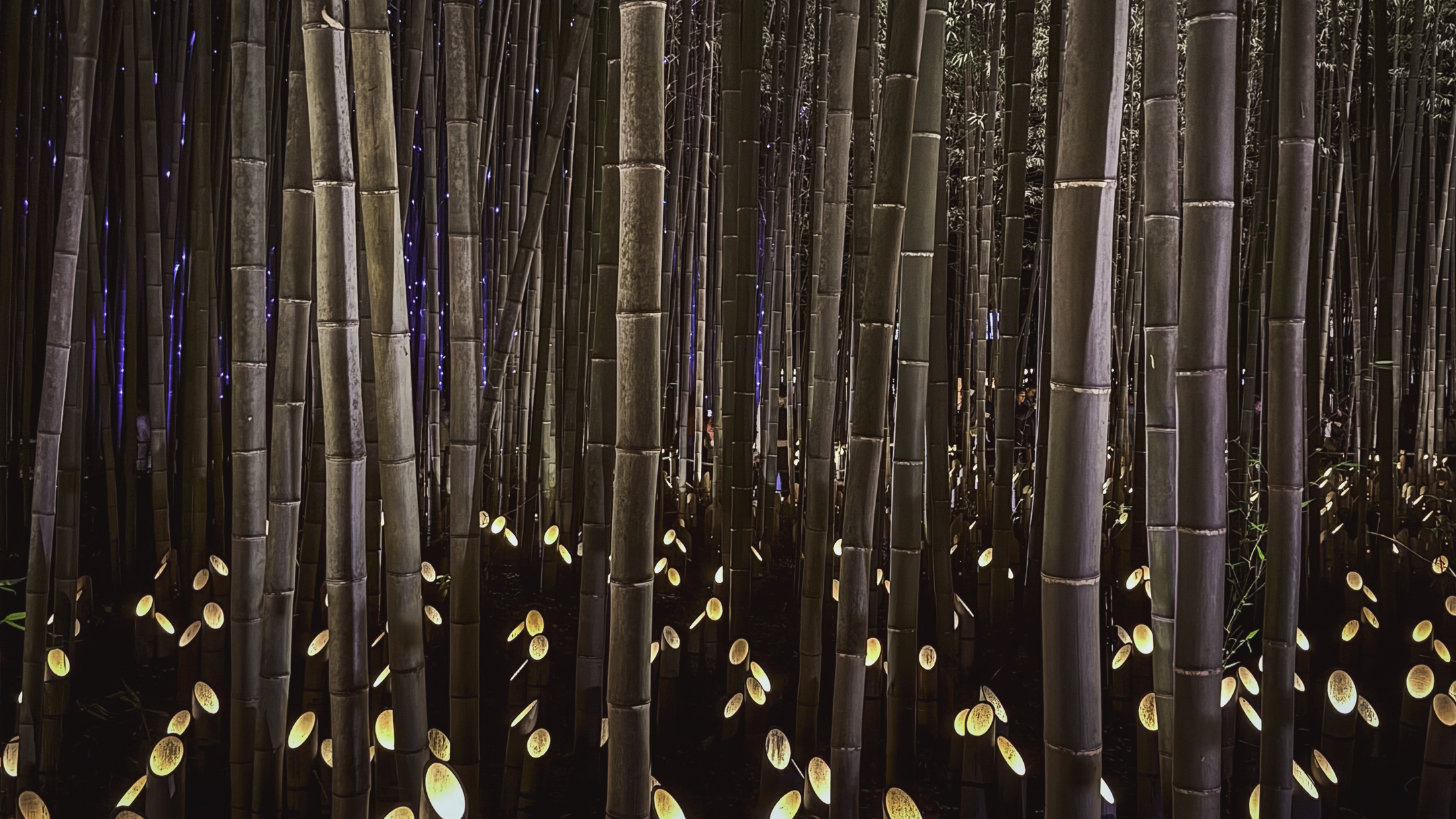
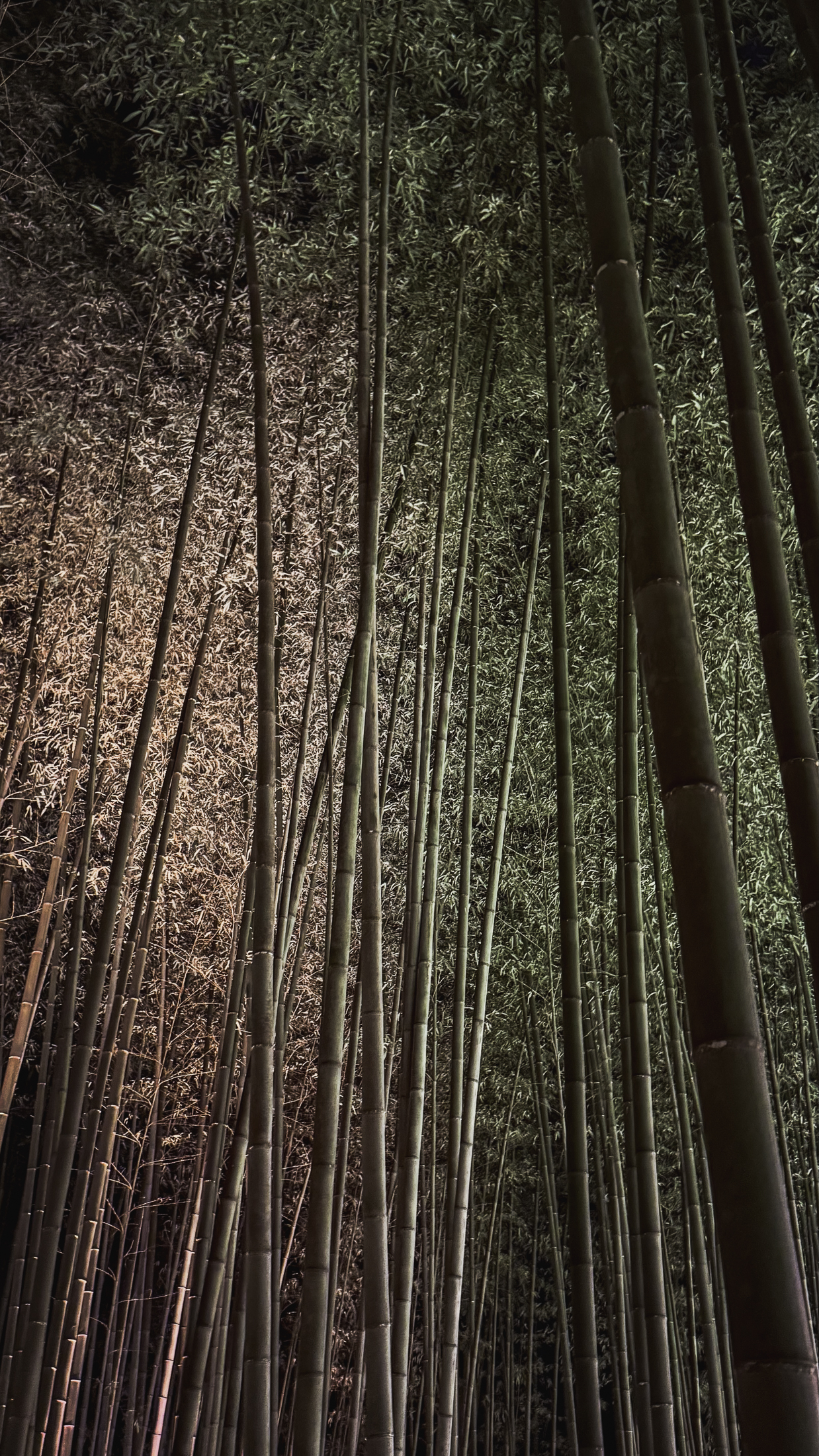
In the afternoon, we traveled across Kyoto to Arashiyama, wandering through the historic Saga-Toriimoto district, Buddhist temples filled with stone figures, moss gardens, and the famous bamboo forest. We finished the day among the towering bamboo, this time illuminated after dark.

A very full day spanning two sides of Kyoto—and an extraordinary variety of architecture, gardens, history, and photographic subjects.

A maiko, apprentice, walking to work (girls become maikos at about age 15 and geishas around ago 20)


Rokudō Chinno-ji


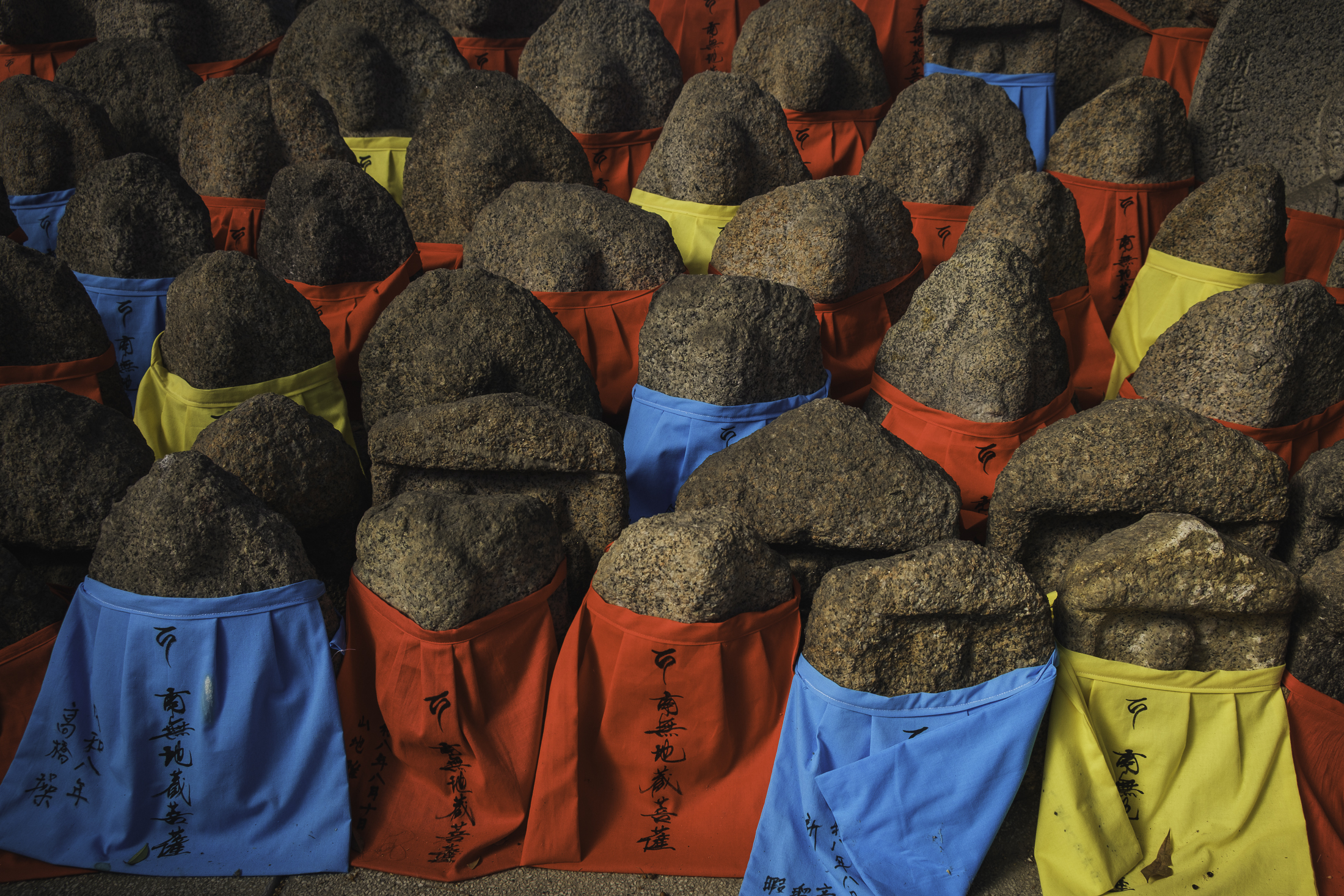
Grieving parents honor their miscarried or stillborn children by placing a bib on a Jizō statue


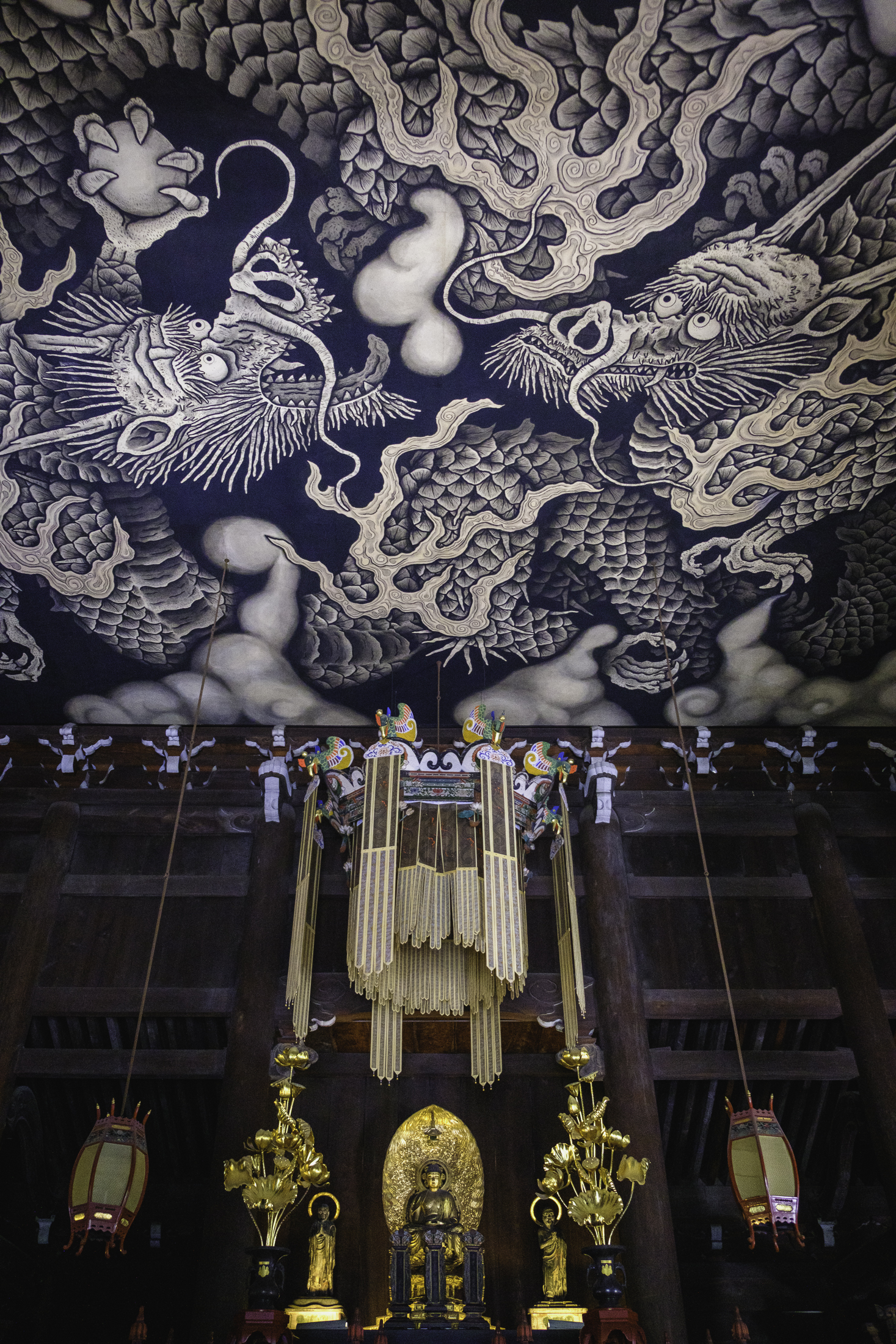
Kennin-ji Temple — Twin Dragons ceiling, Dharma Hall


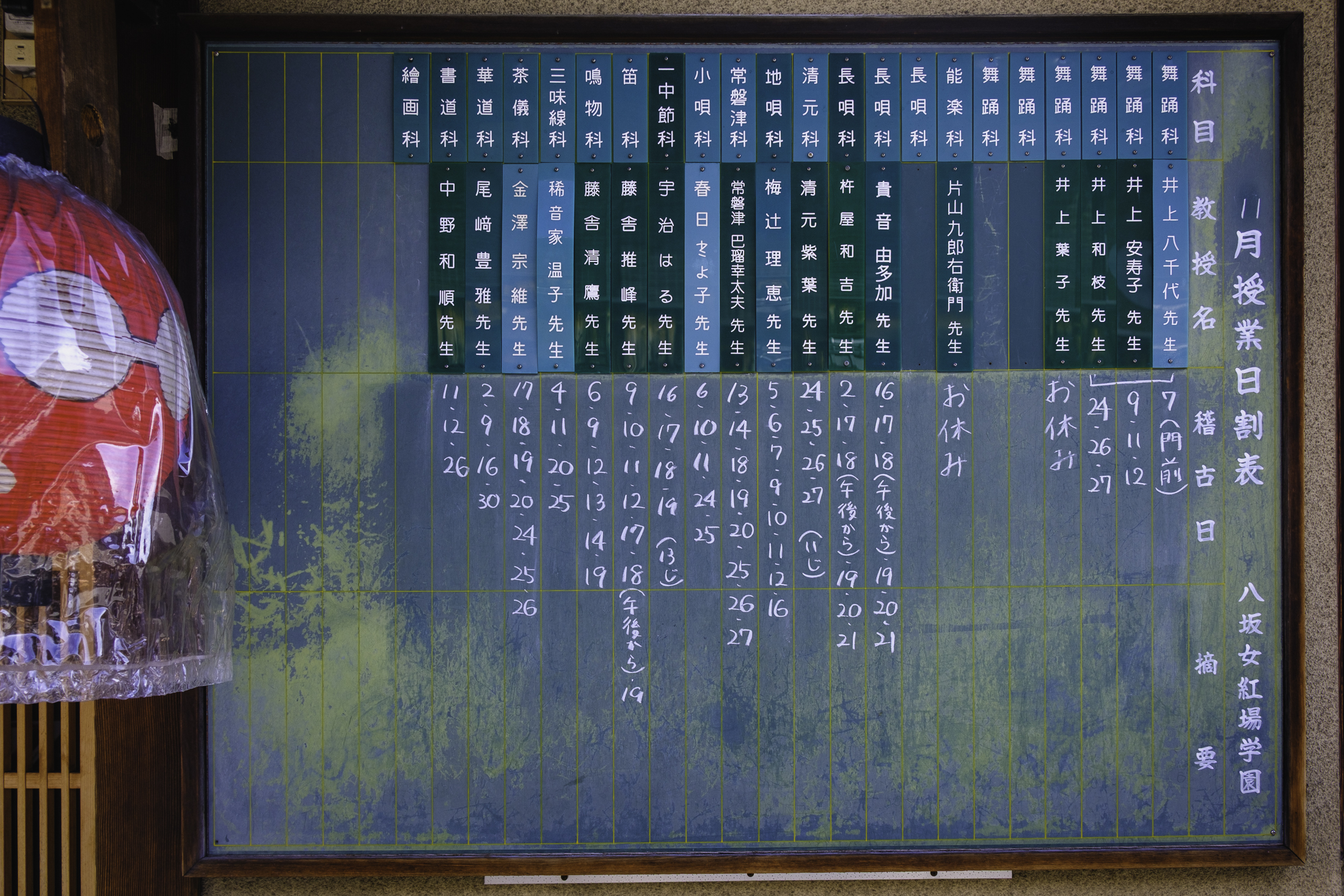
Schedule of classes and performances posted outside an Okiya


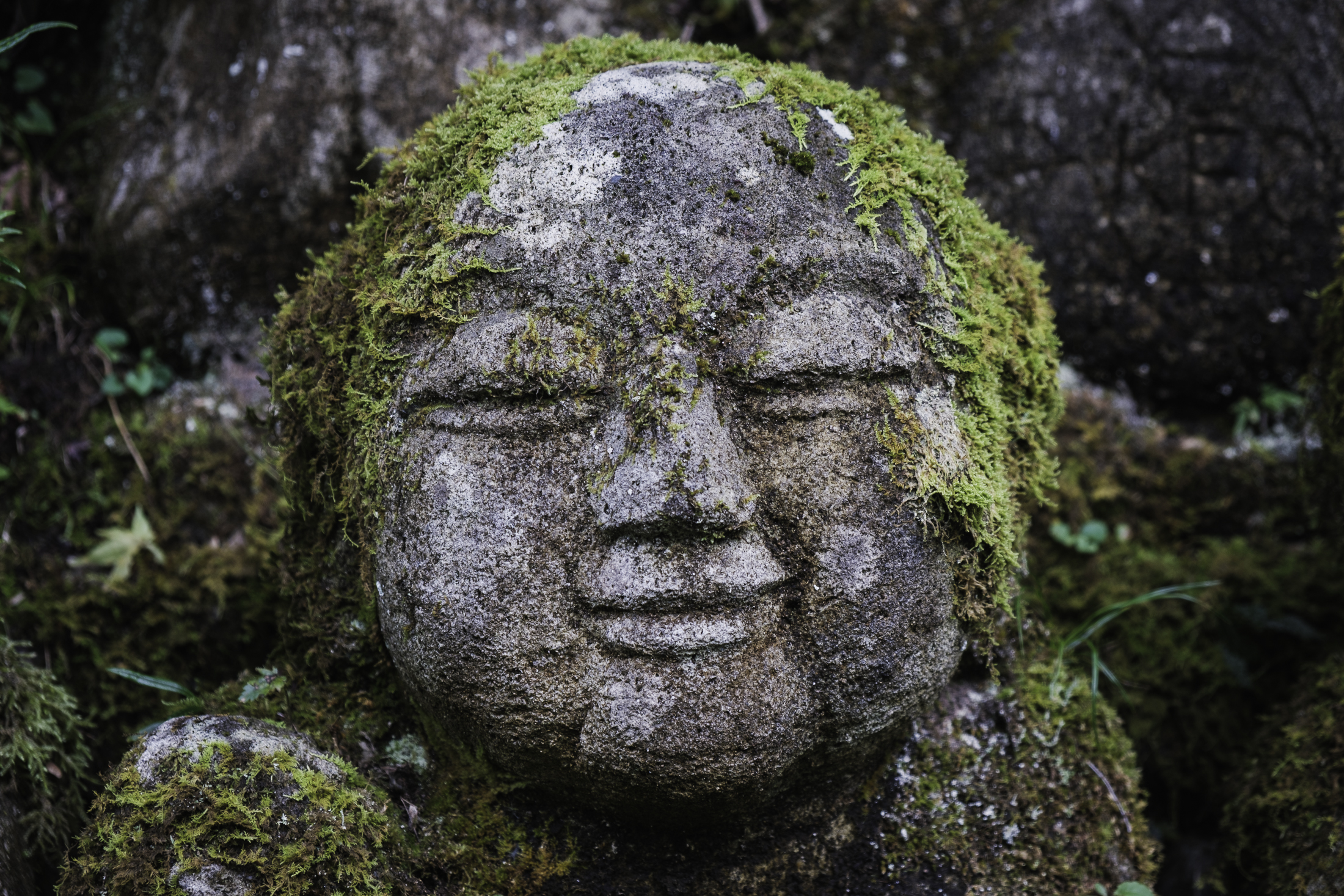
Otagi Nenbutsu-ji:  about 1,200 stone rakan statues!


Ōkōchi Sansō Garden


Bamboo grove at Adashino Nenbutsu-ji


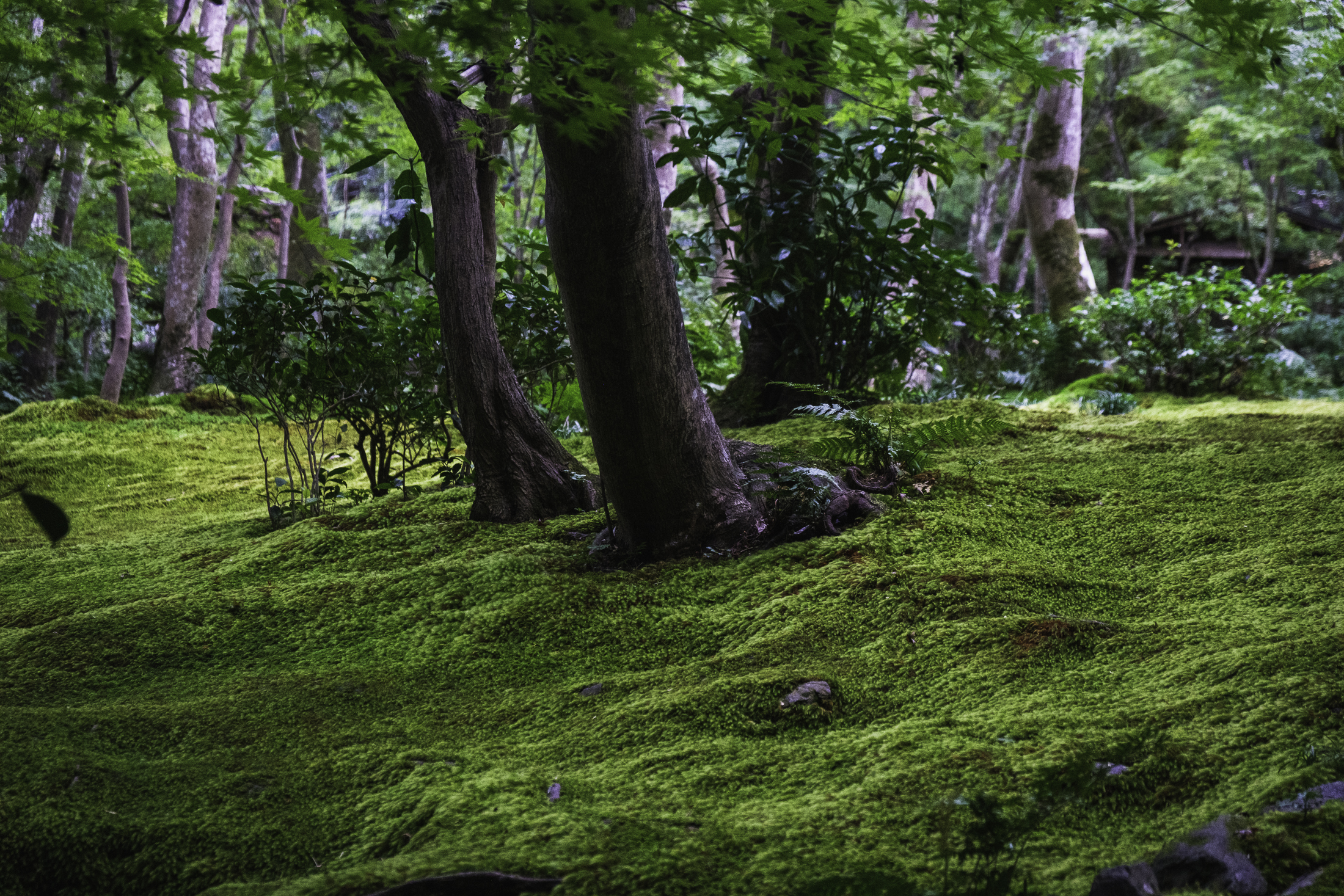
Giō-ji, lush and mossy


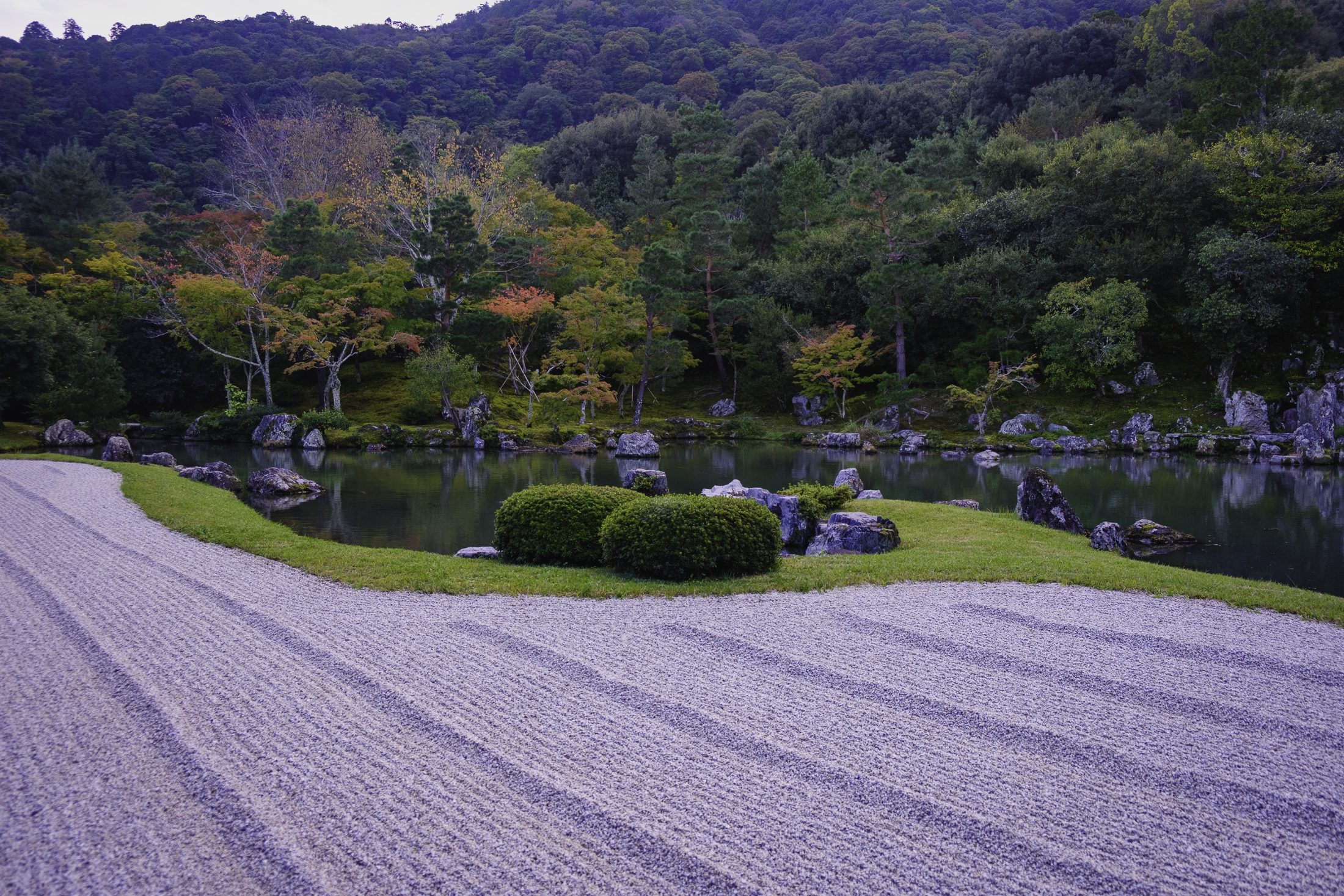
Tenryū-ji — Sōgenchi Pond Garden:  zen garden with raked gravel at this UNESCO World Heritage Site


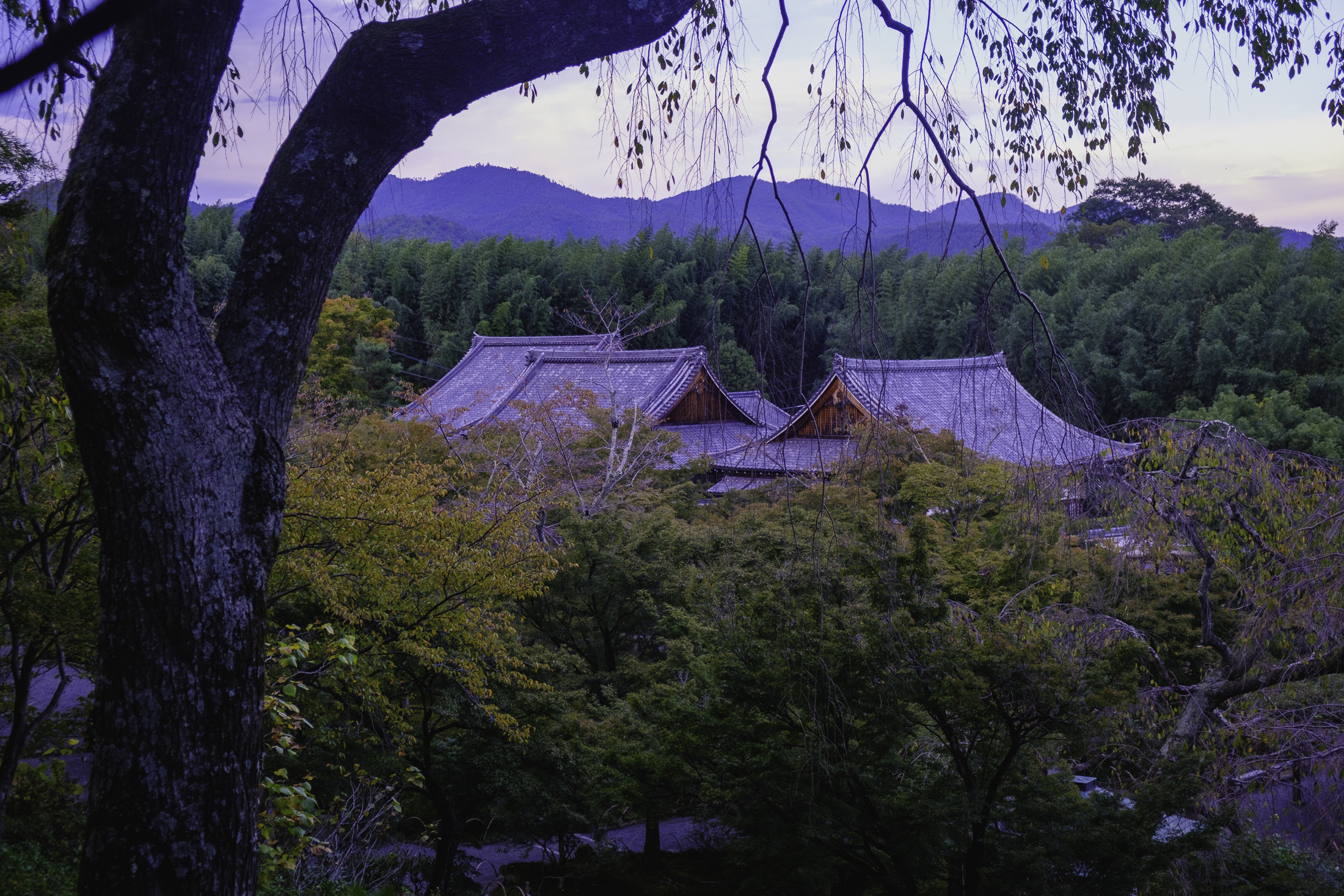
Tenryū-ji:  from the top of a trail


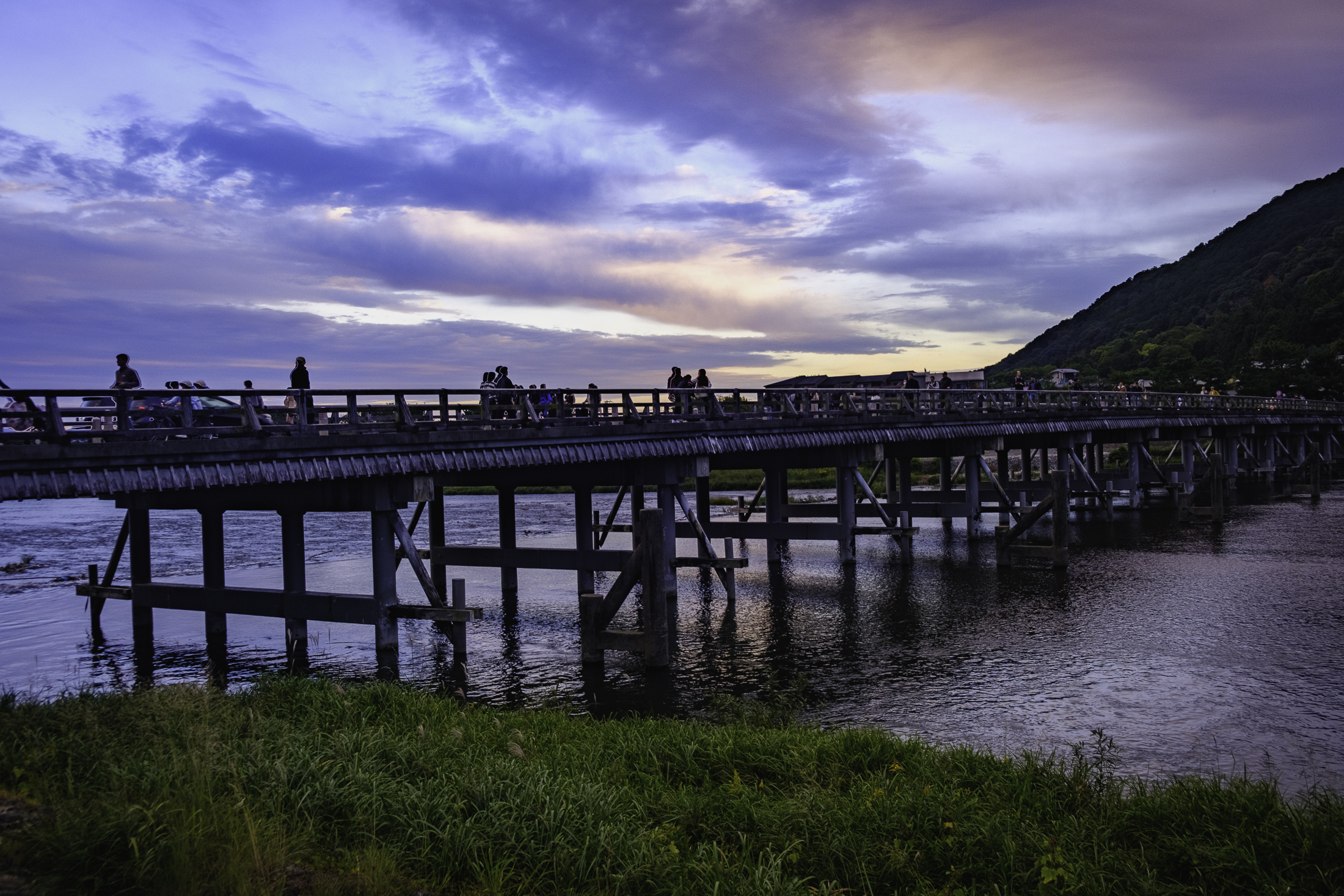
Togetsukyō Bridge at sunset


Illuminated Arashiyama Bamboo Grove